
 Zoe Nora
Wireless music system technology has dramatically transformed how we experience sound, merging convenience with high-quality audio. With roots tracing back to early wireless innovations, these systems have evolved immensely, adapting to advancements in technology and consumer needs.
From Bluetooth speakers that simplify personal music listening to sophisticated multi-room systems that fill homes with sound, the options are vast. Understanding the various types available, their sound quality, and integration into smart homes can enhance our enjoyment and interaction with music.
Understanding the evolution of wireless music systems is essential for grasping their current capabilities.
The journey of wireless music systems spans several decades, showcasing remarkable advancements that have fundamentally changed how we experience sound. Starting from the early experiments with radio frequencies to today’s sophisticated streaming technologies, the evolution of these systems is a testament to human ingenuity and technological progress. Understanding this history not only highlights the current capabilities of wireless music systems but also sets the stage for future innovations in the audio landscape.
Technological advancements have played a pivotal role in shaping modern wireless music systems. The transition from analog to digital formats marked a significant milestone, enabling the compression and transmission of high-quality audio signals over various platforms. Wireless technologies such as Bluetooth, Wi-Fi, and the advent of cloud-based services have further enhanced the accessibility and versatility of music systems. These innovations have led to an era where music can be streamed seamlessly across multiple devices, providing listeners with an unprecedented level of convenience and quality.
Historical development of wireless music technology
The historical development of wireless music technology can be traced through several key milestones that laid the groundwork for today’s systems. Each stage of this evolution has contributed to the capabilities we enjoy in modern wireless music solutions.
- The invention of radio in the late 19th century allowed for the first wireless audio transmissions, paving the way for broadcast music.
- The introduction of FM radio in the 1930s improved sound quality significantly, leading to a more enjoyable listening experience.
- The emergence of portable cassette players in the 1970s and 80s brought music into everyday life, further popularizing wireless listening.
- In the late 1990s, the development of Bluetooth technology enabled short-range wireless audio streaming, providing a new level of convenience for users.
- The launch of Wi-Fi audio systems in the 2000s made it possible to stream music from the internet directly to home speakers, revolutionizing how music is consumed.
- The rise of streaming services like Spotify and Apple Music in the 2010s shifted the focus from physical media to on-demand access, further influencing wireless music systems.
“The evolution of wireless music systems reflects the rapid advancements in technology and the changing needs of music lovers.”
As we reflect on the timeline of wireless music technology, it becomes clear that each advancement has been driven by the desire for improved sound quality, accessibility, and user experience. From the initial experiments in radio transmission to today’s advanced streaming platforms, the evolution of these systems showcases a remarkable journey through innovation and creativity.
Exploring the different types of wireless music systems available can provide insight into consumer choices.
Wireless music systems have transformed the way we listen to and experience sound in our personal spaces. With advancements in technology, several types of wireless music systems have emerged, catering to varying consumer preferences and needs. Understanding these types can greatly influence purchasing decisions, as each offers distinct features that appeal to different listening environments.
To categorize the various wireless music systems available today, we can primarily focus on three main types: Bluetooth speakers, Wi-Fi speakers, and multi-room audio systems. Each type of system has unique features and benefits that suit different lifestyles and listening scenarios.
Types of Wireless Music Systems
Here’s an overview of the different types of wireless music systems along with their key characteristics and ideal scenarios for use:
- Bluetooth Speakers:
Bluetooth speakers are popular for their portability and ease of use. They connect directly to devices such as smartphones, tablets, or laptops without the need for a Wi-Fi network. This makes them ideal for outdoor gatherings or personal use.Bluetooth systems are celebrated for their convenience and mobility, allowing users to connect effortlessly on the go.
- Wi-Fi Speakers:
Wi-Fi speakers operate on a home network, providing better audio quality and connectivity options compared to Bluetooth. They are perfect for users who prioritize sound fidelity, making them suitable for home environments where music is enjoyed more seriously.Wi-Fi systems typically offer superior range and sound quality, providing a richer audio experience.
- Multi-Room Audio Systems:
Multi-room audio systems allow users to play music in multiple rooms simultaneously. These systems are often integrated with smart home technology, enabling seamless control and synchronization across different areas. Ideal for larger homes or social events, they enhance the listening experience by providing flexibility and variety.Multi-room systems revolutionize how we experience music, facilitating a cohesive sound environment throughout the home.
Each type of wireless music system serves its purpose based on user lifestyle and listening preferences. For instance, a Bluetooth speaker is an excellent choice for those who are always on the move, while Wi-Fi speakers cater to audiophiles who demand superior sound quality. On the other hand, multi-room systems are perfect for individuals who enjoy entertaining guests or have a passion for music that fills their entire home.
Evaluating the sound quality of wireless music systems can help consumers make informed decisions.
When it comes to choosing a wireless music system, understanding sound quality is crucial for making a well-informed decision. Consumers are often faced with a plethora of options, and knowing what factors influence sound quality can significantly enhance their listening experience. This segment delves into the key elements that affect sound quality in wireless systems, the role of audio codecs, and highlights some high-quality examples in the market.
Factors Affecting Sound Quality in Wireless Systems
Several factors play a significant role in determining the sound quality of wireless music systems. These include:
- Speaker Design: The physical structure of the speakers, including materials and size, directly influences sound reproduction. Larger drivers typically provide better bass response, while tweeters enhance high frequencies.
- Wireless Range: The distance between the source device and the speakers can affect sound clarity. A longer range may lead to signal loss and interference, degrading sound quality.
- Interference: Wi-Fi networks and other electronic devices can introduce interference. Systems that operate on the 5 GHz band tend to have less congestion compared to the 2.4 GHz band, leading to clearer sound.
- Room Acoustics: The environment where the speakers are placed also matters. Hard surfaces can create echoes, while soft furnishings can absorb sound, affecting overall audio quality.
Influence of Audio Codecs on Performance
Audio codecs compress and decompress sound data, playing a crucial role in wireless audio transmission. The choice of codec can significantly impact sound fidelity. Common audio codecs include:
- AAC (Advanced Audio Codec): Known for its good quality at lower bit rates, AAC is widely used in streaming services and devices like Apple products.
- aptX: Focused on minimizing latency, aptX offers near CD-quality sound, making it ideal for music lovers who prioritize audio fidelity.
- LDAC: Developed by Sony, LDAC allows high-resolution audio streaming over Bluetooth, supporting bit rates of up to 990 kbps, which enhances sound quality significantly.
“Choosing the right audio codec can transform your listening experience, with options like aptX and LDAC providing high-fidelity sound over wireless connections.”
Examples of High-Quality Wireless Music Systems
Several wireless music systems stand out in the market for their impressive specifications and sound quality. Here are a few notable examples:
- Bose SoundLink Revolve+: Features 360-degree sound, an IP55 rating for water resistance, and a battery life of up to 17 hours, ensuring high-quality audio performance in various environments.
- Sony SRS-XB43: Offers deep bass with Extra Bass technology, IP67 waterproof and dustproof rating, and up to 24 hours of battery life, making it perfect for outdoor use while maintaining excellent sound quality.
- Sonos One: Supports multiple streaming services, features Amazon Alexa and Google Assistant integration, and is capable of stereo sound through multi-room setups, providing a robust audio experience.
Analyzing the setup process for wireless music systems can highlight user-friendliness and accessibility.
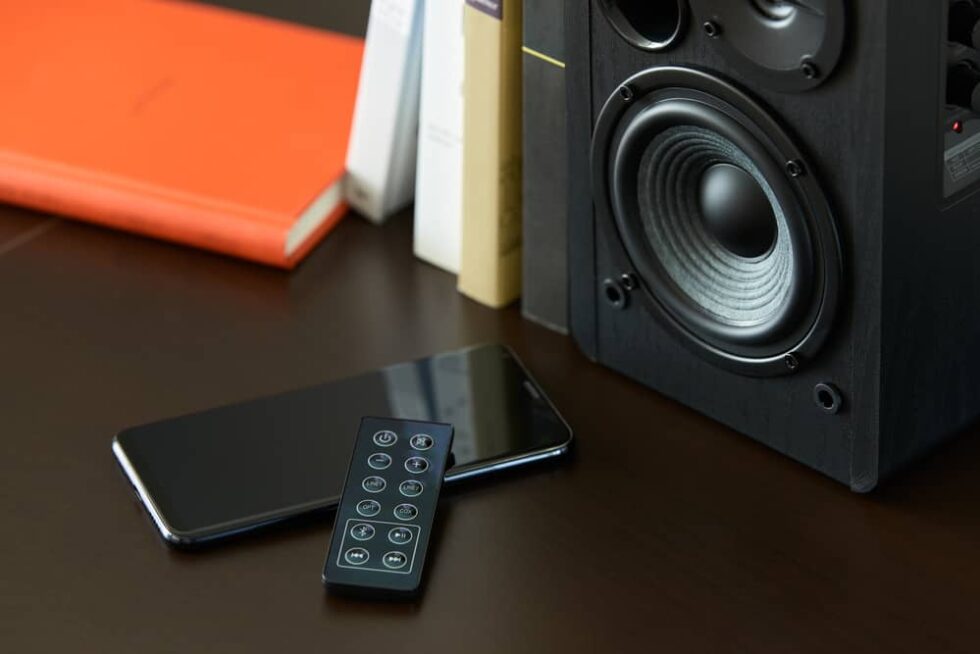
Setting up a wireless music system is often a straightforward process, designed to cater to various user skill levels. This accessibility is essential for ensuring that anyone can enjoy their favorite tunes without unnecessary complications. Let’s explore the general steps involved in the setup, along with troubleshooting tips for common issues, and considerations for wireless connectivity and range.
General Steps for Setting Up a Wireless Music System
The setup process typically involves a few key steps that are designed to be intuitive. Understanding these can help streamline the experience.
1. Unboxing and Placement: Start by carefully unboxing the components. Place the speakers or receiver in a location that optimizes sound quality and connectivity. Ideal spots are often central locations away from obstructions.
2. Power Connection: Plug in the power supply for all components. Ensure that the devices are turned on and properly connected to a power source.
3. Network Connection: Connect the system to your home Wi-Fi network. This usually involves selecting your network from a list and entering the password.
4. Pairing Devices: Pair your smartphone, tablet, or computer with the wireless music system. This can typically be done via Bluetooth or through a dedicated app.
5. Testing Audio: Play a track to test the audio output. Adjust settings as needed for optimal sound quality.
Troubleshooting Common Setup Issues
While setting up a wireless music system is generally user-friendly, users may encounter issues that can be resolved with a few straightforward troubleshooting tips. Here are common problems and their solutions:
– No Sound Output: Ensure the device is powered on and properly connected to the Wi-Fi. Check that the volume is turned up on both the system and the connected device.
– Connection Issues: If the system fails to connect to Wi-Fi, restart both the router and the music system. This often resolves temporary connectivity problems.
– Audio Distortion: Audio quality issues may arise from poor Wi-Fi signals. Position the router closer to the music system or consider using Wi-Fi extenders.
Wireless Connectivity and Range Considerations
Understanding wireless connectivity and range is crucial for maximizing the performance of your music system. Here are some insights:
– Wi-Fi Standards: Most wireless music systems utilize Wi-Fi standards like 802.11n or 802.11ac, which offer different ranges and speeds. The latter provides better performance in terms of speed and range.
– Obstruction Factors: Physical barriers such as walls and furniture can interfere with the signal. Keeping the line of sight clear and minimizing obstructions can enhance connectivity.
– Optimal Range: Typically, a good wireless range for a home setup is around 150-300 feet indoors. Factors such as interference from other electronics and the construction materials of your home can affect this range.
“Ensuring a strong Wi-Fi signal is key to enjoying uninterrupted music streaming.”
Investigating the integration of wireless music systems with smart home technology can showcase modern convenience.
The integration of wireless music systems with smart home technology revolutionizes how we enjoy music in our daily lives. This combination enhances user experience by allowing seamless control and interaction with various devices, making our homes smarter and more enjoyable. With advancements in technology, controlling music and audio has never been easier, bringing forth an era of modern convenience.
Wireless music systems can be effortlessly controlled using smart home devices, enabling users to manage their audio experience from a centralized location. This integration allows for easy access to music streaming services, playlists, and volume adjustments through compatible devices like smartphones, tablets, and dedicated remotes. The convenience comes from the ability to control music throughout the home without needing to physically interact with the audio system itself.
Compatibility with voice assistants and smart speakers
Voice assistants and smart speakers have become key components in the smart home ecosystem, and their compatibility with wireless music systems enhances their functionality. Users can instruct their voice assistants to play specific songs, genres, or playlists simply by using voice commands. This hands-free operation significantly improves user experience, especially when multitasking or entertaining guests.
The following popular smart home integrations exemplify how wireless music systems can work seamlessly with smart technology:
- Amazon Alexa: Many wireless music systems can connect with Amazon Alexa, allowing users to issue voice commands for playing music, adjusting volume, or even creating playlists. For example, saying “Alexa, play my workout playlist” instantly streams the desired music through compatible speakers.
- Google Assistant: Integration with Google Assistant enables users to control their music experience through voice prompts. Commands such as “Hey Google, play relaxing music” will direct the system to access a preferred streaming service and commence playback.
- Apple HomeKit: Wireless music systems that support Apple HomeKit can be controlled via the Apple Home app or Siri. Users can say, “Hey Siri, play some jazz in the living room,” to enjoy their favorite tunes effortlessly.
- Spotify Connect: Some wireless music systems are compatible with Spotify Connect, where users can control music playback directly from the Spotify app on their smartphones or tablets, turning the device into a remote control for the audio system.
The integration of wireless music systems with smart home technology not only reflects modern convenience but also enhances the overall home entertainment experience. By utilizing voice assistants and smart speakers, users can effortlessly control their music environment, making it an essential part of contemporary living.
Assessing the impact of wireless music systems on social engagement and entertainment can reveal cultural shifts.
Wireless music systems have significantly transformed how individuals gather and enjoy music, reshaping social interactions and entertainment experiences. With the proliferation of Bluetooth speakers, wireless headphones, and streaming services, music is no longer confined to traditional venues; it has become an integral part of everyday life, facilitating social connection in diverse settings. This evolution illustrates a shift from organized events to more spontaneous, customized music experiences that resonate with personal and communal tastes.
The advent of wireless music systems has revolutionized social settings and events by enabling seamless music sharing and playback. Whether it’s a backyard barbecue, an impromptu beach party, or a cozy indoor gathering, people can easily connect their devices and share their favorite tracks without the constraints of wires or complex setups. This accessibility encourages more inclusive participation, allowing everyone to contribute to the playlist and enhancing collective enjoyment.
Role of Wireless Systems in Social Settings
The impact of wireless music systems on social interactions can be observed in various contexts, highlighting their role in modern entertainment. The following points illustrate how these systems foster social engagement:
- Enhanced Connectivity: Wireless systems allow multiple devices to connect simultaneously, promoting shared musical experiences. Friends can play songs from their smartphones, creating a diverse and dynamic atmosphere.
- Spontaneity in Events: The ease of using wireless speakers makes it simpler to integrate music into spontaneous gatherings, turning ordinary moments into memorable celebrations.
- Personalized Soundtracks: Individuals can tailor music to suit specific moods or themes, enhancing the overall experience at social events. For example, a party can shift from upbeat dance tracks to chill lounge music seamlessly as the night progresses.
- Increased Inclusivity: By allowing everyone to contribute to the music selection, wireless systems foster a sense of community and shared ownership over the event’s ambiance.
Anecdotes and case studies underscore these social changes. For instance, a recent outdoor music festival featured numerous small groups of attendees using portable wireless speakers to create localized dance parties. Each group curated its own playlist, embodying a microcosm of musical diversity within the larger event. This phenomenon exemplifies how technology facilitates both individuality and community in musical enjoyment.
On a more personal note, a friend recounted a memorable camping trip where a simple Bluetooth speaker transformed their evenings around the campfire. With everyone taking turns playing their favorite songs, the group bonded over shared musical tastes and discovered new artists together, enriching their experience in a way that traditional listening methods might not have allowed.
These examples illustrate the profound impact of wireless music systems on social engagement, highlighting cultural shifts toward a more interconnected and participatory approach to music in everyday life.
Examining the environmental implications of wireless music systems can raise awareness about sustainability.
Wireless music systems have revolutionized the way we enjoy audio, but they also play a significant role in the discussion about environmental sustainability. As technology advances, it is crucial to consider how these systems can be designed and utilized to benefit the environment. Emphasizing energy efficiency and sustainable practices can lead to a more environmentally conscious approach to music consumption.
Wireless music systems contribute to energy efficiency through various means. Traditional wired audio systems often require extensive power supplies and can lead to energy wastage through constant usage. In contrast, many wireless systems use Bluetooth or Wi-Fi technology that enables devices to connect and communicate without excessive power consumption. By employing energy-efficient components and technologies, these systems can significantly reduce overall energy usage, which is beneficial for both the consumer and the environment.
Eco-friendly brands and their sustainable practices
Several brands in the wireless music system market are leading the way in sustainable practices. These companies prioritize the use of renewable materials, energy-efficient designs, and responsible sourcing. A few notable examples include:
- Bose: Known for their commitment to sustainability, Bose utilizes recycled materials in their products and packaging. They also focus on energy efficiency in their manufacturing processes.
- Sonos: Sonos has implemented a take-back program, allowing customers to return old devices for recycling. Their products are designed to consume less power while delivering high-quality sound.
- JBL: JBL has committed to reducing its carbon footprint by using eco-friendly materials and improving energy efficiency in their manufacturing and product design.
- Bang & Olufsen: This brand emphasizes the longevity of its products, designing them to be easily repairable and upgradable, thereby reducing electronic waste.
The significance of these sustainable practices cannot be overstated. By supporting eco-friendly brands, consumers can contribute to a market that values sustainability and encourages further innovations in energy-efficient technology.
Recycling and disposing of outdated audio equipment responsibly
As technology evolves, many consumers find themselves with outdated audio equipment that needs proper disposal. Responsible recycling and disposal of these devices are crucial to minimizing electronic waste and its impact on the environment.
Many local electronics retailers and municipalities offer recycling programs specifically for audio equipment. These programs ensure that hazardous materials are disposed of safely and that valuable components are recycled instead of ending up in landfills. Additionally, manufacturers may provide take-back initiatives to facilitate the recycling process.
“Recycling one million mobile phones can recover 24 kg of gold, 250 kg of silver, and 9,000 kg of copper.”
When disposing of outdated audio equipment, consider the following options:
- Utilize local electronic recycling events to drop off items safely.
- Research if your audio equipment brand offers a trade-in or take-back program for recycling.
- Donate functional items to charities or schools that may benefit from them.
Raising awareness about the sustainable practices associated with wireless music systems empowers consumers to make informed choices that positively impact the environment. By supporting eco-friendly brands and responsibly recycling outdated equipment, we can collectively work towards a more sustainable future in the audio industry.
Describing the future trends in wireless music systems can paint a picture of upcoming innovations.
The future of wireless music systems is poised for significant transformation driven by emerging technologies and evolving consumer expectations. As the demand for higher audio quality and seamless connectivity increases, the industry is exploring innovative solutions that promise to enhance the overall listening experience.
One of the most exciting prospects in the wireless music landscape is the integration of advanced technologies such as artificial intelligence (AI) and 5G connectivity. These technologies are set to revolutionize how music is consumed, delivered, and experienced. With AI, music systems can learn user preferences and optimize sound quality in real-time, while 5G’s low latency and high-speed capabilities will enable seamless streaming of high-resolution audio.
Emerging technologies and their potential impact on wireless music
Technological advancements are reshaping the future of wireless music systems in various ways. The following points illustrate how emerging technologies will influence the industry:
- High-Resolution Audio: The shift towards high-resolution audio formats allows listeners to experience music as intended by the artists, with richer sound quality and greater detail than traditional formats.
- Spatial Audio: Innovations like Dolby Atmos or Sony 360 Reality Audio create immersive sound experiences by simulating a three-dimensional soundstage, making music more engaging.
- Smart Integration: Music systems will increasingly integrate with smart home devices, allowing users to control their audio experiences using voice commands or mobile apps.
- Enhanced Battery Life: Advances in battery technology will lead to longer-lasting wireless devices, enabling users to enjoy music without frequent recharges.
Consumer expectations for future developments in audio quality and connectivity
As consumers become more discerning, their expectations for audio quality and connectivity will shape the direction of wireless music systems. Key expectations include:
- Seamless Multi-Device Connectivity: Users expect their music systems to easily connect with various devices, from smartphones to smart TVs, facilitating a smooth transition between devices.
- Customizable Sound Profiles: Consumers desire the ability to tailor their audio experience based on personal preferences, leading to an increase in systems that allow for user-defined equalization settings.
- Durability and Portability: With the rise of outdoor and on-the-go listening, users value durable systems that offer quality audio without compromising on portability.
Insights from industry experts regarding the direction of wireless music systems
Industry experts are optimistic about the future of wireless music systems, anticipating innovations that will further enhance user experiences. Notable insights include:
“The convergence of AI and audio technology will lead to personalized listening experiences that adapt to users’ environments and preferences.”
Experts predict that the focus will shift towards creating ecosystems that not only enhance sound quality but also integrate seamlessly into everyday life. This includes better interoperability between different brands and devices, fostering a more connected audio environment.
As the wireless music industry evolves, trends will increasingly reflect the priorities of tech-savvy consumers who value quality, convenience, and connectivity. The future promises to be not just about listening to music, but about experiencing it in ways that are more immersive, personalized, and integrated into modern living.
Outcome Summary
In conclusion, wireless music systems not only redefine how we listen to music but also enhance our social interactions and environmental consciousness. As technology advances, the future promises even more innovative solutions that will further enrich our musical experiences.
FAQ Section
What is the range of a typical wireless music system?
The range of a typical wireless music system can vary, but most Bluetooth systems operate effectively within 30 feet, while Wi-Fi systems can cover larger areas depending on the network.
Can I use a wireless music system with my TV?
Yes, many wireless music systems can connect to TVs via Bluetooth or Wi-Fi, allowing you to enjoy audio from shows and movies.
Are wireless music systems compatible with all smartphones?
Most wireless music systems are compatible with smartphones that support Bluetooth or Wi-Fi, but it’s best to check the specifications for specific compatibility.
How do I maintain my wireless music system?
Regularly update software, keep the device clean, and ensure proper charging or placement to maintain optimal performance.
What are some eco-friendly options for wireless music systems?
Brands that emphasize sustainable materials, energy efficiency, and recycling programs are considered eco-friendly options for wireless music systems.