
 Zoe Nora
With Apple HomePod at the forefront, this innovative smart speaker has captured the imagination of tech enthusiasts and casual users alike. The evolution of the HomePod showcases not only Apple’s commitment to quality audio but also its adaptability in the rapidly changing smart speaker market.
From its initial launch to the latest iterations, the Apple HomePod has continuously evolved, integrating advanced features and competing fiercely with other leading brands. This journey highlights how the HomePod has shaped the way we experience sound and smart living within our homes.
The evolution of Apple HomePod in the smart speaker market
Since its introduction in February 2018, the Apple HomePod has undergone significant evolution, positioning itself within the increasingly competitive smart speaker market. Initially marketed as a high-fidelity speaker with Siri integration, the HomePod aimed to blend audio quality with smart capabilities. Over time, it has adapted to consumer feedback and market demands, leading to various enhancements and a broader product range.
The HomePod’s features have evolved substantially since its launch, influenced by shifts in user expectations and technological advancements. The introduction of the HomePod mini in late 2020 marked a pivotal moment, offering a smaller, more affordable alternative that still maintained high-quality sound and integration with Apple’s ecosystem. Updates have also included improvements to Siri’s capabilities, multi-user support, and enhanced integration with smart home devices through Apple’s HomeKit framework.
Comparison with Key Competitors
Understanding how the HomePod stacks up against its competitors provides valuable insight into its market position. The smart speaker arena includes major players such as Amazon Echo and Google Nest, each offering distinct features and advantages. Here’s a comparative overview of the HomePod and its key competitors:
– Sound Quality: The HomePod is lauded for its superior sound quality, leveraging advanced audio technology and spatial awareness to deliver a rich listening experience. In contrast, while the Amazon Echo and Google Nest devices also focus on audio performance, they generally prioritize versatility and affordability over premium sound fidelity.
– Smart Home Integration: The HomePod seamlessly integrates with Apple’s ecosystem, making it an attractive option for users heavily invested in Apple products. In comparison, Amazon’s Alexa and Google Assistant offer extensive compatibility with a wide range of third-party smart home devices, which appeals to users seeking a more diverse home automation experience.
– Voice Assistant Performance: Siri has made significant improvements, yet remains behind Alexa and Google Assistant in terms of versatility and third-party integration. Users have noted that while Siri performs well with Apple services, it can struggle with more complex queries compared to its competitors.
– User Privacy: Apple has marketed the HomePod with a strong emphasis on user privacy, distinguishing itself from competitors. This focus on data security resonates with consumers who prioritize confidentiality but may deter those who value features that require more user data to improve the assistant’s functionality.
– Pricing Strategy: The original HomePod was priced at a premium, reflecting its focus on high-quality audio. In contrast, the HomePod mini, priced more competitively, has positioned Apple to gain a foothold in the budget-conscious segment of the market, competing closely with the lower-priced offerings from Amazon and Google.
The evolution of the Apple HomePod reflects its adaptation to market trends and consumer preferences, allowing it to carve a niche in a crowded smart speaker landscape.
The technical specifications and features of Apple HomePod
The Apple HomePod is a sophisticated smart speaker that combines advanced audio technology with seamless integration into the Apple ecosystem. It is designed to deliver exceptional sound quality while providing a wide array of smart features, making it an ideal addition to any modern home.
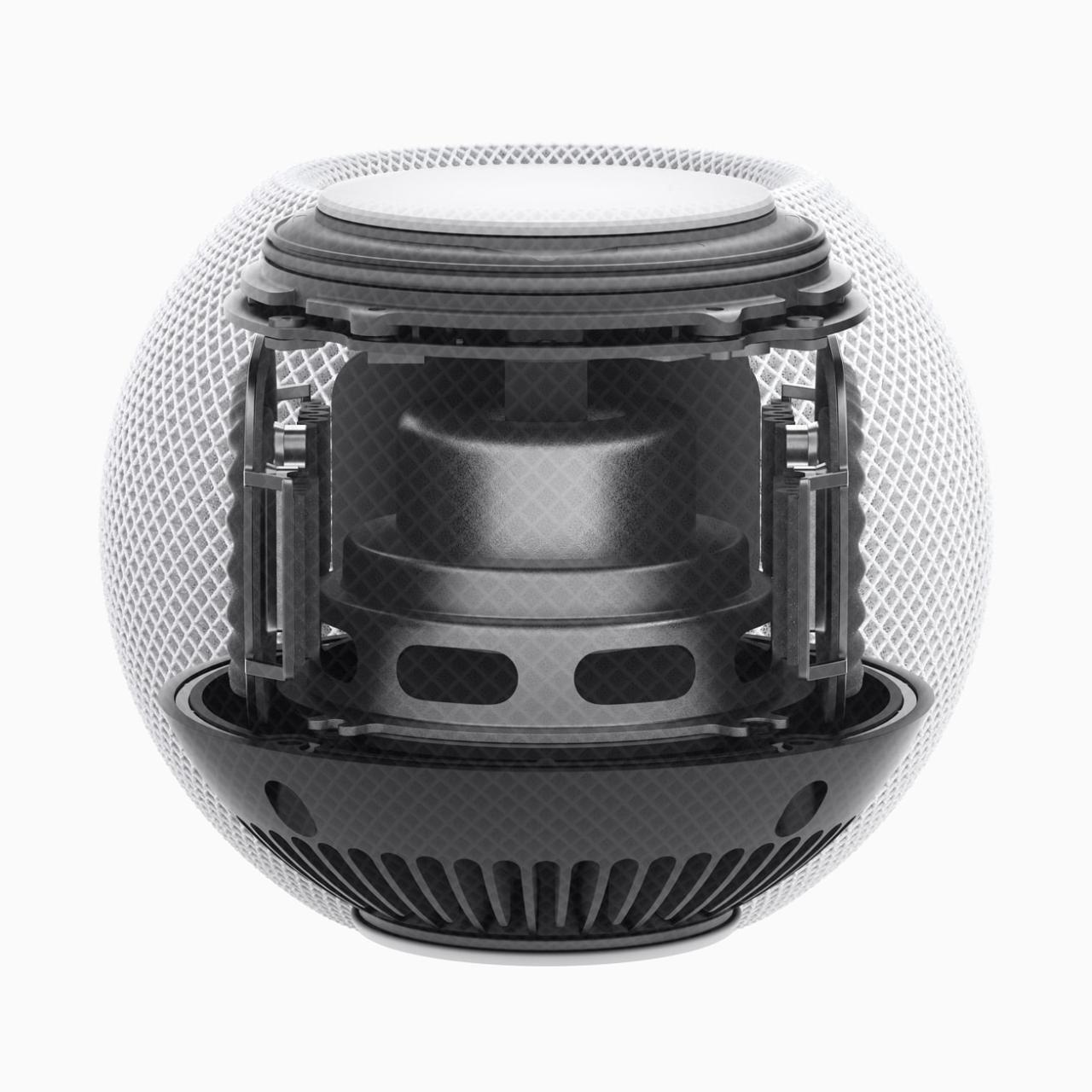
The Apple HomePod boasts impressive hardware specifications that contribute to its acoustic performance and aesthetic appeal. The device is equipped with a custom-built Apple A8 chip that powers its advanced audio processing capabilities. The high-fidelity audio experience is achieved through a unique combination of hardware elements, including:
Hardware Specifications
The design of the HomePod is both elegant and functional, featuring a cylindrical shape wrapped in a mesh fabric that allows sound to flow freely in all directions. This design not only enhances the aesthetics but also maximizes audio performance. Key hardware features include:
- Audio Drivers: The HomePod features a high-excursion woofer that delivers deep bass and a custom array of seven tweeters, each with its own amplifier, enabling precise high-frequency response.
- Spatial Awareness: The HomePod uses advanced algorithms to analyze the room’s acoustics, optimizing sound output based on its environment for a rich listening experience.
- Size and Weight: The HomePod stands at 7 inches tall and weighs approximately 5.5 pounds, making it compact yet substantial enough to produce resonant sound.
The software capabilities of the HomePod further set it apart from other smart speakers. Its integration with Siri and smart home devices creates a comprehensive smart ecosystem.
Software Features
The HomePod’s software enables it to serve as a central hub for smart home management and entertainment. Notable features include:
- Siri Integration: The HomePod is equipped with Siri, Apple’s voice assistant, allowing users to control music playback, check the weather, set reminders, and manage smart home devices with voice commands.
- HomeKit Support: HomePod functions as a HomeKit hub, enabling users to control compatible smart devices remotely and create automations for enhanced home security and convenience.
- Multi-room Audio: Users can pair multiple HomePods together for synchronized playback across different rooms, creating a cohesive audio experience throughout the home.
Apple employs cutting-edge innovations in audio technology to optimize the listening experience further.
Innovations in Audio Technology
The HomePod incorporates several innovative audio technologies that elevate its sound quality and adaptability. These innovations include:
- Computational Audio: This technology uses advanced software algorithms to enhance audio quality, allowing the speaker to analyze sound in real-time and adjust frequencies for optimal performance.
- Room Recognition: The HomePod’s ability to adapt its sound output based on the room’s size and layout ensures that users experience balanced audio regardless of their location within the space.
- Adaptive EQ: This feature automatically tunes the music to match the acoustics of the environment, providing a personalized listening experience that evolves based on surroundings.
The combination of superior hardware, advanced software features, and state-of-the-art audio technology makes the Apple HomePod a standout choice for anyone seeking an exceptional smart speaker experience.
User experience and ecosystem integration with Apple HomePod
The Apple HomePod is designed not just as a standalone speaker but as an integral part of the broader Apple ecosystem. Users experience a seamless integration that enhances daily tasks, home automation, and entertainment options, demonstrating Apple’s commitment to providing a cohesive user experience.
Apple HomePod integrates effortlessly with other Apple devices, creating a harmonized ecosystem that enhances user convenience and functionality. This is particularly evident when using features such as Handoff, AirPlay 2, and HomeKit. With Handoff, users can transfer audio from their iPhone to the HomePod with a simple gesture. AirPlay 2 allows for multi-room audio streaming, where users can sync their HomePods, iPhones, and iPads to deliver a consistent audio experience throughout the home. Additionally, HomeKit integration enables users to control compatible smart home devices through voice commands, making the HomePod a central hub for home automation.
User testimonials on setup and usability
Many users have praised the straightforward setup process of the Apple HomePod, often stating that they were able to get their device up and running in mere minutes. The intuitive design and the Apple Home app streamline the configuration of smart home devices and music preferences.
Testimonials highlight the following experiences:
-
“Setting up my HomePod was a breeze. I just plugged it in, and my iPhone did the rest!”
-
“I love how I can ask Siri to play music, control my lights, or even check the weather without lifting a finger.”
-
“The sound quality is amazing, and it fits perfectly into my existing Apple ecosystem.”
Users report high satisfaction levels regarding the usability of the HomePod, especially its voice recognition capabilities. Many note that Siri accurately responds to commands even in noisy environments, showcasing the device’s advanced technology.
Seamless smart home integration with HomePod
The HomePod significantly contributes to creating a seamless smart home experience. It acts as a central hub, allowing users to voice-control various compatible devices such as smart lights, thermostats, and security systems. The integration with HomeKit expands the range of devices that can be controlled, ensuring users can manage their entire smart home setup through the HomePod.
Key benefits of HomePod’s integration with smart home devices include:
-
“I can say, ‘Hey Siri, turn off the lights,’ and it works flawlessly with my smart bulbs.”
-
“The HomePod makes it easy to set routines. I have mine programmed to prepare my home for bedtime with just one command.”
-
“Being able to control my home security system with my voice is a game-changer for me.”
The ability to set scenes, like ‘Movie Night’ or ‘Good Morning,’ enhances the user experience further, allowing for a tailored environment at any time of day. Overall, the Apple HomePod not only enriches the auditory experience but also simplifies the management of a smart home.
The impact of Apple HomePod on home automation and smart living
The Apple HomePod has emerged as a central hub for home automation, seamlessly integrating with various smart devices to create an enhanced living experience. By leveraging cutting-edge technology and user-friendly features, the HomePod serves as a pivotal tool in the modern smart home ecosystem, promoting convenience, efficiency, and a tailored living environment.
The HomePod plays a vital role in facilitating home automation by allowing users to control their smart devices with ease. It connects to a variety of compatible devices, including smart lights, thermostats, and security systems, enabling a cohesive experience through voice commands. For example, users can simply say, “Hey Siri, turn on the living room lights,” prompting the HomePod to execute the command while eliminating the need for physical switches. This hands-free operation enhances daily routines and offers a level of convenience that aligns with the lifestyle of a smart home.
Integration with Daily Routines
The integration of HomePod into daily routines transforms how individuals interact with their home environment. Its ability to control multiple devices enhances the user experience significantly. Consider the following scenarios where HomePod significantly enhances daily living:
– Morning Wake-Up Routine: As part of a morning routine, users can set the HomePod to gradually brighten smart lights, play their favorite morning playlist, and adjust the thermostat to a comfortable temperature—all with simple voice commands. This seamless automation allows users to wake up more naturally and start the day positively.
– Movie Night Setup: For an enjoyable movie experience, users can command the HomePod to dim the lights, close smart curtains, and start their preferred streaming service. This one-stop command eliminates the need for multiple remote controls and creates a cozy atmosphere effortlessly.
– Security Monitoring: When leaving home, users can instruct the HomePod to activate security systems, lock smart locks, and turn off lights. This enhances home security and provides peace of mind, knowing everything has been secured with a single voice command.
The HomePod’s voice recognition technology significantly improves accessibility for diverse users, including those with physical disabilities or the elderly. Its advanced voice processing capabilities ensure accurate recognition of commands in various environments, even with background noise present. The ability to understand different accents and speech patterns makes the HomePod an inclusive tool, providing an empowering experience for all users.
Moreover, the HomePod can be configured to recognize multiple voices, allowing personalized interactions based on who is speaking. This feature enables tailored responses, such as individual playlists or reminders, enhancing the overall smart living experience. As a result, family members can enjoy a customized experience that caters to their specific preferences, making the smart home more user-friendly and accommodating.
The Apple HomePod exemplifies the evolution of home automation and smart living, transforming mundane tasks into effortless actions while promoting accessibility and inclusivity. As it continues to integrate with more devices and features, the impact of HomePod on everyday living will only grow, further solidifying its role as a cornerstone of modern smart homes.
Future prospects and innovations for Apple HomePod
As technology continues to evolve at a rapid pace, the Apple HomePod is well-positioned to embrace future innovations that enhance its functionality and user experience. The integration of AI, machine learning, and smart home technology will likely play key roles in shaping the next iterations of this smart speaker. Users anticipate features that not only improve convenience but also enhance interconnectivity with other devices within the Apple ecosystem.
Emerging technologies offer exciting opportunities for the HomePod that could significantly boost its appeal. As consumers become increasingly invested in smart home automation, Apple may look to innovate in areas such as voice recognition, multi-device connectivity, and environmental adaptability. By doing so, the HomePod can remain competitive in a crowded market while delivering unparalleled user experiences.
Potential features for future iterations of HomePod
Several features have been highlighted by users and experts alike that could elevate the HomePod experience. These include:
- Enhanced voice recognition capabilities: Improved algorithms could enable the HomePod to differentiate between multiple users’ voices, allowing for personalized experiences based on individual preferences.
- Integration with more smart home devices: Users desire seamless compatibility with a wider range of smart home products, enhancing the HomePod’s role as a central hub for home automation.
- Advanced spatial audio technology: Future iterations might incorporate superior sound processing to deliver immersive audio experiences that adapt to room acoustics and listener positioning.
- Visual interface features: Innovations such as a touch-screen display could provide users with visual feedback for commands, creating a more interactive experience.
- Expanded music and media service support: Users have expressed interest in broader compatibility with various streaming services beyond Apple Music, thereby increasing the HomePod’s versatility.
The importance of these features lies in their potential to create a more intuitive, personalized, and engaging user experience. As homes transform into interconnected environments, the HomePod’s ability to act as a central command center is essential for maximizing the utility of smart technology.
Enhancements related to emerging technologies
Apple can leverage emerging technologies to further enhance the HomePod’s functionality. The following trends indicate how this can be accomplished:
- Artificial Intelligence and Machine Learning: Incorporating advanced AI could allow the HomePod to learn user preferences over time, optimizing responses and suggestions based on historical interactions.
- Home Automation Integration: As IoT devices proliferate, Apple could develop protocols that enable seamless integration with various manufacturers’ products, making the HomePod a versatile controller for smart homes.
- Augmented Reality: Future developments could potentially see the HomePod supporting AR applications, providing users with visual information tied to voice queries in a home setting.
- Health and Wellness Features: The HomePod could evolve to include health monitoring functions, such as tracking air quality or providing alerts for allergens, enhancing its role in promoting well-being within the home.
- Adaptive Learning: By utilizing data analytics, the HomePod could predict user needs and automate routines, further streamlining daily tasks and improving efficiency.
The integration of these technologies will not only enrich the HomePod’s capabilities but also solidify its position as a cornerstone of the smart home ecosystem. As Apple continues to innovate, the HomePod is expected to play a pivotal role in shaping the future of home automation and audio experiences.
Comparisons between Apple HomePod and other leading smart speakers
The Apple HomePod has made a significant mark in the smart speaker market, often touted for its impressive audio quality and seamless integration with Apple’s ecosystem. However, it also faces stiff competition from several other leading smart speakers that bring their own unique features and capabilities. This section will explore how the HomePod stacks up against its rivals, focusing on audio performance, voice assistant capabilities, and a comparative analysis of key specifications.
Audio Performance Comparison
When evaluating smart speakers, audio performance is a critical factor. The HomePod is renowned for its high-fidelity sound, offering deep bass and clear highs thanks to its advanced audio technology, including an array of seven tweeters and a high-excursion woofer. In contrast, competitors like the Amazon Echo Studio and Google Nest Audio also aim for superior sound but cater to different audio preferences.
– The Amazon Echo Studio boasts a more customizable sound experience, with spatial audio capabilities that enhance the listening experience in larger spaces.
– The Google Nest Audio provides balanced sound, favoring vocal clarity which is excellent for podcast listeners and audiobooks.
– The Sonos One, while more expensive, offers multi-room capabilities and integrates seamlessly with other Sonos products, appealing to audiophiles who prioritize sound quality across spaces.
The HomePod excels in sound quality, but each competitor offers distinct audio characteristics catering to various listener preferences.
Voice Assistant Capabilities
The voice assistant features of the HomePod revolve around Siri, which has improved significantly but still falls short in comparison to Amazon’s Alexa and Google Assistant in terms of third-party integration and functionality.
– Siri on the HomePod offers seamless control of Apple Music and smart home devices within the Apple ecosystem, but struggles with broader command recognition compared to Alexa and Google Assistant.
– Alexa provides extensive third-party skill integrations and compatibility with a wider range of smart home devices, making it a popular choice for users invested in smart home solutions.
– Google Assistant excels in contextual understanding and can answer complex queries more effectively than Siri, making it advantageous for users seeking information beyond music and home control.
Siri’s capabilities are robust within Apple’s ecosystem, but Alexa and Google Assistant provide broader functionalities and integrations.
Feature Comparison Table
The following table highlights key features and specifications of the Apple HomePod in comparison to three rival smart speakers: Amazon Echo Studio, Google Nest Audio, and Sonos One.
| Feature | Apple HomePod | Amazon Echo Studio | Google Nest Audio | Sonos One |
|---|---|---|---|---|
| Audio Drivers | 7 Tweeters, 1 Woofer | 1 Woofer, 3 Tweeters | 1 Woofer, 2 Tweeters | 1 Woofer, 2 Tweeters |
| Voice Assistant | Siri | Alexa | Google Assistant | Google Assistant, Alexa |
| Smart Home Integration | Apple HomeKit | Works with Alexa | Google Home | Compatible with both |
| Multi-room Audio | Yes (with AirPlay 2) | Yes | Yes | Yes |
| Price Range | $299 | $199 | $99 | $199 |
The table demonstrates how each smart speaker brings unique features and strengths to the table, catering to different user preferences and needs. With the HomePod offering superior audio quality and seamless Apple ecosystem integration, it stands out in its own right, despite the varied capabilities of its competitors.
Marketing strategies and consumer perception of Apple HomePod
Apple has always been known for its innovative marketing strategies, and the HomePod is no exception. Launched with much anticipation, Apple focused on promoting the HomePod as more than just a smart speaker. The marketing campaigns heavily emphasized its sound quality, integration with Apple Music, and seamless connectivity within the Apple ecosystem. By leveraging its brand reputation and existing customer loyalty, Apple aimed to attract consumers who value both premium audio experiences and compatibility with their other Apple devices. This approach has proven effective in establishing a solid consumer base for the HomePod.
Analysis of Apple’s Marketing Approaches
Apple’s marketing strategies for the HomePod involved a multi-faceted approach designed to resonate with their target audience. The following points illustrate the effectiveness of these strategies:
- Premium Positioning: Apple positioned the HomePod as a high-end product, focusing on superior audio quality and design aesthetics. This created a perception of exclusivity, appealing to audiophiles and loyal Apple customers.
- Ecosystem Integration: Marketing campaigns highlighted the HomePod’s compatibility with other Apple services, such as Siri, Apple Music, and HomeKit. This integration plays a crucial role in attracting consumers who are already invested in the Apple ecosystem.
- Influencer Partnerships: Apple collaborated with influencers and musicians to create buzz around the HomePod, utilizing their social media platforms to reach a wider audience and build excitement around the product launch.
- In-Store Experience: Apple retail stores showcased the HomePod in immersive listening environments, allowing customers to experience the audio quality firsthand. This hands-on experience helped reinforce the product’s value proposition.
By employing these strategies, Apple successfully appealed to consumers who prioritize quality, brand loyalty, and ecosystem connectivity.
Consumer Perceptions and Brand Loyalty Factors
Consumer perceptions of the HomePod significantly influence its market performance. Key factors contributing to brand loyalty and consumer sentiment include:
- Audio Quality: Many users praise the HomePod’s rich sound and clarity, stating it outperforms competitors in the smart speaker category. This strong audio performance has been a significant driver of positive consumer perception.
- Privacy Concerns: Apple’s commitment to user privacy resonates with consumers, many of whom appreciate the brand’s focus on protecting personal data when using the HomePod.
- Siri’s Limitations: Some consumers express dissatisfaction with Siri’s capabilities compared to competitors like Amazon’s Alexa. This limitation can impact the overall user experience and perceptions of value.
- Price Point: While many consumers view the HomePod as a premium product, its price point has been a topic of discussion. Some potential buyers are deterred by the cost, especially when lower-priced alternatives exist.
These factors play a critical role in shaping consumer perceptions and ultimately influence purchasing decisions.
Insights from Consumer Reviews
Consumer reviews provide valuable insights into the strengths and weaknesses of the Apple HomePod as perceived by users. The following highlights reflect common themes found in user feedback:
- Strengths: Users frequently mention the impressive sound quality and deep bass of the HomePod, noting that it fills larger spaces better than many competitors. The design is also praised for its aesthetic appeal, seamlessly blending into home environments.
- Weaknesses: A common criticism is the limited functionality of Siri, with users reporting frustrations over its inability to perform certain tasks or answer specific queries effectively. Additionally, some reviews indicate concerns about the lack of third-party app integration, which limits the speaker’s versatility.
- User Experience: Many reviews highlight the ease of setup and use, emphasizing the intuitive Apple interface that existing Apple device users find familiar and comfortable.
- Comparative Insights: When compared to other smart speakers, users often weigh the HomePod’s audio quality against its smart functionalities, leading to mixed feelings about the overall value proposition.
These insights reflect the diverse user experiences that shape the HomePod’s reputation in the market, ultimately influencing future marketing strategies and product development.
Closure
In summary, the Apple HomePod’s evolution reflects a blend of cutting-edge technology and user-centric design, setting a benchmark in the smart speaker landscape. As we look towards the future, the potential innovations promise to enhance our smart living experiences even further, keeping the HomePod at the core of home automation and audio excellence.
Helpful Answers
What is the primary function of Apple HomePod?
The primary function of Apple HomePod is to deliver high-quality audio while serving as a smart home hub with Siri integration.
Can Apple HomePod be used with non-Apple devices?
While primarily designed for the Apple ecosystem, Apple HomePod can connect with some non-Apple devices via AirPlay.
How does the HomePod compare in sound quality to its competitors?
The HomePod is often praised for its rich sound quality and deep bass, generally outperforming many competitors in audio performance.
Is Siri on HomePod as capable as other voice assistants?
Siri on HomePod excels in Apple-specific tasks but may lack some features found in other voice assistants like Alexa or Google Assistant.
Can HomePod be used for multi-room audio?
Yes, HomePod supports multi-room audio setups, allowing users to play music across multiple HomePods simultaneously.