
 Zoe Nora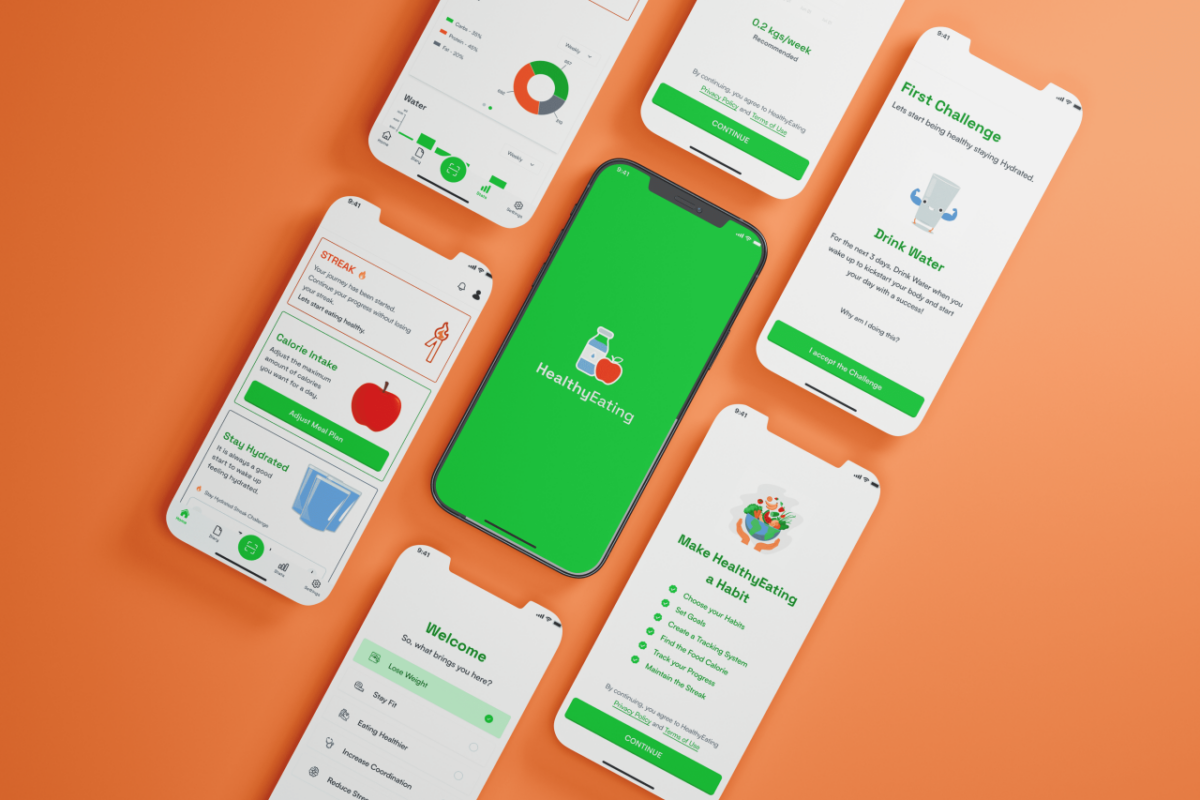
Healthy eating app brings a modern twist to our dietary habits, making nutrition more accessible than ever in today’s fast-paced digital world. These applications not only empower users to make informed food choices but also foster community support and gamification to keep users engaged. They are designed to enhance health awareness while simplifying meal planning and tracking, allowing individuals to take charge of their wellness.
With a variety of features tailored to meet different dietary needs, healthy eating apps have become essential tools for anyone looking to improve their eating habits. From comprehensive nutritional databases to personalized meal plans, these apps are revolutionizing how we approach food and nutrition.
The significance of a healthy eating app in today’s digital age
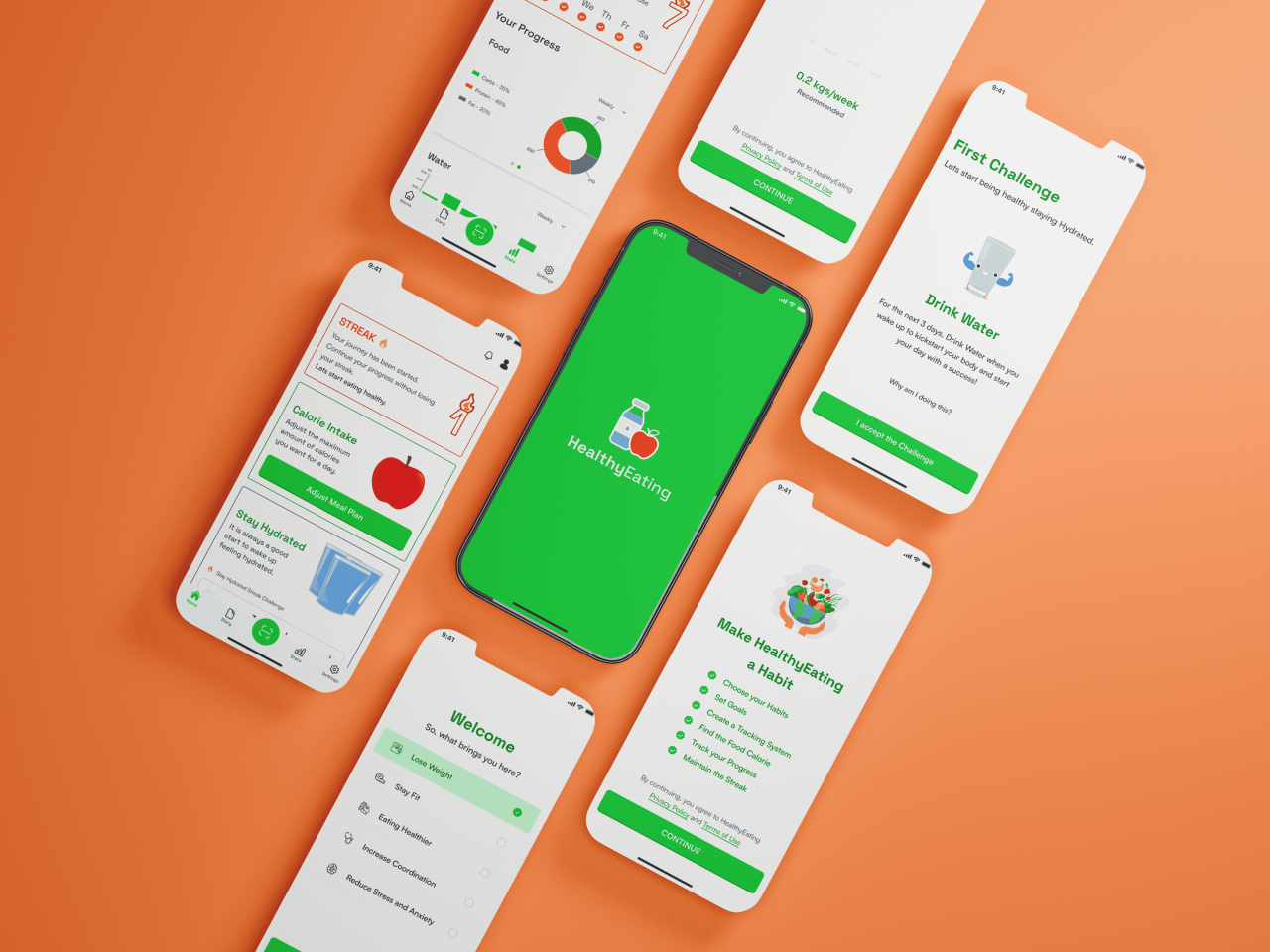
In an era where technology permeates every aspect of our lives, healthy eating apps have emerged as vital tools for promoting nutritional education and fostering healthy dietary habits. With the convenience of smartphones and constant internet access, individuals are better equipped to make informed food choices, track their nutrition, and stay aware of their health like never before.
The influence of technology on dietary choices and health awareness is profound. Digital platforms provide users with immediate access to vast amounts of information regarding nutrition, dietary guidelines, and healthy recipes. Social media, food blogs, and nutrition-focused websites contribute to a culture of health consciousness, empowering users to make educated decisions about their food consumption. Additionally, the integration of wearables and apps that monitor physical activity and caloric intake further enhances personal responsibility towards maintaining a healthy lifestyle.
Rise of mobile applications in promoting nutritional education
Mobile applications are at the forefront of the movement to educate users on nutrition and healthy eating. They provide personalized insights, easy tracking methods, and engaging content that encourages users to embrace better eating habits. The growth of these applications reflects a shift in how consumers approach nutrition, making it more interactive and accessible.
Several popular healthy eating apps showcase unique features that enhance the user experience and promote a healthier lifestyle:
- MyFitnessPal: Renowned for its extensive food database, MyFitnessPal allows users to log their meals easily and track their caloric intake. The app also has a community feature, fostering motivation through social support.
- Lose It: This app emphasizes goal setting and progress tracking. Users can create personalized weight loss plans and receive feedback based on their eating habits, making it a tailored experience for achieving health goals.
- Whisk: Whisk stands out with its meal planning and recipe-saving capabilities. Users can compile their favorite recipes, plan meals for the week, and generate shopping lists, streamlining the process of cooking healthy meals.
- Yummly: Yummly offers personalized recipe recommendations based on dietary preferences and restrictions. The app educates users about nutrition by providing detailed information on the health benefits of various ingredients.
The proliferation of these apps not only simplifies meal planning and food tracking but also encourages users to engage with their food choices actively. Many of these applications leverage gamification elements, such as earning rewards for reaching dietary goals, making the process of adopting healthier eating habits enjoyable and motivating.
“Healthy eating apps are not just about tracking food; they transform the way we perceive our relationship with nutrition.”
As technology continues to evolve, the role of healthy eating apps will likely expand, integrating more innovative features such as artificial intelligence to provide even more personalized guidance to users. The digital age has redefined how individuals approach health and well-being, making it an exciting time for those looking to improve their dietary habits.
Key features that make a healthy eating app effective
In today’s health-conscious society, a healthy eating app can be a game-changer for individuals looking to improve their diet and nutritional habits. The effectiveness of such an app is significantly influenced by its features, which can enhance user experience and promote healthier choices. Key functionalities cater to various user needs, making the journey toward better eating habits both intuitive and engaging.
Essential functionalities for users
An effective healthy eating app should encompass a variety of essential features that facilitate meal planning, tracking nutritional intake, and fostering a supportive community. Here are some crucial functionalities to look for:
- Nutritional Tracking: Users should be able to log their meals and snacks effortlessly, with a comprehensive database of foods that includes calorie counts, macronutrient breakdowns, and micronutrient details.
- Barcode Scanning: A built-in barcode scanner allows users to quickly log packaged foods, providing instant access to nutritional information.
- Recipe Suggestions: The app should offer healthy recipe suggestions based on user preferences and dietary restrictions, making meal prep easier and more enjoyable.
- Progress Tracking: Users benefit from visual progress trackers that display trends in weight, nutrient intake, and other health metrics, keeping them motivated and accountable.
- Community Support: A social feature that enables users to share their goals, recipes, and achievements can help foster a sense of community and accountability.
User interface design and its impact on user engagement
The user interface (UI) design of a healthy eating app plays a pivotal role in user engagement. A well-designed UI ensures that users can navigate through the app effortlessly, leading to a more satisfying experience.
Key aspects of effective UI design include:
- Simplicity: A clean, uncluttered layout makes it easy for users to find features quickly without feeling overwhelmed.
- Visual Hierarchy: Important features should be prominently displayed, guiding users intuitively through the app’s functionalities.
- Interactive Elements: Incorporating interactive elements, such as buttons and sliders, enhances engagement and encourages users to interact more frequently with the app.
- Personalization Options: Allowing users to customize their dashboards and notifications can increase their investment in the app.
Importance of personalized meal planning and tracking features
Personalized meal planning and tracking are critical for users looking to maintain a balanced diet that suits their individual needs. These features help users stay on track and make informed decisions about their food choices.
The significance of these functionalities includes:
- Tailored Meal Plans: Users can receive meal plans that consider their dietary preferences, allergies, and nutritional goals, making it easier to stick to a healthy eating regimen.
- Customizable Goals: Users should be able to set specific nutritional goals, whether it’s weight loss, muscle gain, or managing a health condition, which personalizes their experience further.
- Flexible Tracking: The ability to adjust and log meals in real-time allows users to adapt their plans based on their daily activities and cravings, promoting a more sustainable approach to healthy eating.
- Feedback Mechanisms: Providing users with insights and recommendations based on their tracked data encourages learning and adjustment of habits.
“The journey to healthier eating is personal; an effective app guides users through a tailored experience that fosters success.”
The role of community support in healthy eating apps
Community support plays a crucial role in the effectiveness of healthy eating apps, as it fosters an environment where users can share experiences, tips, and encouragement. This sense of belonging not only enhances individual accountability but also makes the journey towards healthier eating habits more enjoyable and sustainable. With a supportive community, users are more likely to stay committed to their goals and celebrate their progress together.
User interaction within these applications cultivates motivation and accountability, transforming the way individuals approach their dietary changes. Social features allow users to connect with like-minded individuals, share their achievements, and seek advice during challenging times, thereby reducing feelings of isolation. A study from the American Journal of Preventive Medicine highlighted that individuals who participated in community support groups experienced greater weight loss and adherence to dietary guidelines compared to those who did not engage socially.
Benefits of community forums in healthy eating apps
Community forums serve as a valuable platform for users to exchange knowledge and advice, creating a rich tapestry of shared experiences. Here are some key advantages:
- Emotional Support: Users can find encouragement and understanding from others who face similar challenges. This emotional backing is crucial for maintaining motivation.
- Resource Sharing: Community members often share recipes, meal plans, and tips that can enhance individual journeys. This sharing of resources can lead to new culinary discoveries.
- Accountability Partners: Users can connect with others to establish accountability partnerships. This can involve setting shared goals and checking in on each other’s progress.
- Real-time Feedback: Community forums allow for immediate feedback on challenges and strategies, helping users navigate their weight loss journeys more effectively.
Several healthy eating apps have successfully integrated social features that promote community engagement. For instance, MyFitnessPal provides a community forum where users can post questions, share their progress, and connect with others on similar dietary paths. Additionally, Noom offers a supportive coaching feature, where users are paired with coaches and can interact with others in group settings, fostering a sense of community and shared purpose. The integration of social aspects in these apps significantly enhances the user experience, making it more interactive and engaging.
“Community support transforms the solitary act of dieting into a shared journey, enhancing motivation and success rates.”
Nutritional databases and their importance in a healthy eating app
Nutritional databases serve as the backbone of any healthy eating app, providing users with critical information about the foods they consume. By offering comprehensive nutritional data, these databases enhance the overall user experience, making it easier for individuals to make informed dietary choices that align with their health goals. With accurate and updated nutritional information at their fingertips, users can track their intake, discover new foods, and better understand their nutritional needs.
The integrity of a nutritional database is paramount in ensuring that users receive accurate and up-to-date information. This accuracy is maintained through rigorous data collection and validation processes. For instance, many apps collaborate with nutritionists and dietitians to review and verify the nutritional information of foods. Additionally, these databases often implement regular updates to incorporate changes in food formulations, emerging food products, and new research findings. By utilizing reliable sources and maintaining transparency about data origins, apps can foster user trust and encourage healthier eating habits.
Comparative analysis of nutritional databases in healthy eating apps
Understanding the differences between nutritional databases across various healthy eating apps can help users choose the right tool for their needs. Here’s a look at some key aspects that differentiate these databases:
1. Data Coverage: The range of food items included in a database can vary significantly. Some apps may focus on fresh produce and whole foods, while others may include a vast array of packaged foods, restaurant menus, and even homemade dishes.
2. Nutritional Details Offered: Beyond basic caloric content, databases may provide extensive nutrient breakdowns, including macronutrients (carbs, proteins, fats), micronutrients (vitamins and minerals), and other essential dietary information like fiber content, glycemic index, and allergen information.
3. User-Generated Data: Some apps allow users to input their own food items and recipes, leading to a more personalized experience. While this can enhance the database with unique local foods, it also necessitates a robust system for verifying the accuracy of user-contributed information.
4. Integration with Health Metrics: Advanced apps may link nutritional databases with health metrics, allowing users to see correlations between their food intake and health outcomes such as weight loss, energy levels, or blood sugar levels. This feature can provide deeper insights for users who are monitoring specific health conditions.
5. Educational Resources: The extent to which an app provides educational resources about nutrition can be a deciding factor. Apps that offer articles, recipes, and tips on making nutritious choices not only serve as databases but also empower users with knowledge.
By assessing these factors, users can determine which healthy eating app aligns best with their dietary goals and lifestyle preferences. A well-rounded nutritional database enhances user engagement, fosters accountability, and ultimately supports healthier eating habits.
Gamification techniques used in healthy eating apps

Gamification techniques in healthy eating apps are designed to create engaging experiences that motivate users to adopt healthier habits. By implementing game-like elements, these apps not only make nutrition and wellness more appealing but also encourage users to stick with their goals. The integration of rewards, challenges, and competition turns the often daunting task of healthy eating into an enjoyable journey.
Gamification can encourage users to adopt healthier habits by tapping into intrinsic motivations and creating a sense of achievement. For instance, when users track their meals, they can gain points for healthy choices or complete daily challenges that push them to try new foods. This playful approach transforms healthy eating from a mundane task into an interactive experience.
Rewards and challenges that keep users engaged
Rewards and challenges play a significant role in maintaining user engagement within healthy eating apps. The effectiveness of these features can be seen in various forms:
– Points System: Users earn points for logging meals, completing challenges, or reaching goals, which can be redeemed for rewards like discounts on healthy food or app features. This incentivizes consistent usage and rewards positive behavior.
– Badges and Achievements: Users receive badges for milestones such as logging meals for a week straight or incorporating a new vegetable into their diet. These visual representations of achievement foster a sense of accomplishment and motivate users to continue.
– Daily and Weekly Challenges: Apps often offer time-limited challenges such as “Drink 8 glasses of water a day” or “Try a new fruit this week.” Completing these challenges not only adds variety to the user experience but also encourages users to push their boundaries.
– Social Sharing Rewards: Many apps allow users to share their successes on social media, which can lead to additional rewards. This not only promotes a sense of community but also serves as a motivational tool for others.
Gamification turns healthy eating into an engaging journey rather than a chore.
Effectiveness of competitive features like leaderboards
Competitive features like leaderboards can significantly enhance user engagement in healthy eating apps. By fostering a sense of community and healthy competition, leaderboards encourage users to track their progress and strive for improvement.
– Social Comparison: Users can see how they rank against friends or community members, which can create a motivating drive to improve their habits. This social aspect often leads to users feeling supported in their journey.
– Recognition and Visibility: Users who perform well on leaderboards often receive recognition from peers, which can be a powerful motivator. This recognition can lead to increased user retention as individuals work to maintain or improve their standing.
– Challenges Among Peers: Leaderboards often facilitate friendly competition through challenges between friends or within community groups. This encourages users to engage with the app more frequently, as they strive to outperform others.
The integration of these competitive features can lead to increased app usage and better adherence to healthy habits, as users are motivated not only by personal goals but also by the desire to succeed within a community.
Challenges faced by healthy eating app developers
Developing a healthy eating app presents unique challenges that can impact user engagement and satisfaction. Developers must navigate a landscape filled with technical hurdles, user experience considerations, and the need for ongoing iteration based on user feedback. Understanding these obstacles is crucial for creating a successful app that meets the needs of health-conscious users.
Common obstacles in creating a user-friendly healthy eating app
Building a user-friendly interface is essential for any app, especially in the health and wellness sector. Developers often encounter obstacles such as ensuring intuitive navigation, designing visually appealing layouts, and integrating educational resources effectively.
- User Interface Design: A well-designed UI must be simple yet appealing, attracting users while allowing for easy access to features.
- Personalization: Users expect tailored experiences based on their dietary preferences and restrictions, which can complicate development.
- Data Tracking: Incorporating effective tools for logging meals and tracking nutritional intake can be complex, especially when aiming for accuracy and ease of use.
Technical barriers to integrating features such as barcode scanning
One of the standout features of many healthy eating apps is the ability to scan barcodes for quick entry into food diaries. However, implementing this function can pose significant technical challenges.
- Image Recognition: Developing robust algorithms for accurate image recognition requires sophisticated programming and extensive testing to ensure reliability.
- Database Integration: A comprehensive database of food items must be maintained, complicating the backend structure and necessitating regular updates.
- Device Compatibility: Ensuring that the barcode scanning feature works seamlessly across various devices and operating systems adds another layer of complexity.
Importance of user feedback in overcoming development challenges
User feedback plays a pivotal role in the development cycle of healthy eating apps. Engaging with users provides invaluable insights that can guide improvements and feature enhancements.
- Iterative Design: Regular feedback allows developers to make iterative changes, refining the app based on real user experiences.
- Feature Relevance: Understanding what users find valuable helps prioritize features that directly meet their needs, enhancing overall satisfaction.
- Bug Identification: Users often spot bugs and issues that developers may overlook, making their input critical for ensuring a smooth user experience.
“User feedback is not just a luxury; it’s a necessity for creating a truly user-centered healthy eating app.”
The future of healthy eating apps in promoting wellness
The landscape of healthy eating applications is rapidly evolving, driven by technological advancements and an increasing awareness of wellness. As more people seek to improve their dietary habits, these apps are becoming essential tools in supporting healthier lifestyles. The future promises to integrate cutting-edge technology, such as artificial intelligence, to provide personalized nutrition solutions that cater to individual health needs.
Recent trends indicate that healthy eating apps are leaning towards integrating community features, gamification elements, and personalized meal planning. These enhancements not only foster engagement but also create a supportive environment for users to achieve their health goals. With the rise in popularity of such applications, understanding their impact on wellness is crucial for predicting future developments.
Emerging trends in healthy eating applications
The future of healthy eating apps is poised for exciting developments, influenced by various emerging trends that shape user experience and health outcomes. These trends include:
- Community Engagement: Many apps are incorporating social features that allow users to share their progress, recipes, and tips, fostering a sense of community that can motivate and inspire others in their health journeys.
- Gamification: By integrating game-like elements, such as challenges and rewards, these apps encourage users to stay committed to their healthy eating goals, making the process engaging and enjoyable.
- Meal Planning Features: Advanced meal planning tools are becoming more prevalent, allowing users to customize their diets based on nutritional requirements, personal preferences, and seasonal ingredients, promoting variety and sustainability.
- Sustainability Focus: More apps are emphasizing eco-friendly eating practices, helping users make choices that are not only healthy for them but also beneficial for the planet.
Advancements in AI technology for personalized nutrition
Artificial intelligence is revolutionizing the realm of healthy eating apps by enabling personalized nutrition at an unprecedented level. AI algorithms analyze user data to customize recommendations based on individual dietary preferences, health conditions, and fitness goals.
The integration of AI allows for:
- Personalized Meal Recommendations: By utilizing user inputs and preferences, AI can suggest meals that align with specific health goals, such as weight loss or muscle gain.
- Nutrient Tracking: AI can assist users in monitoring their nutrient intake in real-time, helping them to make informed choices during meal preparation and snack selection.
- Dynamic Adjustments: The smart technology adapts meal plans based on user feedback and progress, ensuring that the dietary suggestions remain relevant and effective over time.
Predictions on app evolution for improved health outcomes
Looking ahead, the evolution of healthy eating apps is likely to focus on enhancing user health outcomes through various innovative approaches. One significant prediction is the integration of augmented reality (AR) features, allowing users to visualize portion sizes and meal compositions in their actual environment.
Moreover, partnerships with healthcare providers may become more common, enabling the sharing of dietary data with professionals who can provide tailored advice.
Examples of this evolution include:
- Integration with Wearable Devices: Future apps may sync with fitness trackers to offer comprehensive health insights, combining dietary habits with physical activity levels for a holistic approach to wellness.
- AI-Powered Health Insights: Using advanced data analytics, apps could predict potential health issues based on dietary patterns, providing proactive recommendations to mitigate risks.
- Enhanced User Interfaces: Expect increasingly intuitive designs that simplify the user experience, making healthy eating more accessible to a broader audience.
With technology continually advancing, the potential for healthy eating apps to transform individual wellness is not just a possibility; it’s an emerging reality.
Final Wrap-Up
In conclusion, the future of healthy eating apps looks promising as technology continues to evolve. By integrating advanced features like AI for personalized nutrition and community engagement, these apps are set to play a pivotal role in promoting healthier lifestyles. As we embrace these innovations, we can look forward to more exciting developments that will further enhance our understanding of nutrition and well-being.
FAQ Resource
What are the key benefits of using a healthy eating app?
They provide personalized meal plans, track nutritional intake, and offer community support, all of which encourage healthier eating habits.
Can healthy eating apps accommodate different diets?
Yes, many apps offer customization options for various diets, including vegan, gluten-free, and keto.
How can I ensure the nutritional information is accurate?
Look for apps that regularly update their databases and use verified sources for their nutritional information.
Are there free healthy eating apps available?
Yes, several healthy eating apps offer free versions with useful features, though premium versions may provide additional functionalities.
How do community features enhance my experience with these apps?
Community features allow users to share experiences, recipes, and motivation, creating a supportive environment that fosters accountability.