
 Zoe Nora
WiFi speaker technology has transformed how we experience sound in our homes, offering unparalleled convenience and sound quality. These speakers leverage advanced wireless connectivity to deliver audio streaming without the limitations often associated with traditional Bluetooth options.
By understanding the mechanics behind WiFi speakers, their evolution in the audio market, and their integration within smart home ecosystems, users can make informed decisions that enhance their listening experiences.
Understanding the Technology Behind WiFi Speakers
WiFi speakers have revolutionized the way we listen to music and audio in our homes. These innovative devices leverage existing wireless technology to provide a seamless and high-quality audio experience. By understanding the core technology behind WiFi speakers, we can appreciate their advantages over traditional audio systems.
WiFi speakers function using wireless networking technology to stream audio directly from the internet or local network. This involves a few key technologies, including WiFi standards (such as 802.11ac or WiFi 6), which facilitate high-speed data transmission, and protocols like DLNA, AirPlay, or Chromecast, which enable the streaming of audio content across devices. Unlike Bluetooth speakers, which rely on a direct connection to a source device, WiFi speakers connect to your home network, allowing multiple devices to send audio to the speaker without the need for proximity.
Differences Between WiFi Speakers and Traditional Bluetooth Speakers
Understanding the distinctions between WiFi speakers and Bluetooth speakers highlights the benefits of opting for WiFi technology. Here are some key differences:
- Range: WiFi speakers typically have a wider range, functioning effectively throughout a home as they connect to the router, while Bluetooth speakers are limited to a few meters from the source device.
- Audio Quality: WiFi offers higher bandwidth, facilitating better sound quality compared to the compressed audio that Bluetooth may transmit.
- Multi-Room Audio: WiFi speakers can synchronize and stream audio across multiple devices in different rooms, providing a unified listening experience, whereas Bluetooth speakers usually operate independently.
Advantages of Utilizing WiFi Connectivity for Audio Streaming
Choosing WiFi connectivity for audio streaming comes with several advantages that enhance the user experience. These benefits include:
- Seamless Streaming: WiFi allows for smooth streaming of high-resolution audio without interruptions, which is essential for audiophiles.
- Access to Online Services: With WiFi connectivity, users can directly access music streaming services like Spotify, Apple Music, or Tidal, eliminating the need for intermediary devices.
- Smart Home Integration: WiFi speakers can easily integrate with other smart home devices, allowing for voice control and automation features that enrich user interaction.
“WiFi speakers not only provide better sound quality but also enhance your overall audio experience by connecting seamlessly to your digital lifestyle.”
By understanding these aspects, users can make informed choices about incorporating WiFi speakers into their audio setup, ultimately elevating their listening experience.
The Evolution of WiFi Speakers and Their Impact on Home Audio Systems
The journey of WiFi speakers has been nothing short of revolutionary in the audio market. From their humble beginnings to becoming an integral part of modern home audio systems, WiFi speakers have transformed how we experience sound in our daily lives. This evolution has been driven by technological advancements that have not only enhanced audio quality but also improved user convenience and accessibility.
The historical development of WiFi speakers can be traced back to the early 2000s when wireless audio technology began to emerge. Initially, Bluetooth was the dominant wireless technology, but it had limitations regarding range and audio quality. The introduction of WiFi-enabled speakers marked a significant shift, allowing for greater audio fidelity and the ability to stream music from various sources, including online services and personal devices. This shift was propelled by the development of streaming technologies and the growing popularity of services like Spotify and Apple Music, which required more robust and reliable audio solutions.
Impact of Technological Advancements on Home Audio Experiences
Technological advancements have played a crucial role in transforming home audio systems. The integration of high-definition audio codecs, multi-room capabilities, and smart home compatibility has significantly enhanced the listening experience.
– High-definition audio codecs: These allow for lossless streaming, which ensures that the sound quality remains intact compared to traditional formats. Users can now enjoy music that is closer to the original studio recording.
– Multi-room capabilities: WiFi speakers can connect seamlessly across different rooms, allowing users to enjoy synchronized music throughout their homes or play different tracks in various areas. This level of convenience has made them a popular choice for home audio systems.
– Smart home integration: Many WiFi speakers now come equipped with virtual assistants, enabling voice control and smart home functionalities. This integration allows users to manage their audio experiences effortlessly alongside other smart devices.
The popularity of WiFi speakers has eclipsed other audio formats over the years. While traditional wired speakers and Bluetooth speakers still have their places, WiFi speakers have carved out a significant market share due to their superior sound quality and additional features.
– Market Growth: According to industry reports, the global smart speaker market, which prominently includes WiFi speakers, has seen exponential growth, projected to reach billions in revenue within the next few years.
– Consumer Preference: Surveys indicate that a large percentage of audio consumers favor WiFi speakers for home use over Bluetooth options due to their reliability and sound quality.
As WiFi technology continues to evolve, so too will the capabilities of these audio systems. The future promises further enhancements, including better connectivity, improved sound processing, and even more integrated smart features, solidifying the place of WiFi speakers at the forefront of home audio technology.
Key Features to Look for When Choosing a WiFi Speaker
When selecting a WiFi speaker, the features it offers can significantly influence your listening experience. Understanding the essential components that enhance performance ensures you make an informed choice that fits your needs and preferences.
Sound quality is the most critical aspect when it comes to WiFi speakers. The fidelity of audio reproduction, the richness of bass, and clarity of highs can make or break your experience. Moreover, the design and aesthetics of the speaker play an important role in how it blends into your living space. Compatibility with existing smart home systems, such as Amazon Alexa or Google Assistant, enhances convenience and usability. Additionally, the user interface design directly affects how intuitive and enjoyable the speaker is to operate.
Sound Quality
A great sound quality is paramount for any audio device, especially for WiFi speakers. When evaluating sound quality, consider the following attributes:
- Frequency Range: A wider frequency range allows for deeper bass and clearer highs, enriching the audio experience.
- Driver Size: Larger drivers typically produce better sound. Look for speakers with substantial woofer sizes for improved low-end performance.
- Audio Codec Support: Support for high-definition audio codecs (like aptX and AAC) ensures better sound quality during streaming.
- Multi-Room Capability: This feature allows you to sync multiple speakers for a surround sound experience throughout your home.
Design and Aesthetics
The design of a WiFi speaker is not just about looks; it also influences functionality. Here’s why design matters:
- Material Quality: Premium materials often contribute to better sound due to reduced vibrations and resonances.
- Size and Portability: Depending on where you intend to use the speaker, size can be a crucial factor. Portable models offer versatility, while larger ones may provide better sound quality.
- Color and Style Options: A variety of designs and colors ensures that the speaker complements your home decor.
Compatibility with Smart Home Systems
Compatibility with smart home systems can enhance everyday convenience. The following points highlight its significance:
- Integration with Voice Assistants: A speaker that seamlessly integrates with Alexa, Google Assistant, or Apple HomeKit can simplify controlling your smart devices.
- App Connectivity: Look for speakers that have user-friendly apps for effortless control over your audio settings and playlists.
- Firmware Updates: Regular updates ensure that your speaker stays compatible with new smart home technologies and features.
User Interface Design
A well-designed user interface can make operating your WiFi speaker a breeze. Consider the following factors:
- Intuitive Controls: Physical buttons versus touch controls can affect ease of use. Choose a speaker that aligns with your preference.
- Mobile App Experience: A good app should be easy to navigate, allowing quick access to settings and music sources.
- Visual Indicators: LED lights or on-screen displays can provide immediate feedback on the speaker’s status and volume levels.
The Role of WiFi Speakers in Smart Home Ecosystems
WiFi speakers have become essential components of modern smart home ecosystems, serving not only as audio devices but also as central hubs for managing various smart home interactions. Their ability to connect seamlessly with other smart devices enhances user experience, making daily tasks more efficient and enjoyable.
WiFi speakers integrate with a range of smart devices through home automation protocols like Zigbee, Z-Wave, and Bluetooth. This connectivity allows them to communicate with smart lights, thermostats, security systems, and even appliances. Users can control these devices through voice commands, mobile apps, or automated routines, creating a cohesive smart home environment. For instance, a WiFi speaker can serve as a control center for the entire home, allowing users to issue commands that adjust lighting, regulate temperatures, or play music in specific rooms.
Benefits of WiFi Speakers in a Smart Home Setup
Utilizing WiFi speakers within a smart home setup brings numerous advantages that enhance convenience, security, and entertainment. Here are some key benefits:
- Voice Control: WiFi speakers enable hands-free operation of connected devices, allowing users to control lighting, locks, and appliances with voice commands.
- Centralized Control: They serve as a central hub, allowing users to manage multiple devices from a single point, streamlining the user experience.
- Enhanced Automation: WiFi speakers can trigger routines based on time or events, such as turning on lights at sunset or playing the morning news at a set time.
Scenarios Enhancing Daily Activities
WiFi speakers can significantly improve daily routines in various ways. Below are several scenarios demonstrating their impact in a smart home environment:
1. Morning Routine: As users wake up, they can simply say, “Good morning,” prompting the WiFi speaker to begin a sequence that gradually brightens the bedroom lights, starts brewing coffee, and plays a curated morning playlist.
2. Home Security: When leaving the house, users can command the WiFi speaker to activate the security system, locking doors and turning on outdoor lights, all while streaming a favorite podcast.
3. Entertainment Experience: During a family gathering, a user can ask the WiFi speaker to play music throughout the home, while also controlling smart lights to create a festive atmosphere with synchronized colors.
4. Hands-Free Cooking: In the kitchen, while preparing a meal, users can request recipe instructions or set timers through the WiFi speaker, allowing them to focus on cooking without needing to touch their devices.
These examples illustrate the versatility of WiFi speakers in enriching the smart home experience, making everyday tasks simpler and more enjoyable. The ability to integrate with various devices enhances their functionality, positioning them as indispensable tools in modern households.
Popular Brands and Models of WiFi Speakers in the Market
The evolution of WiFi speakers has led to a plethora of options for consumers seeking high-quality audio experiences. Renowned brands offer a variety of models, each boasting unique features tailored to meet different audio preferences and needs. This discussion focuses on leading brands in the WiFi speaker market, their distinguishing characteristics, and a comparative analysis of popular models based on sound quality, price, and features.
Leading Brands Specializing in WiFi Speakers
Several brands have emerged as frontrunners in the WiFi speaker market, each with distinct advantages:
- Sonos: Known for its seamless multi-room audio capabilities and user-friendly app, Sonos speakers deliver rich sound and are compatible with various streaming services.
- Bose: With a reputation for premium sound quality, Bose speakers often feature innovative technologies like noise cancellation and a sleek design, appealing to audiophiles.
- Amazon Echo: These smart speakers provide not only quality sound but also voice-activated assistance, integrating well with smart home devices, making them a practical choice for tech-savvy users.
- Apple HomePod: Apple’s entry into the market focuses on high-fidelity audio and integration within the Apple ecosystem, catering to users who prioritize sound quality and ease of use.
- Google Nest: Google’s range of smart speakers offers excellent voice recognition and compatibility with Google Assistant, making them ideal for users who seek an interactive experience.
Comparison of Popular WiFi Speaker Models
When choosing a WiFi speaker, sound quality, price, and features play crucial roles. Below is a comparison of some popular models:
| Brand & Model | Sound Quality | Price Range | Key Features |
|---|---|---|---|
| Sonos One | Exceptional | $199 | Multi-room audio, Alexa & Google Assistant support |
| Bose Home Speaker 500 | Top-notch | $399 | Voice control, built-in display, superior bass |
| Amazon Echo Studio | Rich & immersive | $199 | Dolby Atmos, smart home hub capabilities |
| Apple HomePod Mini | High-fidelity | $99 | Compact design, Siri integration, stereo pairing |
| Google Nest Audio | Balanced | $99 | Voice control, compatible with Assistant, eco-friendly materials |
Considering these comparisons, consumers can make informed decisions based on their personal preferences and budget. Each of these brands offers a unique blend of features, ensuring there is a suitable option for every audio enthusiast.
Common Issues and Troubleshooting Tips for WiFi Speakers
WiFi speakers have transformed the way we enjoy music, with their seamless connectivity and ability to stream from multiple sources. However, like any technology, they can face certain challenges. Understanding these common issues and knowing how to troubleshoot them can enhance your listening experience significantly.
One prevalent problem users encounter is connectivity issues, which can stem from various factors such as weak WiFi signals, interference from other devices, or incorrect settings. Additionally, sound problems like distortion or uneven volume can arise due to hardware limitations or poor network conditions. Addressing these issues promptly can ensure that your WiFi speaker operates optimally.
Connectivity Issues
Connectivity problems can hinder the performance of your WiFi speaker, making it crucial to identify and resolve them quickly. Here are some common causes and their respective troubleshooting steps:
– Weak WiFi Signal: A weak signal can cause interruptions in streaming. Move your router closer to the speaker or check for physical obstructions that may be blocking the signal.
– Network Interference: Other electronic devices, such as microwaves or cordless phones, can interfere with WiFi signals. Try to relocate your speaker to an area with fewer electronic devices nearby.
– Incorrect Network Settings: Ensure that your speaker is connected to the correct WiFi network. Often, speakers may attempt to connect to a guest network or a different frequency band (2.4GHz vs. 5GHz). Access your speaker’s app to verify the settings.
– Outdated Firmware: Manufacturers frequently release updates to improve performance. Check your speaker’s app or website for the latest firmware updates and install them as needed.
Sound Quality Problems
Sound issues can significantly impact the enjoyment of music. Identifying the root cause can help you take corrective actions. Here are some aspects to consider:
– Speaker Placement: Placing your speaker too close to walls or corners can cause sound distortion. For optimal audio quality, position the speaker in an open area away from walls and furniture.
– Volume Levels: Sometimes, distortion occurs when the volume is set too high. Try lowering the volume slightly to see if the sound quality improves.
– Audio Source Quality: Streaming from low-quality audio sources can result in poor sound. Ensure that the music files or streaming services used provide high-definition audio.
– Interference from Other Devices: If there are multiple devices connected to your WiFi, bandwidth may be divided, affecting audio playback. Disconnect unnecessary devices to enhance performance.
Preventive Measures for Optimal Performance
To ensure that your WiFi speaker operates at its best, implementing preventive measures is key. Here are essential practices to maintain your device effectively:
– Regular Updates: Keep your speaker’s firmware updated to benefit from the latest enhancements and bug fixes. Enable automatic updates if your speaker supports it.
– Network Maintenance: Regularly check your home network for any issues. A stable connection is vital for the continuous performance of your WiFi speaker.
– Safe Placement: Designate an ideal location for your speaker that minimizes obstruction and interference. This helps in maintaining clear sound quality and consistent connectivity.
– Periodic Reboots: Just like computers, WiFi speakers can benefit from a routine reboot. Restarting the device and router can resolve minor glitches and refresh the connection.
By understanding these common issues and applying the troubleshooting tips provided, you can maximize the enjoyment of your WiFi speaker and minimize disruptions in your listening experience.
Future Trends in WiFi Speaker Technology
The evolution of WiFi speaker technology is poised to usher in a new era of audio experiences, driven by advancements in connectivity, consumer preferences, and environmental sustainability. As we look ahead, a blend of innovation and responsibility will shape the future landscape of these devices, ensuring they cater to the needs of increasingly tech-savvy and eco-conscious consumers.
Advancements in Connectivity and Functionality
The potential advancements in WiFi speaker technology include improvements in connectivity speeds and sound quality. Future WiFi speakers may incorporate next-generation WiFi standards, such as WiFi 6 and beyond, which promise faster data transfer rates and reduced latency. This enhancement will facilitate seamless integration with smart home ecosystems, allowing users to control their audio experience more intuitively.
Additionally, the emergence of AI-driven features is becoming increasingly relevant. WiFi speakers could leverage machine learning algorithms to adapt to user preferences, optimizing sound profiles based on the listener’s environment and habits. Voice recognition technology is likely to advance further, enabling more natural and conversational interactions with devices.
Shift in Consumer Preferences
As consumer preferences evolve, we can anticipate a shift towards multifunctional devices that serve multiple purposes beyond audio playback. WiFi speakers may integrate features such as home security monitoring, ambient lighting control, or even integration with health and fitness applications. This convergence of technology aligns with the growing demand for convenience and seamless integration into daily life.
Moreover, a focus on personalization will become paramount. Customizable sound profiles and aesthetic options will allow consumers to tailor their devices to their unique tastes and environments, leading to a more personalized audio experience.
Environmental Considerations and Sustainability
With increasing awareness of environmental issues, sustainability will play a critical role in the production of WiFi speakers. Manufacturers are likely to adopt eco-friendly materials and processes, reducing the carbon footprint associated with device manufacturing. The use of recyclable materials, like biodegradable plastics or sustainably sourced wood, is expected to rise, aiming for a circular economy within the tech industry.
Additionally, the trend towards energy-efficient technology will likely be a focal point. WiFi speakers may incorporate advanced power-saving modes or utilize solar charging capabilities to minimize energy consumption. By prioritizing sustainability, manufacturers will not only appeal to environmentally conscious consumers but also contribute positively to the global effort against climate change.
“The future of WiFi speakers is not only about enhanced auditory experiences but also about sustainability and adaptability to consumer needs.”
Closure
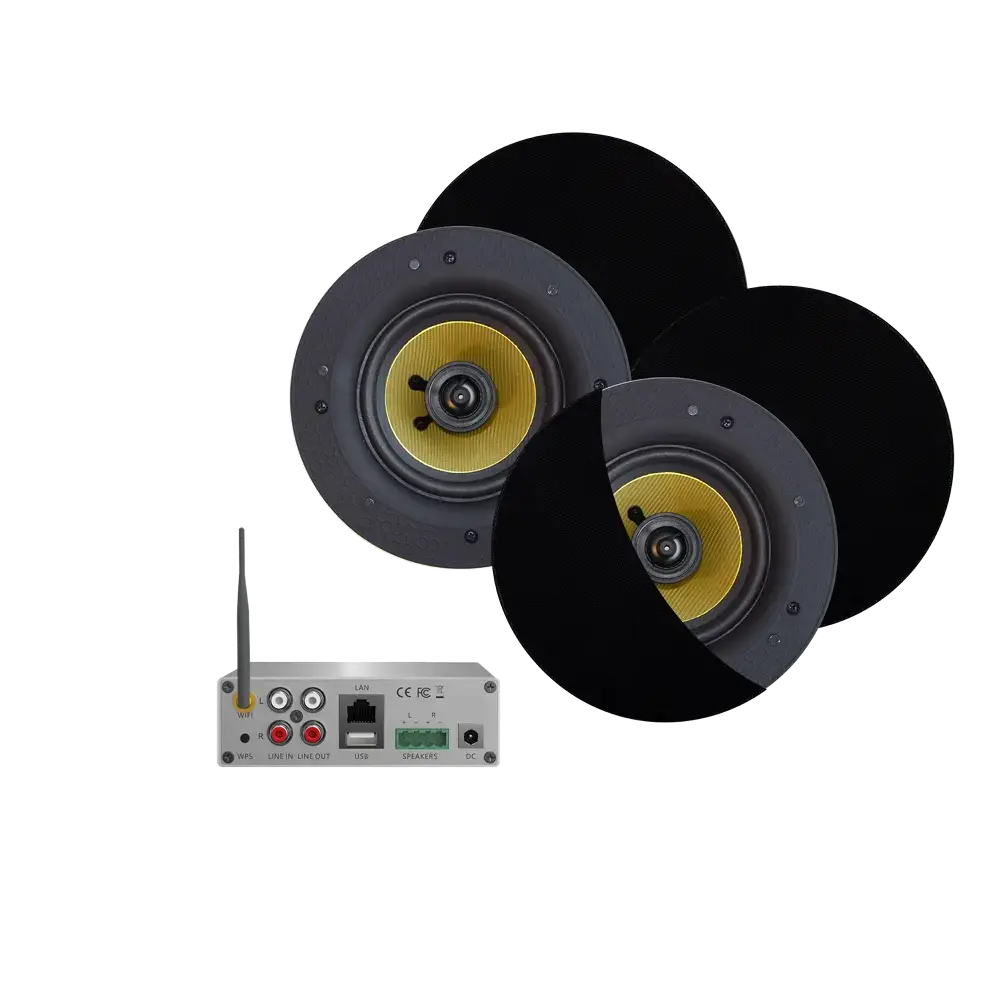
In summary, WiFi speakers not only elevate audio quality but also seamlessly fit into modern smart home setups, making them essential for tech-savvy audiophiles. As technology continues to advance, staying informed about these innovations will ensure users enjoy the best in home audio.
Question Bank
What is the main difference between WiFi and Bluetooth speakers?
WiFi speakers use a wireless network for streaming, allowing for greater range and sound quality, while Bluetooth speakers rely on direct connections and have limited range.
Do WiFi speakers require a specific app to operate?
Many WiFi speakers are compatible with specific apps for setup and control, but most can also work with common streaming services directly.
Can WiFi speakers play music offline?
Some WiFi speakers can play offline music stored on a device, but they primarily stream content from the internet.
Are WiFi speakers energy efficient?
Generally, WiFi speakers are designed to be energy-efficient, but their consumption varies depending on usage and model.
Can I connect multiple WiFi speakers at once?
Yes, many WiFi speakers support multi-room audio setups, allowing you to sync and control multiple units simultaneously.