
 Zoe Nora
Bluetooth audio technology has transformed the way we enjoy sound, making it more accessible and versatile than ever before. This innovation allows us to connect devices wirelessly, eliminating the hassle of tangled wires while delivering high-quality audio.
From its humble beginnings to becoming a staple in consumer electronics, Bluetooth audio has seen remarkable advancements that enhance audio fidelity and connectivity. As we explore this fascinating topic, we’ll uncover the milestones, profiles, advantages, and future trends that shape the world of wireless audio.
The Evolution of Bluetooth Audio Technology

Bluetooth audio technology has come a long way since its inception in the late 1990s. Initially conceived as a means to replace cables for short-range communication, Bluetooth has transformed into a cornerstone of modern audio experiences. The journey from its rudimentary beginnings to the sophisticated audio capabilities we enjoy today highlights significant advancements in both technology and consumer expectations.
The key milestones in the development of Bluetooth audio technology illustrate its growth and adaptation over time. Originally released in 1999, Bluetooth 1.0 supported low data rates and was primarily focused on basic data transfer rather than audio. The introduction of Bluetooth 2.0 in 2004 marked the beginning of improved connectivity with Enhanced Data Rate (EDR), allowing for better sound transmission. The breakthrough came with Bluetooth 4.0 in 2010, which introduced the Low Energy (LE) specification, enabling longer battery life for wireless devices while supporting high-quality audio streaming. By 2016, Bluetooth 4.2 further enhanced the audio experience with improved data packet capacity and security features. The release of Bluetooth 5.0 in 2016 and subsequent updates have focused on higher transmission speeds, increased range, and improved audio formats such as aptX HD and LDAC, providing richer sound quality and a more reliable connection.
Technological Advancements in Audio Quality and Connectivity
The advancements in Bluetooth audio technology have significantly elevated the quality and reliability of wireless audio streaming. The incorporation of advanced audio codecs has played a crucial role in enhancing sound fidelity for consumers. Notable among these are:
- AptX: Developed by Qualcomm, aptX improves audio quality by enabling higher bit rates and reducing latency, making it ideal for music lovers and gamers.
- AptX HD: An enhancement of aptX that allows for high-definition audio streaming, providing a richer listening experience with minimal loss of quality.
- LDAC: Developed by Sony, this codec supports higher resolution audio streaming, making it compatible with high-fidelity music sources.
- AAC: Widely used in Apple devices, this codec ensures efficient compression while maintaining audio clarity, catering to a broad audience of iPhone users.
The rise of Bluetooth audio technology has also had a profound impact on consumer electronics and audio devices. Wireless headphones, speakers, and home audio systems are now commonplace, driven by consumer demand for convenience and portability. The decline of traditional wired headphones can be attributed to the popularity of Bluetooth-enabled alternatives, which offer freedom of movement and ease of use. Additionally, the integration of voice assistants and smart features in Bluetooth audio devices has transformed the way users interact with their music and audio content, leading to a more immersive and personalized experience.
“The evolution of Bluetooth audio technology reflects the growing consumer preference for convenience, quality, and smart integration in their audio experiences.”
Understanding Bluetooth Audio Profiles
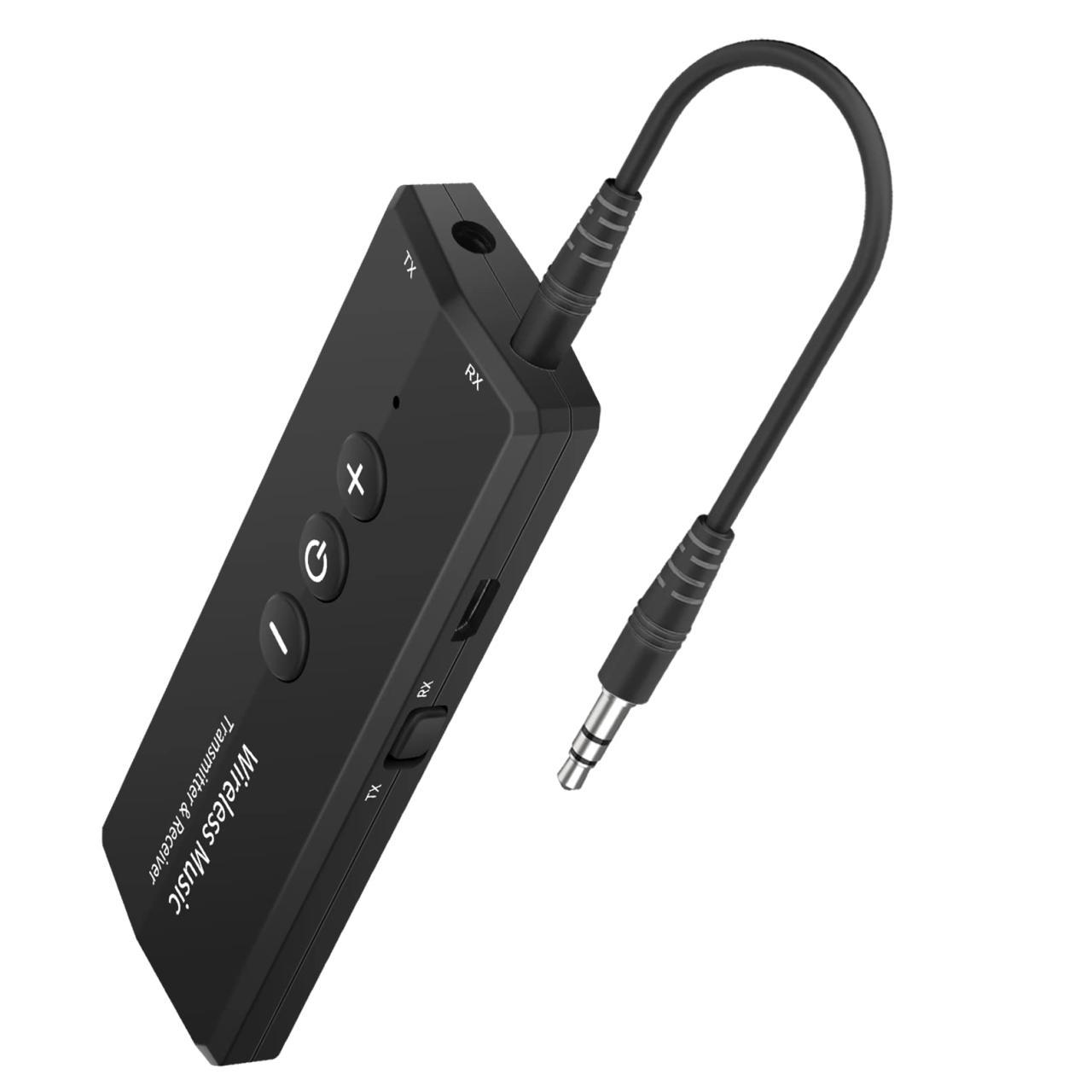
Bluetooth audio profiles define how audio data is transmitted over Bluetooth connections, enabling various functionalities that enhance the listening experience. These profiles are critical in ensuring that devices communicate effectively, providing a seamless audio experience across different platforms and applications. Understanding these profiles not only helps in choosing the right devices but also plays a vital role in achieving optimal audio quality.
Bluetooth audio profiles can be categorized into several types, each tailored for specific functionalities. The most prominent profiles include:
Common Bluetooth Audio Profiles
The following are key Bluetooth audio profiles that significantly impact audio quality and device compatibility:
- A2DP (Advanced Audio Distribution Profile): This is the most widely used profile for streaming high-quality audio from one device to another. It’s commonly used in headphones, speakers, and smartphones, ensuring stereo sound and support for higher bit rates.
- AVRCP (Audio/Video Remote Control Profile): This profile allows users to control media playback on devices, such as play, pause, and track navigation. It works in conjunction with A2DP to offer a complete audio experience.
- HSP (Headset Profile): Designed for hands-free devices, this profile supports mono audio, primarily used for phone calls. It provides basic functionalities, such as answering calls and adjusting volume.
- HFP (Hands-Free Profile): Similar to HSP, HFP is used for hands-free communication, allowing for more advanced features like voice dialing and call waiting. It is commonly found in car systems and headsets.
- LE Audio: This is an emerging profile that aims to improve audio quality and reduce latency over low-energy Bluetooth connections. It supports multiple audio streams, enhancing the experience for users with hearing aids and other assistive devices.
The selection of the correct audio profile is crucial for achieving the best audio quality. Different profiles have varying capabilities, which can affect aspects such as sound fidelity, latency, and connectivity. For instance, A2DP is preferred for music streaming due to its higher sound quality compared to HSP, which is more suited for simple call functions.
In terms of device compatibility, not all devices support every profile. It is essential to ensure that both the transmitting and receiving devices are compatible with the selected audio profile. This compatibility affects not only audio quality but also the functionality and overall user experience.
Choosing the right audio profile is paramount for a seamless and enjoyable listening experience, as it directly influences audio clarity, connectivity, and device interaction.
Advantages of Using Bluetooth Audio Systems
Bluetooth audio systems have revolutionized the way we consume music and audio content. Unlike traditional wired systems, Bluetooth technology provides a seamless and flexible audio experience, catering to the dynamic lifestyles of today’s consumers. From ease of use to enhanced mobility, Bluetooth audio systems offer numerous benefits that make them an appealing choice for audio enthusiasts and casual listeners alike.
The convenience of Bluetooth audio systems is a key factor in their growing popularity. These systems eliminate the clutter of wires, allowing for greater freedom of movement while enjoying audio content. Below is a detailed list of advantages that illustrate the benefits of using Bluetooth audio systems over traditional wired systems.
Benefits of Bluetooth Audio Systems
Bluetooth audio systems provide a variety of benefits that enhance the user experience, including:
- Wireless Convenience: Bluetooth audio systems eliminate the need for tangled wires, allowing users to connect their devices without the hassle of managing cables.
- Portability: Many Bluetooth audio devices are compact and lightweight, making them easy to carry for on-the-go listening. Whether at the gym, on a picnic, or traveling, Bluetooth audio devices can easily be transported.
- Multi-Device Connectivity: Bluetooth systems often support pairing with multiple devices, enabling users to switch between their smartphone, tablet, or computer effortlessly. This flexibility makes it easy to enjoy content from different sources without hassle.
- Range: Bluetooth technology typically offers a range of up to 30 feet (approximately 10 meters), allowing users to move around freely without losing connection to their audio source.
- Easy Setup: Connecting a Bluetooth audio system is generally a simple process. Users can pair their devices with just a few taps without the need for complex installation procedures.
- Compatibility: Bluetooth audio systems are compatible with a wide array of devices, including smartphones, tablets, smart TVs, and computers, providing versatility in audio playback options.
- Quality Sound: Many Bluetooth speakers and headphones are designed to deliver high-quality audio that rivals traditional wired systems, thanks to advancements in Bluetooth technology.
- Hands-Free Options: Bluetooth audio systems often come with built-in microphones, allowing for hands-free calling and voice assistant integration, providing additional convenience during use.
In various scenarios, Bluetooth audio systems significantly enhance the user experience. For instance:
– During outdoor gatherings, wireless speakers allow users to play their favorite music without needing to be tied to a power outlet or audio source, creating a more enjoyable atmosphere.
– In the gym, Bluetooth headphones enable users to move freely while exercising, providing the motivation of music without the risk of getting tangled in wires.
– For professionals on calls, Bluetooth headsets provide clarity and mobility, allowing for multitasking while engaging in conversations.
Overall, Bluetooth audio systems offer a remarkable blend of convenience, quality, and versatility, making them a practical choice for consumers seeking an optimal audio experience.
Challenges and Limitations of Bluetooth Audio
Bluetooth audio technology has significantly changed the way we listen to music and communicate wirelessly. However, despite its convenience and widespread adoption, users often encounter various challenges and limitations that can affect their overall experience. Understanding these issues is crucial for maximizing the potential of Bluetooth audio devices.
One of the primary challenges faced by users is connectivity issues, which can disrupt audio playback. Bluetooth connections rely on radio frequency signals, making them susceptible to interference from other electronic devices, physical barriers, or even competing Bluetooth signals. Users may experience audio dropouts or interruptions, particularly in crowded environments or when moving out of range.
Audio Quality Limitations
The audio quality of Bluetooth devices often falls short compared to wired connections. This is influenced by several factors, including the compression techniques used in Bluetooth audio transmission. While advancements like aptX and AAC codecs have improved sound quality, Bluetooth audio typically suffers from lower fidelity than traditional wired methods. Users may notice a lack of richness and detail in sound reproduction, especially with high-resolution audio files.
The following points illustrate specific factors that contribute to audio quality limitations in Bluetooth:
- Audio Compression: Bluetooth audio employs codecs that compress sound data, which can lead to loss of detail and dynamic range.
- Latency Issues: Bluetooth audio can introduce lag, especially noticeable with video content, leading to desynchronization between audio and visual elements.
- Range Limitations: Bluetooth typically has a limited range (about 30 feet), which can restrict user mobility and affect sound quality as devices move further apart.
Comparison with Other Wireless Technologies
When comparing Bluetooth audio with other wireless audio technologies, such as Wi-Fi and proprietary wireless audio solutions, distinct strengths and weaknesses become apparent. While Bluetooth offers convenience and ease of use, it may not be the best choice for all scenarios.
The table below Artikels some comparative aspects of Bluetooth audio versus other wireless technologies:
| Feature | Bluetooth Audio | Wi-Fi Audio | Proprietary Wireless |
|---|---|---|---|
| Audio Quality | Moderate, subject to compression | High, supports lossless audio | Very high, optimized for specific devices |
| Range | Up to 30 feet | Up to 300 feet or more | Varies by system, generally comparable to Wi-Fi |
| Interference | Higher susceptibility | Less interference, operates on different frequencies | Depends on technology, generally good |
| Setup Complexity | Simple, quick pairing | More complex, requires network configuration | Varies, often straightforward for compatible devices |
In summary, while Bluetooth audio provides a convenient wireless solution for many users, it is essential to be aware of its challenges and limitations. By understanding these aspects, users can make informed decisions when selecting audio solutions that best meet their needs.
The Future of Bluetooth Audio Technology
The world of Bluetooth audio technology is continuously evolving, driven by consumer demands for improved sound quality, seamless connectivity, and innovative features. As we look ahead, several emerging trends and developments are likely to redefine the landscape of Bluetooth audio devices, making them more versatile and user-friendly.
One of the most exciting areas of advancement in Bluetooth audio technology is the enhancement of audio quality. The development of codecs such as aptX Adaptive and LC3 (Low Complexity Communication Codec) is poised to deliver superior sound fidelity, enabling users to experience high-resolution audio even while streaming wirelessly. These improvements will cater to audiophiles who seek uncompromised sound quality without the limitations of traditional Bluetooth technology.
Emerging Trends in Bluetooth Audio Technology
The evolution of Bluetooth audio technology is clearly reflected in several key trends that are shaping the future. These trends not only focus on the enhancement of sound quality but also on the overall user experience.
- Spatial Audio Integration: As spatial audio technology becomes more prevalent, future Bluetooth devices will likely support immersive sound experiences, creating a more lifelike audio environment for users. Brands like Apple have already begun integrating spatial audio into their products, indicating a growing shift in consumer preferences.
- Adaptive Connectivity: Future devices are expected to feature advanced connectivity options that allow for automatic adjustments based on the surrounding environment. This will ensure stable connections and optimal performance, even in challenging scenarios where interference might be an issue.
- Increased Battery Efficiency: As Bluetooth technology advances, innovations in battery management will lead to longer playtimes and quicker charging capabilities. This will enhance user convenience, particularly for travelers and on-the-go consumers.
- Smart Features and AI: Incorporation of artificial intelligence in Bluetooth audio devices will allow for personalized listening experiences. Smart features may include automatic equalization based on user preferences or proactive noise cancellation adjustments based on ambient sound levels.
- Health Tracking Capabilities: With a growing emphasis on health and wellness, future Bluetooth audio devices may integrate health monitoring features, such as heart rate tracking or stress level assessments, making earbuds multifunctional companions.
“The future of Bluetooth audio is not just about sound quality; it’s about enhancing the overall experience through connectivity, convenience, and personalization.”
Consumer preferences are increasingly driving the evolution of Bluetooth audio technology. Users are prioritizing features that enhance usability, such as voice assistant integration, touch controls, and compatibility with smart home devices. The demand for multi-device connectivity is also rising, prompting manufacturers to design products that can seamlessly switch between multiple gadgets without the hassle of disconnection and reconnection.
In summary, the future of Bluetooth audio technology is set to be transformative, characterized by enhanced audio quality, smarter features, and a greater focus on user experience. These advancements will cater to a diverse range of consumer needs, ensuring that Bluetooth audio remains a staple in the daily lives of users around the world.
Best Practices for Using Bluetooth Audio Devices
Using Bluetooth audio devices has become a common practice for music lovers and professionals alike. Their convenience and portability make them a preferred choice for listening to audio on the go. However, to ensure optimal performance and longevity of these devices, following best practices is essential.
When connecting and using Bluetooth audio systems, certain guidelines can help enhance the user experience and prevent potential issues. Proper handling, maintenance, and troubleshooting can significantly extend the lifespan and functionality of Bluetooth devices.
Do’s for Connecting and Using Bluetooth Audio Devices
To maximize the performance and user experience of Bluetooth audio devices, consider the following recommendations:
- Ensure Compatibility: Always check that your Bluetooth device is compatible with your audio source. Confirm supported profiles such as A2DP for high-quality audio streaming.
- Keep Devices Updated: Regularly update the firmware of your audio devices to benefit from the latest features and performance improvements.
- Charge Properly: Follow manufacturer instructions for charging to avoid battery issues. Use the correct charger and do not overcharge.
- Maintain Clear Line of Sight: For optimal connection, keep your devices within close range and free from obstructions. Walls and other electronic devices can interfere with Bluetooth signals.
- Pair Devices in Close Proximity: When initially pairing, have both devices close together to ensure a successful connection.
Don’ts for Connecting and Using Bluetooth Audio Devices
Avoiding certain practices can prevent performance issues and enhance your user experience. Here’s what to avoid:
- Ignore Interference: Avoid using Bluetooth devices in environments with many other wireless devices that may cause interference.
- Neglect Maintenance: Regularly clean your devices, especially the ports and speakers, to prevent dust and debris from affecting sound quality.
- Overlook Volume Levels: Avoid turning the volume too high, as this can distort audio quality or damage headphones and speakers over time.
- Keep Devices in Extreme Conditions: Avoid exposing Bluetooth devices to extreme temperatures, humidity, or moisture that could damage internal components.
- Ignore User Manuals: Always refer to the user manual for specific guidelines and troubleshooting tips related to your particular device.
Maintenance Tips for Bluetooth Audio Devices
Regular maintenance can enhance the longevity of Bluetooth audio devices. Here are key practices to keep in mind:
- Clean Regularly: Use a soft, dry cloth to clean the exterior and a slightly damp cloth for areas that may get dirty. Avoid using harsh chemicals.
- Store Properly: When not in use, store your devices in a cool, dry place, ideally in a protective case to prevent physical damage.
- Monitor Battery Health: Pay attention to battery performance. Replace batteries as per manufacturer guidelines or when performance declines.
- Conduct Regular Performance Checks: Test audio output and connectivity periodically to ensure the device is functioning as expected.
Troubleshooting Common Issues with Bluetooth Audio Devices
Common problems can often be resolved with simple solutions. Here are frequent issues and troubleshooting steps:
- No Sound: Check the volume levels on both the audio device and the Bluetooth device. Ensure the devices are properly paired.
- Frequent Disconnections: Ensure there are no obstructions between the devices and try resetting the Bluetooth connection.
- Low Audio Quality: Verify that both devices support high-quality audio codecs. If possible, switch to a wired connection for better quality.
- Device Not Recognized: Restart both devices and try the pairing process again. Ensure the Bluetooth function is turned on.
“Regular maintenance and proper handling of Bluetooth audio devices can significantly enhance performance and prolong their lifespan.”
The Role of Bluetooth Audio in Smart Home Environments
Bluetooth audio technology has emerged as a pivotal component in the evolution of smart home systems. By enabling seamless connectivity and high-quality sound transmission, Bluetooth audio enhances the overall audio experience in various home automation settings. As homes become smarter and more interconnected, the integration of Bluetooth audio devices significantly contributes to a cohesive and enjoyable environment.
In smart home systems, Bluetooth audio technology allows users to stream music, podcasts, and other audio content easily across multiple devices without the need for complex wiring or installations. This wireless capability supports a range of audio devices, including speakers, soundbars, and even smart appliances that feature built-in audio functions. The convenience of Bluetooth technology ensures that users can control their audio experience effortlessly through devices such as smartphones, tablets, and voice assistants.
Benefits of Incorporating Bluetooth Audio in Home Automation
Integrating Bluetooth audio into a smart home environment offers numerous advantages that enhance both functionality and user experience. Here are some of the key benefits:
- Wireless Convenience: Bluetooth technology eliminates the hassle of wires and cables, allowing for easier placement of audio devices throughout the home.
- Multi-Room Audio: Users can pair multiple Bluetooth speakers to create a synchronized audio experience in different rooms, enhancing gatherings and everyday listening experiences.
- Compatibility: Many modern devices, including smartphones and tablets, support Bluetooth audio, making it simple to connect and stream content from various sources.
- Cost-Effective Solutions: Bluetooth speakers and devices are often more affordable compared to wired audio systems, making high-quality audio accessible to a broader audience.
- Easy Setup: The setup process for Bluetooth audio devices is typically straightforward, requiring minimal technical knowledge and time for configuration.
Popular Smart Home Devices Utilizing Bluetooth Audio Technology
Several smart home devices incorporate Bluetooth audio technology to provide users with high-quality audio experiences. These devices showcase the versatility and practicality of Bluetooth in home automation:
- Smart Speakers: Devices like Amazon Echo and Google Nest Audio not only offer voice assistant capabilities but also excellent sound quality for music streaming via Bluetooth.
- Soundbars: Products such as the Sonos Beam integrate Bluetooth audio, allowing users to easily connect their devices for enhanced television and movie audio.
- Bluetooth-Enabled TVs: Many modern TVs come with Bluetooth capabilities, allowing users to connect wireless headphones or speakers for a better audio experience.
- Portable Bluetooth Speakers: Brands like JBL and Bose offer portable speakers that easily sync with smart home systems for outdoor or on-the-go listening.
- Smart Appliances: Some refrigerators and kitchen devices now include Bluetooth speakers, enabling users to enjoy their favorite music while cooking or entertaining.
Bluetooth audio technology empowers smart home environments by allowing seamless audio experiences that enhance everyday living.
A Comparison of Bluetooth Audio Products in the Market
As Bluetooth audio technology continues to evolve, the market is flooded with an array of products catering to various consumer needs. From headphones to portable speakers, each product offers unique specifications and features that can significantly affect user experience. This comparison aims to shed light on some of the leading Bluetooth audio devices available today, helping consumers make informed choices.
The following section will delve into several popular Bluetooth audio products, highlighting their specifications, features, and user feedback. This comprehensive overview will assist potential buyers in understanding the strengths and weaknesses of each option.
Leading Bluetooth Headphones
Bluetooth headphones are a popular choice for users seeking convenience and quality audio on the go. Below are some of the top-rated models, along with their key specifications and user reviews.
-
Sony WH-1000XM4
These over-ear headphones come with industry-leading noise cancellation and an impressive 30 hours of battery life. They feature touch sensor controls, adaptive sound control, and a lightweight design for maximum comfort.
“The noise cancellation is truly phenomenal, making long flights much more enjoyable.” – User Review
-
Bose QuietComfort 35 II
Renowned for their comfort and sound quality, these headphones also offer excellent noise cancellation capabilities. With up to 20 hours of battery life, they include voice assistant integration and are lightweight for extended wear.
“Perfect for long workdays; they block out distractions wonderfully.” – User Review
-
Apple AirPods Max
These premium over-ear headphones feature spatial audio and dynamic head tracking for an immersive listening experience. They offer up to 20 hours of listening time with active noise cancellation turned on.
“The sound quality is unparalleled, especially for music lovers.” – User Review
Popular Bluetooth Speakers
Bluetooth speakers are favored for their portability and versatility, ideal for parties or outdoor activities. Below is a selection of top Bluetooth speakers, detailing their features and user insights.
-
JBL Charge 5
This rugged speaker is waterproof and dustproof, making it suitable for any environment. It offers up to 20 hours of playtime and features a built-in power bank for charging devices.
“Great sound for its size and durable enough for outdoor use.” – User Review
-
Sonos Roam
The Sonos Roam is a compact speaker that seamlessly integrates with the Sonos ecosystem. It offers excellent sound quality, a battery life of up to 10 hours, and is both waterproof and drop-resistant.
“Sound quality is amazing, and the portability is a huge plus.” – User Review
-
Bose SoundLink Flex
This portable speaker is designed for durability and ease of use, boasting an IP67 rating for water and dust resistance. It features up to 12 hours of battery life and a flexible design for optimal positioning.
“The sound is rich and clear, perfect for outdoor gatherings.” – User Review
Insights from User Feedback
Consumer reviews provide valuable insights into the performance and reliability of Bluetooth audio products. Many users emphasize the importance of sound quality, battery life, and comfort. Moreover, advanced features such as noise cancellation and voice assistant integration are often highlighted as significant selling points.
-
Sound Quality
Users frequently note that superior sound quality enhances their overall listening experience, making it a crucial factor in their purchasing decisions.
-
Battery Life
Long battery life is consistently praised, with many users preferring devices that can last through extended use without frequent recharging.
-
Comfort and Fit
For headphones, comfort is paramount, especially for those who wear them for long periods. Adjustable designs and lightweight materials are often favored.
Last Word
In conclusion, Bluetooth audio technology continues to evolve, offering a blend of convenience and quality that appeals to a wide range of users. As we look to the future, the innovation in this field promises to further enrich our audio experiences, making it an exciting area to watch for both consumers and industry enthusiasts.
FAQ Summary
What is Bluetooth audio?
Bluetooth audio refers to the wireless transmission of audio signals between devices using Bluetooth technology.
How does Bluetooth audio work?
Bluetooth audio works by encoding audio signals, transmitting them wirelessly between devices, and decoding them for playback.
Is Bluetooth audio quality good?
Bluetooth audio quality can vary, but advancements in codecs have significantly improved sound fidelity in recent years.
Can I connect multiple Bluetooth audio devices?
Yes, some devices support connecting to multiple Bluetooth audio devices, but playback may vary based on the device capabilities.
What should I do if my Bluetooth audio keeps disconnecting?
Ensure your devices are within range, updated, and try resetting the Bluetooth connection if disconnection issues persist.