
 Zoe Nora
Surround sound system technology has revolutionized how we experience audio in our homes, taking us from simple stereo setups to immersive multi-channel soundscapes. As we dive into the evolution of surround sound, we will uncover the key advancements that have made it such a pivotal part of modern entertainment. From the introduction of digital signal processing to the latest innovations like Dolby Atmos and DTS:X, understanding these developments is crucial for anyone looking to elevate their audio experience.
This exploration will not only cover the various types of surround sound systems available on the market but also delve into the significance of room acoustics, speaker placement, and proper setup for optimizing sound quality. Whether you’re a movie buff, a music lover, or a gaming enthusiast, mastering the intricacies of surround sound will enhance your enjoyment of your favorite content.
The advancements in surround sound technology over the years have significantly enhanced audio experiences.
Surround sound technology has dramatically transformed the listening experience from the early days of basic stereo systems to the sophisticated multi-channel sound formats we enjoy today. This evolution has not only enriched the quality of audio but also created immersive environments that elevate entertainment to new heights.
The journey of surround sound began in the mid-20th century, primarily with the introduction of stereo sound which utilized two audio channels. This was a significant leap from mono sound, providing a sense of space and direction in audio playback. However, it was the 1970s that marked the introduction of multi-channel audio formats, such as Quadraphonic sound, which aimed to enhance the listening experience further by adding additional audio channels.
As technology advanced, significant innovations emerged, playing critical roles in the evolution of surround sound. Notable examples include the development of Dolby Stereo in the late 1970s, which allowed films to utilize four channels of sound rather than just two. This innovation was pivotal in the film industry, as it contributed to immersive audio experiences in theaters. Subsequently, Dolby Digital was introduced in the 1990s, offering up to five channels of audio, and later versions such as Dolby TrueHD and Dolby Atmos provided even more channels and improved audio fidelity.
The impact of digital signal processing on sound quality
Digital signal processing (DSP) has been instrumental in enhancing surround sound quality. By utilizing algorithms and computing power, DSP allows for real-time manipulation of audio signals, resulting in superior sound reproduction. This technology aids in the dynamic adjustment of sound based on the environment, optimizing the audio experience for listeners.
DSP enhances surround sound through various techniques, such as:
- Room Calibration: This technology automatically adjusts audio settings to suit the acoustic characteristics of a room, ensuring balanced sound regardless of the space.
- Virtual Surround Sound: DSP can simulate a multi-channel experience even with fewer speakers, providing a pseudo-surround sound effect that enhances basic audio systems.
- Noise Reduction: DSP algorithms reduce unwanted noise and enhance clear audio playback, making dialogues in films and music more intelligible.
- Audio Enhancement: By improving bass management and equalization, DSP ensures a more satisfying listening experience, filling gaps in audio fidelity.
The integration of these advancements has not only enriched the audio experience but has also paved the way for future innovations in surround sound technology. Continuous developments in DSP and audio formats set the stage for an even more immersive audio future.
Understanding the different types of surround sound systems available in the market is essential for consumers.
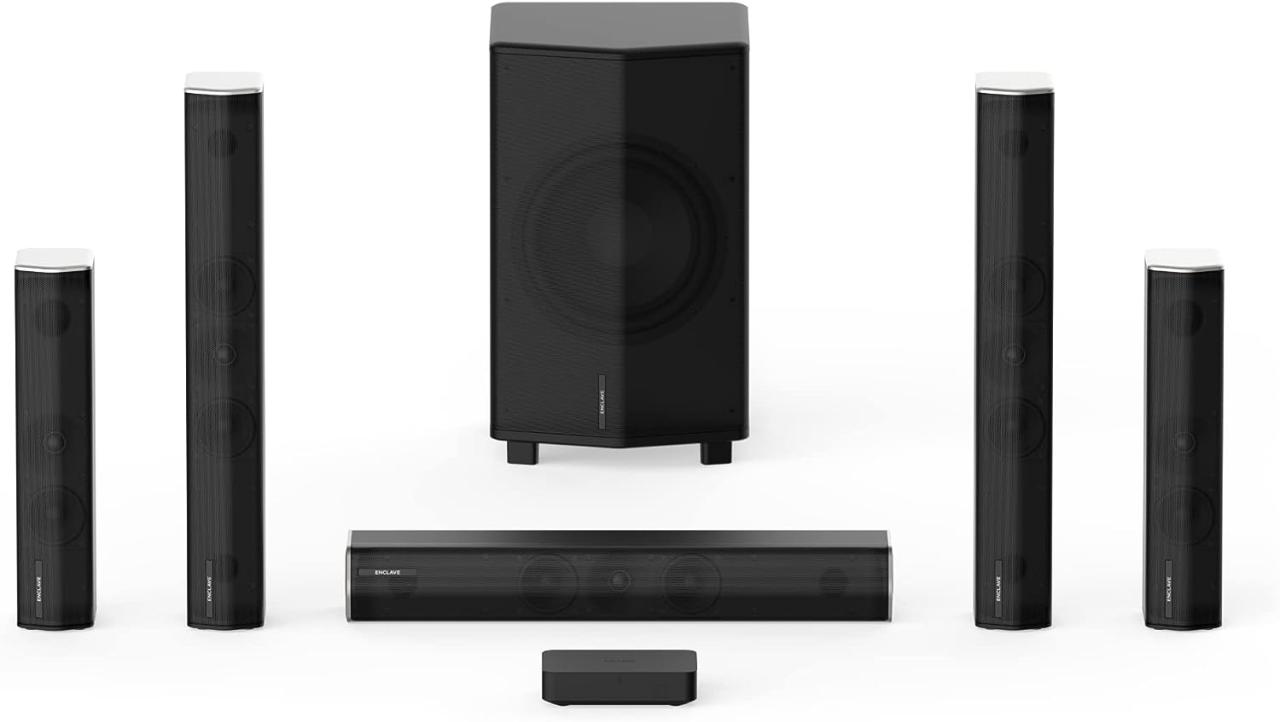
The world of surround sound systems can be quite overwhelming for consumers, especially given the variety of options available today. Each type of surround sound system offers unique features and technologies that cater to diverse listening preferences and environments. To make an informed choice, it’s crucial to understand these systems and how they fit your audio needs.
Surround sound systems typically enhance the audio experience by creating a spatial sound environment. This section will delve into four prominent types of surround sound systems: 5.1, 7.1, Dolby Atmos, and DTS:X. Each system has distinct features and advantages that can significantly influence your decision-making.
5.1 Surround Sound System
The 5.1 surround sound system is one of the most widely recognized configurations. It consists of five speakers and one subwoofer, providing a well-rounded audio experience for movies, music, and gaming.
– Configuration: The setup includes three front speakers (left, center, right), two rear speakers (left and right), and a subwoofer.
– Advantages:
– Cost-effective and widely available.
– Simple installation process, making it ideal for home users.
– Great for both small and medium-sized rooms.
– Ideal Usage Scenarios: Best suited for standard home theaters and casual viewing experiences.
Price range: Typically between $200 to $1,500 depending on brand and quality. Setup requires a compatible AV receiver and basic speaker cables.
7.1 Surround Sound System
The 7.1 surround sound system builds on the foundation of the 5.1 system by adding two additional speakers, enhancing the audio experience and immersion.
– Configuration: This system includes the same five speakers and subwoofer as the 5.1 setup, plus two additional rear speakers for improved sound localization.
– Advantages:
– Increased depth and clarity of sound.
– Better suited for larger rooms.
– Ideal for environments where sound directionality is important.
– Ideal Usage Scenarios: Perfect for dedicated home theater setups and audiophile experiences.
Price range: Usually from $500 to $3,000, with a slightly more complex setup due to the additional speakers.
Dolby Atmos
Dolby Atmos is a revolutionary technology that takes surround sound to the next level by adding a height dimension to the audio experience.
– Configuration: It can be implemented in various speaker setups, including 5.1.2 or 7.1.4 configurations, which means adding overhead speakers to create a three-dimensional soundstage.
– Advantages:
– Provides a more immersive audio experience, making it feel like sounds are coming from all around you, including above.
– Compatible with a wide range of devices and content, including streaming services and Blu-ray discs.
– Ideal Usage Scenarios: Best for cinematic experiences and gaming where atmospheric immersion is a priority.
Price range: Generally between $400 to $5,000, depending on the complexity of the setup and the equipment used.
DTS:X
DTS:X is another advanced surround sound format that offers flexibility in speaker placements and sound object management.
– Configuration: Like Dolby Atmos, it can utilize various setups depending on the room and speaker arrangement, allowing for a customizable audio experience.
– Advantages:
– Focuses on sound objects rather than channels, providing enhanced audio flexibility.
– Supports a wide variety of speaker layouts, which means it can easily adapt to your existing setup.
– Ideal Usage Scenarios: Suitable for both home theaters and multi-room setups where audio personalization is key.
Price range: Typically ranges from $300 to $4,000, varying based on the system’s capabilities and setup requirements.
In summary, the choice of a surround sound system should be based on your specific needs, room size, and budget. Each type offers unique features that cater to different listening experiences, ensuring you can find the perfect match for your audio needs.
The importance of room acoustics and speaker placement in achieving an optimal surround sound experience cannot be overstated.
Creating an immersive surround sound experience is not solely dependent on the quality of the speakers or the sound system itself; rather, the environment in which these components are placed plays an essential role. Room acoustics, defined by the shape, size, and furnishings of the space, can significantly enhance or hinder sound quality and clarity. Understanding these factors is crucial for anyone looking to optimize their audio experience.
The physical characteristics of a room, including its dimensions and the materials present, directly influence how sound waves propagate. For instance, a room with hard surfaces such as tile or bare walls may produce excessive reflections, leading to muddled sound and echo. Conversely, rooms with plush carpets and heavy drapes can absorb sound, reducing clarity and detail. Thus, the interplay between the room’s shape, size, and furnishings is fundamental to achieving optimal sound reproduction.
Guidelines for Ideal Speaker Placement
Proper speaker placement is vital for maximizing audio performance in various room configurations. Here are essential guidelines to consider:
- Distance from Walls: Speakers should ideally be placed at least 1-2 feet away from walls to reduce reflections that can distort sound quality.
- Height Considerations: The tweeters of the speakers should be positioned at ear level when seated. This ensures that high-frequency sounds reach the listener directly, enhancing clarity.
- Surround Speaker Placement: For a true surround sound experience, place surround speakers slightly above ear level on the side or behind the listening area, angled towards the listener.
- Subwoofer Positioning: Subwoofers can be placed in various locations, but corner placement can amplify bass response. However, experimenting with different positions ensures the best low-frequency performance without overwhelming the overall sound.
- Creating a Triangle: For stereo setups, position the left and right speakers and the listening position in a comfortable equilateral triangle. This enhances the audio image and creates a more immersive experience.
To illustrate, an example can be drawn from home theater setups where positioning speakers based on these guidelines can lead to significantly improved sound quality. A user may notice a dramatic difference when moving their surround speakers from behind the couch to the recommended placement, instantly enhancing the depth and clarity of the audio experience.
The Impact of Acoustic Treatments and Soundproofing Materials
Integrating acoustic treatments and soundproofing materials into a room can further enhance the performance of surround sound systems. Acoustic treatments such as foam panels, bass traps, and diffusers are designed to manage sound reflections and reverberation.
Acoustic panels, when strategically placed on walls, can absorb mid-range frequencies that otherwise muddy sound clarity. Bass traps installed in corners can help manage low-frequency buildups, allowing for cleaner bass without distortion. Diffusers scatter sound waves, providing a more even sound field and preventing harsh reflections.
“Effective acoustic treatments can transform a standard room into a dedicated listening space, where every note and sound effect is felt as intended.”
Additionally, soundproofing materials such as heavy curtains and carpets not only improve acoustics but also enhance privacy and reduce external noise interference. For instance, a dedicated home theater with soundproofing materials can achieve a much more enjoyable and immersive cinematic experience, allowing viewers to fully engage with the audio without distractions from outside noises.
By understanding and applying these principles of room acoustics, speaker placement, and treatment options, users can significantly elevate their surround sound experience, ensuring clarity and immersion that truly engages the listener.
User setup and calibration of surround sound systems are crucial to obtaining the best audio output.
Setting up a surround sound system correctly is essential for achieving immersive audio experiences that enhance movies, music, and gaming. The process includes connecting various components, ensuring proper placement of speakers, and calibrating the system for optimal performance. A well-set-up system can dramatically improve sound clarity, depth, and directionality.
Wiring and Connections for Surround Sound Systems
The first step in setting up a surround sound system involves proper wiring and connection of all components. This includes the receiver, speakers, and any additional devices like Blu-ray players or gaming consoles. Follow these steps for an effective setup:
1. Choose the Right Location: Determine where you want to place your speakers, including the front, surround, and subwoofer. Ideally, the front speakers should be at ear level when seated, while the surround speakers should be slightly above ear level and positioned to the sides or rear of the viewing area.
2. Connect the Receiver: Start by connecting your audio/video receiver to your television and other devices. Use HDMI cables for video and audio transmission to ensure the best quality. For older equipment, you may need to use optical or RCA cables.
3. Wire the Speakers: Connect each speaker to the receiver using speaker wire. Ensure that the positive (red) terminal on the receiver matches the positive terminal on the speaker. This consistency is crucial for maintaining the correct phase.
4. Position the Subwoofer: The subwoofer can be positioned anywhere in the room, but corner placement often enhances bass response. Experiment with locations to find the optimal position for low-frequency sounds.
5. Power Everything On: Once all connections are made, power on the receiver and other devices. Check for any issues with connectivity and ensure all devices are detected by the receiver.
The quality of your wiring and connections can significantly affect audio performance.
Calibration Process for Surround Sound Systems
Calibration is an important step that ensures your surround sound system performs optimally based on your room’s acoustics. Using tools like sound meters and calibration software can help achieve precise adjustments. Here’s how to calibrate your surround sound system effectively:
1. Initial Setup: Start by installing any necessary calibration software provided with your receiver. Most modern receivers come with automatic calibration features that use a microphone to analyze sound.
2. Use a Sound Meter: If you prefer manual calibration, a sound meter can be used to measure the sound levels coming from each speaker. Position the meter at your primary seating position to obtain accurate readings.
3. Adjust Speaker Levels: Use your receiver’s settings to adjust the volume levels of each speaker based on the readings from your sound meter. Front speakers typically need to be louder than surround speakers, while the subwoofer should be tuned to blend seamlessly with the main speakers.
4. Set Distances: Input the distance from each speaker to the listening position into the receiver’s settings. This ensures that sound from all speakers reaches you simultaneously, enhancing spatial accuracy.
5. Fine-Tune Equalization: Use the equalizer settings on your receiver to make subtle adjustments to the frequency response. This step is crucial if your room has unique acoustics that can affect sound quality.
6. Run a Test Tone: After calibration, run test tones through the system to ensure all speakers are functioning correctly and sound balanced.
Calibration is essential to avoid common mistakes that can negatively impact sound quality.
Common Mistakes to Avoid During Setup
Setting up a surround sound system can be tricky, and several common mistakes can lead to subpar audio quality. Here are some pitfalls to avoid:
– Improper Speaker Placement: Placing speakers too close to walls or in corners can result in distorted sound. Ensure there is enough space around each speaker for optimal sound dispersion.
– Incorrect Wiring: Mixing up positive and negative speaker wires can cause phase issues, resulting in a hollow sound. Always double-check connections.
– Neglecting Calibration: Skipping the calibration process or not taking the time to adjust levels can lead to an imbalanced sound experience. Always calibrate after setup.
– Overlooking Room Acoustics: Ignoring the impact of furniture and room layout on sound quality can lead to disappointing results. Consider using acoustic panels if necessary.
– Ignoring Subwoofer Settings: Failing to adjust subwoofer settings can lead to overpowering or underwhelming bass response. Ensure it complements the overall sound.
By paying attention to these details, you can significantly enhance the audio output of your surround sound system, making your entertainment experience much more enjoyable.
The role of content in showcasing the capabilities of surround sound systems should be explored.
The ability of surround sound systems to immerse listeners in audio experiences is largely dependent on the content being played. High-quality sound design can transform ordinary viewing or listening experiences into extraordinary ones, emphasizing the importance of utilizing the right genres and techniques to fully appreciate the capabilities of these systems.
Surround sound systems excel in creating an enveloping audio environment, enhancing the emotional and sensory impact of various types of content. Certain genres of movies, music, and video games are particularly well-suited to take advantage of this technology, allowing audiences to experience sound in a multi-dimensional way. When content creators implement advanced audio techniques, they significantly enhance the overall experience for their audience.
Genres and Titles Benefiting from Surround Sound
Several genres maximize the potential of surround sound systems, providing rich audio landscapes that draw the audience in. The following genres are particularly notable:
- Action Movies: Films like “Mad Max: Fury Road” and “Dunkirk” utilize surround sound to amplify explosions, chase scenes, and immersive environments.
- Science Fiction: Titles such as “Interstellar” and “Blade Runner 2049” employ sound design to create atmospheric settings that enhance the viewer’s experience of otherworldly scenarios.
- Horror Movies: Films like “A Quiet Place” and “Hereditary” leverage sound to evoke tension and fear, using surround sound to manipulate audio cues in unexpected ways.
- Music Concerts: Live recordings, such as those from artists like Pink Floyd or Daft Punk, are engineered to provide an immersive experience that replicates the sensation of being at a live show.
- Video Games: Titles like “The Last of Us Part II” and “Halo” utilize surround sound to create spatial awareness in gameplay, helping players to locate sounds and immerse themselves in the action.
Content creators use various audio techniques to enhance the surround sound experience, such as panning, sound layering, and ambisonics. These techniques allow sound to be strategically placed in three-dimensional space, creating an environment where the listener feels as though they are part of the action.
“The effective use of audio design can elevate the emotional impact of a scene, making it memorable and engaging.”
Incorporating directional audio cues can also guide audience attention, making them more aware of the environment and enhancing their connection to the narrative. For example, in video games, spatial audio can signal the presence of an enemy approaching from behind, increasing both tension and engagement during gameplay. This synergy between audio techniques and surround sound technology plays a pivotal role in how content is experienced and remembered.
Maintenance and troubleshooting of surround sound systems are essential for long-term performance.
Maintaining and troubleshooting surround sound systems is crucial for ensuring they deliver optimal audio performance over time. Regular maintenance helps identify potential issues before they become significant problems, while effective troubleshooting can quickly resolve common audio challenges, allowing users to enjoy their entertainment experience without interruption.
Surround sound systems can encounter various issues that affect their performance. Common problems may arise from connectivity issues, audio output discrepancies, or hardware malfunctions. Understanding these possible challenges and their causes can aid in effective maintenance and troubleshooting.
Common issues and potential causes
Several common issues may affect the functionality of surround sound systems. Identifying these problems early can help prevent further complications. Below is a list of frequent issues and their potential causes:
- No sound output: This could result from incorrect wiring, muted speakers, or faulty connections.
- Audio delay: Delays can occur due to poor synchronization between the audio and visual components or improper settings in the audio receiver.
- Distorted sound: This issue may arise from overdriven speakers, damaged cables, or interference from other electronic devices.
- Connectivity issues: Problems can stem from loose or damaged HDMI cables, incompatible devices, or network-related disruptions in wireless systems.
- Configuration errors: Incorrect settings in the audio receiver or mismatch between speaker specifications and receiver capabilities can lead to suboptimal performance.
Maintenance checklist for optimal performance
Regular maintenance of a surround sound system is essential for ensuring it delivers high-quality sound consistently. The following checklist can help you keep your system in top shape:
- Inspect cables and connections for signs of wear or damage.
- Ensure that all speakers are placed correctly and securely connected to the receiver.
- Clean the speakers and receiver to remove dust and debris that may affect performance.
- Check for firmware updates for your audio receiver and other components.
- Perform periodic audio calibration to ensure optimal sound quality tailored to your room’s acoustics.
- Test each speaker individually to identify any issues with specific channels.
- Review and adjust the settings in your sound system for optimal performance based on your listening environment.
Troubleshooting steps for resolving audio problems
When encountering audio issues, following a systematic troubleshooting process can help resolve common problems efficiently. Here are some steps to consider:
- Check connections: Verify that all cables are properly connected and secure.
- Power cycle the system: Turn off the receiver and speakers, unplug them for a minute, and then reconnect and power them back on.
- Adjust audio settings: Access the settings menu on your receiver to adjust volume levels, speaker configuration, and audio formats.
- Test with different sources: Connect various audio sources to determine if the issue is with a specific device or cable.
- Consult the manual: Refer to the user manual for troubleshooting tips specific to your system model.
Regular maintenance and systematic troubleshooting are key components to ensuring the longevity and performance of surround sound systems.
Future trends in surround sound technology indicate exciting possibilities for home audio systems.
The landscape of surround sound technology is rapidly evolving, promising to enhance the home audio experience like never before. As innovation drives the industry, consumers can look forward to advanced features that not only improve sound quality but also add convenience and integration with existing home systems. Emerging trends are set to redefine how we interact with audio in our living spaces.
Wireless Surround Sound Systems
Wireless surround sound systems are gaining traction due to their convenience and flexibility. Unlike traditional wired systems, which can be cumbersome to install and restrict placement options, wireless solutions eliminate the need for extensive cabling. This advancement not only streamlines the setup process but also allows for a more aesthetically pleasing arrangement in homes.
Wireless systems provide the freedom to place speakers anywhere, creating an immersive audio experience without the clutter of wires.
The potential advantages of wireless surround sound technology include:
- Ease of Installation: Homeowners can quickly set up their audio systems without the hassle of running cables through walls and ceilings.
- Flexible Speaker Placement: Users can move speakers around to find the best sound positions without being limited by cable lengths.
- Integration with Other Wireless Technologies: Wireless surround systems can easily connect with other devices like streaming boxes, smart TVs, and mobile devices, enhancing the overall entertainment experience.
Integration with Smart Home Technology
The rise of smart home technology is significantly influenced by how surround sound systems are used. Many modern audio systems are now designed to seamlessly integrate with smart home ecosystems, allowing users to control them through voice commands or mobile apps. This level of integration offers a new dimension of interactivity and convenience.
Smart integration transforms the home audio experience into an intuitive and connected environment.
Key aspects of this integration include:
- Voice Control: Systems can be managed with voice-activated assistants like Amazon Alexa or Google Assistant, allowing for hands-free operation.
- Centralized Control: Users can manage all their smart devices, including surround sound systems, through a single app, simplifying the user experience.
- Automated Settings: Smart systems can automatically adjust audio settings based on the type of content being played or the time of day, enhancing user convenience.
Developments in Sound Formats and Audio Processing
As technology progresses, developments in sound formats and audio processing techniques are paving the way for richer and more immersive sound experiences. Innovations in Dolby Atmos and DTS:X formats are examples of how audio can be experienced in three-dimensional space, elevating the traditional surround sound setup.
New audio processing techniques promise to redefine how sound is perceived, moving towards a more spatial and immersive experience.
Considerations surrounding these advancements include:
- Enhanced Realism: New formats provide a more lifelike audio experience, making users feel as though they are part of the action.
- Adaptive Sound Processing: Technologies that analyze the acoustic environment and adjust sound output accordingly are on the rise, ensuring optimal performance regardless of room acoustics.
- High-Resolution Audio: The push towards lossless audio formats allows for more detailed sound reproduction, enhancing overall audio fidelity.
Epilogue
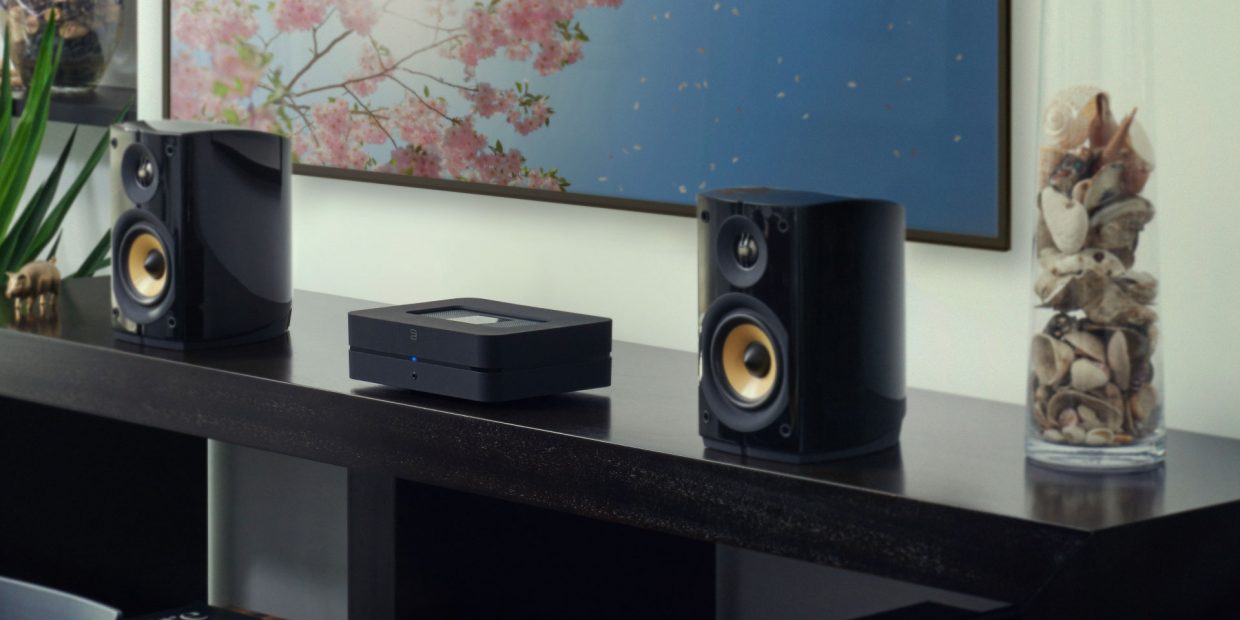
In summary, the journey through surround sound systems reveals how technology has continually advanced to provide unparalleled audio experiences. With a variety of options available, from traditional setups to cutting-edge formats, understanding these systems empowers consumers to make informed choices. As we look to the future, the integration of smart technologies and wireless systems promises to further enhance our audio experiences, making it an exciting time for sound enthusiasts. So, whether you’re upgrading your home theater or simply exploring sound options, surround sound systems will undoubtedly transform your auditory landscape.
Q&A
What is a surround sound system?
A surround sound system is an audio setup designed to create an immersive sound environment, typically using multiple speakers placed around a listener to simulate a three-dimensional sound experience.
How does surround sound differ from stereo sound?
Surround sound uses multiple channels and speakers to create a more immersive audio experience, while stereo sound typically uses just two channels to produce sound from two speakers.
Do I need a special receiver for a surround sound system?
Yes, a surround sound receiver is needed to decode multi-channel audio formats and distribute sound to the various speakers in the setup.
What are some common issues with surround sound systems?
Common issues include connectivity problems, speaker misplacement, and calibration errors, which can all affect sound quality.
Can I set up a surround sound system in a small room?
Yes, you can set up a surround sound system in a small room, but careful consideration of speaker placement and room acoustics is essential for optimal performance.
What content is best for showcasing surround sound?
Action movies, immersive video games, and concert recordings often showcase the capabilities of surround sound systems effectively due to their rich audio design.