
 Zoe Nora
As 5.1 surround sound takes center stage, it transforms the way we experience audio in movies and games. This innovative technology immerses listeners in a multi-dimensional soundscape, making every explosion, whisper, and musical note come alive like never before.
This guide delves into the essentials of 5.1 surround sound technology, exploring its key components, setup processes, and the audio formats that make it shine. Whether you’re a newcomer or an audio enthusiast, understanding the intricacies of this system can elevate your home entertainment experience to new heights.
The Basics of 5.1 Surround Sound Technology
5.1 surround sound technology is designed to create an immersive audio experience that enhances the enjoyment of movies, music, and video games. This system consists of six channels, providing a multi-dimensional sound that draws the listener into the environment of the audio, making it an essential component of modern home theater setups.
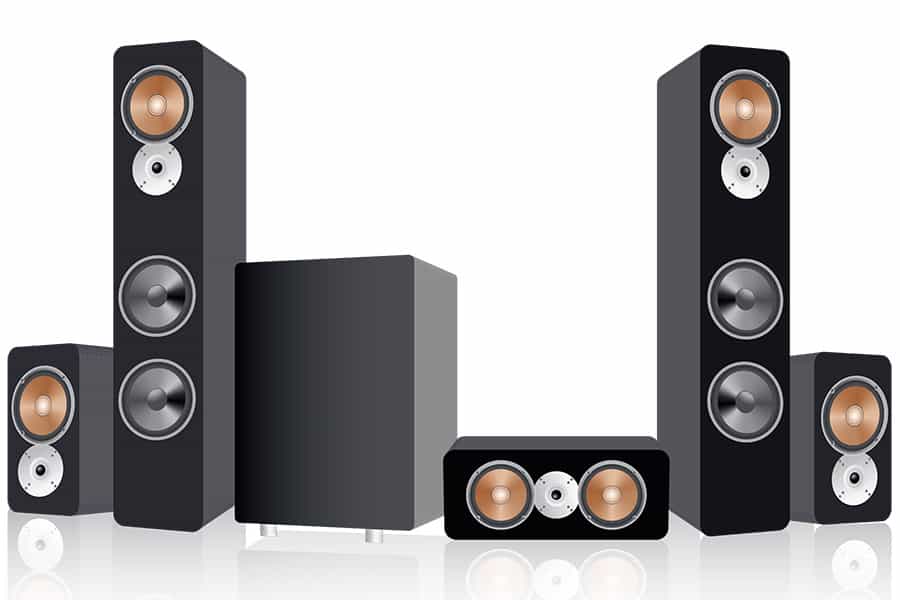
A 5.1 surround sound system is comprised of six main audio channels: one subwoofer channel (the “.1”) and five additional channels that include front left, front right, center, surround left, and surround right. These components work in synergy to create a rich soundscape. The front channels are primarily responsible for delivering dialogue and key audio elements, while the surround channels enhance ambiance and effects. The subwoofer channel handles low-frequency effects, adding depth to explosions or music that requires a robust bass response. This combination allows sound designers and engineers to place sounds in a three-dimensional space, leading to a more engaging listening experience.
Key Components of a 5.1 Surround Sound System
Understanding the individual components of a 5.1 surround sound system is crucial for realizing its full potential. The following key parts play a significant role in creating the immersive experience:
- Front Left and Right Speakers: These speakers provide stereo sound and are typically positioned on either side of the television or screen. They are essential for delivering music, sound effects, and dialogue.
- Center Channel Speaker: Positioned directly above or below the screen, the center speaker is crucial for dialogue clarity and is where most of the dialogue in films comes from, anchoring voices to the on-screen action.
- Surround Left and Right Speakers: Located to the sides or slightly behind the listening position, these speakers enhance the sound environment by providing ambient sounds and effects, making the experience more realistic.
- Subwoofer: This speaker reproduces low-frequency sounds, such as bass and rumbling effects, adding depth and impact to movies and music. It enhances the overall feeling of immersion.
- AV Receiver: This device acts as the heart of the system, decoding audio signals and distributing them to the appropriate speakers. It is vital for managing different audio sources and formats.
The evolution of surround sound technology has significantly impacted home theater experiences. Initially, audio was primarily stereo, which limited the spatial dynamics of sound. As film and sound technology advanced, surround sound systems began to emerge. The introduction of Dolby Surround in the 1980s marked a turning point, laying the groundwork for the development of the 5.1 system. This evolution has led to a greater emphasis on audio quality and spatial accuracy, allowing home theater enthusiasts to enjoy cinema-like experiences in their living rooms. As technology continues to advance, systems are evolving towards 7.1, 9.1, and even immersive formats like Dolby Atmos, further enriching the auditory experience in home environments.
Setting Up a 5.1 Surround Sound System
Setting up a 5.1 surround sound system can significantly enhance your home theater experience, making movies and music more immersive. This guide will walk you through the necessary steps to install your system in a typical living room, ensuring optimal sound quality through strategic speaker placement and configuration.
Installation Steps for a 5.1 Surround Sound System
To successfully install a 5.1 surround sound system, follow these step-by-step instructions:
1. Gather Necessary Equipment: Ensure you have all components, including five speakers, a subwoofer, an AV receiver, speaker wire, and possibly wall mounts or stands.
2. Choose Your AV Receiver: Select an AV receiver that supports 5.1 channels and has enough output for your speakers. This device will act as the hub for all audio connections.
3. Speaker Placement:
– Front Left and Right Speakers: Position these speakers on either side of your television screen, at ear level when seated. They should be angled slightly towards the listening area.
– Center Speaker: Place this directly above or below the TV, aligned with the screen. It is crucial for dialogue clarity.
– Surround Speakers: Install these on the side walls, about 90 to 110 degrees from your listening position, at ear level or slightly above.
– Subwoofer: This can be placed in various locations, but it’s typically best near a wall or corner for optimal bass performance. Experiment with placement for the best low-frequency response.
4. Connect the Speakers: Use the appropriate speaker wire to connect each speaker to the AV receiver. Ensure the polarity is consistent (positive to positive, negative to negative) to avoid phase issues.
5. Power Up and Configure: Turn on your AV receiver and configure the audio settings. Most receivers have an automatic calibration feature that helps set speaker distances, levels, and crossover frequencies for optimal performance.
6. Fine-tuning: After calibration, manually adjust settings based on your preferences. Experiment with the volume levels of each speaker, especially the subwoofer, to maintain balance across sound frequencies.
Optimal Speaker Placement for Enhanced Listening Experience
Proper speaker placement is crucial for achieving a rich and immersive audio experience. Here are some additional guidelines for maximizing sound quality:
– Distance from Walls: Keep speakers at least a few inches away from walls to prevent sound reflections that can muddy the audio.
– Angle of Surround Speakers: Ensure that the surround speakers face towards the listening area for a more enveloping sound field.
– Listening Position: Ideally, the listening position should form an equilateral triangle with the front left, right, and center speakers. This arrangement will help achieve a balanced soundstage.
“The ideal setup will ensure smooth transitions of sound from one speaker to another, enhancing the overall cinematic experience.”
Configuring Audio Settings for Optimal Sound Quality
To achieve the best sound output, it’s important to configure the audio settings correctly on all connected devices. Here’s how to do it:
– AV Receiver Settings: Navigate to the receiver’s setup menu and input the correct speaker configuration (5.1). Use the receiver’s internal calibration system if available.
– Source Device Configuration: Ensure that devices such as Blu-ray players, streaming devices, or gaming consoles are set to output audio in surround sound format. Look for settings labeled “Bitstream” or “Dolby Digital,” depending on the device.
– Adjust Sound Modes: Explore different sound modes available on your AV receiver. Modes like “Movie,” “Music,” or “Game” can tailor the audio output to suit different types of content.
– Subwoofer Level Adjustment: Fine-tune the subwoofer level to your liking; too much bass can overpower other sounds, while too little may result in a lack of impact in action scenes.
By following these steps and guidelines, you can set up your 5.1 surround sound system efficiently, ensuring that every movie night or gaming session is a thrilling auditory experience.
The Role of Audio Formats in 5.1 Surround Sound
Audio formats play a crucial role in delivering the immersive experience that 5.1 surround sound is known for. Each format has its unique characteristics, which can significantly influence the sound quality during playback and the overall home entertainment experience. Understanding these formats helps consumers make informed choices when setting up their audio systems.
Different audio formats exist that support 5.1 surround sound, each with specific traits that cater to various listening environments. Some of the most prominent formats include Dolby Digital, DTS (Digital Theater Systems), and PCM (Pulse Code Modulation).
Key Audio Formats Supporting 5.1 Surround Sound
The following list Artikels key audio formats that are widely adopted in home entertainment systems, highlighting their distinct features:
- Dolby Digital: A widely used audio format that supports up to 5.1 channels. It is noted for its efficient compression, allowing for high-quality sound without requiring excessive bandwidth. Dolby Digital is commonly found in DVDs and streaming services.
- DTS: Known for its slightly higher bitrate compared to Dolby Digital, DTS is often favored by audiophiles for its fidelity and clarity. It also supports 5.1 surround sound, making it a popular choice for Blu-ray discs.
- PCM: This format provides uncompressed audio, ensuring the highest quality sound. However, it requires more storage space and bandwidth, making it less common in streaming scenarios. PCM is often used in high-definition audio tracks.
The advantages of various formats can significantly impact the quality of sound during playback. For instance, Dolby Digital’s efficient encoding allows for a broader range of content while maintaining sound integrity. On the other hand, DTS’s higher bitrate can result in a more detailed audio experience, particularly in dynamic scenes where sound effects are crucial.
“The choice of audio format can dictate not just the clarity of dialogue but also the depth and immersion of the entire sound experience.”
In practical applications, many consumers find DTS to excel in home theater setups where audio fidelity is paramount, while Dolby Digital remains effective in more casual listening environments, such as with streaming content. For example, a film with a rich soundscape like “Inception” can evoke a completely different emotional response when experienced through DTS than through Dolby Digital, given the nuances in sound layering and ambient effects.
In summary, the characteristics of audio formats like Dolby Digital, DTS, and PCM play an essential role in how 5.1 surround sound is experienced. Understanding these formats not only enhances the appreciation of sound design in films and music but also helps consumers create tailored audio environments that meet their entertainment needs.
Common Issues and Solutions in 5.1 Surround Sound Systems

Setting up a 5.1 surround sound system can enhance your home theater experience significantly. However, users often encounter common issues that can detract from audio quality and connectivity. Understanding these problems and their solutions can help ensure a smooth and immersive audio experience.
Connectivity Issues Between Devices and Speakers
It’s essential for all components of a 5.1 surround sound system to communicate effectively. Connectivity issues may arise due to incorrect wiring, incompatible devices, or settings. Here are some common causes and their solutions:
- Loose Connections: Ensure that all cables are securely plugged into their respective ports. A loose HDMI or optical cable can result in signal loss.
- Incorrect Input Selection: Verify that the correct audio source is selected on your receiver. Switching to the right HDMI or optical input is crucial for proper sound output.
- Incompatible Formats: Some devices may not support certain audio formats. Check the specifications of your audio system and the source device to ensure compatibility.
- Firmware Updates: Outdated firmware can lead to connection issues. Regularly check for and apply software updates for all devices involved in the setup.
Troubleshooting Audio Lag and Distortion
Audio lag and distortion can significantly impact your viewing experience. These problems often stem from latency in the connections or improper settings. Understanding how to address these issues can greatly enhance audio performance.
- Check Latency Settings: Many AV receivers have settings that can adjust audio delay. Experiment with these settings to synchronize sound with video.
- Audio Format Settings: Ensure that your audio output settings match the capabilities of your AV receiver. Using uncompressed formats like PCM can sometimes help reduce distortion.
- Speaker Calibration: Use the built-in calibration tools on your AV receiver. These can help optimize speaker placement and levels, reducing distortion and improving sound clarity.
- Testing with Different Content: Sometimes, audio issues are specific to certain media. Test various formats (e.g., streaming, Blu-ray) to determine if the problem persists across all content.
Regular maintenance and careful setup can prevent many common issues associated with 5.1 surround sound systems, ensuring a more enjoyable audio experience.
Enhancing Your 5.1 Surround Sound Experience
A 5.1 surround sound system offers an immersive audio experience, but there are multiple ways to enhance this setup further. By incorporating additional equipment and accessories, calibrating sound output, and selecting the right content, you can significantly elevate your listening experience. This segment will delve deeper into these aspects, providing you with insights to make the most out of your home theater system.
Additional Equipment and Accessories
To complement your 5.1 surround sound system, consider investing in high-quality accessories and equipment that can enhance audio performance. These additions can range from cables to speakers, and they play a crucial role in delivering a richer sound experience.
- Quality Speaker Cables: Upgrading to oxygen-free copper speaker cables can improve signal transmission and reduce interference, enhancing audio clarity.
- AV Receiver: A high-end AV receiver can provide better sound processing and connectivity options, supporting various audio formats and devices.
- Subwoofer: Adding a powered subwoofer can deepen the bass and provide a fuller sound, making action scenes and music more impactful.
- Acoustic Panels: Installing acoustic panels in your listening area can reduce echo and improve sound quality by absorbing unwanted frequencies.
- Sound Bar: For those who prefer a more compact solution, a sound bar can enhance audio quality without the need for multiple speakers.
Calibrating Sound Output
Personalizing the sound output of your 5.1 surround system is essential for achieving the best possible audio experience. Calibration techniques allow you to adjust speaker levels, distances, and equalization settings to suit your room and preferences.
To properly calibrate your system, follow these steps:
1. Speaker Placement: Ensure that your speakers are positioned correctly around the listening area, following the recommended layout for a 5.1 system.
2. Use a Calibration Microphone: Many AV receivers come with an automatic calibration microphone. Place this microphone at ear level in your primary listening position, allowing the receiver to measure sound levels and adjust them accordingly.
3. Manual Adjustments: After automatic calibration, fine-tune the volume levels of each speaker based on your personal preference. Utilizing a sound meter can help achieve accurate levels.
4. Room EQ Settings: Adjust the equalization settings on your receiver to optimize sound for your specific room acoustics, accounting for factors like furniture and wall materials.
5. Check and Recalibrate Regularly: Room changes or new furniture can affect sound. Periodically recheck your calibration to maintain optimal audio performance.
Recommended Movies and Games
Certain movies and games are designed to take full advantage of 5.1 surround sound, providing an unparalleled audio experience that immerses the viewer or player in the action. Here’s a selection of titles that exemplify this capability.
- Movies:
- Inception – Renowned for its groundbreaking sound design, this film offers a multi-layered auditory experience that fully utilizes a surround sound system.
- Mad Max: Fury Road – An action-packed film with dynamic soundscapes that enhance its thrilling visuals and intense sequences.
- Gravity – The sound design in this film complements the visuals, immersing the audience in the vastness of space with detailed audio cues.
- Star Wars: The Force Awakens – A must-watch for any fan, featuring an iconic soundtrack and sound effects that bring the galaxy to life.
- Games:
- The Last of Us Part II – This game utilizes 5.1 surround sound to deepen the player’s emotional connection to the environment and characters.
- Battlefield V – Known for its immersive audio design, this first-person shooter effectively uses surround sound to create realistic battlefield environments.
- Half-Life: Alyx – A VR title that leverages spatial audio, making every sound cue critical for gameplay and adding to the immersive experience.
- Resident Evil 7: Biohazard – The horror elements are amplified through its effective use of surround sound, heightening tension and fear.
Future Trends in Surround Sound Technology
As the landscape of audio technology continues to evolve, the future of 5.1 surround sound systems is expected to be influenced by various emerging technologies. Innovations in audio formats, the integration of smart home devices, and advancements in sound processing will likely play significant roles in shaping the audio experience for consumers. The shift towards more immersive audio setups is becoming increasingly pronounced, and understanding these trends can provide insights into the future of surround sound.
Emerging Technologies Impacting Surround Sound
Several new technologies are set to influence the development of 5.1 surround sound systems. These advancements may enhance audio fidelity and user engagement, creating richer experiences for listeners. The following key trends are of particular significance:
- Object-Based Audio: Technologies such as Dolby Atmos and DTS:X utilize object-based audio to create a three-dimensional sound environment. Unlike traditional channel-based audio, these formats allow sound designers more flexibility in placing sounds in a 3D space, enhancing the immersive experience.
- High-Resolution Audio: With the advent of high-resolution audio formats like FLAC and DSD, consumers are gaining access to higher quality sound reproduction. This trend may push the demand for compatible 5.1 systems that can fully utilize these formats.
- Wireless Technology: The rise of wireless audio solutions is changing the way surround sound systems are configured. Wireless speakers and subwoofers provide greater flexibility in placement and setup, making it easier for users to create an optimal surround sound experience without the clutter of cables.
Integration with Smart Home Devices
The integration of audio systems with smart home devices is rapidly changing how users interact with their surround sound systems. These interconnected ecosystems are enhancing the audio experience in numerous ways:
- Voice Control: Users can now control their 5.1 surround sound systems using voice commands through devices like Amazon Alexa, Google Assistant, or Apple HomeKit, streamlining the user experience and making it more intuitive.
- Interconnected Audio Ecosystems: Smart home devices allow for seamless connectivity between different audio sources, meaning users can easily switch between music streaming services, TV, and gaming consoles without needing multiple remote controls or settings adjustments.
- Auditory Personalization: Machine learning algorithms can analyze user preferences and adjust sound settings automatically, providing a tailored audio experience that adapts to the listener’s environment and preferences.
Potential Developments in Audio Formats
The ongoing evolution of audio formats will likely have a substantial impact on the effectiveness and appeal of 5.1 surround sound systems. As technology advances, the following developments are anticipated:
- Enhanced Compression Techniques: New audio compression methods are being developed to reduce file sizes while maintaining high sound quality. This will facilitate the streaming of high-quality surround sound audio over the internet, making it more accessible.
- Expanded Support for Immersive Audio Formats: As consumers increasingly demand immersive audio experiences, manufacturers may integrate support for advanced audio formats into their 5.1 systems, ensuring compatibility with next-generation content.
- Development of Spatial Audio: Spatial audio technologies will continue to evolve, allowing for more precise sound placement and movement. This will provide users with an even more immersive listening experience, further blurring the lines between fictional environments and reality.
“The future of audio technology promises to deliver an increasingly immersive and personalized experience for consumers, pushing the boundaries of how we perceive sound.”
Last Word
In conclusion, mastering the art of 5.1 surround sound can significantly enrich your viewing and listening experiences. By embracing the technology, setting up your system correctly, and understanding the audio formats available, you’re well on your way to enjoying a captivating sound environment that brings your favorite media to life.
FAQ
What is the difference between 5.1 and 7.1 surround sound?
5.1 surround sound uses six channels for audio, while 7.1 adds two additional channels for rear surround sound, enhancing the audio experience.
Can I use regular speakers for a 5.1 surround sound system?
While it’s possible, using speakers specifically designed for surround sound will provide a better audio experience.
What is the best way to position speakers in a 5.1 setup?
Ideally, the front left and right speakers should be at ear level, while the center speaker should be directly in front of the listener. The surround speakers should be placed to the sides or slightly behind the listening position.
Do I need a receiver for 5.1 surround sound?
Yes, a receiver is essential as it processes the audio signals and powers the speakers in a 5.1 surround sound system.
What types of content support 5.1 surround sound?
Many movies, TV shows, and video games are mixed in 5.1 surround sound, especially those released on Blu-ray, streaming services, and gaming platforms.