
 Zoe Nora
Streaming amplifiers have revolutionized the way we experience music at home, bridging the gap between traditional audio systems and modern digital convenience. By integrating advanced technology, these devices not only enhance sound quality but also offer seamless access to a world of streaming services. As we delve into the evolution and features of streaming amplifiers, we uncover how they cater to the shifting preferences of consumers seeking a richer audio experience.
With the rapid advancements in technology, audio enthusiasts are now more inclined towards streaming solutions due to their versatility and ease of use. This shift has led to a surge in the popularity of streaming amplifiers, which combine superior sound quality with smart connectivity options. As we explore their features and functionalities, we’ll highlight what to consider when purchasing one, ensuring you make an informed choice tailored to your audio needs.
The Evolution of Streaming Amplifiers
The streaming amplifier has come a long way since its inception. Originally, traditional amplifiers served primarily as sound devices for vinyl records and radio broadcasts, relying on physical media and analog signals for audio delivery. With the rise of digital technology, particularly the internet, the landscape of audio consumption began to shift dramatically. Today, streaming amplifiers incorporate a plethora of digital features, integrating functionalities that allow users to connect seamlessly to online music services, offering convenience and accessibility like never before.
The journey from analog to digital has been marked by several key technological advancements that have significantly influenced the design and functionality of streaming amplifiers. The introduction of high-resolution audio formats, for instance, has compelled manufacturers to enhance the digital-to-analog converters (DACs) within their devices, ensuring that sound quality meets the expectations of discerning audiophiles. Wireless connectivity, primarily through Wi-Fi and Bluetooth, has also transformed how users interact with their audio systems, allowing for remote control and multi-room setups that were previously unimaginable. Furthermore, the advancement of app-based controls has made it easier for users to curate their music libraries and access a variety of streaming services from a single interface.
Consumer preferences have shifted dramatically towards streaming solutions in recent years, fueled by the rise of platforms like Spotify, Apple Music, and Tidal. No longer are listeners confined to physical media; they demand instant access to vast libraries of music at their fingertips. This change is not merely a trend but reflects a deeper cultural shift where convenience, personalization, and mobility are paramount. Many users now appreciate the ability to create playlists, explore new genres, and receive tailored recommendations based on their listening habits. Additionally, the rise of smart home technology has integrated streaming amplifiers into larger ecosystems, allowing them to work in tandem with voice-activated devices such as Amazon Echo and Google Home.
The evolution of streaming amplifiers embodies a broader transition in how we experience music, blending the art of sound with the efficiency of modern technology.
Features to Look for in a Streaming Amplifier
When selecting a streaming amplifier, the features can significantly affect the audio experience and usability. A well-equipped amplifier not only enhances sound quality but also integrates seamlessly with various devices, making it a valuable addition to any audio setup. This discussion focuses on the essential features you should prioritize when making your purchase.
Essential Features Enhancing User Experience and Performance
Understanding the key specifications of a streaming amplifier is crucial for making an informed decision. Here’s a comparative list of features to consider:
- Audio Quality: Look for high-resolution audio support; DSD and FLAC compatibility can provide exceptional sound clarity.
- Connectivity Options: Include Wi-Fi, Bluetooth, and Ethernet ports; having multiple connection options enhances compatibility with different devices.
- Power Output: A higher wattage indicates more power, essential for driving larger speakers effectively.
- Streaming Services Compatibility: Check if it supports popular services like Spotify, Tidal, or Apple Music; this ensures broader usability.
- User Interface: A well-designed app or remote control can enhance usability and accessibility.
- Room Calibration: Some amplifiers offer automatic room correction that tailors the sound to your environment for optimal listening.
The impact of these features on sound quality and usability cannot be overstated. High-resolution audio support allows listeners to experience music as the artists intended, creating richer, more detailed soundscapes. For instance, using a streaming amplifier that supports DSD playback can yield a more nuanced sound with less distortion, providing a more engaging listening experience.
Connectivity options are equally important. A streaming amplifier equipped with Wi-Fi, Bluetooth, and Ethernet ensures that users can connect various devices, whether it’s a smartphone, tablet, or a smart home system. This flexibility significantly enhances how users interact with their music sources.
Power output is another critical factor; a higher wattage rating means your amplifier can drive speakers more efficiently, resulting in clearer sound even at high volumes.
Moreover, compatibility with popular streaming services ensures that users have access to a vast library of music without additional equipment. A user-friendly interface streamlines the overall experience, allowing for easy navigation and control over playback.
Lastly, advanced features like room calibration can optimize sound performance based on the acoustics of the space, making every listening session as immersive as possible. Overall, understanding these features aids in making a choice that aligns with personal audio preferences and lifestyle needs.
The Role of Connectivity in Streaming Amplifiers
In the world of streaming amplifiers, connectivity plays a pivotal role in determining both usability and sound performance. With advancements in technology, various connectivity options have emerged, each offering unique benefits that cater to different user preferences and environments. Understanding these options is crucial for maximizing the potential of your streaming audio experience.
Overview of Connectivity Options
The primary connectivity methods available in streaming amplifiers include Wi-Fi, Bluetooth, and Ethernet. Each option has distinct advantages that can influence sound quality and overall user experience. The choice of connectivity can affect everything from the integrity of the audio signal to the convenience of streaming from various devices.
Wi-Fi connectivity is widely favored due to its ability to handle high-bandwidth streaming. This technology allows the transfer of large audio files without significant loss in quality. Many streaming services, such as Tidal and Qobuz, require robust bandwidth to deliver high-resolution audio, making Wi-Fi a superior option for audiophiles.
“Wi-Fi can support lossless audio streams, ensuring that sound quality remains pristine.”
Bluetooth, while more convenient for short-range connections, traditionally faced limitations regarding audio quality due to compression. However, with advancements such as aptX and AAC codecs, modern Bluetooth connections have significantly improved. This method is especially popular for casual listeners or those seeking a quick, wireless connection to their devices without the need for a home network setup.
Ethernet connections offer the most stable and reliable option for streaming amplifiers, particularly in environments with fluctuating Wi-Fi signals. By using a wired connection, users can eliminate potential dropouts and latency issues, which can be especially beneficial when streaming high-definition audio or during critical listening sessions. This option is perfect for dedicated audio setups where sound performance is a top priority.
The importance of compatibility with streaming services and devices cannot be overstated. A streaming amplifier must seamlessly integrate with popular platforms to access a wide variety of content. Compatibility ensures that users can enjoy diverse libraries without technical hurdles. An amplifier that connects easily with services like Spotify, Apple Music, or Amazon Music enhances user satisfaction by providing a smooth, hassle-free streaming experience. Moreover, device compatibility, including smartphones, tablets, and laptops, allows for versatile playback options, making it easier for users to control their audio experience from various sources.
“Ensuring compatibility with streaming services enhances the overall user experience, providing access to limitless music.”
Popular Brands and Models of Streaming Amplifiers
In the ever-evolving world of audio equipment, streaming amplifiers have gained immense popularity due to their ability to deliver high-quality sound while providing seamless connectivity to a multitude of streaming services. As consumers seek the best audio experiences, certain brands have emerged as leaders in the market, known for their innovative designs and advanced features. This discussion delves into some of the most reputable brands and their flagship models, providing insightful comparisons that aid consumer choices.
Leading Brands and their Flagship Models
The streaming amplifier market is dominated by several brands known for their quality and reliability. Each brand offers unique features and pricing options, catering to different consumer needs. Here are some of the leading brands along with their notable models:
- Sonos: The Sonos Amp stands out for its versatile design, allowing it to integrate with existing audio systems and control multiple speakers. It offers seamless streaming capabilities and supports voice control, making it a favorite among tech-savvy users.
- Denon: Known for its high-fidelity audio equipment, Denon’s HEOS Amp is renowned for its powerful performance and extensive streaming options. It features high-resolution audio support and a user-friendly mobile app, ensuring a rich listening experience.
- Yamaha: The Yamaha WXA-50 is appreciated for its compact design and excellent sound quality. With built-in Bluetooth and Wi-Fi, it delivers high-resolution audio and integrates effortlessly with smart home systems.
- Cambridge Audio: The CXA81 offers high-end features such as a Class AB amplifier and a range of connectivity options, including USB and digital audio inputs. This model is ideal for audiophiles looking for superior sound quality.
The design, features, and pricing of these models vary significantly, catering to both budget-conscious buyers and high-end consumers. The Sonos Amp, for instance, is priced around $599, making it accessible for many, while the Cambridge Audio CXA81 is positioned at a higher price point, approximately $1,299, reflecting its premium build and performance.
Brand reputation plays a crucial role in influencing consumer trust and choice in streaming amplifiers. Consumers often gravitate towards brands with a strong legacy of quality and customer service, as these factors assure them of the product’s effectiveness and durability. For instance, Sonos has built a reputation for user-friendly products and exceptional sound quality, which fosters trust among new customers. In contrast, lesser-known brands may struggle to gain traction despite offering innovative features, as potential buyers may hesitate to invest in products lacking established credibility. Additionally, positive reviews and word-of-mouth recommendations contribute significantly to a brand’s reputation, reinforcing consumer confidence.
Ultimately, the interplay of brand reputation, product reviews, and personal experiences shapes consumer preferences, making it imperative for brands to maintain high standards in both their products and customer engagement.
Setting Up a Streaming Amplifier
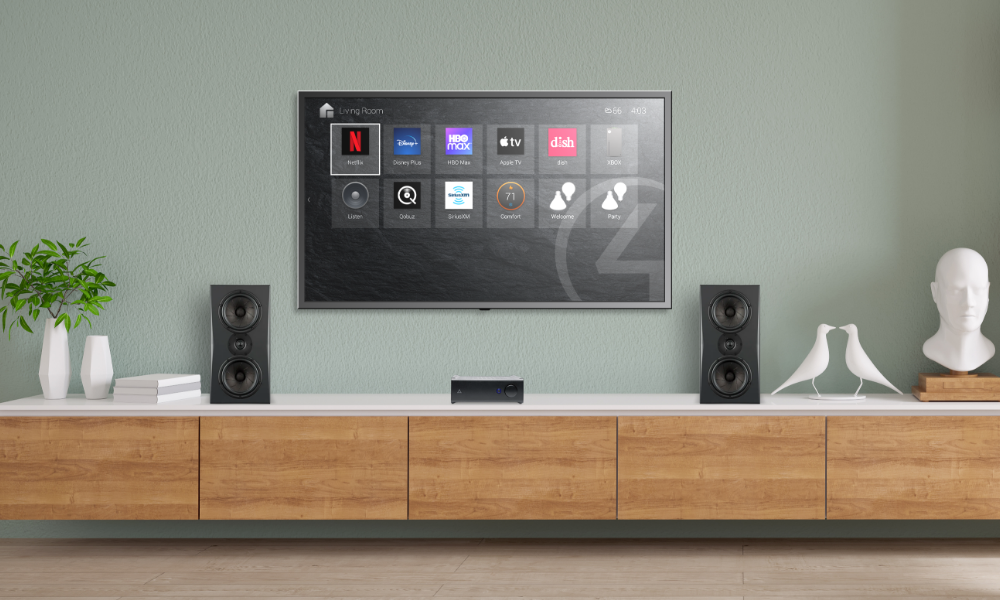
Setting up a streaming amplifier can seem daunting, but with the right guidance, it becomes a straightforward process that enhances your audio experience. This guide will lead you through the installation and setup stages, ensuring your system is optimally configured for performance and compatibility with other devices.
Installation Steps
Begin by selecting an appropriate location for your streaming amplifier. Ensure it has adequate ventilation and is close to your power source and audio output devices. The installation process generally involves these steps:
1. Unboxing and Inspection: Carefully unbox the amplifier and inspect for any damages. Ensure all accessories, such as power cables, remote controls, and user manuals, are included.
2. Connecting Power: Plug the amplifier into a power outlet. It’s advisable to use a surge protector to safeguard against power surges.
3. Audio Connections: Connect the amplifier to your speakers, ensuring the polarity (+/-) is maintained. If using an AV receiver, connect via the appropriate audio cables (HDMI, optical, or RCA).
4. Network Setup: For streaming capabilities, connect the amplifier to your Wi-Fi network. This typically involves entering your network credentials via the amplifier’s app or interface.
5. Configuration: Open the manufacturer’s app to finalize settings and check for firmware updates. This step ensures your amplifier is running the latest software for optimal performance.
Optimizing Sound Quality
To fully enjoy your streaming amplifier, consider the following tips for enhancing sound quality and ensuring compatibility:
– Speaker Placement: Position speakers at ear level and away from walls to minimize reflections and improve sound clarity.
– Use Quality Cables: Invest in high-quality cables to prevent signal loss and distortion.
– Room Acoustics: Utilize rugs or curtains to dampen sound reflections in large, empty rooms.
Avoiding Common Pitfalls
Setting up a streaming amplifier is not without its challenges. Here are some common pitfalls and how to steer clear of them:
When connecting multiple devices, ensure compatibility. Not all streaming amplifiers support every audio format or connection type, which can lead to confusion during playback. Always check the specifications before making connections.
Another common issue is failing to update firmware. Many amplifiers receive updates that enhance their functionality and security. Neglecting this can result in performance issues or a lack of access to new features.
Lastly, improper speaker wiring can lead to sound imbalances or damage. Double-check all connections, ensuring that speaker wires are correctly attached and secured to prevent accidental short circuits.
“The key to a successful setup lies in the details; pay attention to each step and ensure every connection is secure.”
The Impact of Streaming Amplifiers on Home Audio Systems
The advent of streaming amplifiers has revolutionized home audio systems, bringing a seamless integration of digital music services with traditional audio setups. With the ability to connect via Wi-Fi or Bluetooth, these amplifiers allow users to access their favorite music from various platforms, all while enhancing the sound quality and simplifying the listening experience. This transformation not only elevates the convenience of audio playback but also significantly improves the overall audio experience.
Streaming amplifiers serve as a bridge between modern digital music sources and conventional audio equipment. Many traditional home audio setups consist of separate components such as speakers, receivers, and CD players. By incorporating a streaming amplifier into this setup, users can eliminate the need for multiple devices and cables while maintaining high-quality sound. The integration process is typically straightforward, as most streaming amplifiers feature standard connections compatible with existing speakers and receivers.
Enhanced Audio Experiences through Streaming Technology
The potential for enhanced audio experiences through streaming technology is vast. Here are several aspects that highlight how streaming amplifiers can elevate sound quality and convenience in home audio systems:
- High-Resolution Audio: Many streaming amplifiers support high-resolution audio formats, allowing users to enjoy music with greater detail and clarity. This feature is especially beneficial for audiophiles who appreciate the nuances of their favorite tracks.
- Multi-Room Streaming: Streaming amplifiers often come with multi-room capabilities, enabling users to play music throughout different areas of the home. This functionality allows for synchronized playback, creating a cohesive audio experience across various rooms.
- Direct Access to Streaming Services: With built-in support for popular streaming services like Spotify, Tidal, and Apple Music, users can stream their favorite playlists directly from the amplifier without needing additional devices.
- Control and Customization: Many streaming amplifiers come with user-friendly apps for smartphones and tablets, providing intuitive control over playback, equalization settings, and volume adjustments. This level of customization enhances the listening experience.
- Integration with Smart Home Systems: Streaming amplifiers can often be integrated with smart home ecosystems, allowing for voice control and automation, which adds another layer of convenience for users.
In summary, the inclusion of a streaming amplifier in a home audio system not only simplifies connectivity but also opens up a world of audio possibilities. With the right setup, users can enjoy a richer, more immersive listening experience, making their home audio systems more versatile and enjoyable than ever before.
Future Trends in Streaming Amplifier Technology
As technology continues to evolve, streaming amplifiers are poised for significant advancements. The integration of emerging technologies will redefine how users experience sound quality, interact with their devices, and connect with their music libraries. Enhanced audio clarity, smarter interfaces, and seamless connectivity options are just a few of the trends that are beginning to shape the future landscape of streaming amplifiers.
Several innovative technologies are set to revolutionize streaming amplifiers, focusing on sound quality, user interface, and connectivity options. One notable trend is the development of high-resolution audio formats. As more content becomes available in higher fidelity, consumer expectations for sound quality will drive manufacturers to create amplifiers capable of delivering an immersive listening experience.
Technological Innovations Shaping Streaming Amplifiers
The following innovations are particularly noteworthy as they will likely define the next generation of streaming amplifiers:
- Artificial Intelligence (AI): AI-driven features will allow amplifiers to learn user preferences, optimizing audio settings automatically. This personalization can enhance user experience significantly.
- Enhanced Connectivity: Future amplifiers will likely support a broader range of wireless streaming protocols, including Wi-Fi 6 and Bluetooth 5.2, enabling faster data transfer and reduced latency.
- Multi-Room Audio Systems: As consumers increasingly seek whole-home audio experiences, streaming amplifiers will evolve to integrate seamlessly with multi-room setups, allowing users to control music in different areas from a single interface.
- Voice Control Integration: With the rise of smart home technology, voice-activated controls will become standard, making it easier for users to manage their audio environments hands-free.
The influence of consumer behavior and industry developments on these trends cannot be understated. As consumers become more tech-savvy, they increasingly demand devices that not only meet their audio needs but also fit their lifestyles. This shift in expectations drives manufacturers to innovate and adopt cutting-edge technologies. Additionally, the growing popularity of streaming services that offer high-resolution audio, like Tidal and Amazon Music HD, is pushing the entire industry towards higher quality audio solutions.
Furthermore, the trend towards sustainability and energy efficiency is becoming a central concern for consumers, prompting manufacturers to explore eco-friendly materials and energy-saving technologies in amplifier design. As the market responds to these evolving consumer preferences, the future of streaming amplifiers will undoubtedly be characterized by enhanced performance, user-centric features, and a commitment to sustainability.
Cost Considerations When Buying a Streaming Amplifier
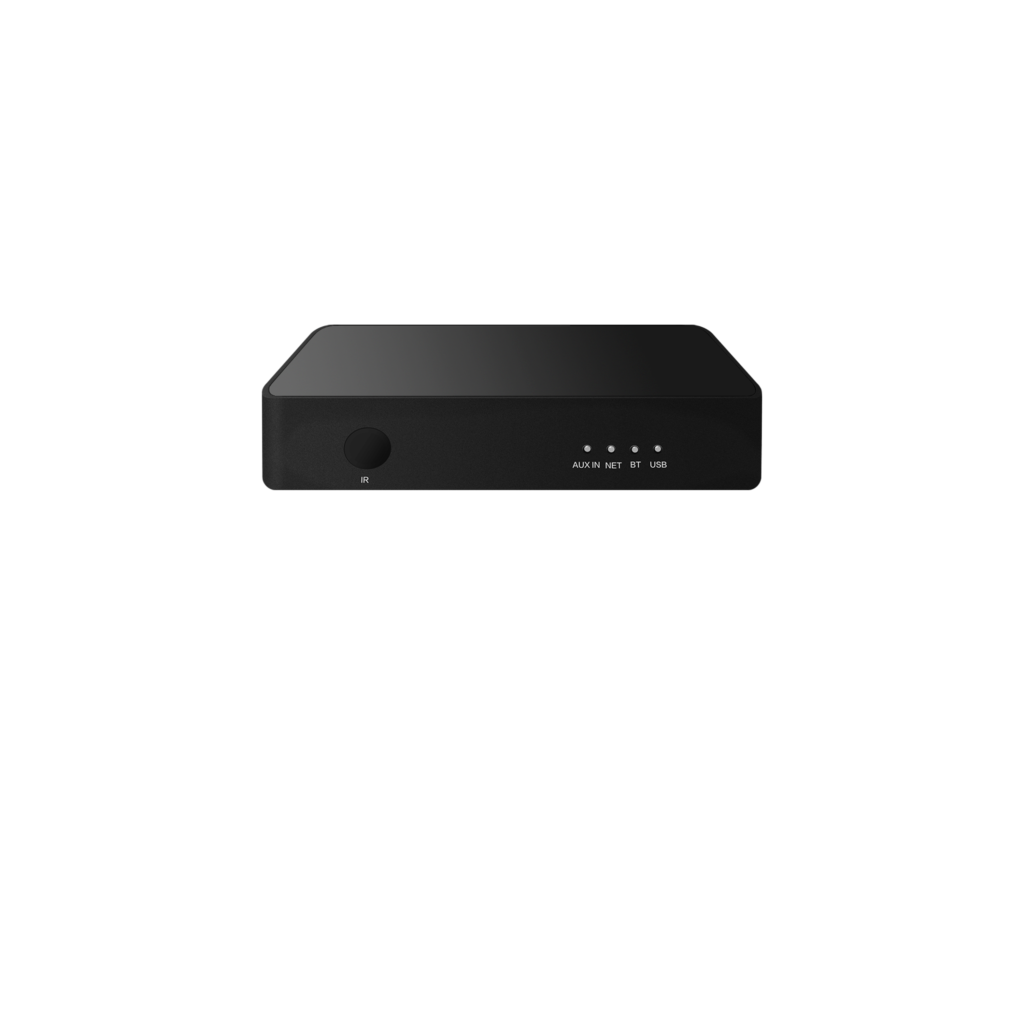
Investing in a streaming amplifier requires careful consideration of its cost. The price range for streaming amplifiers varies significantly due to multiple factors, including features, build quality, and brand reputation. While some models can be found for a few hundred dollars, high-end options can exceed several thousand. Understanding the nuances of these costs can help consumers make informed decisions.
The price of a streaming amplifier is influenced by various elements such as audio quality, connectivity options, and additional functionalities like integrated streaming services or multi-room capabilities. Higher-priced models often offer superior DACs (Digital-to-Analog Converters), which enhance sound quality, as well as robust construction that ensures durability. Furthermore, the availability of advanced features like support for high-resolution audio formats and compatibility with smart home systems can also drive up the cost.
Budget-Friendly Options and High-End Models
When exploring the market, it’s essential to consider both budget-friendly and high-end streaming amplifiers. Below is a list of options from each category, showcasing their benefits.
Budget-Friendly Options:
– Yamaha WXA-50: Compact design with excellent sound quality and versatile connectivity options, making it a great choice for casual users.
– Audioengine B1: This Bluetooth receiver offers high-quality audio streaming at an affordable price, perfect for those entering the streaming amplifier market.
– Cambridge Audio AXA35: A robust amplifier with built-in Bluetooth, it provides clear audio and solid performance, ideal for budget-conscious audiophiles.
High-End Models:
– NAD C 658: A feature-rich streaming amplifier with exceptional sound quality and built-in Dirac Live room correction for optimal listening experiences.
– Cambridge Audio CXA81: Known for its powerful performance and extensive connectivity options, this model is perfect for serious audiophiles seeking premium sound.
– McIntosh MA252: Combining classic aesthetics with modern streaming capabilities, this amplifier offers exceptional audio fidelity and build quality.
Investing in a quality streaming amplifier has significant long-term value. These devices provide an enhanced audio experience and can serve as the backbone for a high-fidelity audio system. Unlike cheaper alternatives, which may require frequent replacements or upgrades, a well-built streaming amplifier can last for years, providing consistent performance and enjoyment.
Moreover, premium models often come with features that can save money in the long run, such as energy-efficient designs and extensive connectivity options, reducing the need for multiple devices. They also typically support the latest audio formats, ensuring that users can enjoy high-resolution streaming without compromising sound quality.
Investing in a quality streaming amplifier is not merely about current needs; it is about future-proofing your audio setup. By choosing wisely, consumers can enjoy exceptional sound quality, versatility, and reliability for years to come, making it a worthwhile investment in their overall audio experience.
User Testimonials and Reviews of Streaming Amplifiers
The transition to streaming amplifiers has been a game-changer for many audio enthusiasts. Users have shared their experiences, revealing both the positive aspects and challenges of integrating this technology into their audio setups. By listening to real-world feedback, potential buyers can gain valuable insights into what to expect.
User testimonials often highlight the performance and convenience offered by streaming amplifiers. Many have noted improved sound quality and the ability to access a vast library of music easily. However, some users have also voiced concerns regarding connectivity issues and the learning curve associated with new technology. Understanding these insights plays a vital role in making informed purchasing decisions.
Insights from User Experiences
Here’s a summary of user experiences that reflect the pros and cons of streaming amplifiers based on their real-world usage:
- Pros:
-
Enhanced Sound Quality:
Many users report a noticeable improvement in audio clarity and depth compared to traditional setups.
-
Convenience of Streaming:
Accessing various music services directly through the amplifier eliminates the need for multiple devices.
-
User-Friendly Interfaces:
Several brands offer intuitive apps for easier control, making navigation seamless.
-
Multi-Room Audio:
Users appreciate the ability to synchronize music across different rooms easily.
-
- Cons:
-
Initial Setup Challenges:
Some users have encountered difficulties during installation and setup, particularly with network configurations.
-
Connection Reliability:
Issues with Wi-Fi connectivity have been reported, affecting streaming performance.
-
Cost Considerations:
While some see the value, others find streaming amplifiers to be pricier compared to traditional options.
-
User feedback provides crucial insights for potential buyers. By reading through various reviews, buyers can identify common trends regarding performance, ease of use, and potential pitfalls. For example, if multiple users report similar connectivity issues, it may prompt a buyer to consider alternative models that are more reliable. Additionally, understanding the experiences of those who have switched from traditional audio systems can help buyers set realistic expectations about sound quality and functionality.
Furthermore, testimonials often include recommendations for specific models based on users’ needs, such as budget, space constraints, or desired features. This peer advice can significantly influence decision-making, guiding buyers toward products that offer the best value for their requirements. Overall, user feedback not only informs prospective purchasers about the features and performance of streaming amplifiers but also helps shape their overall purchasing experience.
Maintenance and Troubleshooting for Streaming Amplifiers
To ensure your streaming amplifier operates at its best, regular maintenance and timely troubleshooting are essential. These practices not only extend the lifespan of your device but also enhance the overall listening experience. In this section, we’ll cover straightforward maintenance tips, common troubleshooting steps, and the significance of keeping your amplifier’s software up to date.
Maintenance Tips for Optimal Performance
Proper maintenance is crucial for preserving the functionality and performance of your streaming amplifier. Regular checks and minor adjustments can lead to significant improvements. Here are some effective maintenance practices:
- Keep the device clean by dusting off the exterior and ensuring that the ventilation areas are unblocked.
- Check and tighten any loose connections to avoid signal loss or audio distortion.
- Regularly update the firmware according to the manufacturer’s guidelines to benefit from enhancements and security patches.
- Ensure that the amplifier is placed in a well-ventilated area to prevent overheating.
- Use quality cables that are compatible with your amplifier to prevent unnecessary wear and tear.
Troubleshooting Common Issues
Even the best equipment may encounter problems from time to time. Familiarizing yourself with common issues and their solutions can save you time and frustration. Below are some typical problems and troubleshooting steps:
- No Sound: Check volume settings, ensure the amplifier is powered on, and verify cable connections.
- Poor Audio Quality: Inspect for loose connections, ensure the source is high-quality, and update device software.
- Connectivity Issues: Restart the amplifier and the router, check for interference, and ensure the correct network is selected.
- Overheating: Ensure proper ventilation, relocate the amplifier to a cooler location, and check for accumulated dust.
Importance of Software Updates
Software updates are pivotal for maintaining the functionality and security of your streaming amplifier. These updates often include new features, bug fixes, and performance enhancements.
Keeping your device’s software up to date can affect various aspects of performance, including but not limited to:
- Improved Compatibility: Updates ensure your amplifier works seamlessly with the latest streaming services and devices.
- Enhanced Security: Regular updates protect your device from vulnerabilities and potential cyber threats.
- New Features and Functionality: Manufacturers often introduce innovative features that enrich user experience through software updates.
- Bug Fixes: Addressing known issues that may affect device performance can lead to a smoother operation.
Keeping software updated not only enhances performance but is also vital for security and compatibility with evolving technologies.
Conclusion
In summary, streaming amplifiers represent a significant advancement in home audio systems, merging quality sound with digital convenience. As we’ve seen, their evolution reflects changing consumer demands and technological innovations that promise an even brighter future for audio experiences. By understanding the essential features and connectivity options, you can choose a streaming amplifier that not only meets your needs but also elevates your listening experience to new heights.
Detailed FAQs
What is a streaming amplifier?
A streaming amplifier is a device that amplifies audio signals while also connecting to streaming services, allowing users to access music and audio content directly from the internet.
How do I connect my streaming amplifier to Wi-Fi?
Most streaming amplifiers come with a built-in Wi-Fi setup option; simply follow the instructions in the user manual to connect to your home network.
Can I use a streaming amplifier with my existing speakers?
Yes, streaming amplifiers are designed to work with a variety of speakers, making it easy to integrate them into your existing audio setup.
Are streaming amplifiers compatible with all streaming services?
While many streaming amplifiers support popular services like Spotify and Apple Music, it’s essential to check compatibility with your preferred streaming platforms before purchasing.
Do I need special cables for a streaming amplifier?
Typically, standard audio cables are sufficient; however, check the specifications of your amplifier for any specific connectivity requirements.
How often should I update the software on my streaming amplifier?
It’s advisable to check for software updates regularly or schedule them periodically to ensure optimal performance and access to new features.
What are the benefits of using a streaming amplifier over a traditional amplifier?
Streaming amplifiers offer greater versatility by providing internet connectivity, access to multiple streaming platforms, and often superior sound processing capabilities compared to traditional amplifiers.