
 Zoe Nora
Kicking off with Multi-channel amp, this technology transforms how we experience sound, offering a rich and immersive audio environment that goes beyond traditional systems. Whether you’re a home theater enthusiast or a professional audio engineer, understanding the capabilities and benefits of multi-channel amplifiers can significantly enhance your listening experience.
Multi-channel amplifiers are designed to power multiple speakers simultaneously, creating a surround sound effect that envelops the listener. They operate on advanced technological components that allow for superior sound distribution and clarity, making them essential in modern audio systems. With the rise of home theater setups and professional audio environments, multi-channel amplifiers have become indispensable tools for achieving high-fidelity sound. Their versatility makes them suitable for a wide range of applications, from cinematic experiences at home to live sound setups in concert venues.
Understanding the Fundamentals of Multi-channel Amplifiers
Multi-channel amplifiers are integral components of modern audio systems, designed to enhance sound quality and create immersive listening experiences. These amplifiers can drive multiple speakers simultaneously, allowing sound systems to deliver rich, dynamic audio across various channels. Their primary purpose is to ensure that audio signals are amplified appropriately for each channel, whether in home theater setups, professional audio environments, or automotive sound systems.
Multi-channel amplifiers function through a combination of technological components that work in unison to manage and amplify audio signals effectively. Key components include the power supply, which provides the necessary energy for amplification, and the output stage, which drives the speakers. Additionally, multi-channel amplifiers often incorporate digital signal processing (DSP) technologies that enable features like equalization, crossover controls, and effects processing. The amplifier circuitry itself is designed to handle multiple channels, typically ranging from two to more than eight channels, with each channel amplifying a separate audio signal. This configuration is essential for creating surround sound environments, where each speaker contributes to a cohesive audio landscape.
Significance of Multi-channel Amplification in Modern Sound Systems
The importance of multi-channel amplification in contemporary sound setups cannot be overstated. These amplifiers allow for a more nuanced and detailed sound reproduction, which is particularly crucial in applications such as home theaters and live music venues. In modern audio systems, multi-channel amplifiers provide a range of benefits, including:
- Enhanced Sound Quality: By distributing power across multiple channels, multi-channel amplifiers can provide cleaner, clearer sound with less distortion, allowing listeners to experience audio as intended by the producers.
- Flexible Speaker Configuration: Users can set up various speaker configurations, such as 5.1 or 7.1 surround sound systems, enhancing the overall listening experience by providing sound from different directions.
- Improved Dynamics: Multi-channel amplification allows for better dynamic range, meaning the amplifier can handle both quiet and loud passages without compromising clarity or impact.
- Compatibility with Advanced Formats: These amplifiers support modern audio formats, including Dolby Atmos and DTS:X, which require multiple channels to deliver enveloping soundscapes that enhance viewer immersion.
- Scalability: Multi-channel amplifiers can be easily integrated into existing sound systems, allowing users to expand their setups over time without needing to replace existing equipment.
By leveraging these advantages, multi-channel amplification supports the growing demand for high-fidelity audio experiences in various settings, from home entertainment to professional audio production.
The Benefits of Using Multi-channel Amplifiers in Home Theater Systems
Multi-channel amplifiers have become integral components of modern home theater setups. They offer a significant upgrade to audio performance compared to traditional systems, delivering a more immersive experience for viewers and listeners alike. With the rise of surround sound formats and multi-dimensional audio technologies, the advantages of multi-channel amplifiers are clear, making them essential for anyone looking to enhance their home theater experience.
Multi-channel amplifiers enhance the audio experience in a home theater setup by providing separate amplification for each channel in a surround sound configuration. This allows for greater precision and clarity in sound reproduction. Unlike traditional stereo amplifiers, which typically drive only two channels, multi-channel amplifiers can power multiple speakers, creating a fuller and more dynamic soundstage. With configurations that can support five, seven, or even more channels, they enable sound engineers to place audio elements in a three-dimensional space, making it possible to experience sound as if it were coming from all around the listener.
Performance Comparison of Multi-channel Amplifiers and Traditional Stereo Amplifiers
When comparing the performance of multi-channel amplifiers with traditional stereo amplifiers, several key differences become evident. Multi-channel amplifiers not only increase the number of channels available but also significantly enhance the overall fidelity of the audio experience.
- Channel Separation: Multi-channel amplifiers provide dedicated amplification for each speaker, which leads to improved separation of audio channels. This results in a clearer soundstage, allowing the listener to distinguish individual sounds more effectively.
- Power Handling: Many multi-channel amplifiers are designed to deliver higher power ratings across more channels. This allows for the effective driving of larger speakers and enhances dynamic range, crucial for action-packed movie soundtracks.
- Surround Sound Capabilities: Multi-channel systems are optimized for formats such as Dolby Atmos and DTS:X, which create spatial audio experiences that traditional stereo amplifiers simply cannot replicate.
The benefits of channel separation and power handling make multi-channel amplifiers ideal for home theater systems, where the goal is to create a cinematic audio environment that closely resembles the experience of watching a movie in a theater.
Popular Home Theater Configurations Utilizing Multi-channel Amplifiers
There are several popular home theater configurations that effectively utilize multi-channel amplifiers, each tailored to different preferences and room sizes.
- 5.1 Surround Sound: This configuration includes five channels plus a subwoofer. It is among the most common home theater setups, providing a balanced audio experience suitable for most entertainment environments.
- 7.1 Surround Sound: An upgrade from the 5.1 setup, this configuration adds two additional rear speakers, enhancing the surround experience by providing more immersive audio, especially in larger spaces.
- 9.2 Surround Sound: This advanced system incorporates nine channels plus two subwoofers, ideal for those who desire the highest fidelity and depth in sound. It is particularly suited for large home theaters where sound immersion is paramount.
- 11.1 Surround Sound: For audiophiles and true home theater enthusiasts, a configuration with eleven channels plus a subwoofer offers the ultimate audio experience, facilitating the most intricate soundscapes.
These configurations demonstrate the versatility and benefits of multi-channel amplifiers, allowing users to tailor their home theater systems to meet their specific audio and visual demands, all while achieving a level of performance that enhances the overall viewing experience.
Key Features to Look for in Multi-channel Amplifiers
When selecting a multi-channel amplifier, several key features play a vital role in ensuring that you make a choice that meets your audio needs and enhances your overall listening experience. Understanding these specifications will help you navigate the market more effectively.
The first crucial aspect to consider is the power rating, which directly impacts the amplifier’s performance. Power rating, usually measured in watts, indicates how much power the amplifier can deliver to the speakers. A higher wattage means greater loudness and better performance, especially in larger spaces. However, it’s also important to match the amplifier’s power to your speakers’ power handling capabilities to avoid damage.
Number of Channels
The number of channels is another essential specification to evaluate. Multi-channel amplifiers can have various channel configurations, such as 5.1, 7.1, or even 9.1, depending on the setup you desire.
- 5.1 Channels: Ideal for basic surround sound systems, providing five speakers and a subwoofer.
- 7.1 Channels: Offers a more immersive experience with two additional channels for rear speakers.
- 9.1 Channels: Suitable for advanced setups including additional height channels for Dolby Atmos sound.
Choosing the right number of channels will depend on the size of your home theater and the audio experience you aim to achieve.
Connectivity Options
Connectivity options are vital for compatibility with other audio and video gear. A good multi-channel amplifier should offer a variety of inputs to accommodate different devices.
- HDMI Inputs: Essential for modern systems, allowing high-definition audio and video transmission.
- Optical and Coaxial Inputs: Provide digital audio connections for older devices.
- Analog Inputs: Useful for connecting older components that do not have digital outputs.
Having multiple connectivity options ensures that your multi-channel amplifier can integrate seamlessly with different devices, enhancing flexibility and functionality.
Assessing Build Quality and Brand Reputation
The build quality and brand reputation are indicators of durability and reliability. A well-constructed amplifier typically features a solid chassis and quality components that contribute to better sound performance and longevity.
- Materials Used: Look for amplifiers made with high-quality metals and durable plastics, which can withstand wear and tear.
- Brand Reputation: Established brands often have a history of producing reliable audio equipment, making them a safer choice.
- User Reviews: Checking consumer feedback can provide insight into real-world performance and reliability of specific models.
A reputable brand often ensures better customer support and warranty services, which can be crucial should any issues arise after purchase.
Investing in a high-quality multi-channel amplifier is essential for achieving the best audio experience in your home theater system.
Installation Best Practices for Multi-channel Amplifiers
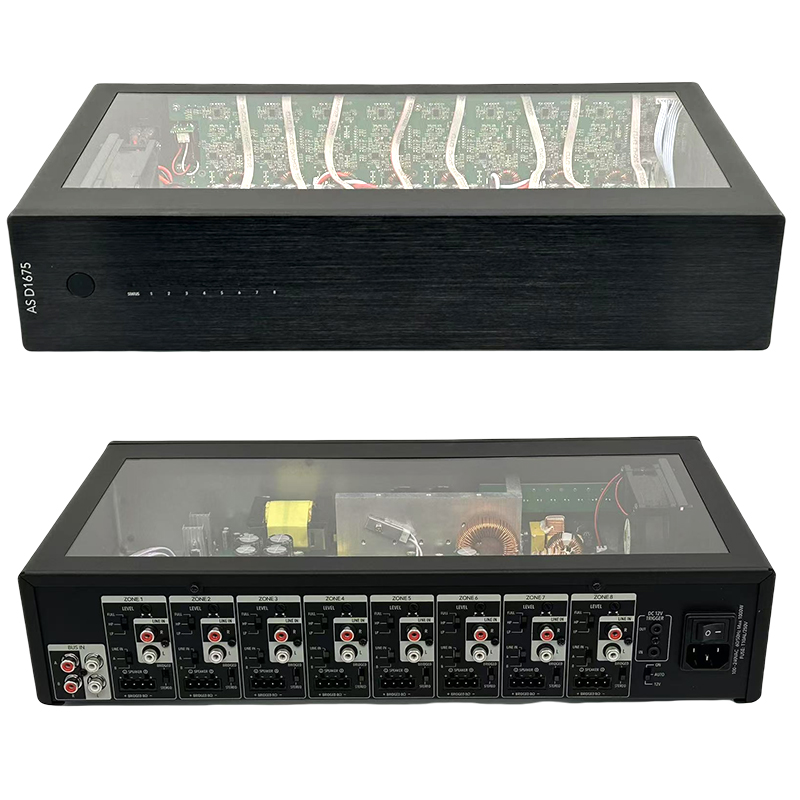
Installing a multi-channel amplifier can significantly enhance your audio system’s performance, but it requires careful planning and execution. Following the right steps will ensure an optimal setup, which will allow you to unleash the full potential of your audio equipment. This guide will walk you through the installation process, provide tips for optimizing wiring and speaker placement, and highlight common pitfalls to avoid.
Step-by-Step Installation Procedures
Performing a successful installation of a multi-channel amplifier involves several key steps. Here’s a structured approach to guide you through the process:
- Select the Right Amplifier: Choose an amplifier that matches your audio system’s power requirements and speaker impedance.
- Gather the Necessary Tools: Ensure you have all tools required for installation, including wire strippers, connectors, and a multimeter for testing.
- Power Off All Equipment: Before starting the installation, disconnect your audio equipment from the power source to prevent any electrical hazards.
- Install the Amplifier: Secure the amplifier in a well-ventilated area, ideally close to the speakers to reduce the length of the speaker wires. Make sure it’s easily accessible for adjustments.
- Connect Power and Ground Wires: Use appropriate gauge wire for the power connection, typically 8 to 4-gauge depending on the amp’s power output. Ensure the ground connection is solid to avoid noise interference.
- Connect Input and Output Wires: Attach the input wires from your audio source to the amplifier’s input terminals and the output wires to the speakers. Keep the wiring neat to avoid any short circuits.
- Test the Connections: Before reassembling everything, double-check all connections, ensuring that polarity is correct.
- Power On and Test: Once everything is connected, power on your system and conduct sound tests at various volume levels to ensure everything is functioning correctly.
Optimizing Wiring and Speaker Placement
Proper wiring and speaker placement are crucial for achieving the best audio performance. Here are tips to optimize these aspects of your installation:
– Use High-Quality Cables: Invest in high-quality speaker wires and RCA cables to minimize signal loss and interference. Thicker wires are generally better for longer distances.
– Keep Wires Organized: Use cable ties or clips to secure wires and prevent tangling. Avoid running power and audio cables parallel to each other to minimize noise interference.
When it comes to speaker placement, consider the following:
– Position Speakers at Ear Level: Mount speakers or place them on stands so that the tweeters are approximately at ear level when seated.
– Follow the Rule of Thirds: Position your speakers to create an equilateral triangle with your listening position, ensuring a balanced soundstage.
– Consider Room Acoustics: Avoid placing speakers in corners or against walls, as this can lead to excessive bass buildup. Use acoustic treatments if necessary to improve sound quality.
Common Pitfalls to Avoid
Being aware of common mistakes can save you time and frustration during installation. Here are pitfalls to avoid:
– Neglecting the Ground Connection: A poor ground can introduce noise into your system, impacting audio quality. Always ensure that the ground wire is securely connected to a clean metal point in the vehicle or building.
– Overloading the Amplifier: Ensure that the speakers’ impedance matches the amplifier’s output specifications. Overloading can cause distortion or damage the amplifier.
– Inadequate Ventilation: Placing the amplifier in an enclosed space can lead to overheating. Ensure there’s adequate airflow around the unit.
– Ignoring System Compatibility: Verify that all components (amplifier, speakers, and source) are compatible in terms of power and impedance. Mismatched components can lead to suboptimal performance.
Proper installation and setup can make a significant difference in the performance of your audio system, allowing you to enjoy crisp, dynamic sound.
Troubleshooting Common Issues with Multi-channel Amplifiers
Multi-channel amplifiers are essential in achieving high-quality audio across multiple channels, but they can sometimes face issues that may disrupt performance. Understanding these common problems and their resolutions can enhance your listening experience and prolong the lifespan of your equipment. This section will guide you through identifying frequent problems and the importance of routine maintenance.
Regular maintenance of multi-channel amplifiers is crucial to prevent performance degradation. Many users overlook the significance of routinely checking their systems, which can lead to major issues down the line. Simple troubleshooting methods can help you detect and resolve issues early, ensuring your amplifier operates at its best. Below is a breakdown of common problems and their resolutions.
Common Problems and Resolutions
Identifying issues promptly can save time and money, preventing damage to your equipment and ensuring optimal performance. Here are some common problems users may encounter with multi-channel amplifiers and their corresponding resolutions:
- Overheating: Ensure proper ventilation around the amplifier. If it becomes too hot, turn it off and allow it to cool down. Adding fans or relocating the unit to a cooler area can help.
- No Sound Output: Check all connections, including speaker wires and input cables. Ensure the amplifier is powered on and not muted. Test different input sources to confirm if the issue lies with the amplifier or the source device.
- Distorted Sound: Inspect speaker connections for any loose wires or short circuits. Adjust the volume levels and check for clipping. Using high-quality cables can minimize distortion.
- Interference: Verify that the amplifier and source devices are not placed too close to other electronic devices which may cause interference. Using shielded cables can alleviate this issue.
- Inconsistent Performance: Regularly clean the amplifier’s connections and components. Dust buildup can affect performance; using compressed air can help maintain cleanliness.
Maintenance and Troubleshooting Methods
Maintaining your multi-channel amplifier involves regular checks and preventative measures. Here are some effective methods to ensure your amplifier runs smoothly:
Perform routine inspections of all connections to ensure they are tight and corrosion-free. It’s important to recognize the signs of wear or damage early on. Keep the amplifier in a dust-free environment, and consider using a surge protector to safeguard against electrical spikes.
Regular maintenance and troubleshooting methods are essential for optimal amplifier performance.
Checklist for Diagnosing Amplifier Issues
When diagnosing issues with your multi-channel amplifier, a structured approach can guide you in identifying and resolving problems efficiently. Below is a checklist to follow:
- Check power supply and ensure the unit is plugged in.
- Inspect all input and output connections for damage or looseness.
- Test with a different audio source to eliminate source-related issues.
- Look for overheating signs; ensure adequate ventilation.
- Examine for unusual noises or distortion when audio is played.
- Confirm the settings on your amplifier and adjust them accordingly.
- Monitor the amp’s indicators for any warning lights or error messages.
Staying proactive with these troubleshooting steps can greatly enhance the reliability and functionality of your multi-channel amplifier.
{The Role of Multi-channel Amplifiers in Professional Audio Systems}
Multi-channel amplifiers play a pivotal role in the realm of professional audio systems, enabling sound engineers to deliver superior audio clarity and power across various applications. These amplifiers are designed to support multiple channels, making them essential for live sound reinforcement, studio monitoring, and large-scale events. Their ability to manage numerous audio signals simultaneously allows for precise control over sound distribution, ensuring that every listener in the venue receives optimal audio quality.
In live sound and professional audio environments, multi-channel amplifiers are integral to achieving a balanced and dynamic audio experience. They are utilized to drive multiple loudspeakers, enabling sound engineers to create immersive audio landscapes that cater to diverse requirements. For instance, in concert settings, amplifiers are tasked with powering a range of speakers, from subwoofers delivering deep bass to high-frequency drivers handling vocals and instruments. This versatility is crucial for adapting to various acoustics and audience sizes.
{Comparison of Professional versus Consumer-Grade Multi-channel Amplifiers}
Understanding the differences between professional-grade and consumer-grade multi-channel amplifiers is vital for selecting the right equipment for specific audio needs. Professional amplifiers often boast higher power outputs, superior build quality, and extensive feature sets designed for reliability in demanding environments. Here are some key distinctions:
- Power Output: Professional amplifiers typically provide higher wattage, allowing them to support larger venues and more demanding audio applications. For example, a concert-grade amplifier might output 5000 watts, while a consumer-grade model may only reach 200 watts.
- Durability: Professional models are built to withstand the rigors of touring and live performances, with robust enclosures and components that resist wear and tear.
- Cooling Systems: Effective heat dissipation systems are common in professional amplifiers to prevent overheating during extended use, ensuring consistent performance.
- Input Options: Multi-channel amplifiers for professionals often feature multiple input options, including XLR and TRS connectors, enabling seamless integration with various audio sources.
- Processing Features: Advanced signal processing capabilities, such as built-in crossovers and EQ settings, are more prevalent in professional units, providing enhanced control over the audio signal.
Industry professionals consider specific factors when selecting and configuring multi-channel amplifiers for various events. The choice of amplifier is influenced by the type of event, venue size, and the audio requirements. For instance, a large outdoor festival may necessitate a higher number of channels and increased power output to cover extensive areas, whereas a small corporate event might require a more compact and easily portable solution.
When configuring these amplifiers, audio engineers assess the necessary speaker arrangements, the desired sound levels, and the acoustic characteristics of the venue. They often conduct sound checks to fine-tune settings, ensuring that the audio output aligns with the event’s objectives. The use of software for system design and simulation is also common, allowing professionals to visualize the sound distribution and make informed decisions regarding amplifier selection and placement.
“Properly configured multi-channel amplifiers can be the difference between a mediocre audio experience and a truly exceptional one.”
Future Trends in Multi-channel Amplifier Technology
As technology continues to evolve, multi-channel amplifiers are also undergoing significant transformations. Innovations in audio processing, connectivity, and user interface designs are driving the next generation of amplifiers, making them more versatile and user-friendly. This exploration reveals how these changes are enhancing audio experiences and addressing the needs of modern consumers.
Emerging Technologies Shaping Multi-channel Amplifiers
The landscape of multi-channel amplifiers is being reshaped by several emerging technologies. These developments not only promise improved audio quality but also enhance connectivity options. Key innovations include:
- Class D Amplification: This technology is gaining traction for its efficiency and compact size. Class D amplifiers can deliver high power levels with minimal heat generation, making them ideal for space-constrained setups.
- Digital Signal Processing (DSP): With advanced DSP capabilities, multi-channel amplifiers can deliver superior audio quality by allowing real-time adjustments to sound parameters, thereby tailoring the audio output to specific environments.
- Wireless Streaming Compatibility: The integration of technologies like Wi-Fi and Bluetooth enables seamless streaming from various devices. Multi-channel amplifiers now often support high-resolution audio formats, ensuring high fidelity even when streaming wirelessly.
Advancements in Audio Quality and Connectivity
The quest for enhanced audio quality is driving significant advancements in multi-channel amplifier technology. Manufacturers are focusing on various aspects that enhance both sound performance and connectivity options. For instance, the introduction of higher sampling rates and bit depths in digital inputs allows for more detailed and dynamic audio reproduction.
In terms of connectivity, multi-channel amplifiers are increasingly featuring multiple HDMI inputs that support the latest audio formats, including Dolby Atmos and DTS:X. These formats provide immersive audio experiences that are becoming essential for home theaters.
“Next-generation multi-channel amplifiers are set to redefine sound clarity and immersive audio experiences for consumers.”
Predictions for the Evolution of Multi-channel Amplifiers
As consumer preferences shift towards more integrated and flexible audio solutions, multi-channel amplifiers are expected to evolve to meet these needs. Predictions for the future indicate a rise in the popularity of smart amplifiers that integrate with home automation systems, allowing users to control their audio environment through smart devices.
Additionally, the demand for customization in audio systems is likely to increase, prompting manufacturers to offer features that allow users to personalize their listening experiences. For example, software updates could enable users to access new audio profiles and enhancements over time.
The incorporation of artificial intelligence (AI) in audio refinement is another anticipated trend. AI can analyze listening habits and room acoustics to optimize sound settings automatically, leading to better user experiences without requiring manual adjustments.
As these advancements unfold, multi-channel amplifiers are set to become more than just audio components; they will evolve into comprehensive multimedia hubs that cater to the increasingly sophisticated demands of consumers.
Outcome Summary

In conclusion, multi-channel amplifiers are pivotal in elevating audio experiences, whether in a cozy home theater or a bustling live venue. Their ability to deliver immersive soundscapes and their indispensable features make them a vital component in modern audio systems. As technology continues to evolve, staying informed about multi-channel amplifiers will ensure you harness their full potential, paving the way for exciting audio advancements in the future.
FAQ Resource
What is the main advantage of a multi-channel amp?
The main advantage of a multi-channel amp is its ability to drive multiple speakers, allowing for a surround sound experience that enhances audio immersion.
Can a multi-channel amp be used with a stereo setup?
Yes, a multi-channel amp can be used with a stereo setup, providing additional channels for future expansion or enhanced audio performance.
How do I know if a multi-channel amp is compatible with my system?
Check the specifications for connectivity options and power ratings to ensure compatibility with your existing audio components.
Are multi-channel amplifiers energy efficient?
Many modern multi-channel amplifiers are designed to be energy efficient, often featuring power-saving modes when not in use.
What is the typical price range for a decent multi-channel amp?
The price for a decent multi-channel amp can vary widely, typically ranging from a few hundred to several thousand dollars, depending on the brand, features, and specifications.