
 Zoe Nora
As the heartbeat of any vinyl setup, the phono preamp plays a crucial role in bridging the gap between your turntable and audio system. This unassuming device not only amplifies the low-level signal produced by the turntable but also ensures that the sound quality is preserved and enhanced for an optimal listening experience. Whether you’re a seasoned audiophile or a casual listener, understanding the functions and significance of a phono preamp can elevate your enjoyment of vinyl records.
In today’s world, where the resurgence of vinyl has captured the hearts of music lovers, a phono preamp stands as an essential component that can make or break your audio experience. With various types available, ranging from built-in options in receivers to standalone external models, each comes with unique features and benefits. By diving deeper into the mechanics of phono preamps, you can better appreciate how they contribute to sound fidelity and the overall quality of your vinyl collection.
Understanding the Function of a Phono Preamp
A phono preamp, also known as a phono stage, plays a critical role in any vinyl setup, bridging the gap between the delicate output of a turntable and the robust input requirements of most audio equipment. Its importance cannot be overstated, as it significantly influences the overall sound quality of your vinyl playback. This device amplifies the low-level signal generated by your turntable’s cartridge, ensuring that the sound produced is clear, dynamic, and true to the original recording.
The low-level signal from a turntable’s cartridge typically measures in the millivolt range, which is far too weak for standard audio equipment to process directly. A phono preamp amplifies this signal to a level that can be handled by amplifiers and receivers, which usually require line-level signals measured in volts. This amplification process not only increases the signal strength but also applies necessary equalization to counteract the RIAA curve, a standard that dictates how vinyl records are produced and played back. Without this equalization, the music would sound dull and lack the clarity that makes vinyl so appealing.
Variations in Phono Preamps
Phono preamps come in various forms, each designed for specific needs and setups within audio systems. Understanding these variations can help users make informed choices when selecting the right phono preamp for their audio experience.
One of the primary distinctions among phono preamps is the type of connection they support. There are MM (Moving Magnet) and MC (Moving Coil) preamps, each tailored for different cartridge types.
– MM Preamps: Generally more common, supporting cartridges with higher output levels. They are often more affordable and accessible for general listeners.
– MC Preamps: Designed for low-output cartridges, they typically deliver superior sound quality but can be more costly. Additionally, they require precise impedance matching for optimal performance.
Another factor to consider is whether the phono preamp is built into a receiver or exists as a standalone unit. Standalone preamps often provide better sound quality and customization options, allowing users to tailor their audio experience.
Also, some phono preamps include additional features, such as adjustable gain settings and built-in equalization capabilities. These features can be particularly beneficial for audiophiles looking to optimize their sound reproduction.
In summary, the choice of phono preamp can significantly impact the listening experience, making it essential for users to consider their specific audio setup and preferences when making a selection.
Differences Between Built-in and External Phono Preamps
When setting up a vinyl audio system, one of the critical components to consider is the phono preamp. Phono preamps can either be built into the turntable or be an external unit. Both options come with their unique benefits and drawbacks that can significantly impact audio performance.
The choice between built-in and external phono preamps often hinges on several factors, including sound quality, convenience, and budget. Built-in phono preamps are integrated into many turntables, which means they simplify the setup process by eliminating the need for additional equipment. This can be particularly beneficial for casual listeners or those with limited space. However, the primary drawback of built-in preamps is the potential compromise on audio quality. Often, these internal units may not provide the same level of performance as dedicated external preamps, which are designed specifically to enhance audio fidelity.
Benefits and Drawbacks of Built-in and External Phono Preamps
Evaluating the advantages and disadvantages of each type of phono preamp can illuminate the best choice for different listening scenarios. Understanding these aspects is crucial for audiophiles and everyday listeners alike.
- Built-in Phono Preamps:
Convenience is a primary advantage of built-in phono preamps.
– Space-saving design eliminates the need for extra components.
– Easy setup allows users to start listening to vinyl quickly.
– Ideal for casual listeners who may not require high-end audio performance. - External Phono Preamps:
External phono preamps typically offer superior sound quality.
– Enhanced audio performance with more precise signal handling.
– Greater flexibility in terms of upgrades and customization.
– Better suited for audiophiles who prioritize sound fidelity.
The impact of these differences on overall audio performance can be quite pronounced. External phono preamps generally provide cleaner, more dynamic sound reproduction, allowing you to hear the nuances of your records. In contrast, built-in options may result in muddier sound due to limitations in circuitry and components.
Specific scenarios can dictate which type of phono preamp is preferred. For example, if a listener is new to vinyl or only occasionally plays records, a built-in preamp might suffice. However, for serious collectors and audio enthusiasts, investing in a high-quality external phono preamp is advisable to fully appreciate the depth and richness of their vinyl collection. The choice ultimately depends on the user’s commitment to audio quality and their listening habits.
Key Features to Look for in a Phono Preamp
Selecting the right phono preamp is crucial for maximizing the potential of your vinyl playback system. A phono preamp is not merely an accessory; it is an integral component that amplifies and equalizes the signal from your turntable, ensuring optimal sound quality. When choosing a phono preamp, several key features should be considered to enhance user experience and deliver superior audio performance.
Adjustable Gain, Equalization Settings, and Input Impedance
Understanding the importance of adjustable gain, equalization settings, and input impedance can drastically influence the quality of your audio experience. Each feature serves a specific purpose that can significantly affect sound clarity, depth, and overall enjoyment.
“Adjustable gain allows for tailored amplification, ensuring your audio system operates at optimal levels.”
The following features are essential when selecting a phono preamp:
- Adjustable Gain: The ability to adjust gain is vital, accommodating various cartridge outputs. This feature allows users to fine-tune the amplification level, ensuring that the sound remains clear without distortion. Higher gain settings benefit low-output moving coil cartridges, while lower settings suit high-output moving magnet cartridges.
- Equalization Settings: Phono preamps apply RIAA equalization to correct the inherent frequency response of vinyl records. Some advanced models offer customizable equalization settings, allowing audiophiles to adjust frequencies based on personal preference or specific records. This feature enhances the listening experience by providing greater control over sound characteristics.
- Input Impedance: The input impedance of a phono preamp determines how well it matches with the cartridge. A well-matched impedance ensures better signal transfer, reducing noise and enhancing sound quality. Many modern preamps allow users to tweak the impedance settings, which is especially beneficial for audiophiles using high-end cartridges.
- Power Supply Quality: A robust power supply is crucial for maintaining consistent audio performance. Some preamps utilize high-quality power supplies to minimize interference and noise, resulting in cleaner sound output.
- Build Quality: A solid chassis and quality components contribute to durability and performance. A well-built phono preamp can effectively reduce vibrations and electromagnetic interference, both of which can degrade sound quality.
Considering these features will help ensure that the phono preamp you select not only complements your existing audio system but also elevates your overall listening experience.
How to Properly Set Up a Phono Preamp
Setting up a phono preamp is an essential step in optimizing the sound quality from your turntable to your receiver. This process ensures that the signal from your vinyl records is amplified and equalized correctly, making for a richer and more enjoyable listening experience. In this guide, we will Artikel the step-by-step process of connecting a phono preamp to your turntable and receiver, highlight the necessary components, and point out common mistakes to avoid.
Necessary Components for the Setup
To set up a phono preamp properly, specific components are required. Understanding what you need beforehand simplifies the process and helps avoid confusion. The essential components include:
- Turntable: The source of your vinyl playback.
- Phono Preamp: Amplifies the signal from the turntable.
- Receiver or Amplifier: Outputs the sound to speakers.
- RCA Cables: Connects the turntable to the phono preamp and the preamp to the receiver.
- Power Supply: Provides power to the phono preamp (if not powered by the receiver).
- Ground Wire: Reduces hum and noise in the audio output.
Step-by-Step Process of Setup
Following a structured approach to connect your components ensures optimal performance. Here’s how to set up your phono preamp:
1. Placement: Choose a stable surface for your turntable and phono preamp, ensuring they are close enough to the receiver for easy connection.
2. Connect the Turntable to the Phono Preamp: Use RCA cables to connect the turntable’s output to the input of the phono preamp. Ensure you match the left and right channels correctly, typically color-coded as red for right and white for left.
3. Ground Connection: If your turntable has a ground wire, connect it to the ground terminal on the phono preamp to minimize hum.
4. Connect the Phono Preamp to the Receiver: Use another set of RCA cables to connect the output of the phono preamp to an available input on your receiver.
5. Power Up: Plug in the phono preamp to a power outlet if it requires external power. Make sure everything is switched off before plugging in.
6. Receiver Settings: Turn on your receiver and select the appropriate input where the phono preamp is connected. If your receiver has a dedicated phono input, you can skip the preamp connection.
7. Test the Setup: Play a vinyl record and adjust the volume. Listen for any distortion or hum, adjusting connections as necessary.
Common Mistakes to Avoid During Installation
While setting up your phono preamp, several pitfalls can affect sound quality. Recognizing these mistakes can save you time and frustration:
- Incorrect RCA Connections: Ensure that the left and right channels are connected properly. Misconnections can lead to imbalanced sound.
- Neglecting the Ground Wire: Failing to connect the ground wire can result in unwanted hum or noise in your audio signal.
- Using Incompatible Inputs: Connecting the phono preamp to a line-level input instead of a dedicated phono input can cause poor sound quality due to mismatched signal levels.
- Forgetting to Power On: Always ensure that the phono preamp is powered on, especially if it requires an external power source.
Common Issues and Troubleshooting for Phono Preamps
![5 Best Tube Phono Preamps Reviewed In Detail [Jun. 2024]](https://audiolifeinc.com/wp-content/uploads/2026/03/71Yqd5pDw-L._AC_SL1200_.jpg "5 Best Tube Phono Preamps Reviewed In Detail [Jun. 2024]")
Phono preamps play a crucial role in the analog audio chain, amplifying the weak signal from a turntable to a level suitable for further processing. However, users may encounter a range of common issues that can affect performance and sound quality. Understanding these problems and knowing how to troubleshoot them can enhance the listening experience and ensure longevity of the equipment.
One of the most frequent issues with phono preamps is unwanted hum or noise. This can stem from various sources, including grounding issues or interference from nearby electronic devices. Properly grounding your turntable is essential to minimize hum. Ensure that the ground wire is securely connected to both the turntable and the preamp. Additionally, keeping the preamp away from power supplies and transformers can reduce electromagnetic interference. If hum persists, try using shielded cables to connect your components, as they can help block interference.
Addressing Distortion and Signal Loss
Distortion in audio can be frustrating, often indicating issues with the setup or the equipment itself. Common causes include incorrect loading of the cartridge, improper gain settings on the preamp, or damaged cables. It is important to check that the cartridge’s loading is compatible with the preamp’s specifications; an improper load can lead to distortion. Also, adjusting the gain settings can help eliminate distortion, as too high of a gain can amplify noise along with the signal.
Signal loss may occur if cables are damaged or if connections are loose. Inspect all cables for visible wear or damage and replace them if necessary. Ensure all connections are secure; this includes RCA outputs, inputs, and any connections to the turntable. In some cases, using a different set of cables can help determine if the issue lies within the original cables.
Preventative maintenance is key to keeping a phono preamp in top condition. Regularly clean the connections with a contact cleaner to prevent oxidation and maintain signal integrity. Ensure that the unit is kept in a dust-free environment, as dust can accumulate and interfere with components over time. Additionally, periodically check for firmware updates or manufacturer recommendations for maintenance.
By staying aware of these common issues and implementing preventative measures, users can ensure their phono preamps deliver the best possible sound quality for their vinyl listening experience.
The Evolution of Phono Preamps Over Time
Phono preamps have undergone significant transformations since their inception, reflecting changes in technology and audio preferences. Initially, the need for such devices arose from the advancement of turntables and vinyl records. Early models were rudimentary, primarily serving to amplify the low-level signals generated by turntable cartridges. As audio technology progressed, so too did the complexity and capability of phono preamps, leading to a rich history of innovation that enhances our listening experiences today.
The historical development of phono preamps can be traced back to the mid-20th century when vinyl records became increasingly popular. Early vacuum tube-based preamps were often bulky and costly, but they laid the foundation for future designs. The introduction of solid-state technology in the 1970s marked a pivotal shift, allowing for smaller, more efficient, and less expensive units. This era also saw the emergence of integrated circuits, which enabled manufacturers to implement more sophisticated circuitry, resulting in better sound quality and reduced noise interference.
Significant Innovations in Design and Functionality
Over the years, phono preamps have seen numerous innovations in their design and functionality, greatly enhancing the user experience. The following points highlight some key advancements:
- Active Equalization: Modern preamps often incorporate advanced equalization curves that better accommodate the RIAA standard, ensuring accurate sound reproduction.
- Adjustable Gain and Loading: Many contemporary models allow users to adjust gain settings and loading impedance, providing greater flexibility to match the characteristics of different cartridges.
- Built-in A/D Converters: Some phono preamps now feature digital outputs, allowing users to convert analog signals to digital formats directly, facilitating easier recording and archiving.
- Integrated Bluetooth Connectivity: Recent designs include Bluetooth capabilities, permitting wireless streaming from a variety of devices, merging analog charm with modern convenience.
- High-Quality Components: The utilization of higher-quality capacitors, resistors, and op-amps in modern phono preamps significantly improves audio fidelity, reducing distortion and enhancing clarity.
Comparing vintage models with modern counterparts reveals substantial differences in audio fidelity and user convenience. Vintage preamps, while often celebrated for their warm, analog sound, typically lacked the precision and features found in today’s devices. Modern phono preamps are designed to minimize noise and distortion while providing versatile connectivity options, catering to diverse setups and preferences. The convenience of features like adjustable settings and digital outputs in contemporary models makes them user-friendly, appealing to both audiophiles and casual listeners alike.
In summary, the evolution of phono preamps reflects a rich tapestry of technological advancements that have transformed how we experience vinyl records, ensuring that enjoyment of analog music remains vibrant in today’s digital age.
Evaluating the Cost of a Phono Preamp
When diving into the world of phono preamps, understanding their pricing is crucial for making an informed purchase. Phono preamps serve as a critical link in the vinyl playback chain, amplifying the signal from a turntable before it reaches an amplifier or receiver. Thus, their cost can vary significantly based on several factors, including brand reputation, build quality, features, and signal processing capabilities.
The price range for phono preamps can span from as low as $50 to well over $2000. Entry-level models typically fall between $50 and $150, offering basic functionality without many frills. Mid-range options, ranging from $150 to $500, often include features such as adjustable gain, built-in equalization, and better components, providing a noticeable improvement in sound quality. High-end models, priced above $500, can feature advanced technology like tube amplification, high-quality capacitors, and premium circuitry designed for audiophiles seeking a superior listening experience. These models are often crafted with a focus on low noise and distortion levels, aiming to maximize the fidelity of the vinyl playback.
Price Relation to Quality and Features
The relationship between price and quality in phono preamps is often direct, but not always linear. Higher-priced models generally offer enhanced build quality, lower noise, and better overall sound reproduction capabilities. While budget-friendly options can deliver decent performance for casual listeners, more expensive units often include advanced features that can significantly impact the listening experience. For instance, a high-end phono preamp may provide adjustable loading settings, which allow users to tailor the impedance to match their cartridge, optimizing performance.
When comparing budget-friendly models to high-end options, there are notable performance differences. Budget models may lack features such as:
- Adjustable gain and EQ settings
- Higher-grade components like capacitors and resistors
- Better shielding against interference
- Enhanced signal-to-noise ratios
These features not only contribute to sound quality but also the overall durability and longevity of the device. Audiophiles who prioritize the highest fidelity will likely find it worthwhile to invest in high-end models, as they often provide a richer and more dynamic soundstage compared to their budget counterparts.
“Investing in a quality phono preamp can lead to a more satisfying and immersive vinyl listening experience.”
Recommendations for Best Phono Preamps in Different Price Ranges
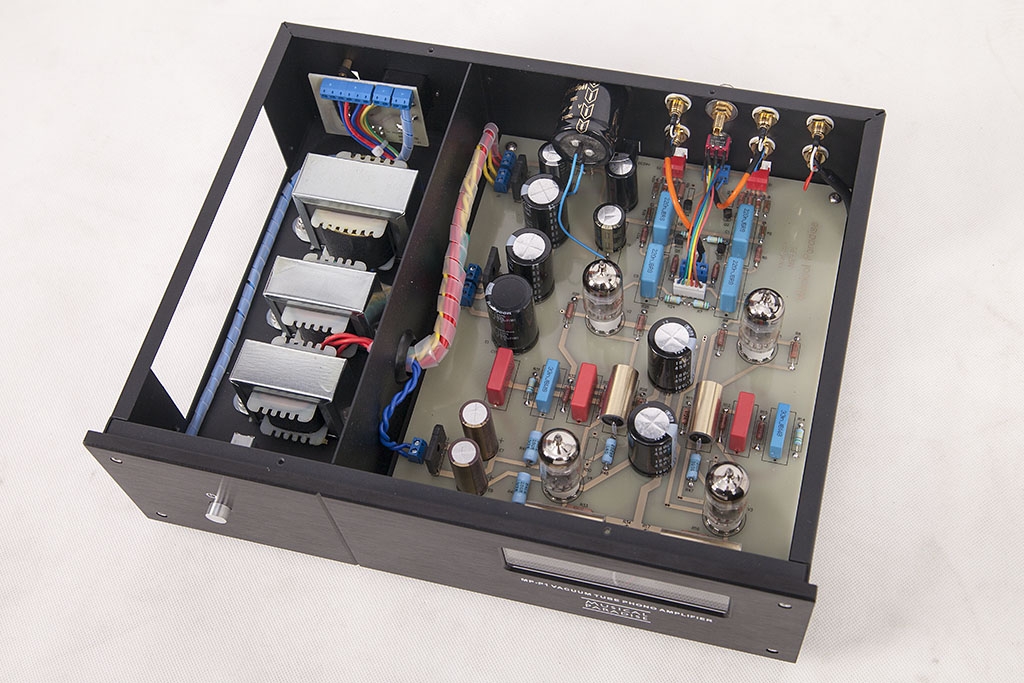
In the world of vinyl, a quality phono preamp is essential for extracting the best sound from your records. Whether you’re a casual listener or an audiophile, selecting the right phono preamp can significantly enhance your listening experience. Below, you’ll find recommendations categorized by budget, ensuring that there’s something for everyone. Each preamp has been handpicked based on performance, features, and user feedback.
Budget Options under $100
For those just beginning their vinyl journey or who have a limited budget, there are solid phono preamps that deliver great sound without breaking the bank. Here are a few to consider:
- Behringer PP400: The Behringer PP400 is an affordable option that offers a compact design and straightforward functionality. It’s perfect for beginners who want to connect their turntable to a standard audio system. Users have praised its clarity and low noise floor, making it a popular choice for entry-level setups. Ideal for casual listeners or those with a simple audio arrangement.
- Art DJPRE II: This preamp is known for its exceptional sound quality, especially for its price. The Art DJPRE II comes with adjustable gain and a low-cut filter, making it suitable for various setups. Users appreciate its versatility and the ability to tailor sound characteristics. It’s ideal for individuals who want a bit more control over their audio without a hefty investment.
Mid-Range Options from $100 to $500
Moving up the price ladder, mid-range phono preamps offer enhanced features and better sound quality. These options cater to more serious listeners who appreciate finer audio details.
- Pro-Ject Phono Box DC: This model is often recommended for its balanced sound profile and solid build quality. It includes an adjustable gain setting and is compatible with both MM and MC cartridges. Users have noted the Phono Box DC’s ability to produce a rich, warm sound that significantly enhances the listening experience. This preamp is perfect for audiophiles who want high-quality performance without spending a fortune.
- Cambridge Audio Alva Solo: A step up in sophistication, the Alva Solo is renowned for its precision and clarity. Its sleek design suits modern setups, while its performance is praised for delivering an impressive soundstage. Users highlight its compatibility with various turntables, making it a flexible choice for those looking to elevate their vinyl experience.
High-End Options Above $500
For the discerning audiophile, high-end phono preamps provide unparalleled sound quality and features tailored to serious music lovers. These products are often an investment but can transform your listening experience.
- McIntosh MP100: Known for its stunning audio performance, the MP100 combines aesthetic appeal with advanced technology. It features customizable EQ settings and a built-in headphone output, making it versatile for different listening scenarios. Users rave about its clarity, depth, and ability to reveal intricate details in recordings, making it suitable for high-end audio systems.
- Rogue Audio Ares Magnum: This tube phono preamp is celebrated for its warm, lush sound quality. It allows users to swap tubes for different sonic flavors, making it highly customizable. Reviews frequently mention the richness and depth of sound it provides, which is especially appealing to vinyl enthusiasts. It’s perfect for those with a high-end system looking to unleash the full potential of their vinyl collection.
Final Review
In conclusion, a phono preamp is more than just a technical accessory; it’s a vital piece that transforms your vinyl experience. By understanding the differences between built-in and external preamps, recognizing key features to consider, and knowing how to set them up correctly, you’ll be well on your way to achieving audio nirvana. As you explore the market for phono preamps, remember that the right choice can enhance your vinyl listening journey, making every spin of your favorite record a moment to cherish.
Questions and Answers
What is the purpose of a phono preamp?
A phono preamp amplifies the weak signal from a turntable to a level suitable for regular audio equipment, ensuring sound clarity and quality.
How do I know if I need an external phono preamp?
If your turntable does not have a built-in preamp, or if you want to improve sound quality, an external phono preamp is recommended.
Can I use a phono preamp with any audio system?
Yes, as long as your audio system has the appropriate inputs; just ensure the phono preamp matches the input requirements.
What is the difference between MM and MC phono preamps?
MM (Moving Magnet) and MC (Moving Coil) refer to different cartridge types; ensure your preamp is compatible with your cartridge type for optimal performance.
How often should I check or maintain my phono preamp?
It’s a good practice to check connections and settings periodically and clean the unit to ensure consistent performance.