
 Zoe Nora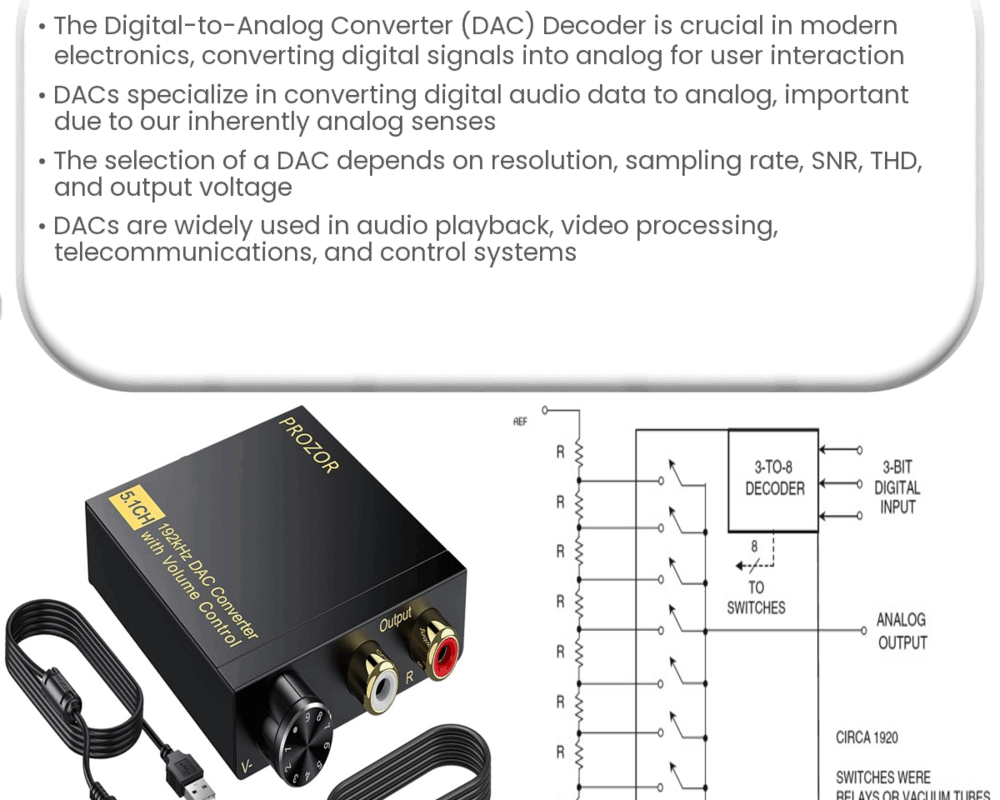
DAC (Digital Audio Converter) sets the stage for this enthralling narrative, offering readers a glimpse into a story that is rich in detail and brimming with originality from the outset. In today’s digital age, audio quality is paramount, and that’s where DACs come into play. These devices bridge the gap between digital audio signals and the analog world, enabling us to enjoy sound that is both rich and nuanced. Whether it’s through headphones, speakers, or professional audio equipment, understanding how DACs function and their various types can significantly enhance your listening experience.
As we dive deeper, we’ll explore the key components of DACs, their evolution over the years, and how they fit into the broader context of audio technology. From portable models to those designed for high-end systems, every type has its unique features and benefits. Ultimately, knowing how to choose the right DAC can transform your audio experiences, making music and sound more immersive and enjoyable.
Understanding the Role of DACs in Modern Audio Systems
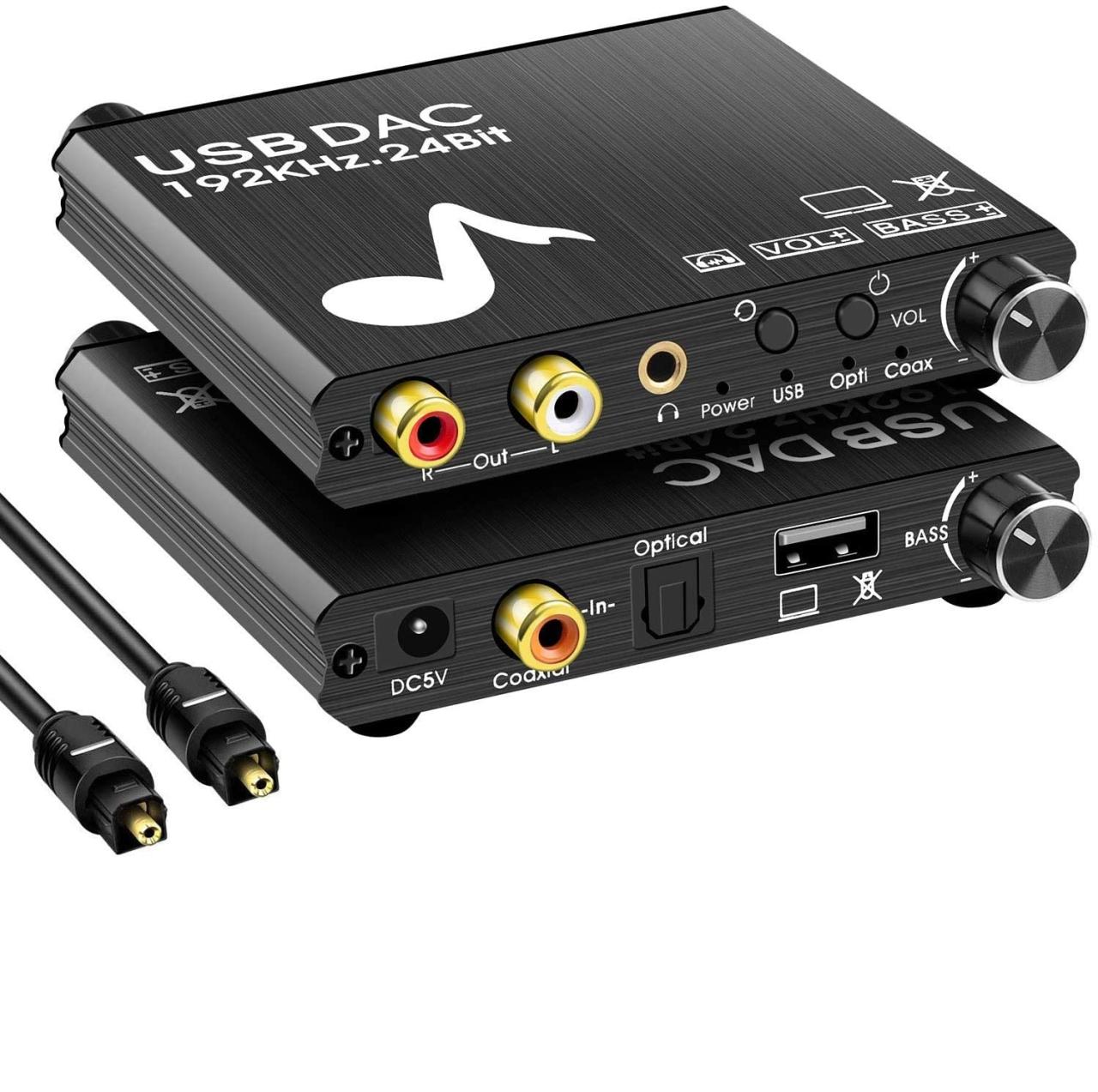
Digital Audio Converters (DACs) serve as a vital bridge between the digital world of audio files and the analog realm of sound reproduction. In an age where music is predominantly consumed in digital formats, DACs play an essential role in translating the binary data of digital audio into an analog signal that can be understood by speakers and headphones. By converting these digital signals, DACs facilitate a seamless listening experience, allowing audiophiles and casual listeners alike to enjoy high-fidelity sound across various devices.
The fundamental purpose of a DAC is to take audio data encoded in 1s and 0s and convert it into a continuous analog waveform. This process begins with the digital audio signal, which is typically found in formats such as MP3, WAV, or FLAC. The DAC interprets this digital data by sampling the bits and translating them into a corresponding voltage, creating the analog signal that drives speakers or headphones. The integration of DACs can be found in a multitude of audio devices, including computers, smartphones, home theater systems, and standalone audio players. The quality of the DAC is a crucial factor in determining the overall sound quality, as it can significantly influence the accuracy, detail, and richness of the audio output.
Key Components of a DAC and Their Functions
A Digital Audio Converter comprises several key components, each playing a vital role in the conversion process. Understanding these components can enhance appreciation of how DACs operate and their impact on audio playback.
- Digital Signal Processor (DSP): The DSP is responsible for processing digital signals, performing necessary computations, and preparing the audio data for conversion.
- Digital-to-Analog Conversion Chip: This chip performs the actual conversion of digital audio data into an analog signal. The quality of this chip is critical, as it directly affects the sound quality.
- Low-Pass Filter: Following conversion, the low-pass filter removes high-frequency noise and artifacts that can detract from audio clarity, ensuring a cleaner output signal.
- Output Stage: This component amplifies the analog signal to a suitable level for driving speakers or headphones, ensuring that the final sound output is strong and clear.
The impact of DACs on sound quality cannot be overstated. A high-quality DAC can make a noticeable difference in various audio playback scenarios. For instance, when listening to high-resolution audio files, like those in FLAC format, a superior DAC can reveal intricate details and subtleties missed by lower-quality converters. Conversely, using a basic DAC with high-resolution files may result in a flatter sound, lacking depth and richness. Additionally, the type of headphones or speakers used can further accentuate or diminish the DAC’s performance. For instance, pairing an excellent DAC with high-end audiophile headphones can lead to an immersive listening experience, where every note and nuance is heard clearly.
“The quality of the DAC is a crucial factor in determining overall sound quality, as it can significantly influence the accuracy, detail, and richness of the audio output.”
Exploring Different Types of DACs Available on the Market
Digital Audio Converters (DACs) play a vital role in transforming audio signals from digital to analog, making them essential for high-quality sound reproduction. As technology advances, various types of DACs have emerged to cater to different auditory needs, whether for casual listening, professional audio production, or portable music enjoyment. This discussion will Artikel three prominent types of DACs, comparing their functionalities and how they can enhance audio experiences in different environments.
Types of DACs and Their Uses
In the market, DACs can be broadly categorized into three main types: integrated DACs, standalone DACs, and portable DACs. Each type caters to distinct use cases and has unique characteristics that influence audio quality and versatility.
- Integrated DACs: Found within devices such as smartphones, laptops, and home audio systems, integrated DACs are designed for convenience. They are typically optimized for general use, providing decent sound quality without the need for additional hardware. While they suffice for casual listening, audiophiles may find their performance lacking compared to standalone options.
- Standalone DACs: These devices are dedicated units that connect to audio sources like computers or media players. Standalone DACs often feature higher-quality components and advanced processing capabilities, resulting in superior sound fidelity. They are ideal for home studios and high-end audio systems, where sound quality is paramount.
- Portable DACs: Compact and lightweight, portable DACs are designed for on-the-go audio enthusiasts. They connect easily via USB or Bluetooth to smartphones and laptops, enhancing the audio experience while traveling. These DACs often come with built-in amplification, making them suitable for driving higher impedance headphones while maintaining sound clarity.
Comparing Portable and Stationary DACs
The distinction between portable DACs and stationary models lies primarily in their design and intended use. Understanding these differences can help consumers make informed choices based on their audio needs.
- Design and Portability: Portable DACs are designed for ease of transport, often fitting easily into pockets or small bags. In contrast, stationary DACs are bulkier, intended to remain in a fixed location such as a home audio setup.
- Power Supply: Portable DACs typically rely on battery power or USB connections for energy, allowing them to function without being plugged into an outlet. Stationary DACs, however, usually require a consistent power source, often providing enhanced performance and features due to more robust power supplies.
- Sound Quality: While both types can deliver excellent audio quality, stationary DACs often excel in this area due to superior components and circuitry, catering to audiophiles and professional users. Portable DACs may compromise slightly on sound fidelity for the sake of convenience.
Influence of DAC Choice on Audio Experience
The choice of DAC significantly impacts the audio experience, particularly in various environments. Selecting the right DAC can enhance clarity, depth, and overall enjoyment of music.
“The right DAC can transform a mediocre audio setup into a high-fidelity listening experience.”
In quiet environments, such as home studios or dedicated listening rooms, a high-quality standalone DAC can reveal nuances in music that lower-quality options might mask. The improved detail can enhance critical listening sessions, making them more enjoyable and insightful.
Conversely, in more dynamic environments like public transport or busy settings, a portable DAC can provide significant benefits. The amplification capabilities of portable DACs allow users to enjoy rich sound without needing to turn up device volumes, which can distort audio in noisy environments. This makes them ideal for on-the-go music lovers who still seek quality sound.
In summary, the choice of DAC can greatly influence how audio is perceived and enjoyed, reflecting the importance of selecting the right model based on individual preferences and listening contexts.
The Technological Evolution of DACs Over the Years
The journey of Digital Audio Converters (DACs) begins with the transition from analog to digital audio formats, which has significantly transformed how we experience sound. Initially, audio was purely analog, relying on physical mediums such as vinyl records and cassette tapes. However, with the advent of digital technology, DACs have evolved to enhance audio fidelity and offer new capabilities, reflecting the ongoing innovation in this field.
As audio formats transitioned from analog to digital, the design and functionality of DACs had to adapt to accommodate the changing requirements of audio reproduction. Early DACs used simple techniques such as pulse width modulation (PWM) to convert digital signals into analog forms. These early units often lacked precision, resulting in less desirable audio quality. Over the years, advancements in integrated circuit technology and the introduction of more sophisticated algorithms have allowed DACs to become significantly more accurate.
Advancements in DAC Technology
The evolution of DAC technology can be categorized by several key advancements that define modern audio experiences. The following points highlight these critical developments:
- Increased Bit Depth and Sampling Rates: Modern DACs often provide higher bit depths (up to 32 bits) and sampling rates that exceed 192 kHz, allowing for greater dynamic range and more detailed sound reproduction compared to early models.
- Oversampling Techniques: Oversampling has become a common practice in DAC design, improving audio quality by reducing distortion and noise while allowing for more accurate signal reconstruction.
- D/A Converter Chips: Today’s DACs utilize advanced chipsets, such as the ESS Sabre and AKM series, which incorporate innovative technologies like delta-sigma modulation, further enhancing audio fidelity.
- Integrated Pre-Amplifier Circuits: Many modern DACs now include built-in pre-amps, allowing for direct connection to speakers without the need for additional amplification equipment, streamlining audio setups.
- Support for High-Resolution Audio Formats: With the rise of high-resolution audio formats like DSD (Direct Stream Digital) and MQA (Master Quality Authenticated), DACs have evolved to support these formats, enabling users to experience studio-quality sound at home.
Emerging technologies are influencing the future of DACs, paving the way for even more sophisticated audio experiences. For instance, the integration of artificial intelligence (AI) in audio processing is on the horizon. AI can adapt audio output based on user preferences and room acoustics, resulting in personalized sound experiences. Additionally, advancements in wireless audio transmission, such as Bluetooth and Wi-Fi, are prompting the development of DACs that can maintain high fidelity over wireless connections without compromising quality.
The evolution of DAC technology continues to reshape how audio is consumed, ensuring that listeners can enjoy richer, more immersive soundscapes. As we progress, the combination of higher-resolution audio formats and innovative DAC designs will undoubtedly elevate the standard of audio reproduction, making high-quality sound accessible to everyone.
How to Choose the Right DAC for Your Audio Needs
Selecting the right Digital Audio Converter (DAC) can significantly impact your audio experience, whether you’re a casual listener or an audiophile. Understanding the specifications and features that cater to your unique audio needs is essential for making an informed decision.
When considering which DAC to purchase, several factors should be taken into account. These factors not only influence sound quality but also ensure compatibility with your existing audio equipment and listening environment. Below are the critical specifications and features to help narrow down your options.
Key Specifications in DACs
The specifications of a DAC can vary widely, impacting its performance and suitability for different applications. Understanding these specifications can help you select the right device for your audio needs. Here are some of the most common specifications and their implications:
| Specification | Description | Importance |
|---|---|---|
| Sampling Rate | The number of samples of audio carried per second, measured in kHz. | A higher sampling rate typically provides better sound quality, especially for high-resolution audio formats. |
| Bit Depth | The number of bits used to represent each audio sample, affecting the dynamic range. | A greater bit depth allows for more detail and nuance in the audio, leading to richer sound. |
| Connectivity Options | The types of connections available (USB, optical, coaxial, etc.). | Choosing the right connections ensures compatibility with your devices and audio systems. |
| Output Formats | The audio formats supported (PCM, DSD, etc.). | Certain formats may be preferred for specific audio applications or personal preferences. |
| Form Factor | The size and design of the DAC (portable, standalone, integrated). | Portability might be essential for mobile use, whereas a standalone unit could offer better performance. |
Consideration of Listening Environments
Different listening environments can dictate the features you might prioritize in a DAC. For instance, a home audio setup may require different specifications compared to portable use. Your surroundings can affect the acoustic experience, and choosing a DAC that complements those conditions is crucial.
In quiet environments, features such as low noise and high dynamic range become essential to appreciate subtle details in music. Conversely, in louder settings, such as during travel or in busy spaces, a DAC with a robust output and good noise isolation will ensure clarity in sound.
Furthermore, considering whether you’ll use headphones, speakers, or both can also influence your choice. Headphones generally benefit from DACs that offer higher output power and specific headphone amplifications, while speakers might lean towards DACs that provide multiple output options and enhanced connectivity.
Selecting a DAC tailored to your specific audio needs and environment can transform your listening experience, making it more enjoyable and immersive.
The Impact of DACs on High-Resolution Audio Formats
Digital Audio Converters (DACs) play a crucial role in the audio playback chain, especially when it comes to high-resolution audio formats. As music enthusiasts increasingly seek superior sound quality, the demand for DACs that can handle higher sample rates and bit depths has surged. High-resolution audio formats, such as DSD (Direct Stream Digital) and 24-bit/192 kHz PCM (Pulse Code Modulation), provide richer detail and a more immersive listening experience when compared to standard formats like CD-quality audio (16-bit/44.1 kHz). In this context, the performance of DACs becomes essential to fully appreciate the nuances in these advanced audio files.
DACs convert digital audio signals into analog signals, allowing us to hear the music as intended by the artists and producers. When dealing with high-resolution files, DACs must operate at higher bit depths and sample rates to accurately reproduce the sound. Bit depth refers to the number of bits used to represent each audio sample, which directly affects the dynamic range of the audio. Higher bit depths, such as 24 bits, allow for a greater range of volume levels, resulting in more subtle details and less distortion. On the other hand, sample rate determines how frequently audio samples are taken from the analog signal. High-resolution audio formats often utilize sample rates up to 192 kHz, capturing more detail from the original recording, thus producing a clearer and truer sound.
Significance of Bit Depth and Sample Rate
Understanding the concepts of bit depth and sample rate is essential for appreciating how DACs enhance audio quality. The interplay between these factors is vital for achieving the best possible sound experience.
– Bit Depth: Provides a dynamic range that dictates how loud or soft sounds can be captured. A 24-bit audio file can represent 16,777,216 levels of amplitude, compared to just 65,536 levels in a 16-bit file. This increased granularity results in smoother volume transitions and an overall richer sound experience.
– Sample Rate: Affects the frequency response and the ability to reproduce high-frequency sounds. For instance, a sample rate of 192 kHz can accurately reproduce frequencies up to 96 kHz, which well exceeds the human hearing range (20 Hz to 20 kHz). This captures subtle audio details that standard formats might miss.
High-resolution audio formats that significantly benefit from advanced DAC technologies include:
- DSD (Direct Stream Digital): An audio format commonly used in Super Audio CDs (SACDs) that offers a unique one-bit encoding process, providing a more natural sound quality.
- PCM (Pulse Code Modulation): Often available in 24-bit/192 kHz, this format is widely used in professional audio recordings and delivers exceptional detail and fidelity.
- MQA (Master Quality Authenticated): A format designed to provide high-resolution audio streaming while maintaining a smaller file size, ensuring listeners experience studio-quality recordings remotely.
These formats thrive on the advanced processing capabilities of DACs, allowing listeners to fully experience the intricate details and emotions embedded in high-resolution music recordings.
Practical Applications of DACs in Everyday Life
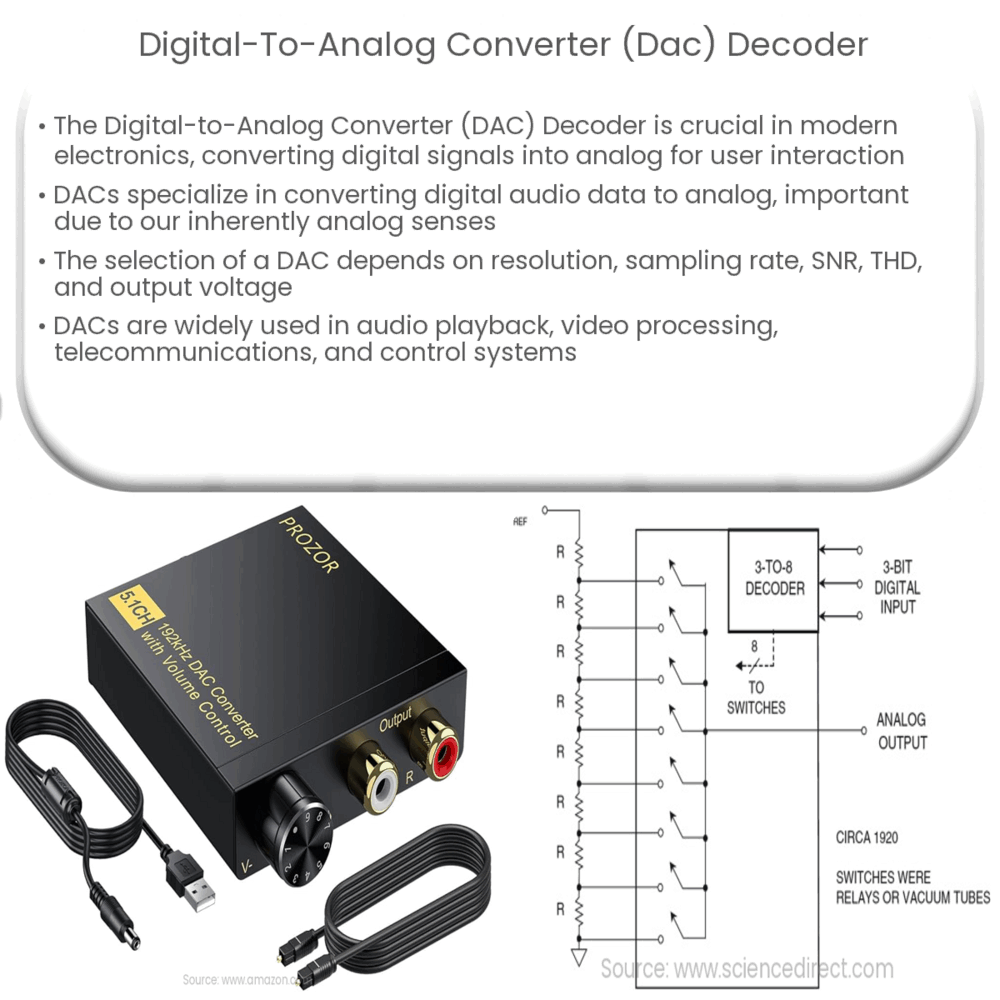
Digital Audio Converters (DACs) are essential components in various audio devices, facilitating the transformation of digital audio signals into analog form. This process ensures that we enjoy high-quality sound in different environments, making DACs integral to our daily audio experiences. From simple listening devices to complex professional setups, DACs play a crucial role in the clarity and quality of audio output.
Real-World Scenarios of DAC Usage
DACs are prevalent in many aspects of audio consumption. Here are three key scenarios where DACs are indispensable:
- Smartphones: Most smartphones come equipped with built-in DACs, allowing users to listen to music, make calls, and enjoy multimedia content with rich audio quality. The DAC converts digital audio files stored on the device into analog signals that can be output through headphones or speakers.
- Home Audio Systems: High-fidelity home audio systems utilize external DACs to enhance audio playback from various sources like streaming devices, computers, or CD players. These DACs improve sound fidelity and provide a more immersive listening experience.
- Gaming Consoles: Gaming consoles integrate DACs to process audio signals for immersive gaming experiences. The DACs ensure clear sound effects and dialogue, contributing to the overall realism and enjoyment of gameplay.
Importance of DACs in Professional Audio Settings
In professional audio environments, the role of DACs becomes even more critical. Recording studios and live performance settings rely heavily on high-quality DACs to ensure audio fidelity.
“In professional settings, the accuracy of sound reproduction can significantly affect the overall quality of music and audio production.”
In recording studios, DACs are used to convert digital recordings into high-quality analog signals for mixing, mastering, and playback through studio monitors. This ensures that sound engineers can make precise adjustments to the audio. During live performances, DACs enable musicians and producers to deliver a clear and dynamic sound to the audience, which is vital for maintaining the energy of a performance.
Common Devices with Built-in DACs
Many modern devices include built-in DACs that enhance audio playback. Understanding these devices highlights the widespread use and importance of DAC technology.
- Laptops: Most laptops feature integrated DACs to manage audio output for video conferencing, media playback, and gaming.
- Television Sets: Smart TVs incorporate DACs to process audio signals from various sources, ensuring clear sound during shows and movies.
- Digital Music Players: Devices specifically designed for music playback often have high-resolution DACs to deliver superior audio quality, appealing to audiophiles.
- Wireless Speakers: Many Bluetooth speakers utilize DACs to convert digital signals from smartphones or computers, enabling portable high-quality sound reproduction.
The inclusion of DACs in these devices is essential for ensuring that consumers experience audio that meets their expectations regarding quality and fidelity.
Troubleshooting Common Issues with Digital Audio Converters
Digital Audio Converters (DACs) are essential components for enhancing audio quality by converting digital signals into analog form. However, users may encounter various issues during operation. Understanding these common problems and their solutions can significantly improve the overall audio experience.
Common Problems and Solutions
Several issues can arise with DACs, affecting performance and audio quality. Here are four common problems along with their potential solutions:
- No Sound Output: This issue often occurs due to incorrect connection settings or faulty cables. Ensure that the DAC is properly connected to power and that all audio cables are securely plugged in. Additionally, check the output settings on your device to confirm that the DAC is selected as the audio output device.
- Audio Dropouts or Interference: Dropouts may result from poor connectivity or electromagnetic interference. To mitigate this, try using high-quality cables and ensuring that the DAC is placed away from devices that emit electromagnetic fields, such as routers or microwaves.
- Inconsistent Volume Levels: If the volume fluctuates unexpectedly, it may be due to software conflicts or settings. Check the audio settings on your playback device and ensure that any volume normalization features are turned off, as these can affect playback consistency.
- Distorted Sound Quality: Distortion can stem from overloading the DAC with high input levels or using inadequate sampling rates. To resolve this, reduce the volume level of the source device and ensure that the DAC is compatible with the audio format being played. Using higher-quality audio files can also improve sound clarity.
Optimizing DAC Performance in Various Audio Systems
To ensure that your DAC delivers the best audio quality, consider the following optimization tips tailored to different audio systems:
- High-End Audio Systems: Use high-quality interconnects and power cables to minimize signal loss. Experiment with different audio sources, as not all digital music files are created equal; lossless formats yield better sound quality.
- Home Theater Systems: Position the DAC close to the audio receiver to limit cable lengths. Implement proper acoustic treatments in the room to enhance the overall listening experience, as room acoustics play a significant role in audio performance.
- Portable Audio Setups: For on-the-go use, ensure that the DAC is compatible with mobile devices. Invest in robust, portable DACs that can handle different output levels and formats without compromising sound quality.
- Gaming Systems: Configure the DAC to support surround sound formats if using it with gaming consoles. This will provide an immersive audio experience, allowing players to hear subtle audio cues that can enhance gameplay.
Diagnosing Connectivity Issues
Connectivity issues can be frustrating and may hinder the use of your DAC. Follow this step-by-step guide to diagnose and resolve these problems:
- Check Power Supply: Ensure that the DAC is powered on and receiving electrical supply. If necessary, try plugging it into a different outlet.
- Inspect Connections: Verify that all cables are securely connected. Loose connections can cause signal loss, so make sure that both the input and output connections are tight.
- Test Different Cables: Swap out the audio cables with known working ones to rule out faulty cables as a cause of the issue.
- Examine Device Settings: Ensure that the device sending audio to the DAC is configured to use the DAC as its output. Check audio settings in the operating system or application in use.
- Update Drivers and Firmware: Check for updates for both the DAC and the playback device. Often, connectivity issues can arise from outdated software.
- Reset the DAC: If all else fails, perform a factory reset of the DAC according to the manufacturer’s instructions. This can resolve persistent connectivity glitches.
The Future of Digital Audio Conversion Technology
The landscape of Digital Audio Conversion (DAC) technology is poised for remarkable transformation over the next decade, influenced by advancements in various fields including digital signal processing, artificial intelligence, and evolving audio standards. As audio consumption habits change and higher fidelity becomes the norm, the design and functionality of DACs will adapt to meet these new expectations.
Emerging trends indicate a shift towards more integrated and user-friendly DAC designs that improve accessibility and enhance audio experiences. The growing adoption of high-resolution audio formats is pushing manufacturers to innovate, resulting in devices that support advanced features and improved audio fidelity. Additionally, the rise of mobile audio solutions is leading to compact and efficient DACs that maintain superior sound quality in portable devices.
Influence of Artificial Intelligence on DAC Performance
The integration of artificial intelligence in DAC technology is set to revolutionize audio processing and user interaction. AI can enhance performance in several significant ways:
- Personalized Audio Profiles: AI algorithms can adapt sound profiles based on user preferences and listening environments. This personalization ensures optimal sound quality tailored to individual tastes.
- Dynamic Sound Adjustment: AI can analyze incoming audio signals in real-time, dynamically adjusting settings such as volume, equalization, and spatial effects to optimize the listening experience.
- Noise Cancellation: Through machine learning, DACs can implement advanced noise suppression techniques that recognize and eliminate unwanted background sounds without compromising audio quality.
The utilization of AI not only enhances the performance of DACs but also improves user engagement, making the overall listening experience more intuitive and enjoyable.
Challenges from Evolving Audio Standards
As audio standards advance, DAC technology faces several challenges that must be addressed to maintain compatibility and performance. These challenges include:
- Increased Data Rates: Higher resolution audio formats demand greater data throughput, requiring DACs to evolve continuously to handle the increased data without latency.
- Backward Compatibility: Newer DACs must ensure compatibility with existing formats and devices, complicating the design process as manufacturers strive to keep pace with changes.
- Standardization Issues: The rapid evolution of audio standards may lead to fragmentation in the market, where different manufacturers may adopt varying formats, complicating consumer choices and potentially leading to interoperability issues.
These challenges highlight the need for ongoing research and development in DAC technology, ensuring that devices not only meet current audio standards but are also equipped to adapt to future developments in the audio landscape.
Wrap-Up
In summary, the journey through the world of DACs has revealed their crucial role in audio reproduction and quality. We’ve learned about their technological advancements, practical applications, and future trends that promise to redefine how we experience sound. As audio technology continues to evolve, staying informed about DACs and their capabilities will ensure that you can make the most out of your audio devices and enjoy high-resolution formats to their fullest potential. So whether you’re a casual listener or a dedicated audiophile, understanding DACs is an essential step towards elevating your audio experience.
Query Resolution
What does a DAC do?
A DAC converts digital audio signals into analog signals, allowing them to be played through speakers or headphones.
Why is a high-quality DAC important?
A high-quality DAC improves sound clarity and detail, enhancing the overall listening experience.
Can I use a DAC with my smartphone?
Yes, many DACs are designed to function with smartphones, providing superior audio quality when listening through headphones.
What is the difference between portable and stationary DACs?
Portable DACs are designed for on-the-go use and often have battery power, while stationary DACs are typically used in fixed audio setups and may offer more advanced features.
How do I know if I need a DAC?
If you want to improve audio quality from your devices or are using high-resolution audio files, investing in a DAC can be beneficial.