
 Zoe Nora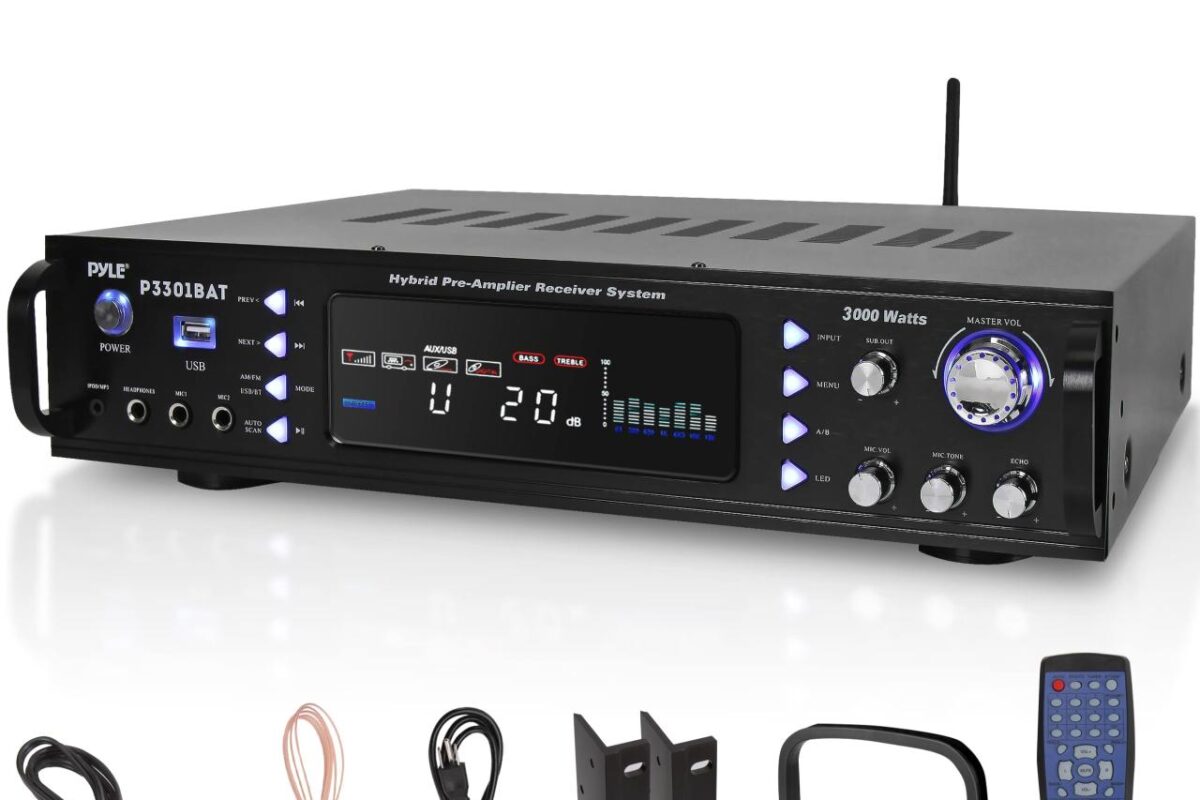
Bluetooth amplifier is revolutionizing the way we enjoy sound, eliminating the need for cumbersome wires while enhancing audio quality to new heights. These innovative devices connect seamlessly to a variety of sources, allowing for a more flexible and enjoyable listening experience whether at home or on the go.
With numerous options available on the market, it’s essential to understand the fundamental components and functioning of Bluetooth amplifiers. They not only amplify your audio experience but also provide a plethora of advantages over traditional wired amplifiers, including portability, ease of use, and the ability to connect multiple devices without hassle.
Understanding the Basics of Bluetooth Amplifiers
Bluetooth amplifiers are essential devices that enhance audio signals, allowing for seamless wireless playback from various Bluetooth-enabled sources such as smartphones, tablets, and computers. They combine the functionalities of an amplifier and Bluetooth technology, offering convenience and flexibility in audio setups. These devices have become increasingly popular due to their ability to eliminate the need for wires, making them a preferred choice for modern audio enthusiasts.
The fundamental components of a Bluetooth amplifier typically include a Bluetooth receiver, an amplifier circuit, and output connectors for speakers. The Bluetooth receiver captures audio signals from paired devices, while the amplifier circuit boosts these signals to a level suitable for driving speakers. Finally, the output connectors facilitate the connection to passive speakers, which rely on the amplifier for power. Some Bluetooth amplifiers may also include additional features like built-in equalizers, USB ports for charging devices, and aux inputs for wired connections.
Types of Bluetooth Amplifiers
There is a diverse range of Bluetooth amplifiers available in the market, each catering to different audio needs and preferences. Understanding these types can help users make informed choices about their audio setups. Here are some common types:
- Portable Bluetooth Amplifiers: Compact and battery-powered, these amplifiers are ideal for on-the-go listening. They often come with built-in speakers and are perfect for picnics or outdoor events.
- Integrated Bluetooth Amplifiers: These amplifiers combine Bluetooth functionality with traditional amplifying features, making them suitable for home audio systems. They typically support various input formats, including optical and RCA.
- Car Bluetooth Amplifiers: Designed specifically for use in vehicles, these amplifiers improve the audio quality of car sound systems. They often feature rugged designs to withstand automotive environments.
- Multi-Room Bluetooth Amplifiers: These amplifiers allow for synchronized audio playback across multiple rooms in a home, offering an immersive listening experience. They often support smart home integration.
The advantages of using Bluetooth amplifiers over traditional wired options are significant. Firstly, Bluetooth amplifiers provide unparalleled convenience, enabling users to connect and stream audio without dealing with tangled cords. This wireless capability also allows for more flexible speaker placement, enhancing room aesthetics and functionality. Additionally, Bluetooth amplifiers often come with advanced features such as automatic pairing, multi-device connectivity, and compatibility with various audio formats.
“Bluetooth amplifiers represent the evolution of audio technology, marrying convenience with high-quality sound.”
Furthermore, modern Bluetooth amplifiers deliver impressive audio fidelity, often rivaling that of their wired counterparts. With advancements in Bluetooth technology, such as aptX and AAC codecs, sound quality has improved significantly, allowing for crisp and clear audio playback even in wireless configurations.
Key Features to Look for in a Bluetooth Amplifier
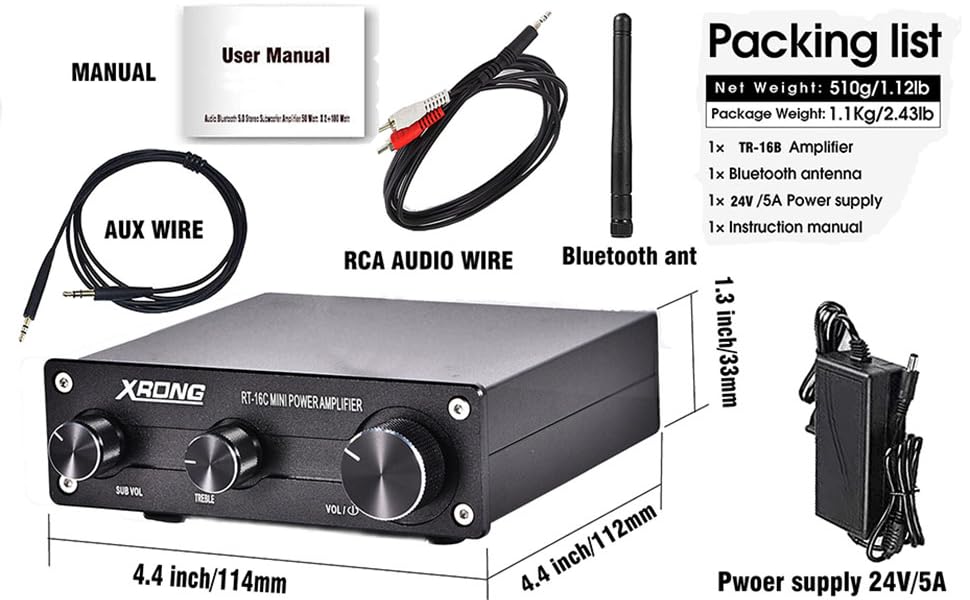
When considering a Bluetooth amplifier, understanding its features is essential to ensure that you get the most out of your audio experience. Key specifications can greatly affect how well the amplifier performs in different environments and use cases. The right Bluetooth amplifier can elevate your sound system, making it more versatile and enjoyable.
Power output, connectivity options, and audio quality are three critical features to consider. Each of these aspects plays a significant role in how well a Bluetooth amplifier functions within your audio setup, influencing everything from volume levels to compatibility with various devices.
Power Output
Power output is a crucial specification that defines how loud the amplifier can play sound without distortion. It’s measured in watts and determines the maximum sound level that can be achieved. A higher power output means that the amplifier can drive larger speakers or produce louder sound, which is particularly beneficial in larger spaces or outdoor settings.
Connectivity Options
Modern Bluetooth amplifiers offer a variety of connectivity options, enhancing their flexibility and usability. Beyond just Bluetooth, look for amplifiers with additional inputs such as optical, RCA, or USB. This versatility allows users to connect multiple devices, whether it’s a smartphone, computer, or TV, ensuring that you can enjoy high-quality audio from all your favorite sources.
Audio Quality
The audio quality of a Bluetooth amplifier is paramount for an enjoyable listening experience. Factors like signal-to-noise ratio (SNR) and total harmonic distortion (THD) come into play here. A higher SNR indicates clearer sound reproduction, while lower THD means less distortion. Investing in an amplifier that guarantees excellent audio quality will lead to a more immersive experience, particularly for audiophiles who appreciate subtle nuances in their music.
Comparison Table of Popular Bluetooth Amplifiers
To provide a clearer picture of what to look for, here’s a comparison table highlighting the features of some popular Bluetooth amplifiers:
| Model | Power Output (Watts) | Connectivity Options | Audio Quality (THD, SNR) |
|---|---|---|---|
| AMP1 | 50W | Bluetooth, RCA, Optical | 0.05% THD, 95 dB SNR |
| AMP2 | 100W | Bluetooth, USB, RCA | 0.03% THD, 98 dB SNR |
| AMP3 | 30W | Bluetooth, RCA | 0.1% THD, 90 dB SNR |
The Role of Bluetooth Technology in Amplification
Bluetooth technology has revolutionized the way we interact with audio devices, particularly in the realm of amplification. As a wireless communication protocol, Bluetooth allows for seamless audio streaming from various devices like smartphones, tablets, and laptops to Bluetooth-enabled amplifiers. This integration not only enhances user convenience but also elevates the audio experience by offering high-quality sound without the clutter of cables. By making audio amplification more accessible and flexible, Bluetooth has become an essential feature for modern audio systems.
The evolution of Bluetooth technology has brought about significant improvements in audio quality and connectivity. Each version of Bluetooth—from its original 1.0 to the latest 5.2—has introduced advancements that enhance the overall performance of audio amplification systems. For instance, Bluetooth 4.0 introduced the Low Energy (LE) feature, which optimized battery life and enabled devices to maintain connections with minimal power draw. This was particularly beneficial for portable amplifiers that rely on battery power. Bluetooth 5.0 further enhanced data transfer rates and range, allowing for higher quality audio streaming over longer distances. The enhancements in audio codecs, such as aptX and AAC, have also played a crucial role in delivering superior sound quality by reducing latency and improving compression efficiency.
Bluetooth Version Differences and Performance Impact
Understanding the differences between various Bluetooth versions is vital for maximizing audio performance. Each iteration has unique features that can significantly affect the listening experience.
– Bluetooth 1.0 to 2.0: These initial versions had limited data transfer speeds and often struggled with connection stability. They paved the way but lacked the performance needed for quality audio streaming.
– Bluetooth 3.0: This version introduced a high-speed option, allowing for faster data transfer, which was beneficial for syncing large files or audio tracks more quickly.
– Bluetooth 4.0: The introduction of Low Energy technology made this version a game-changer for battery-powered devices. It allowed amplifiers to maintain connections with smartphones while consuming minimal energy.
– Bluetooth 5.0: With improvements in range and speed, Bluetooth 5.0 supports greater bandwidth for higher-quality audio streaming. This means less interference and a more stable connection, especially in environments with multiple devices.
– Bluetooth 5.2: The latest version enhances support for audio applications with features like LE Audio, which allows for better audio quality and the ability to stream to multiple devices simultaneously.
The benefits that Bluetooth technology brings to amplifiers extend beyond just convenience and range. Here are some compelling advantages:
– Wireless Freedom: Eliminates the need for physical connections, allowing users to place their amplifiers and speakers wherever they want without the hassle of cables.
– Multi-Device Pairing: Many Bluetooth amplifiers can connect to multiple devices, allowing users to switch between different audio sources quickly.
– Remote Control: Users can control playback and volume from a distance using their smartphones, enhancing user experience and convenience.
– High-Quality Audio Streaming: With advancements in audio codecs, Bluetooth can deliver high-fidelity sound comparable to wired connections, depending on the device capabilities.
– Portability: Bluetooth amplifiers are often compact and battery-powered, making them easy to transport for use in different locations, whether at home or outdoors.
– Ease of Use: Connecting devices is usually straightforward, requiring minimal technical knowledge, making it accessible for all users.
Bluetooth technology thus plays a crucial role in modern audio amplification, enhancing connectivity, versatility, and sound quality while providing a user-friendly experience.
How to Connect Bluetooth Amplifiers to Devices
Connecting a Bluetooth amplifier to your devices can enhance your audio experience significantly. Whether it’s for streaming music from your smartphone or amplifying sound from your television, the process is generally straightforward. Below, we’ll Artikel the steps to connect Bluetooth amplifiers to various devices, potential issues you might face, and a checklist to ensure a smooth connection process.
Step-by-Step Connection Process
To successfully connect a Bluetooth amplifier to your devices, follow these steps:
1. Power On the Amplifier: Ensure your Bluetooth amplifier is plugged in and turned on. Look for any LED indicators that confirm it is in pairing mode. If your amplifier does not enter pairing mode automatically, consult the manual for specific instructions on how to activate it.
2. Activate Bluetooth on Your Device: On your smartphone or television, navigate to the Bluetooth settings. This is typically found in the “Settings” menu under “Connections” or “Bluetooth.”
3. Search for Devices: In the Bluetooth menu, select the option to search for available devices. Your Bluetooth amplifier should appear in the list of discoverable devices. It may be listed by its model name or simply as “Bluetooth Amplifier.”
4. Pair the Devices: Select the amplifier from the list to initiate pairing. In some cases, you may need to enter a passcode, usually ‘0000’ or ‘1234’. Check your amplifier’s manual if a specific code is required.
5. Confirmation: Once paired, you should receive a confirmation message on your device. Additionally, the LED indicator on the amplifier may change to signify that it is connected. At this point, you should be able to stream audio.
Troubleshooting Connection Issues
While connecting Bluetooth devices is usually seamless, you might encounter some issues. Here are common problems and solutions:
– Device Not Discoverable: Ensure that the amplifier is in pairing mode. If it has a pairing button, press it. If not, refer to the manual for instructions.
– Poor Sound Quality or Interference: This can occur if there are too many devices connected to the same Bluetooth network or if you’re too far from the amplifier. Make sure to stay within the recommended range, typically around 30 feet, and minimize obstacles between devices to reduce interference.
– Connection Drops: If the connection frequently drops, try resetting both devices and attempt the pairing process again. Additionally, ensure that both devices have the latest firmware updates installed.
Checklist for Connecting Bluetooth Amplifiers
Before attempting to connect your Bluetooth amplifier, it’s helpful to have the following checklist prepared:
– Bluetooth Amplifier: Confirm that your amplifier supports Bluetooth connectivity and is fully charged or plugged in.
– Compatible Device: Ensure your smartphone, tablet, or television supports Bluetooth.
– Latest Firmware: Check that both the amplifier and your device have the latest software updates for optimal performance.
– Proximity: Keep the devices within close range during the initial pairing to avoid connection issues.
– Manual Reference: Have the amplifier’s manual on hand for specific pairing instructions and troubleshooting guidelines.
By following these steps and being prepared with the necessary checklist, you can easily connect your Bluetooth amplifier to your devices and enjoy high-quality audio experiences with minimal hassle.
Common Applications of Bluetooth Amplifiers
Bluetooth amplifiers have become an essential part of modern audio experiences, making it easier than ever to enjoy high-quality sound in various settings. Their wireless capabilities allow users to connect their devices seamlessly, enhancing the overall audio experience without the clutter of wires. This flexibility has led to a wide range of applications in everyday life, transforming how we listen to music, enjoy movies, or throw parties.
In various environments like homes, social gatherings, and outdoor events, Bluetooth amplifiers serve multiple purposes. Their convenience and portability allow users to set up audio systems quickly, providing a versatile solution for diverse scenarios. Below are some practical examples of how Bluetooth amplifiers are utilized in different settings.
Applications in Different Environments
Bluetooth amplifiers excel in various environments, each with unique needs and applications. Their compatibility with smartphones, tablets, and laptops makes them ideal for different scenarios. Here are notable uses:
- Home Theatre Systems: Bluetooth amplifiers enhance the audio experience by connecting to televisions or projectors, ensuring that movie nights are filled with rich sound and clarity.
- Parties and Gatherings: They are perfect for social events, allowing hosts to stream music directly from their devices and create an inviting atmosphere without complicated setups.
- Outdoor Events: Whether at a picnic or a beach party, Bluetooth amplifiers can provide powerful sound in open spaces, making them a go-to choice for outdoor enthusiasts.
- Musical Performances: Musicians utilize Bluetooth amplifiers to enhance their performances, allowing them to connect instruments or playback music without being tethered to cords.
- Fitness Classes: Instructors can use Bluetooth amplifiers to play motivating music during workouts, improving the overall experience for participants.
“Using a Bluetooth amplifier at our last block party transformed our experience. We had music flowing throughout the neighborhood, and it was so easy to connect my phone!” – A satisfied user on their outdoor event experience.
The versatility and convenience of Bluetooth amplifiers have not only made them popular but also indispensable in various audio applications, enriching everyday experiences with high-quality sound.
Best Practices for Maintaining Bluetooth Amplifiers
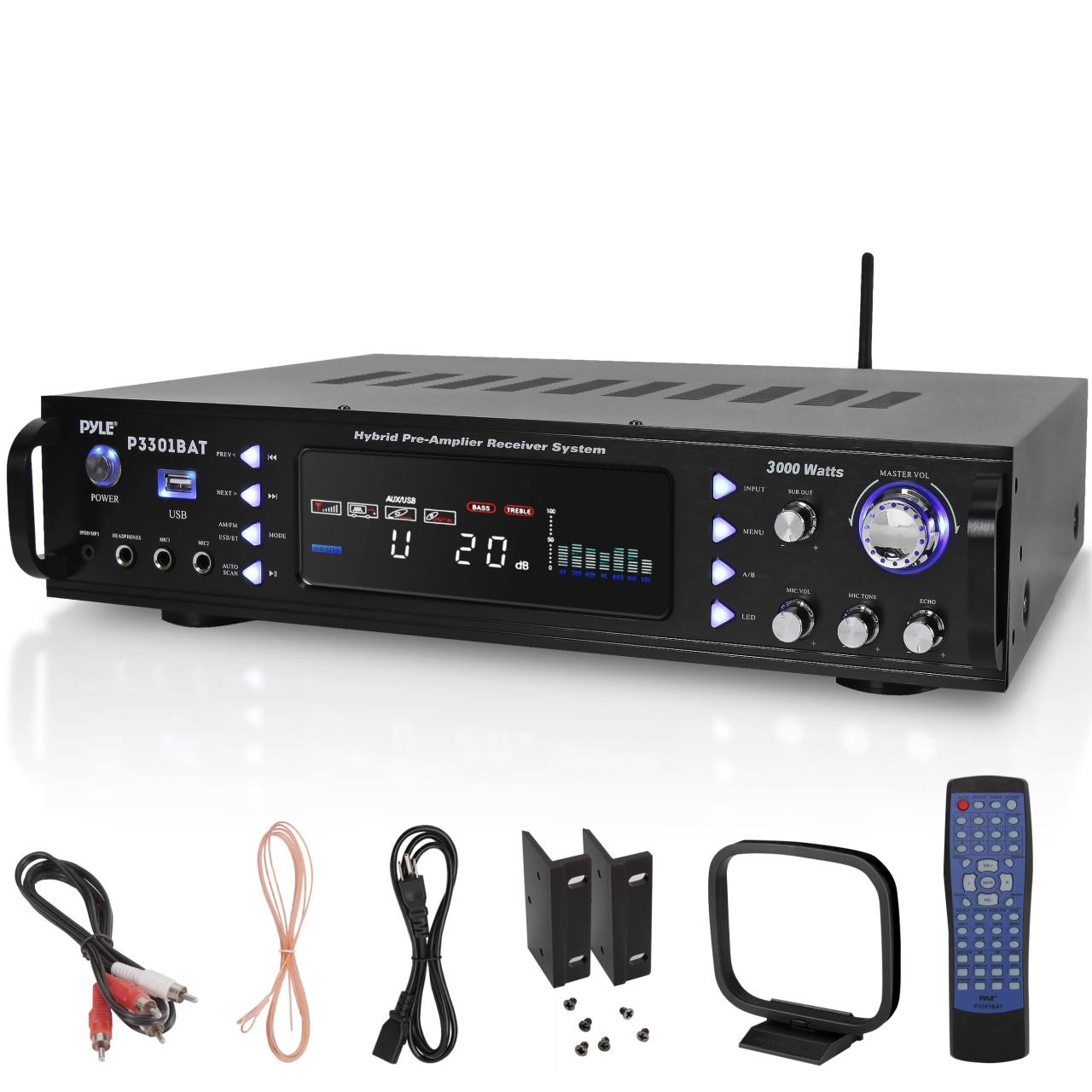
Taking care of your Bluetooth amplifier is essential for ensuring its longevity and optimal performance. Regular maintenance and proper usage can significantly extend its lifespan, helping you enjoy high-quality sound for years to come. Understanding how to store and handle your amplifier correctly will also prevent common issues that could compromise its functionality.
Guidelines for Proper Care and Maintenance
Implementing a consistent maintenance routine for your Bluetooth amplifier is crucial. This includes regular cleaning and checking connections to ensure everything is functioning properly. Here are some important practices to consider:
- Keep the amplifier clean by dusting it regularly with a soft, dry cloth to prevent dust buildup that can affect performance.
- Ensure the cooling vents are unobstructed to avoid overheating during use.
- Check and secure all cables and connections periodically to maintain sound quality and prevent damage.
Safe Storage Practices
When not in use, storing your Bluetooth amplifier properly can prevent damage and prolong its life. Follow these guidelines to keep it safe:
- Store the amplifier in a cool, dry place to prevent moisture damage.
- Use a protective case or cover if placing it in a storage area to shield it from dust and physical impacts.
- Avoid exposing the amplifier to extreme temperatures or direct sunlight, which can warp materials and damage components.
Common Mistakes to Avoid
Being aware of potential pitfalls can save you from costly repairs or replacements. Here are some common mistakes to avoid that could diminish your amplifier’s performance:
- Overloading the amplifier by connecting it to speakers with a higher wattage rating than recommended can lead to overheating and damage.
- Ignoring firmware updates can leave your amplifier vulnerable to bugs or performance issues; always check for the latest updates.
- Using the amplifier in environments with excessive humidity or dust will significantly reduce its lifespan.
“A well-maintained Bluetooth amplifier can offer superior sound quality and reliability, enhancing your listening experience.”
Future Trends in Bluetooth Amplification Technology
The future of Bluetooth amplification technology is poised for exciting advancements that promise to enhance user experience, sound quality, and device connectivity. As Bluetooth technology continues to evolve, so too will the amplifiers that support it, leading to innovations that cater to both casual listeners and audiophiles alike. This section explores the anticipated innovations and the emerging technologies that will shape Bluetooth amplifiers in the coming years.
With the rapid pace of technological advancements, several trends are expected to influence the design and functionality of Bluetooth amplifiers. Key areas of development include improved audio quality, energy efficiency, and integration with smart home systems.
Innovations in Bluetooth Amplification
The next few years will witness several innovative features in Bluetooth amplifiers driven by advancements in technology. Below are the notable trends that are likely to emerge:
- High-Resolution Audio Support: Amplifiers will increasingly support high-resolution audio formats, allowing users to enjoy studio-quality sound. This trend is fueled by the rise of streaming services that offer high-fidelity audio tracks.
- Enhanced Energy Efficiency: New designs will focus on reducing power consumption, with Class D amplifiers gaining popularity for their efficiency and compact size, making them ideal for portable devices.
- Multi-Room Audio Capabilities: The integration of multi-room audio technology will enable users to synchronize sound across multiple devices in different rooms, providing a seamless listening experience.
- Smart Connectivity: Future amplifiers will feature enhanced connectivity options, including support for Wi-Fi and other wireless protocols, facilitating better integration with smart home ecosystems.
Emerging Technologies Influencing Design
Several emerging technologies are set to transform Bluetooth amplifier designs and functionalities, enhancing the overall user experience. The following technologies are expected to play a significant role:
- Artificial Intelligence (AI): AI algorithms will be used to optimize sound output based on the environment, allowing for automatic adjustments in sound settings for optimal acoustics.
- Spatial Audio Technology: This technology aims to create an immersive listening experience by simulating sounds coming from different directions, making it ideal for movies and gaming.
- Low Latency Streaming: Bluetooth amplifiers will increasingly incorporate low latency codecs such as aptX Low Latency to ensure synchronized audio and video playback, crucial for gaming and watching movies.
Forecasting Trends and Market Impact
The following table summarizes the anticipated trends in Bluetooth amplification technology along with their expected impact on the market:
| Trend | Description | Expected Market Impact |
|---|---|---|
| High-Resolution Audio Support | Increased demand for lossless audio streaming. | Growth in premium segment sales. |
| Enhanced Energy Efficiency | Focus on sustainability and longer device battery life. | Attract environmentally conscious consumers. |
| Multi-Room Audio Capabilities | Seamless audio experience across multiple rooms. | Increased adoption of smart home audio solutions. |
| Smart Connectivity | Integration with IoT devices and ecosystems. | Expansion of the smart home market. |
Conclusion
In summary, Bluetooth amplifiers are not just a trend but a significant advancement in audio technology that caters to modern-day needs. As we look forward to future trends and innovations, it is clear that Bluetooth amplifiers will continue to play a pivotal role in enhancing our listening experiences across various environments.
FAQ Explained
What is a Bluetooth amplifier?
A Bluetooth amplifier is a device that enhances audio signals wirelessly from Bluetooth-enabled devices, allowing for better sound quality and flexibility in listening.
How do I choose the right Bluetooth amplifier?
Consider factors like power output, audio quality, and connectivity options to find the amplifier that best suits your needs.
Can Bluetooth amplifiers be used with non-Bluetooth devices?
Yes, some Bluetooth amplifiers come with auxiliary inputs, allowing them to connect to non-Bluetooth devices using a cable.
How far can I be from a Bluetooth amplifier?
The range of Bluetooth typically extends up to 30 feet, but this can vary based on obstacles and interference.
Are Bluetooth amplifiers better than traditional amplifiers?
Bluetooth amplifiers offer convenience and flexibility, but traditional amplifiers may provide superior sound quality in certain setups.