
 Zoe Nora
Network receiver, the centerpiece of modern audio systems, seamlessly connects various audio sources, enhancing your listening experience. These versatile devices allow users to manage their music from different platforms while providing outstanding sound quality.
With an array of connectivity options, network receivers elevate home audio setups, making it easier to enjoy your favorite tunes and shows. As technology evolves, understanding the role of network receivers becomes essential for anyone looking to optimize their audio enjoyment.
The Fundamental Role of a Network Receiver in Audio Systems
In the realm of modern audio systems, network receivers have emerged as essential components that enhance sound experiences through their versatile functionalities. These devices not only amplify audio signals but also serve as the command center that connects various audio sources, enabling users to enjoy a seamless listening experience. Their ability to integrate with smart technologies further underlines their importance in contemporary home entertainment setups.
Network receivers perform a variety of functions that cater to the needs of audiophiles and casual listeners alike. They enable users to access music from a multitude of sources, including streaming services, local libraries, and other media devices, all through a single interface. This makes it easier to switch between sources without the hassle of multiple remotes or complicated setups. Additionally, many network receivers come equipped with advanced digital signal processing (DSP) capabilities, allowing for tailored sound adjustments that enhance audio quality according to the environment or user preferences.
Central Hub for Managing Audio Sources
A key aspect of network receivers is their role as the central hub for managing various audio sources. This centralization simplifies the user experience by consolidating control over different devices and services into one manageable unit. Here are several functionalities that highlight their importance:
- Multi-source streaming: Network receivers can stream audio from various platforms, such as Spotify, Apple Music, and Tidal, enabling users to enjoy a wide variety of music options without switching devices.
- Integration with home networks: These devices connect seamlessly with home Wi-Fi, allowing access to network-attached storage (NAS) devices, where users can store and retrieve their music libraries easily.
- Control through mobile apps: Most network receivers come with dedicated applications that provide intuitive controls, such as volume adjustment, source selection, and playlist management directly from smartphones or tablets.
The importance of connectivity options available in network receivers cannot be overstated. They support various protocols and formats that ensure compatibility with multiple devices. This includes Bluetooth, Wi-Fi, Ethernet, and even HDMI inputs for video sources. Such versatility allows users to connect smartphones, tablets, computers, and even smart speakers to the audio system, creating a dynamic listening environment.
“Connectivity options enhance the receiver’s flexibility, making it easier to integrate into any home setup.”
In summary, network receivers are pivotal in modern audio systems, providing essential functionalities that simplify audio management and enhance connectivity, all while delivering high-quality sound. Their role as central hubs enables a more enjoyable and streamlined audio experience, making them a worthwhile investment for anyone looking to elevate their home audio setup.
Comparing Different Types of Network Receivers Available in the Market
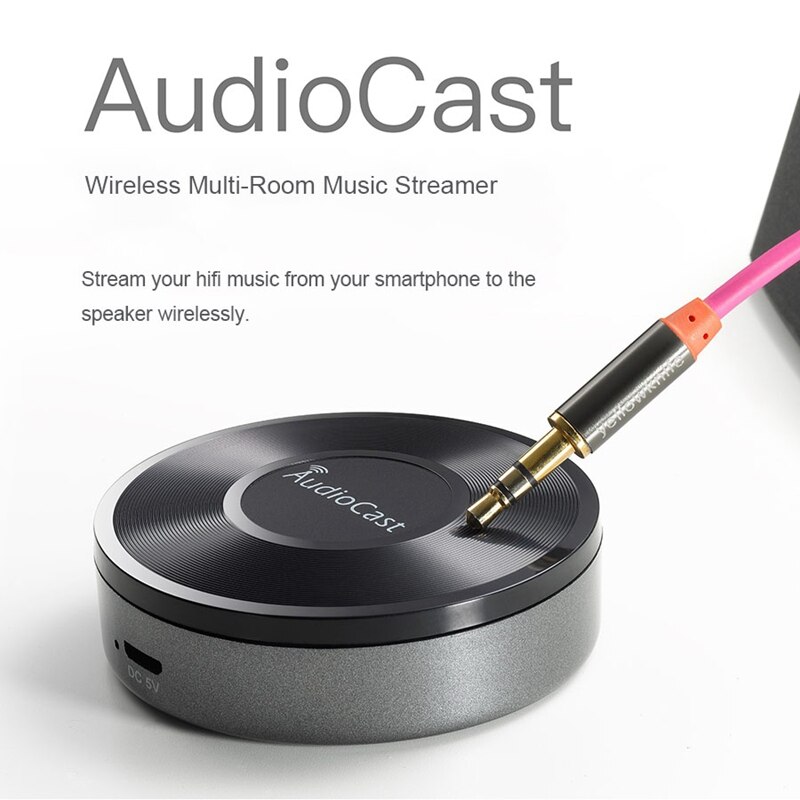
Network receivers play a crucial role in various audio and video setups, acting as the central hub for streaming, broadcasting, and multi-channel sound distribution. As technology evolves, different types of network receivers have emerged, each with unique features catering to diverse user needs. This comparison highlights three primary types: standalone receivers, AV receivers, and streaming receivers, focusing on their specifications, advantages, disadvantages, and popular models.
Types of Network Receivers
The market offers various types of network receivers, each tailored for specific functionalities and performance levels. Understanding their differences can aid consumers in selecting the right model based on their requirements.
- Standalone Receivers: These devices are designed primarily for audio applications, often emphasizing high-quality sound processing. They are typically equipped with features like Wi-Fi and Bluetooth streaming, allowing users to connect directly to their favorite music services. A notable example is the Cambridge Audio Azur 851N, known for its exceptional sound quality and support for high-resolution audio formats.
- AV Receivers: AV receivers are versatile units that cater to home theater setups, supporting multiple audio and video inputs. They process surround sound formats and often come with advanced features like 4K upscaling and HDR compatibility. The Denon AVR-S960H stands out in this category, offering Dolby Atmos support and a powerful amplification system, ideal for movie enthusiasts.
- Streaming Receivers: These receivers focus on delivering streaming content from various online platforms. They usually integrate with smart home systems and offer voice control capabilities. The Amazon Fire TV Stick 4K exemplifies this type, providing access to a plethora of streaming services in a compact form factor. While not a traditional audio receiver, it connects to existing audio systems for enhanced sound output.
The pros and cons of each receiver type help clarify their respective values.
Standalone receivers deliver audiophile-grade sound but often lack video functionalities and may be priced higher.
AV receivers provide extensive connectivity and features for home theaters, though they can be bulky and complex to set up.
Streaming receivers are user-friendly and cost-effective but may compromise on sound quality compared to dedicated audio solutions.
In terms of pricing, standalone receivers like the Cambridge Audio Azur 851N generally range from $1,000 to $1,500, appealing to serious audiophiles. AV receivers like the Denon AVR-S960H are more accessible, often priced between $600 and $800, targeting mainstream consumers. Streaming receivers, such as the Amazon Fire TV Stick 4K, are budget-friendly options, available for around $50, making them attractive for casual users seeking convenient streaming solutions.
Each type of network receiver presents unique features and functionalities tailored to distinct user needs, providing consumers with ample options to enhance their audio and video experiences.
Understanding the Integration of Network Receivers with Smart Home Systems
The evolution of smart home technology has transformed how we interact with our living spaces. Network receivers have emerged as pivotal components in these ecosystems, allowing for seamless audio and video streaming while controlling various smart devices from a central hub. This integration not only enhances convenience but also elevates the overall user experience within a smart home environment.
Integrating network receivers into smart home systems requires careful consideration of compatibility and interoperability. To ensure successful integration, network receivers must support specific protocols and standards that facilitate communication with other smart devices. Here are some essential compatibility requirements to keep in mind:
Compatibility Requirements for Integration
Understanding the key compatibility requirements is crucial for integrating network receivers with smart home devices. The following points highlight the important aspects to consider:
- Wi-Fi Connectivity: Most network receivers need robust Wi-Fi connectivity to interact with smart home systems. Ensure the receiver supports the latest Wi-Fi standards (such as Wi-Fi 5 or Wi-Fi 6) for optimal performance.
- Smart Home Protocols: Look for compatibility with smart home protocols such as Zigbee, Z-Wave, or Bluetooth. These protocols enable network receivers to communicate with various sensors, lights, and appliances.
- Voice Assistant Integration: Many users prefer using voice commands for convenience. Ensure the network receiver is compatible with popular voice assistants like Amazon Alexa, Google Assistant, or Apple’s Siri.
- Mobile App Support: A user-friendly mobile app allows for easy control and management of the network receiver alongside other smart devices. Look for receivers that offer dedicated apps for both iOS and Android platforms.
Certain smart home systems have proven to work exceptionally well with network receivers. Integrating these systems can significantly enhance your home entertainment experience. Some notable examples include:
- Amazon Echo: When paired with network receivers supporting Alexa, users can control audio playback, adjust volume, and switch sources using voice commands, all while managing other smart home devices.
- Google Home: Network receivers that integrate with Google Assistant allow for a cohesive smart home experience, enabling users to control streaming services and other devices with simple voice prompts.
- Apple HomeKit: For Apple users, network receivers compatible with HomeKit facilitate a streamlined control system through the Apple Home app, allowing for automation and remote management.
The integration of network receivers into smart home systems not only promotes an efficient lifestyle but also enhances the entertainment experience, making your smart home a central hub of connectivity and comfort.
The Impact of Streaming Services on Network Receiver Usage
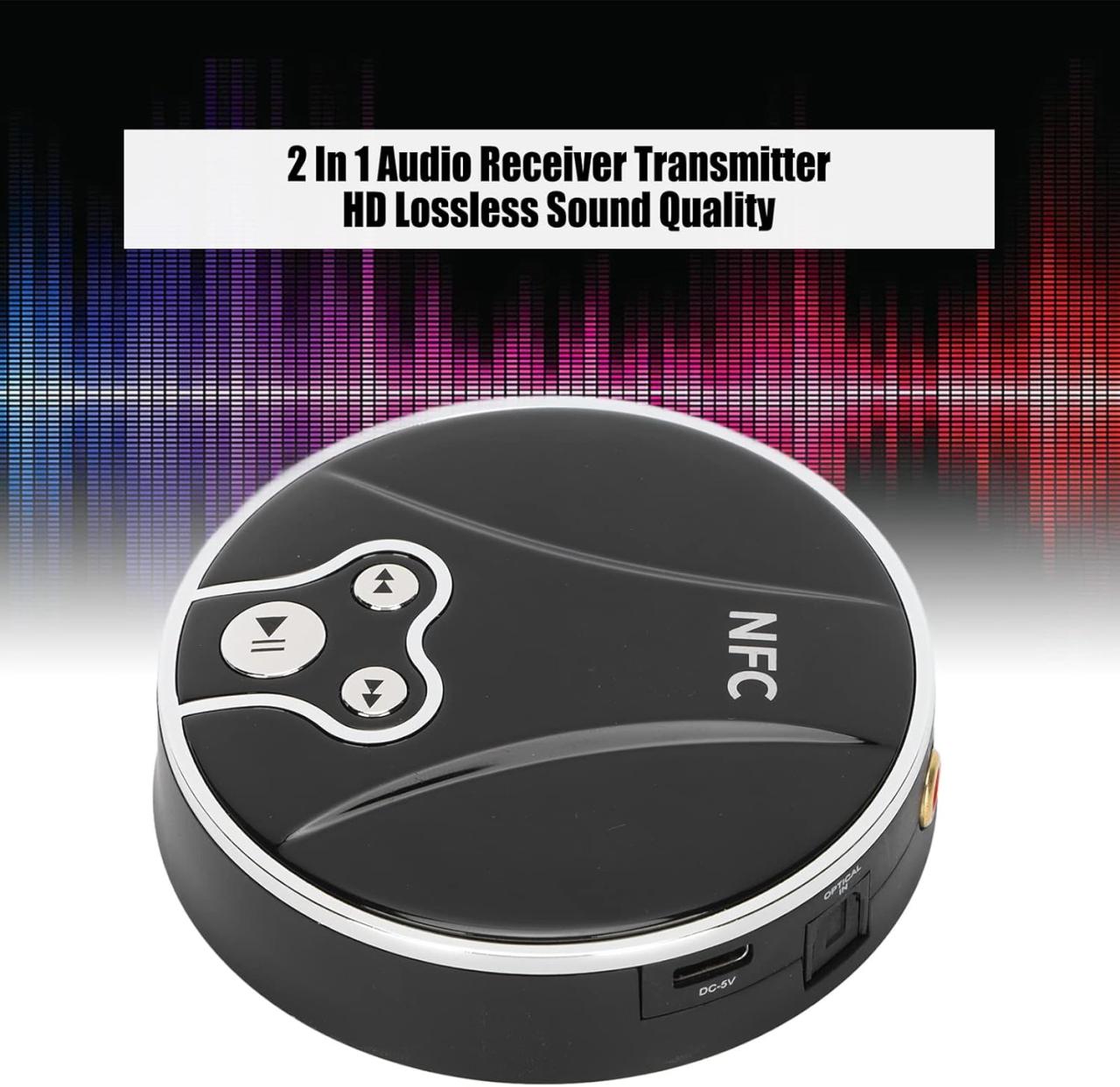
The rise of streaming services has significantly altered how network receivers operate, transforming them from mere conduits for traditional television signals into versatile multimedia hubs. This shift is not only about content consumption but also about enhancing user experience by integrating various functionalities that cater to modern viewing habits. As streaming primarily revolves around on-demand content, network receivers have evolved to support these services, allowing users to access a plethora of entertainment options at their fingertips.
Streaming services have introduced new functionalities to network receivers, making them essential components of home entertainment systems. The integration of applications for platforms like Netflix, Hulu, and Amazon Prime Video directly into network receivers enables users to enjoy a seamless viewing experience without the need for additional hardware. For instance, many modern receivers come equipped with built-in Wi-Fi and Bluetooth capabilities, allowing for easy streaming of content from various devices. Users can now navigate through channels, browse different services, and select shows or movies with ease, all from their network receiver interface.
Popular Streaming Services Compatible with Network Receivers
Several popular streaming services have made their mark, each offering unique features that enhance the overall experience for users. Understanding these services helps in appreciating the evolution of network receivers.
- Netflix: Known for its vast library of movies and series, Netflix allows users to create personalized profiles, receive tailored recommendations, and download content for offline viewing.
- Amazon Prime Video: Offers a combination of streaming and rental options, with additional perks for Prime members, including exclusive shows and movies.
- Hulu: Provides a strong selection of current television episodes, along with original content, all available with or without ads, depending on user preferences.
- Disney+: This service specializes in family-friendly content, including classic Disney movies, Marvel films, and exclusive series, appealing to younger audiences.
The convenience and control offered by these streaming services influence user preferences. Many viewers prioritize the ability to easily access diverse content without the need for cable subscriptions. As a result, network receivers that support multiple streaming applications tend to be favored by consumers who value flexibility and variety in their entertainment choices.
“Streaming services have turned network receivers into central entertainment hubs, providing unparalleled access to content.”
By embracing these advancements, network receivers continue to be relevant in an increasingly digital entertainment landscape, ensuring that they meet the evolving demands of modern viewers.
Troubleshooting Common Issues with Network Receivers
Network receivers have become essential components in modern home entertainment systems, enabling users to access various streaming services and manage multiple audio/video sources seamlessly. However, they can encounter several issues that may disrupt performance. Being proactive in troubleshooting these common problems can enhance user experience and prolong the device’s life. Below are some prevalent issues users face with network receivers and effective solutions to resolve them.
Network Connectivity Problems
A frequent issue is the inability to connect to the internet or maintain a stable connection. This can stem from a variety of reasons. Here are steps to diagnose and resolve connectivity problems:
1. Check Wi-Fi Signal Strength: Ensure that the network receiver is within a reasonable distance from the Wi-Fi router.
– If the signal is weak, consider moving the receiver closer or using a Wi-Fi extender.
2. Restart Devices: Power cycle both the network receiver and the router. This can often resolve temporary glitches.
– Unplug both devices for about 30 seconds before plugging them back in.
3. Network Settings: Verify that the network settings on the receiver are configured correctly.
– Check if the correct Wi-Fi network is selected and re-enter the password if needed.
4. Firmware Updates: Ensure the receiver’s firmware is up to date.
– Manufacturers frequently release updates that improve performance and security.
5. Interference from Other Devices: Electronic devices can interfere with Wi-Fi signals.
– Move any such devices away from the receiver and router.
Audio/Video Quality Issues
Users may also experience problems with audio or video quality, such as distortion or lag. The following steps can help:
– Inspect Cables: Check all HDMI or audio cables for damage. Replace any that appear frayed or worn.
– Adjust Settings: Access the audio/video settings on the receiver. Adjusting the audio format or video resolution may resolve quality issues.
– Testing with Different Sources: If the problem persists, try using a different input source. This will help identify whether the issue lies with the receiver or the connected device.
Maintenance Practices
Regular maintenance can significantly enhance the longevity and performance of a network receiver. Here are some best practices:
– Keep the Device Clean: Dust accumulation can lead to overheating. Regularly clean the receiver using a dry cloth.
– Ventilation: Ensure that the receiver is placed in a well-ventilated area to avoid overheating, which can cause performance issues.
– Avoid Overloading: Keep the number of connected devices within the manufacturer’s recommended limits to prevent overloading the receiver.
By following these troubleshooting steps and maintenance practices, users can effectively handle common issues with network receivers, ensuring a smooth and enjoyable multimedia experience.
Exploring the Future Trends in Network Receiver Technology
As technology advances at a rapid pace, network receivers are evolving to meet the demands of a more connected world. This evolution is driven by emerging technologies that are reshaping how data is transmitted and received. Future network receiver designs are expected to integrate innovative features that enhance performance, connectivity, and user experience, paving the way for more efficient communication.
One of the most significant trends impacting network receivers is the advancement of wireless connectivity. Technologies such as 5G and Wi-Fi 6 are expected to play a pivotal role in shaping the future landscape of network receivers. With higher bandwidth and reduced latency, these technologies will enable users to enjoy seamless streaming, faster downloads, and enhanced gaming experiences. The increased capacity of these networks allows for multiple devices to connect simultaneously without sacrificing performance, which is crucial in smart homes and IoT environments.
Emerging Wireless Connectivity Technologies
The rise of new wireless communication standards is transforming how network receivers function. Key advancements include:
- 5G Technology: The rollout of 5G networks offers ultra-fast download speeds and low latency, fundamentally altering the expectations for network performance. This advancement will enable network receivers to handle high-definition content with ease, facilitating real-time communication and interactions.
- Wi-Fi 6: This latest Wi-Fi standard enhances network efficiency and allows more devices to connect without performance degradation. Wi-Fi 6’s ability to manage multiple connections will lead to improved user experiences across various applications, from video conferencing to gaming.
- Mesh Networking: Mesh networks provide robust coverage by using multiple nodes to eliminate dead zones. Future network receivers may incorporate mesh technology to ensure continuous connectivity across larger spaces, making them ideal for both residential and commercial use.
In addition to advancements in wireless connectivity, speculative features in future network receivers are likely to focus on enhanced user engagement and customization. Features such as artificial intelligence (AI) could allow receivers to learn user preferences, optimizing settings for the best performance based on individual usage patterns. Furthermore, built-in compatibility with smart home ecosystems will enable users to control and monitor their devices from a centralized platform, enhancing convenience.
The future of network receivers will be defined by adaptability and intelligence, moving towards a user-centric design that prioritizes seamless integration with emerging technologies.
As network receivers continue to evolve, they will play a crucial role in enhancing our connectivity experience, making way for a more interconnected and efficient digital landscape.
Analyzing the Importance of Software Updates for Network Receivers
Regular software updates for network receivers are a fundamental aspect of maintaining optimal performance, security, and functionality. These updates can include enhancements, bug fixes, and security patches that ensure devices operate smoothly and protect against vulnerabilities. With technology evolving at a rapid pace, keeping your network receiver’s software up to date is not merely recommended; it is essential for leveraging the full potential of the device.
The significance of regular software updates for network receivers lies in their ability to address various issues and introduce new features. For instance, updates can improve compatibility with new streaming formats or services, enhance user interfaces, and resolve bugs that may hinder performance. In addition, updates play a crucial role in cybersecurity. They help protect devices from emerging threats by patching vulnerabilities that hackers might exploit. The benefits of these updates are clear, as they not only optimize performance but also ensure that users enjoy a secure and seamless experience.
Methods to Check for Updates and Perform Them Safely
Regularly checking for software updates is vital to ensure your network receiver remains current. Most network receivers offer built-in mechanisms for users to check for and install updates. The following methods can be utilized to ensure safe updating:
1. Automatic Updates: Many network receivers have an option for automatic updates. When enabled, this feature ensures that the device downloads and installs updates as soon as they become available, minimizing user intervention.
2. Manual Check: Users can often navigate to the settings menu of their device to manually check for available updates. Look for an option like “Software Update” or “System Update” to initiate the process.
3. Manufacturer’s Website: For certain receivers, checking the manufacturer’s website can provide information on recent updates. This can be particularly useful in the event of significant issues that require immediate attention.
4. Backup Data: Prior to initiating any software update, it’s wise to back up any important settings or data. This provides a safeguard against potential issues that may arise during the update process.
Updating software can resolve various concerns, enhancing the overall functionality of network receivers. For instance, a recent update could address a known issue where certain streaming apps failed to load, thereby improving the user experience significantly. Furthermore, updates often introduce new features, such as improved parental controls or expanded support for additional streaming services, which can provide users with greater flexibility and control over their viewing habits.
By prioritizing regular software updates and adopting safe methods for performing them, users can ensure their network receivers operate at peak performance, enjoy enhanced features, and minimize security risks.
Understanding the Role of Network Receivers in High-Fidelity Audio
Network receivers play a crucial role in delivering high-fidelity audio experiences. These devices serve as the central hub within a home audio system, integrating various sources of media while ensuring optimal sound quality and connectivity. By facilitating streaming from numerous platforms and supporting high-resolution audio formats, network receivers elevate the listening experience into a realm previously reserved for professional audio setups.
The importance of network receivers in achieving high-fidelity audio cannot be overstated. They are equipped with advanced technologies and specifications that contribute significantly to sound clarity and richness. For instance, the inclusion of Digital Signal Processing (DSP) allows for sophisticated sound enhancements, adjusting audio signals to cater to specific environments. Furthermore, many network receivers are designed to support high-resolution audio formats, such as FLAC and DSD, enabling audiophiles to experience music as the artists intended.
Features Enhancing Sound Quality
Several features of network receivers are specifically designed to enhance sound quality, making them indispensable for both audiophiles and casual listeners. Understanding these features provides insight into why high-fidelity audio is attainable through these devices.
The following features contribute to superior sound quality:
- High-Resolution Audio Support: Many modern network receivers support formats like DSD, ALAC, and FLAC, which retain the fidelity of original recordings.
- Advanced DACs (Digital-to-Analog Converters): Quality DACs are crucial for converting digital audio signals to analog, thereby enhancing audio detail and richness.
- Room Calibration Technology: Features like Audyssey or Dirac allow the receiver to analyze the room acoustics and adjust sound output for optimal performance.
- Multi-Channel Amplification: This feature provides individual amplification for each channel, resulting in a clearer, more immersive soundstage.
The difference in design between network receivers aimed at audiophiles versus those intended for casual listeners is also notable. Audiophile-grade receivers often include superior components, such as audiophile-quality capacitors and power supplies, ensuring minimal distortion and maximum sound fidelity. These receivers typically offer extensive customization options, enabling users to fine-tune their audio preferences meticulously.
In contrast, network receivers for casual listeners prioritize user-friendliness with streamlined interfaces and simplified functionality. While they may still deliver impressive sound quality, they often lack the advanced features found in audiophile models. Casual listeners benefit from the convenience of multi-room audio capabilities and straightforward wireless streaming options, appealing to those who seek enjoyment without the complexities of professional-grade equipment.
“The right network receiver can transform not just how you listen to music but how you feel about it.”
Ultimate Conclusion
In conclusion, network receivers are pivotal in transforming how we interact with audio systems, bridging the gap between various media and ensuring high-fidelity sound. As advancements continue in this field, staying informed about features, integrations, and troubleshooting will help you make the most of your audio setup.
Key Questions Answered
What is a network receiver?
A network receiver is an audio component that connects to the internet and allows users to stream music and manage various audio sources from one central unit.
Can a network receiver work with older audio systems?
Yes, many network receivers have analog outputs and can be connected to older audio systems using the appropriate cables.
How often should I update my network receiver’s software?
It’s recommended to check for updates at least once a month to ensure optimal performance and access to new features.
Are all network receivers compatible with smart home systems?
No, compatibility varies by model. Always check the specifications to ensure it works with your smart home devices.
What types of audio formats do network receivers support?
Most network receivers support a variety of formats, including MP3, FLAC, WAV, and more, allowing flexibility for audio playback.