
 Zoe Nora
Soundbar with subwoofer setups not only elevate your home audio experience but also bring a cinematic feel right into your living room. These systems are designed to deliver rich sound quality, making movies, music, and games come alive with depth and clarity. The combination of a soundbar and a subwoofer makes it possible to achieve a dynamic range of audio, allowing users to feel the rumble of a bass line or the subtle whispers of dialogue with precision.
In today’s tech-savvy world, soundbars with subwoofers have become a staple for home entertainment enthusiasts. With their sleek designs and powerful audio capabilities, they offer a perfect blend of style and functionality. Whether you’re watching the latest blockbuster or hosting a game night, understanding the features, placement options, and technological advancements of these systems can significantly enhance your listening experience.
Essential Features of a Soundbar with a Subwoofer That Enhances Audio Experience

The modern home entertainment system is incomplete without a quality soundbar paired with a subwoofer. These devices not only enhance audio quality but also enable a more immersive experience for music, movies, and gaming. The synergy between a soundbar and a subwoofer creates a rich, layered sound that can transform any audio experience from mundane to extraordinary.
One of the primary features that enhance the audio experience is the inclusion of a dedicated subwoofer. Subwoofers excel at producing low-frequency sounds that standard speakers struggle to replicate. These low frequencies, often referred to as bass, are crucial for a fully engaging listening experience, especially in action-packed scenes of movies or the deep notes in music. Additionally, the compact design of soundbars allows them to fit seamlessly into a living room without the clutter of traditional speaker systems. This combination not only saves space but also offers flexibility in placement, ensuring optimal sound distribution throughout the room.
Significance of Audio Quality in Home Entertainment Systems
Audio quality is paramount in home entertainment systems, as it significantly influences how audiences engage with content. High-fidelity sound provides clarity, depth, and realism that can transport listeners into the narrative of a film or the ambiance of a musical piece. When audio quality is compromised, the immersive experience is diminished, impacting the viewer’s emotional response and overall enjoyment.
Consider the impact of audio quality in different media formats. For instance, in cinema, clear dialogue and balanced sound effects are essential for storytelling. A well-mixed soundtrack can elevate a film, making scenes more poignant and memorable. Similarly, in music, high-quality audio allows listeners to appreciate the intricacies of each instrument and vocal performance, enhancing emotional connections to the songs.
Sound Modes Available in Modern Soundbars
Modern soundbars come equipped with various sound modes that tailor the audio output to different types of content. These modes are designed to optimize sound settings based on what you are watching or listening to, enhancing the overall experience.
Some common sound modes include:
- Movie Mode: Enhances dialogue clarity while amplifying sound effects for an immersive cinematic experience.
- Music Mode: Provides a balanced audio profile that emphasizes vocals and instrument detail for an enjoyable music experience.
- Game Mode: Prioritizes positional audio cues, allowing gamers to identify sounds from different directions, enhancing the gaming experience.
- Night Mode: Reduces the intensity of bass and increases dialogue clarity, allowing for late-night viewing without disturbing others.
These modes highlight how versatility in soundbars can cater to different user preferences and enhance the audio experience across various platforms.
Importance of Connectivity Options in Soundbars
Connectivity options in soundbars are crucial for user convenience and flexibility. The ability to connect multiple devices seamlessly enhances the functionality of the soundbar, allowing users to enjoy audio from various sources.
Key connectivity features include:
- HDMI ARC: Allows for a single cable connection that transmits both audio and video signals, simplifying the setup and reducing cable clutter.
- Bluetooth: Enables users to stream music wirelessly from smartphones, tablets, or computers, offering flexibility in audio playback.
- Optical Input: Provides a high-quality digital connection for devices that do not support HDMI, ensuring versatility in device compatibility.
- Wi-Fi Connectivity: Allows for integration with smart home systems and streaming services, enhancing the overall usability of the soundbar.
These connectivity options not only streamline the audio experience but also accommodate the evolving landscape of home entertainment systems, making soundbars an essential component for modern users.
Explore the various placement options for soundbars with subwoofers to optimize sound performance.
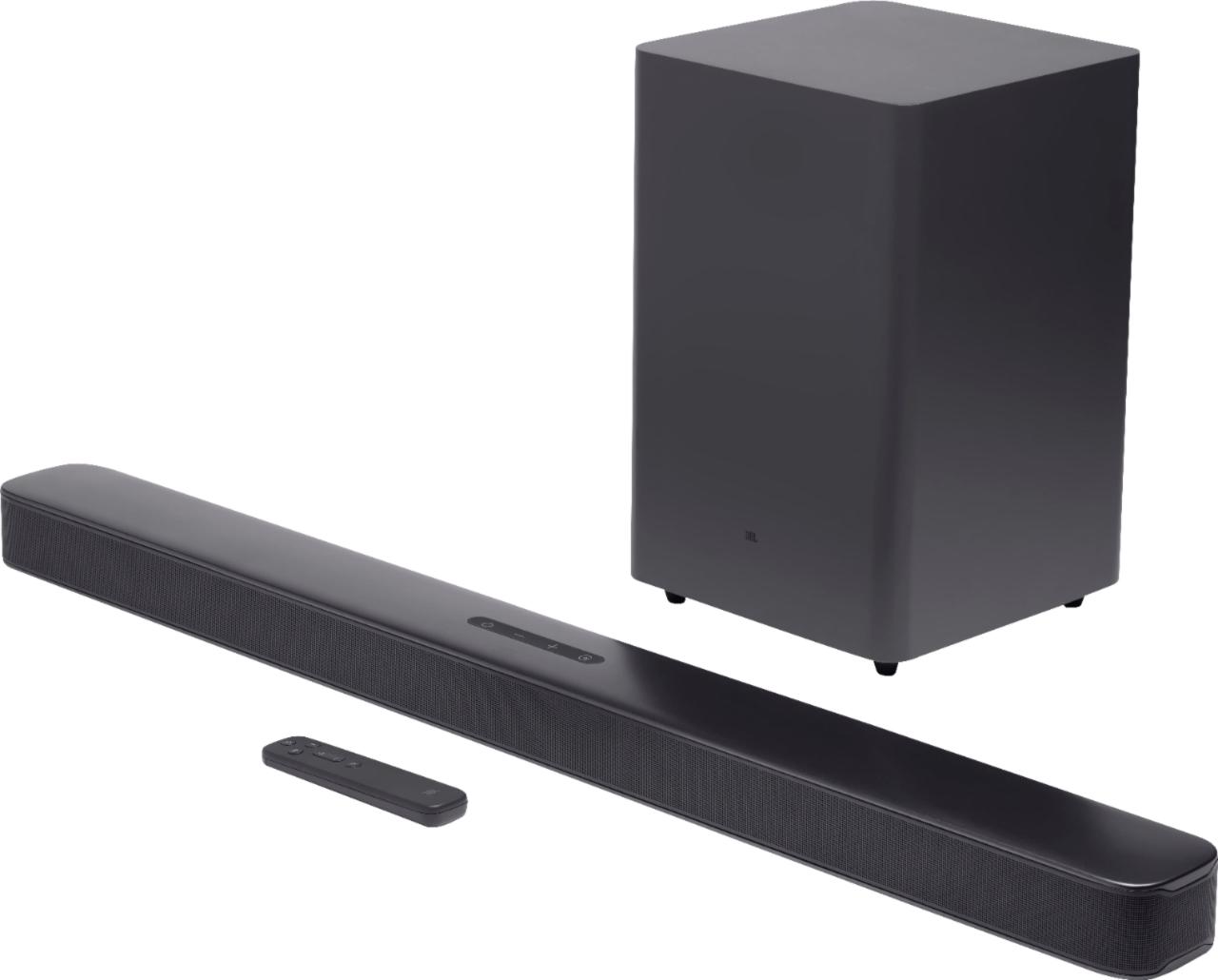
Placement of soundbars and subwoofers plays a crucial role in achieving optimal sound performance in any given space. The arrangement of these audio devices can significantly affect how sound fills a room, which directly influences the listening experience. Understanding the factors that contribute to sound quality, such as room size, layout, and furniture arrangement, is essential for maximizing audio output and overall enjoyment.
Room size and layout have a substantial impact on soundbar placement. In larger rooms, sound tends to dissipate more quickly, which can lead to a loss of clarity and richness in audio. To counteract this, placing the soundbar at ear level when seated ensures that the sound is directed towards listeners rather than bouncing off walls or ceilings. It is advisable to position the soundbar centrally beneath the TV, making sure to maintain an equal distance from the side walls to create a balanced soundstage. In smaller rooms, the proximity of walls can enhance bass response, but careful consideration must be given to avoid unwanted reflections that can muddy the sound. The room’s shape, whether it’s rectangular or irregular, also determines how sound waves travel, further emphasizing the need for strategic placement.
Influence of Furniture Arrangement on Sound Quality
The arrangement of furniture in a room can directly affect speaker performance and sound quality. When furniture obstructs the direct line of sound, such as placing a couch too close to the soundbar or subwoofer, the overall audio experience can be compromised. To enhance sound quality, it is essential to create an unobstructed path for sound waves from the speakers to the listening area.
Consider the following best practices for furniture arrangement:
- Position sofas and chairs to face the soundbar for optimal listening angles.
- Avoid placing large furniture, like bookshelves or cabinets, directly next to or behind the soundbar, as this can absorb sound waves and diminish clarity.
- Ensure that seating is placed at an appropriate distance from the soundbar and subwoofer, ideally within a range of 6-10 feet, to maintain a balanced sound experience.
Furniture arrangement not only influences sound quality but also enhances the overall aesthetics of the room, contributing to a cozy and inviting atmosphere.
Best Practices for Mounting Soundbars and Positioning Subwoofers
Mounting soundbars on walls can optimize sound performance while freeing up space. When mounting to a wall, it is crucial to position the soundbar at ear level to maximize audio clarity. Additionally, ensuring that the soundbar is flush with the TV can help create a seamless visual appearance.
For subwoofers, placement is equally important. An ideal position for a subwoofer is in a corner or near a wall, as this location can help amplify bass frequencies. However, experimenting with placement is key, as every room has unique acoustics.
Here are some tips for optimal subwoofer positioning:
- Try the “subwoofer crawl” method: Place the subwoofer in the listening position and move around the room to find where the bass sounds best, then place the subwoofer in that location.
- Keep the subwoofer away from large furniture to prevent sound absorption and ensure a richer bass experience.
- Consider using isolation pads or stands to decouple the subwoofer from the floor, reducing unwanted vibrations and enhancing clarity.
By adhering to these best practices for both soundbar and subwoofer placement, users can enhance their audio experience and make the most of their sound system.
Compare soundbars with built-in subwoofers to those that come with separate subwoofers.
When it comes to enhancing your audio experience, choosing between soundbars with built-in subwoofers and those that come with separate subwoofers is crucial. Both options have their own set of advantages and disadvantages that cater to different preferences and needs.
Soundbars equipped with built-in subwoofers offer a more compact and streamlined design, making them ideal for small spaces or minimalist setups. They are typically more affordable and easier to install since they require fewer components and cables. However, the sound depth and bass response may not be as powerful or precise as those provided by a separate subwoofer. This is primarily due to the physical limitations in size and speaker configuration within the soundbar itself.
Sound Depth and Bass Response
The performance of soundbars varies significantly based on whether they contain a built-in subwoofer or a separate one. Here are some key points to consider regarding sound depth and bass response:
-
Built-in Subwoofers:
Soundbars with integrated subwoofers tend to produce adequate bass for casual viewing and music listening. However, they may struggle with deeper bass frequencies, leading to a less immersive experience during intense action scenes or bass-heavy tracks. The sound quality is typically satisfactory for dialogue clarity but may lack the thunderous impact sought by audiophiles. -
Separate Subwoofers:
Soundbars paired with external subwoofers can deliver a more robust audio experience. The dedicated subwoofer, designed specifically for low frequencies, allows for deeper, rumbling bass that enhances movies and music genres that rely heavily on this element. This option is ideal for home theaters and music enthusiasts who desire a more profound auditory experience.
Budget considerations play a significant role in deciding between these two options. Soundbars with built-in subwoofers typically range from $100 to $500, depending on the brand and features offered. They often come with additional functionalities such as Bluetooth connectivity and smart features, justifying their price within budget constraints. On the other hand, soundbars with separate subwoofers can cost between $300 and $1,200 or more, reflecting the quality of audio output and the advanced technology involved. While this option represents a higher initial investment, the enhanced audio experience may warrant the extra expense for serious users.
In summary, evaluating your space, audio preferences, and budget will guide your choice between integrated and separate subwoofer systems, ensuring that you make an informed decision tailored to your listening habits and environment.
Identify the technological advancements in soundbars with subwoofers over recent years.
Recent years have seen remarkable innovations in soundbars, particularly those equipped with subwoofers, which have evolved significantly to enhance the home entertainment experience. As consumers demand more immersive audio experiences that are comparable to those found in theaters, manufacturers have responded with advanced technologies that blend seamlessly into modern living spaces. By integrating sophisticated sound processing and connectivity features, today’s soundbars offer a robust audio solution without the clutter of traditional surround sound systems.
One of the most notable advancements in soundbar technology is the incorporation of surround sound capabilities. Historically, surround sound required multiple speakers placed strategically around a room. However, soundbars have evolved to include technologies such as Dolby Atmos and DTS:X, which create an immersive sound field that simulates the experience of surround sound using fewer speakers. These technologies utilize advanced audio processing to allow sounds to move in three-dimensional space, enhancing the overall viewing experience. This evolution not only simplifies setup but also eliminates the need for extensive wiring and speaker placement.
Innovative features in modern soundbars
The landscape of soundbars has also been transformed with the introduction of innovative features that cater to the needs of today’s consumers. Voice control, for example, has become a standard offering, allowing users to operate their soundbars hands-free through popular virtual assistants like Amazon Alexa and Google Assistant. This feature enhances convenience, enabling users to adjust settings or switch inputs with simple voice commands.
Streaming capabilities have also played a crucial role in the modernization of soundbars. Many models now come equipped with built-in Wi-Fi, Bluetooth, and support for popular streaming services like Spotify and Apple Music. This connectivity allows users to stream audio directly from their devices or the internet, making the soundbar a versatile part of their entertainment system.
Leading brands have been at the forefront of these technological advancements, continuously pushing the boundaries of what soundbars can achieve. Examples include:
- Sonos Arc: Renowned for its superb Dolby Atmos support and sleek design, offering immersive sound in a compact form.
- Samsung Q950A: Combines 11.1.4 channel sound with advanced AI sound enhancements for a truly enveloping audio experience.
- Bose Smart Soundbar 900: Features built-in voice assistants and state-of-the-art surround sound technologies, delivering premium audio.
- LG SN11RG: Offers a powerful 7.1.4 channel configuration with up-firing speakers and advanced sound processing capabilities.
These brands exemplify how soundbars have evolved to meet consumer demands for high-quality audio, ease of use, and modern connectivity options, making them a popular choice for enhancing home entertainment experiences.
Discuss the integration of soundbars with subwoofers into smart home systems.
The rise of smart home technology has transformed the way we interact with entertainment systems, making soundbars with subwoofers an integral part of modern home automation. These devices not only deliver superior audio quality but also seamlessly integrate with various smart home ecosystems, allowing users to enhance their multimedia experiences effortlessly.
Soundbars are designed to be compatible with a wide range of smart devices, from televisions to streaming services. This compatibility is crucial in creating a cohesive home automation setup. For instance, many soundbars support Wi-Fi and Bluetooth connectivity, enabling them to connect to smart speakers, smart TVs, and even smart home hubs. This connectivity allows users to manage their audio systems through central control systems like Amazon Alexa, Google Assistant, or Apple HomeKit. By using voice commands or mobile applications, users can easily adjust the volume, switch between sources, and even modify audio settings to suit their preferences.
Control of Audio Settings via Voice and Mobile Applications
The ability to control audio settings remotely enhances the user experience significantly. Through mobile applications, users can access various features that allow for personalized audio adjustments. For example, users can create custom equalizer settings tailored to the specific acoustics of their rooms, ensuring optimal sound quality. Additionally, voice control offers convenience and ease of use, allowing users to operate their soundbars while multitasking or when their hands are occupied.
Benefits of connecting a soundbar with a subwoofer to a home networking system are abundant. Such integration not only improves audio playback but also creates a more immersive sound environment. The subwoofer amplifies the lower frequencies, enriching the overall audio experience, particularly for movies and music.
Moreover, integrating a soundbar with a subwoofer into a smart home system brings forth the following advantages:
- Enhanced Sound Quality: The combination of a soundbar and subwoofer delivers a fuller, richer sound profile, making it ideal for home theaters.
- Multi-Room Audio: Users can enjoy synchronized audio across multiple rooms, ensuring that the same music or audio content plays throughout the house.
- Easy Setup and Configuration: Many soundbars come with automatic calibration features that adjust settings based on the room’s acoustics, simplifying the setup process for users.
- Smart Features: Features like automatic updates and compatibility with various streaming services allow users to stay current with technology advancements.
Integrating soundbars with subwoofers into smart home systems not only elevates audio quality but also enhances user convenience through smart features and voice control.
In-depth review of the top soundbars with subwoofers currently on the market
The soundbar market has seen substantial growth, offering consumers an array of options that combine advanced technology, sleek design, and powerful audio performance. Soundbars paired with subwoofers are particularly popular for enhancing the home theater experience, providing deep bass and clear sound that significantly improves movie watching and music listening. In this review, we will explore some of the leading soundbars with subwoofers, analyzing their performance, features, and pricing to help you make an informed decision.
When selecting a soundbar, it’s essential to consider various factors such as sound quality, connectivity options, design, and price. The following models have been widely recognized for their exceptional performance and user satisfaction, making them top contenders in the market.
Top Soundbars with Subwoofers
To provide a clearer view of the market’s offerings, here are some standout models along with their specifications and user ratings:
| Model | Power Output | Connectivity | Features | User Rating (out of 5) | Price (approx.) |
|---|---|---|---|---|---|
| Sonos Arc | 810W | HDMI, Wi-Fi, Ethernet | Dolby Atmos, Voice Control | 4.8 | $799 |
| Bose Soundbar 700 | 500W | HDMI, Bluetooth, Wi-Fi | ADAPTiQ, Voice Control | 4.7 | $799 |
| Samsung HW-Q950A | 616W | HDMI, Bluetooth, Wi-Fi | Dolby Atmos, DTS:X | 4.6 | $1,499 |
| LG SN11RG | 770W | HDMI, Bluetooth, Wi-Fi | Dolby Atmos, AI Sound Pro | 4.5 | $999 |
| Vizio SB36512-F6 | 360W | HDMI, Bluetooth | Dolby Atmos, Voice Control | 4.4 | $499 |
The Sonos Arc stands out with its powerful 810W output and Dolby Atmos support, providing an immersive audio experience. Users appreciate its sleek design and seamless integration with smart home systems, making it a favorite among tech enthusiasts. Bose Soundbar 700 is another top performer, notable for its ADAPTiQ audio calibration system that adapts the sound to the room’s acoustics. Customers often highlight its premium build quality and rich sound profile.
The Samsung HW-Q950A impresses with its high power output and advanced audio formats like DTS:X, making it a solid choice for movie lovers. However, it comes at a higher price point, which some users consider a worthwhile investment for the quality offered. Similarly, the LG SN11RG, with its AI Sound Pro technology, adapts its sound according to content type, receiving positive feedback for versatility and clarity.
The Vizio SB36512-F6 is a more budget-friendly option that doesn’t skimp on features, including Dolby Atmos support. Many users appreciate its value for money, making it a go-to for those seeking quality without breaking the bank.
User feedback plays a crucial role in evaluating these soundbars, with many praising the immersive experiences they provide, particularly in home theater settings. Overall, while there are many options, factors such as sound quality, features, and customer satisfaction remain paramount in determining the best choice for individual needs.
Concluding Remarks
In conclusion, investing in a soundbar with a subwoofer can transform the way you enjoy audio at home. With advancements in technology, various placement strategies, and a range of options available, you can tailor your audio setup to meet your specific needs and preferences. The right soundbar can not only improve sound quality but also integrate seamlessly into your smart home system, making it a smart choice for any modern home entertainment setup.
FAQ Corner
What is a soundbar with a subwoofer?
A soundbar with a subwoofer is an audio device that combines a long speaker bar with a separate subwoofer to enhance sound quality, especially bass.
Can I connect a soundbar with a subwoofer to my TV?
Yes, most soundbars can be easily connected to your TV using HDMI, optical cables, or Bluetooth for wireless options.
Do soundbars with subwoofers need to be mounted?
No, soundbars can be placed on a TV stand or mounted on a wall, while subwoofers can be placed on the floor for optimal sound performance.
Are built-in subwoofers better than separate ones?
Built-in subwoofers save space and are convenient, but separate subwoofers generally provide better sound depth and performance.
How do I control a soundbar with a subwoofer?
Most soundbars can be controlled via remote, mobile apps, or voice commands, especially if they are integrated with smart home systems.