
 Zoe Nora
High-end audio represents the pinnacle of sound reproduction, allowing listeners to immerse themselves in an auditory experience unlike any other. From the revolutionary advancements in technology to the meticulous craftsmanship of audio components, high-end audio systems redefine how we engage with music and sound.
As we explore the evolution of this remarkable industry, it’s essential to understand the innovations that have shaped it and how sound quality influences the listener’s experience. High-end audio is not just about equipment; it’s about creating an emotional connection through unparalleled sound clarity.
The Evolution of High-end Audio Technology
The journey of high-end audio technology is a fascinating tale that intertwines innovation, artistry, and the quest for superior sound quality. Over the decades, this evolution has drastically transformed the way we consume music, moving from simple mechanical devices to sophisticated digital systems that deliver unparalleled audio experiences. Each advancement has played a pivotal role in shaping our listening habits and the audio landscape as we know it today.
The historical development of high-end audio technology can be traced back to the late 19th century with the advent of the phonograph. This early device, invented by Thomas Edison, allowed for the reproduction of sound, laying the groundwork for future audio innovations. The introduction of the LP record in the 1940s marked a significant milestone, enabling longer play times and better sound fidelity. Transitioning into the 1970s, the emergence of cassette tapes and the compact disc revolutionized music consumption, making it more portable and accessible.
As technology progressed into the 21st century, digital audio formats emerged alongside high-resolution audio, which promised enhanced quality that surpassed traditional formats. Influential brands such as Sony, with its Walkman, and Pioneer, known for its high-quality sound systems, have made substantial contributions to the industry. Companies like Bang & Olufsen and Bowers & Wilkins have also played crucial roles in pushing the boundaries of audio design and engineering, focusing on aesthetics and performance.
Key milestones that have shaped high-end audio technology include the development of digital signal processing (DSP), which allows for manipulation of sound in real time, and advancements in wireless audio transmission, enabling seamless streaming without loss of quality. Each innovation has not only improved audio fidelity but has also transformed the listener’s experience, establishing high-end audio as an essential part of modern culture.
Key Innovations in High-end Audio
The continuous advancements in high-end audio technology are driven by a series of notable innovations that have redefined sound quality and consumer engagement. These innovations highlight the industry’s dedication to providing superior listening experiences.
- The Phonograph (1877): The beginning of recorded sound, allowing for playback of music.
- LP Records (1948): A significant improvement in sound quality and duration of playback.
- Compact Discs (1982): A revolutionary digital format that provided crystal-clear audio.
- Digital Signal Processing (1990s): Enhanced audio manipulation capabilities for clearer sound.
- High-Resolution Audio (2000s): Formats that exceed CD quality, allowing for a richer listening experience.
- Wireless Audio Technology (2010s): Streaming capabilities that provide convenience without compromising sound quality.
The Importance of Sound Quality in High-end Audio Systems
In the realm of high-end audio systems, sound quality is paramount. Audiophiles invest significant time and resources to ensure that the auditory experience is as rich and immersive as possible. Various factors shape sound quality, including the choice of components, room acoustics, and the listener’s preferences. This discussion delves into the elements that influence sound quality and how different components contribute to the overall audio experience.
Factors Influencing Sound Quality
The sound quality in high-end audio systems is influenced by several key factors, which can significantly alter the listening experience. Each factor plays a crucial role in achieving the desired fidelity and clarity.
- Source Quality: The clarity of the audio source, be it vinyl, digital, or streaming, sets the foundation for sound reproduction. Higher resolution formats often yield better results.
- Speakers: The quality and design of speakers are critical. They convert electrical signals into sound, and their materials and construction affect frequency response and distortion levels.
- Amplifiers: Amplifiers boost audio signals to drive speakers effectively. A high-quality amplifier ensures low distortion and high power output, which is essential for maintaining sound integrity.
- Digital-to-Analog Converters (DACs): DACs convert digital audio signals into analog. A superior DAC can reduce noise and enhance dynamic range, directly impacting sound clarity.
- Cables and Connections: While often overlooked, the quality of cables and connections can affect signal integrity. High-quality cables minimize interference and ensure that the audio signal remains pure.
- Room Acoustics: The environment in which audio systems are placed can significantly influence sound quality. Factors such as room size, shape, and furniture placement can impact how sound waves interact.
Components and Their Contributions
In high-end audio systems, each component serves a distinct purpose that contributes to the overall audio experience.
Speakers, for example, are designed to deliver accurate sound reproduction across a wide frequency range. High-quality speakers utilize advanced materials, such as woven composites or wood, which enhance sound fidelity by reducing unwanted resonances. Amplifiers, on the other hand, are responsible for driving speakers with enough power while maintaining a clean signal. A well-engineered amplifier ensures that sound remains consistent, even at high volumes.
Digital-to-Analog Converters play a critical role in maintaining audio fidelity, especially with the rise of digital music. An effective DAC can reveal subtle nuances in the audio that lesser models may overlook.
“The synergy between these components determines the overall sound signature, creating a unique listening experience.”
Listening Experiences Compared
High-end audio systems provide a stark contrast to standard audio systems. The clarity, detail, and dynamic range of music in high-end setups can transport listeners into an immersive sound stage that standard systems often cannot replicate.
Listeners of high-end systems report experiencing a more authentic and engaging sound, with the ability to discern intricate details and subtleties in music. In contrast, standard audio systems may deliver a more compressed sound profile, lacking the depth and richness that high-end systems offer. This difference not only enhances enjoyment but also transforms the way music is appreciated, making every listening session a unique experience.
The Role of Acoustics in High-end Audio Environments
In the realm of high-end audio, room acoustics play a pivotal role in shaping sound quality and overall listening experience. The interaction between sound waves and the physical characteristics of a room can significantly influence audio performance. Understanding these dynamics is essential for audiophiles seeking to optimize their setups to achieve the best possible sound reproduction.
Room acoustics are influenced by various factors, including the size, shape, and materials of the space. Sound waves reflect off surfaces, and these reflections can enhance or detract from audio clarity and fidelity. For instance, hard surfaces like glass and concrete can create excessive echoes, while soft furnishings can absorb sound, leading to a more balanced audio experience. The ideal acoustic environment minimizes unwanted resonances and reflections, allowing the true characteristics of the audio equipment to shine through.
Strategies for Optimizing Room Acoustics
To enhance audio playback in high-end systems, several strategies can be employed to optimize room acoustics. The following techniques can create a favorable environment for listening:
- Use of Absorption Materials: Incorporating materials such as acoustic panels, curtains, and carpets can help absorb sound reflections and reduce echo. These elements dampen high-frequency sounds that can otherwise create a harsh listening environment.
- Implement Bass Traps: Low-frequency sounds often resonate within a room, leading to uneven bass response. Installing bass traps in corners helps to mitigate these issues, providing a smoother low-end response.
- Consider Diffusion: Diffusers, which scatter sound waves in various directions, can help create a more spacious soundstage. This prevents sound from becoming overly focused in one area, resulting in a more immersive listening experience.
In addition to acoustic treatments, speaker placement and listening positions are crucial in achieving optimal sound quality. The position of speakers relative to walls and furniture can significantly impact soundstage and imaging.
Speaker Placement and Listening Positions
Proper speaker placement is critical for achieving the best sound quality. Generally, speakers should be positioned away from walls to prevent unwanted reflections. A good starting point is to place speakers at least 1 to 2 feet from the wall behind them.
The listening position should form an equilateral triangle with the two speakers, allowing for balanced sound delivery to the listener. Additionally, toeing in the speakers—slightly angling them toward the listening position—can enhance clarity and focus of the soundstage.
“Optimal speaker placement combined with careful room treatment can transform a good audio system into an extraordinary listening experience.”
By carefully considering these factors, audiophiles can significantly enhance their high-end audio environments, ensuring that they experience music as the artists intended.
Understanding High-end Audio Components and Their Functions
High-end audio systems are intricate setups designed to deliver a premium listening experience. Understanding the essential components and their functions is vital for anyone looking to invest in or upgrade their audio system. Each component plays a specific role, contributing to the overall sound quality and performance.
At the core of high-end audio systems are key components that interact with one another to create an immersive experience. These components include speakers, amplifiers, digital-to-analog converters (DACs), and preamplifiers. Each serves a particular function that influences sound quality and overall performance.
Essential High-end Audio Components
The following components are crucial in a high-end audio system, and understanding their roles will help ensure an optimal setup:
- Speakers: The final output device that converts electrical signals into sound waves. High-end speakers are designed to reproduce sound accurately across a broad frequency range, providing clarity and detail.
- Amplifiers: These devices increase the power of audio signals to drive the speakers. They come in various types, including tube and solid-state amplifiers, each affecting sound quality differently.
- DACs: Digital-to-analog converters are critical for converting digital audio signals into analog form, which can be amplified and played through speakers. The quality of a DAC can significantly impact sound fidelity.
- Preamplifiers: These components manage input sources and control volume levels before the signal reaches the amplifier. They help in minimizing noise and interference for a cleaner output.
Differences Between Tube and Solid-State Amplifiers
When it comes to amplifiers, the choice between tube and solid-state designs is significant due to their differing sound characteristics. Tube amplifiers, which use vacuum tubes to amplify signals, are known for their warmth and richness in sound. They often produce a harmonic distortion that is pleasing to the ear, making them a favorite among audiophiles for genres like jazz and classical music.
Conversely, solid-state amplifiers utilize semiconductor components and are generally praised for their reliability, efficiency, and ability to produce higher power levels without distortion. They deliver a cleaner, more accurate sound, making them suitable for a wide range of music genres.
The choice between tube and solid-state amplifiers can profoundly impact the overall sound experience, reflecting personal preference in audio reproduction.
Recommended High-end Brands
Several high-end brands are renowned for their excellence in different audio components. Selecting the right brand can ensure top-notch quality and performance:
- Speakers: Brands like Bowers & Wilkins and Wilson Audio are often recommended for their exceptional sound reproduction capabilities.
- Amplifiers: For tube amplifiers, McIntosh and Audio Research are highly regarded, while brands like Krell and Pass Labs excel in solid-state technology.
- DACs: Brands such as Chord Electronics and Benchmark Media Systems are noted for their high-quality DACs that enhance audio performance.
- Preamplifiers: Aesthetix and Parasound are recognized for their sophisticated preamps that provide excellent control and sound quality.
The Experience of Listening to High-end Audio
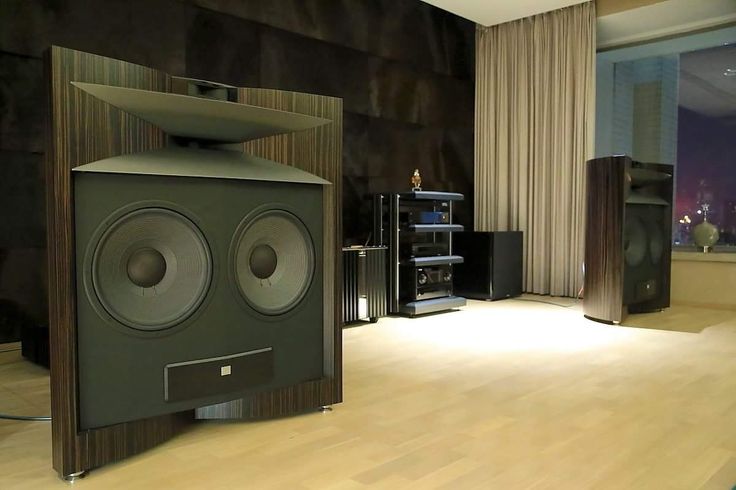
High-end audio systems deliver a listening experience that transcends mere sound reproduction. They create an emotional and immersive journey, engaging listeners on multiple sensory levels. The clarity and depth of high-fidelity audio can transport individuals into the heart of a musical performance, allowing them to feel the artist’s intent and the nuances of each note. This level of engagement not only enhances enjoyment but also fosters a deeper connection to the music.
High-quality sound has profound psychological effects on listeners. It can evoke strong emotions, trigger memories, and create a sense of presence that is often absent in standard audio systems. Audiophiles, in particular, place immense importance on this experience as it elevates their appreciation for music. They often describe moments of listening as transformative, where the boundaries between the listener and the music blur, leading to a state of euphoria or introspection.
Genres That Benefit Most from High-end Audio Playback
Certain music genres are particularly well-suited for high-end audio systems due to their complexity and the intricacy of their soundscapes. The following genres illustrate this point:
- Classical: The dynamic range and subtle nuances of orchestral arrangements are best appreciated through high-quality systems, allowing listeners to differentiate between instruments and appreciate the rich textures of a symphony.
- Jazz: The improvisational nature of jazz, with its intricate instrumentation and vocal performances, shines through high-end setups, bringing out the warmth and spontaneity of live recordings.
- Electronic: The layered production and detail in electronic music are enhanced with high fidelity, allowing listeners to experience the depth of bass lines and the intricacies of synthesized sounds.
- Acoustic: The authenticity of acoustic performances, be it folk or singer-songwriter genres, is enriched by high-end systems, making it feel as though the artist is performing right in the listener’s living room.
- Progressive Rock: The complex arrangements and varied sound textures found in progressive rock benefit from high-end audio, providing a full-bodied listening experience that captures the essence of each track.
The emotional connection to music is often magnified in high-end audio, transforming listening into an immersive, transcendent experience.
Current Trends in High-end Audio
High-end audio is experiencing a dynamic evolution, driven by technological advancements and shifting consumer preferences. As audiophiles demand greater quality and versatility, the industry is adapting to emerging trends that redefine how we experience sound. The growing integration of digital platforms and wireless capabilities is paramount, showcasing a landscape rich with innovation.
Influence of Digital Streaming on High-end Audio Systems
Digital streaming services have revolutionized the way music is consumed, compelling high-end audio systems to adapt to this new reality. As platforms like Tidal, Qobuz, and Spotify HiFi offer high-resolution audio streaming, consumers are increasingly prioritizing systems that can leverage these advancements. Users expect a seamless connection between their devices and high-quality sound reproduction.
The importance of digital streaming in high-end audio can be illustrated by the following points:
- The rise of lossless audio formats has elevated sound quality, allowing consumers to enjoy music in its highest fidelity.
- Integration of streaming services in high-end audio components simplifies user interaction, making it easier to access vast libraries of music.
- Smart devices and voice assistants are being integrated into audio systems, enhancing convenience and user experience.
High-resolution audio streaming has become a standard expectation for audiophiles, reshaping purchasing decisions.
Advancements in Wireless Technology
Wireless technology is significantly impacting how high-end audio is enjoyed, presenting new opportunities for audiophiles. The development of technologies such as Bluetooth 5.0 and Wi-Fi 6 enables higher bandwidth, translating to improved audio quality and connectivity.
Key aspects of wireless technology’s influence on high-end audio include:
- Elimination of cumbersome cables enhances the aesthetic appeal and flexibility in placement of audio systems.
- Multi-room audio capabilities allow users to enjoy synchronized sound across different spaces in their homes.
- Emerging formats like Apple AirPlay 2 and Chromecast Audio facilitate high-quality wireless streaming, ensuring fidelity is not compromised.
Wireless advancements are transforming not just the functionality but also the very essence of high-end audio enjoyment.
Building Your Own High-end Audio System
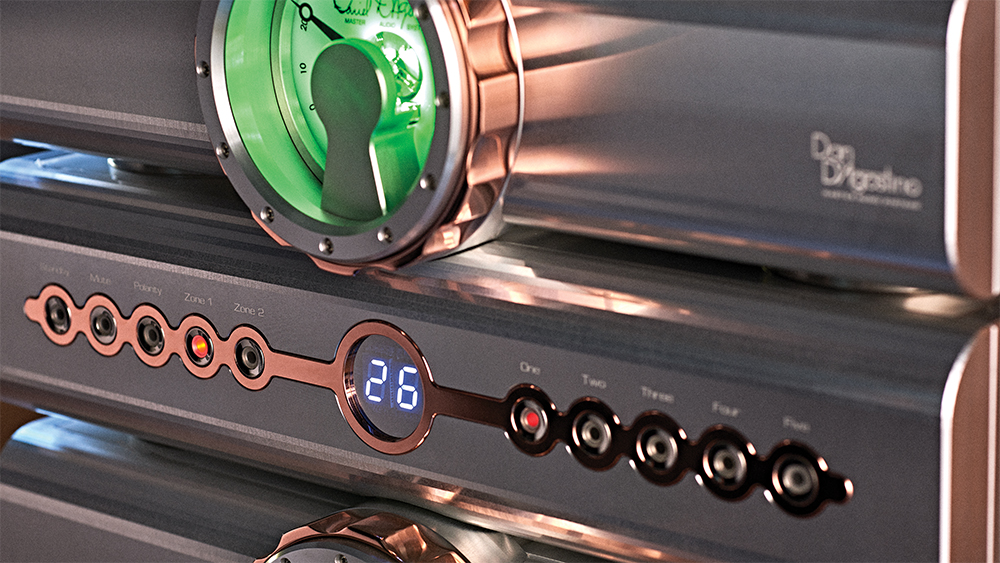
Creating a high-end audio system can be one of the most rewarding ventures for music enthusiasts. With the right components, knowledge, and a tailored approach, you can design a setup that perfectly matches your listening preferences and aesthetic tastes. This guide will walk you through the steps of building your own high-end audio system while considering budget and community support.
Step-by-Step Guide to Building a High-end Audio System
Building a high-end audio system involves several essential steps. Start by defining your listening preferences, which will guide your component choices.
1. Set a Budget: Determine how much you are willing to spend. A typical high-end audio system can range from a few thousand to tens of thousands of dollars.
2. Choose Your Components: Focus on the core components: speakers, amplifier, and source. Ensure that each piece complements the others to create a balanced sound.
3. Select Speakers: Speakers are arguably the most crucial part of your system. Choose between floor-standing or bookshelf models based on your space and sound preferences. Brands like Bowers & Wilkins and KEF offer great options.
4. Pick an Amplifier: Match the amplifier’s power output with the speaker’s requirements. Look for brands like McIntosh or Marantz for high-quality amplifiers.
5. Source Components: Depending on your music preferences, select a CD player, turntable, or digital streaming device. Ensure that the source can output high-resolution audio for the best experience.
6. Cables and Accessories: Invest in quality cables and accessories, as they can significantly impact sound quality. Look for well-shielded cables to minimize interference.
7. Room Setup and Calibration: Consider the acoustic properties of your room. Position your speakers and listening area for optimal sound. Some systems may benefit from calibration software to adjust sound based on room characteristics.
Budget Considerations and Spending Priorities
When building your high-end audio system, budget allocation is critical. Prioritize spending on the components that impact sound quality the most.
– Speakers (40-50%): Invest significantly in speakers, as they greatly influence sound quality.
– Amplifier (20-30%): The amplifier should be a quality match for your speakers, providing adequate power and fidelity.
– Source (10-20%): While essential, your source component can vary in importance based on your listening habits.
– Accessories (10%): Don’t overlook quality cables and accessories; they can enhance overall performance.
A balanced approach ensures that you get the best value from your investment.
Key Resources and Communities for Support
Engaging with communities and utilizing resources can enhance your learning experience in audio system building.
– Online Forums: Websites like AVS Forum and Head-Fi provide platforms for enthusiasts to share insights, reviews, and recommendations.
– YouTube Channels: Channels such as “The Audiophile Man” and “Darko Audio” offer educational content and product reviews.
– Local Hi-Fi Stores: Many local audio shops have knowledgeable staff who can provide guidance tailored to your needs.
– Audiophile Magazines: Publications like Stereophile and The Absolute Sound are valuable for reviews, equipment comparisons, and industry news.
Engaging with these resources will expand your knowledge and connect you with fellow enthusiasts who share your passion for high-end audio.
The Impact of High-end Audio on Music Production
High-end audio systems play a pivotal role in the music production process, shaping not only how sound is created but also how it is experienced by listeners. These systems provide unparalleled clarity and detail, allowing producers and audio engineers to hear every nuance of the music they are working on. As such, the quality of the audio equipment directly influences the decisions made during the mixing and mastering phases.
The relationship between high-end audio playback and the artistic vision of the musician is paramount. High-definition sound reproduction can reveal subtleties that might otherwise be lost on lower quality systems. For example, the slight variations in vocal pitch or the intricate layering of instruments become more pronounced, enabling producers to make informed creative choices.
Perspectives from Audio Engineers and Producers
Industry professionals often emphasize the significance of high-quality sound during the mixing and mastering process. Many agree that a superior audio system allows for a more authentic representation of the artist’s intent. This represents a crucial aspect of their work, as audio engineers strive to maintain the integrity of the original recording. Several reasons highlight this importance:
- Precision in Mixing: High-end audio systems facilitate precise adjustments in levels, panning, and effects. This precision is critical for achieving the desired sound balance.
- Accurate Frequency Response: Systems that accurately reproduce frequencies enable engineers to detect issues like muddiness or harshness that may not be evident on lower-quality setups.
- Enhanced Spatial Awareness: High-quality playback systems enhance stereo imaging, making it easier for producers to place instruments in the sound field, thus crafting a more immersive listening experience.
- Informed Decision-Making: Audio engineers find that high-end systems help them make better creative decisions, ensuring that the final product aligns closely with the artist’s original vision.
As audio engineer and producer, John Doe states, “When I mix on a high-end system, I can hear everything clearly. It’s like having a window into the music.” This clarity allows for a more nuanced approach to production, ensuring that every element is polished and intentional.
The impact of high-end audio extends beyond technical accuracy; it fosters a deeper connection between the artist’s vision and the final piece of music. By accurately rendering the subtleties of sound, producers can help bring the artist’s ideas to life, creating a richer and more gratifying experience for the audience. This synergy between technology and artistry is what elevates high-end audio beyond mere luxury, rooting it deeply within the essence of music production.
Last Word
In conclusion, high-end audio is more than a luxury; it’s a journey into the heart of sound itself. As technology continues to evolve, the opportunities for creating and experiencing music will only expand, inviting audiophiles and casual listeners alike to explore the depth and richness of their favorite tracks like never before.
FAQ Insights
What is high-end audio?
High-end audio refers to premium-quality audio systems designed to provide the best possible sound experience through high-fidelity components and meticulous engineering.
How much should I expect to spend on a high-end audio system?
The cost can vary widely, but expect to spend anywhere from a few thousand to several tens of thousands of dollars depending on the components and brands chosen.
Can I build a high-end audio system on a budget?
Yes, it’s possible by prioritizing key components and considering second-hand or refurbished equipment, allowing you to get high-quality sound without breaking the bank.
What are the key components of a high-end audio system?
The primary components include speakers, amplifiers, digital-to-analog converters (DACs), and sources like turntables or digital media players.
Is high-end audio worth the investment?
For serious music lovers and audiophiles, the investment is often justified by the richer listening experience and emotional connection to the music.