
 Zoe Nora
Bookshelf speakers have evolved remarkably over the years, becoming a staple in audio setups for music lovers and home theater enthusiasts alike. These compact yet powerful devices deliver impressive sound quality without occupying much space, making them perfect for various living environments. From their historical development to the latest innovations, bookshelf speakers embody the intersection of technology and design, ensuring an engaging auditory experience for everyone.
In this guide, we delve deep into the fascinating world of bookshelf speakers, exploring their evolution, anatomy, and the essential aspects to consider when choosing the right pair for your needs. Whether you’re a seasoned audiophile or a casual listener, understanding these components will enhance your audio experience and help you appreciate the artistry behind these remarkable devices.
The Evolution of Bookshelf Speakers
Bookshelf speakers have become a staple in audio technology, evolving from simple wooden boxes into sophisticated devices that enhance our listening experiences. Their journey is marked by significant advancements in sound engineering, design, and technology. These changes reflect not just shifts in consumer preferences, but also the relentless pursuit of audio fidelity and functionality.
The historical development of bookshelf speakers can be traced back to the mid-20th century, when home audio systems began to gain popularity. Initially, speakers were bulky and designed primarily for use in large rooms. However, as audio technology progressed and consumers sought more compact solutions without sacrificing sound quality, the bookshelf speaker emerged as a practical alternative. This shift was significant as it paved the way for more versatile audio setups, allowing music lovers to enjoy high-quality sound in smaller living spaces.
One of the major advancements that influenced the design and functionality of bookshelf speakers is the development of new materials and design techniques. Innovations in driver technology, such as the introduction of tweeters made from advanced polymers and woofers crafted from lightweight materials, have improved sound clarity and reduced distortion. Additionally, the rise of computer-aided design (CAD) technology has allowed manufacturers to fine-tune speaker enclosures for optimal acoustic performance. This meticulous engineering has led to speakers that produce a broader frequency range and a more immersive soundstage.
In the realm of key manufacturers, several brands stand out for their contributions to the evolution of bookshelf speakers. Pioneer, with its fidelity-focused designs, and Klipsch, known for its horn-loaded technology, have been at the forefront of speaker innovation. Brands like Bowers & Wilkins and ELAC have also made significant strides, introducing models that incorporate advanced technologies such as integrated amplification and Bluetooth connectivity. These innovations not only enhance sound quality but also cater to modern consumer lifestyles, making high-fidelity audio more accessible than ever.
As a result, today’s bookshelf speakers are not just about sound; they embody a blend of art and technology. Their sleek designs and versatile functionalities make them ideal for various applications, from casual listening to critical audio analysis in professional settings. The continued evolution of bookshelf speakers showcases the ongoing commitment to enhancing the audio experience while adapting to the changing needs of listeners around the world.
The Anatomy of Bookshelf Speakers
Bookshelf speakers are compact yet powerful audio systems designed to deliver high-quality sound in a variety of settings. Unlike traditional floor-standing speakers, their smaller size allows for versatility in placement, making them ideal for home audio setups, studios, and even office spaces. Understanding the essential components of bookshelf speakers is crucial for appreciating how they produce sound, as each part plays a significant role in the overall audio experience.
The primary components of bookshelf speakers include drivers, enclosures, crossovers, and ports. Each of these elements contributes uniquely to sound production.
Essential Components of Bookshelf Speakers
Examining the anatomy of bookshelf speakers reveals a complex interplay of parts that work together to create a rich listening experience. Below are the key components:
- Drivers: The drivers are the heart of any speaker, responsible for converting electrical signals into sound waves. Bookshelf speakers usually have two types of drivers: woofers for low frequencies and tweeters for high frequencies. Woofers typically handle bass and mid-range sounds, while tweeters are optimized for treble. This division allows for a clearer and more balanced audio output, as each driver specializes in a specific frequency range.
- Enclosure: The speaker enclosure or cabinet plays a critical role in the overall sound quality. It helps to contain and enhance the sound produced by the drivers, preventing unwanted vibrations and resonance. The material and design of the enclosure can significantly affect sound clarity and fidelity. Common materials include MDF (medium-density fiberboard) and plywood, chosen for their acoustic properties. The shape of the enclosure—be it rectangular or curved—further influences how sound waves interact, impacting the stereo imaging and depth of audio.
- Crossover: The crossover network is an electronic component that divides the audio signal into different frequency ranges, directing the appropriate frequencies to the respective drivers. It ensures that woofers and tweeters operate efficiently, enhancing the overall tonal balance and preventing distortion. A well-designed crossover allows for smooth transitions between drivers, ensuring that the audio output is cohesive and natural.
- Ports: Some bookshelf speakers feature bass ports, which allow for the enhancement of low-frequency sounds. These ports can either be front-firing or rear-firing, affecting the placement of the speakers in a room. Bass ports are crucial for extending the low-end response, leading to a fuller and richer sound. The design and tuning of the port can significantly influence the speaker’s performance, especially in smaller enclosures where space is limited.
Combining these components effectively results in a bookshelf speaker that can deliver high-fidelity sound across various genres of music and audio content. Each part’s design, material, and configuration contribute to the speaker’s unique sound signature, allowing listeners to enjoy a detailed and immersive audio experience. For instance, a speaker with a well-designed enclosure and high-quality drivers can produce deep, resonant bass without muddiness, while maintaining crisp highs that make vocals shine. Therefore, understanding these components provides insights into what makes a bookshelf speaker truly exceptional in sound reproduction.
Comparing Passive and Active Bookshelf Speakers
Bookshelf speakers come in two primary types: passive and active. Understanding the distinctions between these two categories is crucial for making informed purchasing decisions. While both serve the purpose of delivering quality sound, their functionality and performance vary significantly. This discussion will delve into these differences, along with the advantages and disadvantages of each type.
Differences in Functionality and Performance
Passive bookshelf speakers require an external amplifier to drive them, meaning they do not have built-in amplification. This setup allows for greater flexibility in terms of pairing different amplifiers and tailoring sound profiles, which is a significant advantage for audiophiles who want to customize their audio experience. However, it can also lead to complexities in setup and additional costs for purchasing an amplifier.
On the other hand, active bookshelf speakers come equipped with built-in amplifiers, which simplifies the user experience by eliminating the need for additional equipment. This self-contained nature often leads to a more straightforward setup, making them an ideal choice for casual listeners or those with limited technical knowledge. However, active speakers may lack the upgradeability that passive systems offer, as they are bound to the internal components provided by the manufacturer.
When it comes to performance, passive speakers can deliver superior sound quality when matched with high-quality amplifiers. This combination can provide a richer, more detailed audio experience. In contrast, active speakers tend to have a more consistent sound output since the manufacturer tunes both the amplifier and the drivers to work harmoniously together, ensuring optimized performance.
Advantages and Disadvantages of Each Type
It’s essential to weigh the pros and cons of passive and active bookshelf speakers before making a decision. Below are key points to consider for each type:
For passive bookshelf speakers:
- Advantages:
- Greater customization options with the ability to choose separate amplifiers.
- Potential for superior sound quality with high-end components.
- Upgradeable components allow for future enhancements.
- Disadvantages:
- Requires additional equipment (amplifier), leading to higher overall costs.
- More complex setup process for users unfamiliar with audio equipment.
- Potential for compatibility issues between components.
For active bookshelf speakers:
- Advantages:
- Built-in amplification simplifies setup and use.
- Consistent performance as components are matched by the manufacturer.
- Space-saving design, reducing the need for additional equipment.
- Disadvantages:
- Limited upgrade options compared to passive systems.
- Sound performance may be restricted by the quality of internal components.
- Potentially higher initial cost for comparable sound quality to passive systems.
Examples of popular passive bookshelf speakers include the Elac Debut 2.0 B6.2, known for its excellent sound quality and versatility, and the Klipsch RP-600M, which offers a dynamic audio experience with high sensitivity. In the active category, models like the Audioengine A5+ and the Klipsch R-41PM stand out for their user-friendly design and robust performance, making them favorites among casual listeners and audiophiles alike.
Setting Up Bookshelf Speakers for Optimal Sound
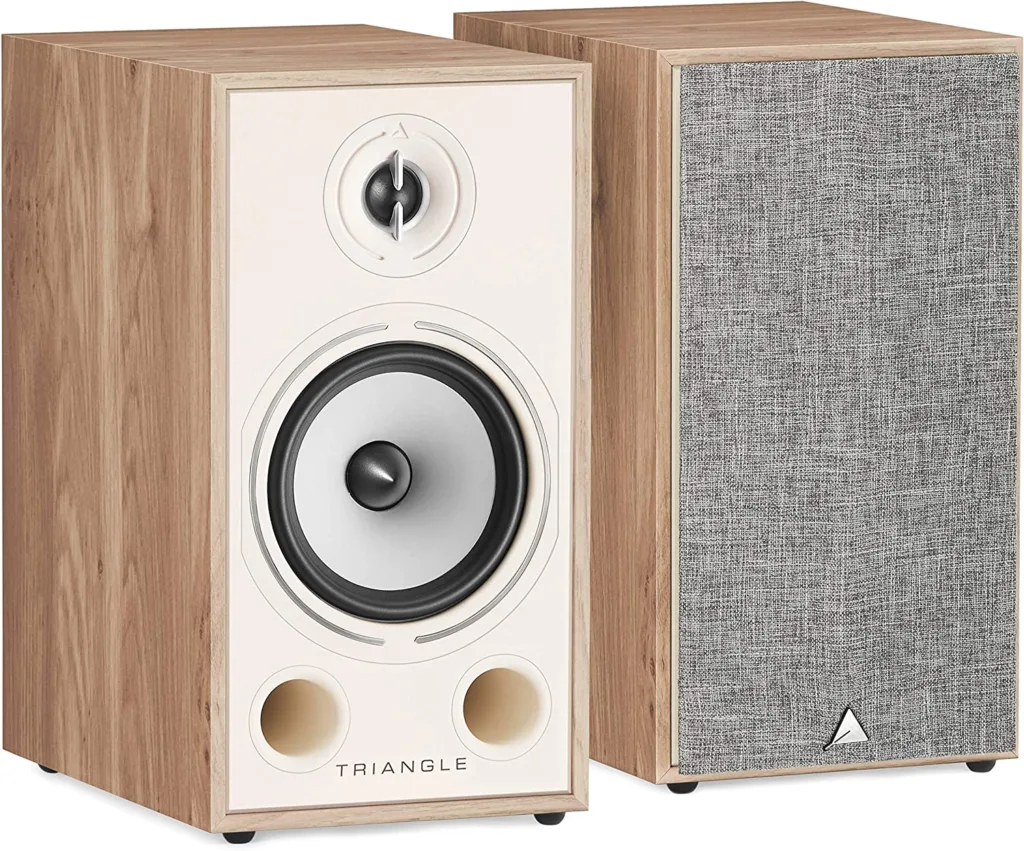
Positioning your bookshelf speakers correctly can significantly enhance your listening experience. Proper setup not only ensures that you receive the best sound quality possible but also makes the most out of your speakers’ capabilities. Whether you’re an audiophile or just someone who enjoys a good movie or music session, understanding how to arrange your speakers is key to achieving that rich, immersive sound.
Room acoustics play a crucial role in how your speakers perform. The way sound behaves in a room is influenced by various factors, including the size, shape, and materials of the space. Hard surfaces like walls, floors, and ceilings can create reflections that enhance certain frequencies while diminishing others, leading to an unbalanced sound. Conversely, soft furnishings such as carpets, curtains, and cushions can absorb sound, reducing echoes and improving clarity. To optimize sound quality, consider these acoustic principles:
-
Sound waves travel differently in various environments; ideally, your speakers should be positioned to minimize unwanted reflections.
- Place speakers away from walls to reduce bass boom and improve imaging.
- Consider the “ear height” principle; the tweeters should be at ear level when seated for optimal listening.
Integrating bookshelf speakers with other audio equipment in your home system requires careful consideration. To maximize the synergy among your components, follow these practical tips:
- Use quality speaker cables that are appropriately gauged for your system’s power handling and distance.
- Ensure that your receiver or amplifier matches the speaker’s impedance for effective power transfer.
- Employ a subwoofer if you desire deeper bass; this can relieve your bookshelf speakers from reproducing low frequencies, allowing them to perform better in their range.
Proper setup and integration of bookshelf speakers can transform your audio experience, making every note clearer and every beat more impactful.
Choosing the Right Bookshelf Speakers for Your Needs
Selecting the right bookshelf speakers involves understanding your personal preferences and assessing your available space. Your choice should reflect your listening habits, whether it’s for casual listening, home theater setups, or studio monitoring. The right speakers can significantly enhance your audio experience, making it crucial to consider various factors that influence sound quality and overall performance.
To evaluate different speaker specifications and features, start by focusing on the core metrics that define sound reproduction quality. Key specifications include frequency response, sensitivity, impedance, power handling, and driver configuration.
– Frequency Response: This indicates the range of sounds the speaker can reproduce, usually expressed in Hertz (Hz). A broader frequency range allows for better bass and treble reproduction. For instance, a speaker with a range of 40Hz to 20kHz can deliver deep bass and crisp highs.
– Sensitivity: Measured in decibels (dB), this figure represents how efficiently a speaker converts power into sound. A higher sensitivity rating means that the speaker can produce louder sounds with less power. Generally, look for speakers with a rating above 85dB for optimal performance in typical home settings.
– Impedance: This specification, measured in ohms, indicates how much resistance the speaker presents to the amplifier. Most speakers are either 4, 6, or 8 ohms. Ensure that your amplifier can handle the impedance of the speakers you choose to avoid any damage.
– Power Handling: This refers to the maximum amount of power that the speaker can handle without distortion or damage, generally measured in watts. It’s advisable to select speakers with a power rating that matches or exceeds your amplifier’s output for the best audio quality.
– Driver Configuration: The arrangement and type of drivers (woofers, tweeters, and mid-range speakers) significantly impact the sound profile. A two-way speaker typically has a woofer for bass and a tweeter for highs, while a three-way speaker adds a mid-range driver for improved clarity across frequencies.
Comparison of Top-Rated Bookshelf Speakers
Understanding the differences among popular bookshelf speakers across various price ranges can help you make an informed decision. Below is a comparison table highlighting key characteristics of top-rated bookshelf speakers:
| Speaker Model | Price Range | Frequency Response | Sensitivity (dB) | Impedance (Ohms) | Power Handling (Watts) |
|---|---|---|---|---|---|
| ELAC Debut 2.0 B6.2 | $350 – $400 | 46Hz – 35kHz | 87 | 6 | 120 |
| KEF Q150 | $600 – $700 | 51Hz – 28kHz | 86 | 8 | 100 |
| Audioengine A5+ | $400 – $500 | 65Hz – 22kHz | 95 | 4 | 150 |
| JBL 305P MkII | $150 – $200 | 43Hz – 24kHz | 108 | 8 | 112 |
The Role of Bookshelf Speakers in Modern Home Audio Systems
Bookshelf speakers are essential components in the realm of home audio systems, perfectly blending functionality and aesthetic appeal. Their compact design allows them to fit seamlessly into various spaces while delivering high-quality sound. Unlike floor-standing speakers, which can dominate a room, bookshelf speakers offer versatility, making them ideal for both small and large setups. They enrich home theater systems and music listening experiences, providing a balanced audio profile that enhances overall enjoyment.
Bookshelf speakers play a pivotal role in achieving a balanced sound stage within modern audio setups. The careful placement and acoustic design of these speakers contribute significantly to creating an immersive listening experience. A sound stage refers to the spatial arrangement of sound in a stereo or surround sound environment, allowing listeners to perceive audio as if it were coming from various directions rather than just the speakers. This is crucial for both movie watching and music listening, as it helps to replicate the natural ambiance of live performances or cinematic experiences.
The characteristics of bookshelf speakers, such as their frequency response and dispersion patterns, allow them to fill a room with sound while maintaining clarity and detail. High-quality bookshelf speakers can reproduce a wide range of frequencies, ensuring that both low bass and high treble notes are heard clearly and distinctly. This balanced sound stage is achieved through the use of quality drivers and careful tuning, which enhances audio depth and dimension.
Examples of setups where bookshelf speakers enhance the overall audio experience include home theaters that utilize them as surround speakers to complement a larger system. When paired with a subwoofer, bookshelf speakers can deliver rich bass and precise midrange sounds, creating a more dynamic and engaging audio environment. Additionally, in music-centric setups, placing bookshelf speakers on stands or shelves can optimize listening positions, allowing for excellent imaging and sound localization.
“Bookshelf speakers can transform a simple living room into an immersive audio haven.”
Incorporating bookshelf speakers into both casual listening spaces and dedicated audio rooms has become a popular choice, demonstrating their significance in modern audio design and their ability to elevate sound quality significantly.
Maintenance and Care for Bookshelf Speakers
Proper maintenance and care of bookshelf speakers can significantly enhance their performance and longevity. Investing a little time in routine checks and cleaning can prevent common issues and keep your sound system functioning at its best. Regular upkeep not only preserves the aesthetic appeal of your speakers but also ensures that they deliver optimal sound quality for years to come.
Bookshelf speakers are prone to a few common issues that can affect their performance. Dust accumulation can muffle sound, while damaged cables can lead to connectivity problems. If you notice a decrease in sound quality or intermittent audio dropouts, the issue might stem from loose connections or dirty components. It’s essential to check all cabling for wear and tear, ensuring everything is properly connected. If you hear distortion at high volumes, this could indicate overdriving, which may necessitate reducing volume levels or using a more powerful amplifier. For moisture exposure, ensure that your speakers are placed in a dry environment, as humidity can damage the internal components. To troubleshoot these issues, regularly inspect your equipment, and if necessary, consult a professional for repairs or replacements.
To keep your bookshelf speakers in top condition, the following tools and techniques are recommended for cleaning and maintenance. Use a microfiber cloth for dusting, as it effectively traps particles without scratching surfaces. Compressed air can help clear dust from grilles and crevices. For fabric-covered speakers, a soft brush attachment on your vacuum can gently remove debris. Moreover, checking connections with a contact cleaner can enhance signal integrity.
- Microfiber cloth for dusting
- Compressed air for clearing dust
- Soft brush attachment for vacuuming fabric
- Contact cleaner for connections
- Screwdriver set for tightening loose connections
Regular maintenance not only enhances performance but also prolongs the lifespan of your bookshelf speakers.
The Future of Bookshelf Speakers in a Streaming World
As streaming technology continues to dominate the way we consume audio content, bookshelf speakers are undergoing significant transformations. The integration of advanced digital features is reshaping user interactions and expectations, making it crucial for manufacturers to adapt to these changes. The combination of sound quality and modern convenience presents a new frontier for audio enthusiasts and casual listeners alike.
The impact of streaming technology on the design and functionality of bookshelf speakers is profound. Traditional wired systems are giving way to innovative wireless solutions that prioritize user-friendly experiences. Modern bookshelf speakers are now designed with built-in Wi-Fi or Bluetooth capabilities, allowing seamless connectivity to various streaming platforms like Spotify, Apple Music, and Tidal. This shift offers users the convenience of accessing a vast library of music without the clutter of cables. Moreover, many contemporary models come equipped with smart features, including voice control compatibility with virtual assistants such as Amazon Alexa and Google Assistant. This not only enhances usability but also allows users to control their audio experience hands-free.
Trends Shaping the Future of Bookshelf Speakers
Various trends in speaker technology are paving the way for the future of bookshelf speakers, reflecting the evolving preferences of consumers. These trends are crucial for understanding how audio equipment is likely to be designed and utilized in the years to come.
- Wireless Connectivity: The preference for wireless options continues to grow as users seek convenience and minimalism in their setups. Bookshelf speakers that offer stable wireless connections, such as Wi-Fi streaming and Bluetooth, are becoming the norm. This shift allows for greater flexibility in speaker placement and eliminates the need for extensive wiring.
- Multi-Room Audio: The rise of multi-room audio systems enables users to sync multiple speakers throughout their homes. This feature allows for a cohesive listening experience across different spaces, accommodating the modern lifestyle where users enjoy music in various environments.
- High-Resolution Audio Support: As streaming services begin offering high-resolution audio formats, bookshelf speakers are being designed to meet these demands. Consumers are increasingly aware of sound quality, and speakers capable of delivering superior audio fidelity are becoming more popular.
- Compact and Aesthetic Designs: The trend towards minimalism has influenced the design of bookshelf speakers, leading to more compact and visually appealing models. Consumers prefer speakers that not only sound good but also complement their home decor.
- Integration with Smart Home Systems: The integration of bookshelf speakers with smart home technology is another growing trend. Speakers that can connect with home automation systems add functionality, allowing users to integrate music with other aspects of their home environment effortlessly.
“Bookshelf speakers are not just about sound anymore; they are about creating a seamless audio experience that fits into the modern lifestyle.”
Final Conclusion
In summary, bookshelf speakers play a vital role in modern audio systems, offering versatility, high performance, and an appealing aesthetic. As we’ve explored, their evolution showcases a rich history of technological advancements that cater to diverse audio preferences. With the right knowledge and careful consideration, you can select the perfect bookshelf speakers to elevate your listening experience, ensuring you enjoy every note, beat, and harmony to its fullest.
FAQ
What are bookshelf speakers?
Bookshelf speakers are compact audio speakers designed to deliver high-quality sound while being small enough to fit on a shelf or stand.
How do I choose the right bookshelf speakers for my room?
Consider factors like room size, acoustic properties, personal sound preferences, and the type of audio equipment you’ll be using.
Do I need an amplifier for passive bookshelf speakers?
Yes, passive bookshelf speakers require an external amplifier to power them, while active speakers have built-in amplification.
Can I use bookshelf speakers for home theater systems?
Absolutely! Bookshelf speakers can enhance your home theater by providing clear and balanced sound, especially when used as surround or front speakers.
What is the ideal placement for bookshelf speakers?
Position them at ear level, away from walls, and in an equilateral triangle formation with your listening position for optimal sound quality.
How do I maintain my bookshelf speakers?
Regularly dust them, check connections, and avoid exposing them to excessive heat or moisture to ensure longevity and performance.