
 Zoe Nora
Floor-standing speakers are a favorite among audiophiles, offering an exceptional sound quality that transforms any home audio setup into an immersive experience. With their towering presence and impressive capabilities, these speakers are designed to deliver rich, full-range audio that elevates music, movies, and gaming to another level.
As we delve into the world of floor-standing speakers, we’ll explore their advantages over other types, their aesthetic appeal, and the technical specifications that matter most. Whether you’re setting up a cozy living room or a high-end home theater, understanding floor-standing speakers will help you make an informed choice that suits your audio needs.
Floor-standing speakers are a popular choice for audiophiles seeking high-quality sound in their home setup.
Floor-standing speakers, often regarded as the pinnacle of audio experience, are favored by audiophiles for their ability to deliver rich, dynamic soundscapes. These speakers are designed to stand alone, typically taller than their bookshelf counterparts, allowing them to produce a more powerful audio output. The preference for floor-standing speakers can be attributed to several factors, including their ability to handle a wider frequency range, deliver deeper bass, and fill larger spaces with sound, making them ideal for immersive listening experiences.
In various audio environments, floor-standing speakers serve multiple purposes, significantly enhancing the overall audio experience. They are often used in dedicated home theater setups, where the cinematic experience is paramount. The natural sound dispersion of these speakers allows for a more enveloping soundstage, making dialogue clearer and sound effects more impactful. Additionally, they are a popular choice for music enthusiasts who appreciate high-fidelity audio reproduction. The larger drivers found in floor-standing models enable these speakers to produce deeper bass and more nuanced mid and high frequencies, providing an authentic listening experience that can replicate live performances.
In comparison to bookshelf speakers, floor-standing speakers generally offer superior sound quality. While bookshelf speakers are compact and can be excellent for smaller spaces, they often struggle to deliver the same level of bass response and clarity that floor-standing speakers can provide. The size and design of floor-standing models allow for larger drivers, which can produce lower frequencies more effectively. This is particularly important for genres of music that rely heavily on bass, such as electronic or hip-hop. Furthermore, floor-standing speakers can fill larger rooms without losing sound quality, making them more versatile in different audio setups.
“The immersive sound experience provided by floor-standing speakers can transform any room into a concert hall or a movie theater.”
The design and aesthetic appeal of floor-standing speakers make them a standout feature in any room.
Floor-standing speakers are not just about delivering exceptional sound; they also serve as captivating design elements in any space. Their presence can elevate the overall ambiance of a room, making them a popular choice for audio enthusiasts and casual listeners alike. With a variety of designs available, these speakers can complement various interior styles, adding sophistication and style to your living area.
The market offers a wide range of design styles for floor-standing speakers, catering to different tastes and preferences. These designs can vary in finish, shape, and size, allowing homeowners to find an option that fits seamlessly into their decor.
Design Styles of Floor-Standing Speakers
When selecting floor-standing speakers, it’s essential to consider the various design styles that can enhance your space. Here are some notable styles available:
- Modern Minimalist: Characterized by clean lines and understated elegance, modern minimalist speakers often feature sleek, rectangular shapes and matte finishes, making them ideal for contemporary settings.
- Classic Wooden: These speakers showcase rich wood finishes that add warmth and character to any room. The natural grain of the wood can complement traditional or rustic decor beautifully.
- Industrial Chic: Featuring metal accents and rugged finishes, industrial-style speakers are perfect for urban lofts or spaces that embrace a more edgy aesthetic.
- High-End Luxury: These speakers often sport opulent materials and intricate designs, appealing to those who want their audio equipment to be as much a piece of art as a functional device.
- Compact and Sleek: Designed for smaller spaces, these speakers maintain a slim profile while still delivering impressive sound performance, making them suitable for apartments or cozy living rooms.
In addition to their various styles, floor-standing speakers can significantly enhance the decor of a living space. Their tall stature and commanding presence draw the eye, making them a focal point in any room.
“The right speaker design can transform an ordinary room into an extraordinary audio experience.”
Consider how a pair of elegantly crafted wooden speakers can bring a touch of sophistication to a traditional living room, or how sleek, geometric speakers can enhance the modern aesthetic of a minimalist apartment. The way these speakers incorporate into the overall design scheme is crucial, as they not only serve a functional purpose but also contribute to the visual harmony of the space.
Several popular brands are renowned for their stylish floor-standing speaker designs, ensuring that consumers can find quality options that match their aesthetic preferences. These brands combine performance with design, creating products that are both functional and visually appealing.
- Bowers & Wilkins: Known for their sophisticated designs and high-quality sound, Bowers & Wilkins speakers often feature a blend of modern materials and classic elegance.
- Klipsch: With a retro aesthetic and distinctive horn-loaded designs, Klipsch offers a unique look that appeals to both vintage and contemporary tastes.
- Focal: This brand is celebrated for its stylish finishes and innovative technology, creating speakers that are as stunning to look at as they are to listen to.
- Pioneer: Balancing sleek design with robust sound performance, Pioneer’s floor-standing speakers are versatile enough to fit into various home environments.
- Monitor Audio: Combining craftsmanship with modern design, Monitor Audio offers speakers that enhance both sound quality and aesthetic appeal.
Understanding the technical specifications of floor-standing speakers is crucial for making an informed purchase.
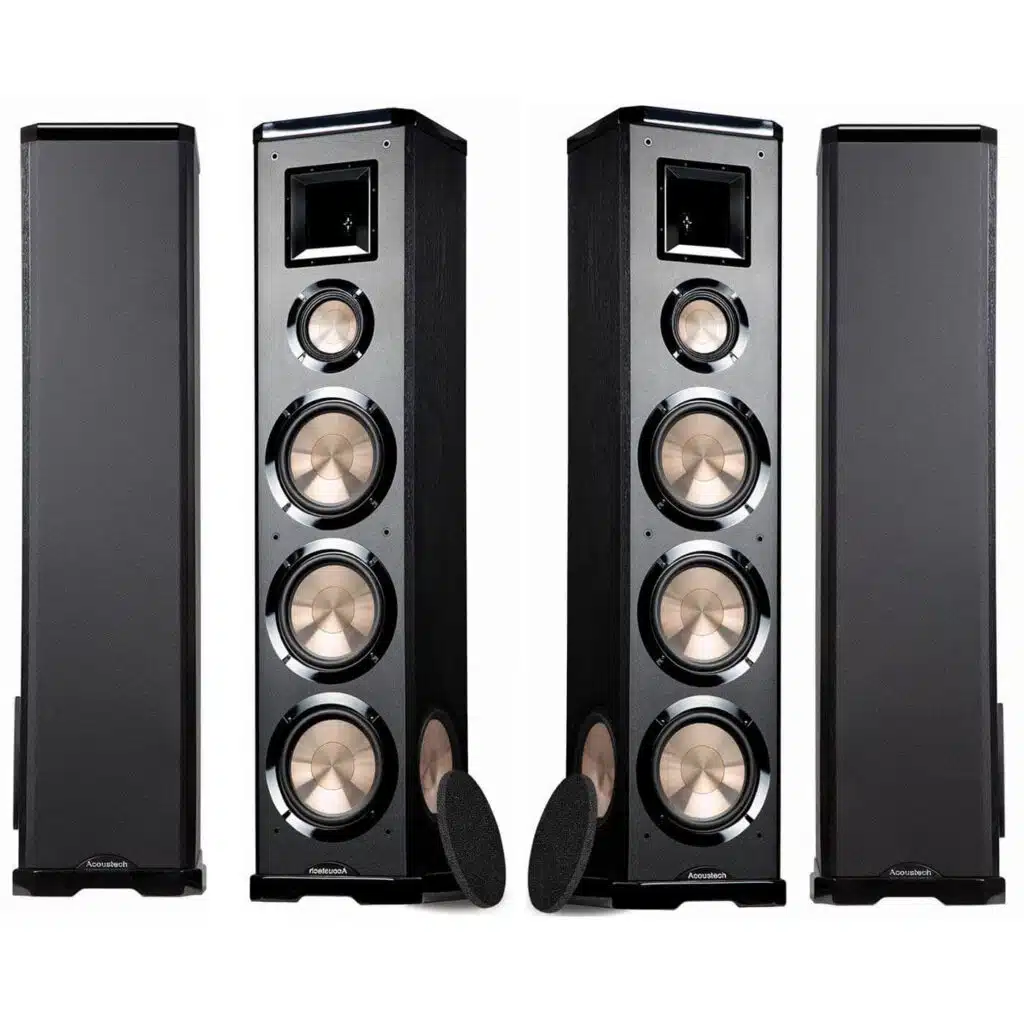
When diving into the world of floor-standing speakers, it’s essential to familiarize yourself with the technical specifications that determine their performance. These specifications provide insight into the speaker’s capabilities and help you select the right option for your audio needs. Knowing what to look for can ensure that you make a purchase that will enhance your listening experience.
One of the primary specifications to consider is the frequency response of the speakers. Frequency response refers to the range of frequencies that a speaker can reproduce, typically measured in hertz (Hz). Speakers with a wider frequency response can deliver a more comprehensive sound, capturing both deep bass and high treble. A typical frequency response for good quality floor-standing speakers ranges from around 20 Hz to 20 kHz, covering the entire audible spectrum for humans.
Key Specifications to Consider
Understanding other key specifications is also vital for evaluating floor-standing speakers. Below are some of the essential technical specifications you should consider:
- Sensitivity: This indicates how efficiently a speaker converts power into sound. Measured in decibels (dB), higher sensitivity ratings (above 90 dB) mean the speaker can produce more volume with less power, making them ideal for use with lower-powered amplifiers.
- Impedance: Impedance, measured in ohms, affects how much electrical resistance a speaker has. Most floor-standing speakers have an impedance of 4, 6, or 8 ohms. Lower impedance speakers draw more current from the amplifier, which can lead to better performance but may require compatible amplifiers to avoid damage.
- Power Handling Capabilities: This specification indicates how much power a speaker can handle. It is usually described in watts and is divided into two categories: RMS (Root Mean Square) for continuous power and peak power for short bursts. Adequate power handling prevents distortion and damage, ensuring that the speaker performs well even at high volumes.
- Driver Size and Material: The size and material of the drivers in floor-standing speakers significantly influence sound quality. Larger drivers (woofers) typically handle lower frequencies more efficiently, while smaller drivers (tweeters) excel in higher frequencies. Additionally, materials such as polypropylene, aluminum, or Kevlar can affect the tonal characteristics and clarity of the sound produced.
While evaluating these specifications, remember that they interconnect with one another and influence overall sound quality. For instance, a speaker with high sensitivity and appropriate impedance paired with a powerful amplifier can deliver an impressive audio experience.
“Matching your floor-standing speakers with compatible audio equipment is key to achieving optimal performance.”
Ultimately, understanding these technical specifications not only empowers you when making a purchase but also enhances your overall audio experience. By selecting floor-standing speakers that align with your preferences and needs based on these criteria, you’re setting yourself up for a more satisfying listening experience.
Setting up floor-standing speakers correctly can significantly enhance your listening experience.
Positioning floor-standing speakers is crucial for achieving optimal sound quality. The right setup can make a substantial difference in your overall audio experience, whether you’re enjoying music, watching movies, or gaming. This guide will help you navigate the best practices for speaker placement, the essential accessories to enhance performance, and common pitfalls to avoid.
Step-by-step guide to positioning floor-standing speakers
To maximize the listening experience, it’s important to carefully position your floor-standing speakers. Here’s a straightforward approach to help you achieve the best sound quality:
1. Choose the Right Room: Select a space with minimal ambient noise and good acoustics. Avoid corners and small rooms that can cause sound distortion.
2. Determine the Listening Area: Identify where you will typically listen from; this is your primary listening position.
3. Speaker Placement: Position your speakers at least a few feet away from walls to reduce unwanted reflections. Ideally, they should form an equilateral triangle with your listening position.
4. Height Adjustment: Ensure the tweeters are at ear level when seated. This can involve using stands if necessary.
5. Toe-In Angle: Angling the speakers slightly towards the listening position can enhance stereo imaging and detail.
6. Experiment and Adjust: Take the time to move the speakers around slightly while listening to familiar tracks, fine-tuning the placement for the best sound.
Essential equipment and accessories for optimal performance
Alongside floor-standing speakers, certain equipment and accessories can significantly improve audio quality. Here are some essential items to consider:
– Speaker Stands: Properly designed stands can enhance sound projection and improve aesthetics.
– Speaker Wire: Use quality speaker wire to ensure minimal signal loss. Aim for at least 16-gauge wire for longer runs.
– Isolation Pads: Placing isolation pads under your speakers can help minimize vibrations that distort sound.
– Room Acoustic Treatments: Consider adding acoustic panels or bass traps to control sound reflections and improve clarity.
– Receiver or Amplifier: A high-quality receiver or amplifier that matches the specifications of your speakers will enhance performance.
Common mistakes to avoid when setting up floor-standing speakers
When setting up floor-standing speakers, certain mistakes can hinder sound quality. Awareness of these pitfalls is essential for an optimal audio experience:
– Placing Speakers in Corners: Avoid positioning speakers too close to walls or in corners, as this can lead to bass boosting and overall imbalance in sound.
– Ignoring Room Acoustics: Neglecting the acoustics of the room can lead to poor sound quality. Be mindful of factors such as furniture and wall materials.
– Incorrect Height Positioning: Positioning speakers too high or too low can disrupt the sound balance. The tweeter should align with your ear level.
– Not Listening in Various Positions: Testing sound quality from different locations in the room can help find the best overall setup.
– Assuming All Wiring is Equal: Using inferior quality or damaged wiring can severely affect sound performance. Always invest in reliable wiring.
The impact of room acoustics on the performance of floor-standing speakers should not be overlooked.

The performance of floor-standing speakers is significantly influenced by the acoustics of the room in which they are placed. Factors such as room size, shape, and the materials used in construction can dramatically alter the sound quality and listening experience. Understanding these elements is critical for achieving optimal audio performance.
Room size and shape play a crucial role in how sound waves interact within the space. A larger room allows sound waves to expand and travel, which can enhance the depth and richness of the audio. Conversely, smaller rooms may cause sound waves to bounce off walls more frequently, leading to issues like echoes and muddiness. Additionally, the shape of the room affects how sound waves are distributed; for instance, a rectangular room may create standing waves that can emphasize certain frequencies, whereas a more irregularly shaped room might diffuse sound better.
Methods to improve room acoustics for better speaker performance
Improving room acoustics is essential to ensure that floor-standing speakers deliver the best sound possible. Here are several effective methods to enhance the acoustic quality of your listening environment:
1. Use of Acoustic Panels: These panels absorb sound waves and reduce reflections, helping to minimize echoes and improve clarity. They can be strategically placed on walls and ceilings, particularly in corners where sound tends to accumulate.
2. Rugs and Carpets: Incorporating rugs or carpets can help dampen sound reflections from hard floors. This is particularly useful in rooms with tile or hardwood flooring, which can cause sound to bounce excessively.
3. Furniture Placement: Arranging furniture can also impact sound quality. Sofas, chairs, and bookshelves can act as natural sound absorbers. Experimenting with their placement can help achieve a more balanced sound field.
4. Bass Traps: These specialized acoustic treatments are designed to absorb low-frequency sounds, which are often problematic in smaller spaces. Placing bass traps in corners can significantly reduce bass build-up and improve overall sound clarity.
5. Diffusers: Unlike absorbers, diffusers scatter sound waves. Using diffusers can help create a more even sound distribution in the room, making it feel more spacious and lively.
Improving room acoustics can transform the listening experience, allowing floor-standing speakers to perform to their full potential.
Effective use of sound treatment solutions with floor-standing speakers
To maximize the effectiveness of sound treatments in conjunction with floor-standing speakers, it’s essential to consider the following strategies:
– Strategic Placement of Speakers: The positioning of the floor-standing speakers significantly influences their performance. Ideally, speakers should be placed away from walls and corners, allowing them to breathe and produce a clearer sound.
– Listening Position: The ideal listening position should be equidistant from the speakers and not too close to reflective surfaces. This ensures that the sound waves reach the listener without excessive interference from reflections.
– Trial and Error: Room acoustics can vary greatly, so it’s beneficial to experiment with different configurations of acoustic treatment solutions. Moving panels or furniture, and adjusting speaker placement can lead to substantial improvements in sound quality.
– Consider Room Dimensions: Before implementing sound treatment solutions, take into account the dimensions of your room. Specific treatments may work better in certain shapes and sizes, making it crucial to tailor solutions to your space.
By understanding the impact of room acoustics and implementing effective treatment solutions, you can significantly enhance the performance of your floor-standing speakers, creating an enjoyable and immersive listening experience.
Exploring various use cases for floor-standing speakers can showcase their versatility.
Floor-standing speakers are often hailed as the centerpiece of any audio setup, but their capabilities extend far beyond simply playing music. Their design and engineering allow them to fill various roles in different environments, making them an excellent choice for numerous applications. Understanding the range of use cases for these audio giants can help you fully leverage their potential in your home.
Enhancing the Home Theater Experience
One of the most popular use cases for floor-standing speakers is within home theater systems. Their robust sound quality and ability to produce deep bass enhance the overall cinematic experience, providing a more immersive environment.
- Surround Sound Integration: When paired with surround sound setups, floor-standing speakers can deliver a more balanced audio experience by accurately reproducing dialogue, sound effects, and music, enveloping viewers in a rich soundscape.
- Dynamic Range: Floor-standing speakers excel in delivering a wide dynamic range. This means that whether it’s a whisper or an explosion, the audio remains clear and impactful, enhancing emotional engagement in movies.
- Enhanced Dialogue Clarity: With their larger drivers and advanced technology, these speakers provide improved clarity, making dialogue crisp and distinct even amidst complex soundtracks.
Improving Gaming Experiences
Gamers can also significantly benefit from the use of floor-standing speakers. The spatial accuracy and rich sound reproduction can create a more engaging and realistic gaming environment.
- Immersive Soundscapes: Many modern games are designed to utilize spatial audio, which allows floor-standing speakers to reproduce sounds that come from different directions, enhancing the feeling of being “inside” the game world.
- Enhanced Awareness: The fidelity of sound through floor-standing speakers allows gamers to hear subtle cues like footsteps or distant gunfire, which can provide a competitive edge in multiplayer settings.
- Vibrant Music Scores: Games often feature dynamic soundtracks that are integral to the gaming experience. High-quality sound from floor-standing speakers allows players to fully appreciate the intricacies of a game’s score, creating a more emotional connection to the gameplay.
The versatile nature of floor-standing speakers makes them an excellent investment for anyone looking to enhance their audio experience, whether for movies, gaming, or music.
The maintenance of floor-standing speakers is essential for longevity and performance.
Proper maintenance of floor-standing speakers not only enhances their lifespan but also ensures peak audio performance. Over time, dust, dirt, and general wear can affect sound quality, making regular upkeep crucial. By following some best practices for cleaning and preventative care, you can keep your speakers sounding great for years to come.
Regular maintenance practices for floor-standing speakers can prevent deterioration and address potential issues. Here are some key practices to consider:
Best Practices for Cleaning and Maintenance
Keeping your speakers clean is vital to their performance. Here are recommended cleaning practices:
– Dusting: Use a microfiber cloth to gently dust the surface of the speakers. This prevents dust accumulation, which can muffle sound.
– Vacuuming: Use a soft brush attachment on your vacuum to remove dust from speaker grilles and wood surfaces without scratching them.
– Wipe Down: Occasionally, use a damp cloth to wipe the cabinets, avoiding any harsh cleaning agents that could damage the finish.
– Avoid Direct Sunlight: Place speakers away from direct sunlight to prevent fading and heat damage to the components.
– Check Connections: Periodically inspect and clean the speaker wires and connections to ensure a secure and clean audio signal.
By adopting these practices, you enhance both the aesthetics and functionality of your floor-standing speakers.
Potential Issues and Troubleshooting
Despite proper maintenance, floor-standing speakers can encounter various issues. Being aware of these challenges and knowing how to address them can keep your audio experience uninterrupted.
– Distorted Sound: If you notice distortion, check your amplifier settings and speaker placement. Sometimes, speaker placement too close to walls can cause sound muddiness.
– Loss of Bass: This can be indicative of a blown driver or an issue with the crossover. Inspect for visible damage and consider professional repair if needed.
– Weak Connections: Loose wiring can lead to poor sound quality. Make sure all connections are tight and free from corrosion.
– Physical Damage: Inspect for dents or scratches. Minor cosmetic damage can often be repaired with touch-up paint or furniture polish, depending on the material.
Regularly monitoring these factors can help you identify potential problems before they escalate, ensuring a smoother audio experience.
Importance of Regular Checks and Updates
To maintain optimal sound quality, regular checks and updates are crucial. Here are key points to consider:
– Component Wear: Over time, components such as woofers and tweeters can wear out. Regular inspections help catch these issues early.
– Firmware Updates: For active speakers, keeping firmware updated can enhance functionality and sound quality.
– Calibration: Periodically recalibrating your speakers based on room acoustics can significantly improve audio performance.
– Environmental Factors: Changes in humidity and temperature can affect materials. Regular checks help mitigate adverse effects on speaker materials.
By integrating these practices into your maintenance routine, you can ensure that your floor-standing speakers remain in top-notch condition, providing a consistently immersive audio experience.
End of Discussion
In conclusion, floor-standing speakers not only provide outstanding sound quality, but they also serve as a stylish addition to any room’s decor. Their versatility and capacity to enhance various audio environments make them an essential component for audiophiles and casual listeners alike. By considering their setup, specifications, and maintenance, you can ensure these impressive speakers deliver an exceptional audio experience for years to come.
User Queries
What are the advantages of floor-standing speakers?
Floor-standing speakers generally offer better sound quality, greater power handling, and a fuller range of audio compared to smaller speakers.
Can floor-standing speakers be used for surround sound?
Yes, they can be integrated into a surround sound system, providing a rich audio experience in home theaters.
How do I choose the right floor-standing speakers for my room?
Consider the size of your room, your audio preferences, and the specifications of the speakers in terms of frequency response and power handling.
Do I need an amplifier for floor-standing speakers?
Most floor-standing speakers require an amplifier to drive them effectively, especially in larger setups.
How often should I maintain my floor-standing speakers?
Regular maintenance every few months, including cleaning and checking connections, is recommended to keep them performing well.