
 Zoe Nora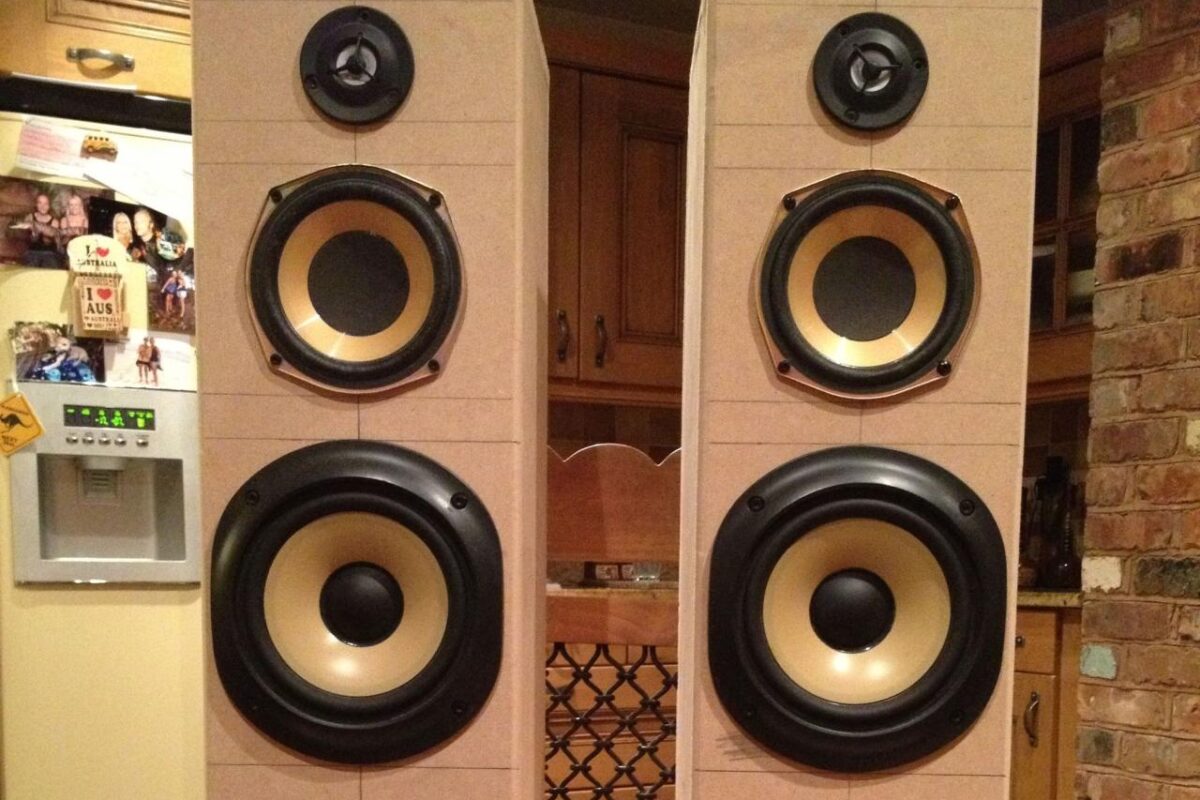
Tower speakers have carved a significant niche in the world of audio, transforming how we experience sound in our homes and beyond. These tall, stylish speakers not only serve as a statement piece in any room but also deliver an impressive sound performance that can elevate your listening experience to new heights.
From their humble beginnings, tower speakers have evolved tremendously over the decades, incorporating technological advancements that enhance their design and performance. Today, they boast sophisticated acoustic designs and features that cater to both audiophiles and casual listeners alike, making them a popular choice for home theaters and music lovers.
The History and Evolution of Tower Speakers
Tower speakers, also known as floor-standing speakers, have a rich history intertwined with the development of audio technology. Their origins can be traced back to the early 20th century when the first dynamic loudspeakers emerged, paving the way for more sophisticated audio reproduction. Initially, these speakers were large and bulky, primarily designed for public addresses and early home audio systems. With time, as consumer demand for high-fidelity sound increased, manufacturers began to refine designs, leading to the slim, elegant profiles we see today.
Over the decades, advancements in materials and technology have significantly influenced tower speaker designs. The introduction of new materials such as fiberglass, carbon fiber, and composite materials allowed for lighter, more durable enclosures that minimized distortion and improved sound quality. The development of digital signal processing (DSP) further revolutionized how audio was managed and produced, allowing for more accurate reproduction of sound across various frequencies. The transition from analog to digital audio systems also contributed to enhancements in clarity and detail, making it possible for tower speakers to deliver an immersive listening experience.
Key Milestones in Tower Speaker Evolution
The evolution of tower speakers can be mapped through several key milestones that underscore their advancement in both design and performance. Each of these milestones has made a lasting impact on sound quality and the overall listening experience.
1. Introduction of Dynamic Drivers: In the 1920s, the introduction of dynamic drivers marked a pivotal point, allowing for a more efficient conversion of electrical signals into sound waves, which set the foundation for modern speaker technology.
2. Acoustic Suspension Design: The 1960s saw the rise of acoustic suspension designs, which improved bass response and overall sound fidelity. This innovation allowed for smaller speaker cabinets while still delivering deep bass.
3. Thinner, Lighter Materials: The late 1980s and early 1990s brought about the use of advanced materials. Manufacturers began utilizing lighter, non-resonant materials for speaker construction, enabling enhanced sound clarity and reduced coloration.
4. Integration of Digital Signal Processing: With the onset of the 2000s, the integration of DSP technology allowed for greater control over audio performance, enabling users to customize sound profiles and optimize speaker performance for different environments.
5. Smart Speaker Technology: Recently, the advent of smart technology has revolutionized tower speakers, incorporating features such as wireless connectivity, voice control, and compatibility with smart home systems, thus enhancing user experience.
“The evolution of tower speakers has not only redefined sound quality but has also transformed how we interact with audio technology.”
Key Features of Modern Tower Speakers
Modern tower speakers are designed to deliver high-quality audio performance, embodying various essential components that elevate the listening experience. These speakers not only serve as aesthetic additions to your home but also fulfill the critical role of providing immersive sound. With advancements in technology, modern tower speakers feature improved driver configurations, enhanced frequency response, and robust power handling capabilities, making them a popular choice for audiophiles and casual listeners alike.
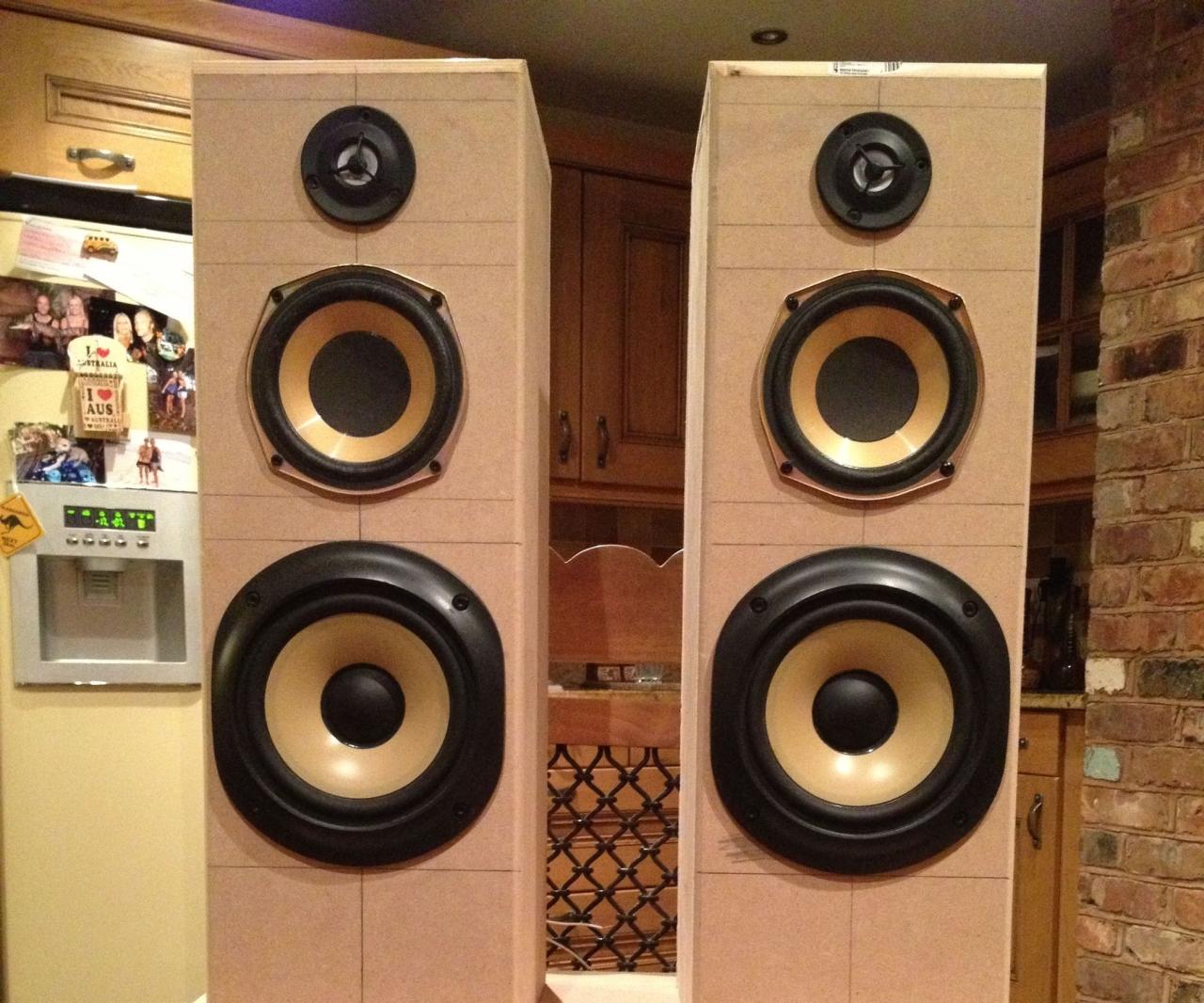
Driver configuration is a crucial element in determining the sound quality of tower speakers. Typically, these speakers incorporate multiple drivers, including woofers, midrange, and tweeters, each designed to handle specific frequency ranges. This arrangement allows for a broader sound spectrum, with woofer cones delivering powerful bass, midrange drivers reproducing vocals and instrumentals accurately, and tweeters providing crisp highs. The combined effect creates a more balanced and detailed audio experience, essential for enjoying various music genres and movie soundtracks.
Frequency Response and Power Handling
Frequency response is another significant feature of modern tower speakers, referring to the range of frequencies that a speaker can reproduce effectively. A wider frequency response typically means a more accurate sound reproduction, allowing listeners to hear all the nuances in their music. For instance, a speaker with a frequency response of 20 Hz to 20 kHz is capable of handling deep bass notes and high treble sounds, creating a full-spectrum listening experience.
Power handling indicates the maximum amount of power a speaker can handle without distortion or damage. This is usually measured in watts and is critical for ensuring that the speaker can perform at high volumes without sacrificing sound quality. Tower speakers can range from around 50 to over 300 watts, with higher wattage often translating to greater headroom and the ability to produce louder sound levels without distortion.
Comparison of Passive and Active Tower Speakers
Understanding the differences between passive and active tower speakers is essential when selecting the right option for your audio setup. Passive tower speakers require an external amplifier to power them, allowing for greater customization and flexibility in terms of audio equipment. Users can choose amplifiers that match their sound preferences and upgrade components over time.
Active tower speakers, on the other hand, come with built-in amplifiers tailored specifically for the speaker’s drivers. This design simplifies the setup process, as users can connect directly to a power source without needing additional amplification. Additionally, active speakers often include advanced features like integrated digital signal processing (DSP), which can enhance sound quality and create a more personalized listening experience.
Both options have their advantages. Passive speakers generally offer more versatility for audiophiles looking to build a custom setup, while active speakers provide convenience and ease of use, perfect for those who want a straightforward plug-and-play experience. Ultimately, the choice between passive and active tower speakers will depend on individual preferences and listening environments.
Understanding the Acoustic Design of Tower Speakers
Acoustic design plays a pivotal role in shaping the sound quality and performance of tower speakers. By focusing on the principles of sound projection, cabinet materials, and speaker placement, one can truly appreciate the engineering that goes into creating an immersive audio experience.
The principles of acoustic design are founded on the interaction of sound waves with their environment. Tower speakers are typically designed to optimize the direction and dispersion of sound. Key elements include driver placement, crossover frequencies, and the overall shape of the cabinet. The drivers, or speakers themselves, are strategically aligned to project sound in a way that fills the room evenly.
In this context, the design often incorporates multiple drivers, each responsible for different frequency ranges, such as woofers for bass and tweeters for high frequencies. This division allows for better clarity and a wider frequency response, enhancing the listening experience. Additionally, many tower speakers utilize bass reflex ports or sealed enclosures to manage low-frequency output, leading to a richer sound.
Importance of Cabinet Materials
The cabinet material of a tower speaker significantly affects its acoustic performance. Different materials influence resonance and sound quality, contributing to the overall tonal characteristics. Common materials include MDF (Medium Density Fiberboard), plywood, and even hardwoods. Each has its own properties that impact sound reproduction.
MDF is favored for its density and ability to reduce unwanted vibrations, resulting in clearer sound. Plywood, while lighter, can provide a more dynamic resonance that some audiophiles prefer. The thickness of the material also plays a crucial role; thicker panels tend to minimize resonance, which can lead to cleaner sound reproduction.
Using high-quality internal bracing further enhances cabinet rigidity, reducing distortion and improving sound accuracy. The choice of finish can also affect acoustics; high-gloss finishes may reflect sound differently than matte finishes, impacting the soundstage and clarity.
Influence of Speaker Placement
The placement of tower speakers in a room is essential for achieving optimal audio performance. Positioning affects how sound waves interact with walls, furniture, and other surfaces, ultimately shaping the listening experience.
Speaker placement should consider both distance from the walls and height relative to the listener’s ears. Ideally, tower speakers should be positioned at least a few feet away from the back wall to avoid muddiness caused by reflected sound waves.
In addition, elevating the speakers to ear level can improve clarity and imaging, as it allows sound to travel directly to the listener without interference. When setting up speakers, experimenting with different placements can reveal significant changes in soundstage and bass response.
Overall, understanding the acoustic design principles and considering cabinet materials and speaker placement can lead to a more enriching audio experience with tower speakers.
Choosing the Right Tower Speakers for Your Space
Selecting the perfect tower speakers for your home can greatly enhance your audio experience. The choice depends not only on sound quality but also on your room size and layout, which influence the acoustic response. Understanding these factors will help ensure your new speakers fit seamlessly into your environment while providing optimal performance.
When considering which tower speakers to purchase, it’s essential to evaluate your space. Larger rooms typically benefit from speakers that can deliver more power and a wider frequency range. Conversely, smaller rooms might require more compact models that fit without overwhelming the space. Additionally, the speaker placement can significantly impact sound quality. For instance, placing speakers too close to walls can lead to muddled bass, while keeping them at least a foot away from walls allows for better sound dispersion.
Room Size and Speaker Characteristics
The characteristics of different brands and models play a significant role in how well they perform in various environments. When choosing speakers, consider the following attributes:
- Power Handling: Measured in watts, this indicates how much power the speaker can handle. Higher wattage is often needed for larger rooms to fill the space adequately.
- Frequency Response: A wider frequency range (e.g., 20Hz – 20kHz) allows for better reproduction of bass and treble, enhancing overall sound quality.
- Impedance: Typically rated at 4, 6, or 8 ohms, impedance affects how speakers interact with your amplifier. Ensure compatibility for optimal performance.
- Driver Configuration: Speakers with multiple drivers, such as woofers and tweeters, provide a richer sound experience and better audio clarity.
Budget and aesthetic preferences also influence your selection. Tower speakers come in various designs, from sleek modern styles to traditional wooden finishes. Finding a style that complements your home decor is crucial for both aesthetics and functionality. Moreover, assessing your budget will help narrow down choices without compromising on sound quality. It’s advisable to set a budget that allows for flexibility; for instance, investing a bit more in a reputable brand often results in superior performance and longevity.
Compatibility with other audio equipment is another vital consideration. Ensure the tower speakers you choose will work harmoniously with your existing sound system, such as receivers and subwoofers. Brands like Klipsch, Polk Audio, and Sonos offer excellent options known for their sound quality and compatibility with various setups. By taking these factors into account, you can select the right tower speakers that not only enhance your audio experience but also fit perfectly into your living space.
Maintenance Tips for Tower Speakers
Maintaining your tower speakers is essential for ensuring their longevity and optimal performance. By following a few best practices, you can keep your audio equipment in top shape, allowing you to enjoy crisp, clear sound for years to come. Here are some practical tips for maintaining your tower speakers.
Regular Cleaning
Keeping your tower speakers clean is vital to avoid dust and debris buildup, which can affect sound quality and even damage components over time. Regular cleaning will help maintain the appearance and functionality of your speakers.
Start by dusting your speakers with a soft, dry microfiber cloth. Ensure that you avoid any abrasive materials that could scratch the surface. For deeper cleaning, you can lightly dampen the cloth with water or a mild electronics cleaner, making sure not to let any liquid seep into the speaker components. Pay special attention to the driver and grille areas, as they tend to collect dirt.
Furthermore, it’s advisable to check and clean the speaker connections periodically. Loose or corroded connections can lead to poor sound quality or even no sound at all. Use a contact cleaner spray on connectors and terminals, ensuring they are properly secured after cleaning.
Troubleshooting Common Issues
Even with regular maintenance, tower speakers may encounter common issues. Knowing how to troubleshoot these problems can save you time and money.
Start with the basics: if your speakers produce no sound, check to ensure they are properly connected to the audio source. Verify that the source device is functioning and that the volume is turned up. If there’s distortion or crackling, it could be due to damaged cables or connections. Replacing or tightening cables can often resolve these issues.
Another common problem is speaker imbalance, where one speaker sounds louder than the other. This can be addressed by checking the balance settings on your audio source or ensuring that both speakers are set up symmetrically within the room.
In case of low bass response, consider adjusting the crossover settings on your receiver or checking the placement of your speakers. Sometimes, moving them closer to walls or corners can enhance bass output.
Regular maintenance along with prompt attention to troubleshooting can make a significant difference in the performance and lifespan of your tower speakers.
Popular Brands and Models of Tower Speakers
Tower speakers are a staple in the world of audio equipment, providing exceptional sound quality and an immersive listening experience. Several reputable brands have established themselves in this market, each offering unique features and technologies that cater to audiophiles and casual listeners alike. This discussion will focus on some of the leading brands and their flagship tower speaker models, highlighting what sets them apart in terms of technology, design, and user satisfaction.
Leading Brands in Tower Speakers
Several brands are notable in the tower speaker market, each with specific models that have garnered acclaim from both users and experts. Here’s a comparison of some prominent brands and their flagship tower speakers:
- Klipsch
The Klipsch RP-8000F is renowned for its dynamic sound and superior build quality. It features a Tractrix horn for improved high-frequency response and dual 8-inch woofers for deep bass. Users praise its vibrant sound and ability to fill large rooms easily.
- Bowers & Wilkins
The B&W 603 S2 stands out for its elegant design and high-fidelity sound. Its 3-way speaker configuration provides a broad frequency range, and its use of Continuum cone technology enhances clarity. Expert reviews often highlight its audiophile-grade quality at a competitive price point.
- Paradigm
The Paradigm Prestige 95F is celebrated for its exceptional soundstage and bass response. This model employs innovative technologies like the Active Ridge Technology and Room Correction to adapt to any environment. Users frequently mention its clarity and depth across genres.
- Polk Audio
The Polk Audio Signature Series S55 is known for delivering excellent value without compromising on performance. With its Dynamic Balance technology and easy-to-drive design, it appeals to a wide audience. Users appreciate its balance across bass, midrange, and treble frequencies.
- Monitor Audio
The Monitor Audio Silver 300 is recognized for its sleek design and precise sound reproduction. Featuring a 3-way design with a ribbon tweeter, it provides stunning detail and dynamics. Reviews highlight its performance for both music and home theater setups.
“The clarity and dynamic range of these tower speakers can transform your listening experience, making them a worthy investment for any audio enthusiast.”
When discussing brand reputation, Klipsch often receives accolades for its robust build and lively sound signature, while Bowers & Wilkins is praised for its sophisticated aesthetic and audiophile-grade performance. User reviews frequently highlight the value offered by Polk Audio’s products, especially for those on a budget. Overall, these brands have demonstrated a commitment to quality, innovation, and user satisfaction, solidifying their positions in the competitive world of tower speakers.
Integrating Tower Speakers into a Home Theater System
Integrating tower speakers into a home theater system can significantly enhance the audio experience, providing rich sound and deep bass that makes movies and music come alive. These speakers are designed to deliver high-quality sound, making them an excellent choice for both casual viewers and audiophiles. Proper incorporation of tower speakers not only elevates your sound quality but also enriches the entire home theater atmosphere.
When incorporating tower speakers into a home theater setup, positioning and configuration are crucial. Start by placing the tower speakers at least a few feet away from the walls to reduce unwanted reflections that can muddle sound clarity. Ideally, the speakers should be positioned at ear level when seated, with the speaker’s tweeters aiming directly at the listening area. This ensures that the high frequencies, which can easily disperse, reach the audience effectively. In a surround sound system, the front left and right tower speakers create a broad soundstage and should be aligned symmetrically with the screen, allowing for immersive sound from all directions.
Ideal Configurations for Surround Sound Systems Using Tower Speakers
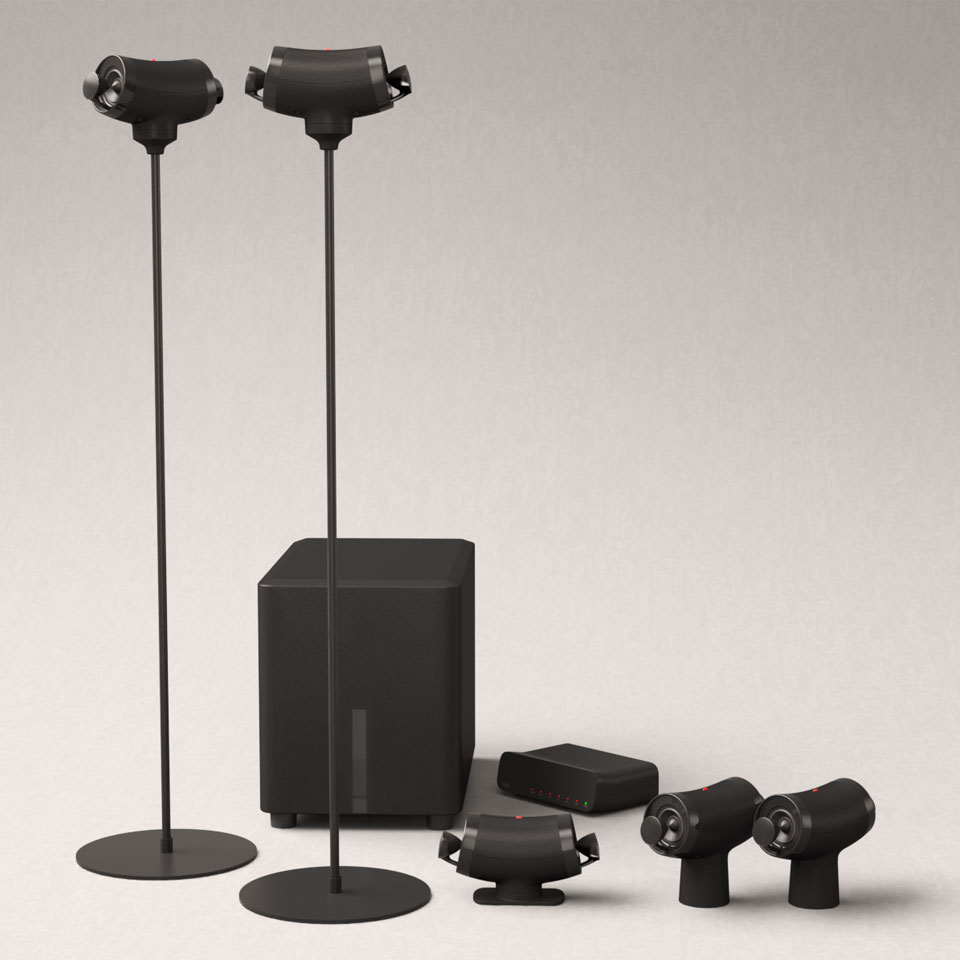
The most effective surround sound setup typically involves multiple speaker types working in harmony. For a tower speaker system, a common configuration is a 5.1 or 7.1 surround sound arrangement. In a 5.1 setup, two tower speakers serve as the front left and right channels, a center channel speaker is placed above or below the screen for dialogue clarity, two surround speakers are positioned beside or behind the listener, and a subwoofer handles low-frequency effects.
For those looking to enhance the auditory experience, a 7.1 setup adds two additional surround speakers, usually to the sides or rear, providing a more enveloping sound environment. Here’s a breakdown of the typical speaker placement in such configurations:
- Front Left: Tower Speaker positioned to the left of the screen
- Front Right: Tower Speaker positioned to the right of the screen
- Center Channel: Placed directly above or below the screen
- Surround Left: Placed to the left side of the listening area
- Surround Right: Placed to the right side of the listening area
- Subwoofer: Ideally in a corner or along a wall for optimal bass response
- Optional Surround Back Left/Right: Placed behind the listening area in a 7.1 setup
Mixing tower speakers with other types of speakers, such as bookshelf or satellite speakers, can provide a versatile audio experience. Tower speakers typically excel in delivering robust bass and detailed sound reproduction, while smaller speakers can fill in the gaps, especially in high-frequency ranges. This combination allows for a richer, more balanced sound profile, making it easier to achieve the desired audio signature tailored to your preferences. For instance, using bookshelf speakers as surround channels can help maintain a cohesive soundstage while keeping the overall aesthetic clean and appealing.
Moreover, consider utilizing a receiver with room calibration features, which can automatically adjust levels and timing to optimize performance across different speaker types. This ensures that regardless of the configuration, the sound remains immersive and engaging, providing the ultimate home theater experience.
The Future of Tower Speakers
As technology continues to advance at an unprecedented pace, the future of tower speakers is set to be both exciting and transformative. Innovations in audio engineering, materials, and connectivity are shaping the new generation of tower speakers, making them more versatile and user-friendly than ever before. With a focus on enhanced sound quality and smart features, these speakers are evolving to meet the demands of modern consumers.
One of the most significant trends in the realm of tower speakers is the integration of wireless technology. This shift is not just about removing wires; it’s about creating a seamless audio experience. Upcoming models are expected to leverage advanced wireless standards like Wi-Fi 6 and Bluetooth 5.0, allowing for high-fidelity audio streaming with minimal latency. Features such as multi-room audio support and voice control compatibility are becoming standard, enabling users to easily integrate their speakers into smart home environments.
Emerging Trends and User Preferences
The design and functionality of future tower speakers are heavily influenced by user preferences and lifestyle changes. Contemporary consumers are seeking products that not only deliver exceptional sound quality but also fit aesthetically into their living spaces. This has led to the exploration of various finishes and styles, from sleek modern designs to classic wood veneers, ensuring that these speakers complement any home decor.
Moreover, advancements in smart features are taking center stage. Consumers increasingly demand intuitive interfaces, such as touch controls and smartphone apps that provide customization options and equalization settings. Additionally, the incorporation of artificial intelligence is paving the way for personalized sound experiences. For instance, some upcoming models may automatically adjust their sound profile based on the user’s listening habits or the acoustics of the room.
With sustainability in mind, manufacturers are also exploring eco-friendly materials and energy-efficient technologies. For example, the use of recycled plastics and sustainable wood sources is becoming more prevalent, reflecting a growing consumer interest in environmentally responsible products.
In summary, the future of tower speakers is characterized by a blend of advanced technology, user-centric design, and sustainability. As manufacturers respond to evolving consumer preferences, we can expect a new wave of tower speakers that not only deliver superb sound but also enhance the overall audio experience in our homes.
Last Word
In summary, tower speakers represent a blend of history, technology, and design, making them a worthy investment for anyone looking to upgrade their audio system. Whether you’re selecting the right model for your space or exploring the latest innovations, understanding the nuances of tower speakers will help you make informed decisions for an unparalleled sound experience.
FAQ Corner
What are tower speakers used for?
Tower speakers are primarily used for home audio systems, providing high-quality sound for music, movies, and gaming.
Do tower speakers require an amplifier?
Passive tower speakers require an external amplifier, while active tower speakers come with built-in amplification.
Can tower speakers be used in small rooms?
Yes, but it’s essential to consider their size and power to avoid overwhelming the space. Proper placement can optimize sound quality.
How do I clean my tower speakers?
Use a soft, dry cloth to gently wipe the surfaces. Avoid using harsh chemicals that can damage the finish.
Are tower speakers better than bookshelf speakers?
It depends on the space and preferences. Tower speakers generally provide deeper bass and a fuller sound, while bookshelf speakers are more compact.