
 Zoe Nora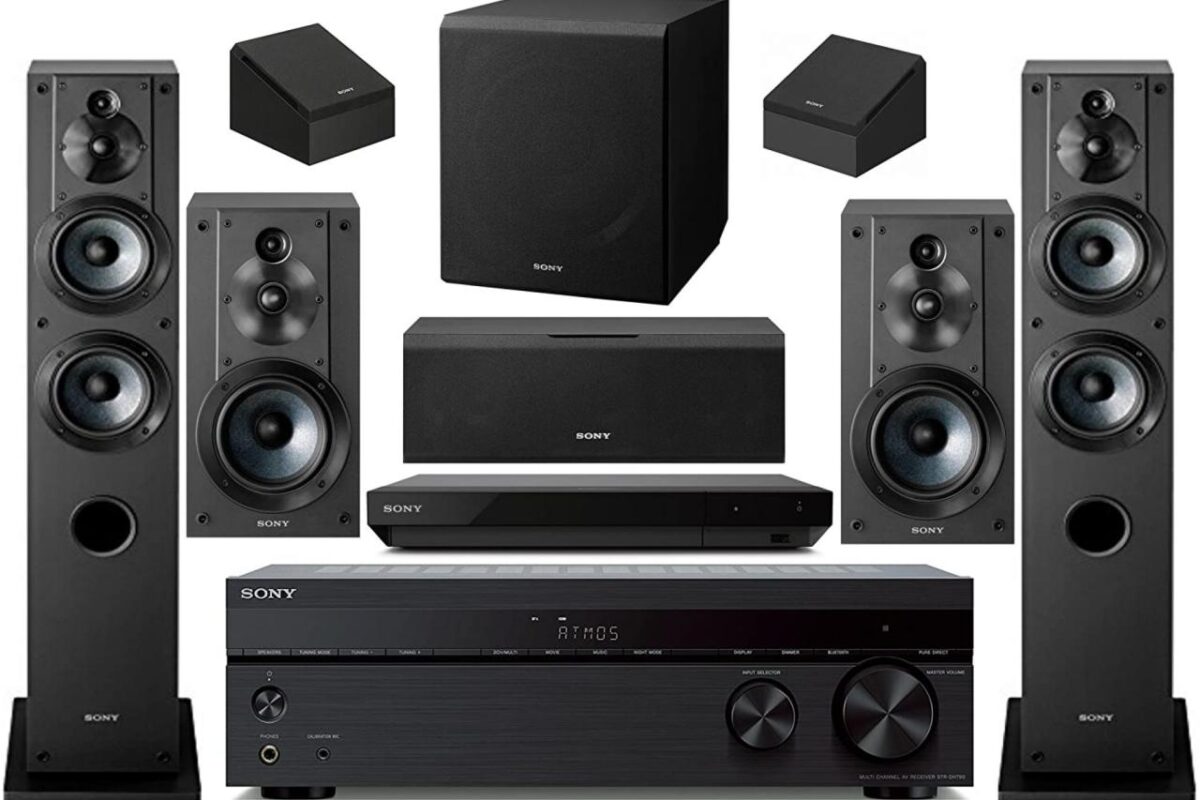
Sound system for home has become a vital component in creating an immersive entertainment experience. Whether you’re watching a gripping movie, listening to your favorite album, or diving into an exhilarating video game, the quality of sound can significantly alter the way you engage with content. A well-designed sound system transforms ordinary moments into extraordinary experiences, allowing you to feel every note and every explosion as if you were right in the middle of the action.
In today’s market, there are various options available that cater to different preferences and budgets. From sleek soundbars to powerful surround sound setups, each type of sound system offers unique advantages that can elevate your home entertainment. Understanding these systems and their features is essential for anyone looking to enhance their listening experience, making it crucial to explore what options are out there and how they fit into your lifestyle.
The Importance of a Quality Sound System for Home Entertainment
A quality sound system is essential for elevating the home entertainment experience, making it more immersive and engaging. Whether you are watching a movie, listening to music, or playing video games, the sound quality can dramatically enhance your enjoyment. The right sound system not only delivers clear audio but also creates an atmosphere that pulls you into the action, making every moment feel more alive.
The impact of sound quality on movie watching and music listening is profound. When you immerse yourself in a film, the sound effects, dialogue, and music all contribute to the storytelling. High-quality speakers can reproduce sounds with clarity and depth, allowing you to hear every whisper, explosion, or musical note as intended by the creators. For instance, a surround sound system can simulate the experience of being in a cinema, where sounds come from different directions, enveloping you in the narrative. In music listening, a superior sound system can bring out subtle nuances in recordings, making you feel as if the artists are performing right in your living room. It allows for a richer emotional connection with the music, enhancing your overall enjoyment.
Impact on Gaming Experiences
The influence of a good sound system on gaming experiences cannot be overstated. An immersive audio environment can make games feel more lifelike and engaging. With advanced sound systems, gamers can experience directional audio, allowing them to hear sounds from specific directions, which is crucial for gameplay. This can be especially important in competitive gaming, where knowing the location of opponents can make the difference between winning or losing.
Consider the following aspects of how sound systems enhance gaming:
- Enhanced Immersion: High-fidelity sound systems create an environment where players feel as if they are part of the game world, providing a more realistic experience.
- Directional Sound: The capability to perceive sounds based on direction helps players react quickly to in-game events, improving their performance.
- Emotional Engagement: A well-tuned audio system can heighten emotional moments in games, making story-driven titles more impactful and memorable.
In conclusion, investing in a quality sound system greatly enhances your home entertainment experience across movies, music, and gaming. It transforms ordinary moments into extraordinary experiences, allowing you to appreciate every detail of your favorite media.
Different Types of Home Sound Systems Available
Home sound systems play a crucial role in enhancing our audio-visual experiences, whether it’s for movies, music, or gaming. With the variety of options available, choosing the right sound system can significantly impact your enjoyment. In this discussion, we will explore the different types of sound systems found in homes today, each with its unique features, benefits, and drawbacks.
Soundbars
Soundbars are compact speakers designed to deliver high-quality audio in a sleek, space-saving format. Typically, they are placed below the television and can significantly improve sound clarity compared to built-in TV speakers.
- Features:
- Integrated subwoofers for enhanced bass.
- Multiple connectivity options, including Bluetooth and HDMI ARC.
- Often come with built-in virtual surround sound technology.
- Benefits:
- Easy to install and set up, often requiring minimal wiring.
- Space-efficient design, ideal for smaller living areas.
- Generally more affordable than traditional surround sound systems.
- Pros:
Compact design without sacrificing sound quality.
- Cons:
Limited surround sound experience compared to multi-speaker systems.
Surround Sound Systems
Surround sound systems provide a multi-dimensional audio experience by utilizing multiple speakers placed around the room. This configuration creates an immersive sound environment, especially for movies and video games.
- Features:
- Multiple speaker channels (typically 5.1 or 7.1 systems).
- Dedicated subwoofer for deep bass sounds.
- Advanced audio processing technologies for an enhanced experience.
- Benefits:
- Creates a theater-like experience at home.
- Can be tailored to specific room acoustics for optimal sound.
- Supports high-definition audio formats.
- Pros:
Unmatched immersive audio quality for movies and games.
- Cons:
Can be expensive and requires more space and setup time.
Wireless Speakers
Wireless speakers offer flexibility and convenience for home audio setups. They connect via Wi-Fi or Bluetooth, allowing music streaming from smartphones, tablets, or other devices without the clutter of cables.
- Features:
- Portable and easy to move around the house.
- Multi-room capabilities to play music in different areas simultaneously.
- Integration with smart home systems for voice control.
- Benefits:
- Great for outdoor use or in spaces where wiring is impractical.
- Easy to set up and connect across various devices.
- Often supports streaming services, enhancing music accessibility.
- Pros:
Convenience and flexibility for varied listening experiences.
- Cons:
Battery life limitations and potential connectivity issues.
Home Theater Systems
Home theater systems combine various audio equipment, including speakers, receivers, and sources, to replicate the cinematic experience in the comfort of one’s living room.
- Features:
- High-definition AV receivers for audio and video management.
- Combination of floor-standing or bookshelf speakers for rich sound.
- Integration with smart TVs and video streaming devices.
- Benefits:
- Enables full control over audio and video settings.
- Offers high fidelity for movie watching and music listening.
- Can be expanded with additional equipment as desired.
- Pros:
Exceptional customization options for tailored audio experiences.
- Cons:
May require significant investment and technical knowledge for setup.
Key Features to Look for When Choosing a Sound System
When it comes to selecting the ideal sound system for your home, understanding the features that enhance both performance and usability is essential. Investing in a sound system should not only cater to your audio preferences but also integrate seamlessly with your lifestyle and existing devices. Here are some key features to consider that will elevate your listening experience.
Must-Have Features for Home Sound Systems
When choosing a sound system, certain features stand out as critical for optimal performance. These include sound quality, design, and versatility. The following points highlight these important features:
- Audio Quality: The clarity and depth of sound produced are paramount. Look for systems with high wattage and advanced technologies like Dolby Atmos or DTS:X for immersive audio experiences.
- Sound Configuration: Systems that offer multiple configuration options, such as 2.1, 5.1, or even 7.1 setups, provide flexibility in sound setup according to room size and layout.
- Design: A sound system should fit aesthetically into your home space. Systems with sleek, modern designs can serve as both functional and decorative pieces.
Significance of Connectivity Options
Connectivity options are vital for ensuring your sound system can easily integrate with your devices. The following connectivity features are essential for modern sound systems:
- Bluetooth: This wireless option allows for easy pairing with smartphones, tablets, and laptops, enabling seamless streaming of music and audio.
- Wi-Fi: Wi-Fi connectivity permits streaming from various online services and supports multi-room audio setups, allowing you to play different audio in various rooms simultaneously.
- HDMI: HDMI ports facilitate the connection of your sound system to other devices like televisions and gaming consoles, ensuring high-quality audio transmission without loss.
Checklist of Features for Enhanced User Experience
An ideal sound system should not only deliver high-quality audio but also enhance the overall user experience. Here’s a checklist of features to consider before making a purchase:
- Smart Features: Integration with smart home systems allows control via voice commands or smartphone apps, adding convenience to your audio experience.
- Equalizer Settings: Customizable equalizer settings let users adjust sound profiles according to personal preferences or specific audio types.
- Remote Control: A user-friendly remote or mobile app enhances ease of use, making it simple to adjust settings without getting up.
- Subwoofer: A dedicated subwoofer can significantly improve bass response, adding depth and richness to music and movie soundtracks.
- Multi-Room Capability: The ability to connect multiple speakers throughout your home creates a cohesive audio experience and allows for syncing music across different areas.
“Selecting a sound system with the right features transforms your listening experience, ensuring you get the most out of your audio investment.”
Setting Up a Home Sound System for Optimal Performance
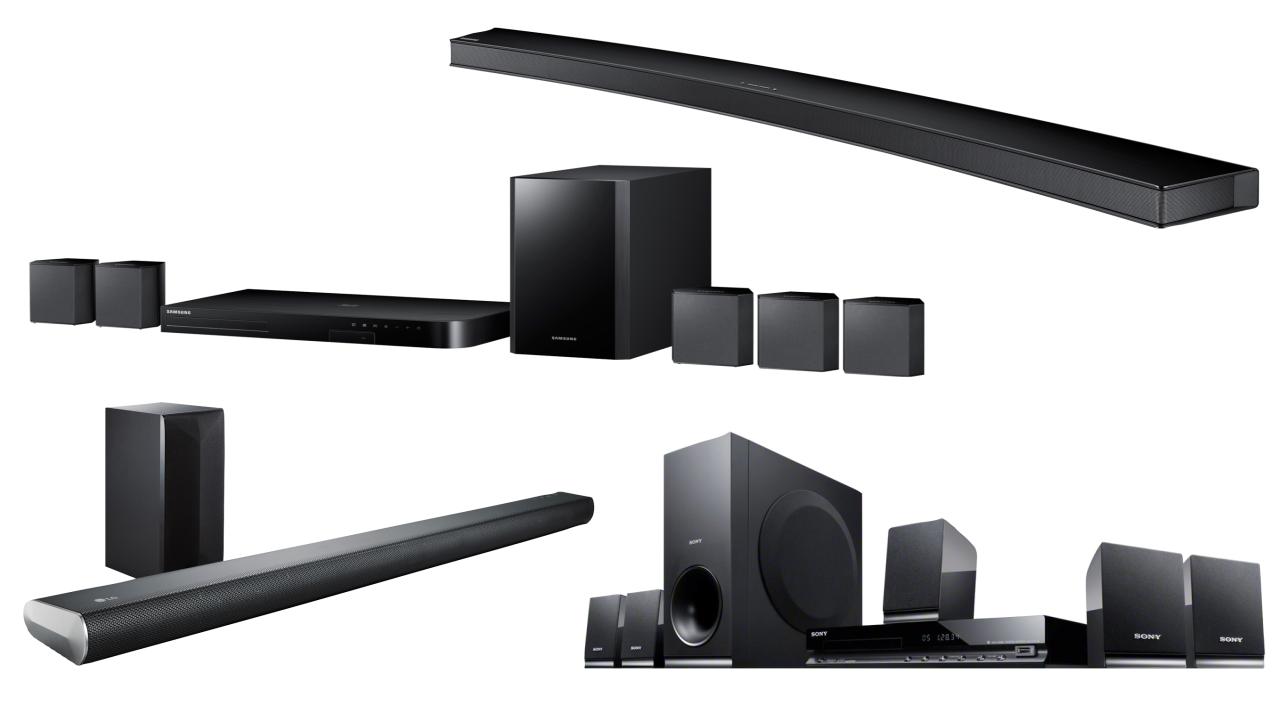
Setting up a home sound system requires careful planning and execution to achieve the best audio experience. The right setup enhances sound quality, allows for immersive listening, and complements your home environment. Understanding the basics of speaker placement, room acoustics, and avoiding common pitfalls can elevate your sound system to a whole new level.
Step-by-Step Guide for Setup
To ensure optimal performance of your home sound system, follow these key steps during the setup process:
1. Choose the Right Equipment: Begin by selecting components that suit your listening preferences. This includes speakers, amplifiers, and source devices such as music players or streaming devices. Ensure compatibility among all components to avoid sound quality issues.
2. Assess the Room Dimensions: Measure the dimensions of your room to understand the acoustic properties. A larger room may require different speaker types and configurations compared to a smaller space.
3. Designate a Listening Area: Identify the primary listening spot, which is typically where you will be most often seated or standing while enjoying audio. This will help determine where to place the speakers.
4. Position the Speakers: Arrange your speakers based on a few guiding principles. Front speakers should generally be placed at ear level and angled towards the listening area. Surround speakers should be positioned slightly above ear level, ideally at a 110-120 degree angle from the front speakers.
5. Connect the Components: Use high-quality cables to connect your components. Poor connections can lead to signal loss and degraded sound quality. Make sure to securely connect all inputs and outputs.
6. Test the Sound: Play a variety of music genres to assess the sound quality. Make adjustments to the speaker placement based on what sounds best in your specific environment.
Speaker Placement and Room Acoustics
Proper speaker placement is essential for achieving balanced sound. The following tips can enhance your setup:
– Distance from Walls: Speakers should be placed at least a foot away from walls to reduce unwanted reflections and bass buildup, which can muddy sound quality.
– Symmetrical Arrangement: Position speakers symmetrically around the listening area to achieve a balanced soundstage. Avoid placing speakers in corners, as this can lead to an uneven audio experience.
– Consider Room Dimensions: The size and shape of the room significantly influence sound quality. Odd-shaped rooms may require additional sound treatments like acoustic panels to minimize echoes and enhance clarity.
Optimal speaker placement can dramatically improve audio performance, making the listening experience more enjoyable and immersive.
Common Mistakes to Avoid
While setting up your sound system, being mindful of common mistakes can prevent audio issues down the line. Here are some pitfalls to avoid:
– Ignoring Room Acoustics: Underestimating the impact of room acoustics can lead to poor sound quality. Consider using rugs, curtains, and soft furnishings to absorb sound and minimize reflections.
– Overloading the System: Using equipment that exceeds the capabilities of your speakers or amplifiers can result in distortion or damage. Always match components within their specified limits.
– Neglecting Calibration: Failing to calibrate your system can result in suboptimal sound quality. Use any built-in calibration tools or manual adjustments to ensure balanced output across all speakers.
Proper calibration and avoiding overloading your sound system are key to achieving the best audio experience.
By carefully following these steps and being mindful of placement and room acoustics, you can significantly enhance your home sound system’s performance, creating an audio environment that immerses and delights.
Budgeting for a Home Sound System
Investing in a home sound system can significantly enhance your entertainment experience. However, understanding how to budget effectively for this purchase is crucial. Various factors play a role in determining the cost, from the type of system you choose to the features you desire. This guide will help you navigate your options and budget accordingly, ensuring you make an informed decision that suits your financial situation.
Cost Breakdown of Sound Systems
When budgeting for a home sound system, it’s essential to understand the cost associated with different options. Here’s a general breakdown of what you might expect to spend:
- Entry-Level Systems: These systems typically range from $200 to $600 and are suitable for casual listeners. They provide decent audio quality but may lack advanced features such as surround sound or wireless connectivity.
- Mid-Range Systems: Priced between $600 and $1,500, these systems offer a better audio experience with more features, including enhanced surround sound, wireless capabilities, and higher-quality components.
- High-End Systems: These systems can cost anywhere from $1,500 to $10,000 or more. They often include top-of-the-line speakers, advanced audio processing, and premium build quality, catering to audiophiles and serious home theater enthusiasts.
Investing in a sound system requires careful consideration of your audio preferences and budget limits.
Comparison of Budget-Friendly Systems and High-End Models
When evaluating budget-friendly systems versus high-end models, consider the performance and features that each category offers. Budget systems may suffice for everyday use, while high-end models excel in delivering immersive audio experiences.
- Performance: High-end systems typically boast superior sound fidelity, clarity, and depth. For instance, a high-end sound system may feature advanced technologies like Dolby Atmos, providing three-dimensional sound that budget systems cannot match.
- Features: Budget systems often lack smart features such as streaming capabilities or app integration. In contrast, high-end models usually come equipped with these options, allowing for seamless control and flexibility in playback sources.
- Build Quality: Premium speakers in high-end systems are often constructed from high-quality materials, enhancing durability and performance, whereas budget systems may use lower-grade components that could affect sound quality over time.
Investing in a sound system that meets your needs and expectations is vital for your overall satisfaction.
Financing Options for Expensive Home Sound Systems
For those interested in high-end sound systems but concerned about upfront costs, various financing options are available. Many retailers offer installment plans that allow you to spread payments over time, making it more manageable to afford premium audio equipment.
- Retailer Financing: Many electronics retailers provide financing options directly at the point of sale. These may include no-interest financing if paid within a certain timeframe, which can help you manage your budget effectively.
- Credit Options: Using a credit card with a promotional interest rate can be a viable option for financing a sound system. It’s essential to understand the terms and ensure you can pay off the balance to avoid high-interest charges.
- Personal Loans: Depending on your credit situation, a personal loan can offer a lump sum to purchase your desired sound system, allowing you to repay in installments. Ensure to compare interest rates and terms to find the most favorable option.
Understanding the financing options allows you to secure the sound system you desire without straining your finances.
The Role of Smart Technology in Modern Sound Systems
Smart technology has revolutionized home audio systems, allowing them to offer an unparalleled listening experience. The integration of features like wireless connectivity, voice control, and smart home integration has transformed how we interact with sound systems. Modern audio devices not only deliver high-quality sound but also enhance convenience and accessibility, making it easier for users to curate their audio environments.
The integration of smart technology into sound systems brings a wealth of benefits. Users can control their audio systems from their smartphones or tablets, stream music from various online platforms effortlessly, and even create multi-room audio setups. These enhancements lead to a more personalized and immersive listening experience. Additionally, smart sound systems can learn user preferences over time and adapt accordingly, ensuring the audio output is always optimized for individual tastes.
Examples of Popular Smart Sound Systems
Several smart sound systems have gained popularity, each offering unique features that cater to different user needs. The following examples highlight the diversity in the market:
- Sonos One: This smart speaker integrates seamlessly with various streaming services and is compatible with both Amazon Alexa and Google Assistant, allowing for hands-free control. Its multi-room audio capabilities enable users to synchronize music across different areas of the home.
- Amazon Echo Studio: Equipped with high-fidelity sound, the Echo Studio features Dolby Atmos technology for an immersive audio experience. It also serves as a hub for smart home devices, making it a central point for managing home automation.
- Apple HomePod Mini: The HomePod Mini offers impressive sound quality and is deeply integrated with Apple’s ecosystem. Users can control their audio with Siri and enjoy seamless connectivity with other Apple devices, enhancing convenience for Apple users.
These examples illustrate how smart sound systems can cater to various preferences and lifestyles, from robust sound quality to smart home integration.
Maximizing Smart Technology for Enhanced Audio Experience
To fully leverage the capabilities of smart technology in sound systems, users can adopt several strategies that enhance their audio experience. Understanding how to optimize settings and utilize features can significantly improve sound quality and usability.
The following practices can help maximize the use of smart technology in sound systems:
- Utilize Voice Control: Take advantage of voice commands to play specific tracks or control volume without needing to reach for your device. This hands-free convenience enhances the listening experience, especially during multitasking.
- Personalize Sound Settings: Many smart sound systems offer customizable sound profiles. Users can adjust bass, treble, and other audio settings to suit personal preferences, ensuring a tailored listening experience.
- Connect with Smart Home Devices: By integrating sound systems with other smart home devices, users can create an interconnected audio experience. For instance, linking lights to music can create an immersive atmosphere for parties or movie nights.
- Regular Software Updates: Keeping the system’s software updated can unlock new features and improve performance. Manufacturers often release updates that enhance functionality and add support for new streaming services.
By implementing these strategies, users can ensure they are not only enjoying high-quality sound but also making the most of the smart technology embedded in their sound systems.
Maintenance Tips for Keeping Your Sound System in Top Shape
Maintaining your sound system is essential for ensuring its longevity and optimal performance. Regular upkeep can prevent common issues, enhance sound quality, and ultimately save you from costly repairs down the line. This guide will provide you with practical maintenance practices to keep your audio experience enjoyable.
Routine Maintenance Practices
Establishing a routine maintenance schedule is vital for the longevity of your sound system. Regular checks can catch issues early and ensure everything runs smoothly. Here are some key practices to consider:
- Regularly check cable connections to ensure they are secure and free from corrosion.
- Inspect your speakers and components for any signs of physical damage, such as cracks or dents.
- Keep the system in a well-ventilated area to prevent overheating, which can degrade performance over time.
- Update firmware for digital components to benefit from the latest features and fixes.
Cleaning Tips for Speakers and Components
Keeping your sound system clean is crucial for preserving sound quality. Dust and debris can accumulate over time and affect performance. Here are some effective cleaning tips:
- Use a soft, dry microfiber cloth to gently wipe down speaker surfaces and components, avoiding harsh chemicals.
- For grilles and covers, use a vacuum with a soft brush attachment to remove dust without damaging the material.
- Ensure that ventilation ports are free from obstructions by periodically checking and cleaning them.
- For remote controls, clean the surface with a disinfectant wipe, ensuring it remains functional and hygienic.
Troubleshooting Common Issues
Understanding how to troubleshoot common issues can save you time and frustration. Many problems can be resolved with simple steps. Here are some common issues and their solutions:
- If you experience audio distortion, check speaker placement and ensure they are not in a corner or too close to walls.
- Inconsistent volume levels can often be resolved by checking for loose connections or faulty cables.
- For systems with no sound, start by confirming that the system is powered on and check the source device output.
- If wireless connectivity is problematic, consider relocating your router or sound system to minimize interference.
“Regular maintenance not only enhances performance but also extends the lifespan of your sound system.”
The Future of Home Sound Systems
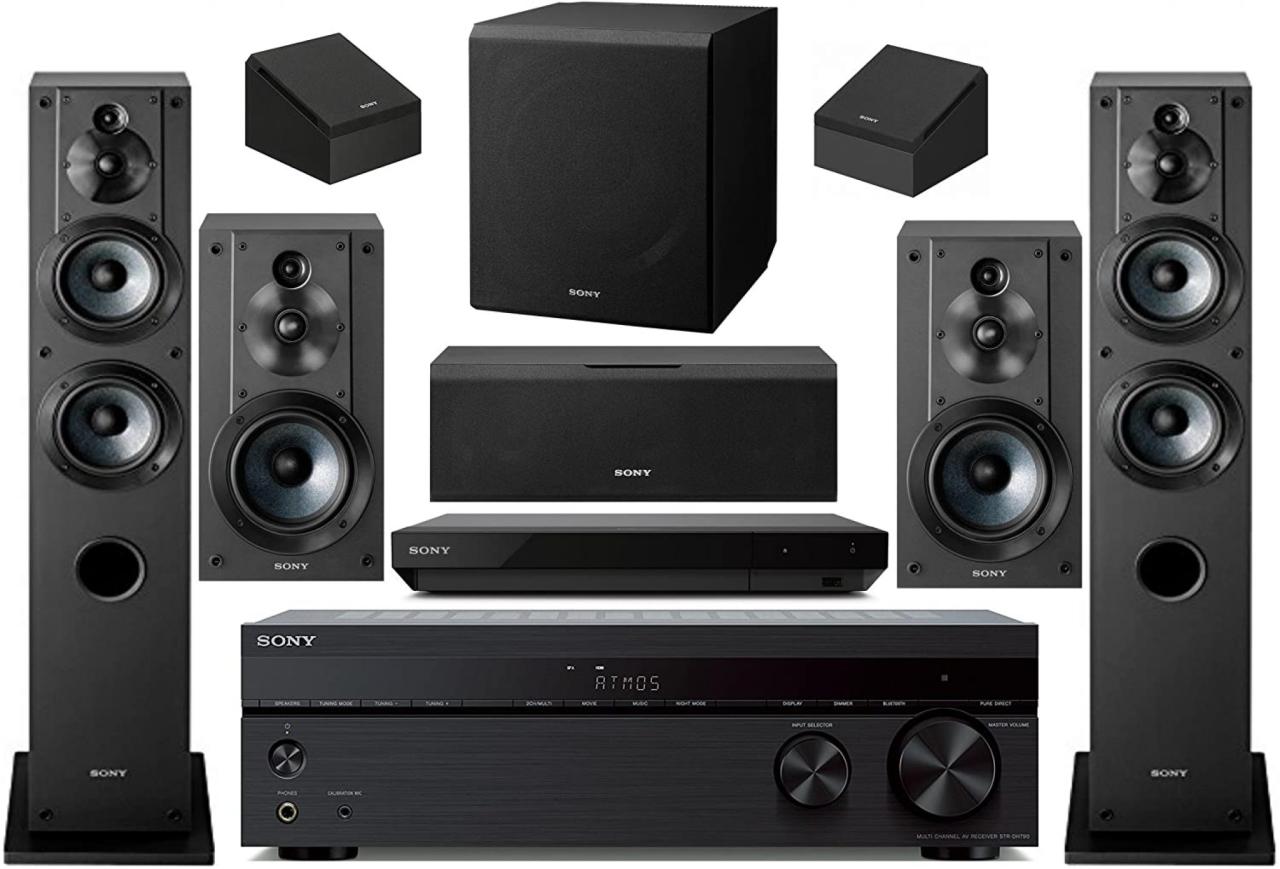
The landscape of home sound systems is rapidly evolving, driven by technological advancements and changing consumer preferences. As we look to the future, several key trends are emerging that promise to reshape the way we experience audio in our living spaces. From immersive soundscapes to the integration of artificial intelligence, these innovations are set to enhance user experience significantly.
Emerging Trends in Sound Technology
As home audio technology progresses, several trends are becoming evident. These trends not only represent innovative approaches to sound reproduction but also highlight the potential for greater immersion and interactivity. The following points illustrate the most promising developments in home sound systems:
- Immersive Audio Experiences: Advances in spatial audio technologies, such as Dolby Atmos and DTS:X, create a three-dimensional sound environment where audio can be perceived from all directions. This trend is increasingly being incorporated into home theaters, enhancing movie watching and gaming experiences.
- AI-Driven Personalization: Artificial intelligence is set to revolutionize sound systems by offering tailored listening experiences. AI algorithms can learn user preferences, adjusting sound profiles based on the content being played, and even optimizing acoustics based on room dimensions.
- Wireless and Multi-Room Audio Solutions: The shift towards wireless technology is enabling seamless sound experiences throughout the home. Systems like Sonos and Amazon Echo allow users to play audio in multiple rooms simultaneously, controlled easily via smartphones or voice commands.
- Integration with Smart Home Ecosystems: As smart home technology becomes more prevalent, sound systems are being designed to integrate with other smart devices. This synergy allows users to control lighting, temperature, and audio with a single command or through a centralized app.
- High-Resolution Audio Streaming: The demand for high-fidelity audio continues to grow, with streaming services like Tidal and Qobuz providing lossless audio formats. Consumers are increasingly investing in sound systems capable of delivering high-resolution audio for a richer listening experience.
Challenges and Opportunities in the Home Audio Market
While the future of home sound systems looks promising, there are also challenges that manufacturers and consumers must navigate. Understanding these aspects can highlight opportunities for growth and innovation:
- Market Saturation: As more brands enter the home audio market, competition is intensifying. Companies must differentiate their products through unique features, improved design, and superior sound quality.
- Consumer Education: With rapid advancements in technology, there is a need for consumer education regarding the benefits of new technologies like immersive audio and AI integration. Brands that effectively communicate these advantages will likely gain a competitive edge.
- Price Sensitivity: While consumers seek high-quality audio experiences, price remains a critical factor. Manufacturers will need to balance innovation with affordability to capture a broader audience.
- Technological Compatibility: Ensuring compatibility between various audio technologies and smart home devices can be challenging. Brands that prioritize interoperability will enhance user experience and satisfaction.
Final Conclusion
In conclusion, investing in a quality sound system for home is not just about enhancing audio; it’s about enriching your overall entertainment experience. By carefully considering the type of system that best suits your needs and preferences, as well as keeping up with maintenance and new technology, you can ensure that your sound setup remains exceptional for years to come. Embrace the future of home audio and immerse yourself in the vibrant world of sound that awaits.
Popular Questions
What is the best type of sound system for a small room?
For a small room, a soundbar or compact wireless speaker is often ideal as they save space while providing good sound quality.
Can I connect my sound system to multiple devices?
Yes, many modern sound systems offer multi-device connectivity through Bluetooth or Wi-Fi, allowing you to switch between devices easily.
How often should I clean my sound system?
It’s recommended to clean your sound system every few months to maintain optimal sound quality, focusing on dusting speakers and connections.
Do I need a receiver for a sound system?
While not always necessary, a receiver can enhance the functionality of your sound system by managing multiple inputs and outputs effectively.
Are expensive sound systems worth the investment?
Generally, higher-priced sound systems offer better sound quality, durability, and features, making them a worthwhile investment for serious audiophiles.