
 Zoe Nora
High-fidelity sound represents the pinnacle of audio quality, aiming to reproduce music and sounds as close to the original performance as possible. This technology has evolved significantly over the years, driven by advancements in equipment, recording techniques, and consumer demand for superior listening experiences. As we delve into the world of high-fidelity sound, we will explore its historical development, the essential components that enhance audio quality, and how it differs from standard audio formats, offering listeners an enriched experience.
From the emergence of vinyl records to the latest digital innovations, high-fidelity sound has continually adapted to incorporate new technologies that elevate sound reproduction. Understanding the intricacies of high-fidelity audio not only highlights its importance in music enjoyment but also underscores how various factors contribute to the overall listening experience.
High-fidelity sound technology and its evolution over the years
High-fidelity sound technology, commonly known as hi-fi, represents the pursuit of sound reproduction that is as faithful to the original performance as possible. The evolution of this technology has been marked by significant milestones and innovations that have transformed how we experience music and audio. From the early days of vinyl records to the sophisticated digital systems of today, high-fidelity sound has continually pushed the boundaries of audio excellence.
The historical development of high-fidelity sound technology began in the early 20th century when the first mechanical phonographs emerged. These devices utilized a simple diaphragm and needle to reproduce sound but lacked the fidelity and dynamic range we expect today. The introduction of electrical recording in the 1920s marked a significant advancement, allowing for greater volume and clarity. By the 1950s, the advent of magnetic tape recording and the introduction of long-play (LP) vinyl records further enhanced sound quality. The 1960s and 1970s saw a rise in stereo sound, providing listeners with a more immersive experience by creating a sense of space and directionality in audio.
Key advancements have shaped the landscape of high-fidelity sound technology. The transition from analog to digital in the late 20th century was pivotal. The development of Compact Discs (CDs) in the 1980s revolutionized music listening by offering clearer sound and longer playtime without degradation. Furthermore, the introduction of Digital Audio Workstations (DAWs) and high-resolution audio formats in the 2000s allowed for unprecedented recording capabilities and playback quality. Innovations like lossless audio codecs and streaming services have made high-fidelity music accessible to a broader audience, albeit with debates over compression and audio quality.
Technological innovations have profoundly impacted high-fidelity audio systems. One significant advancement is the introduction of digital signal processing (DSP), which enables real-time manipulation of sound, allowing for more refined tuning and correction in playback systems. This technology has led to systems that can adapt to their environment, optimizing sound for different spaces and listener preferences. Furthermore, the rise of wireless audio technology has transformed how high-fidelity sound is delivered, eliminating the constraints of physical connections while maintaining sound quality through advanced codecs like aptX and LDAC.
The emergence of multi-channel audio formats, such as Dolby Atmos, has also redefined the listening experience. By incorporating height channels and enhancing spatial audio, listeners can experience a more three-dimensional soundscape. This evolution parallels the increasing demand for immersive experiences in entertainment, pushing manufacturers to innovate continually. Additionally, high-fidelity headphones and portable audio players have become increasingly sophisticated, allowing audiophiles to enjoy premium sound quality on the go.
In conclusion, the journey of high-fidelity sound technology reflects a continuous quest for improved audio quality and listening experiences. Each innovation and advancement has contributed to shaping modern audio systems, ensuring that music lovers can enjoy their favorite sounds with unparalleled fidelity.
The role of audio components in achieving high-fidelity sound
In the world of audio, achieving high-fidelity sound is a complex interplay of various components working together seamlessly. Each element in an audio system contributes to the overall sound experience, allowing for clarity, depth, and realism in music reproduction. Understanding these components and their interactions is crucial for anyone looking to elevate their listening experience.
Essential components for high-fidelity sound reproduction
To achieve high-fidelity sound, several key components are essential. Each part plays a significant role in ensuring that the audio quality is not only maintained but enhanced throughout the listening process.
- Source Component: The source is the starting point of any audio system, which could be a digital audio player, LP turntable, or streaming device. It is crucial because it holds the original recording quality; thus, ensuring the best source material directly impacts fidelity.
- Digital-to-Analog Converter (DAC): A DAC converts digital signals into analog signals, which are essential for speakers and headphones to produce sound. The quality of a DAC can make a noticeable difference in the clarity and detail of the audio, influencing the overall listening experience.
- Amplifier: The amplifier boosts the audio signal from the source before sending it to the speakers. A high-quality amplifier ensures that the audio maintains its integrity and power, making it crucial for accurate sound reproduction, especially at higher volumes.
- Speakers: Speakers are the final output devices that convert electrical signals into sound. The design, materials, and technology used in speakers have a direct effect on sound quality, affecting everything from bass response to high-frequency clarity.
- Cables and Connectors: While often overlooked, cables and connectors can influence audio quality. Quality cables reduce interference and signal loss, ensuring that the audio signal remains as faithful to the original recording as possible.
The interaction of these components is what creates a high-fidelity sound environment. A superior source component delivers high-quality audio files, which a capable DAC processes without losing detail. The amplifier then increases the signal strength, allowing the speakers to operate efficiently. When these elements work in harmony, the result is an immersive audio experience that captures the essence of the music, engaging the listener with rich, detailed soundscapes.
“The quality of an audio system is only as good as its weakest link; each component must synergize for optimal sound fidelity.”
This synergy is not just theoretical; for instance, audiophiles often note that pairing a high-end DAC with budget speakers may not yield the best results. Instead, a balanced investment across all components tends to produce a more satisfying listening experience. Recognizing the significance of each component allows enthusiasts to make informed choices that enhance their audio setups, creating environments where music truly comes to life.
The difference between high-fidelity sound and other audio formats
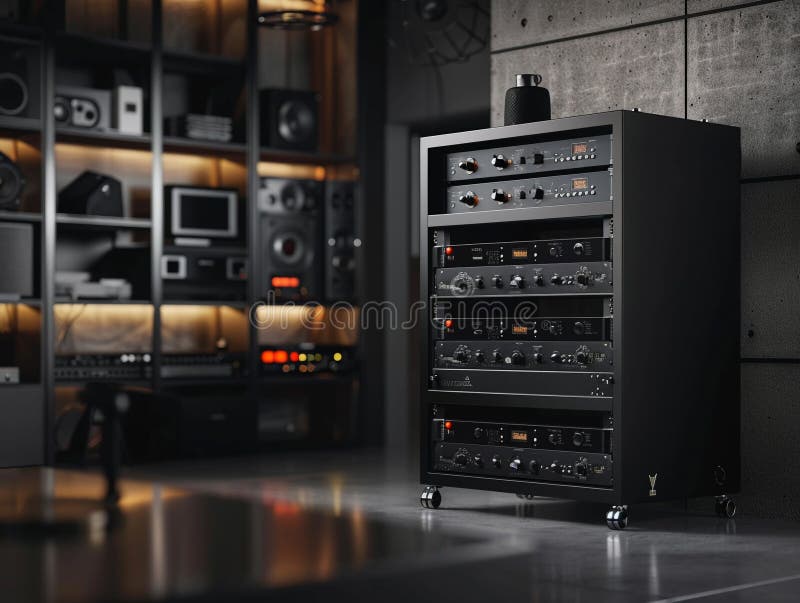
High-fidelity sound, often referred to as “hi-fi,” represents the pinnacle of audio quality, designed to replicate the original sound as accurately as possible. In contrast, standard audio formats, such as MP3 or AAC, achieve sound reproduction through compression and simplification, which can lead to a loss in fidelity. This distinction is crucial for audiophiles and casual listeners alike, as it influences the overall listening experience, particularly in environments where the nuances of sound play a significant role.
High-fidelity sound is characterized by its ability to deliver a broad frequency range, low distortion, and an expansive dynamic range. These attributes contribute to a listening experience that is rich, immersive, and true to the source material. In contrast, standard audio formats typically compromise some of these qualities for convenience and file size reduction. When comparing these formats, listeners can note several key differences:
Characteristics of High-Fidelity Sound
The characteristics that define high-fidelity sound set it apart from standard audio formats, creating a noticeable difference in listener experiences. Below are some of the primary features:
- Frequency Range: Hi-fi systems reproduce a wider frequency range, often from 20 Hz to 20 kHz, allowing for richer bass and clearer treble compared to standard formats that may truncate lower or higher frequencies.
- Dynamic Range: High-fidelity audio captures the full dynamic range of sound, meaning quieter sounds are discernible alongside louder ones, enhancing emotional impact in music.
- Low Distortion: In high-fidelity systems, distortion levels are kept to a minimum, preserving the clarity of individual sounds and preventing muddiness.
- Separation and Imaging: Hi-fi sound systems provide better stereo separation and imaging, allowing listeners to perceive the spatial placement of instruments and vocals more distinctly.
- Bit Depth and Sample Rate: High-resolution audio formats like FLAC or WAV support higher bit depths and sample rates, translating to more detail in the sound. Standard audio formats often use lower bit rates, sacrificing quality for smaller file sizes.
Listener experiences can markedly differ between high-fidelity sound and standard audio formats. While standard formats serve well for casual listening on portable devices, they can lack the depth and richness that serious listeners seek. For example, a vinyl record played on a high-quality turntable can provide an exceptionally warm and layered sound, often lacking in digital formats. Similarly, streaming services that offer high-fidelity options present a more authentic experience for listeners, especially when combined with quality headphones or speakers. In contrast, compressed formats like MP3 may provide convenience and portability but can lead to a sonic landscape that feels flat and less engaging.
Ultimately, the choice between high-fidelity and standard audio formats hinges on individual preferences and the intended listening environment, where the differences in sound quality can transform the auditory experience.
The impact of recording techniques on high-fidelity audio
Recording techniques play a crucial role in determining the overall fidelity of audio. High-fidelity sound, often referred to as “hi-fi,” seeks to reproduce audio as faithfully as possible to the original sound. Various recording techniques affect sound fidelity by influencing how sound waves are captured, processed, and ultimately delivered to the listener. As technology continues to advance, the importance of mastering these techniques becomes ever more apparent in the audio recording industry.
Different recording techniques can significantly impact the clarity, balance, and richness of audio. Various methods are employed to capture sound, including analog tape recording, digital recording, and the use of different microphone placements. Each technique has its unique characteristics that contribute to the final sound quality. For instance, analog tape recording can impart a warm tonal quality due to its inherent compression and saturation effects, often prized in genres like rock and jazz. Conversely, digital recording allows for greater precision and dynamic range, capturing every nuance of a performance with remarkable detail.
Recording techniques and their effect on sound fidelity
The choice of recording technique is essential to achieving high-fidelity outcomes. Understanding how different aspects of recording influence sound fidelity can enhance the listening experience. Here are some factors to consider:
- Microphone Type: Different microphones have distinct frequency responses and sensitivity. For example, condenser microphones generally capture a wider frequency range and are ideal for vocals and acoustic instruments, while dynamic microphones are often used for louder sound sources due to their durability and ability to handle high sound pressure levels.
- Microphone Placement: The distance and angle at which a microphone is placed relative to the sound source can greatly affect the resulting audio. Close miking tends to isolate the source, yielding a more intimate sound, while ambient miking captures the room’s acoustics, adding depth and space to the recording.
- Recording Medium: The choice between analog and digital mediums can influence sound texture. Analog recordings may exhibit a warmer sound due to inherent saturation, while digital recordings offer higher clarity and less distortion. Each medium has its merits depending on the desired outcome.
- Mixing Techniques: The mixing stage is crucial for ensuring that all elements of a recording come together harmoniously. Equalization, compression, and panning are techniques used in mixing that can either enhance or hinder sound fidelity. Proper use of these techniques can create a polished and balanced final product, while poor mixing may lead to muddiness or imbalance.
- Mastering Standards: The final stage of production, mastering involves preparing the recording for distribution. Adhering to industry standards during mastering ensures that the audio translates well across various playback systems, preserving fidelity whether played on high-end speakers or standard consumer devices.
The relationship between recording quality and playback fidelity is undeniably intertwined. High-quality recording practices lead to clearer, more defined audio during playback, making it essential for producers and engineers to focus on these techniques. Utilizing professional-grade equipment and adhering to best practices ensures that the intricacies of a performance are captured with fidelity. For example, a well-recorded orchestral piece will resonate differently when played back on a high-fidelity system compared to a lower-quality recording, highlighting the importance of investing in both the recording process and playback equipment.
In summary, the techniques employed during the recording process play a pivotal role in determining the high-fidelity outcome of audio. By understanding and implementing various methods, audio professionals can create recordings that truly resonate with listeners, providing an authentic and immersive sound experience.
High-fidelity sound in the context of music genres
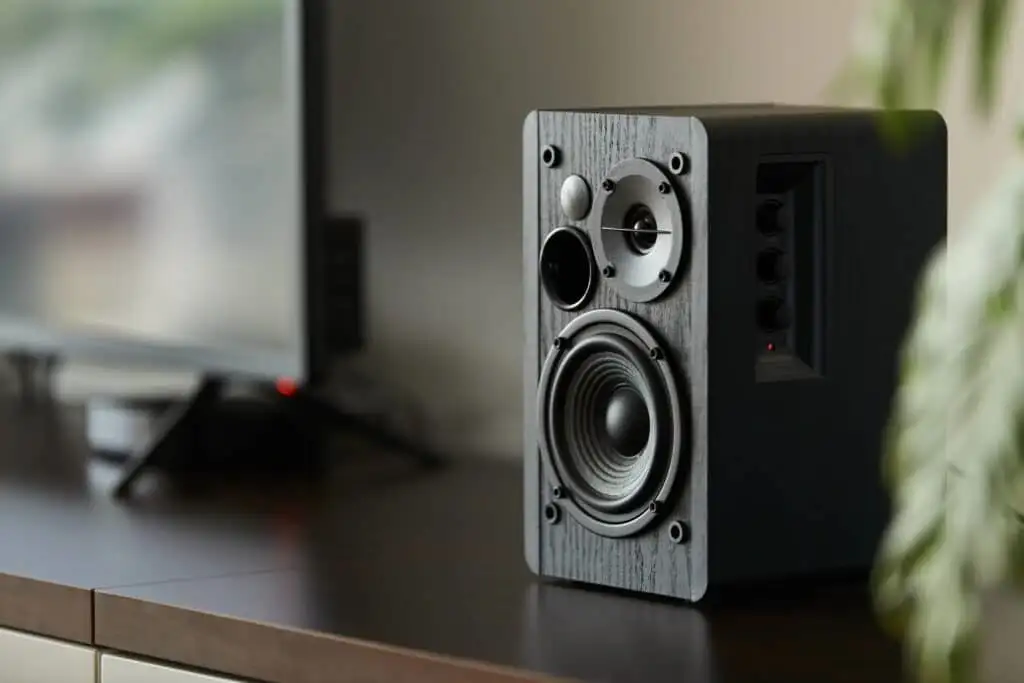
High-fidelity sound reproduction plays a significant role across various music genres, enhancing the listening experience by delivering superior audio clarity and detail. This heightened precision allows listeners to appreciate the nuances and intricacies that each genre offers, from the subtle harmonies in classical compositions to the intricate layers of electronic music. The advancements in audio technology have made it possible for enthusiasts to engage with music in a way that mirrors the artist’s original intent, ultimately enriching the connection between the listener and the music.
Different music genres exhibit unique characteristics that benefit from high-fidelity sound reproduction. For instance, classical music, with its complex orchestral arrangements and dynamic range, thrives on high-fidelity systems. The ability to discern each instrument’s timbre allows listeners to experience a performance as if they were seated in the concert hall. Similarly, genres like jazz benefit from the clarity of high-fidelity sound—each note from a saxophone or piano can be heard with pristine accuracy, showcasing the musicians’ virtuosity.
Examples of High-fidelity Recordings in Various Genres
High-fidelity recordings are often exemplified by specific musical pieces that demonstrate the potential of audio reproduction technology. Notable examples of such recordings include:
- Classical: The “Berlin Philharmonic’s recording of Mahler’s Symphony No. 5” is renowned for its meticulous attention to detail and dynamic range, making it a benchmark for classical sound fidelity.
- Jazz: “Miles Davis’ ‘Kind of Blue'” is a quintessential jazz album where the high-fidelity recording allows listeners to appreciate the subtle interplay between the musicians, highlighting Davis’ trumpet and the depth of rhythm sections.
- Rock: “Pink Floyd’s ‘The Dark Side of the Moon'” is celebrated not only for its innovative music but also for its exceptional sound engineering, featuring intricate sound effects that are best experienced through high-fidelity systems.
- Electronic: “Daft Punk’s ‘Random Access Memories'” showcases meticulous production values, with high-fidelity sound reproduction revealing the layers of instrumentation and vocal harmonies that define the genre.
Genre-specific characteristics profoundly enhance sound fidelity. In genres like classical and jazz, the orchestration is often rich and layered, requiring a sound system that can reproduce the full spectrum of frequencies. The dynamic contrasts are crucial, where the softest piano notes and the loudest crescendos must be rendered faithfully to convey the intended emotional impact. Additionally, the production techniques employed in electronic music often utilize a range of frequencies and sound textures, which high-fidelity systems can reproduce without distortion.
In essence, high-fidelity sound serves as a bridge that connects audiences to the core of the music, amplifying the emotional experience and providing a deeper understanding of the artistic nuances present in each genre. Enhanced frequency response, clarity, and dynamic range not only bring the sound to life but also transport listeners into the heart of the musical landscape, where every note matters.
The future of high-fidelity sound in an increasingly digital world
As we navigate through an era dominated by digital technology, the landscape of high-fidelity sound is poised for exciting transformations. The shift from analog to digital has already reshaped how we experience audio, but new trends suggest a future where the quality of sound continues to improve, even as we embrace increasingly compressed formats. This discussion explores emerging trends that are likely to influence high-fidelity audio, potential challenges it may face, and how technology might evolve to maintain or enhance sound quality.
Emerging Trends Influencing High-Fidelity Audio
The evolution of high-fidelity sound is being significantly shaped by several emerging trends. One of the most notable is the rise of high-resolution audio streaming services. Platforms like Tidal and Qobuz have paved the way for listeners to access lossless audio files, offering a richer listening experience compared to traditional streaming options. The advancement of Internet of Things (IoT) devices is another game-changer. Smart speakers and audio systems now come with features that enhance playback quality, leveraging AI-driven algorithms to optimize sound in real time.
Moreover, the integration of spatial audio technologies, such as Dolby Atmos, is enhancing the way we experience sound. This technology creates a more immersive audio environment by placing sounds in a three-dimensional space, adding depth and realism. As more artists and producers adopt these techniques, the expectation for high-fidelity recordings will only grow.
Challenges and Opportunities for High-Fidelity Sound
Despite the promising trends, the future of high-fidelity sound in a digital world is not without challenges. One significant hurdle is the prevalence of lossy compression formats. While these formats are efficient for bandwidth, they often sacrifice audio quality. The balance between file size and sound fidelity is a continuous struggle for both consumers and producers. Additionally, the rapid pace of technological advancement can lead to fragmentation in audio standards, complicating the user experience and limiting accessibility to high-quality sound formats.
However, opportunities abound in this evolving landscape. The rise of audiophile communities and niche markets is driving demand for high-fidelity products. Manufacturers are capitalizing on this trend by developing specialized audio equipment that caters to discerning listeners. Furthermore, advancements in digital to analog converters (DACs) and headphone technology are enabling consumers to enjoy high-fidelity sound on-the-go, bridging the gap between portable convenience and high-quality audio.
The Evolution of Technology to Maintain Sound Quality
Future technological advancements are expected to play a crucial role in preserving and enhancing sound quality. Innovations in lossless audio codecs, such as the development of Advanced Audio Codec (AAC) and the increasing adoption of MQA (Master Quality Authenticated), are paving the way for superior audio streaming even at lower bitrates. These codecs maintain essential audio information, ensuring that listeners experience the nuances of sound as intended by the artists.
Furthermore, machine learning and artificial intelligence will likely revolutionize audio processing. Algorithms that analyze and enhance sound in real-time can help mitigate the effects of compression while optimizing playback settings based on the listener’s environment. With improvements in wireless technology, we may also see advancements in Bluetooth codecs, such as aptX HD and LDAC, that support high-resolution audio transmission without compromising quality.
Finally, the shift towards immersive audio experiences will necessitate the development of new hardware capable of delivering high-fidelity sound. Companies are already exploring wireless multi-room systems that promise to deliver synchronized, high-quality audio throughout the home, ensuring that the high-fidelity experience is accessible in more spaces than ever before. As these technologies continue to evolve, they hold the promise of enriching our auditory experiences, making high-fidelity sound a standard expectation rather than a luxury.
The importance of speaker placement for achieving high-fidelity sound
Achieving high-fidelity sound is not just about the quality of your speakers or audio equipment; placement plays a crucial role in enhancing the overall listening experience. Proper speaker positioning can dramatically affect sound quality, ensuring that audio reaches your ears as intended. Whether you’re a casual listener or an audiophile, understanding how to position your speakers can transform your audio environment.
Effective speaker placement is guided by several principles that are pivotal for optimizing sound quality in any space. One fundamental concept is the “equilateral triangle” configuration, where the speakers and the listener form the vertices of an equilateral triangle. This setup allows for optimal stereo imaging and soundstage, ensuring that the audio emanates evenly from both speakers. The distance between the speakers should also correlate with the distance to the listener, typically between 6 to 10 feet apart depending on room size. Additionally, toeing in the speakers slightly can enhance clarity and focus, directing sound waves toward the listener’s ears for a more immersive experience.
Common speaker arrangements and their effects on sound fidelity
Different speaker arrangements yield various effects on sound fidelity, greatly influencing the audio experience. Here are several common configurations:
- Parallel Placement: Speakers are placed parallel to each other, often against walls. This can amplify bass frequencies, but might lead to reflections that muddy the sound.
- Corner Placement: Positioning speakers in corners can enhance bass response significantly. However, it may also cause an imbalance in sound quality across different frequencies, with treble often being less pronounced.
- Wall-Mounting: This method is convenient for saving space and can provide clear sound, but it may limit the audio’s depth and richness due to proximity to the wall.
- Free-Standing in Open Space: When speakers are placed away from walls, they tend to produce a more natural sound. This allows for greater acoustic space, improving clarity and dynamics.
Understanding the connection between acoustics and speaker positioning is essential for achieving high-fidelity sound. Acoustics refer to how sound waves interact with the environment, including reflections, absorptions, and diffusions. For instance, hard surfaces like concrete or glass can reflect sound waves, leading to echo or a harsh listening experience. Conversely, softer materials like carpets and curtains can absorb certain frequencies, reducing unwanted reverberation.
Optimal speaker placement considers these acoustic properties, ensuring that sound waves travel freely to the listener without excessive interference. A practical example is the use of bass traps in corners to manage low-frequency buildup, which can help maintain sound balance. Additionally, the height of the speakers is crucial; tweeters should ideally be at ear level when seated, ensuring that high frequencies are directed towards the listener for a more engaging experience.
In conclusion, the nuances of speaker placement and its relationship with room acoustics cannot be overstated. By applying these principles and understanding the impact of different arrangements, listeners can elevate their audio experience to achieve true high-fidelity sound.
The role of acoustics in delivering high-fidelity sound experiences
Room acoustics play a crucial role in shaping the quality of high-fidelity sound experiences. When we think of high-fidelity audio, we often focus on the equipment—speakers, amplifiers, and digital sources. However, the environment in which this equipment is situated can significantly influence how sound is perceived. Room characteristics such as size, shape, and surface materials can either enhance or detract from the intended audio experience.
One of the key factors in room acoustics is how sound waves interact with the surfaces in the environment. For instance, hard surfaces like concrete walls and wooden floors tend to reflect sound waves, potentially creating echoes and reverberations that muddy the clarity of audio playback. On the other hand, soft furnishings like carpets, curtains, and upholstered furniture can absorb sound, helping to create a more balanced and accurate listening environment.
Techniques to improve room acoustics for optimal sound reproduction
To achieve optimal sound reproduction in any listening environment, it is important to address the acoustic properties of the room. Below are some effective techniques that can be implemented to enhance room acoustics:
– Strategic placement of speakers: Positioning speakers at optimal distances from walls and corners can help reduce unwanted reflections. Ideally, speakers should be at ear level and angled towards the listening position for the best soundstage.
– Use of acoustic panels: Installing acoustic panels on walls or ceilings can help to absorb excess sound energy, minimizing echoes and improving clarity. These panels can be made from various materials designed specifically for acoustic treatment.
– Bass traps: Low frequencies often accumulate in corners, creating a boomy sound. Bass traps, which are specially designed absorbers, can be placed in these areas to reduce low-frequency resonance and improve the overall bass response.
– Rugs and carpets: Adding rugs or carpets can dampen sound reflections from hard floors. This not only helps in absorbing mid to high frequencies but also enhances the overall warmth of the sound.
– Furniture arrangement: The layout of furniture can affect sound flow in a room. Arranging furniture to create a more open environment can aid in sound dispersion and reduce interference.
– Room size and shape considerations: The geometry of a room is fundamental. Rectangular rooms with symmetrical dimensions tend to provide better acoustics than irregularly shaped ones. For larger rooms, ensuring proper speaker placement and using multiple listening positions can help achieve balanced sound.
Implementing these techniques collectively can greatly improve the listening experience, ensuring that high-fidelity sound is delivered as it was meant to be heard. By taking into account the interplay between acoustics and sound reproduction, listeners can create a space that enhances the fidelity of their audio systems, transforming their listening environment into a true high-fidelity experience.
Final Summary
In conclusion, high-fidelity sound is more than just a technical specification; it represents a commitment to delivering the most authentic audio experience possible. As we look towards the future, the challenge will be to maintain this quality amidst the rapid digital transformation of music. By recognizing the critical role of technology, components, and acoustics, we can appreciate the artistry behind high-fidelity recordings and the profound impact they have on our enjoyment of music.
Question & Answer Hub
What is high-fidelity sound?
High-fidelity sound refers to audio reproduction that is faithful to the original recording, with minimal distortion and maximum clarity.
How can I set up my system for high-fidelity sound?
To achieve high-fidelity sound, invest in quality components, ensure proper speaker placement, and optimize room acoustics.
Is high-fidelity sound worth the investment?
Yes, if you value music and audio quality, investing in high-fidelity sound systems can significantly enhance your listening experience.
Can I achieve high-fidelity sound with streaming services?
Many streaming services offer high-resolution audio options that can provide high-fidelity sound, provided you have the right equipment.
What role do cables play in high-fidelity sound?
Cables can influence sound quality; using high-quality cables can help minimize interference and signal loss, contributing to better audio fidelity.