
 Zoe Nora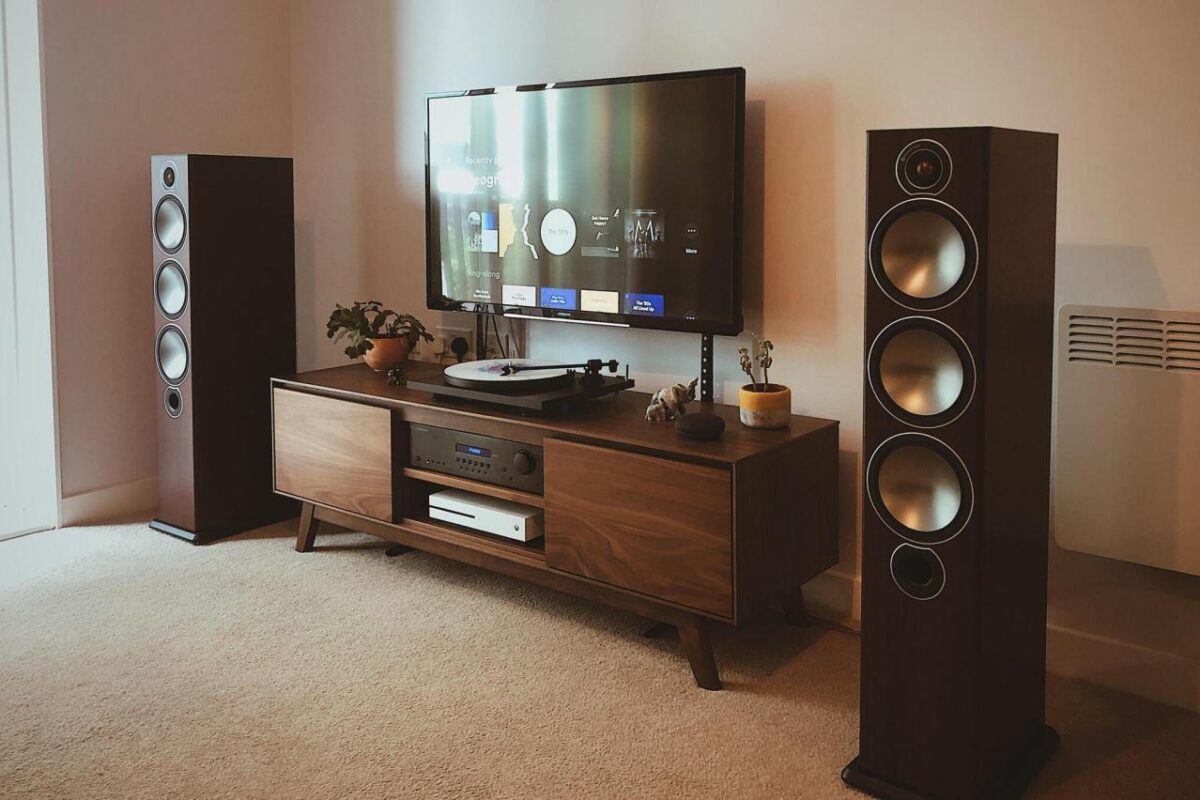
Delving into Audiophile equipment, this discussion invites you to explore the intricate world of high-fidelity sound. For audiophiles, the quest for perfect audio is more than a hobby; it’s a passionate pursuit that involves understanding the evolution, technology, and community surrounding exceptional listening experiences.
From its historical advancements to the latest technologies, audiophile equipment has undergone significant transformations over the years. Each evolution not only reflects advancements in audio formats and design but also enhances the way sound is experienced, bringing music to life in ways that deeply resonate with enthusiasts.
The Evolution of Audiophile Equipment Throughout the Years
The journey of audiophile equipment has been marked by significant technological advancements and innovations that have shaped the way we experience sound. From the early days of vinyl records to the modern era of digital streaming, each phase in this evolution has brought forth new possibilities and improved audio quality. This discussion highlights the key milestones and transformations in audiophile equipment that have enhanced listening experiences over time.
The impact of audio formats on equipment design has been profound, driving advancements that address the demands of each emerging technology. The transition from analog to digital formats, for instance, necessitated the development of digital-to-analog converters (DACs) and high-resolution audio players. These changes not only influenced the technical specifications of devices but also shaped consumer preferences and market trends. The rise of various formats such as compact discs, high-definition audio, and streaming services continues to challenge manufacturers to innovate and improve the performance of their products.
Key Milestones in Audiophile Equipment Development
Numerous milestones have defined the evolution of audiophile equipment, each contributing to enhanced audio fidelity and user experience. The following significant developments are particularly noteworthy:
- Invention of the Phonograph (1877): The phonograph by Thomas Edison marked the beginning of recorded sound, allowing users to play back sound for the first time.
- Introduction of Stereo Sound (1950s): Stereo sound revolutionized listening experiences by creating a sense of space and depth, enhancing the way music was enjoyed.
- Launch of Compact Discs (1982): The CD offered a new level of digital clarity and convenience, which led to a decline in vinyl records and altered equipment manufacturing.
- Rise of High-Definition Audio Formats (2000s): Formats like DVD-Audio and SACD provided significantly higher resolution than CDs, prompting the need for compatible playback equipment.
- Emergence of Streaming Services (2010s): Services like Tidal and Spotify changed how users access music, and this shift demanded high-quality streaming devices and networked sound systems.
Through these milestones, audiophile equipment has continuously adapted to fit the evolving landscape of audio consumption and technology. As new audio formats emerge, the equipment that supports them must also innovate to provide listeners with the best possible quality and experience.
Understanding Different Types of Audiophile Equipment
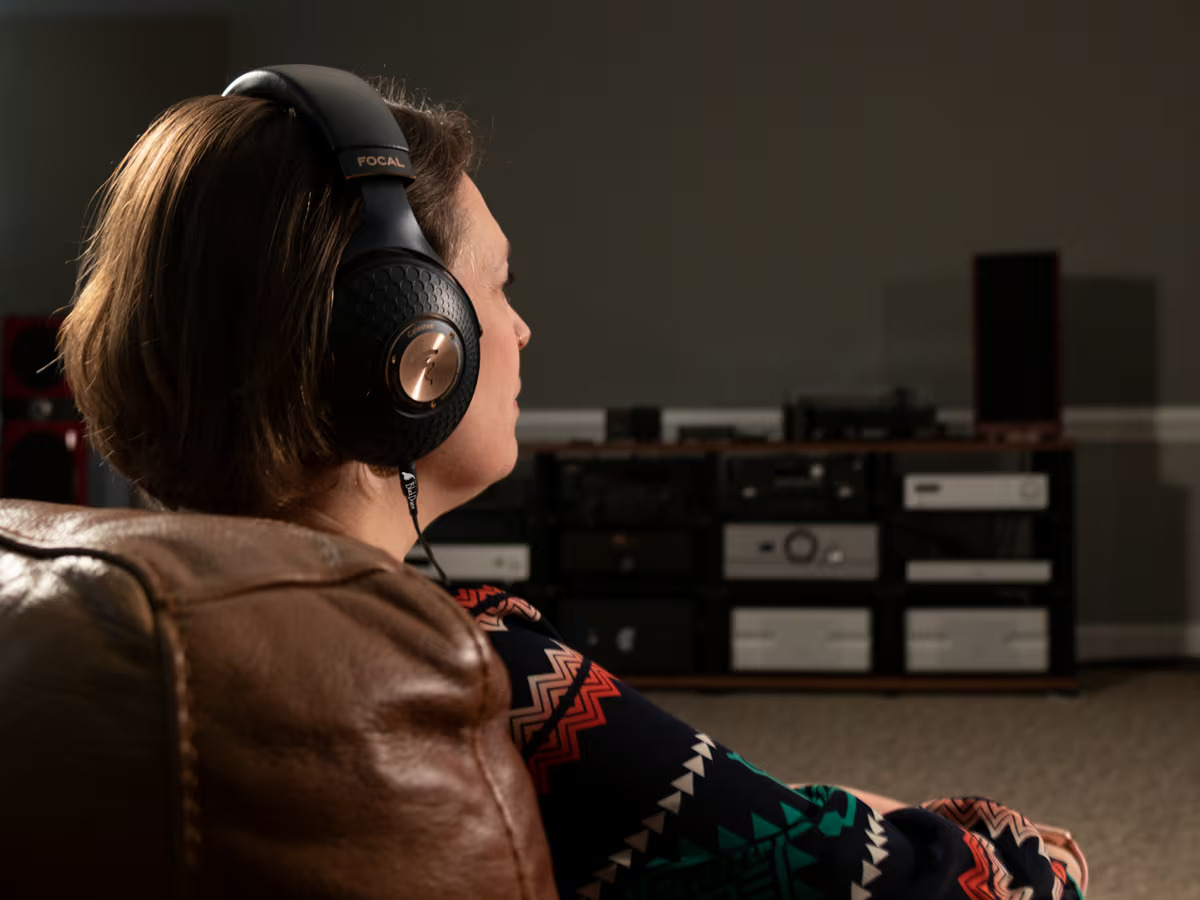
Audiophile equipment encompasses a variety of devices designed for the ultimate sound experience. This advanced gear is essential for audio enthusiasts who seek to reproduce high-fidelity sound, capturing every nuance and detail of their favorite music. Understanding the different categories of audiophile equipment helps users make informed decisions about their audio setups.
Audiophile equipment can be broadly categorized into several key groups, each serving specific functions that enhance the audio experience. These categories include source components, amplification devices, speakers, and accessories. Each type of equipment plays a crucial role in achieving the desired sound quality and overall listening pleasure.
Source Components
Source components are the starting point of any high-fidelity audio system. They are responsible for delivering the original audio signal, whether it comes from digital or analog sources. High-quality source components ensure that the audio playback is as faithful to the original recording as possible. Some notable examples include:
- Digital Audio Players (DAPs): Devices like the Astell&Kern A&norma SR25 provide high-resolution audio playback and support a variety of formats.
- Turntables: The Rega Planar 3 is a classic choice among vinyl enthusiasts, known for its excellent build quality and sound reproduction.
- CD Players: The Marantz CD6007 offers a blend of modern technology and traditional audio quality for CD playback.
Amplification Devices
Amplifiers are crucial for boosting the audio signal to a level suitable for driving speakers or headphones. They come in various forms, including integrated amplifiers, power amplifiers, and headphone amplifiers. The quality of the amplifier has a significant impact on sound clarity and dynamics. Some popular options include:
- Integrated Amplifiers: The Cambridge Audio CXA81 combines an amplifier and a digital-to-analog converter (DAC) for versatile audio performance.
- Power Amplifiers: The Emotiva XPA Gen3 is praised for its robust output and ability to drive larger speakers without distortion.
- Headphone Amplifiers: The Schiit Magni 3+ is a compact yet powerful option for enhancing the sound of headphones.
Speakers
Speakers are perhaps the most visible component of any audiophile setup, playing a vital role in delivering sound to the listener. They come in various designs, such as bookshelf speakers, floor-standing models, and studio monitors, each suited to different listening environments. High-quality speakers can dramatically influence the listening experience. Some noteworthy examples include:
- Bookshelf Speakers: The KEF LS50 Meta is renowned for its exceptional soundstage and detail in a compact form.
- Floor-Standing Speakers: The Bowers & Wilkins 603 offers an immersive audio experience with powerful bass and clear highs.
- Studio Monitors: The Yamaha HS5 is a favorite among audio professionals for its accurate sound reproduction.
Audio Accessories
Accessories play a supporting role in optimizing an audiophile setup, ensuring that all components work together seamlessly. From cables to power conditioners, these items can significantly enhance performance. Some essential accessories include:
- Interconnect Cables: High-quality cables, like those from AudioQuest, can minimize signal loss and interference.
- Power Conditioners: The Furman PL-8C helps maintain clean power to audio equipment, reducing noise and improving performance.
- Isolation Pads: Products like Auralex MoPADs prevent unwanted vibrations and improve speaker placement for better sound.
Understanding the function and quality of each component is key to crafting an unparalleled listening experience.
The Importance of Audio Quality in Audiophile Equipment
For audiophiles, sound quality is not just a preference; it’s a passion. The pursuit of the perfect audio experience is what drives enthusiasts to invest in high-end equipment. The nuances in sound reproduction can significantly affect how music is perceived, making audio quality a critical aspect of any audiophile’s setup. Understanding the various specifications and components that contribute to audio excellence can help enthusiasts make informed decisions.
The significance of sound quality cannot be overstated, as it dictates how faithfully an audio system can reproduce music as intended by the artist. Audiophiles often seek clarity, precision, and a sense of space in their listening experience, which can be influenced dramatically by the specifications of their equipment.
Audio Specifications: Frequency Response and Distortion Levels
To appreciate the importance of audio quality, it’s essential to look at key specifications like frequency response and distortion levels. These specifications define the limits and capabilities of audio equipment, influencing how sound is delivered.
Frequency response refers to the range of frequencies that an audio system can reproduce, measured in Hertz (Hz). A wider frequency response means the system can accurately reproduce both bass and treble, enabling a richer sound experience. For instance, a frequency response of 20 Hz to 20 kHz is considered ideal for human hearing.
Distortion levels indicate how much the original audio signal is altered during playback. High-quality equipment strives for low Total Harmonic Distortion (THD), typically below 1%, ensuring that the music heard is as true to the original recording as possible. Low distortion levels are crucial for maintaining clarity and dynamic range in audio playback.
Understanding these specifications helps audiophiles select equipment that meets their high standards and expectations. The interplay of these factors will determine the overall listening experience, making it vital to choose components that excel in these areas.
Contributions of Different Components to Audio Quality
The audio quality in an audiophile setup is shaped by each component’s role, from the source to the speakers. Each piece of equipment contributes uniquely to the overall sound signature.
Key components include:
- Source Components: These include digital audio players, turntables, and CD players. The quality of the source directly impacts the integrity of the sound. High-resolution audio files or vinyl records often provide a more detailed listening experience.
- Amplifiers: Amplifiers boost the audio signal to drive speakers or headphones. The quality of the amplifier can influence the dynamic range and power of the audio output, making it essential to choose one that complements the other components.
- Speakers: Speakers are crucial for translating electrical signals into audible sound. Their design, materials, and specifications like sensitivity and impedance play significant roles in delivering accurate sound reproduction.
- Cables and Interconnects: While often overlooked, the quality of cables can affect signal integrity. High-quality cables ensure minimal interference and optimal signal transfer between components.
By understanding how these components interact, audiophiles can fine-tune their systems to achieve the best possible audio quality. Selecting the right combination of equipment leads to a more immersive and enjoyable listening experience, aligning closely with the audiophile’s passion for sound.
Selecting the Right Audiophile Equipment for Your Needs
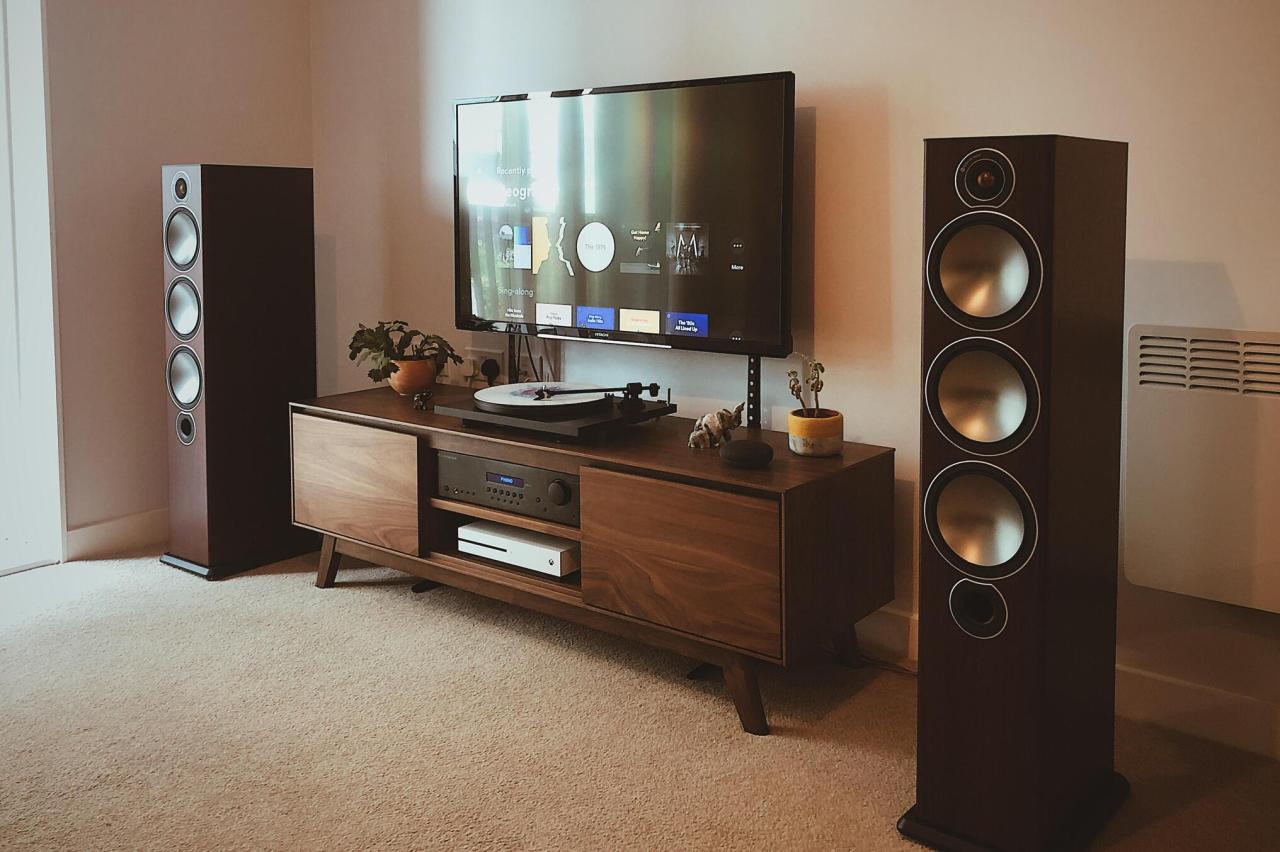
Choosing the right audiophile equipment is an essential step for any music enthusiast seeking to enhance their listening experience. With so many options available, navigating through the myriad of brands, features, and technologies can be overwhelming. Understanding critical factors will help you make informed and satisfying choices tailored to your personal sound preferences.
Essential Factors to Consider
When diving into the world of audiophile equipment, there are several key factors to keep in mind to ensure your selection aligns with your listening habits and preferences. Taking these elements into account will significantly enhance your overall experience.
- Sound Quality: The main purpose of audiophile equipment is to produce superior sound. Look for equipment that offers clear, accurate, and well-balanced audio reproduction. Specifications such as frequency response and total harmonic distortion (THD) can provide insight into sound quality.
- Compatibility: Ensure that the equipment you choose is compatible with your existing audio setup, including sources, amplifiers, and speakers. This prevents potential issues and maximizes performance.
- Build Quality: Durable and well-constructed equipment typically lasts longer and provides better performance. Consider materials used in construction, as high-quality components often enhance sound quality.
- Budget: Define your budget upfront. Audiophile equipment ranges from affordable to extremely high-end. Prioritize features that matter most to you while staying within your financial limits.
- Brand Reputation: Research brands known for reliability and quality in audiophile circles. Brand reputation can often indicate the level of support and product performance you can expect.
Influence of Personal Preferences
Personal preferences play a significant role in selecting audiophile equipment. Every listener has unique tastes and requirements that influence their choices. Sound signature preferences, whether warm, neutral, or bright, will guide you towards specific brands or models that cater to your auditory inclinations. Additionally, consider your primary listening genre; for example, classical music lovers may prioritize clarity and detail, while bass enthusiasts might seek equipment that emphasizes low frequencies.
Furthermore, ergonomic design and aesthetics may impact your decision. The equipment should not only sound good but also fit comfortably into your living space and lifestyle. Pay attention to the design, size, and color of the equipment to ensure that it aligns with your personal style and practical needs.
Checklist for Potential Audiophiles
A checklist can serve as a valuable tool to streamline your decision-making process when selecting audiophile equipment. This list encompasses essential attributes and features to evaluate, ensuring that you invest in equipment that meets your specific requirements.
- Define your listening goals and preferences.
- Assess sound quality specifications and reviews of potential models.
- Check compatibility with existing audio components.
- Evaluate the build quality and materials used.
- Set a budget and explore options within that range.
- Investigate brand reputation and customer support feedback.
- Consider the aesthetic appeal and ergonomics of the equipment.
- Listen to equipment in-store if possible to compare sound signatures.
- Research user experiences and professional reviews to validate choices.
Setting Up Your Audiophile Equipment for Optimal Performance
Creating the ideal audio environment is essential for audiophiles who seek to experience music as it was intended. A meticulously crafted setup not only enhances sound quality but also contributes to an aesthetically pleasing environment. In this section, we’ll explore the critical steps to achieve optimal performance with your audiophile equipment, focusing on setup, room acoustics, and cable management.
Step-by-Step Guide for Ideal Audio Setup
The foundation of a high-quality audio experience begins with proper setup. Here’s a step-by-step guide that highlights essential aspects to consider:
- Speaker Placement: Position your speakers at ear level, forming an equilateral triangle with your listening position. This arrangement helps achieve a balanced soundstage.
- Listening Position: Ideally, your listening spot should be approximately one-third into the room from the front wall. This placement mitigates issues with bass buildup and enhances clarity.
- Isolation: Use speaker stands or isolation pads to minimize vibrations. This prevents unwanted resonance and improves sound quality.
- Room Treatment: Add acoustic panels, bass traps, and diffusers to control reflections and reverberations. Soft furnishings like rugs and curtains can also aid in absorbing excess sound.
- Equipment Arrangement: Place your audio components on sturdy, vibration-resistant racks. Ensure that your DAC, amplifier, and sources are easily accessible for adjustments.
Room Acoustics and Their Effect on Sound Quality
Room acoustics play a pivotal role in shaping the sound you hear. Factors such as dimensions, surface materials, and furnishings can significantly alter audio performance. Understanding these elements can help you optimize your setup:
The ideal room for audiophile listening is one that minimizes reflections and flattens frequency response, allowing for a more accurate sound reproduction.
Consider the following points regarding room acoustics:
- Room Size and Shape: Larger rooms tend to have better sound dispersion but may require additional treatment to manage bass frequencies. Irregular shapes can help diffuse sound waves more effectively.
- Surface Materials: Hard surfaces reflect sound, while soft materials absorb it. Balance is key; too many hard surfaces can lead to harshness, while too many soft surfaces may deaden the sound.
- Windows and Doors: These can introduce unwanted noise and reflections. Use heavy curtains or blinds to control sound leakage and reflections.
Cable Management Tips for Aesthetic Enhancement
Proper cable management not only contributes to a neat appearance but also minimizes interference, enhancing the overall audio experience. Consider these tips to improve cable organization:
Well-managed cables reduce clutter and the risk of signal interference, leading to a cleaner sound presentation.
Here are effective strategies for managing your cables:
- Label Cables: Use labels to identify each cable. This simplifies troubleshooting and adjustments.
- Cable Ties: Employ cable ties or Velcro straps to bundle cables together. This prevents tangling and keeps them organized.
- Raceways: Install raceways along the walls to conceal cables. This maintains a clean look while providing easy access when needed.
- Elevate Cables: Keep cables off the ground to avoid damage and interference from electrical sources.
Maintenance and Care for Audiophile Equipment
Proper maintenance and care of audiophile equipment is essential to ensure it performs at its best throughout its lifespan. By investing time and effort into maintaining your gear, you can enhance sound quality, prevent costly repairs, and extend the life of your audio components. This section covers the best practices for maintaining audiophile gear, including cleaning routines tailored to different types of equipment, and the importance of regular inspections to troubleshoot common issues.
Best Practices for Maintaining Audiophile Gear
To preserve the integrity and longevity of your audiophile equipment, it is vital to follow certain best practices. These practices help in minimizing wear and tear while ensuring optimal performance. Here are key maintenance tips:
- Keep equipment in a cool, dry space to prevent overheating and moisture damage.
- Ensure proper ventilation around components to allow heat dissipation.
- Use surge protectors to safeguard against power spikes that can damage sensitive electronics.
- Store cables and accessories neatly to avoid tangling and wear.
- Regularly update firmware and software for digital components to enhance performance and fix bugs.
Cleaning Routines for Different Types of Equipment
Regular cleaning is important for the upkeep of audiophile gear, as dust and grime can affect performance. Different types of equipment require specific cleaning approaches:
For turntables, use a microfiber cloth to gently wipe the exterior and a brush to clean the stylus. Employ a dedicated record cleaning solution to maintain vinyl in pristine condition.
For speakers, dust the exterior with a soft cloth and use a vacuum with a brush attachment for the grilles. If grilles are removable, they can be washed gently with mild soap and water.
For amplifiers and receivers, make sure to disconnect the power before cleaning. Use a dry microfiber cloth for the exterior and a can of compressed air to clear out dust from ventilation holes.
For headphones, clean ear pads with a damp cloth and mild detergent, and let them dry thoroughly to avoid moisture buildup.
Importance of Regular Inspection and Troubleshooting
Conducting regular inspections of your audiophile equipment is crucial for identifying and resolving issues before they escalate into major problems. Routine checks can uncover signs of wear, loose connections, or malfunctioning components.
During inspections, pay attention to the following:
- Look for unusual noises or distortion during playback, which may indicate speaker or amplifier issues.
- Check all cables and connections for damage or corrosion.
- Inspect power supplies for signs of overheating or failure.
- Keep an eye on the condition of any tubes in gear that uses them, as they may require periodic replacement.
Regular maintenance and care not only enhance the performance but also provide peace of mind, knowing your audiophile gear is in optimal condition, ready to deliver the best sound experience possible.
The Role of Accessories in Enhancing Audiophile Experiences
In the world of audiophiles, the pursuit of perfect sound goes beyond just high-end speakers or headphones. Accessories play a crucial role in shaping the listening experience. These components might seem small or insignificant, but they can significantly impact audio quality and overall enjoyment. From cables that transmit sound to platforms that isolate vibrations, each accessory contributes to an audiophile’s journey toward sonic perfection.
Quality accessories can transform how sound is delivered and perceived. The right cables ensure that signals pass without interference, while stands and isolation platforms maintain optimal speaker performance by reducing unwanted vibrations. Understanding the importance of these accessories can guide audiophiles in making informed decisions about their setups.
High-Quality Cables
Cables are essential in any audio system, acting as the lifeline for sound transmission. Investing in high-quality cables can greatly enhance audio clarity and reduce distortion. Copper wires, known for their excellent conductivity, are a popular choice.
Some notable examples include:
- AudioQuest Rocket 44 Speaker Cable: Offers a unique design with solid core conductors that improve soundstage and detail.
- Nordost Blue Heaven Interconnect: Known for its low capacitance, providing a clear and open sound.
These cables exemplify how a solid choice can yield a noticeable difference in sound quality.
Speaker Stands
Speaker stands serve a dual purpose: enhancing aesthetics and optimizing sound performance. The height and stability of stands can influence how sound travels in a room, directly affecting audio perception. Properly positioned speakers can create a balanced soundstage, allowing listeners to experience music as intended by the artist.
Consider these stands:
- Sanus SF30: Adjustable height options help achieve the perfect listening level for both small and large speakers.
- IsoAcoustics ISO-L8R155: Provides isolation and stability, improving clarity and focus in sound.
Selecting the right stands can lead to a more immersive listening experience, highlighting the subtle nuances in music.
Isolation Platforms
Isolation platforms are critical for minimizing unwanted vibrations that can muddy sound quality. By decoupling speakers and audio equipment from surfaces, these platforms enhance clarity and detail. They can effectively reduce resonance, allowing for a purer listening experience.
Examples of effective isolation solutions include:
- Sound Anchors: Custom-designed platforms that provide exceptional stability and vibration control.
- Auralex MoPADs: Foam pads that isolate monitor speakers, ensuring clear sound reproduction.
Investing in isolation platforms is a step toward creating a refined audio environment, allowing true sound fidelity to shine through.
“Every accessory, from cables to stands, plays a pivotal role in shaping the audio experience, ensuring that every note is delivered with precision and clarity.”
The Community and Culture Surrounding Audiophiles
The audiophile community is not just about high-fidelity sound; it encompasses a vibrant culture of shared passion, knowledge exchange, and collaboration among enthusiasts. Audiophiles connect over their love for music and the intricate details of sound reproduction, forming bonds that transcend geographical boundaries.
The social aspects of being an audiophile are pivotal in fostering a sense of belonging. Whether through online forums, local meetups, or larger conventions, audiophiles share insights, gear recommendations, and personal experiences that enrich their appreciation of audio. The community thrives on the idea that sharing knowledge elevates the collective understanding of sound quality.
Key Communities for Audiophiles
Connecting with fellow audiophiles is made easy through various online platforms and local gatherings. Here are some noteworthy avenues for engagement:
- Online Forums: Websites like Head-Fi and Audiogon serve as platforms where audiophiles discuss equipment, share reviews, and exchange tips. These forums allow members to dive deep into technical discussions and share personal experiences with different audio gear.
- Social Media Groups: Facebook groups and Reddit communities, such as r/audiophile, create spaces for daily discussions, gear showcases, and advice sharing. These platforms facilitate quick interactions and connect users with similar interests around the globe.
- Local Meetups: Many cities host audiophile meetups where enthusiasts gather to listen to different setups, share their equipment, and discuss music. These events often lead to friendships and collaborative projects, enhancing the community experience.
- Conventions and Expos: Events like the Rocky Mountain Audio Fest and CES attract audiophiles from around the world. These gatherings provide opportunities to explore the latest technology, attend workshops, and network with industry professionals and fellow enthusiasts.
Collaboration and Shared Experiences
The audiophile community is rich with collaboration and shared experiences that foster deeper connections among members. Many audiophiles engage in projects that allow them to learn and grow together.
In collaborative setups, members often come together to build custom audio systems, fine-tuning components to create the ultimate listening experience. For instance, DIY audio workshops often see participants pooling resources to construct high-quality speaker systems or amplifiers.
Additionally, audiophiles frequently share playlists or recommendations, introducing each other to new genres and artists. This exchange not only expands musical horizons but also enhances the enjoyment of sound through diverse listening experiences.
“The beauty of the audiophile community lies in its ability to connect people through a shared passion for sound reproduction.”
Through these collaborative efforts, audiophiles not only enhance their technical knowledge but also strengthen bonds that can last a lifetime, creating a warm and welcoming culture that celebrates the art of listening.
Future Trends in Audiophile Equipment Technology
As technology evolves, the audiophile community is poised to embrace a new wave of innovations that will redefine how we experience sound. With advancements in both hardware and software, the next generation of audiophile equipment is likely to be more immersive, personalized, and accessible than ever before. The convergence of high-fidelity audio with emerging technologies promises exciting possibilities for enthusiasts and casual listeners alike.
One of the most significant trends shaping the future of audiophile equipment is the rise of high-resolution audio streaming. As internet bandwidth continues to improve and streaming services begin to offer lossless audio options, listeners are increasingly seeking equipment capable of delivering the highest possible sound quality. This shift reflects a broader consumer preference for convenience paired with uncompromised audio fidelity.
Emerging Technologies Impacting Audio Quality
Several innovative technologies are emerging that have the potential to greatly enhance audio quality for audiophiles. These advancements include spatial audio, artificial intelligence in audio processing, and enhancements in digital-to-analog converters (DACs).
Spatial audio technology creates an immersive 3D sound stage that allows listeners to perceive audio in a more realistic way. This technology, utilized in formats like Dolby Atmos, enhances the listening experience by simulating sounds coming from various directions, making it feel as though you are in the middle of a performance. As this technology becomes more mainstream, audiophile equipment will likely incorporate spatial audio capabilities, providing a more engaging and lifelike sound experience.
Artificial intelligence is playing an increasingly pivotal role in audio processing, with machine learning algorithms capable of analyzing and optimizing audio signals in real-time. For instance, AI can help tailor sound profiles based on individual preferences and listening environments, ensuring that audiophiles achieve optimal sound quality. This personalization is expected to become a standard feature in future high-end audio products.
Moreover, advancements in DAC technology are set to redefine the audio landscape. The introduction of 32-bit DACs, which can process audio with greater precision than traditional 24-bit converters, allows for more detailed sound reproduction. As these chips become more affordable, they will likely find their way into a broader range of audiophile equipment, enhancing the listening experience for many consumers.
Shifts in Consumer Preferences
Consumer preferences in audio experiences are shifting towards versatility and integration with modern lifestyles. The demand for wireless audio solutions has surged, driven by the convenience of Bluetooth and Wi-Fi technologies. Audiophiles are increasingly gravitating toward wireless speakers and headphones that deliver impressive sound quality without the clutter of cables. This trend is evident in the growing popularity of high-end wireless systems that do not compromise on audio fidelity.
Another notable shift is the rise of customizable audio experiences. Consumers are seeking equipment that allows them to tweak settings to suit their unique listening preferences. Features such as adjustable equalization, sound staging options, and user-friendly apps that control various aspects of audio playback are likely to become standard in future audiophile devices. This emphasis on personalization reflects a broader cultural trend toward tailored experiences in technology.
Predictions for Next-Generation Audiophile Devices
Looking ahead, the next generation of audiophile devices will likely focus on seamless connectivity and integration with other smart home technologies. We can anticipate the emergence of audiophile systems that not only provide superior sound quality but also interact with smart assistants and other IoT devices. This connectivity will allow users to control their audio environments with voice commands or through integrated apps.
Moreover, the concept of modular audio systems may gain traction, enabling users to customize and upgrade their setups easily. Modular designs would allow audiophiles to select components that best suit their preferences, making it easier to adapt to changing tastes or advancements in technology without replacing entire systems.
Finally, we may see an increased emphasis on sustainability within the audiophile market. As consumers become more environmentally conscious, companies may focus on developing equipment that is not only high-performing but also made from eco-friendly materials and designed for durability. This could lead to a new standard in audiophile gear that balances performance with responsible manufacturing practices.
In summary, the future of audiophile equipment is set to be shaped by technological advancements, evolving consumer preferences, and a focus on personalized, high-quality sound experiences. The next generation of devices promises to enhance how we connect with music, offering more immersive and tailored audio solutions than ever before.
Conclusion
In conclusion, the journey through audiophile equipment has unveiled not just the technology but also the passion that fuels this vibrant community. Understanding and investing in quality audio gear is essential for those who value sound, and as technology continues to evolve, the possibilities for enhancing our listening experiences are endless. So whether you’re a seasoned audiophile or just starting out, embracing this world can enrich your appreciation for music like never before.
FAQ Compilation
What makes audiophile equipment different from regular audio gear?
Audiophile equipment prioritizes sound quality, using high-end components and specific engineering to deliver a more precise and immersive audio experience compared to standard gear.
Do I need a specific room setup for audiophile equipment?
Yes, room acoustics play a crucial role in sound quality. Proper setup and arrangement can significantly enhance the listening experience.
Can I mix different brands of audiophile equipment?
While it’s possible to mix brands, compatibility and synergy between components can affect overall performance, so it’s advisable to research combinations for optimal sound.
How often should I maintain my audiophile equipment?
Regular maintenance, including cleaning and inspection, is recommended to prolong the life of your equipment and ensure it performs at its best.
Are accessories essential for audiophile setups?
Accessories like high-quality cables, isolation platforms, and proper stands can significantly improve audio performance and should be considered an important part of an audiophile setup.