
 Zoe Nora
Home theater system is where entertainment transforms into an experience right in your living room. Imagine sinking into your cozy couch, surrounded by immersive sound and vibrant visuals that bring movies and games to life. This guide will take you through the essential components, setup strategies, and everything you need to enhance your home viewing experience.
From understanding the vital parts that make up a home theater system to exploring cutting-edge technology, we’ll help you create a setup that fits your space perfectly. Whether you’re a movie buff or a casual viewer, getting the details right can elevate your home entertainment and make every night a special occasion.
The essential components of a home theater system
Creating a home theater system involves a blend of technology and design that aims to replicate the cinematic experience right in your living room. To achieve this immersive experience, it’s essential to understand the key components that make up a complete home theater system. Each element plays a critical role in delivering high-quality audio and visuals, ensuring that movie nights and gaming sessions are truly engaging.
The main components of a home theater system include the projector, screen, audio receiver, and speakers. Each of these elements contributes uniquely to the overall experience. The projector or television delivers the visual content, while the screen provides a suitable surface for that image. The audio receiver serves as the hub of the system, connecting all components and enhancing sound, while the speakers bring that sound to life, offering clarity and depth.
Key components of a home theater system
Understanding the individual components will help in selecting the right equipment based on your needs and preferences. Here’s a detailed look at each component along with some recommended brands or models:
- Projector: Essential for projecting visuals onto a screen, a good projector can transform your viewing experience. Look for models that offer high resolution and brightness suitable for your room’s lighting.
- Epson Home Cinema 5050UB
- BenQ HT3550
- DLP Texas Instruments 4K Projector
- Screen: A quality screen enhances the image quality projected by your device. Screens come in various types, such as fixed frame and retractable, to fit your space and aesthetic.
- Elite Screens Sable Frame B2
- Silver Ticket Products 120-Inch 16:9
- Screen Innovations Black Diamond 4K
- Audio Receiver: The audio receiver is the heart of the home theater system, responsible for decoding audio signals and distributing them to the speakers. It’s vital for managing multiple inputs from different devices and enhancing sound quality.
- Denon AVR-X3700H
- Yamaha RX-V6A
- Onkyo TX-RZ840
- Speakers: Quality speakers are crucial for delivering immersive sound. The combination of surround sound speakers, subwoofers, and satellite speakers creates a multi-dimensional audio experience.
- Klipsch RP-600M
- Polk Audio T50
- Bose Acoustimass 10 Series V
Investing in quality components not only enhances your entertainment experience but also increases the longevity and performance of your system.
Each of these components plays a vital role in ensuring that your home theater delivers a cinematic experience that rivals commercial theaters. Selecting the right brands and models based on your specific needs and preferences will set the foundation for countless hours of entertainment.
How to set up a home theater system for optimal sound and picture quality
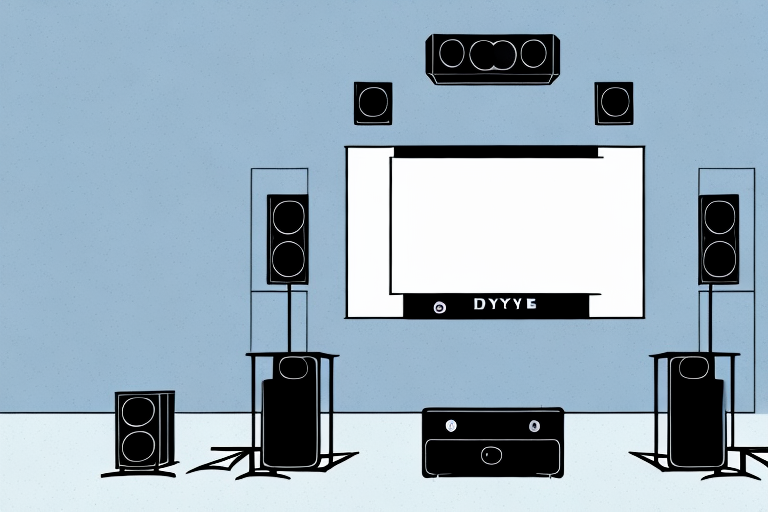
Setting up a home theater system can transform your viewing experience, making it immersive and engaging. To achieve optimal sound and picture quality, careful attention to detail during installation and calibration is essential. This guide will Artikel the necessary steps to enhance both audio and visual performance in your home theater setup.
Steps for Optimal Audio and Video Calibration
Achieving the best audio and video calibration requires a systematic approach. Here are the critical steps to follow:
1. Display Calibration: Start by adjusting your television or projector settings. Aim for accurate colors and brightness. Use calibration tools or software if available.
– Adjust brightness and contrast to ensure details in both dark and bright scenes are visible.
– Set color temperature to a neutral setting, typically around 6500K for most displays.
2. Audio Calibration: Utilize built-in calibration tools in your AV receiver or sound system. These often include:
– Room Correction Technology: Systems like Audyssey or YPAO automatically adjust speaker levels and equalization based on your room’s acoustics.
– Manual Adjustments: If you prefer a hands-on approach, adjust the volume levels of each speaker to ensure they are balanced relative to your listening position.
3. Source Settings: Ensure that the devices connected to your home theater, such as Blu-ray players and streaming devices, are set to output the highest quality audio and video formats available.
– Enable settings for 4K HDR if your display supports it.
– Set audio output options to Bitstream for surround sound formats.
Importance of Room Acoustics and Speaker Placement
The acoustics of your room and the placement of speakers play a vital role in sound quality. Attention to these factors can enhance your home theater experience dramatically.
– Room Acoustics: Hard surfaces reflect sound, leading to echoes and distortion. To improve sound quality:
– Consider adding soft furnishings like rugs, curtains, and cushions which can absorb sound.
– Use acoustic panels on walls to dampen excessive reverberation.
– Speaker Placement: Correct positioning of speakers significantly impacts sound staging. Follow these guidelines:
– Place front speakers at ear level when seated.
– Surround speakers should be positioned to the sides or slightly behind the seating area for an immersive experience.
– For subwoofers, experiment with placement in different corners of the room to find the spot with the best bass response, known as the “subwoofer crawl.”
Adjusting Device Settings for Maximum Performance
Ensuring each device in your home theater system is optimized will maximize overall performance. Here are several tips to consider:
– HDMI Settings: Ensure that all HDMI cables are high-speed and support the latest standards for video and audio transmission.
– Image Settings: For projectors, adjust the zoom and focus settings meticulously to fit your screen size and distance.
– Sound Modes: Explore different sound modes on your receiver, such as Dolby Atmos or DTS:X, to find the best match for the type of content being played.
– Firmware Updates: Regularly check for updates on all devices, including your AV receiver, television, and streaming devices, as manufacturers often release updates that can improve performance and compatibility.
“Proper audio calibration and speaker placement can enhance the listening experience, making each movie night feel like a trip to the cinema.”
The impact of room size and layout on home theater experience
The room size and layout are critical factors that significantly influence the home theater experience. Whether you have a spacious dedicated theater room or a compact multi-purpose space, the dimensions and arrangement can affect how sound and visuals are perceived. Understanding these elements can help create an enjoyable cinematic experience tailored to your specific environment.
Room dimensions play a crucial role in sound and visuals. Larger rooms can enhance sound dynamics, allowing for a fuller audio experience with deeper bass and clearer highs. However, oversized spaces may lead to echo and sound dispersion issues if not properly treated with acoustic panels. Conversely, smaller rooms may limit sound dynamics, but they can create a more intimate setting, which can be advantageous for clarity. The layout also matters; placing seating too close or too far from the screen can detract from both audio and visual enjoyment. Proper speaker placement and screen distance are essential considerations.
Strategies for enhancing viewing experience in smaller or unconventional spaces
Creating an engaging home theater experience in smaller or unconventional spaces requires thoughtful planning and innovative solutions. Here are some effective strategies to maximize the potential of such environments:
- Use a projector: In limited space, a wall-mounted projector can provide a large screen experience without requiring a bulky display. This also allows for flexibility in screen size.
- Optimize seating arrangement: Positioning seats at an optimal distance from the screen enhances viewing angles and ensures sound reaches the audience without distortion.
- Employ acoustic treatments: Adding sound-absorbing materials like drapes, carpets, or specialized acoustic panels can minimize echoes and enhance sound quality, making the most of smaller spaces.
- Incorporate multi-functional furniture: Consider using sofas that can convert to beds or storage units that double as seating to maximize space utility without compromising comfort.
- Consider wall-mounted speakers: Mounting speakers to the wall can save floor space while providing an immersive audio experience.
Comparison of dedicated home theaters versus multi-purpose rooms
Evaluating dedicated home theaters against multi-purpose rooms reveals distinct advantages and disadvantages for each setup.
Dedicated home theaters are specifically designed to create an optimal viewing experience. They often include soundproofing features, custom lighting, and seating arranged for the best visual and sound experience. However, the downside includes the high cost of setup and the fact that they can sometimes be used only for entertainment purposes.
Multi-purpose rooms, on the other hand, offer versatility, serving as both a living area and a media space. This flexibility can be beneficial for families who want to maximize their living space. However, these rooms may sacrifice some audio and visual performance due to furniture arrangements and competing activities.
“A dedicated home theater can offer a more immersive experience, while a multi-purpose room provides functionality and adaptability for everyday life.”
Home theater system upgrades and enhancements to consider
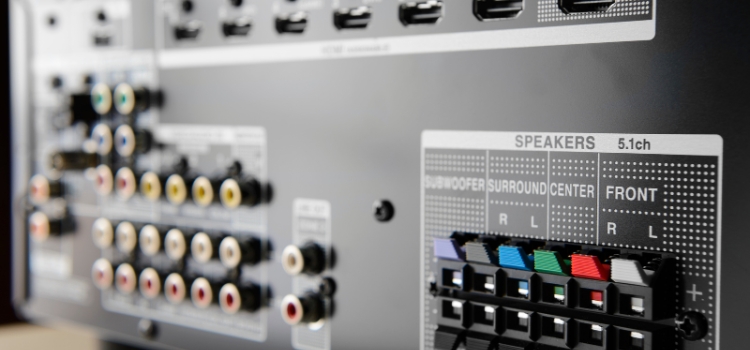
Upgrading your home theater system can significantly enhance your viewing experience, making it more immersive and enjoyable. With the rapid advancement of technology, there are numerous options available that cater to various preferences and budgets. Identifying the right upgrades can transform your home theater into a true cinematic experience, ensuring that you enjoy every movie night to the fullest.
Enhancements to a home theater system can range from simple additions, like streaming devices, to substantial upgrades, such as high-end projectors and speakers. Each of these improvements offers distinct advantages, which can elevate audio-visual quality and accessibility. For instance, incorporating a streaming device allows access to a plethora of content, while upgraded speakers deliver richer sound quality. Understanding these options helps in making informed choices that align with your entertainment needs.
Popular upgrades for improved home theater experience
Investing in specific upgrades can notably improve the functionality and performance of your home theater. Below are some popular upgrades that can enhance your overall experience:
- Streaming Devices: Devices like Roku, Amazon Fire Stick, or Apple TV allow for easy access to streaming services, enabling users to watch their favorite shows and movies without reliance on cable. The convenience and variety offered can significantly enhance content accessibility.
- Upgraded Speakers: High-quality speakers, such as Dolby Atmos systems, provide immersive soundscapes that mimic a theatrical experience. Investing in surround sound setups can elevate the auditory experience, making dialogues clearer and sound effects more impactful.
- Advanced Projectors: Upgrading to a 4K or laser projector can vastly improve picture clarity and color accuracy. Such projectors often come equipped with advanced technologies that optimize display quality, making visuals appear more vibrant and lifelike.
- Smart TVs: A smart TV with high resolution and HDR capability can improve picture quality significantly. These televisions often come with built-in streaming apps, reducing the need for additional devices.
The following table Artikels cost ranges for various upgrade options, highlighting the diversity in quality and features available in the market:
| Upgrade Option | Cost Range | Features |
|---|---|---|
| Streaming Devices | $30 – $200 | Access to multiple streaming platforms, 4K capabilities, voice control. |
| Upgraded Speakers | $150 – $3000 | Surround sound, Dolby Atmos support, wireless connectivity. |
| Advanced Projectors | $500 – $5000 | 4K resolution, high brightness levels, long lamp life. |
| Smart TVs | $300 – $3000 | High resolution, built-in apps, voice control, smart home integration. |
“Investing in a quality home theater upgrade can lead to an enhanced viewing experience that mirrors the excitement of a cinema.”
Common mistakes to avoid when creating a home theater system
Setting up a home theater system can be an exciting venture, promising an immersive experience that transforms your viewing habits. However, many enthusiasts encounter pitfalls that can hinder performance and satisfaction. By understanding these common mistakes, you can create a setup that maximizes your investment and enhances your enjoyment.
Proper wiring and cable management are crucial elements in any home theater installation. Poorly managed cables can lead to signal interference, reduced audio quality, and an overall cluttered appearance that detracts from the aesthetic of your space. Additionally, the way you wire your system affects both usability and longevity. Here are some frequent mistakes to be aware of:
Poor Cable Management
Effective cable management not only keeps your setup looking tidy but also ensures optimal performance. Common mistakes in this area include:
- Running cables near power sources: This can cause interference and degrade audio and video quality.
- Using the wrong type of cables: For example, using standard HDMI cables for 4K content can lead to compatibility issues.
- Neglecting to label cables: This oversight makes it difficult to troubleshoot or rearrange your setup in the future.
When cables are tangled or improperly routed, the risk of damage increases. To maintain a clean and efficient system, consider using cable trays, zip ties, or adhesive clips to secure and organize cables effectively.
Incorrect Equipment Placement
The placement of your components significantly impacts both sound and visual experience. Mistakes in this area can include:
- Positioning speakers too close to walls: This can create unwanted reflections and distort sound quality.
- Placing the television or projector at the wrong height: Eye-level positioning is essential for comfortable viewing.
- Ignoring room acoustics: Carpet, curtains, and wall materials can all affect sound propagation, so take these into account when setting up.
By carefully planning equipment placement, you can enhance both the auditory and visual aspects of your home theater system.
Failure to Troubleshoot Common Issues
Over time, you may encounter various issues that can disrupt your home theater experience. Being prepared to troubleshoot can save frustration and time. Common issues include:
- Audio sync problems: This often arises from processing delays between video and audio devices. Adjusting settings in your receiver may resolve this.
- Picture quality issues: If you notice a decline in video quality, check connections and ensure you are using high-speed HDMI cables.
- Network connectivity problems for streaming devices: Regularly update firmware and ensure your Wi-Fi network is strong and stable.
Having a basic understanding of these potential issues and their solutions can help you maintain an enjoyable home theater experience without unnecessary interruptions.
Exploring the future of home theater technology
As technology continues to evolve at an unprecedented pace, the future of home theater systems is set to undergo remarkable transformations. Innovative advancements in visual and audio quality, alongside enhanced smart home integration, are primed to redefine how we experience movies, music, and gaming from the comfort of our living rooms. Emerging trends such as 8K resolution, immersive audio systems, and seamless connectivity will significantly enrich our entertainment environments.
Emerging Trends in Home Theater Technology
The future of home theaters hinges on several key technological advancements that promise to enhance user experiences. These innovations include:
- 8K Resolution: As 4K resolution becomes the norm, 8K technology steps in to offer unparalleled clarity and detail. With four times the pixel count of 4K, 8K displays create an almost lifelike viewing experience. This advancement is particularly beneficial for large screens, where the increased resolution prevents pixelation and allows for immersive visuals, making viewers feel as though they are part of the action. Major brands are already releasing 8K TVs equipped with upscaling technology to enhance older content.
- Immersive Audio Systems: Traditional surround sound systems are being surpassed by immersive audio technologies like Dolby Atmos and DTS:X. These systems utilize object-based audio to create a three-dimensional sound landscape, allowing sound to move seamlessly around the room. This technology not only enhances the auditory experience of films but is also becoming increasingly popular in gaming, providing a competitive edge.
- Smart Home Integration: Home theaters are becoming central components of smart homes. Devices can now be controlled via voice commands or integrated apps, allowing users to adjust lighting, sound, and visuals seamlessly. For example, systems such as Control4 and Crestron enable users to create custom scenes that set the perfect ambiance for movie nights, further simplifying the home theater experience.
- Innovative Display Technologies: Technologies like MicroLED and OLED are revolutionizing display options. MicroLED, in particular, offers stunning brightness and contrast ratios, while OLED panels deliver rich colors and deep blacks. These displays not only provide superior picture quality but are also more energy-efficient, aligning with growing sustainability trends.
Comparing Traditional Systems with Upcoming Innovations
The difference between traditional home theater systems and the innovations on the horizon is stark. Traditional systems often rely on separate components for audio, video, and control, which can complicate setup and operation. In contrast, future-oriented systems prioritize integration, delivering a more cohesive and user-friendly experience.
“The future of home theaters is not just about better quality, but about a seamless, integrated experience that transcends traditional boundaries.”
Additionally, as content delivery shifts toward streaming platforms, compatibility with these services is crucial. Upcoming home theater innovations will include features like automatic updates and enhanced compatibility with various streaming protocols, ensuring users have both the latest content and the best viewing experience.
As we move forward, the home theater landscape will continue to evolve, shaped by these advancements in technology and user preferences. The goal is clear: to create immersive environments that bring cinematic experiences into the home in ways previously thought impossible.
The benefits of investing in a home theater system
Investing in a home theater system elevates the way you experience movies, games, and music within the comfort of your home. It provides a personalized escape into immersive entertainment that rivals going to a cinema, making your home the ultimate destination for fun and relaxation. With advanced technology and high-quality audio-visual components, a home theater creates an atmosphere that engages all your senses, ensuring every viewing is nothing short of spectacular.
Enhanced Entertainment Experience
A home theater system transforms ordinary viewing into an extraordinary event, allowing you to enjoy films and shows as they were meant to be experienced. Key components such as high-definition projectors, large screens, and surround sound systems lead to a captivating experience. The benefits of such enhancements include:
- Immersive Sound Quality: The use of surround sound systems, like 5.1 or 7.1 channels, creates a three-dimensional audio environment that pulls viewers into the action. This is particularly effective in action films and immersive video games where directional sound enhances realism.
- Visual Clarity: High-definition projectors or OLED screens deliver crisp and vibrant images, allowing you to see every detail, from the flicker of a candle to the vastness of a starry sky. This clarity significantly enriches the viewing experience.
- Comfort and Convenience: Home theaters offer the comfort of your own space, where you can recline in cozy seating with your favorite snacks. You control the environment, from lighting to temperature, ensuring an ideal setting for movie nights.
Long-Term Value Addition to Property
Investing in a quality home theater system can significantly enhance the value of your property. A well-designed entertainment space is increasingly appealing to potential buyers, making your home stand out in the real estate market. The following points highlight this value addition:
- Increased Property Appeal: Homes with dedicated entertainment areas often attract buyers looking for modern conveniences, lifting your property’s marketability.
- Potential for Higher Resale Value: According to the National Association of Home Builders, homes with media rooms can see a return on investment above 50% when sold. This means that while you enjoy the entertainment, you’re also securing your financial future.
- Attracts Families: A home theater is particularly appealing to families, who value shared experiences and quality time, thus increasing demand for your property in family-oriented neighborhoods.
Facilitation of Social Gatherings and Family Bonding
Home theaters serve as a fantastic venue for social gatherings, fostering connections among friends and family. They can turn an ordinary get-together into a special event. Consider these aspects:
- Hosting Movie Nights: A home theater is perfect for hosting movie marathons or themed nights, where you can invite friends over for an immersive cinematic experience, complete with popcorn and drinks.
- Enhanced Family Time: Regular family movie nights not only entertain but strengthen bonds, creating lasting memories in a shared space designed for comfort and enjoyment.
- Versatile Entertainment: Home theaters aren’t limited to movies; they can also host gaming sessions or sports events, making them versatile spaces for various gatherings, ensuring that there’s something for everyone.
Maintenance tips for keeping a home theater system in top condition
Maintaining a home theater system is crucial for enhancing your viewing experience and prolonging the life of your equipment. Regular maintenance not only improves performance but also ensures that you can enjoy your favorite movies, shows, and games without interruptions caused by technical issues. Here are some essential practices to keep your home theater system in pristine condition.
Regular maintenance practices can significantly extend the life of your home theater components. This can include everything from cleaning and organizing your equipment to ensuring that all software and firmware are up-to-date. By following a routine maintenance schedule, you can prevent minor issues from becoming major problems, allowing you to enjoy a seamless entertainment experience.
Cleaning Home Theater Components
Keeping your home theater system clean is vital for optimal performance. Dust can accumulate on equipment, leading to overheating and connectivity issues. Regularly dusting and cleaning your components can prevent such problems and maintain the aesthetics of your setup.
To effectively clean your home theater components, consider the following practices:
- Use a soft microfiber cloth to wipe down surfaces regularly, ensuring you avoid abrasive materials that could scratch screens or surfaces.
- Keep ventilation areas clear of dust and debris, as this helps to prevent overheating.
- For screens, use products specifically designed for electronic displays to avoid damaging any coatings.
Software Updates and Firmware Management
Keeping your system’s software updated is essential for ensuring compatibility with new technology and improving security. Regular updates can also enhance system performance and introduce new features.
Consider the following tips for managing software updates effectively:
- Enable automatic updates for devices whenever possible, ensuring you receive the latest enhancements without manual intervention.
- Regularly check for updates on devices that may not support automatic updates, like older receivers or projectors.
- Document your current firmware versions before updating, allowing you to revert if necessary.
Regular Check-Ups for Optimal Performance
Conducting regular check-ups is an essential part of maintaining your home theater system. A quick evaluation can help ensure that all components are functioning properly and can identify potential issues early.
Here’s a simple checklist for seasonal maintenance:
- Inspect cables and connections for wear and tear, replacing any that look damaged.
- Test all components, including speakers and projectors, to ensure they are operating at optimal levels.
- Rearrange any clutter around your equipment to ensure proper airflow and access.
“An ounce of prevention is worth a pound of cure.” This saying rings especially true for maintaining your home theater system—regular maintenance can save you from costly repairs and enhance your entertainment experience.
Wrap-Up
In conclusion, investing time and resources into a home theater system can greatly enhance not only your viewing pleasure but also your home’s social atmosphere. With the proper setup, upgrades, and maintenance, your home can become the go-to spot for gatherings and memorable movie nights. As technology continues to evolve, staying informed about the latest advancements ensures you’ll always enjoy the best cinematic experience at home.
FAQ Explained
What are the key components of a home theater system?
The key components include a display (like a projector or TV), audio receiver, speakers, and a source device (such as a Blu-ray player or streaming device).
How important is room acoustics for a home theater?
Room acoustics are crucial as they affect how sound travels and is perceived, influencing the overall audio experience.
Can I set up a home theater in a small space?
Yes, with careful planning and the right equipment, you can create an enjoyable home theater experience in smaller spaces.
What common mistakes should I avoid during setup?
Avoid poor speaker placement, inadequate wiring, and neglecting to optimize audio and video settings for your specific room.
Are upgrades worth the investment in a home theater system?
Absolutely! Upgrades like better speakers or a 4K projector can significantly improve your viewing and listening experience.
How often should I perform maintenance on my home theater system?
Regular maintenance, including cleaning and software updates, should be done at least every few months to maintain optimal performance.