
 Zoe Nora
Home audio systems have transformed the way we experience sound, bringing the concert hall into our living rooms. Over the years, these systems have evolved from simple setups to complex networks of equipment designed for optimal sound quality and user experience. Today, the choices are vast, catering to audiophiles and casual listeners alike, making home audio both a luxury and a necessity in modern living.
As technology advances, the variety of home audio systems available has expanded significantly. From sleek smart speakers that integrate with your home network to traditional surround sound setups that envelop you in rich sound, there’s something for everyone. Understanding the features and benefits of each type can help you make an informed decision, ensuring that your audio experience is nothing short of spectacular.
The Evolution of Home Audio Systems
The journey of home audio systems is a fascinating tale of technological innovation that has transformed how we experience sound in our living spaces. From humble beginnings with basic radio systems and record players to today’s sophisticated multi-room audio setups, the evolution of home audio has continually adapted to meet the changing needs and expectations of consumers. Over the decades, advancements in technology have played a crucial role in enhancing sound quality, user experience, and system design.
The historical development of home audio systems can be traced back to the early 20th century when the first phonographs allowed people to listen to recorded music in their homes. These mechanical devices laid the groundwork for future innovations. As technology progressed, the introduction of electrical amplification in the 1920s led to the creation of more powerful and clearer sound systems. The invention of the transistor in the 1950s marked a significant breakthrough, enabling the development of compact and more efficient audio components.
With the rise of stereo sound in the 1960s, home audio systems began to incorporate multiple speakers to create a rich and immersive listening experience. This was a pivotal moment that shifted the focus from merely playing music to enhancing the quality of sound. The 1970s saw the introduction of cassette players and solid-state receivers, further improving accessibility and sound fidelity. By the 1980s, CD players revolutionized the industry, providing consumers with high-quality digital audio.
Technological advancements have consistently influenced sound quality and system design in home audio systems. Digital signal processing (DSP) became a game-changer, allowing for more precise sound manipulation and effects. The introduction of multi-channel audio formats like Dolby Surround and DTS transformed home theater experiences, making them more engaging and lifelike.
In recent years, the emergence of wireless technology has dramatically changed how audio systems are designed and used. Bluetooth and Wi-Fi connectivity enable seamless streaming from various devices, allowing listeners to enjoy music without the hassle of cables. Brands like Sonos and Bose have led the charge in creating multi-room systems that can be controlled via smartphones, making it easier than ever to curate personalized listening experiences throughout the home.
The current state of home audio systems embraces adaptability and customization. Smart home integration has become standard, allowing users to sync their audio systems with smart assistants and other smart devices. As a result, consumers can control their audio environments with voice commands or apps, enhancing convenience and accessibility.
Today’s home audio systems are not just about sound; they reflect a lifestyle, an experience, and a connection to technology.
In summary, the evolution of home audio systems illustrates a remarkable trajectory of technological advancement that has continuously shaped the ways in which we enjoy music and sound. By understanding this evolution, consumers can appreciate the sophistication and capabilities of modern audio systems, which are designed not just for sound quality, but for an enriched auditory experience that fits seamlessly into contemporary life.
Types of Home Audio Systems Available in the Market
Home audio systems have evolved significantly over the years, catering to a variety of listening preferences and technological advancements. Whether you’re an audiophile seeking pristine sound quality or someone who enjoys casual listening, there are options available that suit your needs. This overview will categorize the different types of home audio systems, highlighting their unique features and providing relevant examples for each.
Stereo Systems
Stereo systems are the simplest form of home audio setups, primarily designed for two-channel sound reproduction. They typically consist of two speakers and a receiver, creating a spatial sound experience ideal for music lovers. The primary advantage of stereo systems is their ease of use and setup. Many models, like the Sonos Five or the Yamaha R-N303, offer high-quality audio performance without overwhelming complex configurations.
These systems are perfect for smaller spaces and can efficiently fill a room with sound. The connection options usually include Bluetooth and auxiliary inputs, making them versatile for various playback sources, including smartphones, tablets, and traditional CD players. Furthermore, stereo systems can deliver a warmer and more natural sound, which many audiophiles appreciate.
Surround Sound Systems
Surround sound systems take audio immersion to the next level by using multiple speakers placed around the room to create a three-dimensional sound environment. This type of system typically includes a combination of speakers: a center channel speaker, left and right speakers, surround speakers, and a subwoofer. Popular examples include the Bose Lifestyle series and the Samsung HW-Q950A.
The effectiveness of surround sound systems comes into play during movie watching or gaming, where sound can come from different directions, enhancing the overall experience. These systems often support formats like Dolby Atmos, which allows for height channels, making sound placement more precise and immersive. However, surround sound systems can be more complex to set up and require more space compared to stereo systems.
Smart Audio Systems
Smart audio systems integrate the latest technology, allowing users to control their audio experience through voice commands or smartphone apps. These systems can connect to the internet and often support streaming services like Spotify or Apple Music directly. Notable examples include the Amazon Echo Studio and the Google Nest Audio.
Smart audio systems often serve multiple functions, such as acting as a hub for smart home devices, offering voice control capabilities, and providing multi-room audio setups. The ease of integration with other smart devices enhances the user experience, allowing for seamless control over music playback, volume adjustments, and even home automation tasks.
In summary, the diverse range of home audio systems available caters to varying preferences and requirements, from simple stereo setups to immersive surround sound configurations and innovative smart systems. Understanding these categories can help consumers make informed choices that fit their specific audio needs.
Key Features to Look for When Choosing a Home Audio System
When selecting a home audio system, several critical features can significantly enhance your listening experience. It’s essential to consider sound quality, connectivity options, and user interface to ensure that your investment meets your audio needs and preferences. Understanding these elements helps consumers make informed decisions tailored to their lifestyles.
Sound quality is undoubtedly the most pivotal factor when choosing an audio system. It encompasses clarity, richness, and detail in audio playback. High-fidelity audio systems aim to reproduce sound as accurately as possible, capturing the nuances in music and effects. Look for systems that support lossless audio formats and have specifications like a wide frequency response (20 Hz to 20 kHz) for optimal performance.
Connectivity options are equally important, as they determine how easily you can integrate your audio system with other devices. Make sure to check for various input types, including Bluetooth, Wi-Fi, HDMI, and optical inputs, allowing seamless connectivity with smartphones, smart TVs, and other media sources. Additionally, systems that support multi-room audio can enhance your listening experience throughout your home, enabling you to control music in different rooms from a single device.
The user interface also plays a crucial role in your experience with a home audio system. A simple, intuitive interface with easy navigation will enhance user satisfaction. Look for systems that have mobile app compatibility, voice control features, and customizable settings, which can make operating the system straightforward and enjoyable.
| Feature | Importance | Examples |
|---|---|---|
| Sound Quality | Crucial for accurate audio reproduction | High fidelity systems, Surround sound capabilities |
| Connectivity Options | Determines device integration ease | Bluetooth, Wi-Fi, HDMI, Optical |
| User Interface | Affects ease of use and operation | Mobile app support, Voice control, Custom settings |
In summary, prioritizing sound quality, diverse connectivity options, and a user-friendly interface when selecting a home audio system will lead to a more fulfilling audio experience. Investing time in understanding these features can result in an audio setup that perfectly fits your entertainment needs, offering enjoyment for years to come.
The Importance of Room Acoustics in Home Audio Systems
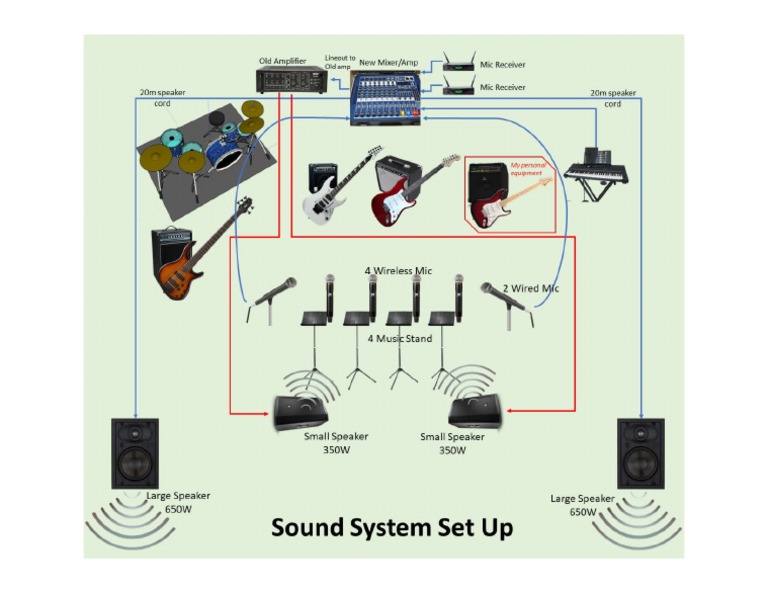
Room acoustics play a crucial role in the overall performance of a home audio system, greatly impacting the listener’s experience. The way sound travels within a space is influenced by various factors, such as the room’s shape, size, and the materials present. Understanding these elements can lead to significant improvements in audio clarity and richness, ensuring that you get the most out of your audio investments.
When sound waves are produced, they do not travel in a straight line but instead reflect off walls, ceilings, and furniture. This reflection can create echoes, dead zones, and sound coloration, which all contribute to the overall sound quality. To optimize sound quality in different spaces, several strategies can be employed. Firstly, choosing the correct speaker placement is vital; speakers should ideally be positioned to form an equilateral triangle with the listening position, ensuring that sound waves reach the listener simultaneously. Additionally, the distance of speakers from walls can reduce unwanted reflections, enhancing audio clarity.
Role of Furniture and Room Layout
The arrangement of furniture and the overall layout of a room can significantly influence acoustics. Soft furnishings like carpets, curtains, and upholstered furniture absorb sound, reducing harsh reflections that can lead to muddiness in the audio. This sound absorption is essential, especially in rooms with hard surfaces like tile or hardwood floors, which can amplify unwanted echoes.
Here are some key considerations for furniture and layout optimization:
- Strategic Placement of Soft Materials: Incorporating rugs, cushions, and drapes can help absorb sound waves and minimize reflections. For instance, placing a thick area rug on a hardwood floor can drastically reduce echo, creating a warmer sound environment.
- Speaker Positioning: The distance from walls and the angle of speakers can be adjusted based on the room’s shape. For instance, in a rectangular room, placing speakers along the long wall typically offers better sound dispersion.
- Loudness Control: Experimenting with the volume levels based on room acoustics can help find the sweet spot. Sometimes, reducing the volume slightly in a highly reflective room can lead to an improved listening experience.
- Furniture Arrangement: Arranging furniture to form a barrier between sound reflections and the listener can minimize interference. This is particularly effective in larger rooms where sound waves can bounce around more freely.
Additionally, creating an audio-friendly layout may involve rearranging or adding elements that contribute positively to sound propagation. For example, bookshelves filled with books can act as a diffuser, scattering sound waves and reducing the intensity of reflections. Utilizing wall art can also contribute to aesthetics while improving acoustical properties, depending on the materials used.
In summary, room acoustics are an integral part of achieving optimal sound quality in home audio systems. By paying attention to the layout and materials within your space, you can significantly enhance your listening experience, ensuring that your home audio system performs at its best.
Connecting Home Audio Systems with Other Smart Devices
Integrating your home audio system with other smart devices can greatly enhance your listening experience and streamline your daily routines. By connecting your audio setup to voice assistants, TVs, and streaming platforms, you can control your music and sound settings with ease, creating an immersive environment tailored to your preferences.
The integration of various smart devices allows for a seamless flow of audio throughout your living space. Voice assistants like Amazon Alexa or Google Assistant can control your audio system hands-free, while smart TVs and streaming platforms provide a wide array of entertainment options directly linked to your speakers. The following steps Artikel how to connect these devices effectively for optimal performance.
Integration Procedure with Smart Devices
For successful integration of your home audio system with smart devices, follow these Artikeld steps:
1. Set Up Your Smart Speaker or Voice Assistant:
Begin by placing your smart speaker in a central location to ensure good voice recognition. Follow the manufacturer’s instructions to connect it to your Wi-Fi network. Popular models include Amazon Echo and Google Nest.
2. Connect Your Audio System:
Most modern audio systems support Bluetooth or Wi-Fi connections. Access your audio system’s settings and enable Bluetooth or Wi-Fi. In your voice assistant app, look for settings that allow you to connect to your audio system. For instance, with an Amazon Echo, you can use the “Device” tab to link your Echo to a compatible sound system.
3. Link Streaming Services:
If your audio system supports streaming services like Spotify or Apple Music, sign in to your accounts on the respective app. On devices like Sonos, for example, you can add services directly through their app, allowing you to play music seamlessly on your audio system.
4. Sync with Your Smart TV:
To pair your audio system with a smart TV, connect the TV and audio system via HDMI ARC (Audio Return Channel) or optical cable for optimal sound quality. Ensure that both devices are set to the correct input/output settings. Many smart TVs have built-in options to connect to Bluetooth speakers or sound systems directly.
5. Voice Control and Automation:
Once everything is connected, you can use voice commands to control playback, adjust volume, and switch tracks. For example, saying “Alexa, play jazz on the living room speakers” will prompt the system to play music through your connected audio system. Explore routines and automations within your smart device app for added convenience.
“Integration of smart technology into your audio system elevates the home entertainment experience, making it more personalized and user-friendly.”
By following these steps, you can enjoy a fully integrated home audio system that works in harmony with your smart devices, creating an enriching environment for entertainment and relaxation.
Budgeting for a Home Audio System
Setting up a home audio system can be an exciting endeavor that significantly enhances your entertainment experience. However, it’s essential to navigate the budgeting process carefully, as the costs can vary widely based on your choices in equipment, installation, and ongoing maintenance. Understanding these costs helps ensure you invest wisely in a system that fits your needs and lifestyle.
When considering the expenses involved in establishing a home audio system, it’s crucial to categorize them into three main areas: equipment, installation, and maintenance. Each category can present varying costs depending on the quality and complexity of the components you choose.
Equipment Costs
The bulk of your budget will likely go toward the equipment, which can include speakers, receivers, amplifiers, streaming devices, and cables. The price ranges for these items can be quite broad. For example, a decent set of bookshelf speakers might start around $150, while high-end floor-standing speakers can exceed $2,000. Additionally, a good AV receiver—which serves as the hub for audio components—can range from $200 to $1,500 or more.
Here are some common equipment examples with their general price ranges:
- Bookshelf Speakers: $150 – $2,000
- Floor-Standing Speakers: $400 – $5,000
- AV Receivers: $200 – $1,500
- Subwoofers: $100 – $1,500
- Streaming Devices: $50 – $300
Installation Costs
While some enthusiasts may opt for DIY installation, hiring a professional can ensure optimal performance and aesthetics. Installation costs typically range from $100 to $500, depending on the complexity of the setup. For example, a simple two-speaker system may only cost around $100 for installation, while a more intricate multi-room setup could reach $500 or more.
Maintenance and Upkeep
Maintenance is often overlooked in budgeting discussions but is crucial for ensuring your system remains in top condition. Routine maintenance may include cleaning equipment and updating software. This could incur minimal costs, while major repairs or replacements might add an unexpected expense. Setting aside approximately 10% of your initial equipment budget annually for maintenance can be a wise approach.
“Investing in a quality home audio system not only enhances your listening experience but also adds value to your home.”
In summary, budgeting for a home audio system requires careful consideration of equipment, installation, and ongoing maintenance. By being informed about potential costs and prioritizing your needs, you can create a magnificent sound experience without breaking the bank.
Common Mistakes to Avoid When Setting Up a Home Audio System
Setting up a home audio system can be an exciting yet daunting task. While many enthusiasts focus on selecting the right components, they often overlook crucial aspects of installation and configuration. Making mistakes during this process can lead to subpar sound quality and a less enjoyable listening experience. Here, we highlight common errors and provide tips on how to avoid them.
Improper Speaker Placement
Speaker placement significantly affects sound quality. Many people either place speakers too close to walls or in corners, which can cause unwanted bass resonance and muddled sound. To achieve optimal audio, follow these guidelines for speaker placement:
- Maintain adequate distance from walls: A rule of thumb is to position speakers at least 12 inches away from walls to minimize reflections.
- Form an equilateral triangle: Position the speakers and listening area in a triangle configuration for the best soundstage.
- Consider height: Ensure that tweeters are at ear level when seated for the best clarity.
Neglecting Room Acoustics
The acoustics of your room play a crucial role in the overall sound quality. Many individuals ignore this aspect, resulting in a less than ideal listening environment. Here are some ways to address room acoustics:
- Use soft furnishings: Carpets, curtains, and upholstered furniture can absorb sound and reduce echo.
- Place acoustic panels: Strategically positioned panels can help control unwanted reverberation and improve clarity.
- Test with different setups: Experiment with furniture arrangement and accessories to find the most acoustically pleasant configuration.
Ignoring Source Quality
The quality of your audio source can greatly influence the listening experience. A common mistake is to overlook the specifications of audio files or streaming services. Consider the following points:
- High-resolution audio: Opt for lossless formats (such as FLAC) to preserve sound quality.
- Streaming quality settings: Ensure your music streaming services are set to their highest quality options.
- Use a good digital-to-analog converter (DAC): A high-quality DAC can significantly improve sound performance.
Overcomplicating the Setup
While it can be tempting to use multiple devices and cables, overcomplicating your audio setup can lead to confusion and connectivity issues. To simplify your system:
- Reduce unnecessary components: Choose versatile devices that combine multiple functions where possible.
- Use quality cables: Invest in high-quality cables to prevent signal loss and interference.
- Follow a logical layout: Keep your setup tidy and organized to minimize troubleshooting complexities.
Forgetting About Calibration
Calibration is often overlooked but is essential for achieving the best audio performance from your system. Many users skip this step, leading to sound imbalances. Remember to:
- Use a sound level meter: This device can help you adjust speaker levels accurately.
- Utilize built-in calibration tools: Many modern receivers come with automatic calibration systems that can optimize your setup.
- Regularly re-calibrate: Changes in the room or system can affect audio; recalibrate periodically for consistent performance.
In summary, avoiding these common mistakes can elevate your home audio experience and ensure you get the most out of your investment. By focusing on speaker placement, room acoustics, source quality, simplification of setup, and proper calibration, you can enjoy a rich and immersive sound environment.
Future Trends in Home Audio Technology
As the world of home audio technology continues to evolve, exciting innovations are on the horizon. The convergence of advanced sound processing techniques and enhanced wireless capabilities is set to redefine the listening experience in our homes. With the rapid pace of technological advancements, it is critical to stay informed about the future developments that will shape audio systems.
New trends and innovations in home audio technology will significantly enhance our interactions with music and sound, creating more immersive environments. The following points highlight key predictions and advancements to look forward to in this space:
Advancements in Sound Processing
The way sound is processed plays a vital role in the quality of audio experiences. Innovations in this area promise to deliver superior sound clarity and more engaging listening environments.
- Spatial Audio Technology: This technology, which creates a three-dimensional sound space, will become more prevalent. Brands are investing in formats like Dolby Atmos, which allows users to experience sound from all directions, enhancing the realism of movies and music.
- AI-Driven Sound Optimization: Artificial intelligence will increasingly be used to analyze room acoustics and adjust sound settings automatically for optimal listening based on user preferences and environmental factors.
- High-Resolution Audio Streaming: As internet speeds continue to improve, the demand for high-resolution audio streaming services will rise. Formats like FLAC and DSD provide lossless audio quality that appeals to audiophiles.
Enhanced Wireless Capabilities
The demand for wireless audio solutions is growing, leading to innovations that offer more convenience and flexibility for users.
- Multi-Room Audio Systems: Seamless integration of audio across multiple rooms will become standard. Systems that connect wirelessly across a network, like Sonos and Google Home, will allow users to control audio in different spaces effortlessly.
- Bluetooth 5.2 and Beyond: The advancement of Bluetooth technology will facilitate greater range, connection stability, and lower latency, enhancing wireless audio streaming from devices like smartphones and tablets.
- Integration with Smart Home Devices: Audio systems will increasingly link with smart home technology, allowing voice control through assistants like Alexa or Google Assistant, making it easier to manage music and sound environments.
“The future of home audio lies in the fusion of exceptional sound quality and seamless connectivity.”
As these trends unfold, audio enthusiasts can anticipate a more immersive, intuitive, and enjoyable listening experience within their homes. The future of home audio technology is bright, driven by continuous innovation that redefines what is possible in sound.
Final Review
In conclusion, investing in a home audio system is about enhancing your overall entertainment experience, whether it’s for movies, music, or gaming. By considering the evolution of technology, the various system types available, and the importance of room acoustics, you can create a setup that perfectly suits your lifestyle. As trends continue to evolve, staying informed will help you make choices that not only meet your current needs but also adapt to future audio innovations.
Questions Often Asked
What is the best type of home audio system for beginners?
A simple stereo system or a smart speaker is often the best choice for beginners due to ease of use and setup.
How can I improve the sound quality of my existing system?
Enhancing room acoustics, using quality cables, and upgrading to better speakers can significantly improve sound quality.
Are wireless home audio systems reliable?
Yes, modern wireless systems are generally reliable, but performance may vary based on your home’s Wi-Fi setup.
Do I need a separate amplifier for my home audio system?
It depends on the type of speakers you have; passive speakers require an amplifier, while active speakers do not.
Can I connect my home audio system to my TV?
Absolutely! Most modern audio systems can be easily connected to your TV via HDMI, optical cable, or Bluetooth.