
 Zoe Nora
Smart audio installation is not just a trend; it’s a revolution that’s reshaping our listening experiences everywhere from cozy living rooms to bustling offices. With recent advancements in technology, these systems are becoming more accessible and easier to integrate into our daily lives, making the auditory environment smarter and more enjoyable.
From sleek products that sync seamlessly with your smart home to a growing awareness of acoustics that enhance sound quality, the world of smart audio is dynamic and full of exciting possibilities. As we explore the benefits and challenges of these installations, you’ll discover how they can redefine the way you experience sound.
Smart audio installation trends that are shaping the industry
The realm of smart audio installation is rapidly evolving, driven by technological innovations and the increasing integration of smart home ecosystems. As consumers seek seamless audio experiences, industry players are responding with advanced solutions that cater to a diverse range of preferences and environments. This evolution is not just about better sound; it encompasses connectivity, customization, and integration with other smart home devices.
Recent advancements in smart audio installation highlight the importance of wireless technology and AI-driven features. These innovations enable users to manage audio systems through voice commands, mobile apps, and automated routines. For instance, the adoption of multi-room audio systems has gained traction, allowing users to synchronize music across different areas of their homes effortlessly. Additionally, improvements in sound quality are achieved through developments like spatial audio technology, which immerses listeners in a 3D sound environment, enhancing the overall auditory experience.
Technological advancements in smart audio systems
The latest technological advancements play a crucial role in transforming how audio is consumed and experienced in smart homes. The evolution of smart audio systems is marked by several key developments:
- Wireless Connectivity: Bluetooth and Wi-Fi technologies have enabled users to stream music directly from their devices to speakers without the need for cumbersome cables.
- AI Integration: Voice assistants like Amazon Alexa and Google Assistant are now commonplace, allowing users to control their audio systems through voice commands, making the experience more intuitive.
- High-Resolution Audio: With the rise of streaming services that offer high-fidelity audio, smart speakers are now designed to support formats like FLAC and MQA, providing listeners with superior sound quality.
- Smart Home Integration: Audio systems can now easily connect with other smart devices, such as lights and thermostats, creating an automated environment that adapts to user preferences.
These advancements not only enhance functionality but also enrich the user experience, offering more personalized and immersive audio options.
Trending products in smart audio systems
As the demand for sophisticated audio installations rises, a variety of products have emerged that exemplify current trends. These products not only illustrate technological innovation but also cater to specific consumer needs. Here are some examples of trending audio systems:
- Sonos One: This smart speaker combines excellent sound quality with voice assistant capabilities, allowing for easy integration into existing smart home setups.
- Amazon Echo Studio: Known for its robust sound quality and spatial audio capabilities, it serves as both a smart speaker and a home theater component.
- Google Nest Audio: Offering a balance of performance and price, this speaker integrates seamlessly with Google’s ecosystem, enhancing the smart home experience.
- Apple HomePod mini: Compact yet powerful, it emphasizes high-fidelity audio and integrates perfectly with Apple devices and services, appealing to loyal Apple users.
These products reflect how brands are prioritizing sound quality, user-friendly interfaces, and smart home integration, ultimately shaping consumer expectations in the audio market.
Influence of smart home integration on audio installations
The integration of smart audio systems into broader home automation frameworks significantly impacts user experience and the functionality of audio installations. This integration encourages a cohesive environment where different devices communicate seamlessly, enhancing overall home comfort and convenience. The influence is underscored by several factors:
- Automated Routines: Users can create scenarios where their audio systems adjust based on time of day or activities, such as playing relaxing music automatically in the evening.
- Enhanced Control: Centralized control systems allow users to manage their entire home, including audio setups, from a single interface, streamlining interaction and enhancing user satisfaction.
- Compatibility with Home Security: Audio systems can integrate with security devices, allowing for announcements or alerts to be played through speakers, increasing the effectiveness of home protection.
- Interconnectivity: Smart audio installations can work with other smart home devices, such as lighting and climate control, creating an immersive entertainment experience that adapts to user preferences.
The impact of smart home integration establishes a foundation for a more connected and enjoyable audio experience, reflecting the future direction of the industry.
The benefits of incorporating smart audio systems into residential spaces
In recent years, smart audio systems have revolutionized the way we experience sound in our homes. These systems not only provide high-quality audio but also integrate seamlessly with our daily lives, enhancing the overall home entertainment experience. From streaming music to controlling sound throughout the house, smart audio systems cater to diverse preferences and lifestyles, making them a valuable addition to any residential space.
One of the standout features of smart audio systems is their ability to elevate home entertainment experiences. With the integration of voice control, users can easily change songs, adjust volume, or switch between audio sources without having to reach for their devices. This seamless interaction creates an immersive atmosphere for movie nights or casual gatherings. Additionally, many smart audio systems are designed to provide multi-room audio. This means users can enjoy synchronized music in every room, or vary playlists in different spaces, catering to the preferences of everyone in the home. The high fidelity sound offered by these systems significantly enhances the enjoyment of music, podcasts, and films alike.
Energy efficiency and convenience of smart audio systems
Incorporating smart audio systems into residential spaces not only improves entertainment but also brings practical advantages such as energy efficiency and convenience. These systems are designed to optimize power usage, often featuring automatic sleep modes or energy-saving settings. This means when the audio system is not in use, it can reduce power consumption, contributing to lower electricity bills.
Moreover, the convenience factor cannot be overlooked. Smart audio systems typically offer compatibility with various smart home devices, allowing for streamlined control. For example, users can link their smart audio systems to lighting and temperature controls, creating an all-encompassing smart home experience. Users can set up routines or automated schedules, ensuring that their audio environment adjusts to their lifestyle effortlessly.
“Smart audio systems can transform your home into a sophisticated soundscape while simultaneously promoting energy efficiency.”
Many users have expressed satisfaction with their smart audio systems. One homeowner shared how having a voice-activated audio system has made hosting gatherings much more enjoyable, as they can simply voice their requests for music without interrupting the flow of the event. Another user highlighted the energy savings they’ve noticed in their utility bills since installing a smart audio system with efficient settings. These testimonials demonstrate that the benefits of smart audio systems extend beyond just audio quality, enhancing lifestyle and convenience in meaningful ways.
Analyzing the process of designing a smart audio setup for a commercial environment
Designing a smart audio setup for a commercial space involves a comprehensive approach to meet various auditory needs while ensuring seamless integration with existing technology. This process not only enhances the overall atmosphere but also improves customer engagement and operational efficiency. Understanding the specific audio requirements of the environment is crucial to achieving optimal performance and effectiveness.
Assessing the audio needs of a commercial space involves several essential steps that help to ensure the tailored setup aligns with the intended use and audience.
Steps for Assessing Audio Needs
The first step in designing a smart audio setup is to conduct an in-depth evaluation of the commercial space. This assessment should include the following factors:
- Space Analysis: Measure the dimensions of the area to determine the acoustic properties such as volume and layout.
- Purpose of the Space: Identify the primary use of the environment, whether for background music, announcements, or immersive experiences.
- Audience Size: Estimate the typical number of people using the space at any given time, as this impacts volume and speaker coverage.
- Noise Levels: Assess ambient noise levels from both internal and external sources to choose appropriate equipment that can overcome these challenges.
- Technology Integration: Consider existing technologies (like smart control systems) that the audio setup should seamlessly interact with.
Checklist for Selecting Appropriate Equipment
Selecting the right equipment is vital for achieving high-quality sound tailored to the unique aspects of different environments. The following checklist serves as a guide:
- Speaker Type: Determine if surface-mounted, ceiling-mounted, or portable speakers are most suitable for the space.
- Amplifiers: Ensure that amplifiers are capable of delivering adequate power based on speaker efficiency and space size.
- Control Systems: Opt for intuitive control systems that can easily manage various audio sources and configurations.
- Microphones: Choose between handheld, lapel, or installed microphones depending on the specific requirements for speech or announcements.
- Acoustic Treatment: Evaluate if acoustic panels or soundproofing materials are needed to enhance sound clarity and reduce echoes.
Challenges During Installation and Solutions
Installation of a smart audio setup in a commercial environment can present various challenges. Awareness of these issues allows for proactive solutions to be implemented.
- Physical Space Constraints: Limited access or unusual layouts can complicate speaker placement. Solutions include utilizing smaller or more versatile speaker designs that can fit into tight spaces.
- Wiring Issues: Running wires through walls or ceiling can be problematic. Wireless audio solutions or installing conduits for future wiring can mitigate this issue.
- Technical Compatibility: Ensuring all equipment works together smoothly can be difficult. Choosing products from the same manufacturer or ensuring compatibility through industry standards will help.
- Calibration Challenges: Achieving the desired sound quality can require complex calibration. Employing professional audio engineers during installation may yield better results.
- Budget Constraints: High-quality audio systems can be expensive. Prioritizing essential features and considering phased installations can help manage costs effectively.
“A well-designed audio system not only amplifies sound but also enhances the overall experience, creating a memorable atmosphere for customers and employees alike.”
Comparing wired versus wireless smart audio installation options

When considering a smart audio installation for your home or office, one of the primary decisions to make is whether to go with a wired or wireless system. Both options offer unique advantages and drawbacks, making it essential to evaluate their respective features, costs, and practicality based on your specific needs. Understanding these differences can help you make an informed decision that enhances your audio experience.
Pros and Cons of Wired Installations
Wired audio systems have been the traditional choice for many audio enthusiasts due to their reliability and performance. However, they come with their own set of advantages and disadvantages.
Advantages of Wired Installations:
– Stable Connection: Wired systems provide a consistent and stable audio transmission, reducing the risk of interference or dropouts, which is particularly beneficial in environments with many electronic devices.
– Higher Audio Quality: Wired connections often support higher bandwidth, allowing for superior audio fidelity and better overall sound quality.
– Lower Latency: The direct connection minimizes latency, making wired systems ideal for applications like home theater setups where timing is critical.
Disadvantages of Wired Installations:
– Installation Complexity: Installing a wired system may require professional help, especially if it involves running cables through walls or ceilings, which can be time-consuming and costly.
– Less Flexibility: Once installed, moving speakers or components can be a hassle, as it might involve additional wiring and configuration changes.
– Aesthetic Considerations: Cables can clutter a room’s appearance, necessitating additional effort to conceal them for a cleaner look.
Advantages of Wireless Systems
Wireless audio systems have gained popularity due to their ease of use and flexibility, appealing to a wide range of consumers seeking modern solutions.
Key Benefits of Wireless Installations:
– Ease of Installation: Wireless systems can typically be set up quickly without the need for extensive wiring, making them ideal for renters or those looking for a straightforward DIY option.
– Flexibility in Placement: Wireless speakers can be positioned freely, allowing for creative arrangements that can adapt to different settings and preferences.
– Scalability: Adding new speakers or components to a wireless system is often as simple as connecting to the network, allowing users to expand their audio setup easily.
Ideal Scenarios for Each Installation Type
Determining the best audio installation often depends on your specific use case. Here are some scenarios where each type excels:
– Wired Installations: Best suited for home theaters or dedicated listening rooms where sound quality and reliability are paramount. This includes situations where multiple audio sources are used, such as surround sound systems, where audio quality is critical.
– Wireless Systems: Perfect for casual listening in multi-room setups or for users who frequently change their room layouts. Scenarios like hosting outdoor gatherings or enjoying music in various rooms without the hassle of cables are ideal for wireless systems.
Ultimately, the choice between wired and wireless audio installations hinges on your audio quality needs, installation preferences, and the specific environments where the system will be used.
Exploring the role of smart assistants in audio system integration
Smart assistants have transformed the way we interact with our audio systems, providing a level of convenience and control that enhances the overall listening experience. These voice-activated technologies enable users to manage their audio environments effortlessly, allowing for a seamless blend of technology and daily life. As we delve into the role of smart assistants in audio system integration, it’s essential to understand their capabilities, compatibility, and how we can optimize our interactions with them.
Enhancing user control over audio environments
Smart assistants significantly enhance user control over audio settings by offering intuitive voice command functionality. This means users can adjust volume levels, switch playlists, or change sources without needing to physically interact with their audio equipment. The hands-free operation streamlines the experience, especially in multi-tasking environments.
- Voice Commands: Users can execute simple commands, such as “Play my favorite playlist” or “Set volume to 50%,” making interaction straightforward.
- Multi-Room Control: With smart assistants, users can manage audio across multiple rooms, ensuring a synchronized experience throughout their home.
- Integration with Smart Home Devices: Smart assistants can control various smart devices, allowing users to create scenarios like “Movie Night” that adjust lighting and audio simultaneously.
Popular smart assistants and compatibility with audio installations
Several smart assistants are leading the market, each with distinct features and compatibility with various audio systems. Understanding which assistants work with your audio setup can enhance your listening experience.
- Amazon Alexa: Known for its extensive compatibility with various audio products, Alexa integrates with brands like Sonos, Bose, and Amazon Echo speakers, allowing for versatile audio management.
- Google Assistant: Compatible with Google Home devices and numerous third-party audio systems, it offers voice control and personalization through Google services.
- Apple Siri: Works seamlessly with Apple Music and HomePod, providing a unique experience for Apple users, though its compatibility is generally limited to Apple-centric devices.
Optimizing interactions with smart audio systems through voice
To maximize the effectiveness of smart assistants in controlling audio systems, users should adopt specific strategies that enhance voice interactions.
- Clear Commands: Use precise and clear phrasing to ensure that the smart assistant understands the command accurately.
- Routine Setups: Set up routines for common actions, making it easier to execute multiple commands with a single phrase.
- Regular Updates: Keep the audio system and smart assistant updated to enjoy the latest features and improved voice recognition capabilities.
“With the right setup, smart assistants can provide a hands-free audio control experience that feels almost magical.”
Understanding the importance of acoustics in smart audio installations
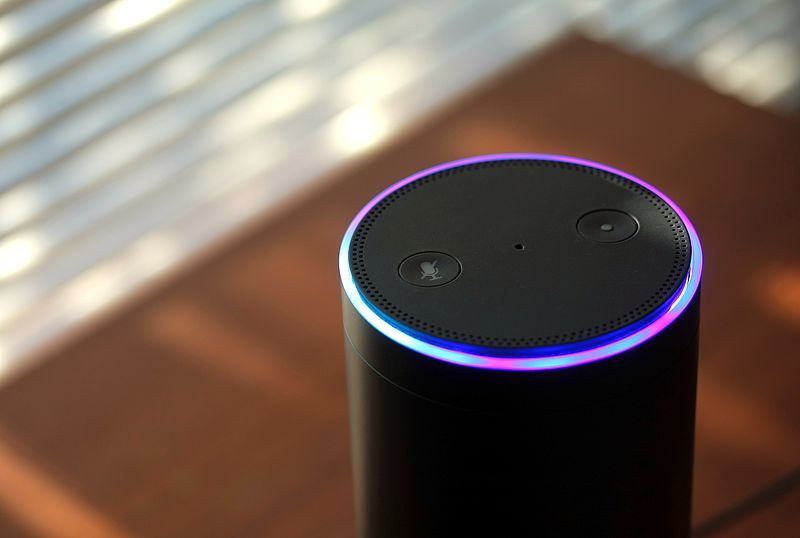
In the realm of smart audio installations, understanding the principles of acoustics is paramount. Acoustics not only affects the clarity and quality of sound but also influences the overall experience of audio systems. Poor acoustic treatment can lead to distorted sound, making the investment in high-quality audio equipment less effective. Thus, grasping acoustic fundamentals is essential for achieving optimal audio performance in any environment.
The principles of sound acoustics revolve around how sound waves interact with various surfaces, spaces, and materials. Key factors include sound reflection, absorption, diffusion, and transmission. Each of these elements plays a critical role in determining how sound behaves within a given space. For instance, hard surfaces like concrete or glass tend to reflect sound waves, which can create echo or reverberation, while materials like carpets, drapes, and acoustic panels absorb sound, reducing unwanted noise and enhancing clarity.
Influence of room layout and materials on audio performance
The layout and materials of a room significantly determine the acoustic quality of sound installations. The geometry of a room, including its dimensions and shape, affects how sound travels and interacts with surfaces. For instance, a square room can lead to standing waves, which may cause certain frequencies to sound louder or quieter than others, creating an imbalanced audio experience.
To optimize audio performance, consider the following factors related to room layout and materials:
- Room dimensions: Larger rooms allow for better sound dispersion, while smaller rooms may require careful placement of speakers to avoid overwhelming sound levels.
- Speaker placement: Positioning speakers away from walls and corners can prevent unwanted reflections and improve sound clarity.
- Material selection: Using a mix of hard and soft materials can help balance sound absorption and reflection, leading to a more natural audio experience.
- Furniture arrangement: The placement of furniture can influence sound diffusion. Softer furnishings can absorb sound, while hard furniture can reflect it, affecting the overall acoustic environment.
Assessing and improving room acoustics is essential to achieving high-quality sound in smart audio installations. Start by evaluating the space with the following methods:
Methods for assessing and improving room acoustics
To create an optimal acoustic environment, conducting a thorough assessment of the room is crucial. Here are effective methods for evaluating and enhancing room acoustics:
- Listening tests: Spend time in the room listening to familiar audio tracks. Pay attention to areas where sound seems muddled or harsh.
- Room measurements: Utilize measurement microphones or smartphone apps to analyze frequency response and identify problematic areas in the room.
- Acoustic treatment: Implement acoustic panels, bass traps, and diffusers to modify the sound characteristics of the room, targeting specific areas of concern identified during assessment.
- Consulting professionals: Engaging a professional acoustician can provide valuable insights and tailored solutions for improving sound quality based on the specific room characteristics.
Incorporating these techniques can lead to a significant enhancement in sound quality, ensuring that smart audio installations deliver an immersive and enjoyable audio experience tailored to the unique acoustic properties of the space.
The future of smart audio installations in everyday life
The landscape of audio technology is rapidly evolving, with smart audio installations poised to play a pivotal role in both residential and commercial environments. As we look ahead, it’s essential to explore the innovations on the horizon, anticipate how these technologies will seamlessly integrate into our daily lives, and consider the potential growth in the market for smart audio solutions.
Smart audio technology is set to undergo significant transformations in the coming years. Innovations may include enhanced voice recognition capabilities, improved integration with artificial intelligence, and more sophisticated sound personalization. These advancements will enable devices to adapt to individual preferences and environments more intuitively than ever before.
Predictions for Upcoming Innovations
The future of smart audio technology revolves around several key areas of innovation that will fundamentally change how users interact with audio systems. These innovations include:
- Spatial Audio Technology: Users can expect audio experiences that mimic real-life soundscapes, providing immersive listening experiences in homes and businesses.
- AI-Driven Personalization: Smart audio systems will learn user preferences and adjust sound profiles automatically, ensuring optimal listening experiences tailored to individual tastes.
- Enhanced Connectivity: Improved interoperability between various devices and platforms will allow for more unified control over smart audio installations across different environments.
- Smart Home Integration: Audio systems will increasingly integrate with other smart home devices, enabling users to control lighting, temperature, and audio with simple voice commands.
- Advanced Noise Cancellation: Future audio installations will feature superior noise cancellation technologies, allowing users to focus on their audio content without external distractions.
Evolving Smart Audio Installations in Homes and Businesses
As smart audio installations evolve, we can anticipate a shift in how they are utilized in everyday environments. Homes will likely see a trend toward multi-room audio systems that create cohesive sound experiences throughout various spaces. Businesses will benefit from enhanced customer engagement strategies through ambient music and personalized audio advertising, leading to improved customer satisfaction and retention.
The design of smart audio devices is also expected to change, with a focus on aesthetics that blend seamlessly into home decor or branding in business settings. This will encourage wider acceptance and adoption of smart audio solutions in a variety of settings.
Market Growth for Smart Audio Solutions
Industry experts estimate that the market for smart audio installations is on a trajectory for substantial growth. According to market research, the global smart speaker market alone is projected to reach over $35 billion by 2025. This growth is driven by increased consumer demand for smart home devices, as well as the ongoing development of advanced audio technologies.
“The adoption of smart audio systems is expected to significantly enhance user experiences in both domestic and commercial settings, reflecting a larger trend towards interconnected smart environments.”
Investments in research and development by leading technology companies further solidify the optimistic outlook for the smart audio market. Brands are actively seeking innovative ways to enhance user experience and engagement, which will likely drive future sales and adoption rates.
Identifying common misconceptions about smart audio installations
Smart audio installations have gained popularity in recent years, yet many potential users still harbor misconceptions about this technology. Understanding these myths is crucial for making informed decisions about smart audio systems. This section aims to debunk common misunderstandings and clarify how smart audio installations truly function and their notable benefits.
Myths Surrounding Smart Audio Technology
Numerous misconceptions persist regarding smart audio installations, which can deter individuals from embracing this innovative technology. Addressing these myths helps to illuminate the true capabilities and advantages of smart audio systems.
- Myth: Smart audio systems are overly complicated and difficult to use. Many believe that the technology is too advanced for everyday use. In reality, most smart audio systems come with user-friendly interfaces, intuitive setup processes, and voice control capabilities that simplify usage.
- Myth: Smart audio installations are prohibitively expensive. The perception that only high-end systems can offer smart features is misleading. With a range of products available across various price points, there are options suitable for budgets of all sizes, making smart audio accessible to a broader audience.
- Myth: Privacy concerns with smart audio devices are unfounded. While privacy is a legitimate concern, many manufacturers have implemented robust security measures, such as data encryption and user control over information sharing. Awareness and proper settings can mitigate most risks associated with privacy.
- Myth: Smart audio systems don’t integrate with existing audio setups. Contrary to this belief, many smart audio devices are designed to work seamlessly with traditional audio systems. Adapters and software solutions can often bridge the gap between old and new technologies.
- Myth: Smart audio installations have limited sound quality. Quality is often a concern, but many modern smart audio systems are equipped with advanced speakers that provide exceptional sound. Brands like Sonos and Bose have developed high-fidelity options that rival traditional audio setups.
“Smart audio systems are not just gadgets; they enhance the way we experience sound in our daily lives.”
Real-life examples illustrate the impact of these misconceptions. For instance, a family hesitated to upgrade to a smart audio system due to the myth of complexity, only to discover later that the setup took less than an hour, and they could control their music through simple voice commands. Similarly, a business refrained from investing in smart audio for fear of high costs, missing out on features that could improve the overall customer experience.
Understanding these misconceptions helps individuals and businesses embrace smart audio technology. By highlighting the facts and clarifying the functions of these systems, it becomes evident that smart audio installations can enhance audio experiences in accessible and practical ways.
Last Recap
In conclusion, embracing smart audio installation is not just about upgrading your sound system; it’s about enhancing your entire auditory experience. With endless innovations on the horizon, understanding these systems will ensure you stay ahead of the curve, making informed decisions that cater to your personal and commercial needs.
Commonly Asked Questions
What is a smart audio installation?
A smart audio installation integrates advanced technology to control and enhance audio systems through apps or voice commands, creating a tailored listening experience.
Can I upgrade my existing audio system to smart audio?
Yes, many existing audio systems can be upgraded with smart features by adding compatible devices or adapters.
Are smart audio systems difficult to install?
Installation difficulty varies by system; many are designed for easy DIY setup, while others may require professional assistance.
Do smart audio systems work with all smart home devices?
Most smart audio systems are compatible with popular smart home ecosystems, but always check compatibility before purchasing.
How do I improve the acoustics in my room for better sound?
Improving acoustics can involve using sound-absorbing materials, adjusting speaker placements, and ensuring proper room layout.