
 Zoe Nora
Understanding the significance of a setup guide can transform the user experience from confusing to seamless. A well-crafted guide not only empowers users to navigate new systems with ease but also minimizes errors that could arise from a lack of clarity. It serves as a roadmap, guiding users through the intricacies of their devices or services, ultimately enhancing satisfaction and efficiency.
In today’s fast-paced world, the importance of a setup guide cannot be overstated. With various scenarios ranging from tech installations to educational applications, having a clear, structured guide helps ensure that users of all skill levels can effectively engage with new tools. This introduction sets the stage for exploring what makes a setup guide truly effective, from its key components to how technology can revolutionize its creation.
Understanding the Importance of a Setup Guide
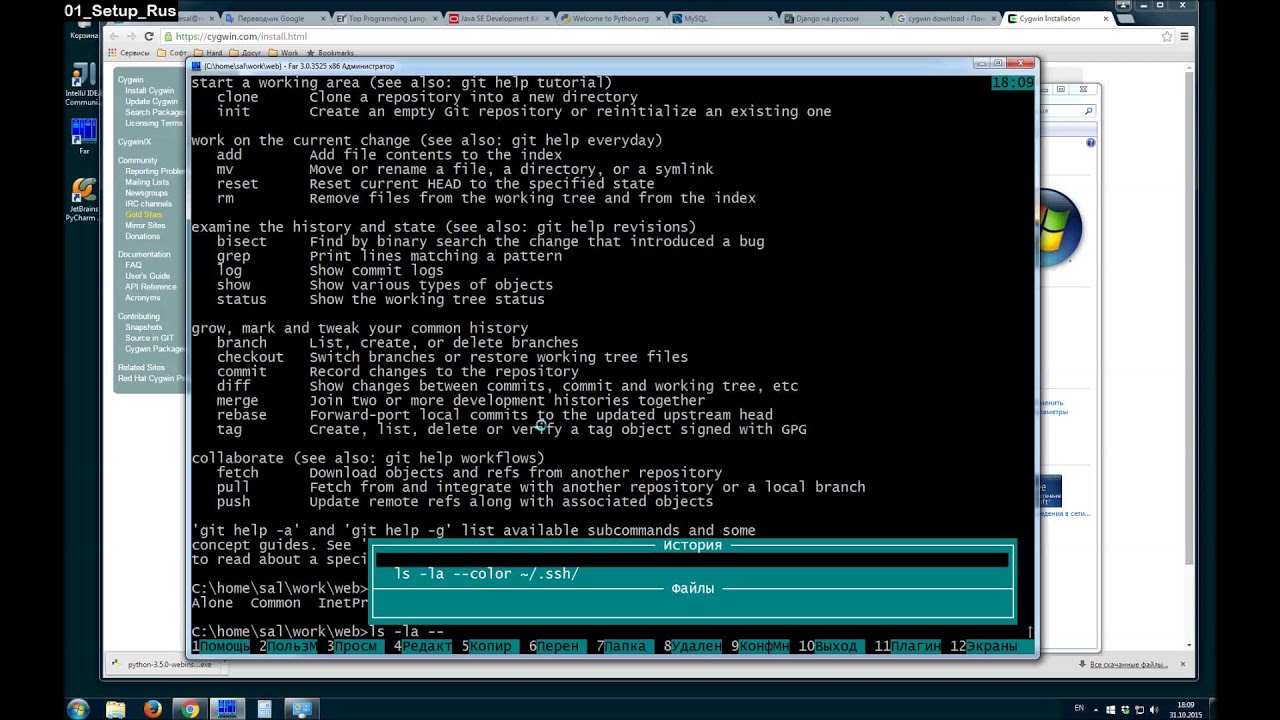
A setup guide serves as a vital resource for users, providing them with a roadmap to successfully navigate and utilize a product or system. By offering clear, step-by-step instructions, a setup guide enhances user confidence and ensures that they can maximize the benefits of the product from the outset. This document is particularly important in an age where technology evolves rapidly, and users often seek straightforward solutions to complex problems.
Having a well-structured setup guide is crucial for several reasons. Firstly, it reduces the learning curve for users, allowing them to become proficient more quickly. Secondly, it minimizes the risk of user errors that could lead to frustration or dissatisfaction. Without clear guidance, users may struggle to understand the functionalities of a product, which can result in improper usage or even damage. A setup guide not only empowers users but also safeguards the integrity of the product and the user’s investment.
Scenarios Enhancing User Experience
There are numerous scenarios where a setup guide can significantly improve the user experience, making it easier for users to engage with a product or service. Here are a few key instances:
- Technical Equipment Setup: For complex devices such as routers or home theater systems, a setup guide can streamline the installation process, ensuring users connect the right components in the correct order. This reduces the likelihood of connectivity issues and enhances overall satisfaction.
- Software Installation: A clear guide detailing the steps for software installation can prevent confusion and errors during the setup process. Users benefit from knowing what prerequisites are necessary, such as system requirements and external dependencies.
- Online Services or Applications: When users sign up for online services, a setup guide can help them navigate the initial configuration, such as setting preferences or customizing features. This early engagement increases user retention and satisfaction levels.
- DIY Projects: In cases of home improvement or DIY assembly projects, providing a setup guide with visual aids can help users achieve their goals without unnecessary setbacks. Clear diagrams or images illustrating each step can make complex tasks manageable.
“Clear instructions are the bridge between confusion and clarity, enabling users to navigate new technology with ease.”
Key Components of an Effective Setup Guide
An effective setup guide is essential for ensuring users can easily navigate and utilize a product or service. By incorporating specific key components, the guide can enhance user experience and minimize confusion. A well-structured guide not only assists users in completing tasks efficiently but also fosters confidence in their usage of the product.
Essential elements play a pivotal role in the clarity and usability of a setup guide. These elements include clear instructions, logical organization, visual aids, and troubleshooting information. Each component contributes to a more accessible and user-friendly experience. For instance, a section that Artikels prerequisites can prepare users for what they need before diving into the setup process.
Essential Elements of a Setup Guide
A comprehensive setup guide should include various essential elements to facilitate user understanding and engagement. These elements ensure that each user can follow along with ease, regardless of their technical knowledge.
- Clear Instructions: Step-by-step directions should be explicit and easy to follow. Use simple language and avoid jargon to appeal to a broader audience.
- Logical Organization: Sections should be arranged in a sequential manner, allowing users to progress through the setup in a natural flow. For example, starting with an introduction, followed by installation, configuration, and troubleshooting.
- Visual Aids: Incorporating images or diagrams that illustrate key steps can greatly enhance comprehension. An image showing the correct placement of components can prevent installation errors.
- Troubleshooting Section: A dedicated area to address common issues enhances the guide’s utility. This may include FAQs or a list of error codes with corresponding solutions.
Best Practices for Formatting and Structuring a Guide
To maximize the effectiveness of a setup guide, adopting best practices in formatting and structuring is critical. Consistent and clean formatting can significantly improve readability and user engagement.
- Consistent Headings: Use a clear hierarchy of headings (H1, H2, H3) to break down information into digestible sections. This allows users to skim through the guide efficiently.
- Bullet Points and Numbered Lists: Presenting information in lists can make instructions clearer and easier to follow, helping users to grasp key points quickly.
- Highlight Important Information: Utilizing blockquotes for critical notes or tips can draw attention to important instructions or warnings.
- Interactive Elements: Where applicable, integrating clickable links or QR codes can direct users to supplementary resources or videos for enhanced understanding.
Comparison of Presentation Styles
Different presentation styles, including text, images, and videos, cater to varied learning preferences and enhance the effectiveness of setup guides. Each style has its strengths depending on the complexity of the content.
- Text: Ideal for straightforward instructions and technical specifications. Text can be easily searched and referenced, making it a preferred choice for detailed guides.
- Images: Visual representations can clarify complex processes. For instance, images showing step-by-step assembly can reduce misunderstanding that might occur with text alone.
- Videos: Video content can provide dynamic demonstrations, beneficial for users who learn better through visual and auditory means. A video walkthrough can simplify intricate setups considerably.
How to Create a User-Friendly Setup Guide
Creating a user-friendly setup guide is essential for ensuring that users can easily navigate and understand the information being presented. A clear and concise guide not only enhances user satisfaction but also minimizes the need for additional support, allowing users to get started quickly and efficiently. This section will explore various techniques for writing effectively, the importance of visuals, and methods for testing the comprehensibility of the guide with real users.
Techniques for Writing Clearly and Concisely
Writing in a manner that is both clear and concise is crucial for a setup guide. Users should be able to grasp the necessary steps without getting bogged down by jargon or overly complex language. To achieve this, consider the following techniques:
- Use Simple Language: Choose words that are easy to understand, avoiding technical jargon unless absolutely necessary. For example, instead of saying “utilize,” simply say “use.”
- Be Direct: Get straight to the point without unnecessary fluff. For instance, instead of saying, “In order to set up your device, it is important to first ensure that you have all the necessary components,” simply state, “Gather all necessary components before setting up your device.”
- Short Sentences: Break down complex ideas into shorter sentences. This enhances readability and makes it easier for users to follow along.
- Active Voice: Use active voice instead of passive voice to make instructions more engaging. For example, say “Connect the power cable” instead of “The power cable should be connected.”
Role of Visuals in Aiding Comprehension
Visual elements are vital in a setup guide as they can significantly enhance understanding and retention of information. Here are some effective ways to incorporate visuals:
- Diagrams and Flowcharts: Visualize processes with clear diagrams or flowcharts that depict the steps in a logical sequence. For instance, a flowchart can show how to connect various components in a setup process.
- Annotated Screenshots: Use annotated screenshots to guide users through software installations. Highlight important buttons or sections to draw attention to necessary actions.
- Illustrative Images: Include images of the physical items involved in the setup. For example, showing the actual product can help users identify it easily among similar items.
- Video Tutorials: For more complex setups, consider embedding video tutorials that walk users through each step visually, allowing them to see the process in action.
Methods for Testing Comprehensibility with Real Users
Testing the guide with real users is an effective way to ensure its comprehensibility. Engaging users in the testing phase can reveal insights that may not be apparent to the guide’s creators. Here are methods to conduct such tests:
- User Feedback Sessions: Organize sessions where users can follow the guide while providing feedback on clarity and ease of understanding. Record their thoughts and suggestions for improving the guide.
- Usability Testing: Conduct usability tests where users attempt to complete tasks using the guide. Observe their interactions, noting any points of confusion or misunderstanding.
- Surveys and Questionnaires: After users complete the setup process, gather their feedback through surveys. Ask specific questions about what worked well and what could be improved.
- Iterative Revisions: Use the feedback received to continuously refine and improve the guide. Implement changes based on user experiences to enhance the clarity and effectiveness of the content.
Common Mistakes to Avoid in Setup Guides
Crafting a setup guide can be a straightforward task, but many common errors can hinder its effectiveness. By identifying these mistakes upfront, you can enhance user experience and ensure that your guide serves its intended purpose. Addressing frequent pitfalls not only improves clarity but also helps users navigate the setup process with confidence.
One of the main issues faced in setup guides is the overuse of technical jargon. While certain terms are necessary for clarity and specificity, excessive jargon can alienate users, particularly those who may not have extensive technical backgrounds. When users encounter terminology that is unfamiliar or complex, they may feel overwhelmed or confused, leading to frustration and potentially abandoning the setup process altogether.
Impact of Technical Jargon on User Understanding
It’s crucial to recognize that not all users have the same level of expertise or familiarity with the subject matter. Using technical jargon can create barriers to understanding, making it essential to strike a balance between accuracy and accessibility. To ensure your setup guide is user-friendly:
- Define any necessary technical terms clearly when they first appear in the guide.
- Use plain language where possible, replacing jargon with simpler alternatives that convey the same meaning.
- Include examples to illustrate complex concepts. Real-world applications can make technical information more relatable.
Strategies for Inclusivity for Users of Varying Skill Levels
Inclusivity in your setup guide means catering to a diverse audience with varying skill levels. This approach not only broadens your guide’s reach but also enhances overall user satisfaction. To achieve inclusivity, consider the following strategies:
- Organize content in a logical flow, starting with basic concepts before advancing to more complex topics.
- Incorporate visual aids, such as diagrams or screenshots, to supplement textual instructions. This can help users better understand the setup steps.
- Provide troubleshooting tips for common issues that may arise during the setup process, allowing users to resolve problems independently.
- Engage users with a FAQ section addressing common concerns and queries that may not be covered in the main guide.
“The goal of a setup guide should be to empower the user, not to intimidate them with technical details.”
Ending Remarks
In conclusion, a well-designed setup guide is an invaluable asset for any organization looking to improve user experience. By incorporating clear instructions, visual aids, and modern technology, you can create a guide that not only informs but also engages users. As trends continue to evolve, staying ahead in guide development will ensure users feel supported and empowered in their journeys.
FAQ Resource
What is the main purpose of a setup guide?
The main purpose of a setup guide is to provide clear, step-by-step instructions that help users effectively engage with a product or service.
Who should create a setup guide?
A setup guide should be created by someone knowledgeable about the product, typically a developer, product manager, or technical writer.
How long should a setup guide be?
A setup guide should be as long as necessary to cover all essential steps clearly, but concise enough to keep users engaged—typically a few pages or screens.
Can multimedia elements enhance a setup guide?
Yes, incorporating multimedia elements like videos and infographics can significantly enhance understanding and engagement.
How often should a setup guide be updated?
A setup guide should be reviewed and updated regularly, especially when there are changes to the product or user feedback indicates potential confusion.