
Audio wiring serves as the backbone of any sound system, ensuring that signals flow seamlessly from one component to another. With various types of cables and connectors available, understanding the basics of audio wiring can significantly enhance your listening experience. This topic dives into the crucial aspects of audio wiring, examining everything from its fundamental concepts to practical applications in home theater systems and live performances.
As we explore audio wiring, we’ll uncover the pivotal role it plays in sound quality, troubleshooting common issues, and even the future of this technology as it evolves. Whether you’re a seasoned audiophile or a budding musician, this guide will provide valuable insights to elevate your audio setup.
Understanding the Basics of Audio Wiring
Audio wiring is a crucial aspect of any audio system, serving as the backbone that connects various components such as microphones, mixers, speakers, and amplifiers. A solid understanding of audio wiring lays the foundation for achieving high-quality sound reproduction. This overview will touch upon fundamental concepts such as types of cables and connectors, the significance of impedance, and common wiring configurations used in different settings.
The primary types of cables used in audio wiring include balanced and unbalanced cables, each with its own set of characteristics. Balanced cables, typically featuring XLR or TRS connectors, are designed to cancel out electromagnetic interference, making them ideal for long-distance runs. Unbalanced cables, on the other hand, often use TS connectors and are more susceptible to noise, making them suitable for shorter distances. Understanding the appropriate use of these cables is essential for optimal audio performance.
Types of Cables and Connectors
Different audio setups require various types of cables and connectors. Here’s a breakdown of common options:
- XLR Cables: Widely used in professional audio for connecting microphones to mixers, offering balanced connections.
- TRS Cables: Often used for connecting instruments to amplifiers, these provide a balanced option similar to XLR.
- TS Cables: Typically used for instruments such as electric guitars, these cables are unbalanced and suitable for short connections.
- RCA Cables: Common in consumer audio, these cables connect devices like CD players to amplifiers but are unbalanced and limited in distance.
- Speakon Connectors: Designed for professional speaker connections, providing secure connections and high current handling.
Impedance plays a vital role in audio quality, impacting how audio signals travel through cables and the interaction between devices. It is measured in ohms and affects the overall performance of an audio system. Mismatched impedance can lead to signal loss, distortion, and reduced power transfer. For instance, connecting a low-impedance microphone to a high-impedance input can lead to a weak signal.
Importance of Impedance
Understanding impedance is crucial as it determines the efficiency of audio transmission across your system. Here are some key points:
- Impedance Matching: Ensuring that source and load impedances match optimizes signal transfer and minimizes distortion.
- Signal Loss: Higher impedance mismatches can cause significant signal degradation, affecting overall sound quality.
- Power Handling: Devices with lower impedance ratings typically handle more power, which is important for amplifiers.
Common audio wiring configurations vary based on the application, such as live sound, recording studios, and home theaters. Each setup may require specific wiring approaches to ensure optimal performance.
Common Audio Wiring Configurations
Different environments necessitate varying wiring setups to achieve efficient sound delivery. Here are several noteworthy configurations:
- Live Sound Systems: Often utilize a mix of XLR and Speakon cables for connecting microphones to mixers and amplifiers to speakers.
- Studio Configurations: Typically employ balanced cables for all connections to minimize noise and ensure the highest fidelity.
- Home Theater Systems: Frequently use HDMI cables for video and audio, along with RCA cables for connecting older audio devices.
In summary, understanding the basics of audio wiring, including the types of cables and connectors, the implications of impedance, and common configurations, greatly enhances the ability to create effective audio systems tailored to specific needs. Quality wiring not only ensures improved sound but also contributes to the longevity and reliability of audio equipment.
The Role of Audio Wiring in Home Theater Systems
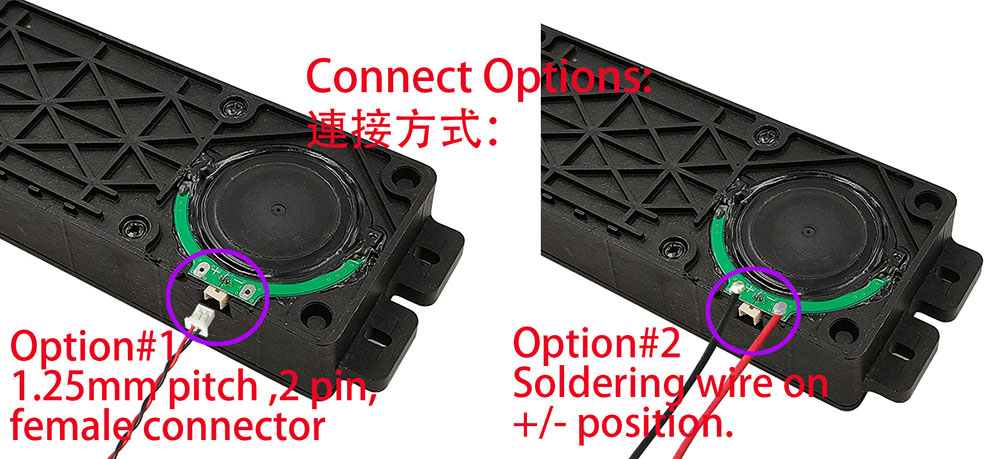
Audio wiring is a critical element in the performance of any home theater system. It serves as the backbone that carries sound from various audio components to create an immersive listening experience. Proper audio wiring ensures that sound quality is preserved, minimizing interference and signal loss, which can drastically affect performance.
The quality and type of audio wiring can greatly influence the overall performance of a home theater system. High-quality wiring reduces noise and distortion, allowing for clearer sound reproduction. Different wiring types, such as HDMI, optical, and analog cables, each have distinct advantages and can impact system capabilities, including surround sound performance.
Wiring Surround Sound Setups
To achieve an optimal audio experience in a surround sound setup, it is essential to follow best practices for wiring. This ensures that each speaker receives the correct signal and power, providing a cohesive soundstage.
Begin with the following key practices when wiring your surround sound setup:
- Use the Right Gauge Wire: For longer runs, thicker wire (lower gauge) minimizes resistance, which reduces signal loss. For standard home theater setups, 16-gauge wire is often sufficient for most situations.
- Keep Speaker Wires Short: Shorter connections can reduce resistance and improve sound quality. Aim to keep lengths under 50 feet if possible.
- Use Color-Coded Wiring: Color coding your speaker wiring simplifies the setup process and helps avoid connection errors, ensuring each speaker is connected to the correct terminal.
- Avoid Running Wires Parallel to Power Cables: To prevent electromagnetic interference, run audio wires perpendicular to power cables whenever possible.
- Secure Connections: Ensure all connections are tight and secure to avoid signal degradation. Consider using banana plugs or spade connectors for a more secure fit.
Connecting Audio Components
Properly connecting audio components in a home theater system is crucial for achieving optimal sound quality. Here’s a step-by-step guide to ensure a correct setup:
1. Position Your Speakers: Place your speakers according to your room layout and surround sound format (5.1, 7.1, etc.). Ensure the front speakers are at ear level when seated.
2. Connect the Receiver: Start by connecting all audio sources (Blu-ray player, gaming console, etc.) to the AV receiver using HDMI cables for the best quality. Connect the receiver to the TV, typically using an HDMI ARC port for two-way audio.
3. Wire the Speakers:
– Begin with the front left, front right, and center channel speakers. Connect them to the corresponding terminals on the receiver. Ensure the positive and negative terminals are matched correctly.
– Next, connect the surround speakers, placing them behind the seating area for optimal sound immersion.
– Lastly, if using a subwoofer, connect it via the subwoofer output on the receiver.
4. Test Each Connection: After all connections are made, perform a test to ensure the sound is coming from the appropriate speakers. Use a test tone or a calibration tool from your receiver for accuracy.
5. Fine-Tuning Your Setup: Use the AV receiver’s calibration feature or manual adjustments to balance speaker levels and achieve desired sound quality.
Following these steps will help create a robust audio environment that enhances your home theater experience. High-quality wiring and proper connections lead to clearer and more dynamic sound, ensuring that movie nights and gaming sessions are truly immersive.
Troubleshooting Common Audio Wiring Issues
Audio wiring can often present challenges that may disrupt sound quality or even prevent audio systems from functioning altogether. Identifying these problems promptly is essential for maintaining an optimal audio experience. This section delves into common audio wiring issues, their potential causes, and effective techniques for diagnosis and resolution in both professional and home environments.
Frequent Audio Wiring Problems
Understanding the typical issues that can occur with audio wiring is crucial for effective troubleshooting. Below are some of the most common problems faced by audio professionals and enthusiasts alike, along with their potential causes:
- Intermittent Sound: This issue often arises from loose connections or damaged cables. A visual inspection may reveal frayed wires or unseated connectors that can easily be rectified.
- Hum or Buzz: Ground loops are commonly responsible for this type of interference. Other sources include faulty equipment or improper shielding of cables, leading to unwanted noise.
- Low or No Output: This can stem from faulty equipment, incorrect settings on the audio device, or even broken cables. Checking levels and settings is the first step in diagnosing this problem.
- Phase Issues: When speakers are out of phase with each other, it can result in a hollow or weak sound. This usually occurs due to incorrect wiring, especially with multiple speaker setups.
Diagnosing Wiring Issues
Diagnosing audio wiring issues requires a systematic approach, whether in a professional studio or a home setup. Here are techniques that can help accurately identify problems in the wiring:
- Visual Inspection: Start with a thorough examination of all cables and connections. Look for physical damage like cuts, kinks, or corrosion on connectors.
- Use of Multimeter: A multimeter can measure continuity and resistance in cables, helping to identify breaks or shorts. For example, if a cable shows infinite resistance, it indicates a break.
- Swap Components: If feasible, replace components one at a time with known good units. This helps isolate the faulty component causing the issue.
- Check Settings: Ensure that the audio interface, mixer, or any other devices are configured correctly in both hardware and software settings.
Resolving Common Audio Wiring Problems
Once the issues have been diagnosed, different methods can be employed to resolve them effectively. The choice of method often depends on the type of problem diagnosed. Here are some commonly used solutions:
- Reseating Connectors: For intermittent sound issues, reseating connectors can immediately improve the situation. Simply unplugging and reconnecting can establish a better connection.
- Replacing Cables: If a cable is found to be faulty, replacing it with a new one is often the most straightforward solution. Matching cable quality to system requirements can prevent future problems.
- Grounding Solutions: For hum and buzz issues, employing ground loop isolators or ensuring proper grounding can eliminate unwanted noise effectively.
- Rewiring for Phase Issues: Correcting wiring for out-of-phase issues may involve swapping the positive and negative connections on one of the speakers, ensuring they both operate in sync.
“The key to troubleshooting audio wiring issues is a methodical approach combined with a keen eye for detail.”
By implementing these diagnostic techniques and solutions, users can effectively manage audio wiring challenges, ensuring that their systems perform at their best.
The Impact of Wire Quality on Audio Performance
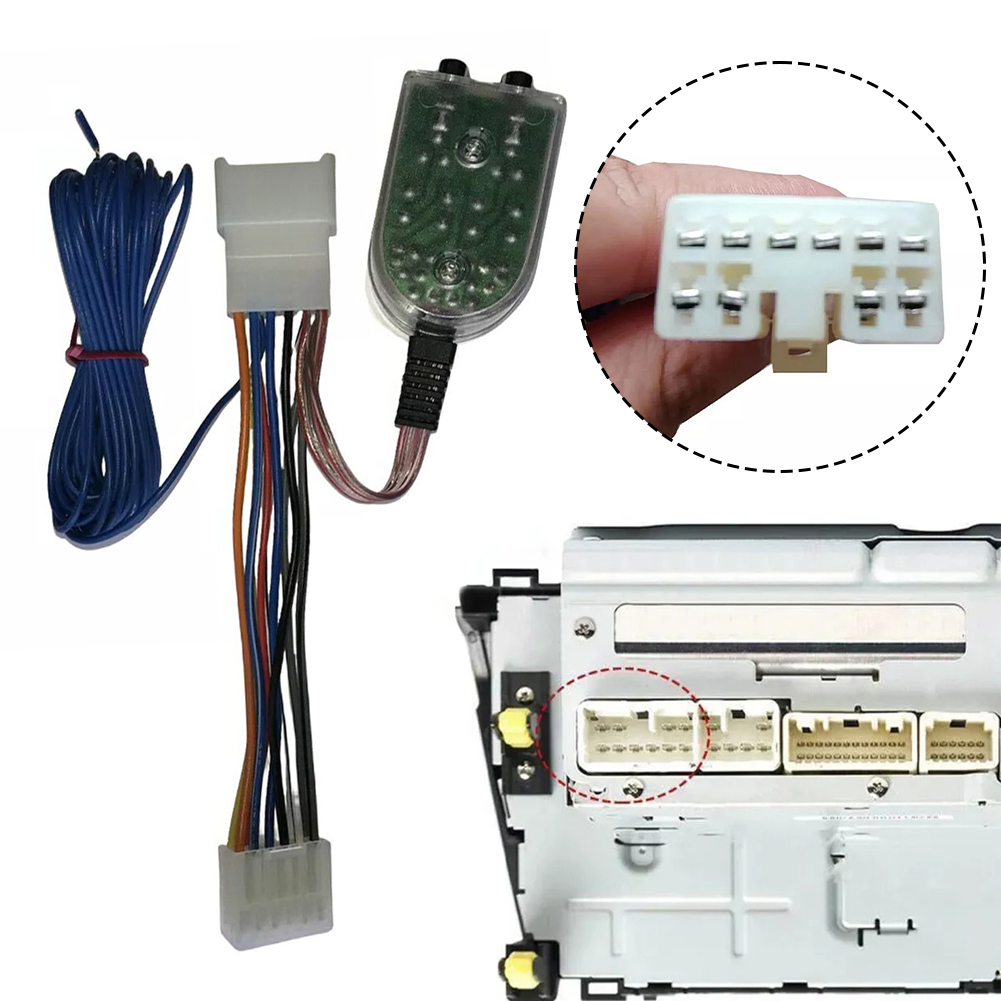
The quality of audio wiring plays a crucial role in determining the overall sound clarity and fidelity of an audio system. Good quality wires can significantly enhance the listening experience, while poor quality can lead to distorted sound and loss of detail. The nuances in music, such as subtle instrumentals and vocal dynamics, can be lost if the audio wires do not perform optimally. This highlights the importance of selecting the right cables for your audio setup.
Different types of audio cables serve varied purposes and exhibit distinct performance characteristics. The debate between shielded and unshielded cables is one worth noting. Shielded cables incorporate a protective layer that minimizes interference from external electromagnetic sources, making them ideal for long runs or environments with high electronic noise. In contrast, unshielded cables may be more susceptible to interference, leading to decreased audio quality, particularly in sensitive applications. Understanding these differences can help users make informed decisions based on their specific audio requirements.
Materials Used in High-Quality Audio Wiring
The materials used in high-quality audio wiring significantly affect performance. The choice of materials impacts resistance, conductivity, and durability, all of which contribute to the overall audio experience. Here’s a comprehensive overview of common materials used in high-end audio cables:
- Oxygen-Free Copper (OFC): Known for its excellent conductivity and minimal resistance, OFC is often used in premium cables to ensure high fidelity and clarity in sound reproduction.
- Silver-Plated Copper: Silver is a better conductor than copper, and when used as a plating on copper cables, it enhances the signal transmission while retaining the flexibility and affordability of copper.
- Gold Connectors: Gold connectors resist corrosion and provide reliable connectivity, ensuring that the integrity of the audio signal is maintained over time.
- Polypropylene Insulation: This material prevents signals from degrading due to external interference and maintains clarity by reducing capacitance, which can affect sound quality.
- Braided Shielding: A strong shielding technique that protects against electromagnetic interference, braided shielding enhances the cable’s ability to deliver clean audio signals.
The use of these materials contributes to a cable’s ability to transmit audio signals without loss of quality. High-quality wires are designed not only to carry the signal but also to preserve the integrity of the audio through thoughtful construction and material selection. Investing in quality audio wiring can lead to a discernible improvement in sound clarity and overall performance, making it a fundamental aspect of any serious audio setup.
Innovative Audio Wiring Solutions for Musicians
In the world of live music, the quality of sound can be significantly influenced by the audio wiring solutions employed. Musicians are increasingly seeking innovative wiring techniques to elevate their performances, allowing for greater adaptability and enhanced sound quality. This exploration focuses on advanced wiring methods, custom setups, and guidance for choosing the appropriate wiring for different instruments.
Advanced Audio Wiring Techniques
Utilizing advanced audio wiring techniques is essential for musicians looking to improve their live sound. These techniques not only enhance audio fidelity but also provide flexibility in diverse performance settings. Musicians can benefit from the following innovative methods:
- Balanced Wiring: Using balanced cables (XLR or TRS) minimizes noise and interference, especially in large venues where cables can pick up unwanted signals.
- Modular Wiring Systems: These systems allow musicians to easily swap or configure wiring setups based on specific performance needs. For instance, a guitarist can quickly change their pedalboard layout for different sets.
Custom Wiring Setups for Performance Environments
Creating custom wiring setups tailored to various performance environments can greatly enhance a musician’s sound and versatility. These setups can be designed to accommodate unique requirements based on venue size, equipment used, and personal preferences.
- Venue-Specific Configurations: For intimate settings, a simpler setup connecting directly to an amplifier may suffice. In contrast, larger venues may require a more complex wiring arrangement involving DI boxes and stage monitors.
- Adaptability Features: Incorporating features like switchable impedance and multiple output options can make a custom setup much more adaptable, allowing for seamless transitions between different performance scenarios.
Selecting the Right Type of Audio Wiring
Choosing the appropriate audio wiring is crucial for achieving optimal sound quality. Different instruments require specific types of wiring to ensure the best performance. Understanding the characteristics of each wiring type helps musicians make informed decisions.
- Instrument-Specific Cables: Electric guitars commonly use shielded cables to prevent interference, while acoustic instruments may benefit from high-impedance cables to preserve tonal quality.
- Connector Types: Knowing whether to use XLR, TRS, or TS connectors based on the instrument and setup is essential. For example, XLR is preferred for microphones, while TRS cables work well for stereo signals.
Final Summary
In summary, mastering audio wiring is essential for anyone looking to optimize their audio experience, whether at home or on stage. From understanding the materials that impact sound fidelity to troubleshooting common issues, knowledge in this area can make a significant difference. As technology continues to advance, staying informed about the latest trends and practices in audio wiring will ensure that your sound system remains top-notch.
Question Bank
What types of cables are commonly used in audio wiring?
Common types include XLR, TRS, RCA, and speaker wire, each serving specific functions in audio setups.
How can I tell if my audio wiring is of good quality?
Look for cables with good shielding, sturdy connectors, and reputable brand names, as these factors typically indicate quality.
What is impedance, and why is it important in audio wiring?
Impedance is the resistance an audio signal faces in a circuit; matching impedance between components is crucial for optimal sound quality.
Can I use any wire for my audio setup?
Not all wires are suitable; using the correct type for your specific components ensures better performance and safety.
What should I do if there’s interference in my audio signal?
Check for damaged cables, poor connections, or sources of electromagnetic interference, and consider using shielded cables to reduce noise.
Is it advisable to DIY my audio wiring?
While DIY can be rewarding, ensure you have the right tools and knowledge to avoid damaging your equipment or compromising sound quality.