
 Zoe Nora
As Best soundbar 2025 takes center stage, this opening passage beckons readers into a world of audio innovation where sound quality meets sleek design. The evolution of soundbars has transformed them from simple audio enhancers into sophisticated devices that elevate the home entertainment experience. With advancements in technology, features, and aesthetics, 2025 promises to deliver soundbars that not only perform exceptionally but also complement modern living spaces.
From enhanced surround sound capabilities to seamless integration with streaming services, soundbars are set to redefine how we consume media. Understanding the technological advancements and key features will empower consumers to make informed choices that suit their unique listening preferences. With brands competing to offer the latest innovations, the market is ripe for exploration, making this year a pivotal one for audio enthusiasts.
The Evolution of Soundbar Technology Up to 2025
Over the past few years, soundbars have transformed from simple audio accessories into sophisticated multimedia systems that significantly enhance home entertainment experiences. As technology advances, soundbars have adapted to meet the increasing demands for high-quality audio in compact designs, catering to a diverse range of consumer preferences. By 2025, soundbars are expected to incorporate even more innovative features and superior audio quality, making them an essential component of modern home theater setups.
Soundbars have evolved significantly in both design and functionality, reflecting advancements in audio technology and consumer expectations. Early models primarily focused on providing stereo sound in a single, slim unit, often lacking clarity and depth. However, recent years have seen a surge in the adoption of Dolby Atmos and DTS:X technologies, enabling soundbars to create immersive surround sound experiences that rival traditional multi-speaker setups. This shift has not only improved audio quality but also shaped consumer preferences, pushing manufacturers to develop devices that deliver rich, multi-dimensional sound.
The integration of wireless technologies has further revolutionized soundbar functionality. Bluetooth and Wi-Fi connectivity allow users to stream music directly from their devices, while smart home integration enables seamless control through voice assistants. In addition, the incorporation of advanced audio processing algorithms has allowed soundbars to dynamically adjust sound profiles based on the content being played, enhancing dialogue clarity in movies and boosting bass during music playback.
As we look forward to 2025, we can expect soundbars to feature even more remarkable advancements, such as:
- AI-driven sound optimization: Many new soundbars will likely include artificial intelligence to analyze the room’s acoustics and adjust audio output accordingly.
- Enhanced connectivity options: Future models may offer even more integration with smart home systems and support for various streaming services.
- High-resolution audio support: As streaming services increasingly adopt high-res formats, soundbars will evolve to support these technologies, ensuring the best sound quality.
These enhancements collectively reflect the ongoing commitment to elevating audio experiences, which is vital in a market where sound quality often drives purchasing decisions. Consumer preferences are significantly influenced by these improvements, as the demand for high-fidelity sound continues to rise, demonstrating the crucial role of audio quality and surround sound technologies in the evolution of soundbars.
Key Features to Look For When Choosing the Best Soundbar in 2025

Selecting a soundbar in 2025 requires careful consideration of multiple features that enhance audio performance and user experience. With advancements in technology, soundbars are no longer just simple audio devices; they have evolved into sophisticated systems that can provide immersive sound experiences. This section highlights the essential features consumers should prioritize when making their choice.
When evaluating soundbars, several key specifications are crucial for ensuring optimal performance and user satisfaction. These features not only influence audio quality but also contribute significantly to convenience and versatility. The following list Artikels the must-have specifications to consider:
Essential Specifications for Soundbars
In order to make an informed decision, it’s essential to understand the specifications that will define the soundbar market in 2025. Here’s a breakdown of these crucial features:
- Connectivity Options: Look for soundbars that support multiple connectivity options such as HDMI ARC, optical inputs, Bluetooth, and Wi-Fi. This versatility allows you to connect various devices like TVs, smartphones, and gaming consoles seamlessly.
- Audio Formats Support: The best soundbars should support advanced audio formats like Dolby Atmos and DTS:X. These technologies create a three-dimensional sound experience that enhances movies and games, making you feel like you’re in the middle of the action.
- Sound Profiles: Features that allow customization of sound profiles (like movie mode, music mode, and voice enhancement) can dramatically improve your listening experience based on the content you’re enjoying.
- Wireless Subwoofer: Consider soundbars with a wireless subwoofer for deeper bass and a more robust sound experience. This feature eliminates clutter and provides flexibility in placing the subwoofer for optimal acoustics.
- Smart Assistant Compatibility: Soundbars equipped with smart assistant capabilities, such as Amazon Alexa or Google Assistant, provide added functionality. This feature allows voice control of your soundbar and connected smart home devices.
- Room Calibration Technology: Advanced soundbars now come with room calibration technology, which automatically adjusts sound settings based on the acoustics of your room, ensuring the best possible audio experience.
- Build Quality and Design: A durable and aesthetically pleasing design can enhance your living space. Look for soundbars with premium materials and finishes that blend well with your home decor.
Investing in a soundbar that includes these features will enhance your overall audio experience significantly. For instance, connectivity options ensure that you can easily switch between devices without hassle, while support for advanced audio formats immerses you in rich soundscapes that elevate your viewing or listening experience. Room calibration technology customizes audio output to suit your environment, which is particularly beneficial in larger rooms where sound can easily dissipate.
Moreover, sound profiles tailored to specific types of content can make a noticeable difference; for example, enhancing dialogue during movies or amplifying bass for music. These specifications collectively contribute to creating a more versatile, enjoyable, and immersive sound experience that aligns with the demands of modern consumers. By prioritizing these features, you can confidently select a soundbar that not only meets but exceeds your audio expectations in 2025.
The Impact of Streaming Services on Soundbar Choices
The rapid growth of streaming services has transformed how we consume media, directly influencing the design and functionality of soundbars. As people increasingly turn to platforms like Netflix, Hulu, and Disney+, soundbars are evolving to offer enhanced audio experiences that complement these services. In 2025, soundbars are not just audio devices; they are becoming integral components of our home entertainment systems, tailored to meet the demands of streaming enthusiasts.
The design and functionality of soundbars are increasingly shaped by the features that cater to popular streaming needs. Here are three streaming-related features that are becoming essential for soundbars in 2025:
Essential Streaming Features for Soundbars
As streaming becomes the primary medium for content consumption, certain features are crucial for enhancing the user experience. The following points highlight key functionalities that soundbars must have to align with the needs of modern users.
- Built-in Voice Assistants: Many soundbars now come with integrated voice assistants like Alexa or Google Assistant. This allows users to control their soundbars and connected devices hands-free, making it easy to switch between streaming services or adjust volume without needing a remote.
- Multi-Room Audio Support: As homes become smarter, the ability to sync soundbars with other speakers for multi-room audio is increasingly important. This feature enables users to enjoy seamless audio across different rooms while streaming their favorite shows or music.
- Advanced Audio Formats Support: Services like Netflix and Disney+ are producing content in advanced audio formats such as Dolby Atmos and DTS:X. Soundbars that support these formats provide a more immersive listening experience, making viewers feel like they are part of the action.
The compatibility between soundbars and popular streaming platforms significantly enhances the user experience. Most modern soundbars are designed to seamlessly integrate with platforms like Netflix, Amazon Prime Video, and Spotify, ensuring users can access their favorite content effortlessly. Features such as one-touch access to streaming services and automatic updates for firmware further streamline the interaction between the soundbar and the streaming platform.
As streaming services continue to evolve, so too will the technology within soundbars, creating a symbiotic relationship that enhances the home entertainment experience.
With these advancements, soundbars are no longer just about improved sound quality; they are now pivotal devices that enhance the overall experience of consuming digital content, making them a necessary addition to any modern home theater setup.
Comparison of Top Soundbar Brands Expected in 2025
As the demand for high-quality audio solutions continues to rise, soundbar brands are gearing up to introduce innovative models in 2025. Each brand brings its unique selling points to the table, catering to various consumer preferences. This comparison not only highlights their standout features but also sheds light on how they address different market segments and trends.
Leading Soundbar Brands and Their Unique Features
Several top brands are expected to dominate the soundbar market in 2025, each with distinct offerings aimed at enhancing the audio experience. Here’s a closer look at some of these brands and their anticipated innovations:
- Sonos: Renowned for their multi-room audio solutions, Sonos continues to expand its soundbar lineup. Their next models are expected to incorporate AI-driven sound calibration, allowing users to enjoy tailored audio experiences based on their room acoustics.
- Samsung: Samsung’s soundbar innovations often include superior integration with their Smart TV lineup. The upcoming models are likely to feature Dolby Atmos and DTS:X for immersive surround sound, along with their proprietary Q-Symphony technology that synchronizes audio between the soundbar and TV speakers.
- Bose: Bose is synonymous with premium audio quality. Their 2025 soundbars are anticipated to integrate voice control and personalized audio profiles, making it easier for users to tailor sound settings to their preferences. They are also expected to introduce a range of wireless options for a clutter-free setup.
- LG: LG aims to enhance user experience through AI sound technology, which automatically adjusts audio settings based on the content being played. The brand is expected to include compatibility with smart home systems, providing seamless integration with other devices.
- JBL: Known for their robust sound quality, JBL is likely to focus on durability and portability in their 2025 models. Expect features such as waterproof designs and battery-powered options, appealing to consumers who value flexibility and outdoor use.
The competitive landscape among these brands illustrates a significant shift towards enhanced audio technology and user-centric features. Notable trends include the increasing prevalence of voice-activated controls and integration with smart home ecosystems, which are making soundbars more versatile than ever. Manufacturers are investing in AI technologies to optimize sound performance, ensuring that each listening environment is uniquely catered to.
“The future of soundbars hinges on personalization and seamless connectivity.”
As sustainability becomes a vital consideration, brands are also focusing on eco-friendly manufacturing practices and materials. Consumers are increasingly looking for products that not only perform well but also align with their values regarding environmental responsibility.
With 2025 on the horizon, soundbar enthusiasts should keep an eye on these brands as they roll out cutting-edge technologies designed to elevate the audio experience. Whether it’s through immersive soundscapes or integration with smart technology, the future of soundbars looks promising and highly innovative.
Pricing Trends and Budget Considerations for Soundbars in 2025
As we step into 2025, the soundbar market is expected to see notable trends in pricing that reflect advancements in technology and consumer preferences. With a diverse range of models available, it’s crucial for buyers to understand the pricing landscape to make informed choices. The anticipated price range for soundbars in 2025 is likely to span from around $100 for entry-level models to well over $1,500 for high-end options packed with cutting-edge features. This price variability correlates closely with the soundbars’ features, performance, and brand reputation.
Several key factors influence soundbar pricing in 2025. The most significant contributor is the brand, as established names like Sonos, Bose, and Samsung command premium prices due to their perceived quality and reliability. In contrast, newer or lesser-known brands often offer competitive pricing to attract budget-conscious consumers. The technology used in soundbars also plays a critical role in pricing; for example, models that integrate Dolby Atmos or advanced sound processing capabilities are typically priced higher than their more basic counterparts. Market demand is another crucial element—high demand for features like wireless connectivity or smart integration can push prices up, while a saturated market may lead to greater competition and lower prices.
Price Points and Corresponding Features
Understanding the different price points in the soundbar market helps consumers identify which options suit their needs and budgets. Below is a table summarizing the expected features associated with various price ranges in 2025:
| Price Range | Expected Features |
|---|---|
| $100 – $300 | Basic stereo sound, Bluetooth connectivity, minimal surround sound effects, ideal for casual listeners. |
| $300 – $600 | Virtual surround sound capabilities, HDMI ARC, better sound quality, inclusion of wireless subwoofers, suitable for movie nights. |
| $600 – $1,000 | Dolby Atmos support, advanced sound processing, multiple connectivity options (Wi-Fi, Ethernet), designed for audiophiles. |
| $1,000+ | High-end audio performance, premium build quality, multiple speakers for immersive sound, smart features, and voice control. |
By analyzing the information in the table, consumers can better assess their options based on their budgets and the features that matter most to them, ensuring a more satisfying soundbar purchase in 2025.
User Reviews and Expert Opinions on Anticipated Soundbars
As we move into 2025, the excitement surrounding new soundbar releases is palpable, driven by early user reviews and expert opinions. Soundbars are increasingly becoming vital components of home entertainment systems, and manufacturers are investing heavily in technology to enhance sound quality and user experience. The anticipation is building, especially with several models generating buzz in the audio community due to their innovative features, design, and performance.
Notable Soundbars Generating Buzz
Several soundbars have caught the attention of both consumers and experts alike, reflecting a blend of advanced technology and user-driven design. Here are three models that are particularly noteworthy:
- Samsung HW-Q950C: This soundbar has been praised for its immersive surround sound experience, creating a cinematic atmosphere in the comfort of your home. The inclusion of Dolby Atmos and DTS:X technologies amplifies the audio experience, making it a popular choice for movie enthusiasts.
- Sony HT-A7000: Users have lauded this model for its superior build quality and rich sound profile. With built-in speakers and advanced audio processing, it is designed to deliver a clear and powerful sound that resonates well with music lovers and gamers alike.
- Sonos Arc: Known for its sleek design and seamless integration with other Sonos products, the Arc stands out for its ability to adapt sound output based on the room’s acoustics. Users appreciate how easily it syncs with existing setups while providing an impressive soundstage.
Consumer feedback plays a pivotal role in shaping future soundbar developments. It not only helps manufacturers understand what features are most desired but also highlights areas in which products may fall short. For instance, early reviews of the Samsung HW-Q950C indicated a need for more intuitive remote control options, prompting the company to rethink its user interface. This kind of direct feedback helps companies prioritize enhancements and implement changes that align with user expectations.
Moreover, expert opinions often emphasize the importance of sound quality, ease of use, and connectivity options. These insights can influence manufacturing decisions, ensuring that new models meet industry standards and consumer demands. As soundbars continue to evolve, the integration of user suggestions and expert critiques will be essential for creating products that resonate well with audiences and enhance the overall audio experience.
The Role of Aesthetics in Soundbar Design for 2025
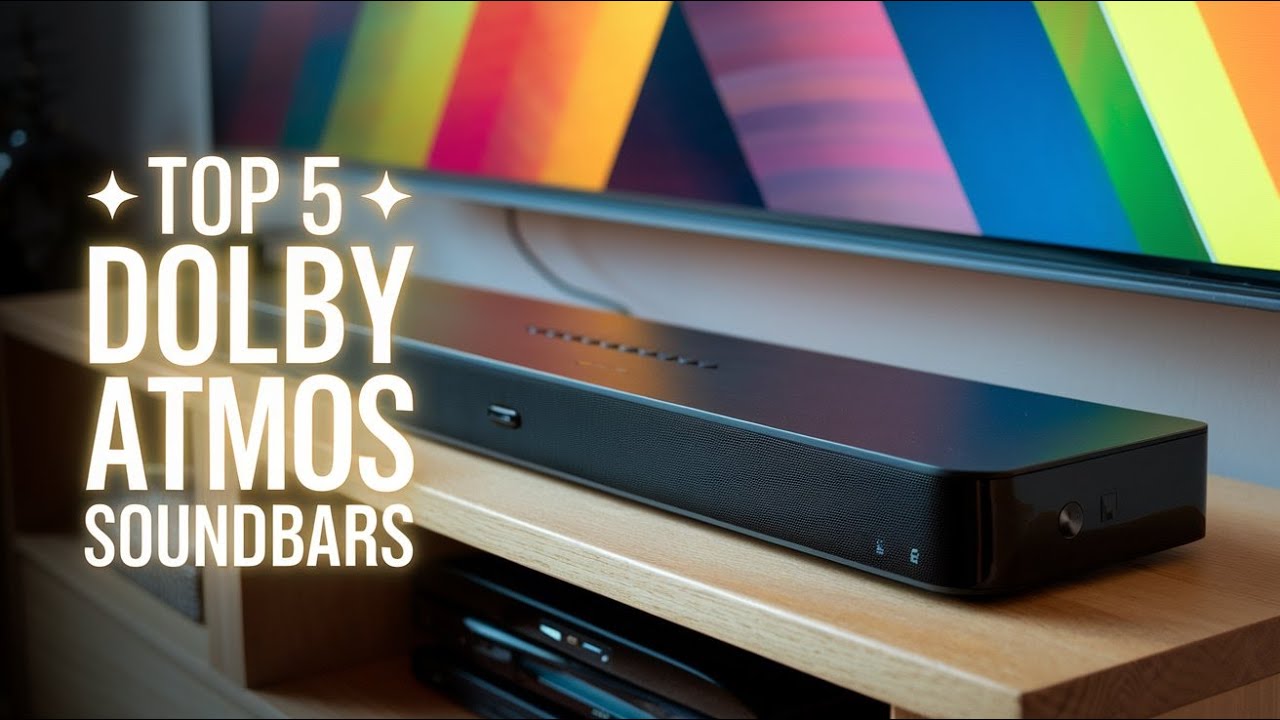
As technology evolves, so does the design of the devices we incorporate into our living spaces. For soundbars in 2025, aesthetics play a crucial role in enhancing the overall home entertainment experience. Consumers are no longer focused solely on sound quality; they seek products that harmonize with their home décor and elevate the atmosphere of their entertainment areas. This shift towards aesthetic appeal is influencing design trends, leading to soundbars that are not only functional but also visually striking.
The integration of soundbars into modern home entertainment systems has transformed beyond just functionality. Consumers are increasingly considering the visual presence of these devices, impacting their purchasing decisions. Manufacturers are responding by crafting soundbars that reflect contemporary design trends, such as minimalist aesthetics, sleek lines, and modern finishes. For instance, brands like Sonos and Bose have released models that incorporate materials such as fabric and aluminum, merging elegance with performance. The Sonos Beam, with its understated design and ability to blend seamlessly into various settings, exemplifies how aesthetics can enhance user experience while maintaining top-notch sound quality.
The significance of aesthetics in soundbar design can be further understood by examining how it influences consumer behavior. In an age where consumers are bombarded with options, visual appeal becomes a key differentiator. A well-designed soundbar can evoke an emotional response, leading to a stronger connection with the product. For example, soundbars that feature customizable LED lighting or modular designs allow users to tailor their devices to suit their personal style and environment. This flexibility not only satisfies aesthetic preferences but also enhances the user experience by contributing to the ambiance of the room.
The choice of colors, materials, and shapes can drastically impact purchasing decisions. A soundbar that complements a modern interior with sleek finishes will likely attract consumers looking to enhance their home’s aesthetics. Additionally, brands that prioritize aesthetics in their marketing and product design often see increased customer loyalty. In 2025, the soundbar market will see a continued trend where aesthetics and performance go hand in hand, reflecting the evolving expectations of consumers who desire products that are not only functional but also beautiful.
Future Predictions for Soundbar Innovations Beyond 2025
As we look ahead to the future of soundbar technology, it’s clear that we are on the brink of exciting innovations that could redefine how we experience audio in our homes. With rapid advancements in technology and changing consumer preferences, soundbars are poised to become more sophisticated and versatile than ever before. These innovations are likely to enhance audio quality, integration with smart home systems, and user personalization.
Technological advancements and shifts in consumer behavior are driving the evolution of soundbars. The demand for immersive audio experiences, especially in home entertainment, is increasing. As people spend more time at home and seek to recreate theater-like experiences, manufacturers are responding with innovations that enhance sound quality and connectivity. Moreover, the rise of smart home technology has led consumers to expect seamless integration and control over their audio systems, which will further influence future developments.
Anticipated Features for Future Soundbars
Understanding the anticipated features of future soundbars is crucial to grasping how they will stand apart from those of 2025. These features are not just about improving sound; they also encompass user interaction, design, and connectivity. Here are some predictions for what might be included in upcoming models:
- Adaptive Sound Technology: Soundbars may incorporate AI-driven adaptive sound technology that automatically adjusts audio settings based on the room’s acoustics and the content being played. This means you will enjoy optimal sound quality without needing to fiddle with settings.
- Enhanced Voice Control: Future soundbars will likely feature advanced voice recognition capabilities, allowing users to control playback, volume, and settings using natural language. This could include integration with multiple smart assistants, making it easier to manage audio alongside other smart home devices.
- 3D Audio and Spatial Sound: Innovations in 3D audio technologies, such as Dolby Atmos, will likely become commonplace, providing a truly immersive sound experience that makes you feel like you are at the center of the action.
- Wireless Multi-Room Audio: Future models may offer better wireless capabilities, allowing you to connect multiple soundbars in different rooms, creating a cohesive audio experience throughout your home without the hassle of wires.
- Personalization Features: Machine learning algorithms may enable soundbars to learn user preferences over time, adapting to specific listening habits and suggesting playlists or audio settings tailored to individual tastes.
- Built-in Streaming Services: Integration with popular streaming services directly into soundbars will likely become standard, eliminating the need for additional devices or apps, streamlining the user experience.
The audio landscape is constantly shifting as technology progresses. Consumer preferences are also evolving, with increasing emphasis on personalized experiences, convenience, and immersive entertainment. As a result, the future of soundbars will likely feature not only improved audio fidelity but also smarter, more intuitive systems that cater to individual user needs. The integration of technologies such as augmented reality (AR) for enhanced visual-audio synchronization and the potential for modular designs that allow users to customize their sound systems only add to the excitement of what lies ahead in audio innovation.
Final Summary
In summary, the landscape of soundbars in 2025 is an exciting frontier, filled with advancements that cater to diverse consumer needs. As technology continues to evolve, so too will the audio experience, providing richer soundscapes and enhanced usability. By keeping an eye on brand innovations, pricing trends, and user feedback, consumers can confidently select the best soundbar that not only meets their audio expectations but also blends seamlessly into their homes. The future of sound is bright, and 2025 is just the beginning.
FAQs
What is the average price range for soundbars in 2025?
The average price range for soundbars in 2025 is expected to be between $200 to $1,500, depending on features and brand.
Do soundbars support Dolby Atmos in 2025?
Yes, many soundbars in 2025 are anticipated to support Dolby Atmos for an immersive audio experience.
Can I connect my soundbar to multiple devices?
Most soundbars in 2025 will offer multi-device connectivity options, including HDMI, Bluetooth, and Wi-Fi.
How important are size and design when choosing a soundbar?
Size and design are crucial as they affect both aesthetics and how well the soundbar fits in your home entertainment setup.
Are there soundbars designed specifically for gaming?
Yes, in 2025, some soundbars will be tailored for gaming, featuring low latency and sound profiles optimized for an enhanced gaming experience.