
 Zoe Nora
As the demand for high-quality entertainment continues to rise, the concept of an Affordable home theater has become increasingly appealing to many. Gone are the days when only the wealthy could enjoy the experience of a cinematic atmosphere at home. With advancements in technology and a plethora of budget-friendly options, creating a home theater that fits your financial constraints is not just possible, but also enjoyable. This journey into the world of affordable home theaters will explore the essentials, tips, and extras that can elevate your viewing experience without breaking the bank.
The evolution of home theater systems has significantly transformed over the years, leading to a surge in affordable alternatives that cater to various budgets. As manufacturers have recognized the growing consumer interest in home entertainment, they have developed innovative solutions that prioritize accessibility while still delivering quality sound and visuals. Whether it’s streaming services or compact sound systems, the market now offers a variety of options that make it easier than ever to set up an impressive home theater.
Understanding the Concept of Affordable Home Theater
Affordable home theater systems have gained immense popularity among consumers seeking high-quality entertainment without the hefty price tag typically associated with high-end options. The concept revolves around providing a cinematic experience at home while ensuring that the setup is budget-friendly. Unlike their luxury counterparts, affordable home theater systems prioritize essential components that contribute significantly to sound and visual quality without unnecessary extravagance. This means that consumers can enjoy immersive audio and visual experiences through strategic selections of speakers, projectors, and screens, ensuring that every dollar spent is maximized. In essence, an affordable home theater is about balancing quality and cost, making it accessible for a broader audience.
The evolution of home theater systems has seen a remarkable shift from once exclusive, high-priced setups to diverse, affordable alternatives that cater to various consumer needs. In the past, creating a home theater required significant investment in equipment such as large televisions, complex surround sound systems, and specialized seating. However, advancements in technology and changes in market dynamics have allowed manufacturers to produce high-quality components at lower prices. Trends indicate a rising demand for compact and multifunctional devices, such as soundbars that enhance audio clarity without needing bulky speaker systems. Additionally, as streaming services become more mainstream, consumers are looking for systems that can easily integrate with their digital content sources.
The market has responded by introducing various affordable home theater kits that include essential components, making it easier for consumers to set up their systems with minimal hassle. For instance, many brands now offer all-in-one systems that combine streaming capabilities with quality audio and video outputs. This evolution not only reflects a change in consumer preferences but also an increased availability of technology that was once only reserved for affluent buyers. The accessibility of high-definition projectors and 4K TVs at lower price points has further facilitated this trend, allowing consumers to enjoy theater-quality visuals from the comfort of their homes.
As the industry continues to grow, it is evident that the future of home entertainment is geared towards affordability and accessibility, ensuring that everyone can enjoy a quality home theater experience regardless of their budget.
Essential Components of an Affordable Home Theater System
Creating an affordable home theater system can be an exciting project, allowing movie enthusiasts to enjoy cinematic experiences in the comfort of their own homes without breaking the bank. A budget-friendly setup focuses on essential components that deliver quality performance while keeping costs low. By understanding these necessary elements and exploring some popular brands, you can curate a home theater experience that aligns with both your budget and your entertainment needs.
Audio and Visual Equipment
To establish a solid home theater experience, it is crucial to invest in key audio and visual components. A well-rounded setup typically includes a television or projector, sound system, streaming device, and necessary cables. Each component plays a vital role in the overall experience, and selecting the right products can significantly enhance your enjoyment.
1. Television or Projector: The centerpiece of your home theater is the display. For budget-conscious buyers, there are many affordable options available. Look for LED TVs from brands like TCL or Hisense, which offer great picture quality at lower price points. If you prefer a larger screen, consider a budget projector from brands like Epson or ViewSonic, which can provide a cinematic feel with proper ambient light control.
2. Sound System: Audio quality is equally important in achieving an immersive experience. A soundbar can be an affordable and compact solution for better audio output compared to built-in television speakers. Brands like Vizio and Yamaha offer excellent soundbars at budget-friendly prices. Alternatively, a modest 5.1 surround sound system from Logitech or Pioneer can bring movies to life with multidimensional sound.
3. Streaming Device: To access movies and shows, a reliable streaming device is essential. Devices like Roku, Amazon Fire Stick, or Google Chromecast are cost-effective and easy to use, providing access to popular platforms like Netflix, Hulu, and Disney+.
4. Cables and Accessories: Don’t overlook the importance of quality cables and accessories, such as HDMI cables and speaker wires. Investing in good cables ensures optimal performance and a clean setup. Brands like AmazonBasics and Belkin offer budget-friendly options without compromising on quality.
Popular Brands and Models
When assembling an affordable home theater system, choosing the right brands and models can make all the difference in quality and cost-effectiveness. Here are some popular options that deliver great performance while remaining budget-friendly:
– TCL 6-Series TVs: Known for their impressive picture quality and excellent value, these TVs offer 4K resolution and HDR support, making them a great choice for movie lovers on a budget.
– Hisense H8G: This model provides great color accuracy and contrast at a mid-range price point, making it a fantastic option for anyone looking for value.
– Vizio SB3621: This soundbar packs a punch with its rich sound output while remaining affordable, perfect for enhancing your audio experience.
– Logitech Z906: A surround sound system that offers high-quality audio performance and is compatible with various devices, ensuring versatility and immersive sound.
– Roku Streaming Stick 4K: This device is not only affordable but also easy to use, providing access to numerous streaming services, making it a must-have for any home theater setup.
In summary, a well-thought-out selection of audio and visual components is key to establishing an affordable home theater. By considering popular brands and models known for their quality, you can build a system that enhances your viewing experience without exceeding your budget.
Tips for Setting Up an Affordable Home Theater Space
Creating a home theater can be an exhilarating project, especially when you’re working within a budget. The right setup can transform any room into a cinematic experience without breaking the bank. This guide will help you design an effective home theater layout that maximizes both space and sound quality, ensuring you get the most out of your investment.
Designing an Effective Home Theater Layout
The layout of your home theater plays a crucial role in the overall viewing experience. Here’s a step-by-step guide to help you create a space that’s both functional and enjoyable:
1. Choose the Right Room: Select a space that can be darkened easily and has minimal outside noise. Basements or spare rooms with limited windows work well.
2. Measure Your Space: Understanding the dimensions of your room is essential. Measure wall lengths, ceiling height, and consider the placement of windows and doors.
3. Screen Placement: Decide on the size of your screen based on the distance from the seating area. A general rule of thumb is that the viewing distance should be 1.5 to 2.5 times the diagonal screen size.
4. Speaker Placement: For surround sound, speakers should be positioned correctly. Front speakers should be near the screen and at ear level, while surround speakers should be placed slightly above ear level on the sides or back of the viewing area.
5. Seating Arrangement: Arrange your seating so that everyone has an unobstructed view of the screen. Consider tiered seating if space allows, which can enhance the viewing experience.
6. Acoustic Treatment: Use heavy curtains, carpets, and wall-mounted acoustic panels to reduce sound reflection and enhance audio quality. This is especially important in rooms with hard surfaces.
7. Lighting Solutions: Install dimmable lights or use floor lamps that can be adjusted to create the perfect ambiance without glare on the screen.
8. Cable Management: Keep things tidy. Use cable organizers to prevent unsightly tangles and maintain a clean look in your home theater.
9. Test and Adjust: Once everything is set up, test the system. Adjust speaker placements and seating as necessary to optimize sound and comfort.
The design of your home theater is vital in ensuring a satisfying movie-watching experience, and these steps will help you create a space that feels professional without the hefty price tag.
Common Mistakes to Avoid When Setting Up a Home Theater
When setting up an affordable home theater, it’s easy to make mistakes that can detract from your experience. Here are some common pitfalls and their consequences:
– Neglecting Room Acoustics: Many overlook the importance of room acoustics. A room with hard surfaces can create echoes and distort sound. Invest in soft furnishings to absorb sound and improve audio clarity.
– Poor Speaker Placement: Incorrectly placed speakers can lead to uneven sound distribution. Placing them too high or too low can result in an unsatisfactory experience. The ideal height for surround speakers should be at ear level when seated.
– Ignoring Viewing Distance: Placing the screen too close can cause eye strain, while setting it too far may result in a lack of immersion. Following the 1.5 to 2.5 rule helps avoid discomfort.
– Inadequate Lighting Control: Failing to properly manage light levels can ruin a cinematic experience. Ambient light can wash out the picture, making it hard to see details. Use blackout curtains or dedicated theater lighting.
– Overcomplicating the Setup: Sometimes, trying to cram too much technology into your setup can lead to confusion and poor performance. Stick to essential components that fit your needs rather than filling up space with unnecessary gadgets.
– Ignoring Cable Management: A chaotic array of cables can ruin the aesthetic of your setup and make troubleshooting difficult. Take the time to organize and conceal cables for a cleaner look.
– Skipping the Calibration: Many people forget to calibrate their audio and video settings after installation. This step is crucial for optimal performance, as factory settings may not suit your room.
By recognizing these common mistakes and making thoughtful adjustments, you can significantly enhance your home theater experience, ensuring it’s both affordable and enjoyable.
Budgeting for Your Home Theater Project
Creating a home theater can be an exciting journey, but it requires careful budgeting to ensure you stay within your financial limits while still achieving the cinematic experience you desire. By outlining a realistic budget that accounts for both expected and hidden costs, you can make informed decisions that will lead to a successful setup without breaking the bank.
When budgeting for your home theater project, it’s crucial to break down all potential expenses. A comprehensive understanding of where your money will go can prevent overspending. Below are key components to consider when creating your budget:
- Equipment Costs: This includes your television or projector, audio system, and any additional electronics like streaming devices. Equipment prices can vary widely, so researching and selecting models within your price range is essential.
- Seating: Comfortable seating can enhance your viewing experience. Consider the number of seats you’ll need and the style—recliners, sofas, or dedicated theater chairs all come with different price tags.
- Room Modifications: If your chosen space needs soundproofing, lighting adjustments, or other renovations, these costs can add up quickly. Get estimates for any construction or modification work needed before starting.
- Accessories: Don’t forget about cables, mounts, and streaming subscriptions, which can also contribute to the overall cost. These small expenses can accumulate, so budget for them accordingly.
- Hidden Costs: Always allow for a cushion in your budget for unexpected expenses. This could include additional installation costs, delivery fees, or upgrades that you may decide to make during the process.
By meticulously planning each aspect of your budget, you can create a realistic financial Artikel that helps you avoid surprises.
Cost-Effectiveness of Building a Home Theater Versus Using a Service
When considering how to establish your home theater, it’s essential to analyze the cost-effectiveness of building the system yourself compared to hiring a professional service. Building your own home theater can often be more affordable, but it requires time, research, and a willingness to learn about technology and installation.
One of the primary advantages of a DIY approach is the potential savings on labor costs. By sourcing equipment and doing the installation yourself, you can allocate funds directly to higher-quality components rather than paying for service fees. Additionally, you have the flexibility to choose equipment according to your taste and budget, allowing for a more personalized setup.
However, if you opt for a professional service, consider the benefits they provide. A professional team brings expertise and experience, ensuring that your home theater is optimized for sound and picture quality. This may include specialized installation techniques and calibration services that a DIY project may not achieve. While the upfront cost may be higher, professional installation could save you money in the long run by avoiding common mistakes that could lead to costly rework.
To help you make an informed decision, consider the following factors:
- Time Investment: DIY projects require significant time and effort to research, purchase, and install your system. If your schedule is tight, hiring a service may be more practical.
- Technical Skills: Assess your comfort and skill level with technology. If you are not tech-savvy, professional services may offer peace of mind and superior results.
- Long-Term Value: A well-installed system can enhance your home’s value. Consider whether your investment in professional services will pay off if you plan to sell your home in the future.
Weighing these considerations can help you determine the best approach to creating your home theater, balancing budget constraints with desired quality and effectiveness.
Enhancing the Experience with Accessories
Creating an affordable home theater means investing in the right equipment, but accessories play a crucial role in amplifying your viewing experience. These accessories not only contribute to comfort and convenience but also enhance the overall ambiance and sound quality of your setup. With thoughtful additions, even a modest home theater can feel like a premium experience.
To elevate your home theater, consider essential accessories that improve seating comfort, control lighting, and provide soundproofing solutions. An enjoyable viewing experience often hinges on how comfortable and immersive the environment is. Here are some key accessories that can significantly improve your home theater experience.
Key Accessories for Home Theater Enhancement
Seating is arguably one of the most important aspects of your home theater setup. Investing in comfortable seating can make long movie marathons or binge-watching sessions far more enjoyable. For an affordable option, consider recliners that allow you to adjust your position for optimal comfort. Look for models with cup holders and storage compartments to keep snacks and remotes handy.
Lighting also plays a fundamental role in setting the mood for your home theater. Dimmable LED lights not only save energy but can also be adjusted to create the perfect atmosphere for different types of films. Smart bulbs can be controlled via smartphone apps, allowing for easy adjustment without interrupting your viewing experience. Additionally, blackout curtains or shades can enhance the visual experience by minimizing outside light interference during daytime screenings.
Soundproofing is another critical aspect that can greatly improve your home theater experience. Adding soundproofing panels to your walls can help reduce echo and external noise, creating a more immersive environment. Even inexpensive options like heavy rugs or sound-absorbing curtains can make a noticeable difference in sound quality. The goal is to create an acoustically controlled environment that enhances your audio experience while minimizing distractions.
To provide a clearer view of affordable accessories that can enhance your home theater experience, the following table Artikels some popular options along with their key features.
| Accessory | Features | Price Range |
|---|---|---|
| Recliner Sofa | Adjustable reclining positions, cup holders, storage compartments | $200 – $600 |
| Dimmable LED Lights | Energy-efficient, adjustable brightness, smart home integration | $30 – $100 |
| Soundproofing Panels | Reduces echo, improves acoustics, easy installation | $50 – $200 |
| Blackout Curtains | Blocks outside light, energy-efficient, various colors and styles | $25 – $100 |
The right accessories can make a world of difference in the enjoyment you get from your home theater. By carefully selecting components that enhance comfort, lighting, and sound, you can create a space that rivals the experience of a commercial theater while remaining budget-friendly. Every element contributes to a holistic experience, making movie nights not just enjoyable but memorable.
Streaming Options for Affordable Home Theater
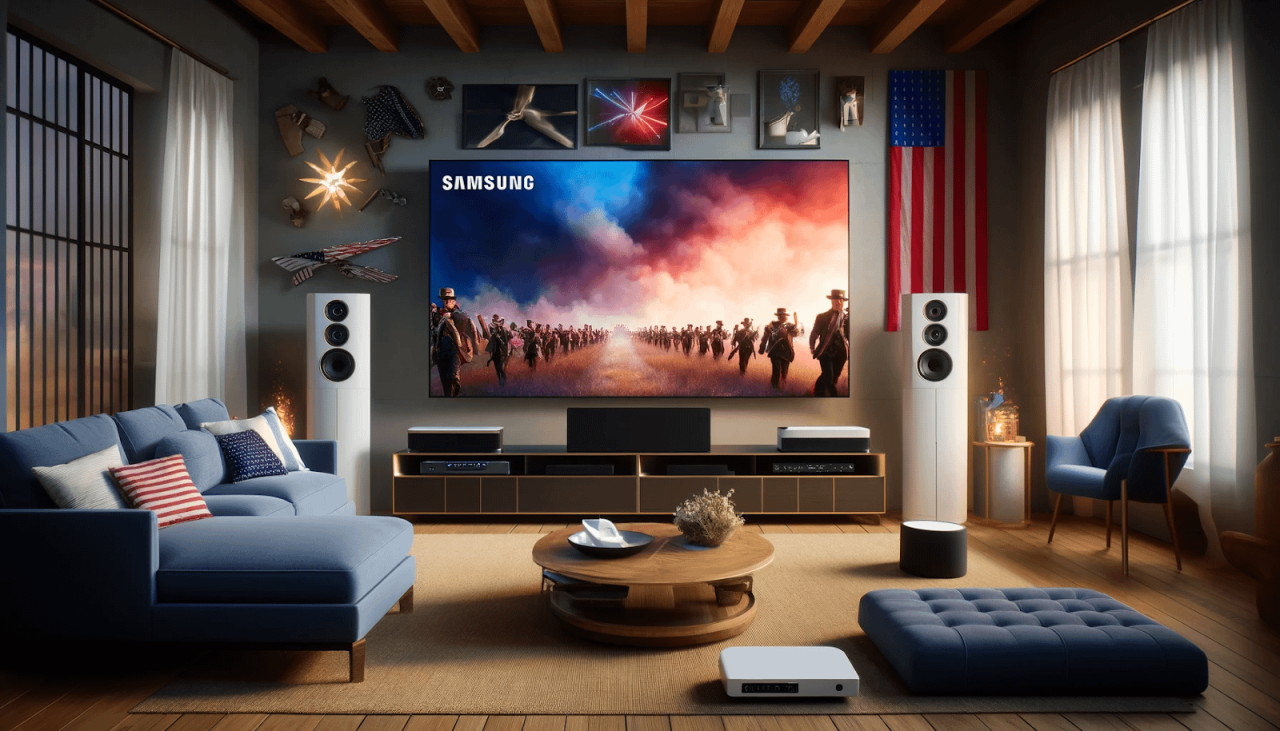
The advent of streaming services has revolutionized the way we consume entertainment, providing an array of options that can fit any budget. For those looking to build an affordable home theater, integrating streaming platforms is not only a cost-effective solution but also enhances the overall viewing experience. Many popular services offer a diverse library of movies, shows, and documentaries that can be accessed easily from the comfort of your home theater setup.
When considering streaming options for an affordable home theater, several platforms stand out due to their extensive content libraries and competitive pricing. Notably, services like Netflix, Disney+, Hulu, and Amazon Prime Video provide a mix of original programming, classic films, and beloved series. Each platform has its unique offerings, making it essential to evaluate what type of content suits your interests best. For example, Disney+ excels in family-friendly content and beloved franchises, while Netflix is known for its vast array of original series and films. Hulu offers a mix of current TV episodes and original content, making it a great choice for those who want to stay up-to-date with popular shows.
Integration of these services into your home theater system can be done effortlessly with modern smart TVs, streaming devices like Roku or Amazon Fire Stick, and gaming consoles. Setting these up typically requires a stable internet connection and a compatible device, allowing you to access multiple platforms through a single interface. Many streaming services also provide offline viewing options, which can be particularly useful for those with limited internet access.
Importance of Internet Speed and Service Selection
The quality of your streaming experience is heavily influenced by your internet speed and the service provider you choose. To enjoy uninterrupted streaming of high-definition content, a minimum internet speed of 25 Mbps is recommended. This speed ensures that videos load quickly and playback remains smooth without buffering, which can be frustrating during an immersive home theater experience.
When selecting an internet service provider (ISP), consider their reliability, customer support, and the type of plan that best fits your household’s needs. Some ISPs offer bundles that include streaming services, which can be a cost-effective way to subscribe without breaking the bank. It’s also beneficial to read customer reviews and check the ISP’s performance during peak hours, as this can greatly affect your streaming quality.
Investing in a robust router can further enhance your streaming capabilities, especially if multiple devices are connected simultaneously. A dual-band router can support both 2.4 GHz and 5 GHz bands, allowing you to prioritize bandwidth for streaming devices and reducing lag. Overall, ensuring that you have a reliable internet connection and a suitable plan is crucial for maximizing your home theater experience and enjoying the myriad of streaming options available.
Maintenance Tips for Your Home Theater
Maintaining your affordable home theater system is crucial for ensuring optimal performance and longevity. While these systems can provide a high-quality viewing experience, neglecting regular upkeep can lead to diminished sound and picture quality over time. By following a few essential maintenance tips, you can keep your home theater running smoothly and let you enjoy your favorite movies and shows as intended.
Creating a pleasant environment for your home theater is just as important as maintaining the equipment itself. Here are some important tips to consider for both your system and the room it’s in:
Equipment Maintenance
Regular maintenance of your home theater equipment can significantly prolong its life. Here are some practical tips that every home theater owner should follow:
1. Dust and Clean Regularly: Dust and dirt can accumulate on your equipment and within the components. Use a soft, dry microfiber cloth to wipe down surfaces, including screens and speakers. Be cautious not to use any cleaning agents that can damage sensitive parts.
2. Check Connections: Periodically inspect all cables and connections for wear and tear. Loose or frayed cables can cause audio or video problems. Ensure all connections are secure and consider replacing any damaged wires.
3. Update Software and Firmware: Many modern home theater systems have software that requires updates for optimal performance. Check regularly for updates to keep your devices functioning at their best.
4. Maintain the Cooling System: Overheating can damage electronic components. Make sure your home theater equipment is well-ventilated. Clean any fans and vents to prevent dust buildup, which can impede airflow.
5. Use Surge Protectors: Protect your equipment from power surges caused by lightning or electrical issues. A surge protector can save your devices from damage and ensure they operate effectively.
Common Technical Issues and Solutions
Even well-maintained systems can sometimes experience technical issues. Here are some common problems along with their solutions:
– Audio Sync Issues: If you notice a delay between the audio and video, try adjusting the audio delay settings on your receiver or soundbar. Sometimes, simply resetting the system can also resolve this issue.
– Poor Picture Quality: If your picture appears blurry or pixelated, check your HDMI connections and ensure you’re using high-speed cables. Additionally, verify that your source device is configured to output the correct resolution.
– No Sound from Speakers: If you detect no sound, ensure that your receiver is set to the correct input and that the speakers are properly connected. Also, check the volume levels and settings on both the receiver and the source device.
– Remote Control Malfunctions: If your remote control becomes unresponsive, check the batteries first. If that’s not the issue, try resetting the remote or re-pairing it with your system.
By proactively addressing these maintenance tips and common technical issues, you can significantly enhance your home theater experience and ensure that it remains a source of entertainment for years to come.
Final Conclusion
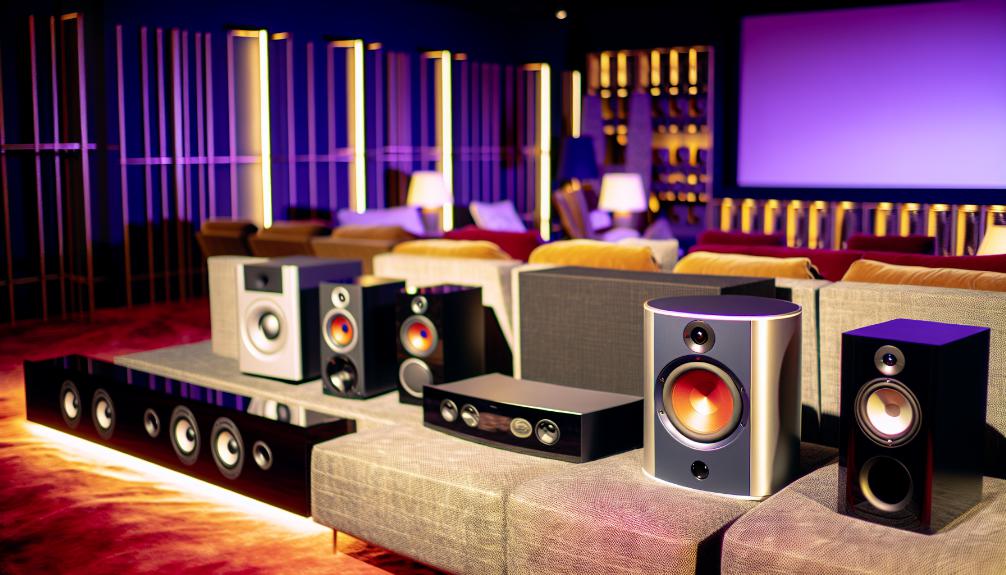
In conclusion, building an Affordable home theater is not only a feasible project but also a rewarding one that can enhance your overall entertainment experience. By understanding the components needed, avoiding common pitfalls, and utilizing smart budgeting strategies, you can create a space that rivals any commercial theater. With the right accessories and streaming options, your home can become the ultimate destination for film enthusiasts and casual viewers alike. So, gather your equipment and prepare to enjoy countless movie nights in the comfort of your home.
Essential FAQs
What’s the average cost of an affordable home theater system?
The average cost can range from $500 to $2,000 depending on the components you choose, such as the projector, sound system, and seating.
Can I set up a home theater in a small space?
Yes, with careful planning and the right equipment, you can create an effective home theater in a small area by utilizing compact devices and proper layout strategies.
Do I need professional installation for my home theater?
Professional installation is not necessary; many affordable home theater systems come with easy-to-follow instructions, allowing for a DIY setup.
How can I improve sound quality in my home theater?
Improving sound quality can be achieved by selecting high-quality speakers, optimizing speaker placement, and incorporating soundproofing techniques.
What are some budget-friendly streaming services for home theaters?
Popular budget-friendly streaming services include Netflix, Hulu, Amazon Prime Video, and Disney+, often offering a wide variety of content at reasonable subscription rates.