 Zoe Nora
Did you know over 80% of high-fidelity fans still love physical media for its deep sound? Digital streaming is big today, but high-resolution discs are coming back strong. We think true audiophiles know nothing beats the warmth and detail of a high-resolution audio system.
Finding the best SACD player means thinking about your home setup and what you like to listen to. Whether you want a unit that does it all or a special device for the best sound, it can be hard to choose. This guide will help you find the key features for top-notch sound.
By looking for strong build and advanced digital-to-analog conversion, we can make our music sound just right. Let’s see how to pick the right gear to take your listening to the next level.
Key Takeaways
- Physical media still beats standard streaming for better sound.
- Look for models with great DAC chips and balanced outputs for the cleanest sound.
- Think if you need a unit for movies or a device just for music.
- Make sure your player works with hybrid discs so you can play all your music.
- Choose a unit with a heavy, vibration-damping base for better sound over time.
Understanding SACD Technology
To truly appreciate high-fidelity sound, we must first understand the sophisticated technology powering the modern SACD player. This format represents a significant leap forward in how we capture and reproduce music in our homes.
What is SACD?
Super Audio Compact Disc, or SACD, is a high-resolution digital audio format. It was developed to provide a more natural sound. Unlike standard digital files, it uses Direct Stream Digital (DSD) encoding.
This technology captures audio signals at a much higher sampling rate than traditional methods. By doing so, it preserves the nuance and texture of the original studio recording.
How Does SACD Differ from CD?
The primary difference lies in the encoding process. Standard CDs use Pulse Code Modulation (PCM), which breaks audio into discrete chunks that can sometimes lose fine detail.
In contrast, DSD encoding creates a continuous stream of data that mimics the analog waveform more closely. This technical distinction is exactly why a high-quality SACD player can reveal layers of sound that standard discs often miss.
Benefits of SACD Audio Quality
The most notable benefit of this format is the immersive listening experience it provides. Listeners often report a wider soundstage and more realistic instrument placement.
Because the format supports high-resolution multi-channel audio, it brings a concert-like atmosphere into your living room. Investing in a capable SACD player ensures that you hear your favorite albums exactly as the artists intended.
Key Features to Look for in an SACD Player
Understanding what makes a good SACD player is key to a top-notch home audio system. We need to look beyond the surface to see what’s inside. This is where the magic of high-fidelity sound happens. By focusing on SACD player specifications, we make sure our investment is worth it.
Playback Formats Supported
A versatile player is a great player. Look for one that supports native DSD for the best sound quality. Also, make sure it plays standard CDs, CD-R, and CD-RW for all your music needs.
Digital Output Options
How your audio signal gets to your amplifier matters. High-quality optical and coaxial outputs are a must. An HDMI output for DSD data is a big plus for modern setups.
Built-in DAC Quality
The Digital-to-Analog Converter (DAC) is crucial for your audio experience. A top-notch DAC keeps your music’s details intact. Look for models with advanced processing to reduce jitter and enhance sound clarity.
Remote Control Functionality
Don’t overlook the importance of ergonomics. A good remote should be easy to use for daily listening. We like remotes that are solid and have a clear layout for seamless operation.
| Feature Category | Standard Model | Audiophile Model |
|---|---|---|
| DAC Resolution | 24-bit/96kHz | 32-bit/384kHz |
| DSD Support | Limited | Native DSD/DSD256 |
| Build Quality | Plastic/Lightweight | Vibration-Damped Metal |
| Output Ports | Optical Only | XLR, Coaxial, HDMI |
When checking out SACD player features, remember that build quality and materials matter. These physical aspects help reduce interference. This lets you enjoy your music just as the artist meant it.
Types of SACD Players Available
We look at the wide range of playback devices to help you pick the best one for your home. The right SACD player depends on how you listen and the space in your media cabinet.
Standalone SACD Players
Audiophiles often choose a dedicated unit for the best sound quality. These units are made to get the most detail from high-resolution discs. They focus only on audio, reducing interference and improving signal clarity.
“The beauty of a dedicated audio component lies in its singular focus, allowing every nuance of the recording to shine through without compromise.”
Universal Disc Players
Universal devices are great for those with many media formats. They play CDs, DVDs, Blu-rays, and high-resolution audio discs. While convenient, they might not have the specialized circuitry of focused hardware.
Integrated Amplifier Options
Modern systems often combine playback and amplification in one unit. This SACD player setup is perfect for small rooms where space is limited. It simplifies setup while keeping audio quality high.
| Type | Performance | Versatility | Space Efficiency |
|---|---|---|---|
| Standalone | Excellent | Low | Moderate |
| Universal | Good | High | Moderate |
| Integrated | Very Good | Moderate | High |
Popular Brands and Models
Exploring the market for top-notch audio gear, we find some legendary brands always shine. Choosing a well-known maker means we get reliable tech and amazing sound. Whether we’re starting out or looking for a high-end SACD player, knowing what these companies offer helps us choose wisely.
Many fans start by searching for a top-rated SACD player that offers both new features and classic sound quality. By sticking with top brands, we find gear that meets our sound quality needs and future audio plans.
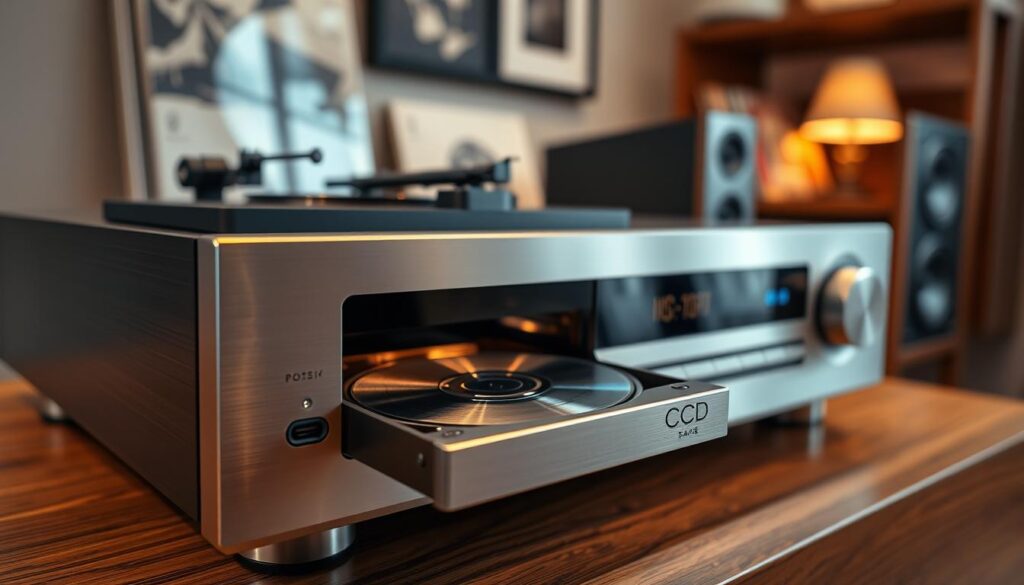
Sony SACD Players
Sony leads in DSD tech, the heart of SACD. Their players are known for exceptional digital processing and easy use. Choosing a Sony SACD player means tapping into years of optical disc research.
Yamaha SACD Options
Yamaha is famous for its “Natural Sound” approach, aiming to play music just as the artist meant. Their units have robust chassis designs to cut down on vibration, keeping every note sharp and clear. For those who value durability, a Yamaha is often a top-rated SACD player with a long life.
Denon and Marantz Highlights
Denon and Marantz are known for top-notch performance and precise engineering. These brands are for those who want the best in signal quality and component excellence. A high-end SACD player from these makers offers a refined listening experience, revealing the hidden details in our favorite songs.
These brands often use special tech to boost music’s dynamic range. By comparing these leaders, we can pick the best fit for our home audio setup and listening tastes.
Setting a Budget for Your Purchase
Setting a clear budget is key when exploring high-fidelity audio. It helps us choose equipment that improves our listening without spending too much.
Price Ranges for Different Models
The SACD player market offers options for all budgets. Entry-level players start at $300 to $500, perfect for casual listeners. Mid-range players, priced $800 to $2,000, offer better components and build.
For top-notch audio, a high-end SACD player can cost $3,000 to over $10,000. These high-end devices have advanced tech for the best sound quality.
Cost vs. Features Analysis
When looking at prices, remember the law of diminishing returns. Spending more doesn’t always mean a huge improvement. The difference between a $5,000 and a $10,000 player might be small compared to a $500 to $2,000 jump.
Choose features that meet your needs, like balanced XLR outputs or high-resolution converters. A high-end SACD player is worth it only if your current setup can handle the extra detail.
Long-term Value Considerations
Think about the long-term value of your purchase. A quality SACD player from a trusted brand has better lasers and power supplies. These ensure your player lasts for years.
| Budget Tier | Price Range | Primary Benefit |
|---|---|---|
| Entry-Level | $300 – $600 | Affordability and ease of use |
| Mid-Range | $800 – $2,500 | Balanced performance and features |
| High-End | $3,000+ | Audiophile-grade components |
The Importance of Reviews and Ratings
Before buying a new SACD player, we need to look beyond what the maker says. Specs are good, but they don’t show how a player really works in our homes over time.
Where to Find Trustworthy Reviews
For real info, we check audio forums and high-fidelity magazines. These places have deep talks from people who’ve tried different players in real settings.
Looking at a good SACD player review site helps us see how well a player is built and sounds. We choose sites that are clear about how they test and what they use.
Understanding Customer Feedback
User reviews give us key info on a SACD player‘s lasting quality. We watch for feedback on laser life and error correction with older discs.
Spotting common complaints in reviews helps us. If many users talk about the same problem, we’re careful with that model.
Analyzing Professional Reviews
Professional critics dive deep into what a player can really do. They check things like jitter and digital-to-analog converter quality.
In an SACD player review from pros, we look for comparisons. This shows if a player is worth it or just has a good name.
Installation and Setup Tips
Choosing the right SACD player is just the start. Next, you need to install it right to get the best sound. This means paying close attention to every detail to ensure top-notch audio quality.
Ideal Placement for Optimal Sound
Where you place your SACD player matters a lot. It should be on a sturdy, vibration-free surface to avoid any mechanical issues. This helps keep the sound clear.
Also, make sure there’s enough air around it. You need at least three inches of space on all sides. This prevents it from getting too hot during long listening times.
Connecting to Your Audio System
Connecting your SACD player to your amp or receiver is key. Use high-quality cables to keep the signal strong. RCA or XLR cables are best for clear sound.
Here’s how to connect correctly:
- Make sure your amp’s inputs match your player’s output.
- Push all connections firmly into their ports.
- Keep power and audio cables apart to avoid interference.
Basic Troubleshooting Steps
Even with a great setup, you might run into small problems. If your player won’t read a disc, try cleaning it gently first. This might solve the issue.
If you hear nothing, check your amp’s input settings. Also, ensure your player’s digital output settings match your DAC or receiver’s capabilities.
Consistency is key in keeping your audio system working well. If problems still exist, look up the manufacturer’s guide for help.
Maintaining Your SACD Player
Keeping your SACD player in top shape is key. A little time each day can make a big difference. It keeps your audio quality high and your player running smoothly for years.
Routine Cleaning and Care
Start by keeping your player clean. Use a soft, dry cloth to wipe off dust. This stops it from getting into the vents and causing problems.
- Always handle discs by the edges to avoid fingerprints on the data surface.
- Use a specialized lens cleaning disc occasionally if you notice skipping or playback errors.
- Ensure the unit has at least three inches of clearance on all sides to prevent overheating.
Firmware Updates and Upgrades
Your SACD player might need software updates. Check the manufacturer’s website for these. They can fix bugs and make your player work better with new discs.
When you update, follow the instructions closely. Don’t turn off the power during the update. It could harm your player.
When to Seek Professional Help
Some problems need a pro. If your player makes weird noises or won’t turn on, get help. A technician can fix it right.
Don’t try to open your SACD player yourself. It’s full of dangerous parts. Always prioritize your safety and let experts handle it.
Enhancing Your SACD Audio Experience
Your SACD player is the core of your system. But, it needs the right accessories and room setup to shine. To enjoy high-resolution audio fully, we must improve our listening space. This way, every detail of the music comes through clearly.
Recommended Accessories
Start by getting top-notch interconnects. Shielded cables help keep the signal clean by blocking interference. Also, using vibration isolation platforms can cut down on mechanical noise. This lets your SACD player read data more accurately.
Optimal Speaker and Amp Pairings
The right amp and speakers make a big difference. Choose an amp that can handle high currents and speakers with stable impedance. This combo ensures clear, undistorted sound from SACD recordings.
Room Acoustics and Sound Treatment
Good room acoustics are crucial for great sound. Use acoustic panels to control reflections and bass traps for better bass. These steps help create a balanced and clean listening experience.
| Enhancement Category | Primary Benefit | Impact Level |
|---|---|---|
| Vibration Isolation | Reduced mechanical jitter | High |
| Acoustic Panels | Improved soundstage clarity | Very High |
| High-End Interconnects | Signal purity | Moderate |
| Power Conditioning | Lower noise floor | High |
By focusing on these areas, we can turn our listening space into a high-fidelity haven. A well-set-up SACD player offers an immersive experience. It brings us closer to the music’s original studio performance.
Making the Final Decision
Choosing the right audio equipment means knowing what we listen to and what we want in the future. We need to balance the tech specs with our budget. This ensures we get the most for our money.
Comparing Your Top Choices
It’s important to see how different units fit with what we already have. For example, a top-notch SACD player like the PS Audio PerfectWave SACD Transport is great for those with a dedicated DAC. By comparing SACD players, we can figure out which features, like I2S or balanced outputs, are key for us.
Return and Warranty Policies
It’s crucial to protect our purchase. We look for brands with strong warranties and clear return policies. This gives us confidence to try the unit at home without worry.
Timing Your Purchase for Sales
Being patient can lead to big savings on top-notch audio gear. We keep an eye out for sales and discounts. By waiting for the best time, we get quality equipment that enhances our music collection for years.