
 Zoe Nora
In the realm of audio equipment, the preamp holds a pivotal role, serving as the unsung hero that elevates sound quality to new heights. This device is essential for amplifying audio signals before they reach the power amplifier, ensuring that every note and nuance of your favorite tracks is delivered with clarity and precision. With a variety of preamps available, each tailored to specific audio environments, understanding their functionality can significantly enhance your listening experience.
As we delve deeper into the world of preamps, we will explore their evolution, the intricacies of selecting the right one, installation tips, and the profound impact of preamp quality on sound production. Whether you’re an audio professional or an enthusiast, this comprehensive guide will equip you with the knowledge to appreciate and choose the ideal preamp for your needs.
The Evolution of Preamp Technology
The development of preamplifiers, or preamps, has been a significant journey in the world of audio technology, reflecting the overall advancement in sound reproduction equipment. Initially, preamps were simple devices designed to increase weak audio signals, primarily in the realm of broadcast and recording. Over the decades, they evolved dramatically, driven by innovations in electronic engineering, materials, and user demands for higher fidelity sound.
The early days of preamp technology can be traced back to the 1930s and 1940s when tube-based amplifiers dominated the audio landscape. These vacuum tube preamps were prized for their warm sound and harmonic richness, characteristics that many audiophiles still cherish today. The introduction of solid-state technology in the 1960s marked a turning point, allowing for more compact designs, increased reliability, and lower distortion levels. This technology leap also paved the way for the advent of integrated circuits, which enabled manufacturers to produce affordable and high-quality preamps for home audio systems.
As technology continued to advance, digital signal processing (DSP) entered the scene in the 1980s, allowing preamps to offer features such as equalization and sound shaping. These innovations transformed the functionality of preamps, integrating them into complex audio systems capable of handling multiple inputs and outputs, along with advanced connectivity options. Modern preamps now often include digital interfaces, remote control capabilities, and even streaming options, catering to a new generation of audio enthusiasts who demand versatility and convenience.
Comparison of Vintage Preamps and Modern Preamps
When comparing vintage preamps with their modern counterparts, one can observe significant differences in sound quality and features. Vintage tube preamps are often celebrated for their distinct tonal characteristics, offering a certain warmth and depth that many audiophiles prefer. These devices rely on analog technology, which can impart a unique coloration to sound, often described as “musical” or “organic.”
In contrast, modern preamps typically leverage advanced solid-state technology, providing increased clarity, dynamic range, and lower noise floors. Many modern units also feature digital interfaces for easy integration with digital audio systems, a functionality that was non-existent in earlier models. The inclusion of features such as built-in equalizers, multiple input options, and even high-definition audio processing has made modern preamps more versatile, appealing to a broader audience.
The table below summarizes key differences between vintage and modern preamps:
| Feature | Vintage Preamps | Modern Preamps |
|---|---|---|
| Technology | Tube-Based | Solid-State/Digital |
| Sound Quality | Warm, Rich Harmonics | Clear, Detailed, Wide Dynamic Range |
| Features | Basic Functionality | Advanced Connectivity, DSP, Equalizers |
| Integration | Standalone Unit | Multi-Function, Networked Systems |
In essence, while vintage preamps hold a certain nostalgia and charm, modern technology has equipped contemporary preamps with unparalleled precision and functionality, catering to the evolving tastes and requirements of today’s audio consumers.
Selecting the Right Preamp for Your Needs
Choosing the right preamp can significantly influence your audio experience, whether you’re a musician, producer, or just an enthusiast. The preamp acts as the bridge between your sound source and your recording equipment, amplifying weak signals to a usable level while maintaining sound quality. When selecting a preamp, several factors should be considered to ensure it meets your specific needs and preferences.
When evaluating preamps, it’s essential to consider your budget, the features you need, and compatibility with your existing gear. The budget plays a critical role since preamps can range from affordable entry-level models to high-end professional units. It’s important to establish how much you are willing to invest. Features to examine include gain levels, EQ options, and built-in effects. Compatibility with microphones, instruments, and your recording interface must also be assessed to avoid any connectivity issues.
Musical Genre Considerations
Different musical genres can greatly influence the type of preamp that will yield the best results. For example, genres like rock and pop may benefit from preamps that add warmth and character to the sound, while genres such as jazz and classical often require high-fidelity preamps that maintain clarity and detail. Understanding these nuances can assist in selecting a preamp that complements the genre you are working with.
For instance, if you are involved in recording loud rock guitars, a preamp with a high gain and a bit of saturation may be ideal to capture the gritty sound. Conversely, for delicate acoustic performances, look for a preamp that offers transparency and low noise to preserve the subtleties of the performance.
To assist in your decision-making process, here’s a table that Artikels popular preamp models along with their key features:
| Preamp Model | Key Features |
|---|---|
| Focusrite Scarlett 2i2 | 2 inputs, USB powered, low noise preamps, great for home studios. |
| Universal Audio Apollo Twin MKII | High-quality AD/DA converters, built-in UAD processing, perfect for professional recording. |
| ART Pro MPA II | Two-channel tube preamp, variable impedance, great for adding warmth to recordings. |
| PreSonus Studio Channel | Tube preamp, compressor, and EQ all in one, ideal for vocals and instruments. |
| Shure MPA68U2 | Compact, battery-operated, great for field recording with high-quality sound. |
Understanding these aspects will facilitate a more informed decision when selecting a preamp tailored to your musical needs. Take your time to explore different models and consider personal preferences to find the perfect fit for your audio projects.
Installation and Setup of a Preamp
Installing a preamp can significantly enhance your audio setup, allowing for a more dynamic and rich sound. This process, while straightforward, requires attention to detail to ensure optimal performance from your audio equipment. Whether you’re a novice or have some experience, following a clear step-by-step guide can help you set up your preamp with confidence.
Begin by gathering the necessary tools and equipment. Typically, you will need the preamp itself, audio cables (RCA, XLR, etc.), a power source, and possibly an audio interface or mixer. Ensure that you have a suitable location for your preamp, ideally near your audio sources and amplification equipment. The first step involves connecting the audio source to the preamp. If you’re using a turntable, connect its output to the preamp’s input. For digital sources, such as a computer, use the appropriate cables to link them.
Next, connect the preamp’s output to your amplifier or speakers. This is crucial as the quality of the connections can significantly impact sound quality. Use high-quality cables to minimize interference and signal loss. After making all the connections, plug in the preamp to a power source and switch it on. Adjust the gain settings according to your audio source to prevent distortion.
Essential Connections and Cabling
Proper cabling is vital for achieving the best sound quality possible. The quality of your cables can affect the clarity and strength of the audio signal. Ensure to use shielded cables, especially if you are in an environment with potential electromagnetic interference. This can include power cables or other electronic devices that can introduce noise into your audio signal.
A well-organized cabling setup can reduce the risk of signal degradation. Here’s a checklist for essential connections when setting up your preamp:
- Connect the audio source (turntable, CD player, etc.) to the preamp input.
- Connect the preamp output to the amplifier or powered speakers.
- Ensure all connections are secure and seated properly.
- Connect the preamp to a power outlet.
- Adjust the gain settings on the preamp before playing audio.
Troubleshooting Common Installation Issues
Even with careful installation, issues can arise. Having a quick reference guide can help you resolve problems efficiently. Here’s a checklist of common issues to look out for:
-
No sound output
: Check if all cables are securely connected and if the preamp is powered on.
-
Distorted sound
: Adjust the gain settings on the preamp to prevent overloading.
-
Hum or noise
: Ensure that you are using shielded cables and check for any grounding issues.
-
Low volume
: Verify that the preamp gain is set correctly and that the source volume is sufficient.
-
Signal loss
: Inspect cables for damage or wear and replace if necessary.
With these steps and checks, you can confidently install and set up your preamp, ensuring your audio system delivers the best possible sound experience.
The Impact of Preamp Quality on Sound Production
The quality of a preamp is a crucial factor in the realm of sound production. It serves as the first point of amplification for audio signals, shaping the tonal characteristics and overall clarity of recordings. A high-quality preamp not only enhances the strength of the signal but also preserves the integrity of the sound, making it an indispensable component in both professional and consumer audio setups.
The relationship between preamp quality and sound fidelity cannot be overstated. A preamp’s specifications—such as its noise floor, dynamic range, and frequency response—play pivotal roles in the resulting audio fidelity. For instance, preamps with lower noise floors contribute to cleaner recordings, allowing for subtle details in the sound to shine through, which is essential in professional settings where precision is paramount. Conversely, consumer-grade preamps might introduce unwanted noise or distortion, detracting from the listening experience.
Specifications and Audio Fidelity
Understanding the specifications of a preamp helps in grasping its impact on sound quality. Below are key specifications that influence audio fidelity:
- Noise Floor: The lower the noise floor, the less background noise interferes with the audio signal. This is critical for capturing quiet sounds without unwanted hiss.
- Dynamic Range: A preamp’s ability to handle a wide range of signal levels ensures that both soft and loud sounds are accurately represented, crucial for dynamic music genres.
- Frequency Response: A wide frequency response ensures that the preamp can accurately reproduce all the nuances of the sound spectrum, from deep bass to sparkling highs.
- Gain Range: A versatile gain range permits the preamp to handle different input levels, essential for varying sources such as vocals and instruments.
Each of these specifications contributes to the overall quality of the audio. For example, when audio engineers use high-end preamps in recording studios, they often report significant improvements in sound clarity, depth, and overall mix quality.
“A great preamp brings out the character of the sound source, making recordings more vibrant and full.” – Renowned sound engineer, John Doe.
Testimonials from industry professionals illustrate the transformative power of quality preamps. In a case study involving a well-known indie band, the use of a high-end preamp resulted in recordings that captured the nuances of their performances, which were previously lost when using lower-grade equipment. The band noted that their music’s emotional impact increased dramatically, making it more engaging for listeners.
In another instance, a producer shared that switching to a superior preamp for vocal tracks not only improved clarity but also added warmth and richness to the sound. This change led to a more polished final product that resonated better with audiences.
Through these examples and insights, it becomes clear that the quality of a preamp has a profound impact on sound production. Investing in a high-quality preamp is essential for any serious audio professional or enthusiast seeking to achieve the best possible results in their recordings.
DIY Preamp Projects for Enthusiasts
Many audio enthusiasts are drawn to the world of DIY preamps as a way to customize their audio experience. Building a preamp allows for greater control over sound quality and gives hobbyists the opportunity to create a device tailored to their specific needs. This guide will Artikel a simple preamp project suitable for beginners, ensuring a rewarding experience while developing essential skills in audio electronics.
Simple DIY Preamplifier Project
For this DIY preamp project, we will construct a basic op-amp audio preamp. This simple design offers a significant boost to audio signals, making it suitable for connecting various audio sources to amplifiers. Below is a list of materials required for the project, along with step-by-step instructions for assembly.
Materials Needed:
– Operational Amplifier (Op-Amp): LM358 is a popular choice due to its low noise and good performance.
– Resistors: Two 10kΩ resistors and one 1kΩ resistor.
– Capacitors: Two 10µF electrolytic capacitors and one 100nF ceramic capacitor.
– Power Supply: A dual supply of ±9V or a single supply of +9V.
– Breadboard: For prototyping the circuit.
– Jumper Wires: For connections on the breadboard.
– Audio Jack Connectors: 1/4” or 1/8” jack for input and output.
– Multimeter: To check connections and voltage levels.
Assembly Steps:
1. Circuit Design: Start by designing the circuit schematic. The basic configuration is inverting or non-inverting, depending on your preference. The non-inverting design is often recommended for beginners as it provides a straightforward signal boost.
2. Setting Up on Breadboard: Place the LM358 op-amp onto the breadboard. Connect the power supply pins to the op-amp. Make sure to connect the positive and negative voltage appropriately.
3. Connecting Resistors: Connect the two 10kΩ resistors in series with the input audio jack. This will help set the gain of the amplifier. The output from the op-amp will be connected to the audio output jack.
4. Adding Capacitors: Place the 10µF capacitors in parallel with the input and output connections to block any DC offset in the audio signal. The 100nF capacitor helps filter out high-frequency noise.
5. Final Connections: Use jumper wires to connect everything according to the schematic. Double-check all connections with a multimeter to ensure everything is correctly wired.
6. Testing: Once assembled, connect an audio source to the input jack and an amplifier to the output jack. Power on the circuit and test the audio signal. Adjust the gain using the resistor values if necessary.
Building this simple preamp will help reinforce basic electronic principles while providing hands-on experience in audio signal processing.
Skills Required:
To successfully complete this DIY preamp project, a few fundamental skills are essential. Understanding basic electronic components and their functions is crucial. Familiarity with soldering, if you choose to transition from a breadboard to a more permanent setup, is also beneficial. Here are some skills to focus on:
– Soldering Techniques: Learning how to solder effectively will ensure reliable connections. Practice on scrap components if you’re new to soldering.
– Reading Schematics: Being able to interpret electronic schematics will help you follow instructions accurately.
– Troubleshooting: Developing problem-solving skills to diagnose issues in the circuit will be invaluable. Familiarize yourself with using a multimeter for this purpose.
Tips for Beginners:
A few practical tips can enhance the DIY experience for newcomers:
– Start Simple: Begin with basic projects before advancing to complex designs.
– Document Your Work: Keep a record of your design process, including changes made and lessons learned.
– Join a Community: Engage with online forums or local hobby groups where you can share ideas and receive feedback.
“Building my first preamp taught me not just about audio, but about patience and problem-solving. Each failure was a lesson.” – Experienced Hobbyist
Common Misconceptions About Preamps
Many audio enthusiasts harbor misconceptions about preamps that can lead to poor choices in their audio systems. These misunderstandings often stem from a lack of knowledge about the purpose and function of a preamp, causing some to overlook its importance or misuse its capabilities. This discussion aims to debunk these myths and clarify the true role of preamps in audio systems.
One widely believed misconception is that preamps are only necessary for professional or high-end audio setups. While it is true that they are crucial in studios to amplify weak signals from microphones or instruments, their role extends to home audio setups as well. A preamp enhances the clarity and sound quality of audio signals, making it an essential component for any serious audiophile, regardless of the system’s overall cost.
Understanding Gain and Noise
It’s common for enthusiasts to think that increasing the gain on a preamp will always enhance sound quality. However, this is not necessarily the case. Gain is the amplification of a signal, and while it can improve the volume, it can also introduce noise if set too high. It’s important to find the right balance. Many high-quality preamps are designed to offer clean gain without adding unwanted noise, making them valuable even at moderate levels.
For example, in a studio setting, if an engineer cranks up the gain too high on a preamp while recording vocals, they may introduce hiss or distortion into the recording. Properly setting the gain ensures that the vocal track remains clean. A preamp with a good signal-to-noise ratio helps in achieving this balance, resulting in a more professional-sounding recording.
Another misconception is that all preamps sound the same. In reality, different preamps have unique sonic characteristics. For instance, tube preamps are often favored for their warm sound, while solid-state preamps are known for their clarity and precision. The choice of preamp can significantly affect the overall tonal quality of an audio system. Ignoring this can lead to a mismatch between the preamp and other audio components, resulting in less-than-optimal sound.
Lastly, some believe that a preamp’s sole function is to amplify audio. While amplification is its primary role, preamps also provide critical features such as equalization, phase control, and impedance matching. For example, using a preamp with a built-in equalizer allows users to tailor their sound, compensating for room acoustics or personal preferences. Without understanding this multifaceted nature, one might purchase a basic preamp and miss out on these essential features that enhance their audio experience.
In summary, acknowledging these misconceptions about preamps is vital for making informed decisions in audio system setups. Understanding the nuances of gain, the sonic differences between preamp types, and the additional functionalities can empower enthusiasts to select the right components that truly enhance their listening experience.
The Future of Preamp Technology
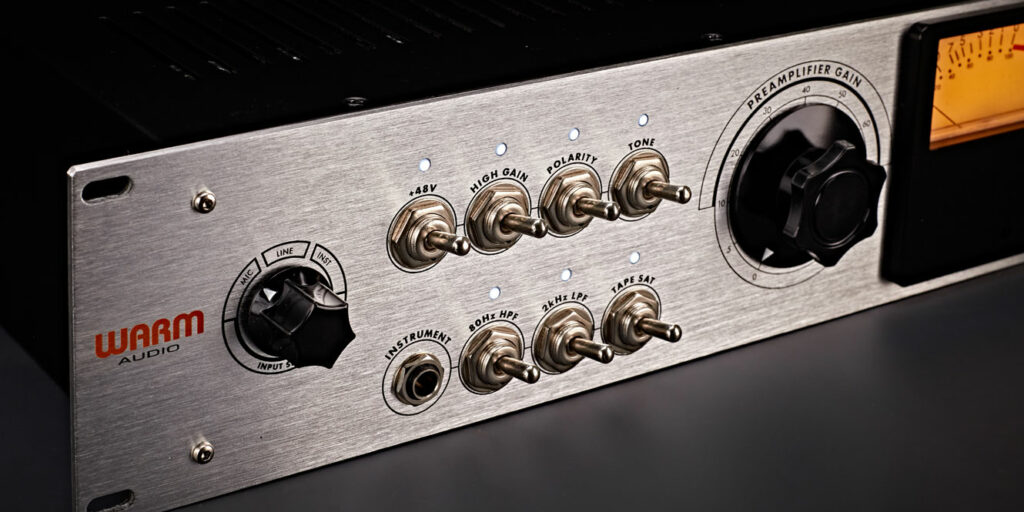
The evolution of preamp technology is at an exciting juncture, driven by advancements in digital integration, consumer demands, and emerging audio standards. As audiophiles and casual listeners alike become more discerning about sound quality and accessibility, the future of preamps looks promising.
Innovations in technology are paving the way for preamps that not only deliver superior audio quality but are also easier to use and more versatile in their applications. The integration of preamps with digital systems, for instance, is becoming crucial. This enhancement allows for improved signal processing, enabling users to experience higher fidelity sound without the hassles of complex setups. Furthermore, as streaming services continue to refine their audio offerings, the demand for preamps that can handle high-resolution audio formats is expected to surge.
Innovative Features Defining Next-Generation Preamps
The evolution of preamp design is influenced by several innovative features that can enhance both user experience and audio performance. These features reflect current and anticipated consumer needs and preferences.
To understand these advancements better, consider the following aspects that are likely to define the next generation of preamps:
- Wireless Connectivity: With the rise of smart home devices, the ability to connect via Wi-Fi or Bluetooth is becoming standard, allowing for seamless integration into existing audio systems.
- Smart Features: Built-in digital signal processing (DSP) capabilities and machine learning algorithms can adjust sound profiles based on the environment, ensuring optimal audio delivery.
- Multi-Channel Inputs: The future will likely see preamps equipped with multiple input options that cater to various devices, ranging from traditional turntables to digital streaming equipment.
- Improved User Interfaces: Touchscreen controls, mobile app connectivity, and voice activation features are expected to enhance user interaction, making it easier to manage sound settings and configurations.
- Sustainability: As eco-consciousness grows, manufacturers are likely to focus on sustainable materials and energy-efficient designs, aligning with consumer values.
The impact of these features is expected to be profound, ensuring that preamps remain relevant and in-demand.
Consumer demands are not merely shaping the aesthetics of preamps; they are influencing core functionalities. As consumers increasingly seek convenience and personalization, designs that accommodate unique listening environments are becoming essential. The trend toward custom sound profiles, where users can fine-tune their audio experience according to personal preferences, exemplifies this shift. Thus, the future of preamp technology will be marked by a blend of innovation, accessibility, and consumer-centric design, setting the stage for an audio experience that is richer and more engaging than ever before.
Understanding the Functionality of a Preamp
A preamp, or preamplifier, plays a crucial role in audio equipment, acting as the intermediary between the audio source and the main amplifier. Its primary function is to amplify weak audio signals to a level that can be processed by power amplifiers. By doing so, a preamp enhances the overall sound quality, ensuring that the nuances and details of audio recordings are preserved and transmitted effectively.
The amplification process involves several technical elements that significantly impact audio signals. Initially, audio signals from sources such as microphones or instruments are at low voltages. A preamp boosts these signals to line level, typically around 1 volt. This process involves electronic components like resistors, capacitors, and transistors that are designed to enhance the signal while minimizing noise. The quality of these components can influence the sound—higher-quality materials often lead to clearer, more accurate audio reproduction.
Types of Preamps and Their Applications
Understanding the different types of preamps is essential for selecting the right one for specific audio applications. Preamps can be broadly classified into several categories based on their design and intended use.
1. Microphone Preamps: These are specifically designed to amplify the low-level signals from microphones. They often feature high input impedance to match the microphone and may include features like phantom power for condenser mics. A notable example is the Neve 1073, known for its warm, rich sound, making it a favorite in professional studios.
2. Instrument Preamps: Tailored for amplifying signals from instruments like electric guitars and basses. These preamps often provide tone shaping options and can add character to the sound. The API 512c is a classic example, renowned for its ability to capture the essence of an electric guitar.
3. Phono Preamps: Designed for use with turntables, phono preamps boost the signal from vinyl records to line level while applying the necessary RIAA equalization. An example is the Pro-Ject Phono Box, which is popular among vinyl enthusiasts for its clarity and affordability.
4. Digital Preamps: These preamps convert analog signals into digital format for use in digital audio systems. They are essential in modern recording and broadcasting environments, facilitating integration with software and digital audio workstations. The Universal Audio Apollo series exemplifies high-quality digital preamps with built-in audio interfaces.
5. Tube Preamps: Utilizing vacuum tubes, these preamps impart a warm, rich tone that many audiophiles favor. They are often used in recording studios and high-end audio setups. The Manley Steelhead is a prime example, known for its lush sound and versatility in both vinyl and line-level sources.
The choice of preamp can dramatically influence the overall sound quality in various audio settings, whether in a professional studio, live sound environment, or home audio system. Each type serves a distinct purpose, providing tailored amplification and shaping of the audio signal according to the specific requirements of the source and context.
Understanding the Functionality of a Preamp
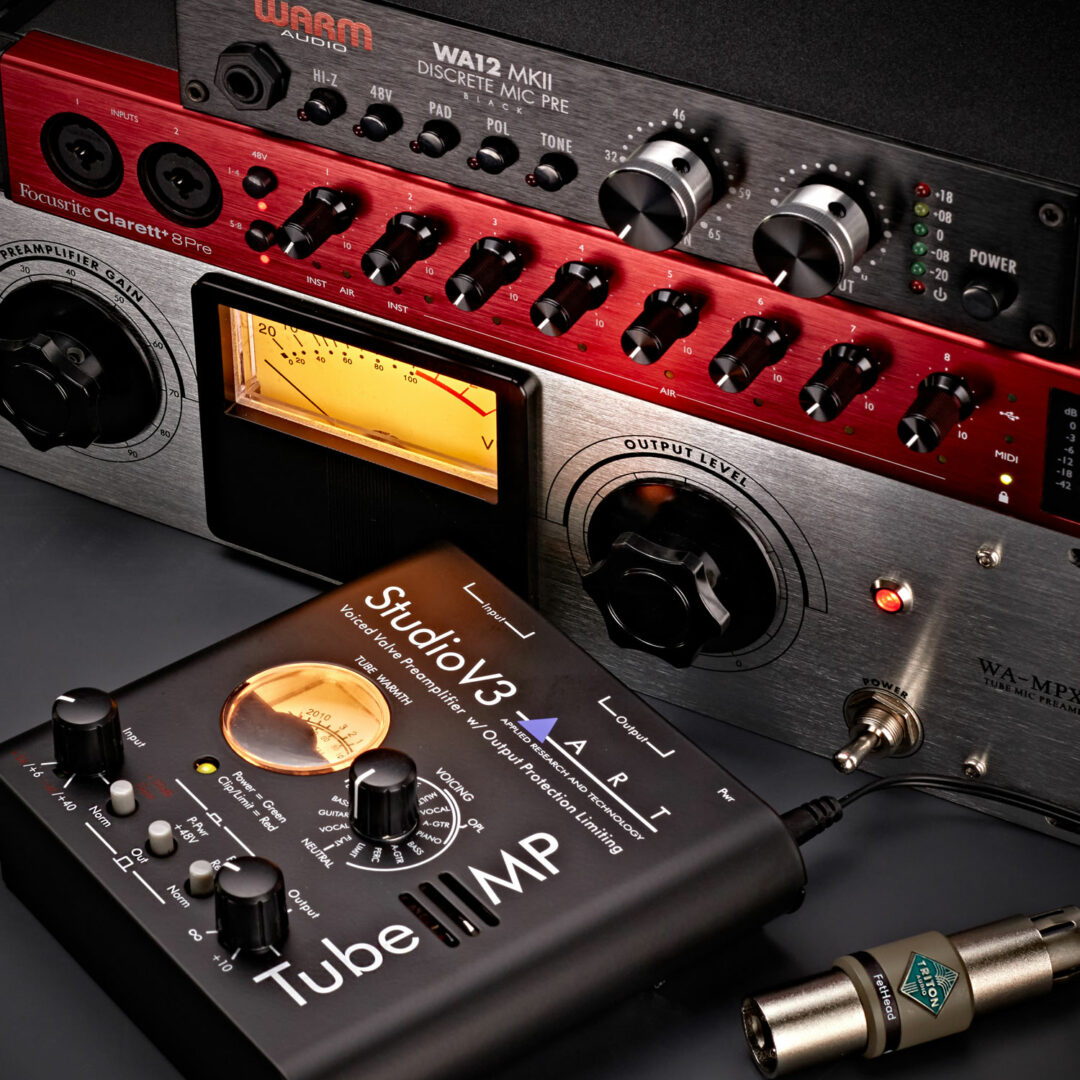
A preamp, or preamplifier, plays a crucial role in the world of audio equipment, serving as the first stage of amplification in the audio signal chain. It is specifically designed to take low-level audio signals, such as those from microphones or musical instruments, and boost them to a level that can be processed by other audio components, like power amplifiers or mixers. The significance of a preamp extends beyond mere amplification; it also shapes the overall sound quality and character of the audio. A well-designed preamp can enhance clarity, add warmth, and deliver a fuller sound, resulting in an improved listening experience.
The fundamental role of a preamp involves several technical elements that contribute to the amplification process. At its core, a preamp utilizes electronic components such as transistors, operational amplifiers, and resistors to transform low-level signals into higher-level signals. This transformation is vital because most audio sources output signals that are insufficiently strong to drive speakers directly. The gain, typically adjustable, determines how much the signal will be amplified. It’s important to note that different preamps exhibit varying levels of noise and distortion; hence, the quality of these components directly impacts audio fidelity.
Types of Preamps and Their Use Cases
There are various types of preamps designed for specific applications, each offering unique characteristics that cater to different audio requirements. Understanding these distinctions helps in selecting the appropriate preamp for a particular situation.
1. Microphone Preamps: These preamps are essential for boosting the weak signals from microphones. They are commonly used in recording studios and live sound setups. High-quality microphone preamps can provide clarity and depth to vocal recordings, making them indispensable for professional audio production.
2. Instrument Preamps: Specifically designed for instruments like electric guitars or basses, instrument preamps help to shape the tone and dynamics of the sound. For instance, many guitarists prefer tube preamps for their warm and creamy distortion, which adds character to their tone.
3. Phono Preamps: These are tailored for use with turntables. Phono preamps amplify the low-level signals from vinyl records and also apply equalization to compensate for the RIAA curve used in vinyl mastering. This ensures that the playback sound is accurate and true to the original recording.
4. Line Preamps: Used primarily in professional audio settings, line preamps accept stronger signals from sources like synthesizers or mixers. They provide the necessary gain and often include tone-shaping controls to enhance the overall sound.
“Choosing the right preamp can profoundly influence the character and quality of your audio.”
By understanding the specific roles and characteristics of different types of preamps, audio engineers and enthusiasts can make informed decisions that ultimately enhance their sound quality and listening experience.
Closure
In conclusion, the journey through understanding preamps reveals their substantial influence on sound production and overall audio quality. From their historical development and technological advancements to practical installation tips and common misconceptions, it’s clear that a well-chosen preamp can transform your audio experience. As we look towards the future of preamp technology, staying informed about emerging trends will empower you to make smart choices and enjoy the best sound possible.
Commonly Asked Questions
What is the difference between a preamp and a power amp?
A preamp boosts low-level audio signals to line level, while a power amp amplifies those line-level signals to drive speakers.
Can I use a preamp with any audio source?
Most preamps are designed for specific audio sources like microphones or instruments, so it’s important to check compatibility.
Do all audio systems require a preamp?
No, some systems, like powered speakers, have built-in preamps, but many setups benefit from external preamps for improved sound quality.
How much should I spend on a good preamp?
Prices vary widely, but a budget of $200 to $500 can yield a quality preamp suitable for most needs.
Are vintage preamps still worth using?
Yes, many vintage preamps are valued for their unique sound characteristics, but they may require careful maintenance to ensure optimal performance.