
 Zoe Nora
Tube amplifier is more than just a piece of equipment; it’s a gateway into the rich and warm world of analog sound. For audiophiles and music lovers alike, the allure of tube amplification lies in its unique ability to breathe life into music, transforming digital signals into soulful melodies that resonate with emotion.
At its core, a tube amplifier relies on vacuum tubes to amplify audio signals, distinguishing it from the more commonly used solid-state amplifiers. With various types available, from single-ended to push-pull designs, each offers its own flavor of sound. This introduction serves as an entry point into the diverse universe of tube amplification, where history, technology, and artistry intertwine to create an unforgettable auditory experience.
Understanding the Basics of Tube Amplifiers
Tube amplifiers, also known as valve amplifiers, are electronic devices that use vacuum tubes to amplify audio signals. They are renowned for their unique tonal characteristics and warmth, which many audiophiles and musicians prefer over modern solid-state amplifiers. The essential components of a tube amplifier include the input stage, the phase splitter, the output stage, and the power supply. Each of these elements plays a critical role in the sound output, shaping the overall audio experience.
The primary difference between tube amplifiers and solid-state amplifiers lies in their design and operation. Tube amplifiers utilize vacuum tubes to amplify audio signals, which results in a natural compression of sound, often described as “rich” and “warm.” This is in stark contrast to solid-state amplifiers, which rely on transistors. Solid-state designs tend to deliver cleaner, more precise sound with higher power efficiency but can sometimes lack the harmonic richness associated with tubes.
Types of Tube Amplifiers
The market offers a variety of tube amplifiers, each catering to different needs and preferences. Understanding the types available can help users select the right amplifier for their audio setup. The most common types include:
- Class A Amplifiers: These amplifiers operate continuously and provide a high-quality sound output. Their design allows for a warm, rich tone but is less efficient and generates more heat.
- Class AB Amplifiers: Combining aspects of Class A and Class B operation, these amplifiers deliver better efficiency while still maintaining a warm sound characteristic. They are widely used in both home audio and musical applications.
- Single-Ended Amplifiers: Known for their simplicity and distinctive sound, single-ended tube amplifiers utilize one output tube per channel. They are favored for their lush, harmonic sound but can lack power and volume in larger settings.
- Push-Pull Amplifiers: These amplifiers use two or more tubes to amplify the audio signal in opposite phases. They provide higher power output and lower distortion compared to single-ended designs, making them popular in professional audio systems.
The sound quality and performance of tube amplifiers can vary significantly based on their design and the quality of the tubes used. Many audiophiles invest in premium vacuum tubes to enhance their amplifier’s performance, seeking to achieve the best possible sound profile. The choice of a tube amplifier is often influenced by personal preferences regarding sound characteristics, volume requirements, and intended use, whether for home listening or live performance.
The History and Evolution of Tube Amplifiers
Tube amplifiers have played a pivotal role in the audio industry since their inception in the early 20th century. Initially developed for radio broadcasting and public address systems, these devices transformed how sound was amplified and reproduced. Their warm tonal quality and rich harmonic distortion created a unique listening experience, which endeared them to musicians and audiophiles alike. Over the decades, tube amplifiers have seen significant advancements, evolving from bulky, complex machines to sleek, modern designs while maintaining their essential analog charm.
The development of tube amplifiers can be traced back to the invention of the vacuum tube in the 1900s. Early adopters realized the potential of these devices to amplify electrical signals, leading to innovations in sound reproduction. The golden age of tube amplifiers emerged in the 1950s and 1960s, coinciding with the rise of rock and roll music, where their distinctive sound became synonymous with high-quality audio. The demand for tube amplifiers surged, and manufacturers began to explore new designs and technologies to enhance their performance.
Key Innovations in Tube Amplifier Design
Several significant innovations and technological advancements have shaped the evolution of tube amplifiers over the years. These developments have not only improved audio quality but also expanded the application range of tube amplifiers in music and sound reproduction.
- Class A and Class AB Amplifiers: The introduction of Class A and Class AB amplifiers allowed for greater efficiency in sound amplification. Class A amplifiers are known for their linearity and low distortion, while Class AB amplifiers provide a balance of sound quality and efficiency, contributing to the versatility of tube amplifiers.
- Power Supply Improvements: Advances in power supply technology, including regulated and switched-mode power supplies, have enhanced the reliability and performance of tube amplifiers, allowing them to deliver consistent sound quality even under varying conditions.
- Materials and Components: The development of high-quality components such as capacitors, resistors, and transformers has greatly influenced the sound signature of tube amplifiers. Modern materials ensure better durability and sound fidelity.
- Hybrid Designs: The integration of solid-state technology with tube amplifiers has led to hybrid designs that combine the warmth of tubes with the efficiency and reliability of transistors. This innovation appeals to a wider audience, merging vintage appeal with modern functionality.
Notable milestones in the history of tube amplifiers include the launch of the Fender Bassman in 1952, which became a staple in rock music, and the introduction of the Marshall JTM45 in 1962, which defined the sound of countless iconic guitarists. Additionally, during the 1970s, solid-state technology began to dominate the market, leading to a decline in tube amplifier production. However, the resurgence of interest in vintage sounds during the 1990s and early 2000s reignited the popularity of tube amplifiers, prompting many manufacturers to revive classic designs and introduce new models.
The story of tube amplifiers is rich with innovation and nostalgia, and their evolution reflects broader trends in music and technology. Despite the rise of digital audio, the distinct sound of tube amplifiers continues to captivate musicians and listeners, securing their place in the audio landscape for years to come.
The Sound Characteristics of Tube Amplifiers
Tube amplifiers are renowned for their distinctive sound qualities that set them apart from other amplification methods, such as solid-state amplifiers. While the latter tend to produce a cleaner and more precise sound, tube amps are celebrated for their rich tonal textures and unique harmonic distortions. This difference in sound is not merely a matter of preference; many audiophiles and musicians swear by the warm, lush quality that tube amplifiers provide, which can be attributed to their design and the way they produce audio signals.
The sonic characteristics of tube amplifiers are often described with terms like “warmth,” “richness,” and “depth.” The inherent distortion produced by tubes when they are pushed to their limits adds a pleasing harmonic complexity to the sound. This results in a natural compression that enhances the musicality of the output. Tube amplifiers often provide a soft clipping when overdriven, which many listeners find more musical compared to the harsh clipping typical of solid-state designs. The way tubes interact with musical notes can lead to a more engaging listening experience, often making the sound feel fuller and more immersive.
Attributes of Tube Sound
Enthusiasts often refer to specific attributes when discussing the sound of tube amplifiers. Understanding these features helps to appreciate why many musicians and audiophiles prefer tube amplification over other methods. The following attributes are frequently highlighted:
- Warmth: This refers to the smooth and rich tonal quality that tube amps produce, particularly in midrange frequencies. It creates a feeling of fullness in the sound, making it feel more alive.
- Natural Compression: The soft clipping characteristic of tube amplifiers adds a layer of harmonic distortion that is often described as musical and pleasing to the ear.
- Spatial Depth: Tube amplifiers often create a three-dimensional soundstage, giving listeners the sensation of being enveloped in sound, as if they are present in the recording environment.
- Harmonic Richness: Tube amps contribute to a fuller sound by adding harmonics that enrich the musical notes, often making instruments and vocals sound more realistic.
- Smooth Highs: The high frequencies produced by tube amplifiers are often described as soft and airy, rather than harsh or piercing, allowing for a more enjoyable listening experience during complex passages.
Music genres that particularly benefit from the characteristics of tube amplification include jazz, blues, rock, and classical. In jazz and blues, the emotional expression of instruments like the saxophone and guitar shines through, enhanced by the warmth and natural compression of tube sound. Rock music often features powerful guitar solos that can reach their full potential with the harmonic richness provided by tube amps. Classical music, with its intricate arrangements and dynamics, is rendered more lifelike, allowing listeners to appreciate the subtleties of orchestral performances.
In conclusion, the unique sound characteristics of tube amplifiers contribute significantly to their popularity among musicians and audiophiles alike, creating a listening experience that remains unparalleled.
Designing a Custom Tube Amplifier
Creating a custom tube amplifier is an exciting journey for audio enthusiasts and engineers alike. It combines artistry with technical skills, allowing for a deeply personalized audio experience. This venture requires careful planning and understanding of various components, as well as adherence to safety and performance standards.
When designing a tube amplifier from scratch, several essential considerations and challenges must be addressed to ensure the final product meets desired specifications and performs reliably. The primary aspects include understanding the audio requirements, selecting the right components, and ensuring safety during the design and construction process.
Essential Considerations and Challenges
Considerations in designing a tube amplifier include understanding the desired output power, tonal characteristics, and impedance matching. Challenges often arise from selecting suitable components that can withstand the high voltage and current present in tube circuits. The interaction between various components, such as tubes and transformers, also plays a critical role in the overall performance of the amplifier.
In summary, here are key factors to consider:
- Audio Requirements: Define the intended use and performance expectations.
- Component Compatibility: Ensure selected tubes, transformers, and circuits work well together.
- Heat Management: Design for adequate ventilation and cooling to prevent overheating.
- Power Supply Design: Consider the high-voltage requirements typical for tube amplifiers.
- Layout Planning: Plan the physical layout for optimal signal flow and minimal interference.
Step-by-Step Guide on Selecting Components
Selecting the right components is crucial for the successful design of a tube amplifier. Below is a step-by-step guide to aid in the selection process:
1. Choose Your Tubes:
– Select power tubes (e.g., EL34, 6L6) based on the desired output power and sound characteristics.
– Consider preamp tubes (e.g., 12AX7) for their gain and tonal effects.
2. Select Transformers:
– Output transformers should match impedance with the tubes and speakers to optimize power transfer.
– Power transformers should provide adequate voltage and current for the tube circuit.
3. Design the Chassis:
– Choose durable materials that can handle heat (e.g., aluminum or steel).
– Ensure the chassis allows for easy access to components for maintenance and repairs.
4. Plan the Circuit Layout:
– Use a schematic design software to layout the circuit, ensuring clear pathways and minimal interference.
– Keep high voltage and low voltage areas separated to enhance safety.
5. Incorporate Safety Features:
– Add fuses and thermal protection to prevent damage from overcurrent or overheating.
– Ensure proper grounding to minimize electric shock risks.
Best Practices for Safety and Performance
Ensuring both safety and performance in custom tube amplifier designs involves adhering to best practices throughout the design and construction phases.
To maintain safety:
- High Voltage Handling: Always treat the circuit as live, even when powered off. Use insulated tools and wear protective gear.
- Proper Ventilation: Design the chassis to allow for airflow to cool components effectively.
- Secure Connections: Use reliable soldering techniques and secure connectors to prevent loose connections that can cause shorts.
To enhance performance:
- Quality Components: Invest in high-quality capacitors and resistors that can handle the demands of tube circuits.
- Minimize Noise: Use shielded wires for signal paths and avoid unnecessary long runs that can introduce hum.
- Testing and Iteration: Test the amplifier at various stages of assembly to catch issues early and make necessary adjustments.
By considering these factors and following the Artikeld steps, one can effectively design a custom tube amplifier that not only meets performance expectations but is also safe and reliable.
Maintenance and Care for Tube Amplifiers
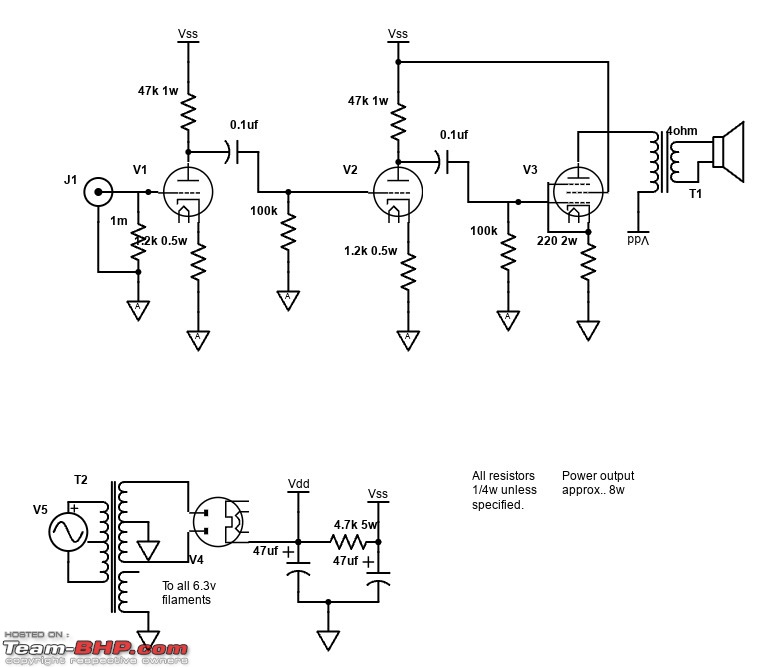
Maintaining a tube amplifier is essential for preserving its sound quality and longevity. Unlike solid-state equipment, tube amplifiers require specific care and routine checks to ensure optimal performance. Understanding the maintenance tasks and potential issues can save you time and money while enhancing your listening experience.
Routine Maintenance Tasks for Tube Amplifiers
Regular maintenance of tube amplifiers involves several tasks that help keep the components in good condition. These tasks include:
- Checking and replacing tubes regularly: Monitor the performance of your tubes and replace them when they start to sound dull or if they exhibit signs of wear, such as discoloration or microphonics.
- Cleaning contacts and sockets: Dust and corrosion can accumulate over time, affecting the connection between tubes and sockets. Use a contact cleaner to ensure a reliable connection.
- Inspecting power and output transformers: Look for any signs of overheating or damage, as these components are critical for the amplifier’s performance.
- Monitoring bias levels: Proper biasing ensures that the tubes operate efficiently. Regularly check and adjust bias settings according to the manufacturer’s specifications.
Troubleshooting Common Issues
Despite proper maintenance, tube amplifiers can encounter various issues. Troubleshooting these problems requires a keen ear and an understanding of the equipment. Here are some common issues and their solutions:
- Loss of sound or distortion: This could indicate a failing tube or poor connections. Start by swapping out tubes one at a time to identify the culprit.
- Uneven volume levels: Check the speaker connections and inspect the cables for any damage or loose contacts.
- Noise or hum: Electrical interference can cause unwanted noise. Ensure that the amplifier is adequately grounded and try repositioning it away from other electronic devices.
- Overheating: Make sure there is sufficient ventilation around the amplifier and that the cooling vents are not obstructed.
Proper Storage and Handling of Tubes
To prolong the lifespan of tubes, proper storage and handling techniques are vital. Here are several key tips for managing your tubes effectively:
- Store tubes upright in a padded container: This prevents physical damage and keeps them safe from impacts.
- Avoid extreme temperatures: Keep tubes in a controlled environment, away from extreme heat or cold, to prevent thermal stress.
- Limit handling: Handle tubes as little as possible to avoid introducing oils or contaminants that can affect performance.
- Use anti-static bags or foam: When storing, wrap tubes in anti-static materials to minimize the risk of electrostatic discharge, which can damage them.
“Regular care and attention to a tube amplifier can transform your listening experience, making it richer and more enjoyable.”
The Role of Tube Amplifiers in Modern Music Production
In the world of modern music production, tube amplifiers hold a significant place, often bridging the gap between the warmth of classic sounds and the precision required in contemporary recordings. Renowned for their rich harmonic content and dynamic response, tube amps are favored by many artists and producers in both studio and live settings. Their unique tonal characteristics contribute to a depth and character that solid-state equipment often fails to replicate.
Utilization of Tube Amplifiers in Studio Settings
In studio environments, tube amplifiers are commonly employed for recording and mixing, providing distinct sonic qualities that enhance the overall production. The following points illustrate their importance in this context:
-
Tube amplifiers introduce pleasing harmonic distortion, which can enrich the sound of instruments and vocals.
This effect is often sought after in genres like rock, blues, and jazz, where a vintage sound is desired.
- When recording electric guitars, tube amps are frequently paired with microphones to capture both the direct sound and the ambient characteristics of the room, creating a more immersive listening experience.
- Tube amplification is integral in mixing processes, helping to achieve a warm, full-bodied sound that sits well in a mix, especially for bass and lead vocals.
Advantages of Tube Amplifiers in Live Music Environments
The advantages of using tube amplifiers extend beyond the studio, making them a popular choice for live performances. Their unique attributes provide musicians with several benefits:
-
Reliability and robustness
are key reasons artists prefer tube amplifiers for live settings, as they can withstand the rigors of touring while delivering consistent performance.
- Tube amps offer a natural compression effect at higher volumes, allowing for greater control over dynamics, which is essential in live sound situations.
- The tonal characteristics of tube amplifiers can enhance the overall live sound, allowing for a richer and more engaging experience for audiences.
Artist and Producer Preferences for Tube Amplification
Artists and producers often choose tube amplification to achieve specific sound objectives that align with their musical vision. Their selection process typically involves several considerations:
- The choice of tube amplifier is often influenced by the desired tonal characteristics; for example, a classic Marshall amp may be selected for its iconic rock sound, while a Fender amp might be preferred for its bright cleans.
- Producers might opt for tube equipment when aiming to add warmth and character to recordings, recognizing that these amplifiers can elevate the emotional impact of a performance.
- Collaboration with engineers who understand the nuances of tube technology is vital to achieving the desired sound, ensuring that the amplifiers complement the artistic intent of the project.
Comparing Tube Amplifiers Across Different Brands
When it comes to tube amplifiers, numerous brands stand out for their unique designs, sound qualities, and technological innovations. Each of these brands has cultivated a reputation within the audio community, often driven by user preferences and the distinct characteristics of their products. This discussion explores several leading brands, highlighting their unique features and comparing specific models to help enthusiasts make informed choices.
To facilitate an effective comparison, we will examine some of the most recognized brands in the tube amplifier market, including Fender, Marshall, Vox, and Mesa/Boogie. Each brand is known for its signature sounds and specialized features tailored to different musical styles and preferences.
Leading Brands and Their Unique Features
Below is an overview of several prominent brands that produce exceptional tube amplifiers, along with the unique features that set them apart:
- Fender: Known for its classic American tone, Fender tube amplifiers often feature a warm, clean sound ideal for blues and rock. Their Deluxe Reverb model is particularly celebrated for its lush reverb and vibrant cleans.
- Marshall: A staple in rock music, Marshall amplifiers are characterized by their powerful overdrive and punchy sound. The JCM800 series is especially famous among rock guitarists for its aggressive tone and reliability.
- Vox: With a focus on bright, chime-like tones, Vox amplifiers like the AC30 are favored in pop and indie music. Their signature Top Boost circuit enhances mid-range frequencies, providing a distinct sound.
- Mesa/Boogie: Renowned for versatility, Mesa/Boogie amplifiers offer a wide range of tonal options. Their Mark series is particularly noted for its high gain and dynamic sound, making it suitable for heavier genres.
Comparison of Tube Amplifier Models
The following table Artikels specifications and price ranges of various tube amplifier models from the brands discussed. This comparison aims to provide a clearer perspective on what each model offers regarding features, power output, and price.
| Brand | Model | Power Output | Weight | Price Range |
|---|---|---|---|---|
| Fender | Deluxe Reverb | 22W | 40 lbs | $1,200 – $1,500 |
| Marshall | JCM800 | 100W | 60 lbs | $2,000 – $2,500 |
| Vox | AC30 | 30W | 53 lbs | $1,500 – $1,800 |
| Mesa/Boogie | Mark V | 90W | 50 lbs | $2,400 – $2,800 |
User Preferences and Brand Reputation
User preferences play a significant role in the reputation of these brands within the audio community. Fender amplifiers are often favored for their historical significance and reliable performance, while Marshall is synonymous with rock music, gaining a loyal following among guitarists seeking powerful tones. Vox, with its unique sound, attracts players looking for a distinct sonic character, often associated with the British rock sound. Conversely, Mesa/Boogie is praised for its engineering quality and versatility, appealing to musicians across various genres who appreciate customizable tones.
Ultimately, the choice of a tube amplifier often reflects individual tastes and playing styles. The reputation of each brand continues to evolve as they innovate, ensuring that audiophiles and musicians alike have access to top-tier sound experiences.
The Impact of Tube Amplifiers on Audiophile Culture
Tube amplifiers hold a revered place in audiophile culture, often seen as the benchmark for high-fidelity sound reproduction. Their unique tonal characteristics and warm sound signature make them highly sought after by enthusiasts. Unlike solid-state amplifiers, tube amplifiers offer a distinct auditory experience that many audiophiles find more engaging and musically satisfying. This preference is rooted not only in the sound they produce but also in the nostalgic allure of vintage technology combined with the craftsmanship involved in tube amplifier design.
The significance of tube amplifiers within the audiophile community is multifaceted. They are not merely devices for amplifying sound but are considered instruments that can transform the listening experience. The appeal lies in their ability to produce lush, harmonic distortion that many listeners find pleasing to the ear, enhancing the overall musical experience. Tube amplifiers often evoke a sense of warmth and depth that solid-state designs struggle to replicate. This distinct sound profile has fostered a community where the pursuit of the perfect listening experience is paramount.
Testimonials from Audiophiles on Tube Amplification
Many audiophiles have shared their experiences with tube amplifiers, often echoing a common theme of satisfaction and deep appreciation for the sound quality. For instance, one audiophile remarked,
“When I switched to a tube amplifier, it felt like I was hearing my favorite records for the first time. The depth and warmth in the sound are just unmatched.”
Another enthusiast stated,
“There’s something about the way tubes handle vocals and instruments that makes everything feel more alive. It’s like the music is breathing.”
Such testimonials highlight the transformative effect tube amplifiers have on the listening experience, allowing audiophiles to connect with their music on a deeper level.
The implications of tube amplifiers on listening habits and sound appreciation are profound. Audiophiles often find themselves more engaged in their listening sessions, spending hours fine-tuning their systems to maximize the potential of their tube gear. This attention to detail fosters a deeper understanding and appreciation of music, as listeners begin to notice nuances and subtleties that were previously overlooked. The ritual of selecting, maintaining, and listening to tube amplifiers encourages a more intentional approach to music consumption, where each listening session becomes a curated experience rather than just background noise. This shift in mindset not only enhances the overall enjoyment of music but also builds a more profound connection between the listener and the art form.
Future Trends in Tube Amplifier Technology
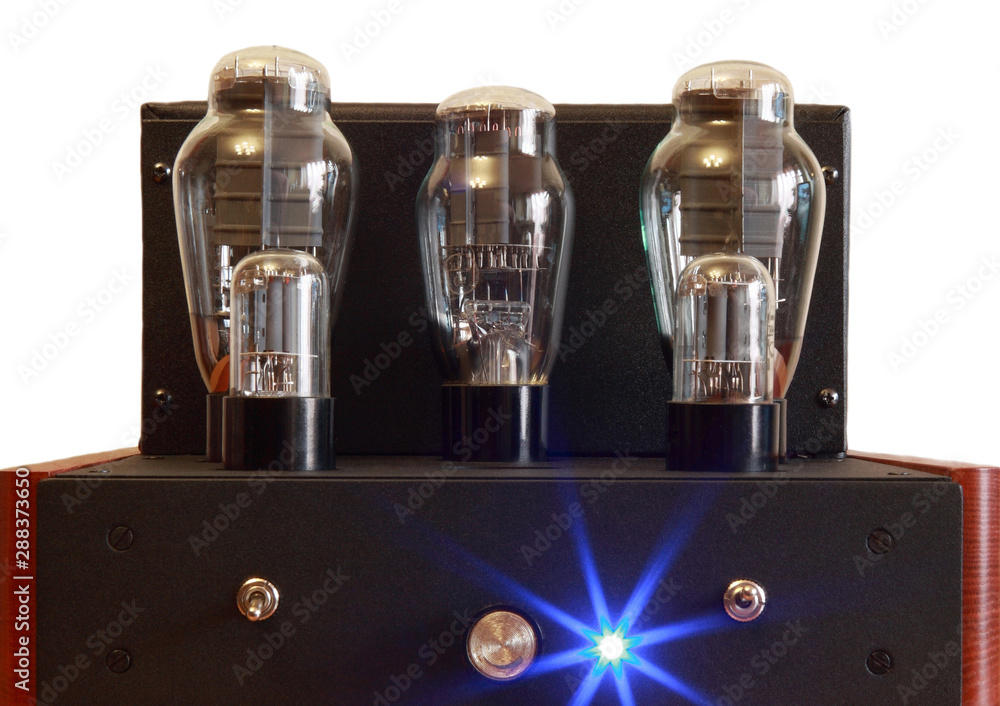
As the audio landscape continues to evolve, tube amplifiers remain a cherished staple for audiophiles and musicians alike. With a blend of nostalgia and innovation, the future of tube amplifier technology is shaping up to be quite fascinating. Emerging trends indicate a shift towards integrating modern technology while preserving the warm, rich sound that tube amplifiers are known for. This exploration focuses on advancements in production methods, the role of digitalization, and predictions for how tube amplifiers may transform over the next decade.
Advancements in Tube Amplifier Production
The production of tube amplifiers is experiencing several key advancements that enhance performance and efficiency. Manufacturers are increasingly utilizing computer-aided design (CAD) tools to create more precise and optimized circuit layouts. This not only improves sound quality but also makes the manufacturing process more efficient.
Furthermore, advancements in materials science are leading to the development of better tube materials that can withstand greater heat and provide longer lifespans. For example, the introduction of new glass formulations and advanced cathode materials is enabling tubes to operate at higher performance levels without compromising reliability.
Key developments in production include:
- 3D Printing: Some manufacturers are exploring 3D printing techniques to create more complex and elaborate chassis designs, allowing for customization and reduced production times.
- Improved Circuit Design: The use of software-driven circuit simulations is facilitating the creation of more efficient and lesser-noise designs, ultimately enhancing audio fidelity.
- Eco-friendly Practices: As sustainability becomes more vital, manufacturers are adopting eco-friendly materials and processes, reducing waste and energy consumption during production.
Impact of Digitalization on Tube Amplifier Designs
Digitalization is significantly influencing traditional tube amplifier designs, introducing new capabilities that enhance user experience. Integrating digital technology allows for features such as remote control, programmable settings, and digital signal processing (DSP), which can augment the analog sound characteristics while maintaining the unique warmth of tubes.
The convergence of analog and digital technologies opens up exciting possibilities:
- Hybrid Designs: Many manufacturers are developing hybrid amplifiers that combine tube and solid-state technologies, creating versatile systems capable of delivering both warmth and power.
- Smart Features: With the rise of smart home technology, tube amplifiers are beginning to incorporate Wi-Fi and Bluetooth capabilities, enabling seamless streaming and connectivity with various devices.
- Digital Emulation: Some brands are implementing digital emulation technologies that mimic the sound of classic tube amplifiers, making the iconic sound more accessible without the need for physical tubes.
Predictions for the Next Decade
Looking ahead, the evolution of tube amplifiers appears poised for exciting transformations driven by both technological and cultural trends. The next decade may witness a resurgence in the popularity of tube amplifiers, fueled by a growing appreciation for analog sound among younger generations.
Notable predictions include:
- Increased Customization: As consumers seek personalized audio experiences, the ability to customize tube amplifiers—down to the type of tubes used and the circuit configuration—will likely become a standard feature.
- Enhanced Portability: With music consumption moving towards portability, we may see more compact and lightweight tube amplifier designs without sacrificing sound quality.
- Integration with Virtual Reality: Tube amplifiers could play a role in enhancing immersive audio experiences in virtual reality settings, offering a richer sound environment for gaming and simulations.
“The marriage of tradition and innovation in tube amplifier technology will redefine how we experience sound in the coming years.”
Conclusive Thoughts
In summary, tube amplifiers hold a cherished place in the hearts of many, combining vintage charm with modern sound engineering. As we navigate the future of audio technology, the enduring appeal of tube amplifiers continues to inspire musicians and enthusiasts, ensuring that this timeless technology remains relevant in an ever-evolving landscape.
FAQs
What is a tube amplifier?
A tube amplifier is an audio device that uses vacuum tubes to amplify sound signals, known for producing warm and rich audio quality.
How do tube amplifiers differ from solid-state amplifiers?
Tube amplifiers use vacuum tubes for amplification, while solid-state amplifiers rely on transistors, leading to differences in sound characteristics, warmth, and distortion.
Why do audiophiles prefer tube amplifiers?
Audiophiles often prefer tube amplifiers for their warm sound and natural distortion, which many believe enhances the listening experience compared to solid-state devices.
Are tube amplifiers suitable for all music genres?
While tube amplifiers shine in genres like jazz and classical, they can also be used effectively in rock and blues, depending on the desired sound and style.
How often should I maintain my tube amplifier?
Routine maintenance, including checking tube health and cleaning connections, should be performed regularly, ideally every few months, to ensure optimal performance.