
 Zoe Nora
Power amplifiers are vital components in modern electronics, serving as the backbone of various audio and communication systems. These devices amplify low-level signals to a higher power level, ensuring robust performance in applications ranging from home audio systems to telecommunications. Understanding their operation and significance is key to harnessing their benefits effectively.
This exploration will delve into the different types of power amplifiers, their roles in enhancing sound quality, and how they facilitate clear signal transmission. From basic principles to advanced applications, we will uncover the essential characteristics and specifications that define these powerful devices.
Understanding the fundamentals of power amplifiers is essential for their application in various technologies.
Power amplifiers play a crucial role in amplifying weak electrical signals to a level suitable for driving loads, such as speakers or antennas. Their significance spans across various electronic devices and systems, making understanding their operation essential for engineers and enthusiasts alike. These devices are designed to increase the power level of a signal, ensuring that the output can be effectively utilized in real-world applications.
The basic principle of a power amplifier centers around its ability to control the output signal in relation to the input signal. Power amplifiers take a low-power input signal and produce a higher-power output signal while maintaining the integrity of the original signal waveform. This is vital in various electronic circuits, where amplified signals are necessary for driving speakers in audio systems, transmitting signals in telecommunications, or powering motors in industrial applications.
Types of Power Amplifiers
Power amplifiers are categorized based on their operating class, which determines their efficiency, linearity, and thermal performance. The most common types include Class A, Class B, Class AB, and Class D amplifiers. Each class has distinct characteristics and applications.
– Class A Amplifiers:
Class A amplifiers operate with a constant current flow throughout the entire signal cycle. They are known for their high linearity and low distortion, making them ideal for high-fidelity audio applications. However, they are less efficient, often reaching only about 20-30% efficiency, as they produce significant heat due to continuous conduction.
– Class B Amplifiers:
In Class B amplifiers, the output devices conduct for half of the signal cycle. This improves efficiency, generally around 50-70%, but can introduce crossover distortion when transitioning between the two halves of the waveform. They are commonly used in applications where efficiency is prioritized over linearity.
– Class AB Amplifiers:
Class AB amplifiers blend the characteristics of Class A and Class B amplifiers. They conduct for more than half but less than the entire signal cycle, offering a compromise between efficiency and linearity. This makes them widely used in audio systems, providing good sound quality with reasonable efficiency.
– Class D Amplifiers:
Class D amplifiers utilize a switching method to control the output, resulting in very high efficiency, often exceeding 90%. They switch the output devices on and off rapidly, which minimizes power loss. Class D amplifiers are increasingly popular in portable audio devices and subwoofer systems, where space and heat management are critical.
Applications of Power Amplifiers
Power amplifiers are integral to various technologies, serving diverse applications across consumer electronics and industrial systems. Their ability to amplify signals is utilized in the following areas:
– Audio Systems:
Power amplifiers are essential in amplifying audio signals to drive loudspeakers, ensuring that sound is delivered with clarity and volume. They are commonly found in home theaters, public address systems, and musical instrument amplifiers.
– Broadcasting:
In broadcasting, power amplifiers are used to transmit radio and television signals over long distances. They amplify the signal to ensure that it reaches receivers without significant loss or distortion, maintaining the quality of the transmitted content.
– Telecommunications:
Power amplifiers are crucial in mobile phone base stations, where they boost signals for transmission to and from mobile devices. This enhances communication quality and extends coverage areas.
– Industrial Applications:
In industrial settings, power amplifiers drive motors and actuators, controlling machinery and processes with precision. Their reliability and efficiency make them vital components in automated production lines.
The importance of power amplifiers in modern technology cannot be overstated. From enhancing audio experiences to facilitating critical communications, their role is fundamental in ensuring the effective operation of various electronic systems.
The role of power amplifiers in audio systems significantly enhances sound quality and performance.
Power amplifiers are essential components in audio systems, serving as the driving force behind the reproduction of sound in both home and professional settings. They play a critical role in amplifying low-level audio signals from source devices, ensuring that the sound produced is not only loud enough but also retains its clarity and fidelity. The impact of power amplifiers on sound quality is profound, making them indispensable for anyone looking to enhance their audio experience.
Impact on Sound Reproduction in Home Audio Setups
Power amplifiers significantly affect sound reproduction by transforming low-voltage audio signals into high-power outputs suitable for driving speakers. This transformation is crucial as it determines the overall sound dynamics, including volume levels and tonal accuracy. The quality of amplification directly influences the clarity of music, dialogue, and effects in audio programs. When evaluating an audio setup, key performance metrics such as distortion levels, frequency response, and output power play a vital role.
One of the critical factors in sound reproduction is the relationship between the power amplifier and the speakers. A mismatched pairing can lead to poor sound quality, such as distortion at high volumes or insufficient power, leading to a lackluster listening experience. It’s essential to consider the following aspects when selecting a power amplifier:
- Power Output: The amp’s wattage should be compatible with the speakers’ handling capacity. A general rule of thumb is to match the amplifier’s continuous power rating to the speaker’s RMS rating.
- Impedance Matching: Ensuring the amplifier’s impedance matches the speakers (typically 4, 6, or 8 ohms) optimizes sound efficiency and reduces the risk of damage.
- Speaker Sensitivity: A high sensitivity rating allows the speaker to produce more sound from less power, which is important in pairing with lower-powered amplifiers.
Importance of Power Handling and Efficiency
The power handling capacity of an amplifier is crucial for maintaining sound integrity during playback. An amplifier must deliver sufficient power to avoid clipping and distortion, which can compromise audio quality. Efficient amplifiers convert more input power into output power, minimizing energy loss as heat. This efficiency is important, especially in home setups where continuous, high-quality audio is desired without overheating components.
An efficient amplifier ensures that the power consumed translates effectively into sound, making it a cost-effective choice in the long run. For instance, Class D amplifiers are known for their high efficiency, often exceeding 90%, making them ideal for applications where power conservation is essential.
When assessing power handling in audio applications, consider the following:
- Continuous Power Rating: This is the maximum power the amplifier can handle without distortion over a prolonged period, often referred to as RMS (Root Mean Square) power.
- Peak Power Rating: Indicates the maximum instantaneous power the amplifier can deliver, useful for brief surges in audio signals.
- Cooling Mechanism: Amplifiers designed with efficient cooling can handle higher power loads without overheating, thus maintaining performance longevity.
Choosing the Right Power Amplifier for Different Audio Setups
Selecting the appropriate power amplifier for your audio setup involves assessing various factors to ensure optimal performance. Understanding the environment and the intended use greatly influences the choice of amplifier.
For a home theater setup, a multi-channel amplifier might be necessary to drive multiple speakers effectively. In contrast, a two-channel amplifier could suffice for a simple stereo system focused on music playback. Important considerations include:
- Room Size: Larger rooms may require amplifiers with higher power ratings to fill the space adequately, while smaller rooms might function well with lower-powered options.
- Type of Content: If your primary use is for movies with dynamic soundtracks, consider an amplifier with superior transient response to handle the peaks in audio.
- Connectivity Options: Ensure the amplifier has the necessary inputs and outputs compatible with other components in your audio system, such as HDMI for home theaters or balanced inputs for professional setups.
By carefully evaluating these factors, you can choose a power amplifier that not only meets your specific audio needs but also enhances the overall listening experience, providing clarity, depth, and richness to sound.
Power amplifiers play a crucial role in telecommunications, aiding signal transmission and clarity.
Power amplifiers are essential components in telecommunications, significantly enhancing the quality and reach of signal transmission. By boosting the power of signals, they ensure that information can travel across various distances without degradation, making them indispensable in modern communication systems.
The importance of power amplifiers in telecommunications lies in their ability to amplify weak signals, enabling clear communication over long distances. As signals travel through cables or the air, they undergo attenuation, which can lead to loss of quality and reliability. Power amplifiers remedy this issue by increasing signal strength, thus ensuring that the transmitted information remains clear and intact. They are particularly crucial in diverse communication systems such as cellular networks, satellite communications, and broadcasting.
Types of power amplifiers used in wireless communication technologies
In the realm of wireless communication technologies, several types of power amplifiers are employed to achieve optimal performance. Understanding these types is vital for selecting the right amplifier based on specific requirements.
The following list Artikels common types of power amplifiers used in telecommunications:
- Class A Amplifiers: Known for their linearity and low distortion, Class A amplifiers are often used in applications requiring high fidelity, such as audio broadcasting.
- Class B Amplifiers: These amplifiers are more efficient than Class A and are commonly used in RF applications. They operate in push-pull configuration, allowing for better efficiency.
- Class AB Amplifiers: Combining the best features of Class A and Class B, Class AB amplifiers are widely used in telecommunications for their balance between efficiency and linearity.
- Class C Amplifiers: Typically employed in high-frequency RF transmission, Class C amplifiers are known for their high efficiency, making them suitable for applications like TV transmitters.
- Linear Power Amplifiers: These amplifiers provide a high level of signal fidelity, essential for applications where signal integrity is critical, such as in wideband communication systems.
The choice of power amplifier affects the overall performance of telecommunication networks. Each type has its own characteristics that influence signal clarity, distortion levels, and energy efficiency.
Impact of power amplifiers on telecommunication network performance
Power amplifiers play an integral role in determining the performance of telecommunication networks. Their influence extends beyond mere signal boosting; they directly affect the efficiency and reliability of communication systems.
A critical aspect of power amplifier performance is their effect on signal-to-noise ratio (SNR). By amplifying the desired signal while minimizing noise, power amplifiers can enhance SNR, leading to clearer communications. Improved SNR translates to higher data rates and reduced error rates, which is particularly important in high-capacity networks.
Moreover, the overall design and integration of power amplifiers into a network can impact coverage and user experience. In cellular networks, for instance, strategically placed power amplifiers expand network coverage, enabling users to maintain connections even in challenging environments.
Efficient power amplification can lead to a 30-40% increase in coverage area for mobile operators.
The effectiveness of power amplifiers also directly correlates with energy consumption, which is a significant factor in the sustainability of telecommunication networks. Efficient designs reduce power requirements, lowering operational costs and minimizing environmental impact.
In summary, power amplifiers are pivotal in enhancing signal strength, reducing noise, and contributing to the overall effectiveness of telecommunication systems. Their selection and integration are fundamental to achieving optimal performance.
Understanding the specifications of power amplifiers can greatly influence purchasing decisions.
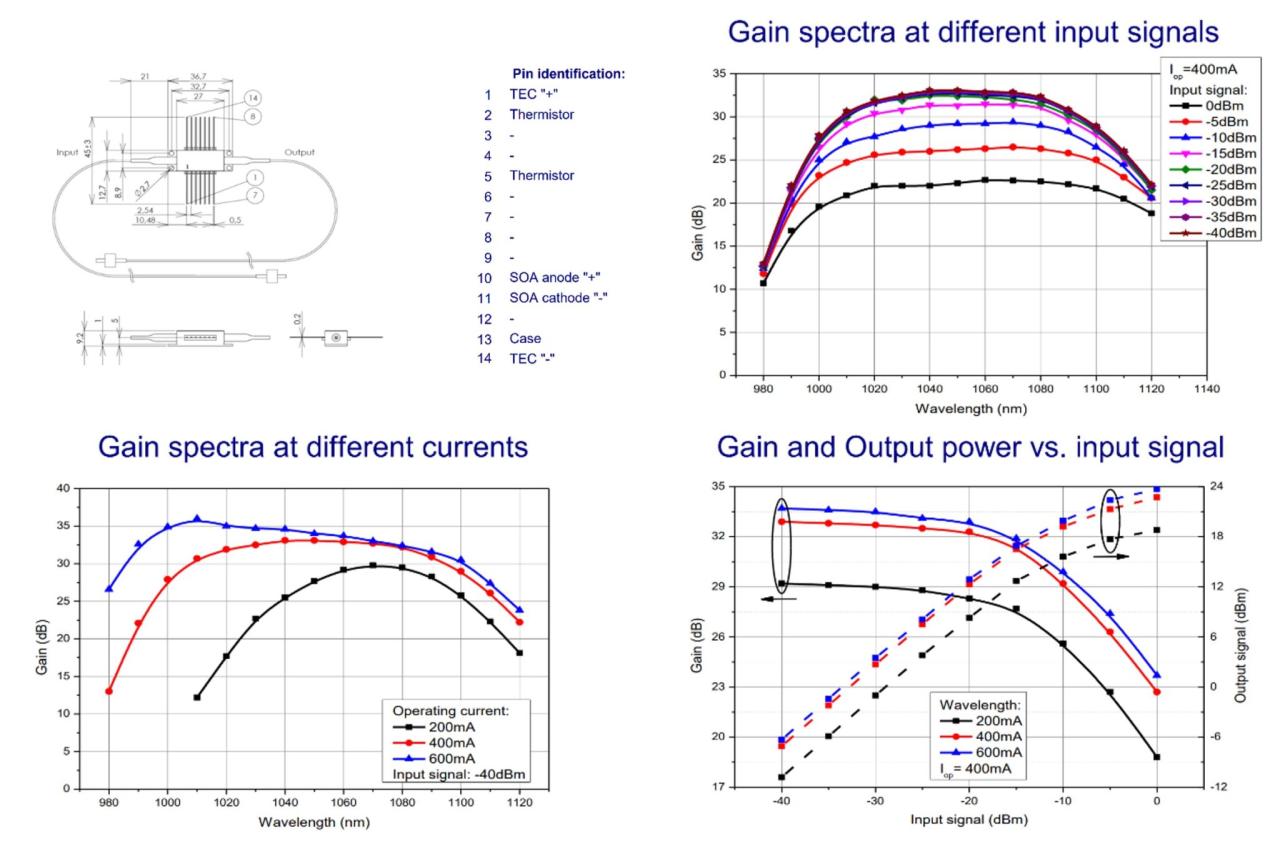
When selecting a power amplifier, understanding its specifications is crucial for ensuring that it meets your needs and preferences. These specifications can greatly impact performance, making informed decisions essential for both professionals and hobbyists alike. In this section, we will delve into the key specifications to consider, offering comparisons between different brands and models, as well as guidelines for evaluating these specifications before making a purchase.
Key Specifications of Power Amplifiers
Evaluating power amplifier specifications involves several critical factors that can influence performance and compatibility with your sound system. Key specifications to consider include gain, output power, frequency response, and distortion levels, each of which plays a vital role in the amplifier’s overall functionality.
- Gain: Gain measures how much the amplifier increases the amplitude of the input signal, typically expressed in decibels (dB). A higher gain indicates a more powerful amplifier, which can be essential for driving larger speakers or delivering louder sound levels without distortion.
- Output Power: This specification, usually measured in watts (W), indicates the maximum power the amplifier can deliver to the speakers. It is important to match the output power of the amplifier with the power handling capabilities of your speakers to avoid damage and ensure optimal performance.
- Frequency Response: Frequency response describes the range of frequencies the amplifier can reproduce, typically expressed in Hertz (Hz). A wider frequency response range allows for better reproduction of low and high frequencies, enhancing the clarity and richness of sound.
- Distortion Levels: Distortion refers to the alteration of the original audio signal as it passes through the amplifier. Low distortion levels, often measured as Total Harmonic Distortion (THD), are critical for maintaining audio fidelity. It’s advised to choose amplifiers with THD levels below 0.1% for high-quality sound reproduction.
Comparative Analysis of Brands and Models
Different brands and models of power amplifiers exhibit varying specifications that cater to diverse audio needs. Comparing these specifications allows buyers to identify which models best suit their requirements.
For instance, brands like Yamaha, Crown, and QSC are well-regarded in the professional audio space. Yamaha amplifiers often excel in providing a balanced output power with low distortion, making them ideal for clear audio in larger venues. On the other hand, Crown amplifiers are known for their robust output power, suitable for powering large systems without sacrificing sound quality. QSC amplifiers, with their stellar build quality and frequency response, are favored in both live and studio environments.
Guidelines for Evaluating Power Amplifier Specifications
To make a well-informed purchasing decision, it is essential to have a systematic approach to evaluating the specifications of power amplifiers. Here are some guidelines to consider:
– Determine the specific needs based on the intended use, such as home audio systems, live sound applications, or studio recordings.
– Compare specifications across different brands and models, focusing on the critical aspects of gain, output power, frequency response, and distortion levels.
– Read reviews and feedback from other users to gauge performance in real-world scenarios, as specifications alone may not provide a complete picture.
– Consider additional features, such as connectivity options, built-in protections, and user interfaces that may enhance functionality and usability.
– Ensure compatibility with existing audio equipment to avoid mismatches that could lead to subpar performance or potential damage.
In summary, understanding and evaluating power amplifier specifications is key to making an informed purchase. By focusing on gain, output power, frequency response, and distortion levels, as well as comparing different brands and models, buyers can ensure that they select an amplifier that best meets their specific audio requirements.
The design and construction of power amplifiers involve several engineering principles and components.
The design and construction of power amplifiers are critical in many electronic applications, such as audio systems, radio communications, and broadcasting. These amplifiers, which increase the power of a signal, must be built with precision and an understanding of various engineering principles. Key components like transistors, capacitors, and resistors play vital roles in their functionality and efficiency.
Key components of power amplifiers
Power amplifiers are composed of several key components that each contribute to the device’s overall performance. Understanding these components is essential for effective design and construction. The primary elements include:
- Transistors: These are the heart of the power amplifier. They amplify the input signal and can be bipolar junction transistors (BJTs) or field-effect transistors (FETs). BJTs are favored for their high gain, while FETs are chosen for their high input impedance and efficiency.
- Capacitors: Used for coupling and bypassing, capacitors allow AC signals to pass while blocking DC components. This ensures that the amplifier processes only the relevant signals without distortion.
- Resistors: Essential for setting bias points, establishing feedback paths, and controlling the gain of the amplifier. Their values and placements directly affect the amplifier’s performance and stability.
Design considerations for engineers
When developing power amplifiers, engineers must consider several important design factors to ensure optimal performance. These considerations include:
- Power efficiency: Engineers aim for high efficiency to minimize heat generation and power loss. Techniques like Class D operation can improve efficiency by using pulse-width modulation to control power output.
- Thermal management: Due to power dissipation in components, effective thermal management is crucial. Proper heat sinks and thermal interfaces must be designed to prevent overheating, ensuring reliability over time.
- Frequency response: The amplifier must be designed to handle the desired frequency range without significant distortion. This involves careful selection of components and circuit topologies to maintain fidelity across audio or RF bands.
- Linearity: Maintaining linearity ensures that the output signal accurately represents the input signal. Techniques like negative feedback can be applied to minimize distortion and improve linearity.
Examples of design techniques for performance improvement
Engineers employ various design techniques to enhance the performance of power amplifiers. Some notable approaches include:
- Negative feedback: This technique helps reduce distortion and improves stability by feeding a portion of the output back to the input, thus correcting errors in signal amplification.
- Load-line analysis: This graphical method assists in determining the optimal operating point of transistors, ensuring they function efficiently within their specified limits.
- Biasing techniques: Proper biasing ensures that transistors operate in the correct region of their output characteristics, which is crucial for achieving linear amplification.
- Feedback loops: Implementing feedback loops can significantly enhance the bandwidth and overall response of the amplifier, allowing for greater versatility in applications.
The future of power amplifiers is evolving with advancements in technology and materials.
The landscape of power amplifiers is rapidly transforming, driven by breakthroughs in technology and innovative materials. These advancements promise to enhance the efficiency, size, and functionality of power amplifiers, making them increasingly vital in a variety of applications, from consumer electronics to telecommunications.
Innovation in power amplifier design is leading to several emerging technologies that offer significant benefits. These advancements not only improve performance but also pave the way for new applications in various fields.
Emerging technologies in power amplifier design
Several recent innovations are reshaping the design and functionality of power amplifiers, enhancing their performance and capabilities. Key technologies include:
- Gallium Nitride (GaN): GaN is becoming the material of choice for many high-frequency and high-power applications. Its superior thermal conductivity and high electron mobility allow for greater efficiency and reduced size compared to traditional silicon-based amplifiers.
- Class D and E Amplifiers: These amplifier classes operate with high efficiency, often exceeding 90%. They are increasingly being used in applications where power loss must be minimized, such as in battery-operated devices.
- Digital Predistortion (DPD): This technique is utilized to counteract the non-linear behaviors of power amplifiers, significantly improving linearity and efficiency in signal amplification, particularly in wireless communications.
Trends in miniaturization and integration
The trend toward miniaturization in power amplifiers has been accelerated by the demand for compact and efficient electronic devices. The integration of power amplifiers with digital circuits is becoming more prevalent, allowing for streamlined designs and enhanced functionality.
- System-on-Chip (SoC) Solutions: These solutions combine multiple functions into a single chip, which not only saves space but also reduces power consumption, making them ideal for mobile and portable devices.
- Multi-Channel Amplifiers: Integration of multiple channels into a single power amplifier helps in reducing the overall size of the amplifier circuitry while delivering enhanced performance for applications like audio and RF transmission.
- Integration with Smart Technologies: Smart power amplifiers that can adapt their performance based on real-time conditions are emerging, showcasing the fusion of digital intelligence with traditional power amplification.
Influence of new materials on efficiency and performance
New materials are playing a crucial role in the evolution of power amplifiers. The transition from traditional materials to advanced alternatives is enhancing efficiency and overall performance significantly.
- Silicon Carbide (SiC): SiC devices operate at higher voltages and temperatures than conventional silicon, enabling greater efficiency in power amplifiers. This is particularly advantageous in automotive and industrial applications where high reliability is essential.
- Advanced Dielectrics: New dielectric materials can improve energy storage capabilities and reduce losses in high-frequency power amplifiers, which can lead to better performance and smaller form factors.
- 3D Printing Technologies: The adoption of additive manufacturing for power amplifier components allows for complex geometries that traditional manufacturing cannot achieve, leading to potentially lighter and more efficient designs.
Troubleshooting common issues with power amplifiers is crucial for maintaining optimal performance.
Power amplifiers are essential components in audio systems, ensuring that sound signals are amplified with fidelity and clarity. However, they can encounter various issues that may hinder performance and compromise sound quality. Troubleshooting these problems is crucial for maintaining optimal functionality and achieving the desired audio experience.
Identifying issues with power amplifiers involves understanding typical problems and their causes. This understanding allows for effective diagnosis and repair, helping users either resolve the issues themselves or know when to seek professional assistance. Below is a detailed list of common problems encountered with power amplifiers, along with possible causes.
Common Problems and Causes
Power amplifiers can present various issues that may affect their performance. Recognizing these problems early on can prevent more severe damage and ensure longevity. The following points Artikel typical problems and their potential causes:
- Overheating: This can result from inadequate ventilation, excessive gain settings, or prolonged use at high volume levels.
- Distorted Sound: Causes may include faulty components, incorrect impedance matching, or clipping due to overdriving.
- No Sound Output: Possible reasons include power supply failure, malfunctioning connections, or blown fuses.
- Intermittent Operation: This could be due to loose wiring, faulty switches, or overheating components.
- Buzzing or Humming Noise: Often caused by grounding issues, interference from other electronic devices, or faulty cables.
Diagnostic Methods for Identifying Issues
Effective troubleshooting requires systematic diagnostic methods to pinpoint the source of issues with power amplifiers. The following approaches facilitate accurate identification:
- Visual Inspection: Checking for burnt components, loose connections, or signs of physical damage helps identify obvious issues.
- Listening Tests: Conducting sound tests at various volumes can reveal distortion or interruptions in audio output.
- Multi-meter Testing: Using a multi-meter to measure voltage levels and continuity in circuits can diagnose electrical issues.
- Isolation Testing: Disconnecting other audio components one by one can help isolate the amplifier as the source of the problem.
Repair Techniques and Professional Help
Once issues are identified, users can apply specific repair techniques or determine when to seek professional help. Some common repair methods include:
- Replace Faulty Components: Swapping out damaged capacitors, resistors, or transistors can often restore functionality.
- Resolder Connections: Loose or broken solder joints can be repaired by resoldering, ensuring better electrical contact.
- Check and Replace Fuses: If a fuse is blown, replacing it with the correct specification can resolve power issues.
- Adjust Gain Settings: Lowering gain settings may alleviate distortion and improve sound quality.
In cases where problems persist or if the user lacks technical expertise, seeking professional help is advisable. Certified technicians have the necessary tools and knowledge to diagnose and repair complex issues safely, ensuring the amplifier operates at its best.
The environmental impact of power amplifiers and how they can be made more sustainable.
Power amplifiers play a crucial role in a wide range of electronic devices, from audio equipment to telecommunications. However, their energy consumption raises significant environmental concerns. As the demand for high-performance and efficient amplifiers increases, it is essential to address the sustainability challenges associated with their production and use. This discussion delves into the implications of energy consumption, the importance of energy-efficient designs, and responsible disposal practices.
Energy consumption and sustainability implications
The energy consumption of power amplifiers directly affects their carbon footprint and environmental impact. Traditional amplifiers often operate at low efficiency levels, leading to higher electricity usage. For instance, a typical Class AB amplifier can have an efficiency of around 50-70%, meaning that nearly half of the energy consumed is wasted as heat. This inefficiency contributes to increased greenhouse gas emissions, particularly in regions reliant on fossil fuels for electricity generation.
To illustrate, consider a study that analyzes the energy use of amplifiers in sound reinforcement systems during concerts. The operational hours can lead to substantial energy costs and environmental impact over time. Improving the efficiency of these devices can significantly reduce energy demand, mitigate the ecological footprint, and ultimately lead to more sustainable practices in the audio industry.
Development of energy-efficient power amplifiers
Energy-efficient power amplifiers are pivotal for advancing future technologies while minimizing environmental impact. Innovative designs, such as Class D and Class H amplifiers, operate with much higher efficiency, often exceeding 90%. These amplifiers reduce energy waste and heat generation, making them more suitable for modern applications that require compact and efficient solutions.
The transition towards energy-efficient amplifiers is supported by various industry initiatives and regulations aimed at reducing overall energy consumption. For instance, the Energy Star program offers guidelines and certifications for electronic devices, encouraging manufacturers to produce more sustainable products. The adoption of energy-efficient amplifiers not only contributes to environmental sustainability but also leads to cost savings for consumers and businesses alike.
Recycling options and responsible disposal practices
As technology evolves, power amplifiers eventually reach the end of their useful life. Proper recycling and disposal practices are essential to minimize waste and recover valuable materials. Many components of power amplifiers, such as metals, plastics, and electronic circuits, are recyclable.
To promote responsible disposal, it is important to consider the following practices:
- Manufacturer take-back programs: Many manufacturers offer programs to return old equipment for recycling or refurbishment, ensuring that materials are processed responsibly.
- Electronic waste recycling centers: Specialized facilities can dismantle and recycle electronic components, reducing landfill waste and recovering valuable materials.
- Local regulations and guidelines: Communities often have specific guidelines for disposing of electronic waste. Engaging with local recycling initiatives helps ensure compliance and effectiveness.
Implementing these practices is crucial for minimizing the environmental impact of outdated power amplifiers and fostering a culture of sustainability within the electronics industry.
Conclusion
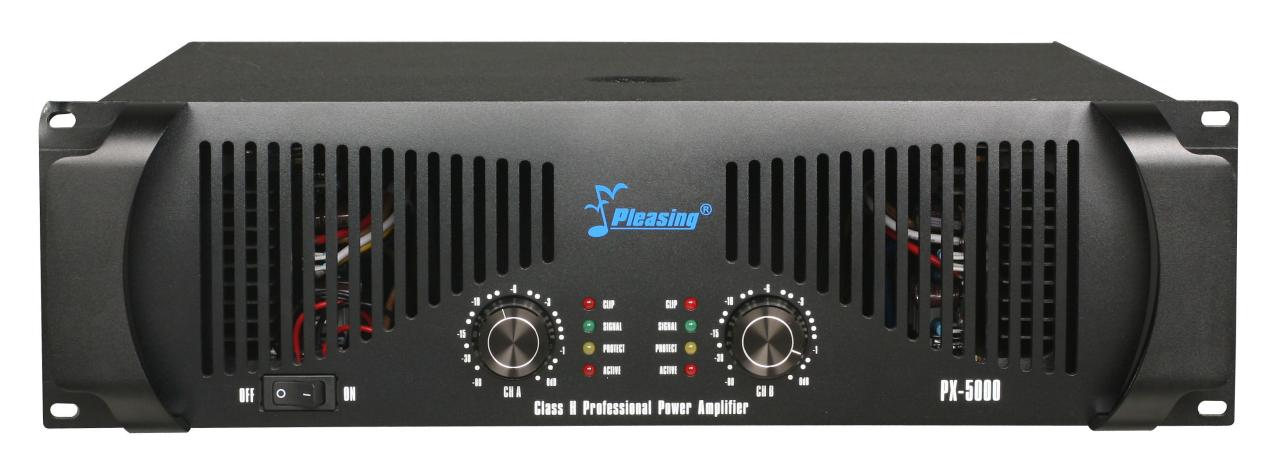
In summary, power amplifiers play a pivotal role in enhancing both audio experiences and communication clarity. With a variety of types available, it’s essential to understand their specifications and applications to choose the right amplifier for your needs. As technology continues to evolve, so too will the design and efficiency of power amplifiers, making them an exciting field for future advancements.
Helpful Answers
What is a power amplifier?
A power amplifier is an electronic device that increases the power of a signal, making it suitable for driving loads like speakers or antennas.
What are the main types of power amplifiers?
The main types include Class A, Class B, Class AB, and Class D, each with distinct operating characteristics and efficiency levels.
How do power amplifiers affect audio quality?
Power amplifiers significantly improve audio quality by ensuring that sound signals are reproduced accurately and at appropriate levels without distortion.
What specifications should I consider when buying a power amplifier?
Key specifications include gain, output power, frequency response, and total harmonic distortion, all of which impact performance.
How can I troubleshoot issues with my power amplifier?
Common troubleshooting steps include checking connections, inspecting for overheating, and using diagnostic tools to identify faults.
What is the environmental impact of power amplifiers?
Power amplifiers consume energy, which can contribute to environmental concerns; thus, energy-efficient designs and recycling options are important considerations.