
 Zoe Nora
Audio processors are the unsung heroes of sound engineering, playing a pivotal role in optimizing audio quality across various applications. From studios to live events, these devices help in shaping, refining, and enhancing sound, making them indispensable in the music and entertainment industries. With advancements in technology, audio processors have transformed from simple tools to sophisticated equipment that can significantly alter the listening experience.
As we delve into the world of audio processors, we will explore their essential functions, the evolution of the technology behind them, and the various types that exist today. Whether you’re a seasoned sound engineer or a budding enthusiast, understanding how these devices work and their applications can elevate your audio game and help you achieve the sound you desire.
An audio processor is essential for optimizing sound quality in various applications.
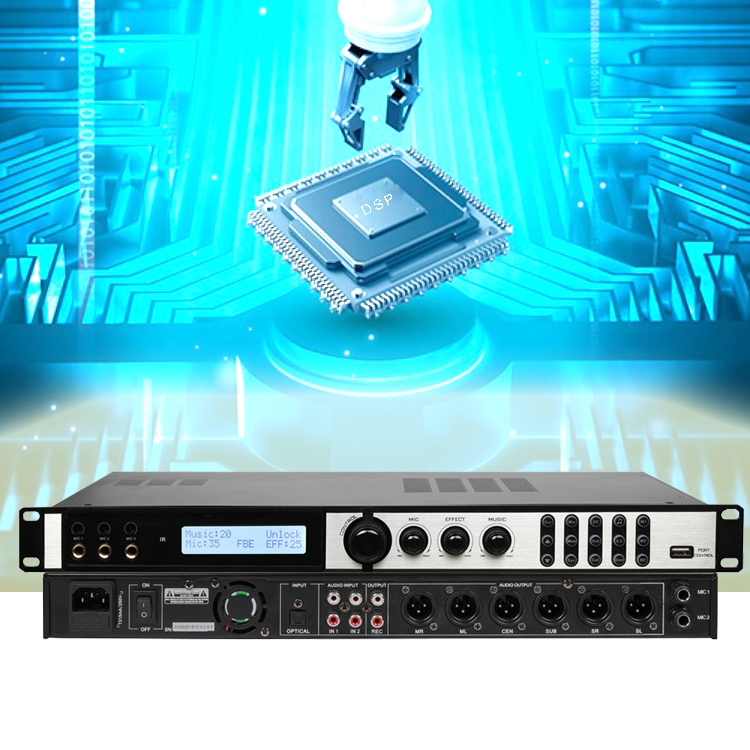
An audio processor plays a crucial role in shaping and refining sound quality across different platforms and settings. With the increasing complexity of audio technology, these processors are integral to achieving clear and balanced sound. They manipulate audio signals to enhance performance, ensuring that music, voice, and other audio formats are delivered to listeners with clarity and precision.
The fundamental purpose of an audio processor in sound engineering is to modify audio signals to achieve the desired sound characteristics. This includes tasks such as equalization, dynamic range control, and effects processing. In sound engineering, audio processors help to manage the frequency response of audio, allowing sound engineers to boost or cut specific frequencies to create the optimal listening experience. For instance, in a recording studio, audio processors ensure that tracks are mixed and mastered to achieve professional sound quality by addressing issues like muddiness or harshness in the mix. In live sound reinforcement, they help manage the dynamics of performances, ensuring that every note and vocal nuance is audible without distortion.
Environments for Audio Processors
Audio processors are commonly utilized in various environments, each with its specific requirements and challenges. The most notable settings include:
- Recording Studios: Here, audio processors are essential for mixing and mastering tracks. Engineers use tools like equalizers and compressors to ensure that recordings are polished and radio-ready.
- Live Events: In concerts and events, processors help manage sound levels and feedback, providing a balanced audio experience for the audience while accommodating the unique acoustics of different venues.
- Broadcasting: In radio and TV stations, processors help to maintain consistent audio quality, ensuring that broadcasts are clear and professional.
- Home Theater Systems: Audio processors optimize sound for movie-watching experiences, enhancing dialogue clarity and immersing viewers in surround sound.
To further understand the types of audio processors, the following table Artikels the main categories and their functions:
| Type of Audio Processor | Description |
|---|---|
| Equalizers | Devices that adjust the balance between frequency components of an audio signal, allowing for boosts or cuts in specific frequency ranges. |
| Compressors | Tools that reduce the dynamic range of audio signals, making the loud parts quieter and the quiet parts louder to create a more consistent audio level. |
| Limiters | Similar to compressors, but they prevent audio signals from exceeding a certain level, protecting speakers and preventing distortion. |
| Reverb Units | Devices that simulate the natural echo and reverberation of sound in a space, adding depth and ambiance to audio. |
| Noise Gates | Processors that control the audio signal by muting sounds below a certain threshold, effectively reducing background noise. |
The technology behind audio processors has evolved significantly over the years.
The evolution of audio processing technology has been a remarkable journey that has fundamentally changed the landscape of music production. From the early days of analog equipment to the sophisticated digital audio workstations (DAWs) we use today, each advancement has opened new creative possibilities for artists and producers alike. The introduction of audio processors has enabled sound manipulation in ways that were previously unimaginable, allowing for greater precision, versatility, and artistic expression.
The historical development of audio processors can be traced back to the mid-20th century when analog equipment began to dominate the recording industry. Early innovations, such as the vacuum tube and magnetic tape, laid the groundwork for more complex audio manipulation techniques. The advent of digital technology in the late 20th century marked a seismic shift, enabling unprecedented control over sound through the use of computer algorithms and digital signal processing (DSP). This shift not only improved sound quality but also democratized music production, making it accessible to aspiring musicians and producers who could create professional-quality recordings without the need for expensive studio time.
Key Innovations in Audio Processing
Several key innovations have played a pivotal role in transforming the audio processing industry. The development of the equalizer, compressor, and reverb units represented major milestones in shaping sound production. Today, these tools have evolved into sophisticated plugins that can be seamlessly integrated into DAWs.
The following innovations have significantly impacted audio processing:
- Digital Signal Processing (DSP): Allows for real-time manipulation of audio signals with high precision, enabling effects that were previously unattainable.
- Software Synthesizers: These virtual instruments simulate traditional synthesizers and offer a vast range of sounds and modulation capabilities, revolutionizing music composition.
- Non-Destructive Editing: This feature in modern DAWs allows producers to edit audio without permanently altering the original sound, providing flexibility in mixing and mastering.
- Automatic Pitch Correction: Tools like Auto-Tune have redefined vocal production, allowing for pitch adjustments and creating unique vocal effects.
Landmark audio processors have also shifted paradigms in sound processing. For instance, the introduction of the Lexicon PCM 70 reverb unit in the 1980s set new standards for studio reverb, widely used in professional recordings to create a sense of space. Similarly, the Pro Tools system from Avid revolutionized how audio was recorded, edited, and mixed, becoming the industry standard for professional studios worldwide.
In summary, the advancements in audio processing technology have not only enhanced the quality of music production but also expanded the creative possibilities for artists, allowing them to explore new sonic horizons.
An understanding of different types of audio processors is crucial for sound professionals.
In the realm of audio production, mastering the various types of audio processors is pivotal for achieving high-quality sound. Each processor serves distinct functions that can dramatically alter the characteristics of audio signals. Understanding these devices equips sound professionals with the tools necessary to enhance recordings, live performances, and broadcasts, resulting in a polished final product.
Audio processors can be broadly categorized into three main types: dynamic processors, time-based processors, and spectral processors. Each category plays a unique role in audio production, offering specific functionalities that cater to different audio needs.
Categories of Audio Processors
Dynamic processors include tools such as compressors, limiters, expanders, and gates. These devices control the dynamic range of audio signals, which is the difference between the softest and loudest parts of a sound. For instance, a compressor reduces the volume of loud sounds while boosting quieter ones to create a more balanced mix. In contrast, a limiter prevents audio signals from exceeding a specified threshold, ensuring no distortion occurs during playback. Expanders and gates are used to reduce background noise and improve clarity by cutting off low-level signals.
Time-based processors, including reverb, delay, and chorus, manipulate the time aspect of sound. Reverb adds depth and space, simulating the natural echo that occurs in different environments. Delay creates echoes by repeating the audio signal at specified intervals, which can be used creatively to enhance sound textures. Chorus adds richness by duplicating the audio signal at slightly different pitches and delays, making the sound feel fuller and more complex.
Spectral processors, such as equalizers (EQ), filters, and spectral analyzers, focus on the frequency content of audio signals. EQ allows sound professionals to boost or cut specific frequency ranges, helping to shape the overall tone of a recording. Filters can isolate certain frequencies while removing others, allowing for precise control over the audio’s sonic characteristics. Spectral analyzers provide visual representations of the frequency spectrum, assisting in diagnosing and correcting frequency imbalances in the mix.
Comparison of Analog and Digital Audio Processors
Analog audio processors use physical components like tubes and transistors to manipulate audio signals. They are often praised for their warmth and natural character, making them a favorite among many audiophiles and professionals. Analog processors can introduce subtle harmonic distortion, which can enhance the richness of the sound. However, they can be limited in flexibility and precision compared to their digital counterparts.
Digital audio processors, on the other hand, utilize algorithms to alter audio signals. They offer a wide range of functionalities and are often more versatile and precise in their operations. Digital processors can replicate the behavior of analog devices while providing advanced features such as automation, presets, and extensive routing options. They are generally more affordable and easier to integrate into modern digital audio workstations (DAWs).
Functions of Each Audio Processor Type
To further illustrate the functions of each type of audio processor, the following table summarizes their primary uses in real-world scenarios:
| Processor Type | Function | Application |
|---|---|---|
| Dynamic Processors | Control dynamic range | Balancing vocals in a mix |
| Time-based Processors | Add spatial effects | Creating ambiance in a live venue |
| Spectral Processors | Shape frequency response | Tuning instruments in a recording |
The selection of an audio processor can greatly influence the sound of a recording or performance.
Choosing the right audio processor is a crucial step in shaping the overall sound of your recordings or live performances. The diversity of audio processors available today allows for a wide range of sound manipulation and enhancement, making it essential to select one that aligns with your specific sound goals and needs. The criteria for selection can vary depending on the intended use, whether it’s for recording vocals, instruments, or live sound reinforcement.
When selecting an audio processor, consider the following criteria that relate directly to your sound goals:
1. Type of Audio Processor: Audio processors come in various forms, including equalizers, compressors, reverb units, and multi-effect processors. Each type serves different purposes, such as shaping tonal quality (equalizers) or controlling dynamics (compressors). Knowing what you want to achieve will help narrow down your options.
2. Signal Chain Compatibility: Ensure that the audio processor you choose integrates well within your existing signal chain. This involves understanding whether it operates at line level or mic level and if it is compatible with the equipment you currently use.
3. Sound Quality: Evaluate the specifications that matter most for your intended application. Look for processors with high signal-to-noise ratios, low distortion levels, and a wide frequency response. These features contribute to the clarity and fidelity of the processed sound.
4. User Interface: A user-friendly interface can greatly enhance your workflow. Consider whether the processor has intuitive controls, visual feedback, and presets tailored to your specific needs, which can save you time during both recording and mixing.
Evaluating Audio Processor Specifications
The specifications of an audio processor play a pivotal role in determining its effectiveness for your needs. Important specifications include:
– Dynamic Range: A wider dynamic range indicates that the processor can handle both very quiet and very loud signals without distortion.
– Frequency Response: Look for processors that offer a flat frequency response, as this allows for accurate sound reproduction. A processor with a wider frequency range is preferable for diverse applications.
– Processing Latency: For live performances, low latency is crucial. Evaluate the latency specifications to ensure real-time processing and avoid delays that could disrupt performances.
Understanding the specifications of an audio processor is key to unlocking its full potential for your recordings or performances.
Common misconceptions around audio processors can lead to poor purchasing decisions. One misconception is that more features always equate to better sound quality. In truth, an overly complex processor may detract from the simplicity and efficacy of sound manipulation. Additionally, some believe that higher price always guarantees superior sound; however, many budget-friendly options provide excellent quality. By focusing on your specific sound goals and carefully evaluating specifications, you can make informed choices that enhance your audio projects.
Professional techniques for utilizing audio processors can enhance sound quality dramatically.
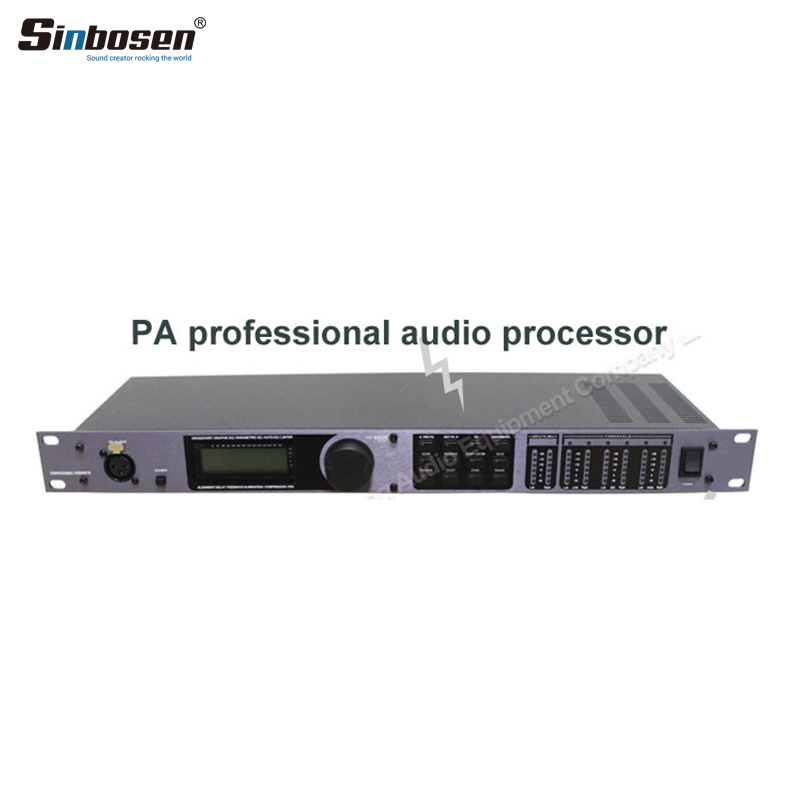
Utilizing audio processors effectively is crucial for achieving professional sound quality in both mixing and mastering. By mastering the essential techniques and understanding the specific settings of various processors, audio engineers can significantly enhance the auditory experience. This guide Artikels key professional techniques along with practical examples and a beginner-friendly workflow for integrating audio processors.
Essential Techniques for Mixing and Mastering
Understanding the fundamental techniques for utilizing audio processors can greatly impact the final sound. Here are some essential methods that professionals use:
1. Equalization (EQ): It is important to shape the frequency response of your audio. Use a parametric EQ to cut unwanted frequencies. A common setting might involve a gentle high-pass filter around 80 Hz to remove sub-bass rumble. Boosting around 3-5 kHz can enhance clarity for vocals and guitars.
2. Compression: This technique controls the dynamic range of audio signals. A common setting for vocals might include a ratio of 4:1, with a threshold set so that it only compresses the peaks, and an attack of around 10ms. This helps maintain a natural sound while ensuring consistent volume levels.
3. Reverb: Adds depth and space to your mix. A plate reverb with a decay time of about 2 seconds can give vocals a lush background without overwhelming the mix. Adjust the pre-delay to ensure clarity in the upfront sound.
4. Limiting: Used to maximize the loudness of a track in mastering, set your limiter to engage at about -1 dB. This prevents clipping while allowing you to push the overall level higher.
Each of these techniques plays a critical role in achieving a polished and professional sound.
Expert Settings Examples
Utilizing specific settings can help achieve desired results in distinct scenarios. Here are some expert settings tailored for various audio processors:
– Vocal Chain:
– EQ: High-pass filter at 80Hz, boost 4kHz by 3dB.
– Compression: 4:1 ratio, threshold at -10dB, attack 10ms, release 50ms.
– Reverb: Plate reverb, 2s decay, 50% wet/dry mix.
– Drum Bus:
– Compression: 2:1 ratio, threshold at -5dB, fast attack for punch.
– EQ: Cut below 40Hz and boost 200Hz by 2dB for warmth.
These settings serve as a starting point, but adjustments might be necessary depending on the unique characteristics of each mix.
Step-by-Step Guide for Beginners
Integrating an audio processor into your workflow can be streamlined using the following steps:
1. Choose the Right Processor: Select an audio processor suitable for your needs, whether it’s EQ, compression, or reverb.
2. Set Up Your DAW: Open your Digital Audio Workstation (DAW) and create a new track or import audio.
3. Insert the Processor: Place the audio processor on the track you wish to enhance. Access the effects section and select your chosen processor.
4. Adjust Basic Settings: Start with the default settings, then make adjustments based on the audio characteristics. For EQ, focus on cutting unwanted frequencies first.
5. A/B Testing: Regularly toggle the effect on and off to compare the processed sound with the original. This helps in understanding the impact of your adjustments.
6. Fine-Tune: Make further adjustments based on your ears and the mix context. Trust your judgment regarding the overall balance of the elements.
7. Save Settings: Once satisfied with the sound, save your processor settings. This allows you to recall them for future projects.
By following these steps, beginners can start utilizing audio processors effectively in their mixing and mastering workflows, leading to improved sound quality.
Future trends in audio processing technology are shaping the industry landscape.
The audio processing industry is experiencing a transformative phase, driven largely by advancements in technology and changing consumer preferences. As we look ahead, several emerging trends are set to redefine how sound professionals approach their craft and adapt to new challenges.
One of the most significant trends is the integration of artificial intelligence (AI) into audio processing. AI technology is revolutionizing the way sound is created, edited, and produced. By leveraging machine learning algorithms, audio processors can analyze audio files with remarkable precision, enabling features like automatic noise reduction, intelligent sound enhancement, and personalized audio experiences. These advancements not only streamline workflows but also enhance the creative process, allowing sound professionals to focus more on creativity rather than technical limitations.
Predictions for the Future of Audio Processors
As we project into the future, it is evident that audio processors will evolve in response to emerging technologies and consumer expectations. Here are several predictions regarding the future landscape of audio processing:
- Enhanced User Interfaces: Future audio processors will likely feature more intuitive and user-friendly interfaces, enabling users to access complex functionalities with ease. This will cater to both novice and professional users, democratizing audio production.
- Real-time Collaboration: With the rise of remote work and virtual collaboration, audio processors are expected to incorporate features that allow multiple users to work on the same project simultaneously, irrespective of their location.
- Increased Use of Spatial Audio: The demand for immersive listening experiences is growing. Upcoming audio processors will likely support advanced spatial audio technologies, providing sound professionals with tools to create dynamic and engaging soundscapes.
- Cloud-Based Processing: As cloud technology continues to advance, audio processing tasks may increasingly shift to the cloud. This could enable seamless access to powerful processing capabilities without the need for high-end local hardware.
- Integration with IoT Devices: As smart home devices gain popularity, audio processors may develop compatibility with IoT technology, allowing for personalized audio experiences based on user behavior and preferences.
To stay ahead in this rapidly changing landscape, sound professionals should prioritize continuous learning and adaptability. Engaging with online courses, attending industry conferences, and joining professional networks can provide valuable insights and resources. Additionally, experimenting with new tools and technologies will not only enhance skill sets but also foster innovation in audio production. By anticipating these trends and embracing change, sound professionals can ensure they remain competitive and relevant in the evolving audio industry.
Conclusive Thoughts
In summary, audio processors are crucial for anyone looking to refine their sound, whether in a professional studio or a live performance setting. By understanding the different types of processors, their historical development, and the latest trends in technology, sound professionals can make informed decisions that enhance their audio quality. As we look to the future, the integration of AI and other innovations promises to further revolutionize the way we approach sound processing, ensuring that the art of audio engineering continues to evolve.
Question Bank
What is the main purpose of an audio processor?
The main purpose of an audio processor is to manipulate and enhance audio signals to achieve the desired sound quality and effects in various applications.
What are some common types of audio processors?
Common types of audio processors include equalizers, compressors, reverbs, and delays, each serving unique functions to modify sound.
Are analog audio processors better than digital ones?
It depends on the application; analog processors are often favored for their warmth and character, while digital processors offer precision and versatility.
How can I choose the right audio processor for my needs?
Consider your specific sound goals, the type of audio work you’ll be doing, and the features that matter most for your applications when choosing an audio processor.
What should beginners know about using audio processors?
Beginners should start with understanding the basic functions of different types of processors and experimenting with their settings to see how they affect sound.