
 Zoe Nora
The 4K HDR receiver is a game-changer in home entertainment, transforming the way we experience visual content. With the evolution of technology, these receivers are designed to deliver stunning picture quality and immersive sound that bring films, shows, and gaming to life like never before. As we delve into the essentials of 4K HDR receivers, we will explore the features, standards, and advantages that make them indispensable for any modern home theater setup.
Understanding the fundamentals of a 4K HDR receiver reveals how it enhances viewing experiences through sharp resolutions and vibrant colors. Coupled with the power of High Dynamic Range (HDR), these devices ensure that every scene is rich in detail, with improved contrast and color accuracy that standard HD simply cannot match. Whether you’re a cinephile, a gamer, or just a fan of great TV shows, a 4K HDR receiver is the gateway to an exceptional entertainment experience.
Understanding the Basics of a 4K HDR Receiver
A 4K HDR receiver is a central component in modern home theater systems, designed to decode and manage high-quality video and audio signals. With the rapid advancements in home entertainment technologies, understanding the fundamental features and specifications of these receivers is essential for enhancing your viewing experience. 4K resolution, also known as Ultra HD, offers a significant increase in detail and clarity, while HDR (High Dynamic Range) elevates the overall quality of images by improving contrast and color accuracy.
The fundamental features of a 4K HDR receiver include support for ultra-high-definition video formats, multiple HDMI inputs, and advanced audio formats like Dolby Atmos and DTS:X. Typically, these receivers are equipped with HDMI 2.0 or newer ports, which can handle the large bandwidth required for 4K content, often featuring up to 60 frames per second. Additionally, many models offer built-in streaming services and compatibility with various sound systems, making them versatile and user-friendly for different entertainment setups.
Enhancements from 4K Resolution
4K resolution greatly enhances the viewing experience compared to standard HD. The term “4K” refers to a display resolution of 3840 x 2160 pixels, which is four times the pixel count of 1080p HD (1920 x 1080 pixels). This increase in pixel density translates into sharper images and finer details. Viewers can sit closer to the screen without experiencing pixelation, allowing for a more immersive experience. The clarity afforded by 4K enables the capture of details previously lost in lower resolutions; for instance, in nature documentaries, viewers can see intricate textures on animals or foliage vividly.
In addition to resolution, HDR plays a crucial role in enhancing video quality. HDR technology expands the range of colors and brightness levels displayed on screen, which results in improved contrast and more natural-looking images. Traditional SDR (Standard Dynamic Range) displays often struggle to represent bright highlights and deep shadows accurately. HDR addresses this by providing a broader dynamic range, ensuring that bright areas, like sunlight or explosions, do not appear washed out, while shadows maintain depth and detail.
The synergy of 4K resolution and HDR capabilities results in a viewing experience that is not only visually striking but also more true-to-life. For example, films and shows shot in HDR can reveal subtle details in dark scenes, such as the textures in clothing or the movement of leaves in a forest, which would otherwise be lost. Collectively, these features of 4K HDR receivers contribute significantly to how audiences perceive and interact with their favorite content, making it an essential technology for home entertainment systems.
The Importance of HDMI Standards in 4K HDR Receivers
The evolution of HDMI (High-Definition Multimedia Interface) standards plays a crucial role in the performance and capabilities of 4K HDR (High Dynamic Range) receivers. With advancements in video and audio technology, understanding these standards is essential for both manufacturers and consumers. HDMI standards not only influence the quality of the signal transmitted but also determine the features available in modern AV systems.
The significance of HDMI standards in 4K HDR receivers lies in their ability to support higher resolutions, increased frame rates, and enhanced audio formats. Specifically, HDMI 2.0 and HDMI 2.1 are the two primary versions relevant to 4K HDR technology. HDMI 2.0, released in 2013, enables 4K video at 60 frames per second (fps) and supports a bandwidth of up to 18 Gbps. This standard provides essential features like HDR, but its limitations become apparent when compared to HDMI 2.1, introduced in 2017.
HDMI 2.1 dramatically enhances performance with a bandwidth of 48 Gbps, supporting up to 8K video at 60 fps and 4K at 120 fps. It introduces features such as Variable Refresh Rate (VRR), Quick Frame Transport (QFT), and Enhanced Audio Return Channel (eARC), which are designed to ensure smoother gameplay and superior audio quality. As a result, devices utilizing HDMI 2.1 can deliver a more immersive and responsive experience, especially in gaming and high-performance video playback.
Comparison of HDMI Versions
Understanding the differences between HDMI versions is essential for selecting the right equipment. The following table highlights the key features of various HDMI standards, providing clarity on their capabilities and limitations.
| HDMI Version | Bandwidth | Max Resolution | Max Frame Rate | Key Features |
|---|---|---|---|---|
| HDMI 1.4 | 10.2 Gbps | 4K at 30 fps | 30 fps | 3D Support, ARC |
| HDMI 2.0 | 18 Gbps | 4K at 60 fps | 60 fps | HDR Support, Dual Video Streams |
| HDMI 2.1 | 48 Gbps | 8K at 60 fps, 4K at 120 fps | 120 fps | VRR, QFT, eARC, ALLM |
The advancements from HDMI 1.4 to 2.1 illustrate significant improvements in performance and features, making it vital for consumers to be aware of which HDMI standard their 4K HDR receivers and other devices support. With the increasing demand for higher-quality content and interactive gaming experiences, adhering to the latest HDMI specifications is essential for maximizing performance and enjoyment.
Key Features to Look for in a 4K HDR Receiver
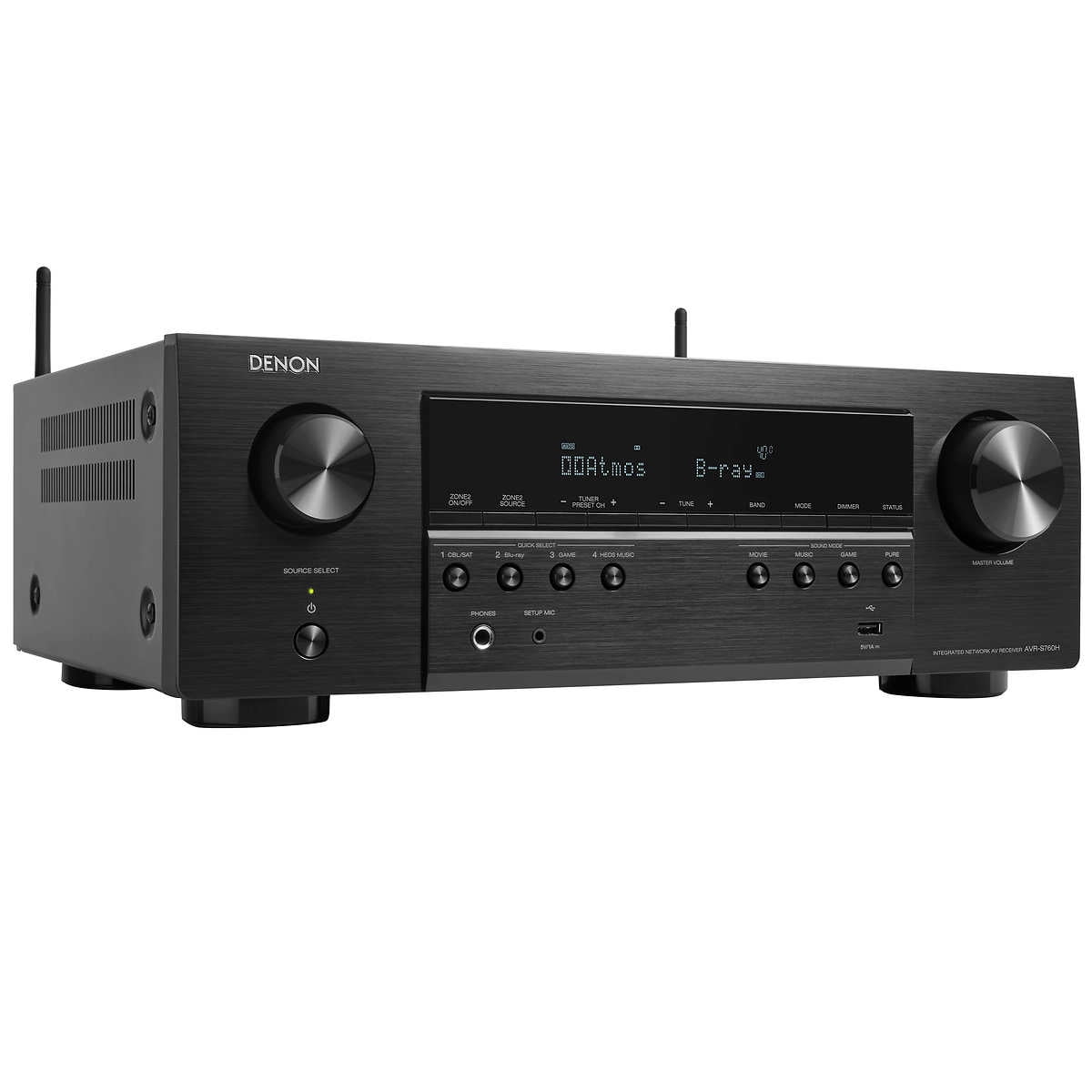
When considering a 4K HDR receiver, it’s vital to focus on several key features that will enhance your viewing and listening experience. A good receiver serves as the heart of your home theater system, allowing you to connect various devices and manage audio and video signals efficiently. With the right features, you can ensure that your investment provides long-lasting value and exceptional performance.
One of the most critical aspects to consider when purchasing a 4K HDR receiver is its support for the latest audio formats. Advanced audio technologies like Dolby Atmos and DTS:X are essential for creating an immersive sound experience. These formats use object-based audio, allowing sound to flow around you in a three-dimensional space. With Dolby Atmos, for example, you can experience sounds overhead, making you feel as if you are in the middle of the action. This level of sound quality significantly enhances the overall viewing experience, making scenes more impactful and engaging.
Importance of Audio Formats
The audio formats you choose can dramatically affect your home theater’s sound quality. Here’s why these formats are crucial:
- Immersive Sound Experience: Dolby Atmos and DTS:X provide a multi-dimensional soundstage that traditional surround sound formats cannot match.
- Enhanced Clarity: These formats improve clarity and detail in sound, allowing for a more nuanced audio experience, such as distinguishing between subtle sound effects in a movie.
- Compatibility: Many modern streaming services and Blu-ray discs support these audio formats, ensuring that you can enjoy the latest content as intended by the creators.
- Future-Proofing: Investing in a receiver that supports advanced audio formats ensures compatibility with future technologies, allowing you to enjoy new audio experiences as they become available.
In addition to audio formats, it is essential to evaluate the connectivity options available on a 4K HDR receiver. With the increasing number of devices in modern home theaters, having versatile connectivity is crucial for convenience and flexibility. A receiver should ideally feature multiple HDMI inputs, particularly with support for HDMI 2.0 or later, to handle 4K HDR video signals and associated audio formats.
Connectivity Options
The significance of various connectivity options cannot be overstated, as they affect how easily you can integrate devices into your home theater system. Consider the following aspects:
- HDMI Inputs: Look for a receiver with at least four HDMI inputs to accommodate multiple devices such as gaming consoles, Blu-ray players, and streaming devices.
- Audio Return Channel (ARC): This feature allows audio to be sent back from the TV to the receiver using the same HDMI connection, simplifying your setup.
- Wireless Connectivity: Support for Wi-Fi and Bluetooth allows for streaming music and audio from mobile devices, providing additional flexibility.
- Multi-Room Audio: If you plan to expand your system, look for receivers that offer multi-room audio capabilities, enabling sound distribution throughout your home.
With these considerations in mind, selecting a 4K HDR receiver that meets your specific needs becomes a more informed process. The right combination of advanced audio support and robust connectivity options will ensure that your home theater system provides an unparalleled viewing and listening experience.
The Benefits of Using a 4K HDR Receiver for Home Theater Systems
Integrating a 4K HDR receiver into your home theater setup can significantly enhance your viewing experience, offering a level of detail and color that surpasses standard receivers. With the increasing availability of 4K content from streaming services, Blu-rays, and gaming consoles, a 4K HDR receiver ensures that you can fully enjoy this high-resolution content while maximizing the capabilities of your display and audio systems.
The advanced technology of 4K HDR receivers delivers improved picture quality through higher resolutions and enhanced dynamic range. This means that colors appear more vibrant, shadows are deeper, and highlights are more pronounced, creating a more lifelike viewing experience. Additionally, these receivers support various HDR formats like HDR10, Dolby Vision, and HLG, allowing for a wider color gamut and improved contrast in your visuals. When paired with a compatible 4K TV, the result is a stunning cinematic experience that immerses viewers into the content like never before.
Comparison of Dedicated Receivers and Soundbars for Immersive Sound
While soundbars have gained popularity for their compact design and ease of use, dedicated 4K HDR receivers offer superior sound performance due to their ability to support a multi-channel audio setup. Unlike soundbars, which typically simulate surround sound, a dedicated receiver allows for true multi-dimensional audio through discrete channels, making it possible to create a full surround sound environment.
Dedicated receivers also provide access to advanced audio formats such as Dolby Atmos and DTS:X, which enhance the audio experience by adding overhead sound. This makes you feel as though sounds are coming from all around you, not just from the front or sides. In contrast, soundbars are generally limited to more basic audio formats and tend to lack the depth and clarity provided by a full speaker setup.
The advantages of integrating a 4K HDR receiver into your home entertainment setup are numerous:
- Enhanced picture quality with support for 4K and HDR content.
- Superior audio performance through multi-channel audio options.
- Compatibility with various audio formats, including Dolby Atmos and DTS:X.
- Versatile connectivity options for multiple devices, including gaming consoles and streaming players.
- Ability to upgrade components individually, allowing for future-proofing of the system.
- Comprehensive control over audio and video settings for an optimized viewing experience.
- Integration with smart home systems for seamless operation.
Installation and Setup of a 4K HDR Receiver
Setting up a 4K HDR receiver can seem daunting, but with the right guidance, it becomes a straightforward process. This installation not only enhances your viewing experience but also ensures that you get the most out of your home entertainment system. Below is a detailed guide to help you through the installation and configuration process of your new device.
Step-by-Step Installation Process
Begin by preparing your workspace and ensuring you have all necessary components at hand. Here’s a structured approach to installing your 4K HDR receiver:
- Unbox and Inspect: Remove the receiver from its packaging. Check for any visible damage and ensure all components, including the power cable and remote, are present.
- Choose an Optimal Location: Place your receiver in a well-ventilated area. Ensure it is close to your TV and other devices like gaming consoles or Blu-ray players.
- Connect Cables: Start by connecting the HDMI cable from the HDMI OUT port of the receiver to the HDMI IN port of your 4K TV. Use high-speed HDMI cables to support HDR.
- Audio Connections: If using external speakers, connect them according to the receiver’s manual. Ensure the speaker wires are firmly attached to avoid sound issues.
- Power Connection: Plug the power cable into the wall outlet and turn on your receiver.
- Initial Setup: Follow the on-screen instructions using your remote. This typically includes selecting your language, connecting to Wi-Fi, and updating the firmware.
- Device Configuration: Add devices to your receiver via HDMI or optical connections and configure the settings according to your preference.
- Testing: Play a 4K HDR video to ensure everything is working correctly. Adjust sound settings and display options for optimal performance.
Common Installation Pitfalls and Solutions
While setting up your receiver, there are common mistakes that can hinder your experience. Below are pitfalls to avoid along with their solutions:
Always ensure cables are securely connected; loose connections can result in poor quality output.
- Incorrect HDMI Ports: Ensure you use the designated HDMI ports for ARC (Audio Return Channel) if applicable. Refer to your TV’s manual for the correct port.
- Neglecting Firmware Updates: Always perform firmware updates during setup. This ensures compatibility with the latest streaming services and features.
- Ignoring Surround Sound Settings: If using surround sound, ensure your receiver is configured to recognize the speaker layout you are using.
- Inadequate Ventilation: Make sure your receiver is not enclosed in tight spaces to prevent overheating.
- Using Standard HDMI Cables: For 4K HDR content, use high-speed HDMI cables to avoid issues with signal transmission.
Installation Checklist
A checklist helps ensure that every component is correctly connected and configured for peak performance. Use the following points as a guide:
- Confirm all physical connections (HDMI, power, speakers) are secure.
- Verify the correct input source is selected on the TV.
- Check that all devices (streaming devices, gaming consoles) are powered on and connected.
- Ensure the latest firmware is installed on your receiver.
- Test audio output and video quality with a 4K HDR source.
Troubleshooting Common Issues with 4K HDR Receivers
When using 4K HDR receivers, users often encounter several common issues that can hinder their viewing experience. Understanding these problems and their solutions can significantly enhance the performance of your setup. Below are some frequent challenges faced by users, along with effective solutions to address them.
Common Problems and Solutions
Several issues can arise when operating a 4K HDR receiver. Here are three typical problems and their respective solutions:
- No Signal or Black Screen: This issue may occur due to improper connections. Ensure all HDMI cables are securely connected and that the correct input source is selected on the TV. If the problem persists, try using a different HDMI cable that supports 4K and HDR.
- Audio Issues: Users may experience audio dropouts or no sound at all. This can often be resolved by checking the audio settings on both the receiver and TV. Make sure the audio output format is compatible with your receiver and that the HDMI ARC (Audio Return Channel) settings are correctly configured.
- Image Quality Problems: Sometimes, users notice poor image quality despite having 4K HDR content. This may be due to incorrect display settings. Ensure that the HDR settings are enabled on both the receiver and the TV, and adjust the picture settings to optimize quality.
Keeping your 4K HDR receiver updated with the latest firmware is crucial for preventing and resolving issues. Firmware updates often include bug fixes, performance enhancements, and compatibility improvements for new devices. Regularly checking for updates from the manufacturer not only secures your device but also ensures that you’re reaping the benefits of the latest features available.
“To maintain optimal performance, regularly check for firmware updates and consider using high-quality HDMI cables that support 4K HDR standards.” – Tech Advisor
Future Trends in 4K HDR Technology
As technology continues to evolve, the realm of 4K HDR (High Dynamic Range) is witnessing exciting advancements that promise to reshape the home entertainment landscape. The increasing demand for immersive viewing experiences is pushing manufacturers and content creators to innovate, leading to groundbreaking developments in display technology, content delivery, and user interaction.
One of the most significant trends in 4K HDR technology is the enhancement of HDR formats. Emerging formats, such as HDR10+ and Dolby Vision, are setting new standards for dynamic range and color accuracy. These formats allow for scene-by-scene adjustments, providing a more tailored viewing experience. In addition, advancements in display technology, such as mini-LED and OLED panels, are improving peak brightness levels and contrast ratios, thus enhancing the HDR experience. As displays become more sophisticated, consumers can expect a more genuine reproduction of colors and images, closely mimicking the capabilities of professional film studios.
Impact of Gaming and Streaming Services
Gaming and streaming services are pivotal in driving the development of new features in 4K HDR receivers. The rise of gaming consoles capable of supporting 4K HDR output, like the PlayStation 5 and Xbox Series X, has created a surge in demand for receivers that can handle high bandwidth and low latency. These gaming platforms not only elevate the performance expectations but also push for new technologies such as Variable Refresh Rate (VRR) and Auto Low Latency Mode (ALLM), which enhance the gaming experience by reducing lag and screen tearing.
Streaming services are also playing a crucial role in the proliferation of 4K HDR content. Platforms such as Netflix, Amazon Prime Video, and Disney+ are investing heavily in original content that takes advantage of 4K HDR capabilities. This trend is further supported by the increasing availability of 4K HDR titles, with many mainstream films and series being produced with these specifications in mind. The competition among these services to provide superior visual quality is leading to innovations in compression technology, enabling smoother streaming of high-quality content even in lower bandwidth conditions.
Furthermore, the integration of artificial intelligence (AI) into the processing of HDR content is becoming a game changer. AI can help in upscaling lower resolution content to 4K HDR, providing a seamless viewing experience across different types of media. This capability allows users to enjoy classic films and television shows in enhanced quality without requiring remastering.
Overall, the future of 4K HDR technology is bright, driven by advancements in display technology and the increasing emphasis on high-quality content by gaming and streaming platforms. As these trends continue to unfold, consumers can look forward to an enriched home entertainment experience like never before.
Comparing Different Brands of 4K HDR Receivers

With the surge in popularity of 4K HDR content, choosing the right receiver has become a significant decision for home entertainment enthusiasts. The market is filled with several leading brands, each boasting its unique features, performance capabilities, and customer support services. Understanding the nuances between these brands can help consumers make informed choices based on their needs and preferences.
A comparative analysis of the major brands in the 4K HDR receiver market reveals both strengths and weaknesses that are critical for potential buyers. Factors such as brand reputation, customer support, warranty, and after-sales service are essential components in determining which receiver is the best fit for your entertainment setup. Below is an overview of these aspects as they pertain to some of the most prominent brands.
Brand Analysis
When evaluating different brands, it’s important to consider their reliability and overall market presence. Here’s a breakdown of notable brands along with their respective pros and cons:
| Brand | Pros | Cons |
|---|---|---|
| Denon |
|
|
| Yamaha |
|
|
| Onkyo |
|
|
| Sony |
|
|
Analyzing these brands emphasizes the significance of brand reputation in today’s marketplace. Consumers often gravitate towards brands that have established trust through years of quality service and product reliability. Additionally, accessible customer support and comprehensive warranty options can greatly enhance the user experience and are crucial aspects potential buyers should consider.
In summary, while Denon and Sony stand out for their premium offerings, Yamaha and Onkyo provide competitive alternatives at various price points. Each brand has its advantages and disadvantages, making it essential for consumers to weigh their options based on personal preferences, budget constraints, and desired features. A well-informed decision will lead to an optimized home entertainment setup that fully utilizes the capabilities of 4K HDR technology.
Closing Summary
In conclusion, investing in a 4K HDR receiver is more than just a choice; it’s a commitment to superior home entertainment. From understanding the crucial HDMI standards to recognizing key features that enhance sound and picture quality, every aspect of these receivers contributes to an immersive viewing experience. As technology advances, staying informed about the latest trends and brands will ensure you make the best choice for your home theater system, ultimately elevating your enjoyment of all things cinematic.
FAQ Resource
What is the difference between 4K and HDR?
4K refers to the resolution of the display, offering 3840 x 2160 pixels, while HDR (High Dynamic Range) enhances contrast and color accuracy for a more vibrant image.
Do I need special cables for a 4K HDR receiver?
Yes, it’s recommended to use high-speed HDMI cables that support the latest HDMI standards to fully utilize 4K and HDR features.
Can I use a 4K HDR receiver with non-4K TVs?
Yes, a 4K HDR receiver can work with non-4K TVs, but the picture quality will be limited to the TV’s maximum resolution.
How often should I update the firmware of my receiver?
It’s a good practice to check for firmware updates regularly, ideally every few months, to ensure optimal performance and access to new features.
Are 4K HDR receivers compatible with older audio formats?
Yes, they are generally backward compatible with older audio formats, allowing you to enjoy your existing library without issues.