
 Zoe Nora
Nearly 80% of viewers stop watching online videos when poor audio lowers quality. We know the right gear supports clear communication. Choose a clip-on microphone for corporate presentations or a wireless lapel mic for field interviews; each choice shapes your final production.
We assess models for sound clarity, durability, and ease of use. A high-quality mini microphone gives you a professional edge in many settings. Choosing the right wearable microphone depends on your movement needs and equipment compatibility.
A Lavalier microphone can help you make these technical choices. We help you match each tool to your recording environment, so your voice sounds crisp and professional. This approach makes it easier to choose the right audio tool for your next project.
Key Takeaways
- Audio quality significantly influences viewer retention in digital media.
- Wired options offer reliability, while wireless systems provide essential mobility.
- Directionality patterns dictate how well your device isolates speech from background noise.
- Proper placement remains the most critical factor for achieving clear, professional sound.
- Always match your hardware to your specific recording environment and equipment needs.
Understanding Lavalier Microphones
Have you wondered how television speakers keep audio clear while moving freely? A lavalier microphone captures clear sound while staying nearly invisible to viewers.
People also call these devices a lapel mic, lav mic, or shirt microphone. Each name describes a device that records quality audio without a handheld unit.
What is a Lavalier Microphone?
At its core, this clip-on microphone is a tiny transducer attached to the speaker’s clothing. Its position near the mouth helps isolate the voice from background noise.
Many professionals choose a hidden microphone setup to keep the frame clean. Tucking the mini microphone under a collar or behind a tie creates professional results and a natural on-camera appearance.
Common Uses for Lavalier Microphones
These tools suit many industries because they are versatile. Whether you record a podcast or perform on stage, they provide freedom of movement.
| Application | Primary Benefit | Placement Strategy |
|---|---|---|
| Broadcast News | Consistent audio levels | Attached to the lapel |
| Theater Productions | Discreet performance | Hidden in the hairline |
| Public Speaking | Hands-free mobility | Clamped to a tie or collar |
| Interviews | High speech clarity | Centered on the chest |
In professional settings, the lavalier microphone remains the industry standard for capturing dialogue. From houses of worship to film sets, it lets presenters move while speaking. This freedom is a major advantage for any presenter.
Types of Lavalier Microphones
The right hardware can improve production value in a specific environment. For documentaries or podcasts, your lavalier microphone configuration strongly affects the final output.
Wired vs. Wireless Lavalier Microphones
Choose a wired system or a wireless lapel mic based on how much movement you need. Wired units offer unmatched reliability because they need no batteries or radio frequencies. They work well for stationary interviews and avoid complex device pairing.
A wireless lapel mic lets you move naturally across a stage or set. Bodypack transmitters send audio signals to a receiver. These systems need careful battery management but suit active presenters who cannot stay tethered to a camera.
Condenser vs. Dynamic Lavalier Microphones
Most professionals prefer a condenser lav mic for its high sensitivity and crisp, detailed vocal frequencies. It needs a small amount of power, often from the camera or a battery pack. It performs best in controlled spaces where you need subtle speech details.
Dynamic options are less common in this form factor but offer rugged durability in loud, high-pressure environments. Also consider the pickup pattern when choosing your gear. An omnidirectional lapel mic captures sound from every direction, while cardioid or supercardioid patterns focus on the speaker and reduce background noise.
| Feature | Wired Lav Mic | Wireless System |
|---|---|---|
| Mobility | Limited | High |
| Setup Time | Fast | Moderate |
| Power Source | Plug-in Power | Batteries |
| Best Use | Stationary | Active |
Key Features to Consider
Knowing your gear’s core mechanics helps you achieve professional sound. When you choose the best lavalier microphone, look beyond marketing claims and assess its performance in your environment.
Sound Quality
The main goal of any lav mic is to capture clear, natural audio. Choose models with a flat frequency response so voices sound authentic, not tinny or too bass-heavy.
“The quality of your audio is the single most important factor in keeping your audience engaged, regardless of the visual production value.”
Check self-noise levels and background rejection. A high-quality Lavalier microphone isolates the speaker’s voice and reduces room noise or wind.
Directionality
Directionality shows how a microphone captures sound around it. Most professional units are omnidirectional, so they capture sound equally from all directions, making them ideal for interviews.
- Omnidirectional: Best for general interviews and natural room ambiance.
- Cardioid: Ideal for noisy environments where you need to reject sound from behind the mic.
Proper placement matters as much as the capsule itself. Secure the device above the sternum or on a tie to keep audio levels steady throughout recording.
Battery Life
Reliable power matters for long-form content creation. Evaluate your needs using the criteria below:
| Feature | Standard Requirement | Pro Recommendation |
|---|---|---|
| Recording Duration | 2-4 Hours | 8+ Hours |
| Charging Method | USB-C / Internal | Swappable Batteries |
| Convenience | Fixed Battery | Quick-Swap Modules |
Always consider your power source’s convenience. For field filming, a lav mic with quick-swap batteries or rapid USB-C charging can prevent unexpected downtime.
Connecting a Lavalier Microphone
Connecting your audio gear to a recording device is vital for professional sound. Whether you use a lavalier microphone for a video interview or live stream, the connection affects your final recording. Check your hardware needs before starting the recording.
Compatibility with Cameras and Phones
Many users confuse TRS and TRRS plugs. A camera-ready lavalier microphone usually uses a TRS plug with two black rings. Smartphones often need a TRRS plug with three black rings for audio input and output.
With a wireless lapel mic, make sure the receiver matches your device’s input. Many older smartphones need special settings to detect external audio. Also check for plug-in power, which supplies the small current many compact microphones need.
Using Adapters for Better Connections
Modern devices often lack a 3.5mm headphone jack, so adapters may be necessary. To connect iPhones or Android devices, you may need a Lightning or USB-C adapter. The RØDE SC4 can convert a standard mic signal into a format mobile devices can process.
For a stronger setup, compact interfaces like the RØDE AI-Micro connect your lav mic to a computer or phone. Before buying, confirm that your adapter supports your specific wireless lapel mic system. These steps help keep your audio crisp, clear, and free from unwanted interference.
Benefits of Using a Lavalier Microphone
When you need to move freely while speaking, the right microphone becomes an essential partner. Whether you present to a large audience or record a quick tutorial, your equipment affects comfort and performance. A lavalier microphone combines convenience with professional results that stationary setups cannot match.
Hands-Free Operation
One primary advantage of a clip-on microphone is keeping your hands completely free. This matters for educators, product demonstrators, and performers who use gestures or handle objects during presentations. Securing it to your clothing removes the need to hold a bulky handheld unit.
This wearable microphone setup supports natural movement across a stage or studio space. You no longer need to stay within a set range of a stand-mounted mic. That freedom encourages engaging and dynamic delivery while you interact with your surroundings without harming audio quality.
Enhanced Audio Clarity
A major recording challenge is keeping a steady distance between the speaker and audio source. A lavalier microphone stays on your collar or lapel, keeping your voice clear as you turn or move. It performs better than a distant camera microphone, which often captures unwanted room noise.
In professional settings, such as location interviews, a hidden microphone can help subjects feel more at ease. When equipment stays discreet, people often forget they are being recorded, producing natural, authentic speech. Whether you choose a visible clip-on style or a hidden microphone tucked away, clean, crisp audio improves your final production.
Popular Brands of Lavalier Microphones
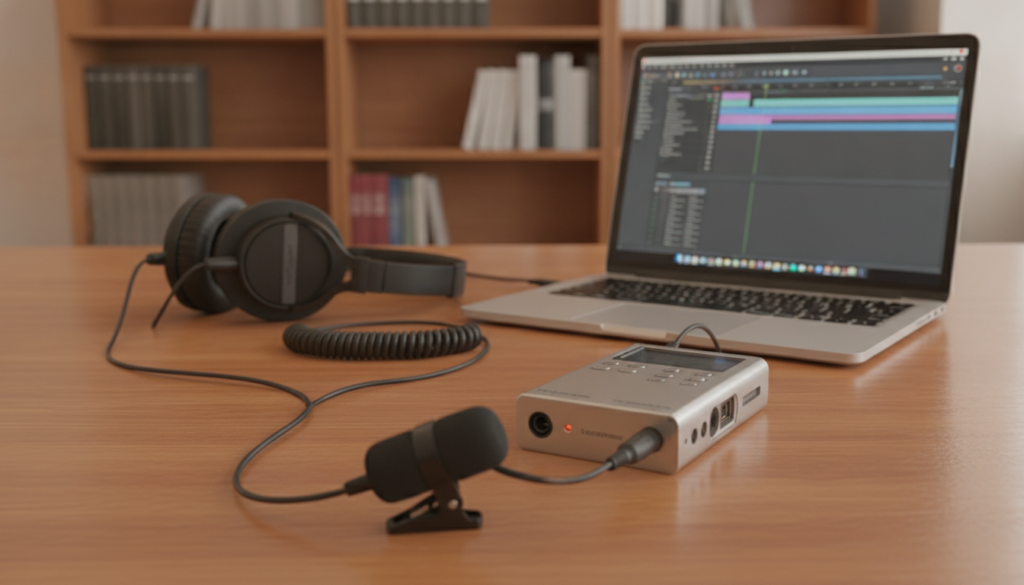
Choosing a high-quality lav mic means learning what each major manufacturer offers. When you buy a lavalier microphone, you choose more than a capsule. You also choose an ecosystem of transmitters, cables, and mounting accessories.
Review the full system, including the clip, windscreen, and replacement support. A trusted brand helps you find parts when a cable frays or a windscreen goes missing during busy production day.
Rode Lavalier Microphones
Rode is a household name for creators who value portability and ease of use. Their gear supports smartphone recording, portable podcasting, and wireless production workflows.
For creators on the move, their compact wireless systems offer a seamless plug-and-play experience. Their focus on intuitive design helps users set up quickly without technical headaches.
Sennheiser Lavalier Microphones
Sennheiser is widely viewed as the gold standard for established broadcast and stage environments. Their equipment withstands professional use while offering exceptional durability and consistent audio performance.
When a project demands reliability in a live setting, their systems provide needed stability. Many professionals trust this brand because its engineering reduces interference in crowded radio frequency environments.
Shure Lavalier Microphones
Shure offers options for entry-level users and high-end studio professionals. From the accessible CVL-TQG to advanced TwinPlex designs, Shure provides solutions for every budget and application.
“The quality of your audio is the foundation of your message, and choosing the right tool is the first step toward excellence.”
Whether you need a specialized WL184M for theater or a robust DuraPlex model for outdoor shoots, Shure delivers versatile performance. Their commitment to sound clarity makes them a staple in professional audio kits across the United States.
| Brand | Primary Strength | Best For |
|---|---|---|
| Rode | Portability | Content Creators |
| Sennheiser | Broadcast Reliability | Live Production |
| Shure | Versatility | Professional Audio |
Ultimately, the best lapel mic depends on your specific workflow. Comparing these brands can help keep your audio setup professional and reliable for years to come.
Price Points and Budgeting
We believe choosing the perfect audio equipment starts with understanding your financial goals and project needs. Finding the right Lavalier microphone does not have to break bank when you know which features matter for your workflow.
Affordable Options for Beginners
If you are starting content creation, you can find entry-level gear that delivers clear audio without a high price tag. The BOYA BY-M1 is popular for users who need a reliable wired solution on a tight budget.
For users who prefer a compact setup, a mini microphone like the BOYA Mini offers great portability for smartphone recording. These options help beginners improve sound quality while keeping costs low.
High-End Choices for Professionals
When your projects demand greater mobility and reliability, a professional wireless lapel mic system becomes necessary. The RØDE Wireless Micro gives creators a compact setup and quick setup at a mid-range price of roughly $145.
For those needing top-tier performance, the RØDE Wireless Pro is a complete professional kit. Priced around $400, it includes two high-quality microphones, making it an ideal wireless lapel mic for interviews or multi-person productions.
Always set aside funds for essential accessories beyond the initial purchase. Budget for items like adapters, spare batteries, protective cases, extra clips, and wind protection so your mini microphone setup works in any environment.
| Category | Typical Price Range | Best For | Key Benefit |
|---|---|---|---|
| Entry-Level | $20 – $50 | Beginners | High Value |
| Mid-Range | $100 – $200 | Vloggers | Portability |
| Professional | $300 – $500+ | Pro Studios | Reliability |
How to Maintain Your Lavalier Microphone
Proper maintenance helps your audio setup last longer and work reliably. Careful upkeep keeps recordings crisp and clear, while neglect can cause early failure or weaker sound.
Regular Cleaning
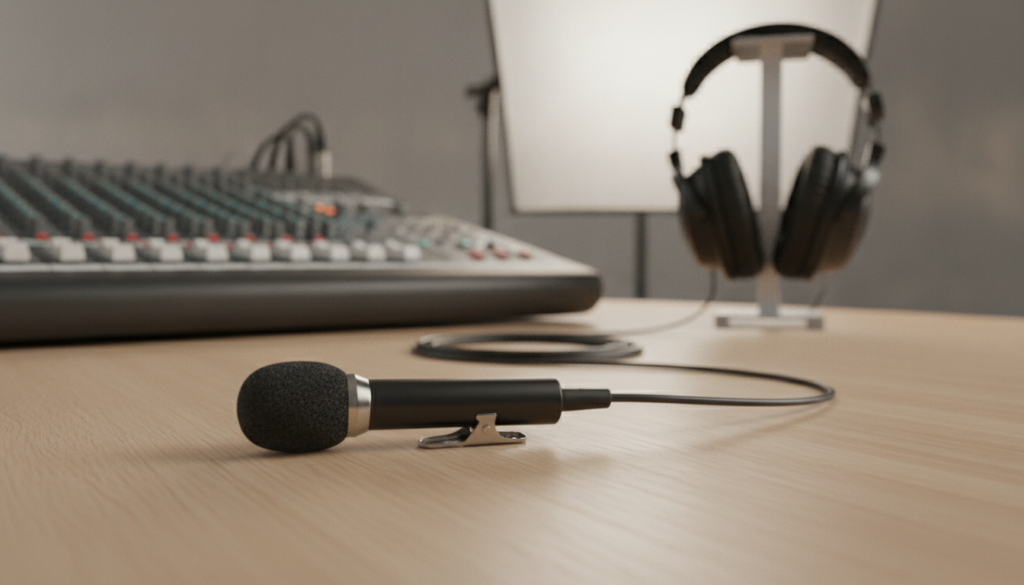
A lavalier microphone often meets dust, sweat, and makeup. With a hidden microphone setup, these materials can collect on the capsule or windscreen. Wipe the outside parts with a soft, dry cloth after each use.
For more stubborn debris, use these maintenance tips:
- Gently brush the microphone capsule with a soft-bristled brush to remove lint.
- Use a damp—not wet—cloth to clean the cable, avoiding the connector pins.
- Remove cosmetic residue from the clip to ensure it maintains a firm grip on clothing.
- Inspect the windscreen regularly and wash it with mild soap if it becomes clogged.
Storing Your Microphone Properly
How you store your wearable microphone matters as much as cleaning it. Never pack gear tightly in a pocket or crowded equipment bag, because pressure can damage delicate wiring. Use a dedicated protective case to shield the capsule from impacts.
When putting your gear away, follow these best practices:
- Coil cables loosely to prevent internal fraying or kinks.
- Remove batteries from the transmitter if you plan to store the unit for an extended period.
- Keep the hidden microphone components separated from heavy items that might crush them.
- Ensure the connector is free of moisture before placing it into a sealed storage container.
These simple steps protect your lavalier microphone from needless wear. Regular care helps your wearable microphone stay dependable for future projects.
Troubleshooting Common Issues
When audio fails or sounds poor, use a systematic approach to find the cause quickly. Isolate each signal-chain part, including the capsule, cable, adapter, and recording device, to locate the failure.
Addressing Audio Distortions
Audio distortion often comes from excessive input levels that cause digital clipping. On a smartphone, use recording software with manual gain control to keep levels in the “sweet spot.”
Poor microphone placement can cause muffled or distorted sound. Check that the lav mic does not rub clothing or jewelry, which creates unwanted friction noise. If sound stays unclear, check gain settings to ensure your preamp does not push the signal too hard.
Fixing Connection Problems
Intermittent audio or complete silence usually signals a physical connection failure. First, check that your connector is fully seated in the input jack. Even a slight gap can break the signal path.
With a wireless system, immediately check transmitter pairing and battery status. Low batteries often cause signal dropouts in any professional lavalier microphone setup.
When diagnosing audio, check these common failure points:
- Cable damage: Inspect the wire for any visible frays or kinks.
- Adapter issues: Ensure you are using the correct TRS to TRRS adapter for your specific device.
- Input selection: Confirm that your recording app or camera is set to recognize the external lavalier microphone rather than the built-in mic.
These steps can solve most issues without replacing your equipment. Patience and a methodical check of your lav mic components will keep your production running smoothly.
Where to Buy Lavalier Microphones in the US
Plan carefully before buying audio gear. Check return policies and warranty coverage at major retailers to protect your investment in a high-quality Lavalier microphone.
Digital Marketplaces and Specialized Shops
Major online retailers, such as B&H Photo Video and Amazon, sell reliable clip-on microphone options. Their many user reviews can help you judge a specific wireless lapel mic system’s performance. Before ordering, confirm that its receiver connects smoothly to your smartphone or camera.
Local Retailers and Audio Dealers
Local electronics stores let you test a mini microphone in person. You can check a wearable microphone’s build quality and confirm that its cable meets your needs. Professional audio dealers can offer advice about the best lapel mic for your recording environment.
Your final choice should balance sound quality, mobility, and total ownership cost. You may need a hidden microphone for film production or a simple streaming setup. Confirm compatibility with your existing equipment, and choose durable gear that stays easy to use for years.