
 Zoe Nora
Home theater receivers are the unsung heroes of your audio-visual experience, acting as the central hub that connects all your devices, from your television to your gaming console and beyond. They not only amplify sound but also process various audio and video formats, ensuring you get the most out of your home entertainment system. Understanding how these devices integrate with each component can significantly enhance your viewing pleasure and overall experience.
Whether you’re watching movies, playing games, or listening to music, the right home theater receiver can elevate your sound quality and ensure seamless functionality across all devices. With a range of options available, from entry-level models to high-end systems, knowing what features to look for and how to set them up optimally is crucial for getting the best performance. Let’s dive deeper into the world of home theater receivers and discover how they can transform your entertainment setup.
{Understanding the Role of a Home Theater Receiver in an Audio-Visual Setup}
A home theater receiver serves as the central hub of an audio-visual system, integrating various components to provide a seamless entertainment experience. It combines audio processing, video switching, and amplification functionalities into one unit, making it essential for anyone looking to create a home theater setup that delivers both sound and visual excellence. Without a home theater receiver, managing multiple devices like Blu-ray players, gaming consoles, and sound systems would be cumbersome and inefficient.
Home theater receivers fulfill several key roles within an audio-visual setup. First and foremost, they amplify the audio signals received from different sources, ensuring that sound is powerful and clear. This amplification is critical because it enhances audio quality, allowing for a richer experience whether you are watching movies, playing video games, or listening to music. Additionally, the receiver processes audio formats such as Dolby Atmos and DTS:X, enabling immersive 3D sound experiences that can make you feel like you are in the middle of the action.
{Key Functions of a Home Theater Receiver}
To understand the significance of a home theater receiver, it’s essential to explore its key functions, which can be categorized into three main areas: amplification, processing, and switching.
- Amplification: The core function of a receiver is to increase the power of audio signals. This allows the sound to be played through speakers at higher volumes without distortion.
- Processing: Receivers decode various audio formats and apply sound enhancements, ensuring that the audio output meets the specific requirements of the content being played. Features such as room calibration help optimize sound quality based on the room’s acoustics.
- Switching: A home theater receiver acts as a switchboard for different input devices. It allows users to easily toggle between sources like streaming devices, DVD players, and gaming consoles, all while simplifying the cable management process.
Compatibility between the receiver and other devices is crucial. Ensuring that components work harmoniously can significantly enhance the overall audio-visual experience. Features like HDMI-ARC (Audio Return Channel) or eARC (Enhanced Audio Return Channel) allow for easy connection between different devices, ensuring high-quality audio and video transmission without the need for multiple cables. Furthermore, having a receiver that supports the latest codecs and formats ensures that your home theater will be future-proof, capable of handling new technologies as they emerge.
“A well-integrated home theater receiver can elevate your entertainment experience, making every movie night an event to remember.”
Types of Home Theater Receivers and Their Features
Home theater receivers serve as the central hub of a home entertainment system, connecting various audio and video components to create an immersive viewing experience. Understanding the different types of receivers available can help consumers make informed choices tailored to their specific needs and preferences. The market offers a variety of receivers that differ significantly in features, performance, and price range.
Types of Home Theater Receivers
There are several types of home theater receivers available, each designed to meet different user requirements. The most common types include:
- AV Receivers: These are the most popular type of home theater receivers, providing multiple channels for surround sound and extensive connectivity options for video sources like Blu-ray players and streaming devices. They support features like Dolby Atmos and DTS:X for immersive audio experiences.
- Stereo Receivers: Focused primarily on audio output, these receivers are ideal for music lovers. They typically do not support surround sound formats and usually offer simpler connectivity options, making them budget-friendly.
- Network Receivers: Incorporating wireless technology, these receivers allow users to stream music and video content via Wi-Fi or Bluetooth. They often come with built-in services like Spotify and Pandora.
- Integrated Amplifiers: These units combine a preamp and a power amplifier, offering high-quality audio performance for music and film. They can serve as a more compact alternative to traditional receivers.
Entry-Level vs. High-End Receivers
When comparing entry-level and high-end home theater receivers, several features highlight the performance differences between these two categories. Entry-level receivers typically provide the basic functionalities needed for effective audio and video playback. High-end models, on the other hand, boast advanced features that enhance performance and connectivity.
- Audio Channels: Entry-level receivers usually support 5.1 channels, while high-end models can accommodate more, such as 7.1 or even 9.2 channels, enhancing the surround sound experience.
- Sound Processing: High-end receivers often include advanced audio processing technologies such as Dolby Atmos, DTS:X, and proprietary sound enhancement algorithms for a richer auditory experience.
- Connectivity Options: Entry-level models tend to have fewer HDMI inputs and limited streaming capabilities. High-end receivers may offer multiple HDMI inputs, 4K video pass-through, and extensive wireless options.
- Build Quality: High-end receivers are constructed with superior materials and components, contributing to better heat dissipation and longer-lasting performance compared to their entry-level counterparts.
Relevance of Wireless Technology in Modern Home Theater Receivers
Wireless technology plays a crucial role in enhancing the functionality and convenience of modern home theater receivers. As streaming services become more popular, the need for receivers that can seamlessly integrate with various wireless protocols has increased.
- Streaming Capability: Most modern receivers support streaming services, allowing users to access music and video content directly through platforms like Netflix, Hulu, and Spotify without needing additional devices.
- Multi-Room Audio Systems: Wireless technology enables the integration of multi-room audio setups, offering users the flexibility to play different audio sources in various rooms simultaneously.
- Ease of Setup: Wireless receivers eliminate the need for extensive cabling, simplifying installation and reducing clutter, which is especially beneficial in home settings where aesthetics are a concern.
“Wireless technology in home theater receivers not only enhances connectivity but also promotes a streamlined home entertainment experience.”
Key Specifications to Consider When Purchasing a Home Theater Receiver
When diving into the world of home theater systems, choosing the right receiver is crucial for an immersive audio-visual experience. A home theater receiver serves as the central hub, processing audio and video signals while managing multiple inputs and outputs. Understanding key specifications will help consumers make informed decisions and elevate their home entertainment setup.
Evaluating the specifications of a home theater receiver can significantly affect the overall performance of your system. Factors such as power output, number of channels, and the availability of HDMI inputs play essential roles in providing quality sound and video. These specifications dictate how well the receiver can handle various audio formats, support multiple devices, and deliver dynamic soundscapes.
Power Output
Power output is a critical specification that indicates how much power the receiver can deliver to the connected speakers. Measured in watts per channel, higher power ratings typically correlate with better audio performance, especially in larger spaces.
When examining power output, consider:
- Wattage Rating: Look for receivers with at least 50-100 watts per channel for optimal sound in a standard living room.
- Dynamic Power: Dynamic power is the peak wattage a receiver can provide during audio bursts, crucial for movie scenes with intense effects.
- Efficiency: Class D amplifiers often offer higher efficiency, producing less heat while delivering ample power.
Number of Channels
The number of channels refers to the audio outputs available on the receiver, essential for creating a surround sound setup. The more channels a receiver has, the more speakers you can connect, enhancing the immersive experience.
Consider the following when evaluating channel numbers:
- Standard Configurations: A 5.1 channel setup is common for most home theaters, delivering surround sound with five speakers and one subwoofer.
- Advanced Configurations: For audiophiles, a 7.1 or 9.1 configuration expands the soundstage, adding additional speakers for a more enveloping experience.
- Future-Proofing: Choosing a receiver with more channels than currently needed allows for future upgrades as your system evolves.
HDMI Inputs
HDMI inputs are vital for connecting various devices such as Blu-ray players, gaming consoles, and streaming devices to your home theater receiver. With the right number of HDMI inputs, you can switch between devices seamlessly.
When assessing HDMI input options:
- Input Count: Ensure the receiver has enough HDMI inputs to accommodate all your devices. A minimum of four inputs is recommended for flexibility.
- HDCP Compatibility: Check for HDCP 2.2 support if you plan to use 4K content to avoid compatibility issues.
- ARC and eARC Support: Audio Return Channel (ARC) and enhanced ARC simplify audio routing between the TV and receiver, allowing for a streamlined setup.
Performance Ratings and Customer Reviews
Performance ratings and customer reviews provide insight into how well a receiver performs in real-world scenarios. They can highlight potential issues and advantages that may not be apparent from specifications alone.
When assessing reviews:
- Expert Reviews: Look for reviews from reputable sources that test receivers in controlled environments, offering unbiased performance assessments.
- User Feedback: Pay attention to user comments regarding setup ease, sound quality, and overall satisfaction—this can reveal common problems or standout features.
- Performance Benchmarks: Review test results that detail measurements such as Total Harmonic Distortion (THD) and Signal-to-Noise Ratio (SNR) for a comprehensive view of audio fidelity.
Understanding these specifications is essential for choosing a home theater receiver that meets your needs and enhances your viewing experience.
Setting Up a Home Theater Receiver for Optimal Performance
Setting up a home theater receiver is crucial for achieving the best sound and picture quality in your entertainment space. A well-configured system enhances the viewing experience and allows you to enjoy movies, music, and gaming to their fullest. This guide provides a structured approach to connecting your receiver to various components and optimizing audio and video settings.
Connecting a Home Theater Receiver to Components
To achieve optimal performance, it’s essential to connect your receiver correctly to speakers and video sources. Follow these steps for a successful setup:
1. Gather Your Equipment: Ensure you have all necessary components ready, including the receiver, speakers, subwoofer, TV or projector, and any additional source devices like Blu-ray players or gaming consoles.
2. Position Your Receiver: Place the receiver in an open area to ensure proper ventilation. Avoid enclosed spaces to prevent overheating.
3. Connect Speakers:
– Use speaker wire to connect each speaker to the corresponding terminals on the receiver.
– Ensure the positive (+) and negative (−) terminals are matched correctly to avoid phase issues.
– Position front speakers at ear level and the subwoofer in the corner for enhanced bass response.
4. Connect Video Sources: Utilize HDMI cables for connecting video sources to the receiver. Connect the devices (like Blu-ray players, gaming consoles) to the HDMI input ports on the receiver.
5. Connect to TV/Projector: Use an HDMI cable to connect the receiver’s HDMI output to the TV or projector. This allows for audio and video transmission through a single cable.
For a more complex setup, you might also want to connect additional devices using optical or coaxial cables, which can provide high-quality audio for devices that don’t support HDMI.
Configuring Audio and Video Settings
Once your components are connected, it’s important to configure the audio and video settings for optimal performance. Here are essential steps to follow:
– Access Receiver Settings: Use the remote control to access the setup menu of the receiver. From there, select the audio and video configuration options.
– Calibrate Speaker Levels: Use the built-in calibration tools, or a sound level meter, to adjust each speaker’s volume level to ensure they all reach your listening position evenly.
– Set the Correct Audio Mode: Choose between various audio modes like Dolby Digital, DTS, or stereo, depending on the content type and your preference.
– Adjust Video Resolution: Set the output resolution based on the capabilities of your TV or projector. Common resolutions include 1080p or 4K, ensuring compatibility for the best picture quality.
– Enable Video Processing Features: If available, enable features such as upscaling and image enhancement settings to optimize video quality depending on the source material.
Proper calibration significantly enhances your listening and viewing experience, making it vital for a high-quality home theater setup.
Importance of Room Acoustics and Speaker Placement
The room’s acoustics and the placement of speakers play a pivotal role in the overall performance of your home theater system. Here’s why these factors are crucial:
– Room Acoustics: The materials and layout of your room affect sound quality. Hard surfaces reflect sound, while soft materials absorb it. Incorporating rugs, curtains, and acoustic panels can improve sound clarity and reduce echoes.
– Speaker Placement: Positioning speakers correctly is essential for achieving an immersive sound experience. Place front speakers equidistant from the listening position, ideally forming an equilateral triangle with it. The center speaker should be directly above or below the screen, while surround speakers should be placed at ear level or slightly above for optimal surround sound.
– Subwoofer Placement: Experimenting with subwoofer placement can yield different bass responses. Placing it near walls or corners can enhance bass but may require adjustments to avoid overpowering other frequencies.
By considering room acoustics and speaker placement during your setup, you can significantly enhance the audio experience, making home theater viewing more enjoyable.
Troubleshooting Common Issues with Home Theater Receivers
Home theater receivers are essential components for an immersive audio-visual experience, but they can sometimes encounter problems that disrupt your enjoyment. Understanding these common issues and knowing how to troubleshoot them can save you time and frustration. Below, we explore frequent problems users face, their potential causes, and effective solutions.
No Sound from the Receiver
Experiencing no sound from your home theater receiver can be particularly frustrating, especially when everything appears to be set up correctly. This issue can stem from several underlying causes.
Potential reasons for no sound include:
- Incorrect input selection – The receiver might not be set to the appropriate source input.
- Speaker connections – Loose or faulty speaker wires can lead to a lack of sound.
- Mute settings – The receiver might be muted or set to a very low volume.
- HDMI issues – A malfunctioning HDMI cable or port can also prevent sound transmission.
To troubleshoot this issue, follow these steps:
- Check the input source on the receiver and ensure it matches the device you’re using.
- Inspect all speaker wires to ensure they are securely connected at both the receiver and the speaker ends.
- Unmute the receiver and raise the volume level to an audible range.
- If using HDMI, try a different HDMI cable or port to see if this resolves the sound issue.
HDMI Connectivity Problems
HDMI connectivity issues can manifest as no video or audio signal, frequently impacting the usability of your home theater setup. Identifying the root of the problem is crucial for effective resolution.
Common causes for HDMI connectivity problems are:
- Faulty HDMI cables – A damaged or low-quality HDMI cable can disrupt signal transmission.
- Incorrect HDMI settings – Receiver settings may not be configured to recognize the connected devices.
- Compatibility issues – Not all HDMI cables and devices are compatible with each other, especially with different HDMI versions.
- Firmware updates – Outdated firmware on either the receiver or connected devices can cause connection issues.
To address HDMI connectivity problems, consider the following troubleshooting steps:
- Inspect and replace any damaged HDMI cables with high-quality alternatives.
- Verify the input settings on your receiver and ensure that the correct HDMI input is selected.
- Check the HDMI versions of all devices to confirm compatibility.
- Update the firmware on both the receiver and connected devices to the latest version available.
When to Seek Professional Repair Services
While many home theater receiver issues can be resolved through troubleshooting, certain situations may warrant professional assistance. Recognizing when to call in an expert can save you from inadvertently causing further damage.
Indications that professional repair may be necessary include:
- Persistent issues – If problems persist despite following troubleshooting steps, it may indicate a deeper underlying fault.
- Unusual noises – Strange sounds, such as popping or crackling, can suggest hardware failure.
- Physical damage – Visible damage to the receiver, such as burnt components or smoke, requires immediate professional evaluation.
- Warranty concerns – If your receiver is still under warranty, contacting the manufacturer for repairs may be beneficial.
In these cases, a qualified technician can diagnose and repair the issue effectively, ensuring the longevity and optimal performance of your home theater system.
The Future of Home Theater Receivers with Emerging Technologies
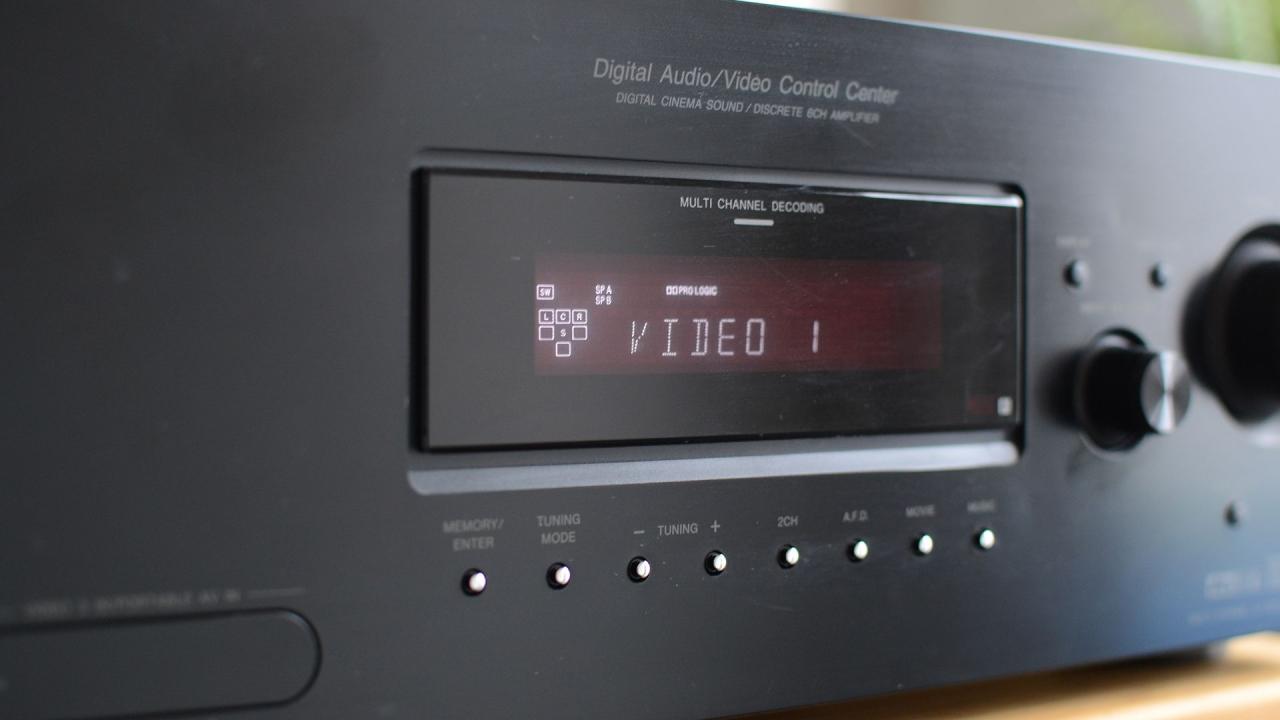
The landscape of home theater receivers is rapidly evolving, driven by advancements in technology that enhance audio and visual experiences. With innovations like Dolby Atmos and 8K video support, today’s receivers are becoming increasingly sophisticated, catering to the demand for high-quality entertainment. These features not only elevate the user experience but also redefine expectations for home theater systems.
Emerging technologies are significantly influencing the design and functionality of home theater receivers. For instance, Dolby Atmos has revolutionized sound by providing an immersive audio experience that allows sound to move in three-dimensional space. This advancement necessitates receivers that can decode and process complex audio formats, leading manufacturers to integrate powerful processing capabilities into their devices. Similarly, the rise of 8K video support is pushing manufacturers to develop receivers that can handle higher resolutions and advanced video formats, ensuring compatibility with the latest TVs and streaming services.
Smart Home Integration and Voice Control Features
The integration of smart home capabilities into home theater receivers is growing, reflecting a broader trend toward interconnected devices. This evolution is enhancing user experience through convenience and accessibility.
Smart home integration allows users to control their entertainment systems seamlessly alongside other smart devices. Some key aspects include:
- Voice Control Compatibility: Many new receivers now support voice assistants, enabling users to control playback, volume, and inputs through simple voice commands.
- Smart Home Ecosystem Compatibility: Upcoming models are designed to work with popular smart home ecosystems like Amazon Alexa, Google Assistant, and Apple HomeKit, ensuring a more cohesive home automation experience.
- Remote Control via Mobile Apps: Enhanced mobile applications allow for remote management of the receiver’s settings, making adjustments hassle-free, even when away from home.
These features not only provide ease of use but also encourage users to adopt more smart technologies in their homes.
Wireless and Streaming Technologies Trends
The shift towards wireless and streaming technologies is reshaping the traditional role of home theater receivers. As consumers increasingly favor streaming services over physical media, the need for receivers that can efficiently handle digital content has become paramount.
Key trends include:
- Elimination of Physical Connections: Future receivers are likely to offer enhanced wireless audio and video streaming capabilities, reducing the need for multiple cables. This will allow for neater installations and increased flexibility in speaker placement.
- Enhanced Streaming Protocols: Support for advanced streaming protocols, such as Chromecast built-in, Apple AirPlay 2, and Wi-Fi 6, will enhance connectivity and streaming reliability, catering to the growing number of digital content platforms.
- Multi-Room Audio Solutions: The integration of multi-room streaming capabilities will enable users to enjoy their audio throughout the home without the need for additional equipment.
As these technologies continue to evolve, traditional receivers are being redefined to meet the changing needs of consumers, ensuring that the home theater experience remains cutting-edge and adaptable.
Cost Considerations When Choosing a Home Theater Receiver
When it comes to building the perfect home theater system, selecting the right receiver is one of the most critical decisions. However, the cost of home theater receivers can vary significantly based on several factors. Understanding these elements can help consumers make informed decisions that balance quality and budget.
A variety of factors impact the price of home theater receivers, and being aware of these can greatly assist in the shopping process. The brand of the receiver plays a significant role; well-established brands often come with a premium due to their reputation for quality and reliability. Features such as the number of channels, power output, advanced sound formats, connectivity options (like HDMI, Wi-Fi, and Bluetooth), and built-in streaming capabilities contribute to the overall cost. Moreover, the inclusion of cutting-edge technology such as Dolby Atmos or DTS:X can also push prices higher.
Budgeting Tips for Consumers
When investing in a quality home theater receiver, budgeting effectively is essential to avoid overspending. Here are some practical tips to help consumers find the right balance between cost and quality:
– Establish a Budget: Determine a realistic budget before shopping. This helps narrow down options and avoids impulse purchases.
– Research Brand Reliability: Look for reviews and ratings of brands and models to ensure quality without necessarily opting for the most expensive options. Consider brands that offer great performance at competitive prices.
– Prioritize Features: Identify which features are most important. For instance, if you don’t plan to use a lot of HDMI inputs or high-end surround sound formats, you can opt for a more basic model that fits your needs.
– Consider Refurbished Options: Many reputable manufacturers offer certified refurbished units at a lower cost, allowing consumers to enjoy great performance without the full price tag.
– Wait for Sales: Keep an eye on seasonal sales or special promotions. Prices can drop significantly during holidays or industry events, making it a great time to buy.
Investing in a quality receiver can lead to long-term satisfaction and superior audio experiences.
Long-term Value of Investing in a High-Quality Receiver
Investing in a high-quality home theater receiver can yield significant long-term benefits, which often outweigh the initial cost. While lower-priced alternatives may seem appealing, they can lead to additional expenses or dissatisfaction over time. Here are some considerations regarding the long-term value of a quality receiver:
– Enhanced Audio Experience: High-quality receivers typically provide superior sound clarity and performance, leading to a more immersive home theater experience. This is especially noticeable in complex soundtracks or action-packed films.
– Longevity and Durability: Premium receivers are often built with better materials and components, making them more durable. This means they are less likely to fail or require replacement in the short term.
– Future-proofing: Investing in a receiver with the latest technology ensures compatibility with future audio and video formats. This can save consumers from needing to upgrade as technology evolves.
– Higher Resale Value: Quality receivers tend to maintain their value better than lower-priced models. Should you decide to upgrade in the future, a well-maintained high-end receiver can fetch a good price on the second-hand market.
In summary, understanding the factors that influence the cost of home theater receivers and implementing smart budgeting strategies can help consumers make informed decisions. Investing in a high-quality receiver not only enhances the immediate audio experience but also offers long-term benefits that justify the initial expenditure.
End of Discussion
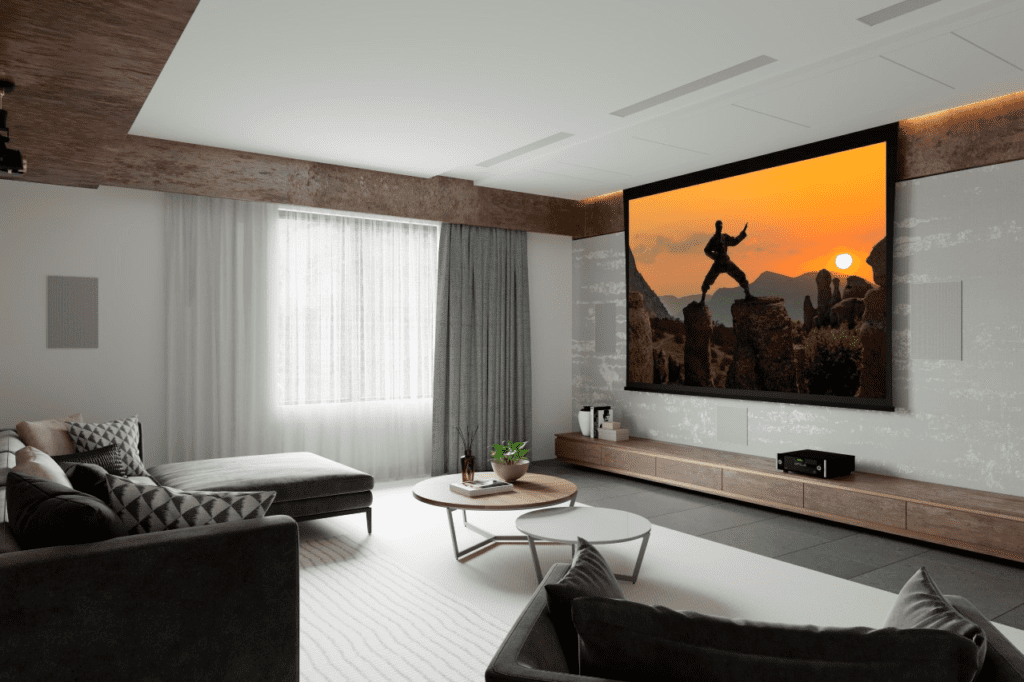
In summary, a home theater receiver is not just a component; it’s the backbone of an immersive audio-visual experience. By understanding its functionalities, exploring the different types available, and considering the essential specifications and setup tips, you can make informed decisions to enhance your home entertainment system. As technology continues to evolve, staying updated on the latest features will ensure your home theater receiver remains a key player in your cinematic journey.
FAQ Compilation
What is a home theater receiver?
A home theater receiver is a device that acts as the central hub for an audio-visual system, processing audio and video signals and distributing them to various components like speakers and a TV.
How do I choose the right home theater receiver for my needs?
Consider factors like power output, number of channels, compatibility with your devices, and the types of audio formats you want to support when selecting a receiver.
Can I connect my home theater receiver to wireless devices?
Yes, many modern home theater receivers support wireless connectivity through Bluetooth or Wi-Fi, allowing you to stream audio from devices like smartphones or tablets.
What are common issues with home theater receivers?
Common issues include connectivity problems, no sound output, and HDMI compatibility issues. Most problems can be addressed through troubleshooting steps.
Is it worth investing in a high-end home theater receiver?
While high-end receivers can be more expensive, they often offer better sound quality, advanced features, and longer durability, making them a worthwhile investment for serious audiophiles.