
 Zoe Nora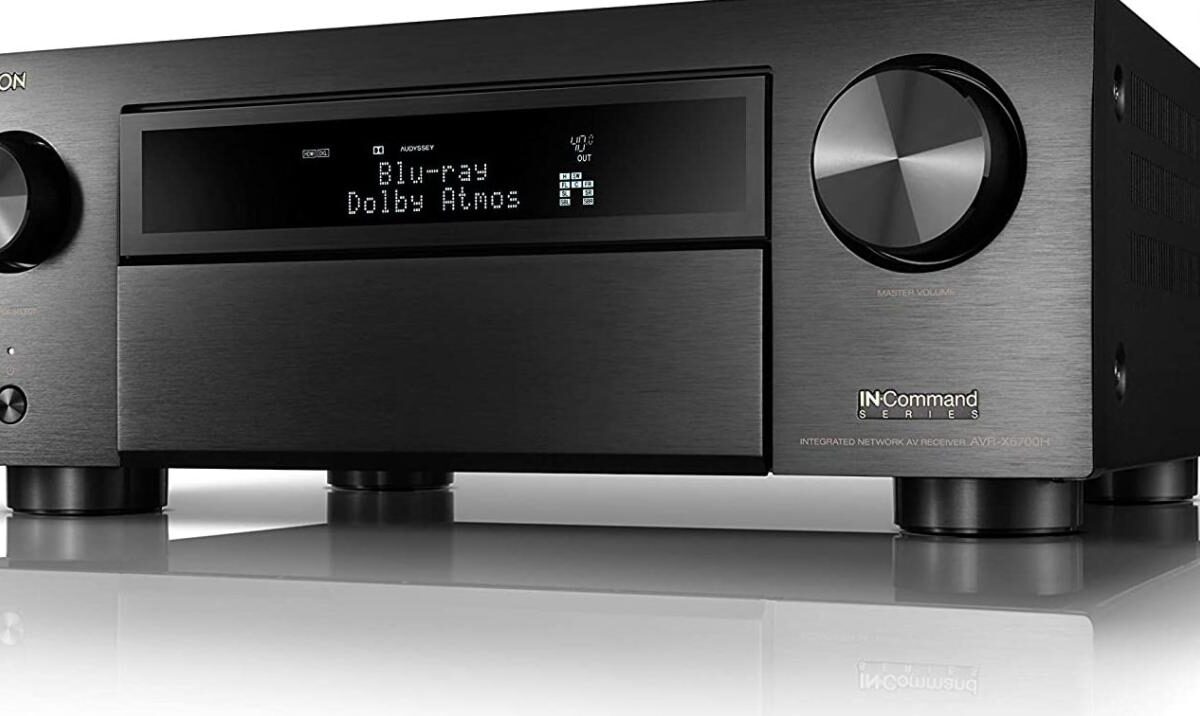
In today’s entertainment landscape, the AV receiver stands as a pivotal element in crafting an immersive home theater experience. Acting as the central hub, it seamlessly integrates various audio and visual components, enhancing the overall enjoyment of movies, music, and gaming. With advancements in technology, modern AV receivers have evolved to support a multitude of formats and connectivity options, making them an indispensable part of any home entertainment system.
This guide will delve into the fundamental roles, selection criteria, connectivity features, audio formats, and the future of AV receivers. We will explore how these devices not only amplify sound but also enhance visual experiences, ensuring that every viewer feels like they are part of the action. Whether you are a casual viewer or a dedicated audiophile, understanding these elements is crucial to maximizing your home theater setup.
The fundamental role of an AV receiver in a home theater setup
An AV receiver is the heart of any home theater system, acting as the central hub that connects various components to deliver an immersive audio-visual experience. Without a quality AV receiver, the potential of high-definition TVs, advanced speakers, and streaming devices cannot be fully realized. It not only manages and enhances audio and video signals but also simplifies the user experience by allowing seamless integration and control of multiple devices from a single interface.
The significance of an AV receiver in enhancing audio and visual experiences is immense. At its core, the AV receiver decodes audio and video signals from a variety of sources, such as Blu-ray players, gaming consoles, and streaming devices, and outputs them to the appropriate display and speakers. This allows for high-quality playback of surround sound formats such as Dolby Atmos and DTS:X, bringing cinematic sound to the home environment. Furthermore, the receiver can upscale video signals to match the resolution of modern displays, ensuring that even lower resolution content looks great on a 4K or 8K TV.
Integration of Home Theater Components
The AV receiver plays a crucial role in integrating various components of a home theater system. It serves as a control center that connects all devices, simplifying the setup and reducing cable clutter. Below are key aspects of this integration:
- Input and Output Management: An AV receiver typically has multiple HDMI inputs for connecting devices like game consoles and media players, while also providing outputs to the TV and speakers, enabling easy switching between sources.
- Audio Calibration: Many modern AV receivers include features that automatically calibrate audio settings based on room acoustics, ensuring optimal sound quality regardless of the environment.
- Streaming and Connectivity: With built-in Wi-Fi and Bluetooth capabilities, AV receivers can stream music and video from various online services, allowing for a more versatile entertainment experience.
- Control Systems: The ability to integrate with smart home systems means that an AV receiver can be controlled remotely via smartphone apps or voice assistants, enhancing user convenience.
Key features that define a quality AV receiver significantly impact performance. Important characteristics to consider include:
- Audio Channels: The number of audio channels indicates how many speakers can be supported, with 5.1 and 7.1 configurations being common for surround sound setups.
- Power Output: Measured in watts per channel, this determines the loudness and clarity of sound, with higher wattage generally providing better performance.
- Video Processing: Quality AV receivers offer advanced video processing capabilities, including upscaling and support for high dynamic range (HDR) content, ensuring that visuals are sharp and vibrant.
- Compatibility: Ensuring the receiver can handle the latest audio and video formats is essential for future-proofing your home theater system.
Choosing the right AV receiver can transform your home viewing experience from mundane to extraordinary, making it an essential component in any home theater setup.
A comprehensive guide to selecting the right AV receiver for your needs
When it comes to creating an immersive home theater experience, selecting the right AV receiver is crucial. An AV receiver serves as the central hub for your audio and video components, managing audio decoding, video processing, and multi-device connectivity. With a variety of models available in the market, understanding the essential factors to consider can greatly enhance your listening and viewing experience.
Choosing an AV receiver involves assessing your specific needs alongside the available features and specifications. Begin by determining the size of your room, the number of devices you plan to connect, and the audio formats you wish to support. The most important factors include power output, number of channels, and connectivity options.
Key factors to consider when selecting an AV receiver
When evaluating an AV receiver, consider the following key factors that contribute to its overall performance and compatibility with your setup:
- Power Output: Measured in watts per channel, power output determines how loud your speakers can get without distortion. Typically, look for receivers that offer at least 75-100 watts per channel for a satisfying listening experience.
- Number of Channels: The number of channels indicates how many speakers can be connected. A 5.1 channel receiver supports five speakers and one subwoofer, while a 7.1 channel receiver allows for two additional speakers. For immersive surround sound, consider models with more channels.
- Connectivity Options: Ensure the receiver has enough HDMI inputs for your devices, as well as compatibility with older connections like optical or coaxial cables. Look for HDMI 2.1 support for future-proofing, as this allows for higher resolutions and refresh rates.
- Audio Format Support: Check for compatibility with popular audio formats such as Dolby Atmos, DTS:X, and various surround sound formats. This ensures that you can enjoy high-quality audio from movies and music.
- Room Calibration Technology: Many modern receivers feature automated room calibration systems that adjust audio settings based on your room’s acoustics, providing an optimized sound experience.
Comparison of different types of AV receivers
AV receivers vary widely in terms of specifications and user needs. Here’s a comparison of some popular models currently available:
| Model | Power Output (watts per channel) | Number of Channels | HDMI Inputs | Audio Formats Supported |
|---|---|---|---|---|
| Yamaha RX-V6A | 100 | 7.2 | 7 | Dolby Atmos, DTS:X |
| Denon AVR-X3700H | 105 | 9.2 | 8 | Dolby Atmos, DTS:X, IMAX Enhanced |
| Onkyo TX-NR696 | 100 | 7.2 | 7 | Dolby Atmos, DTS:X |
| Pioneer VSX-LX504 | 120 | 9.2 | 8 | Dolby Atmos, DTS:X, Auro-3D |
The selection process should prioritize your listening preferences, room size, and the types of media you consume. With the right AV receiver, you can elevate your home entertainment experience significantly, ensuring that every movie night feels like a trip to the theater.
Understanding the connectivity options available in modern AV receivers
In the age of technological advancement, the importance of connectivity in modern AV receivers cannot be overstated. These devices serve as the central hub for all your audio and video equipment, ensuring seamless interaction between various components. The array of connectivity options available in AV receivers allows users to connect multiple devices, enhancing their home entertainment experience. Understanding these connections is crucial for optimizing your setup and ensuring compatibility with your favorite gadgets.
Modern AV receivers come equipped with a variety of connectivity ports, each designed for specific uses. The versatility of these connections allows users to integrate various devices such as televisions, gaming consoles, and streaming boxes easily. Among the most significant types of connections are HDMI, optical, and analog inputs. Each provides unique advantages depending on the device and the quality of audio and video needed.
Types of Connections
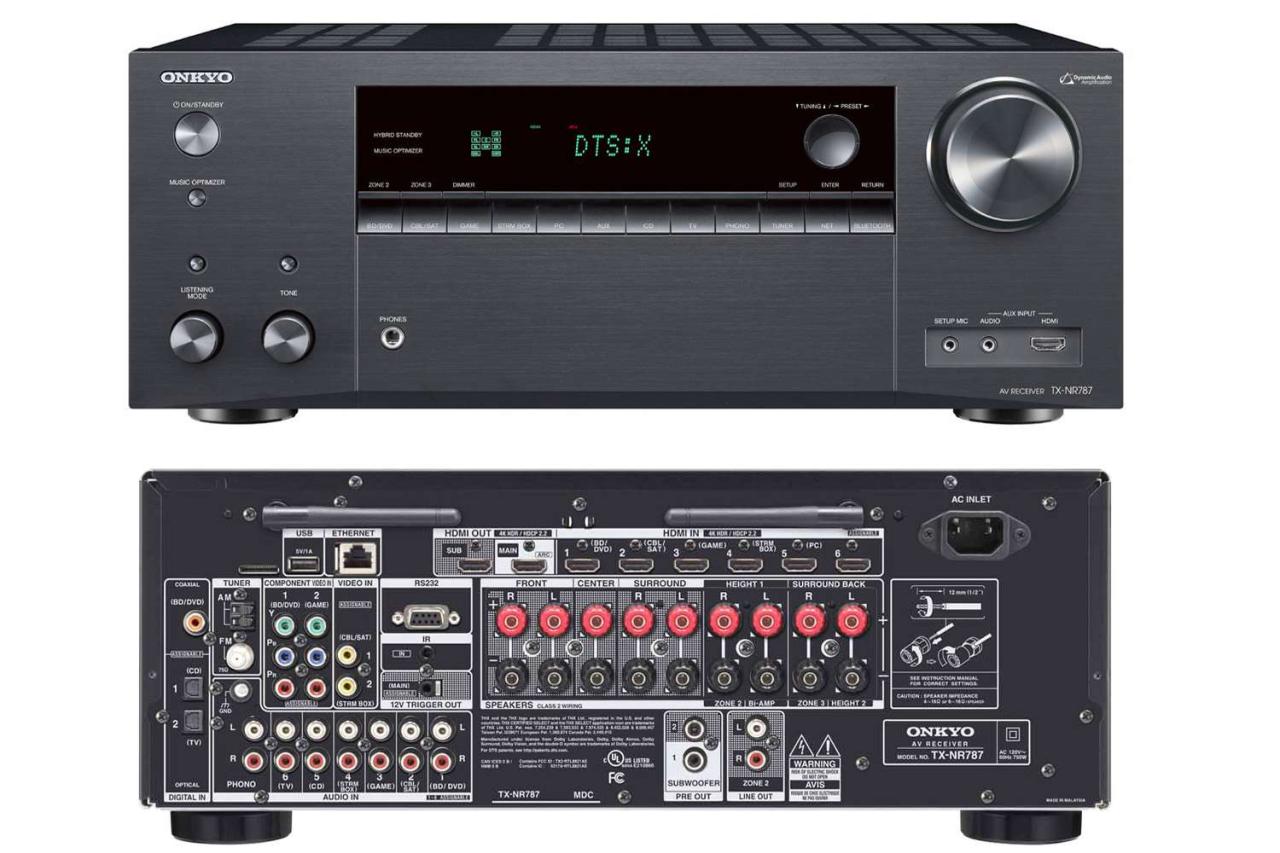
HDMI, or High-Definition Multimedia Interface, is the most common type of connection in modern AV receivers. It allows both high-definition video and multi-channel audio to be transmitted through a single cable. This simplicity eliminates clutter and supports advanced features such as 4K resolution and HDR (High Dynamic Range) content. HDMI ports are crucial for connecting devices like Blu-ray players, gaming consoles, and streaming devices, making them central to a high-quality home entertainment system.
Optical connections use fiber optic cables to transmit audio signals as light. This type of connection is particularly useful for devices that do not have HDMI outputs but require high-quality audio transmission, such as older gaming consoles and some televisions. Although optical connections do not support video signals, they remain a reliable choice for delivering digital surround sound formats like Dolby Digital and DTS.
Analog connections are the traditional way of connecting audio devices, using RCA cables or 3.5mm jacks. While these connections may not offer the same sound quality as digital options, they are essential for connecting older audio equipment, such as turntables and legacy devices that do not support digital outputs. Additionally, many users still appreciate the warm sound that analog connections can provide.
To clarify the application of these connection types, consider the following list of common devices that can be connected to an AV receiver, along with their corresponding connection types:
- Television: Primarily connected via HDMI for high-definition video and audio.
- Blu-ray Player: Also uses HDMI for optimal video quality and surround sound support.
- Gaming Console: HDMI is the preferred option, ensuring the best performance for gaming experiences.
- Streaming Device: HDMI is widely used here as well, allowing easy access to various online media services.
- Soundbar: Can be connected via HDMI or optical, depending on the model, to enhance audio output.
- Turntable: Generally uses analog connections (RCA) to maintain the quality of the audio signal.
Understanding these connectivity options not only helps in setting up your AV receiver effectively but also ensures that you are prepared for future upgrades and innovations in home entertainment technology.
The impact of audio formats on AV receiver performance
Audio formats play a pivotal role in determining how sound is reproduced by AV receivers. The capability of an AV receiver to support various audio formats significantly influences the overall sound quality, immersion, and clarity that one can experience. From traditional stereo setups to contemporary immersive formats, the choice of audio format can transform an ordinary listening experience into an extraordinary one.
Supported Audio Formats and Their Implications
There are several audio formats commonly supported by AV receivers that directly affect sound quality. Each format comes with its own characteristics and requirements, which can enhance or limit the listening experience. Understanding these formats helps users optimize their AV systems.
- Stereo: This is the most basic audio format, providing two channels of sound—left and right. Stereo is ideal for music playback and provides a well-balanced soundscape. However, it lacks the depth and spatial awareness offered by multi-channel formats.
- Surround Sound: Formats like Dolby Digital and DTS (Digital Theater Systems) allow for multiple audio channels, typically 5.1 or 7.1 configurations. These formats enhance the listening experience by creating a more immersive sound environment where sounds come from various directions, making it ideal for movies and gaming.
- Immersive Audio: Advanced formats such as Dolby Atmos and DTS:X provide a three-dimensional sound experience. These formats incorporate height channels, allowing sounds to come from above and around the listener. This creates a more engaging experience, making it feel as if you are part of the action.
Each of these audio formats has different implications for sound quality. Stereo provides clarity but lacks depth, while surround sound adds dimension but may not fully utilize height. Immersive audio takes advantage of the latest technology to deliver an unparalleled auditory experience. The choice of audio format can dramatically affect the overall listening experience; for instance, a movie enjoyed in Dolby Atmos will offer a significantly richer sound experience compared to a standard stereo output.
“The right audio format can elevate watching a movie from a simple activity to an immersive journey.”
When selecting an AV receiver, it’s critical to consider the supported audio formats to ensure compatibility with preferred media and to achieve the best possible sound quality tailored to the user’s listening preferences.
The role of AV receivers in streaming technology and smart home integration
As technology continues to evolve, AV receivers have transformed from basic audio devices into sophisticated hubs that integrate seamlessly with modern streaming services and smart home systems. This evolution has allowed users to enjoy an unprecedented level of convenience, flexibility, and a richer entertainment experience.
The integration of streaming services has fundamentally changed the way users interact with their audio and video equipment. Previously, AV receivers primarily focused on processing signals from physical media like CDs and DVDs. However, today’s receivers are designed with built-in Wi-Fi and Ethernet connections, enabling direct streaming from popular platforms such as Spotify, Netflix, and Apple Music. This shift not only simplifies access to vast libraries of content but also allows for high-definition audio and video formats that enhance the overall experience.
Smart home capabilities of modern AV receivers
Modern AV receivers are pivotal in the smart home ecosystem, offering advanced features that enhance user convenience and improve home automation. These devices can be controlled remotely via smartphone apps, allowing users to adjust settings, switch inputs, and manage audio sources from anywhere in their home. The following capabilities highlight the role of AV receivers in smart home integration:
- Voice Control Integration: Many AV receivers now support virtual assistants like Amazon Alexa, Google Assistant, and Apple’s Siri, enabling users to control their systems using simple voice commands.
- Multi-Room Audio: AV receivers facilitate multi-room setups, allowing users to play different audio in different rooms simultaneously, or the same audio throughout the house, creating a cohesive audio experience.
- Remote Access: Most modern receivers come with mobile applications that allow users to control their devices remotely, adjusting settings or switching inputs while away from home.
- Compatibility with Smart Devices: AV receivers can integrate with other smart home devices, such as lighting systems, security cameras, and smart thermostats, allowing for coordinated control and automation scenarios.
The benefits of using AV receivers for wireless audio streaming and multi-room setups are substantial. They enable high-quality audio without the need for cumbersome wiring, providing a cleaner aesthetic in living spaces. Furthermore, modern receivers support a variety of streaming protocols, such as Chromecast and AirPlay, which broaden the range of compatible devices and services.
With the rise of streaming technology, AV receivers have evolved into essential components of modern entertainment systems, bridging the gap between different media sources and enhancing the smart home experience.
Troubleshooting common issues with AV receivers
AV receivers are central components of home entertainment systems, offering audio and video management for various devices. However, users often encounter common issues that can disrupt their experience. Recognizing these problems and knowing how to troubleshoot them is essential for maintaining optimal performance. Below, we discuss typical challenges and their solutions, as well as a guide to diagnosing audio issues effectively.
Common problems with AV receivers include no sound output, distorted audio, and issues with connectivity. Users may notice that their receiver powers on but fails to produce sound. This can be due to several factors such as incorrect input selection, muted audio, or faulty cables. Distorted audio may arise from improper speaker configurations or issues with the source audio quality. Additionally, connectivity problems can result from outdated firmware or malfunctioning ports.
To tackle audio-related concerns, follow this step-by-step guide for diagnosing audio issues in an AV receiver setup:
1. Check Input Source: Ensure the correct input source is selected on the receiver.
2. Inspect Volume Levels: Verify that the volume is not muted or set too low.
3. Examine Speaker Connections: Ensure all speaker wires are securely connected and not damaged.
4. Test Different Sources: Switch to different audio sources to rule out issues with the original source.
5. Check for Updates: Look for firmware updates for the receiver that might resolve known issues.
6. Reset the Receiver: As a last resort, reset the receiver to factory settings to clear any persistent errors.
For quick reference, the following table summarizes potential troubleshooting steps alongside the corresponding issues:
| Issue | Troubleshooting Steps |
|---|---|
| No Sound Output | 1. Check input source selection 2. Inspect volume settings 3. Verify speaker connections |
| Distorted Audio | 1. Examine speaker configurations 2. Test audio quality from different sources |
| Connectivity Problems | 1. Check for firmware updates 2. Inspect HDMI and other connections 3. Restart the receiver |
| Remote Control Issues | 1. Replace batteries in the remote 2. Ensure there are no obstructions between the remote and receiver |
By systematically addressing these issues, users can enhance their AV receiver’s performance and enjoy a seamless audio-visual experience.
Future trends in AV receiver technology
The world of AV receivers is evolving rapidly, driven by technological advancements that enhance audio-visual experiences. As we move forward, several trends and innovations are expected to reshape the capabilities of AV receivers, addressing user needs for connectivity, quality, and convenience. Integrating emerging technologies such as artificial intelligence (AI) and virtual reality (VR) into AV receivers will not only improve functionality but also redefine how users interact with their home entertainment systems.
One of the most significant trends in AV receiver technology is the integration of artificial intelligence. AI can optimize audio settings based on the environment, adjusting parameters like sound equalization and speaker calibration automatically. This results in a tailored audio experience unique to each room’s acoustics. Furthermore, voice control features enabled by AI assistants like Amazon Alexa or Google Assistant are becoming commonplace, allowing users to manage their AV systems hands-free.
Potential impacts of virtual reality and AI on AV receivers
The advent of virtual reality presents exciting possibilities for AV receivers. As VR gaming and media consumption become more popular, AV receivers will need to support these immersive experiences. This will likely include features like 3D audio processing and low-latency HDMI connections, which are critical for delivering a seamless VR experience. Projects such as PlayStation VR and Oculus Quest demonstrate the demand for high-quality audio in virtual environments, where sound plays a crucial role in immersion.
To further enhance user experience, potential future AV receivers may incorporate a range of innovative features. The following list Artikels some plausible advancements:
- Enhanced Connectivity: Future AV receivers will likely support advanced wireless protocols like Wi-Fi 6E and Bluetooth 5.2, offering faster connections and greater range for streaming high-resolution audio and video.
- Smart Home Integration: As smart homes become more prevalent, AV receivers may feature deeper integration with home automation systems, enabling users to control lighting, temperature, and security through their AV interface.
- Adaptive Streaming: Improved algorithms could allow receivers to adapt streaming quality in real-time, optimizing for available bandwidth and ensuring uninterrupted playback of high-definition content.
- AI-Assisted Personalization: AV receivers might analyze user listening habits and preferences, offering tailored recommendations for music, movies, or even audio settings based on individual tastes.
- Multi-Room Audio/Video Distribution: Future models are expected to support truly seamless multi-room audio and video experiences, enabling users to enjoy synchronized playback throughout the home with minimal latency.
- Augmented Reality Interfaces: Imagine an AR interface overlay on a user’s living space, displaying real-time information about content, such as actor biographies or soundtrack details, enhancing the viewing experience.
The potential for future developments in AV receiver technology is vast and exciting. As innovations continue to emerge, users can anticipate a more intuitive, integrated, and immersive home entertainment experience. With the integration of AI and VR, AV receivers are poised to transcend traditional functionalities, setting new standards for audio-visual enjoyment.
Ending Remarks
In conclusion, AV receivers play an integral role in transforming ordinary viewing experiences into extraordinary ones. By choosing the right model and understanding its features and capabilities, you can elevate your home entertainment to new heights. As technology continues to advance, staying informed about emerging trends will ensure you make the most of your AV receiver, keeping you ahead in the world of home theater innovation.
Detailed FAQs
What is an AV receiver?
An AV receiver is a device that acts as the central hub for audio and video sources in a home theater system, allowing integration and control of various components.
How does an AV receiver improve audio quality?
It enhances audio quality by processing and amplifying sound signals, supporting multiple audio formats, and providing surround sound capabilities.
Can I connect my gaming console to an AV receiver?
Yes, gaming consoles can be connected to an AV receiver via HDMI or other compatible ports, allowing for high-quality audio and video output.
Do all AV receivers support streaming services?
No, not all AV receivers support streaming services; it’s essential to check for specific models that offer built-in Wi-Fi or Bluetooth connectivity.
What should I look for in a budget AV receiver?
For a budget AV receiver, focus on essential features like sufficient power output, the number of channels, and basic connectivity options, ensuring it meets your needs without unnecessary extras.
Can I use an AV receiver for music streaming?
Absolutely, most AV receivers can stream music from various sources, including smartphones, tablets, and online services, providing versatile listening options.