
 Zoe Nora
An integrated amplifier is more than just a piece of audio equipment; it’s the heart of any modern audio system. By combining both a preamplifier and a power amplifier into a single unit, it streamlines the setup and enhances convenience for users at all levels, from casual listeners to serious audiophiles. This device not only amplifies audio signals but also simplifies the connection between your source devices and speakers, making it an essential component in achieving high-quality sound.
As home audio systems continue to evolve, integrated amplifiers are gaining popularity due to their multifunctionality and improved performance. They deliver superior sound quality while saving space and reducing the clutter often associated with traditional audio setups. With the right features and connectivity options, an integrated amplifier can revolutionize your audio experience, whether you’re enjoying a quiet evening at home or hosting a lively gathering.
Understanding the Fundamentals of an Integrated Amplifier
An integrated amplifier is a crucial component in modern audio systems, serving as a versatile and efficient solution for combining the functionalities of a preamplifier and a power amplifier into a single unit. This device streamlines audio setups, making it easier to connect various sources, such as CD players, turntables, and streaming devices, while providing high-quality sound amplification. Integrated amplifiers are designed to enhance audio performance by delivering clear, powerful sound without the complexity of multiple separate components.
At the heart of an integrated amplifier lie two fundamental components: the preamplifier and the power amplifier. The preamplifier is responsible for boosting low-level audio signals from sources, ensuring that they are strong enough for further amplification. This stage often includes tone controls, volume adjustments, and input selector switches, allowing users to customize their listening experience. The power amplifier then takes this boosted signal and drives the speakers, converting the electrical signals into audible sound waves. This combination of functions in one unit not only saves space but also reduces the number of interconnects, which can improve audio fidelity by minimizing signal loss.
Comparison of Integrated Amplifiers with Separate Amplifiers and Receivers
When evaluating audio equipment options, understanding the differences between integrated amplifiers, separate amplifiers, and receivers is essential. Each type has its unique advantages and disadvantages that cater to different user needs and preferences. Integrated amplifiers can be a more cost-effective solution, often providing excellent sound quality in a compact form. In contrast, separate amplifiers allow for greater customization and potential upgrades, as users can choose components to match their specific requirements.
Receiver units combine a preamplifier, power amplifier, and a radio tuner into one package. While this offers the convenience of a centralized audio system, receivers may not provide the same level of sound quality as high-end integrated amplifiers or dedicated components. Audio enthusiasts often prefer separate systems for critical listening, as they can tailor each part of the chain for optimal performance.
In summary, integrated amplifiers serve as efficient, space-saving solutions for audio systems, combining essential functions while offering an appealing alternative to separate amplifiers and receivers. The choice between these options often depends on a user’s specific needs, budget, and desired sound quality.
The Advantages of Using an Integrated Amplifier
Integrated amplifiers have gained popularity among music enthusiasts and casual listeners alike, thanks to their blend of functionality and efficiency. By combining a preamplifier and power amplifier into a single unit, they offer a streamlined alternative to traditional amplifier setups without compromising sound quality. This combination simplifies the audio system, making it more accessible for users across various levels of expertise.
One of the primary benefits of integrated amplifiers lies in their convenience for both audiophiles and casual listeners. These devices are designed to provide a user-friendly experience, often featuring straightforward controls and connectivity options. This ease of use allows individuals to focus on enjoying their music rather than getting bogged down by the complexities of a multi-component setup.
Convenience Factors for Users
Integrated amplifiers cater to a diverse range of users, making them an ideal choice for various lifestyles. The following points highlight their key convenience factors:
- All-in-One Solution: Integrated amplifiers combine multiple functions into a single chassis, reducing the need for additional components and cables, which simplifies setup and reduces clutter.
- Ease of Use: Most integrated amplifiers come with intuitive controls and remote access, allowing users to adjust settings with minimal effort, making them suitable for both novices and seasoned audiophiles.
- Versatile Connectivity: With various inputs and outputs available, integrated amplifiers can easily connect to different sources like turntables, streaming devices, and CD players, providing flexibility for various listening preferences.
- Enhanced Sound Quality: Many integrated amplifiers are engineered with high-quality components, ensuring superior audio performance that satisfies demanding listeners.
Space-Saving Benefits
In today’s increasingly compact living environments, the need for space-saving solutions is more important than ever. Integrated amplifiers excel in this area, offering a sleek design without sacrificing audio performance. The following points underscore their space-saving advantages:
- Compact Design: The smaller footprint of integrated amplifiers makes them ideal for apartments or small rooms, allowing for easy placement on shelves or entertainment centers.
- Reduced Cable Clutter: With fewer components to connect, integrated amplifiers minimize cable clutter, resulting in a cleaner and more organized space.
- Stylish Options: Many integrated amplifiers are designed with aesthetics in mind, providing a modern look that complements contemporary home decor, making them an attractive addition to any room.
By choosing an integrated amplifier, users benefit not only from high-quality sound but also from the convenience and space-saving advantages that enhance their overall audio experience.
Key Features to Look for in an Integrated Amplifier
When it comes to selecting an integrated amplifier, understanding its essential features can significantly enhance your listening experience. Integrated amplifiers combine both preamplification and power amplification in a single unit, thus offering a streamlined solution for your audio needs. However, not all integrated amplifiers are created equal, and knowing what to look for is crucial in making an informed decision.
One of the most important aspects to consider is connectivity. Modern integrated amplifiers offer a variety of options to accommodate different sources and technologies. The following are essential features to assess when choosing an integrated amplifier:
Essential Features to Consider
Connectivity options play a vital role in how well the amplifier can integrate with your existing audio setup. Here’s a breakdown of some key features:
- Bluetooth Connectivity: This allows for wireless streaming from smartphones, tablets, and computers. It’s a convenience that caters to the growing trend of mobile audio consumption.
- USB Inputs: USB ports enable direct connections to digital sources, such as computers and DACs, facilitating high-quality audio playback without the need for additional equipment.
- HDMI Inputs: Essential for home theater setups, HDMI inputs allow for the transfer of video and audio signals, often supporting surround sound formats.
- Phono Input: For vinyl enthusiasts, having a dedicated phono input with built-in preamp can greatly enhance the quality of turntable playback without needing extra components.
- Multiple Stereo Inputs: Having several RCA connections allows for multiple devices to be connected, making it easier to switch between sources without re-plugging cables.
Another critical aspect is the sound quality enhancements that modern integrated amplifiers offer. This can often define the overall experience of music and movie playback.
Sound Quality Enhancements
Various technologies are implemented in integrated amplifiers to improve sound quality, making them a worthy investment for any audio setup. These enhancements include:
- High-Resolution Audio Support: Many integrated amplifiers now support high-res audio formats, providing a richer and more detailed sound than standard formats.
- Digital Signal Processing (DSP): DSP technology allows for sound customization and correction, adapting the audio output to suit the acoustics of your listening environment.
- Quality Components: Look for amplifiers that use high-grade capacitors and transformers, as these components significantly impact sound fidelity and reliability.
- Class A/B or Class D Amplification: Depending on your preference for warmth versus efficiency, the type of amplification class can greatly influence the audio output and energy consumption.
- Room Calibration Technologies: Some integrated amplifiers include automatic room calibration systems, optimizing sound output based on the specific environment.
The combination of these features ensures that your integrated amplifier not only meets your current audio requirements but also adapts to future technological advancements, providing you with an exceptional listening experience.
Popular Brands and Models of Integrated Amplifiers
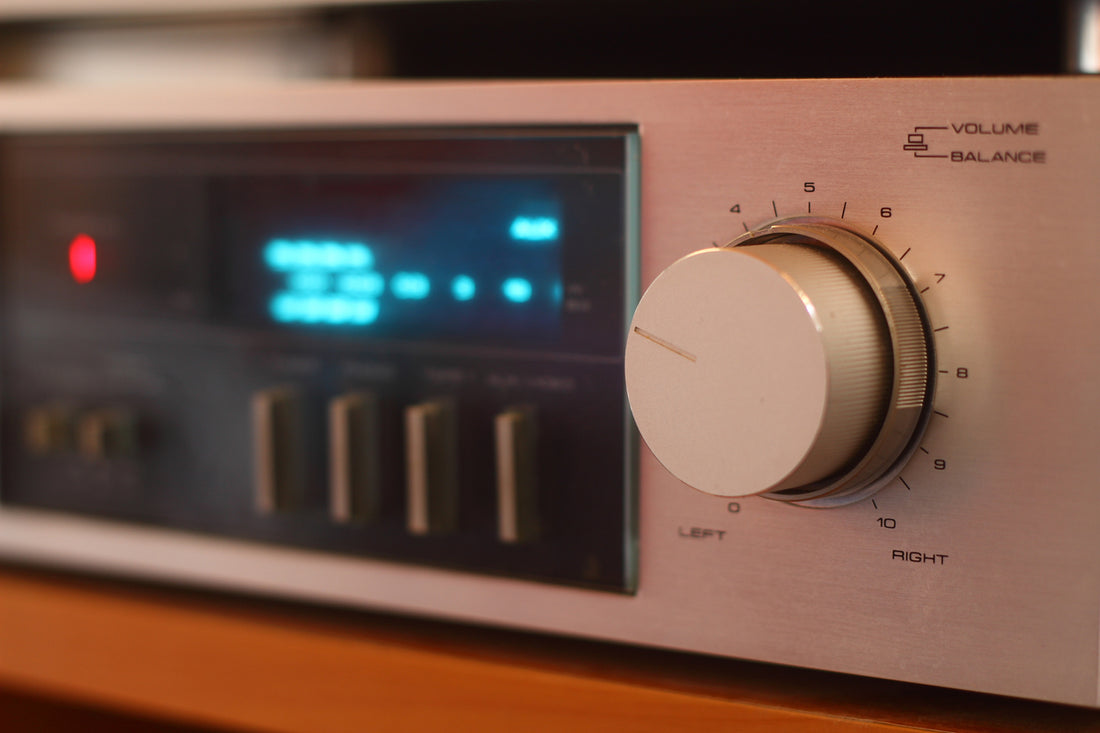
In the world of integrated amplifiers, several brands stand out due to their innovation, quality, and user satisfaction. These brands offer various models that cater to different needs, preferences, and budgets. Understanding what each brand brings to the table can assist consumers in making well-informed decisions when choosing an integrated amplifier.
Leading brands in the integrated amplifier market are recognized for their unique features, build quality, and performance. Brands like Yamaha, Marantz, Cambridge Audio, and Denon are widely regarded for their reliability and sound quality. Each brand has established itself with distinct characteristics that appeal to audiophiles and casual listeners alike.
Overview of Leading Brands
The following brands have established a strong presence in the integrated amplifier sector, each with notable features that set them apart:
- Yamaha: Known for its versatility and robust performance, Yamaha amplifiers often come equipped with advanced digital features and connectivity options, making them suitable for modern audio setups.
- Marantz: Marantz is synonymous with high-quality sound and elegant design. Their models are favored by audiophiles who appreciate warm, rich audio reproduction.
- Cambridge Audio: This brand focuses on delivering exceptional sound quality at competitive prices. Their amplifiers are often praised for their clarity and detail, ideal for music enthusiasts.
- Denon: Renowned for their advanced technology and user-friendly interfaces, Denon’s integrated amplifiers often feature high-resolution audio capabilities along with robust connectivity options.
Comparison of Popular Models
To help consumers navigate through the models available, it’s essential to compare some popular integrated amplifiers based on their specifications, which can influence their choice significantly.
| Model | Power Output (W/Channel) | Connectivity | Price Range |
|---|---|---|---|
| Yamaha A-S801 | 100 | Bluetooth, USB, Optical | $899 |
| Marantz PM8006 | 70 | USB, Phono, Bluetooth | $1,199 |
| Cambridge Audio CXA81 | 80 | USB, Bluetooth, Digital Inputs | $1,199 |
| Denon PMA-1600NE | 70 | USB, Optical, Phono | $1,199 |
Customer Reviews and Feedback
Customer reviews often provide valuable insight into the performance and reliability of integrated amplifiers. Reviews from various platforms reveal common themes in user experiences related to sound quality, ease of use, and overall satisfaction.
Key feedback includes:
- Sound Quality: Users consistently praise Yamaha models for their balanced sound and power, making them suitable for a variety of music genres.
- Build Quality: Marantz amplifiers receive high marks for their aesthetic appeal and solid construction, which enhances durability.
- Ease of Use: Cambridge Audio models are often highlighted for their user-friendly interfaces and intuitive remote controls, facilitating straightforward operation.
- Connectivity Options: Denon’s amplifiers are frequently commended for their extensive connectivity, accommodating modern digital devices and traditional audio systems alike.
“Investing in a quality integrated amplifier transforms your listening experience, allowing you to appreciate the finer details in your favorite music.”
The Role of Integrated Amplifiers in Home Audio Systems
Integrated amplifiers serve as the heart of home audio systems, combining both preamplification and power amplification in a single unit. This consolidation simplifies system setup and reduces the amount of space required for components, making them an attractive option for both audiophiles and casual listeners alike. By streamlining the audio pathway, integrated amplifiers enable a clear and coherent signal flow, enhancing the overall listening experience.
A well-designed integrated amplifier fits seamlessly into the home audio setup, linking various audio sources such as turntables, CD players, and streaming devices to the speakers. This connectivity is crucial as it ensures that the audio signal is amplified effectively for playback. When choosing an integrated amplifier, compatibility with speakers and other components is paramount. The impedance and power rating of both the amplifier and the speakers must be matched to ensure optimal performance. Mismatching can lead to significant losses in audio quality or even damage to the equipment.
Matching Integrated Amplifiers with Speakers and Other Components
Selecting the right integrated amplifier involves understanding the specifications of both the amplifier and the speakers. This matching process is critical as it influences not only sound quality but also the longevity of the equipment. Here are a few key factors to consider:
- Power Output: The amplifier’s power output should align with the speaker’s requirements to avoid distortion or damage. For instance, a speaker rated at 90 dB sensitivity typically pairs well with an amplifier that can deliver 20-100 watts per channel, depending on the listening environment.
- Impedance Compatibility: Most home speakers are rated at 4, 6, or 8 ohms. Ensuring that the amplifier can handle the speaker’s impedance rating is essential; connecting an 8-ohm speaker to a 4-ohm rated amplifier can lead to overheating and failure.
- Sound Signature: Different amplifiers have unique sound profiles. Pairing a warm-sounding amplifier with bright-sounding speakers can create a balanced audio experience, while mismatched sound signatures might lead to a less enjoyable listening session.
The impact of room acoustics on the performance of an integrated amplifier cannot be overlooked. The way sound interacts with a room significantly affects audio playback. Factors such as wall materials, furniture placement, and room size contribute to the overall acoustics.
Impact of Room Acoustics on Integrated Amplifier Performance
Room acoustics play a vital role in how sound is perceived and can enhance or hinder the performance of your integrated amplifier. Here are some considerations regarding room acoustics:
- Reflective Surfaces: Hard surfaces like tile or glass can cause sound reflections that lead to echo and muddiness, diminishing clarity. Soft furnishings, such as rugs and curtains, can help absorb these reflections and improve sound quality.
- Room Shape: Irregularly shaped rooms can help disperse sound waves more evenly, while square rooms may create standing waves, leading to uneven bass response. Proper speaker placement can mitigate some of these issues.
- Speaker Placement: The distance of speakers from walls and each other affects sound staging and imaging. Generally, placing speakers at least a few feet away from walls can create a more open sound, allowing the amplifier to perform optimally.
Integrating these elements ensures the full potential of the integrated amplifier is realized, leading to a more immersive listening experience.
Troubleshooting Common Issues with Integrated Amplifiers
Integrated amplifiers are essential components in many audio systems, combining a preamplifier and power amplifier into one unit. However, users may occasionally encounter issues that can disrupt their listening experience. By understanding these problems, their potential causes, and how to fix them, users can ensure their integrated amplifiers operate smoothly and efficiently.
Several common problems can arise with integrated amplifiers. These issues include no sound output, distortion, overheating, and connectivity problems. Identifying these problems promptly can save time and prevent further damage to the equipment. Below are detailed diagnostics and resolutions for these common issues.
No Sound Output
One of the most frustrating issues is when the integrated amplifier produces no sound. This problem can stem from various factors. To troubleshoot this issue effectively, consider the following steps:
- Check the power source to ensure the amplifier is plugged in and receiving power. Look for indicator lights to confirm it is turned on.
- Examine the input connections. Ensure that the correct source is selected and that all cables are securely connected.
- Inspect the speaker connections. Loose or damaged connections can prevent sound from reaching the speakers.
- Verify the volume settings. Ensure the volume is turned up to a sufficient level and that the mute function is disabled.
Distortion in Sound
Audio distortion can significantly affect the listening experience, making it difficult to enjoy music or other media. This issue can be caused by several factors, including improper settings, faulty cables, or speaker issues. To address sound distortion, follow these troubleshooting steps:
- Check the speaker impedance. Ensure that the speakers are compatible with the amplifier’s output specifications.
- Inspect the signal cables for damage. Damaged cables can introduce noise and distortion into the audio signal.
- Adjust the gain settings on the amplifier. Excessive gain can lead to clipping and distortion.
- Test different audio sources. If distortion occurs only with certain inputs, the issue may lie with the source device.
Overheating Issues
Overheating can be a common issue with integrated amplifiers, especially during extended use. Overheating can lead to performance issues or even permanent damage. To manage overheating effectively, consider the following measures:
- Ensure proper ventilation around the amplifier. Avoid enclosing it in tight spaces or stacking other equipment on top of it.
- Monitor the amplifier’s temperature during operation. If it becomes excessively hot, turn it off and allow it to cool before using it again.
- Check for dust accumulation. Dust can block vents and lead to overheating, so clean the unit regularly.
Connectivity Problems
Connectivity issues can prevent audio signals from being transmitted correctly between devices. Such problems can arise from faulty cables, incorrect settings, or compatibility issues. To troubleshoot connectivity problems, follow these steps:
- Inspect all audio cables for damage or loose connections. Replace any damaged cables immediately.
- Verify that the correct input source is selected on the amplifier. Incorrect input settings can result in no audio signal being processed.
- Test the amplifier with different devices. Doing so can help identify if the issue lies with the amplifier or the source device.
- Consult the user manual for specific compatibility requirements. Some devices may require specific settings or connections to function properly.
“Regular maintenance and attention to connection quality can greatly enhance the performance and longevity of integrated amplifiers.”
Taking preventive measures can help avoid these common issues. Regularly checking connections, keeping the amplifier clean, and ensuring it operates within its specified limits are effective strategies for maintaining optimal performance. By following these guidelines, users can enjoy a reliable and high-quality audio experience with their integrated amplifiers for years to come.
The Future of Integrated Amplifiers in Audio Technology
As audio technology continues to evolve, integrated amplifiers are also experiencing significant transformations. With advancements in digital processing, connectivity options, and user interfaces, the future of integrated amplifiers looks promising. Emerging trends and technologies will shape their design, making them more versatile and user-friendly for audiophiles and casual listeners alike.
Emerging Trends and Technologies
Several key trends are influencing the design and functionality of integrated amplifiers. The shift towards digital audio sources necessitates amplifiers that can process high-resolution audio formats seamlessly. Additionally, the integration of artificial intelligence and machine learning into audio devices is leading to smarter systems that learn user preferences and optimize sound quality automatically. Features such as adaptive EQ and personalized sound profiles are becoming standard, enhancing the listening experience.
Integration of Smart Technology
The rise of smart technology in home audio systems is reshaping the role of integrated amplifiers. Modern amplifiers are increasingly incorporating wireless connectivity options like Bluetooth and Wi-Fi, allowing for easy streaming from a variety of devices. Voice control functionality, enabled by virtual assistants such as Alexa and Google Assistant, is also becoming commonplace. This integration not only simplifies user interaction but also promotes a more interconnected home audio ecosystem.
Advancements in Sound Quality and User Interface
Future advancements in sound quality and user interfaces are set to enhance the integrated amplifier experience significantly. Innovations in circuitry design, such as Class D amplification and improved DAC (Digital-to-Analog Converter) technologies, promise higher fidelity and lower distortion. Moreover, user interfaces are evolving with touchscreens and customizable display options, making navigation more intuitive.
“With the advent of high-resolution audio formats and better digital signal processing, integrated amplifiers are positioned to deliver an unparalleled listening experience.”
Furthermore, manufacturers are focusing on creating aesthetically pleasing designs that blend seamlessly into modern home environments, ensuring that performance does not compromise style. The combination of advanced sound processing, smart technology, and user-centric design is paving the way for the future of integrated amplifiers in audio technology.
Last Word
![What Is An Integrated Amplifier? [Reasons To Choose]](https://audiolifeinc.com/wp-content/uploads/2026/02/integrated-amplifier.jpg "What Is An Integrated Amplifier? [Reasons To Choose]")
In summary, integrated amplifiers have emerged as a cornerstone in modern audio systems, offering an impressive blend of functionality, convenience, and sound quality. As technology progresses, these devices will only become more sophisticated, incorporating smart features and improved acoustics. Whether you’re starting your audio journey or looking to enhance your existing setup, integrating an amplifier into your system could be the key to unlocking a richer, more immersive listening experience.
FAQ Compilation
What is the main function of an integrated amplifier?
The main function is to amplify audio signals from various sources and send them to speakers, combining both preamplification and power amplification in one unit.
Can integrated amplifiers be used with any speakers?
Yes, but it’s important to ensure that the amplifier’s power output matches the speaker’s requirements for optimal performance.
Are integrated amplifiers suitable for home theater systems?
Yes, many integrated amplifiers come with surround sound capabilities and multiple input options, making them suitable for home theater setups.
What connectivity options should I look for in an integrated amplifier?
Look for Bluetooth, USB, HDMI, and optical inputs to ensure compatibility with various devices.
How do I maintain my integrated amplifier?
Regularly clean the connections, ensure proper ventilation, and avoid overloading inputs to maintain optimal performance.
Are there any disadvantages to using an integrated amplifier?
While integrated amplifiers offer convenience, they may not provide the same level of power or sound quality as separate components for high-end audiophiles.
How does room acoustics affect my integrated amplifier’s performance?
Room acoustics can greatly influence sound quality; soft furnishings can absorb sound while hard surfaces can create echoes, affecting overall audio performance.