
The cable management kit is an essential tool for anyone looking to create an organized and efficient workspace. With technology becoming an integral part of our daily lives, the chaos of tangled wires can hinder productivity and distract from focus. A well-managed cable setup not only enhances the aesthetics of a space but also contributes significantly to mental clarity and overall efficiency. In industries ranging from tech to education, the need for an organized environment is crucial, as it promotes a professional image while minimizing hazards. Let’s dive deeper into the importance of cable management kits.
With a variety of components and solutions available, a cable management kit can transform your workspace into a clean and accessible area. Each element plays a vital role in ensuring that cables are not just hidden away but are also easy to manage and maintain. By implementing effective cable management strategies, you can enjoy a clutter-free environment that fosters creativity and focus.
Understanding the Importance of Cable Management Kits in Modern Workspaces
In today’s fast-paced work environments, effective cable management has become an indispensable component of workspace organization. With the proliferation of technology, offices are filled with various devices that require power and data connections, leading to a tangled web of cables. A well-organized workspace not only enhances aesthetics but also significantly improves efficiency and productivity.
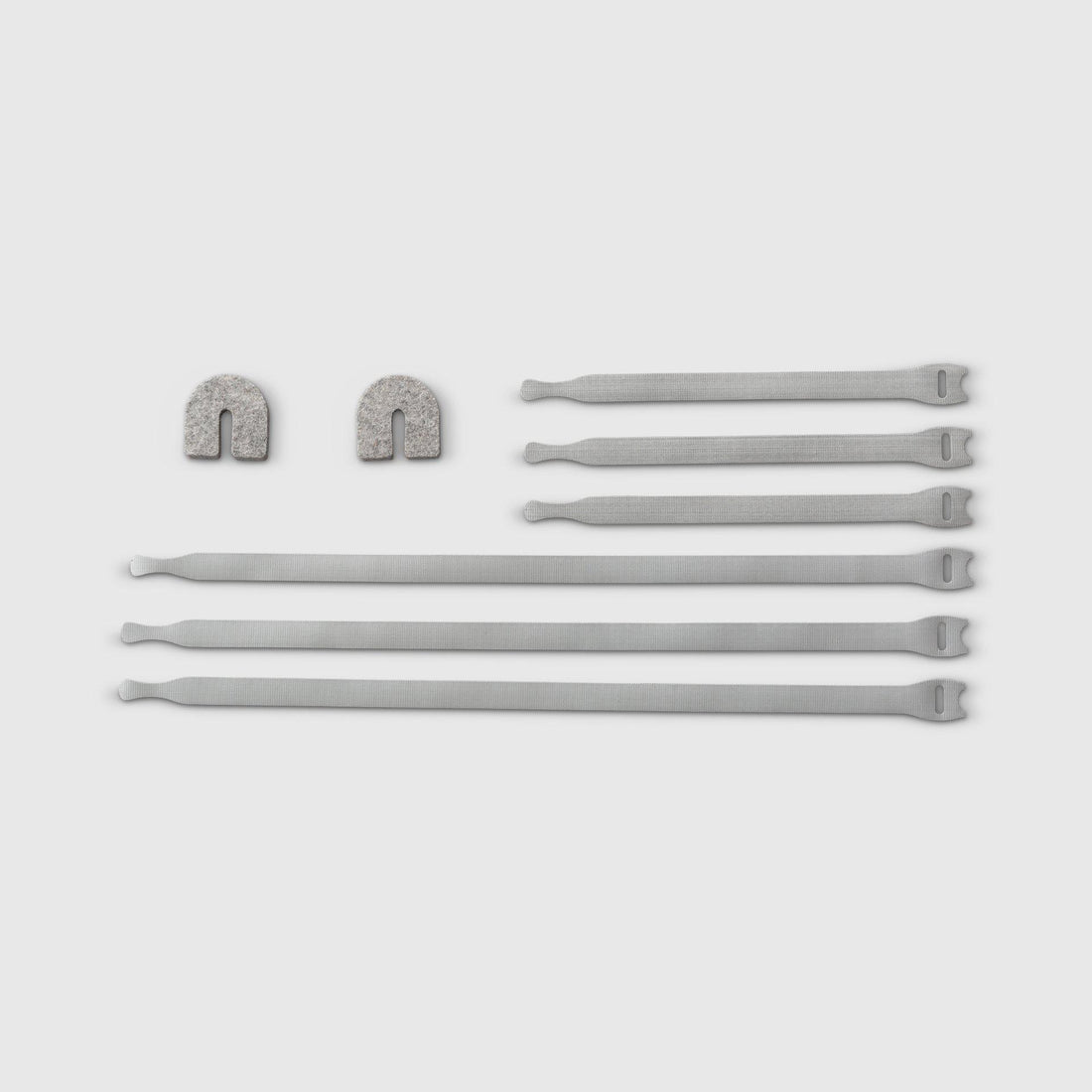
Cable management kits play a crucial role in maintaining an orderly environment by providing tools and accessories to properly route, bundle, and conceal cables. These kits often include cable clips, sleeves, ties, and channels that help users keep cords neat and accessible. The impact of a cluttered workspace on productivity cannot be overstated; research has shown that physical disorganization can lead to mental clutter, which hinders focus and reduces overall output. Employees working in cluttered environments may find it harder to concentrate, leading to increased stress levels and decreased job satisfaction.
Industries Benefiting from Efficient Cable Management
Several industries rely heavily on efficient cable management to maintain smooth operations. In the tech sector, for example, data centers are filled with servers and networking equipment requiring precise cable organization to ensure optimal airflow and prevent overheating. Without proper management, tangled cables can lead to equipment failure and costly downtime.
In the audiovisual industry, presentation setups need to be meticulously organized, as messy cables can distract from the message being delivered. Events such as conferences or concerts necessitate a visually clean environment, where cables are strategically hidden or secured to avoid trip hazards.
Healthcare facilities also depend on effective cable management. Medical devices often require multiple connections, and a tidy workspace not only promotes safety but also facilitates quick access during emergencies. Ensuring that cables are properly managed can play a pivotal role in patient care, allowing medical professionals to focus on their tasks without the distraction of tangled cords.
In educational environments, classrooms equipped with technology rely on neat cable management to foster an effective learning atmosphere. With interactive whiteboards, projectors, and other tools, managing cables ensures that students can engage without the clutter detracting from their learning experience.
In summary, the importance of cable management kits transcends mere aesthetics; they are essential for productivity, safety, and efficiency across various sectors. By investing in these organizational tools, businesses can create a more conducive workspace that fosters creativity and collaboration.
Key Components of an Effective Cable Management Kit
A well-organized cable management kit is essential for keeping your workspace tidy and functional. An effective kit not only enhances aesthetics but also improves safety and efficiency. By addressing the common issues of tangled wires and clutter, the right components can significantly contribute to a more productive environment.
One of the critical aspects of a cable management kit is its components. Each component serves a specific purpose, and combined, they create an organized system that makes managing cables easier and more efficient. Here are four essential components typically included in a cable management kit.
Cable Ties
Cable ties, also known as zip ties, are among the most common components found in cable management kits. These versatile fastening tools help bundle multiple cables together, preventing them from tangling or becoming a hazard.
- They are typically made from nylon, which provides durability and flexibility.
- Cable ties can come in various lengths and colors, allowing for customization based on the specific needs of your setup.
- Adjustable and reusable options are also available for those who may need to change configurations frequently.
Cable Sleeves
Cable sleeves provide an excellent solution for managing multiple cables running together. They offer protection against wear and tear while also improving the visual appeal of a setup.
- Common materials include woven fabric, neoprene, or expandable braided nylon, which are designed to be both sturdy and flexible.
- Cable sleeves not only conceal cables but also allow for easy access when adjustments are needed.
- They come in various sizes and colors to suit different applications and preferences, enhancing both functionality and aesthetics.
Cable Clips
Cable clips are essential for securing cables to walls, desks, or floors. They help keep cables in place and prevent them from becoming tripping hazards.
- Typically made from plastic or metal, these clips come in various designs, such as adhesive or screw-in options.
- Cable clips are available in multiple sizes to accommodate different cable thicknesses, providing a secure and neat finish.
- They also help in organizing cables by keeping them aligned and accessible, which is crucial in workspaces with multiple devices.
Cable Management Boxes
Cable management boxes offer a stylish and practical solution for hiding power strips, surge protectors, and excess cable lengths. They serve as both a protective enclosure and an organizational tool.
- These boxes are typically made from durable materials like plastic or wood, designed to withstand heat and protect cables from damage.
- Cable management boxes come in various designs, allowing them to blend seamlessly into different home or office decor styles.
- They not only keep cables hidden but also improve safety by reducing the risk of tripping hazards while allowing for easy access to power outlets.
Different Types of Cable Management Solutions Available in the Market
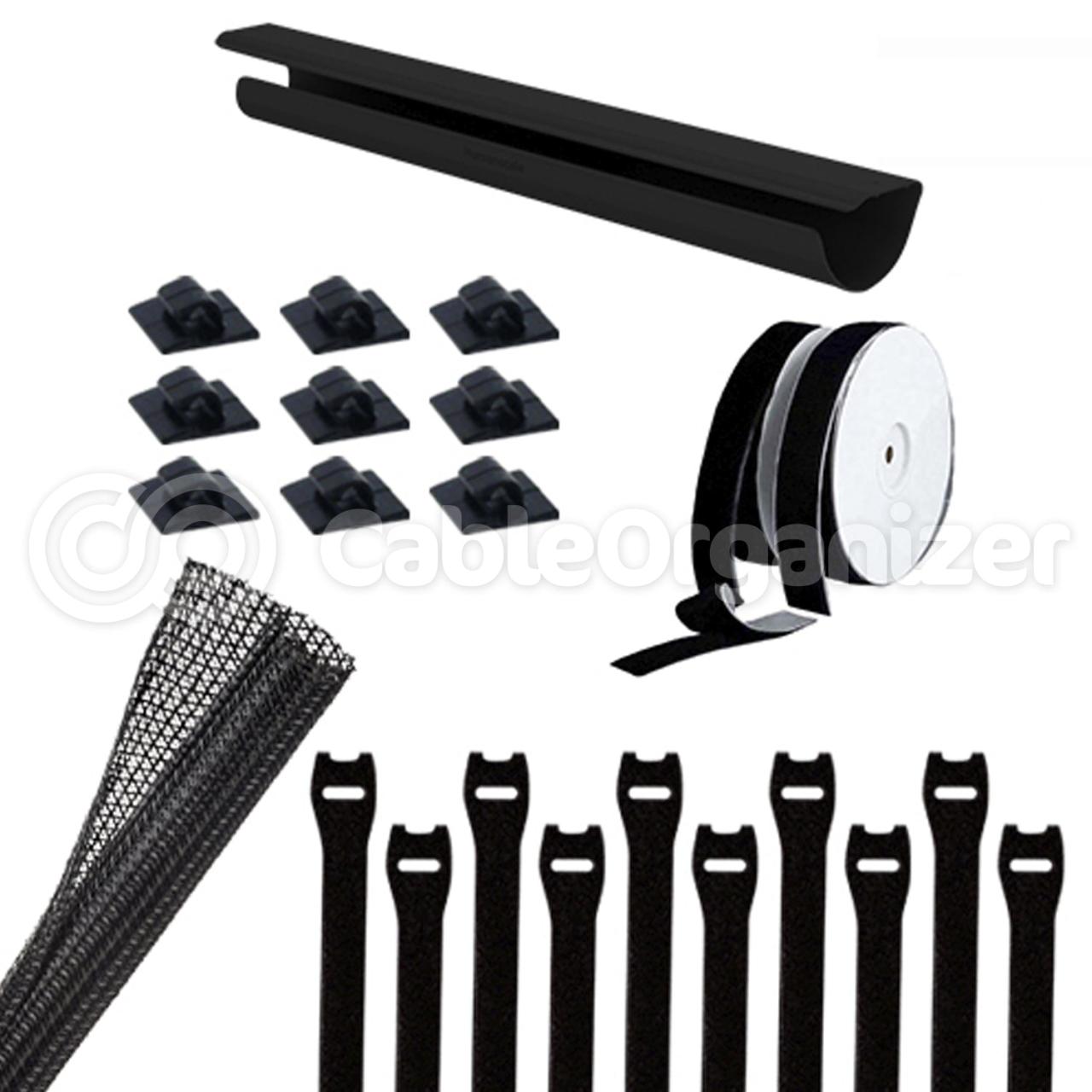
Cable management is essential in both home and office environments, not only for aesthetic purposes but also for safety and efficiency. With various solutions available, it’s important to understand the options and their specific applications. This guide will explore three popular types of cable management systems, highlighting their features, advantages, disadvantages, and pricing considerations.
Types of Cable Management Systems
There are several cable management systems available, each designed to meet specific needs. Below, we compare three common types: cable raceways, cable sleeves, and cable clips. Understanding these options allows you to select the most effective solution for your environment.
| System Type | Application | Advantages | Disadvantages | Price Range |
|---|---|---|---|---|
| Cable Raceways | Ideal for organizing cables along walls or ceilings. |
|
|
$10 – $50 per length |
| Cable Sleeves | Best suited for bundling multiple cables together. |
|
|
$5 – $30 per sleeve |
| Cable Clips | Effective for securing cables to surfaces. |
|
|
$2 – $15 per pack |
These cable management solutions cater to different needs and preferences. Each type has its own set of advantages and disadvantages, making it essential to consider the specific requirements of your space when choosing the right option. Pricing varies significantly depending on the type and quality, so it’s wise to evaluate your budget alongside the intended use of the cable management system.
Step-by-Step Guide to Installing a Cable Management Kit
Setting up a cable management kit can greatly improve the appearance and functionality of your workspace. A well-organized environment not only enhances productivity but also reduces the risk of accidents caused by tangled cords. This guide will walk you through the entire installation process, ensuring a clean and professional finish.
To start, it’s essential to gather all necessary tools and materials before diving into the installation. This preparation will help streamline the process and minimize interruptions.
Preparation and Planning
The first step in installing a cable management kit is to assess your workspace and plan how you want to organize your cables. Identifying key areas where cables tend to clutter is crucial for effective management.
- Determine the layout of your workspace and identify the devices that require cable management.
- Measure the length of cables you have and the distances they need to cover to select the appropriate cable management kit components.
- Sketch a simple layout on paper to visualize where each cable will run.
Proper planning sets the foundation for an organized and clutter-free environment.
Installing the Cable Management Kit
Once you’ve planned the layout, it’s time to install the cable management kit. Following these steps will ensure a smooth installation process:
- Clean the Area: Before applying any adhesive or mounting solutions, clean the surfaces where the cable management kit will be installed. Use a damp cloth to remove dust and dirt for better adhesion.
- Mounting Clips or Tracks: If your kit includes clips or tracks, secure them to the wall or furniture using screws or adhesive, following the manufacturer’s instructions. Ensure they are level for a neat appearance.
- Route the Cables: Start with the main power cables and route them through the management tracks or clips. Keep cables organized by type and function to avoid confusion later.
- Secure Loose Ends: Use cable ties or Velcro straps to secure any excess cable lengths and prevent them from dangling. This adds to the professional finish you aim for.
- Label Cables: For easier identification in the future, label your cables with tags or colored tape, indicating what each cable connects to.
Following these steps will help you achieve a neat and organized setup.
Tips for a Professional Finish
Achieving a professional-looking cable management setup requires attention to detail and some additional techniques:
- Use Color-Coded Cables: Opt for colored cables that match your decor or office theme. This not only enhances aesthetics but helps in identification.
- Positioning: Ensure that cables are hidden as much as possible, running along walls or under desks to keep them out of sight.
- Regular Maintenance: Periodically check the cables to ensure they are still organized, especially if you frequently add new devices.
A little extra effort in these areas can make a significant difference in the overall look of your workspace.
Avoiding Common Pitfalls
While installing a cable management kit, it’s essential to be aware of common mistakes that can lead to a cluttered environment.
- Overcrowding: Avoid cramming too many cables into one area, which can lead to tangles and confusion.
- Ignoring Lengths: Ensure you measure cable lengths accurately before installation to prevent excess slack, which can create a messy look.
- Neglecting Heat Dissipation: Be cautious of blocking ventilation ports on devices with cables, as this can lead to overheating.
Being mindful of these pitfalls will help maintain a clean and efficient workspace.
Innovative Cable Management Ideas for Home and Office Spaces
In today’s tech-driven world, maintaining an organized space is essential for both productivity and aesthetics. Effective cable management solutions can significantly enhance your environment, whether at home or in the office. Here, we explore some innovative ideas that not only streamline your cables but also contribute to a visually appealing setting.
Flexible Cable Trays and Raceways
Flexible cable trays and raceways are an excellent way to manage and hide cables in both home and office settings. These systems allow cables to be routed neatly along walls or ceilings, promoting an uncluttered look.
- Customizable Paths: With modular designs, you can adapt the trays and raceways to fit your unique space requirements. This flexibility makes it easy to add or reroute cables as needed, particularly useful in dynamic work settings.
- Color Coordination: Many cable trays come in various colors and finishes, allowing you to match them with your interior decor, enhancing the aesthetic appeal while keeping cables organized.
- Ease of Access: By keeping cables in trays, you can easily access them for maintenance or changes, reducing the hassle of tangled wires behind your desk or entertainment center.
Decorative Cable Clips and Holders
Integrating decorative cable clips and holders into your space can seamlessly blend functionality with style. These accessories allow for creative expression while ensuring that cables remain untangled and orderly.
- Artistic Designs: Available in various shapes and colors, decorative clips can add a pop of personality to your setup, transforming mundane cables into eye-catching elements.
- Functional Decor: Utilize wall-mounted holders that double as art pieces, making your cable management part of the overall decor rather than an afterthought, which enhances the ambiance of any space.
- Environmental Harmony: Opt for eco-friendly materials that not only serve the purpose but also align with sustainable practices, resonating with environmentally-conscious individuals.
Integrated Furniture Solutions
Utilizing furniture with built-in cable management systems can significantly declutter your environment. This approach combines utility and aesthetics, offering a sophisticated solution to cable chaos.
- Desk with Cable Management: Many modern desks feature hidden compartments for cables, allowing electronics to be used without visible wires. This creates a clean workspace, promoting focus and productivity.
- Entertainment Centers with Concealed Wiring: Custom entertainment units can be designed to manage all audiovisual cables, ensuring that everything from televisions to gaming consoles is neatly tucked away, maintaining a sleek appearance in living rooms or offices.
- Multi-Functional Pieces: Furniture that serves dual purposes, like ottomans with hidden storage for cables, provides a practical solution while enhancing the room’s overall design.
Incorporating these innovative cable management ideas not only enhances the functionality of your home or office but also contributes significantly to the overall aesthetic, creating a harmonious environment that fosters productivity and relaxation.
The Role of Cable Management in Safety and Maintenance
Effective cable management plays a crucial role in ensuring safety and ease of maintenance in both residential and commercial environments. Poorly managed cables can lead to a myriad of safety hazards, including tripping accidents and electrical faults, while organized cables provide accessibility for repairs and upgrades.
In residential spaces, messy cables can create tripping hazards, especially in high-traffic areas. Similarly, in commercial settings, cluttered cords can not only pose risks to employees and customers but can also impede emergency evacuations. Proper cable management practices, such as securing wires along walls or using cable trays, help mitigate these risks. Moreover, maintaining a tidy workspace improves the overall aesthetic, which can have positive implications for morale and productivity.
Safety Risks of Poor Cable Management
Inadequate cable management can lead to several significant safety risks, which include:
- Electrical Fires: Exposed or frayed cables can spark and ignite surrounding materials, leading to devastating fires. The National Fire Protection Association (NFPA) cites that electrical failures are a leading cause of residential fires.
- Tripping Hazards: Loose cables sprawled across floors can cause individuals to trip and fall, potentially resulting in serious injuries. This is especially concerning in bustling areas such as offices or public spaces.
- Equipment Damage: Wires that are not properly organized are prone to tangling and damage, which can lead to equipment malfunction. This can result in costly repairs and downtime.
“Keeping cables organized is not just about aesthetics; it’s about creating a safer environment.”
Incidents Caused by Inadequate Cable Management
Numerous incidents highlight the consequences of poor cable management, showcasing the need for proactive measures. One notable example occurred in a commercial kitchen where a tangled array of power cords led to an electrical fire, resulting in significant property damage and a temporary closure of the business. Similarly, a university experienced a major safety incident when students tripped over loose cables during a fire drill, causing panic and minor injuries.
These examples underline the importance of implementing effective cable management systems. By ensuring that cables are properly routed and secured, both residential and commercial spaces can significantly reduce the likelihood of accidents and enhance overall safety.
Maintenance and Accessibility Benefits
Effective cable management not only enhances safety but also simplifies maintenance tasks. Organized cables make it easier to identify and troubleshoot issues, allowing for quick repairs and reducing downtime. Furthermore, a well-managed cable system can extend the lifespan of electrical equipment by minimizing wear and tear.
For instance, in server rooms, maintaining a clear cable layout allows IT professionals to quickly access and service equipment without the hassle of untangling cords. This efficiency can lead to improved operational effectiveness and reduced maintenance costs over time.
“A well-organized cable system is key to efficient maintenance and prolonging the life of equipment.”
Choosing the Right Cable Management Kit for Your Needs
Selecting the perfect cable management kit goes beyond mere aesthetics; it involves understanding your specific needs and constraints. By considering various factors such as space availability, the number of devices, and personal style, you can make a decision that not only declutters your environment but also enhances functionality. Below, we explore key factors to help streamline your selection process.
Key Factors for Selection
When it comes to choosing a cable management kit, several factors must be taken into account to ensure it aligns with your requirements. Here are the primary considerations:
- Space Availability: Assess the area where the kit will be implemented. Limited space may necessitate more compact solutions like cable sleeves or adhesive clips, while larger spaces could accommodate bulkier options like cable trays.
- Number of Devices: Consider how many devices you will be managing. A kit designed for multiple devices might include larger organizers or racks, whereas a simple setup for fewer devices may only require basic clips or ties.
- Aesthetic Preferences: Choose a design that complements your decor. Some kits come in various colors and styles, allowing for a seamless blend with your workspace or home environment.
Comparing Options
To make an informed choice, it’s important to compare different cable management kits based on the previously mentioned factors. Evaluating kits can help clarify which option best suits your needs.
“A well-organized space can significantly reduce stress and increase productivity.”
- Under-Desk Organizers: Best for keeping cables hidden and out of sight, making them ideal for a clean workspace.
- Cable Sleeves: Perfect for bundling multiple cables together, which works well in tight spaces where individual cables might be distracting.
- Cable Trays: Suitable for larger setups, often used in offices or entertainment systems where device count is high.
Decision-Making Framework
Adopting a structured approach to decision-making can help finalize your choice efficiently. This framework involves evaluating your needs against available products.
- Identify Requirements: List your specific needs, such as the type and number of devices, and any design preferences.
- Research Options: Look into various products online or in stores, taking note of features and customer reviews.
- Match Criteria: Compare your initial list with potential kits, checking for compatibility in space, capacity, and aesthetic appeal.
- Evaluate Cost vs. Value: Consider your budget and weigh it against the features offered by each kit to determine which option provides the best value.
Last Word
In conclusion, investing in a cable management kit is more than just about aesthetics; it’s a step towards a more productive and safer workspace. By understanding the components, various solutions, and innovative ideas for installation, you can ensure that your environment remains organized and visually appealing. Remember, a tidy space not only looks good but also helps in reducing potential hazards and maintaining efficiency in your daily tasks. So go ahead, embrace the art of cable management!
FAQ Section
What is included in a typical cable management kit?
A typical cable management kit includes cable ties, cable sleeves, clips, and adhesive cable organizers, among other components.
How can cable management improve safety?
By preventing tripping hazards and ensuring cables are properly secured, effective cable management reduces the risk of accidents in both home and office settings.
Can I create my own cable management solutions?
Absolutely! DIY cable management solutions using common household items can be effective and cost-efficient.
How often should I rearrange my cable management?
It’s advisable to reassess your cable management setup whenever you add or remove devices, or at least once every few months to maintain order.
What are the long-term benefits of using a cable management kit?
Long-term benefits include improved productivity, reduced maintenance costs, and a safer working environment.