
 Zoe Nora
Over 80% of legendary vocal recordings from the golden age of radio used one transducer technology. Modern digital tools offer precision, yet many engineers still want the natural, velvety texture of a classic ribbon mic. We explain why these tools remain essential for professional warmth in today’s studio.
Knowing the difference in a ribbon mic vs condenser mic setup helps you choose for your recording space. We cover polar patterns, preamp gain requirements, and source compatibility to help you find the best ribbon mic. Our testing criteria focus on how these devices handle transients and frequency response in real-world scenarios.
Key Takeaways
- Ribbon transducers offer a unique, smooth high-frequency roll-off.
- Proper preamp selection is vital for low-output vintage designs.
- These tools excel at capturing natural room ambiance.
- Understanding sensitivity helps prevent damage during setup.
- They provide a distinct alternative to standard studio condensers.
- Modern versions often include active electronics for better versatility.
What is a Ribbon Mic?
In recording history, the ribbon microphone remains a sound icon. It captures smooth, natural audio that feels lifelike. Its unique design explains its lasting place in world-class studios.
Brief History of Ribbon Microphones
This technology dates to the early 20th century, with RCA developing the first commercially successful models. These early units changed broadcasting and music production with previously unattainable fidelity. Today, many engineers still seek a vintage ribbon microphone for digital recording warmth and character.
Modern manufacturers have refined these designs into passive and active versions. The core technology remains rooted in the past, but newer models offer greater durability and higher output. This evolution brings the classic sound to modern production workflows.
How Ribbon Mics Work
At the heart of every ribbon mic is a thin aluminum strip suspended in a powerful magnetic field. Sound waves make this ribbon vibrate, creating an electrical signal that matches air movement. For this reason, people often call them velocity microphones.
Most of these microphones use a figure-eight polar pattern, making them sensitive to sound from the front and back. This design creates the specific ribbon mic characteristics that engineers value. Because the ribbon is lightweight, it gently rolls off high frequencies and avoids harshness found in some designs.
Advantages Over Other Microphone Types
The right tool depends on how each design responds to a sound source. Ribbon microphones offer distinct benefits over standard dynamic or condenser models:
- Natural Sound: They provide a smooth, warm presentation that mimics how our ears perceive sound in a room.
- High-Frequency Detail: They capture complex harmonics without the artificial brightness often associated with modern condensers.
- Versatility: Their unique ribbon mic characteristics make them excellent for taming harsh sources like brass instruments or electric guitar cabinets.
Whether you use a modern recreation or a well-maintained vintage ribbon microphone, the result is a rich, musical tone. Adding these tools to your setup creates sonic depth that other technology may not match.
Top Benefits of Using Ribbon Microphones
We often choose a ribbon microphone to capture audio with exceptional realism and depth. These tools have a distinct sound that sets them apart from standard condenser or dynamic models. Knowing these strengths helps us use them well during daily recording sessions.
Warmth and Clarity in Sound
One of the most celebrated ribbon mic benefits is its smooth, natural high-frequency response. Unlike some microphones, these units offer a velvety top end that fits neatly into a mix.
They capture realistic transients without adding unwanted digital artifacts. That makes them ideal for sources that might sound brittle or thin with other gear.
Natural Response to Instruments and Vocals
Common ribbon mic applications include intimate performances, where these microphones are highly versatile. They shine on acoustic guitars, brass sections, and drum overheads, where balanced frequency response matters.
For vocalists, these microphones provide a rich, detailed sound close to the original performance. They also handle high sound pressure levels, making them favorites for loud electric guitar cabinets.
Durability and Longevity
Vintage models often seemed fragile, but modern engineering has greatly improved today’s build quality. Many current options are more roadworthy and can handle the rigors of a busy studio environment.
Proper care still matters, but the gap between these and other microphone types has narrowed. By choosing a well-constructed ribbon microphone, we gain a reliable tool for our creative needs for many years.
Key Features to Look for in a Ribbon Mic
When choosing a studio tool, learn the key ribbon mic characteristics for professional results. These details help you choose a mic that suits your recording space. For help, read our guide on how to choose the perfect ribbon microphone for your studio.
Frequency Response Range
Most engineers choose a ribbon microphone for its natural high-frequency roll-off. Unlike condenser mics, it has a smooth, warm top end that mimics human hearing. Choose a response that suits your source, such as acoustic guitars or brass instruments.
Also decide whether you need a passive or active design. Active ribbon mics have internal electronics that raise output, so they pair easily with standard audio interfaces. Passive models often need high-gain, low-noise preamps to work best.
Build Quality and Materials
The heart of any ribbon mic is a thin aluminum strip suspended between magnets. This delicate part needs a strong housing that protects it from physical damage. Choose high-quality shielding and durable metal frames for a longer life.
Ribbon thickness affects transient response and sensitivity. Thinner ribbons often capture faster transients, while thicker ones may better handle high-SPL sources. Always put build quality first so your investment lasts.
Polar Patterns
Most traditional designs use a figure-8 polar pattern that captures sound equally from front and back. The figure-8 pattern is among the most distinct ribbon mic characteristics and provides strong off-axis rejection. Aim the “null” points at unwanted noise for strong isolation in a busy room.
Learn to use this bidirectional pattern to capture natural room tone. With a ribbon microphone, remember that the rear is often slightly brighter than the front. Test both sides to find the right balance for vocal or instrument tracks.
Best Ribbon Microphones for 2024
Selecting the best ribbon mic means matching your recording needs with each unit’s unique character. We analyzed several models to help you find one that fits your studio workflow and sound goals.
Whether you are tracking drums or delicate vocals, the right microphone can transform your audio production. Our ribbon mic reviews show how designs perform across different ribbon mic applications, from guitar amplifiers to orchestral strings.
Avid Ribbon Mic Choices
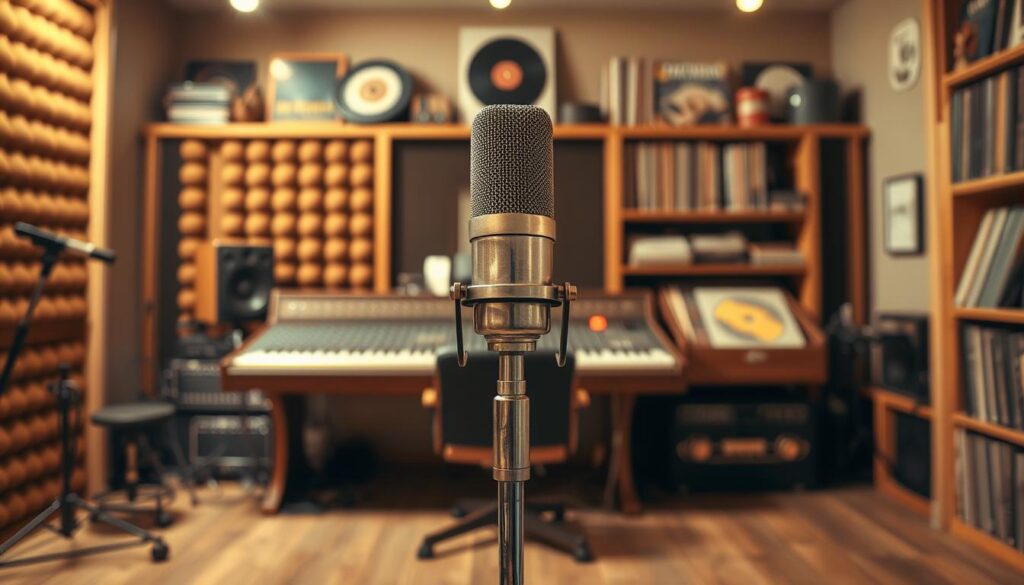
For passionate engineers, several models stand out for versatility and build quality. In professional setups, these workhorses provide a reliable, warm tone that digital recordings sometimes lack.
Many engineers choose these units because they handle high-frequency transients with grace. Their natural, smooth response helps tame harsh brass and overly bright acoustic guitars.
Budget-Friendly Picks
You do not need to spend a fortune to capture the classic ribbon sound. Several manufacturers now offer affordable models with vintage ribbon microphone qualities for home studios.
These entry-level models suit beginners who want to explore figure-eight patterns. They introduce the depth and realism that only a ribbon transducer can deliver.
Premium Options for Professionals
For projects that demand the highest fidelity, premium models offer unmatched precision. High-SPL designs, such as the AEA KU5A, capture loud sources like guitar cabinets without harming the delicate ribbon element.
Professionals seek these specialized tools for their exceptional transient response and low noise floors. A high-end unit helps recordings retain every nuance of the performance.
| Model | Best For | Key Feature |
|---|---|---|
| Beyerdynamic M 160 | Strings & Brass | Hypercardioid Pattern |
| AEA KU5A | High-SPL Sources | Active Electronics |
| Entry-Level Ribbon | Home Studios | Affordability |
Ultimately, your choice depends on your specific ribbon mic applications. Consider your main recording goals, then choose a vintage ribbon microphone style or modern equivalent for professional sound.
Comparing Ribbon Mics to Dynamic and Condenser Mics
Choosing between a ribbon mic vs condenser mic can feel daunting when building your studio. Each technology captures sound differently, so knowing the differences helps you choose for recording projects. Understanding each type’s strengths supports professional audio production.
Sound Quality Differences
The main difference involves how microphones handle transients and high frequencies. A ribbon microphone has a smooth, natural high-end roll-off that helps prevent harsh digital recordings. Condenser mics often offer fast transient response and a detailed, airy top end.
Dynamic microphones offer a robust, punchy sound and handle high sound pressure levels with ease. Condensers capture subtle nuance, while the ribbon mic benefits include warm, vintage character. This character can make digital tracks sound more organic and help match a microphone to your music’s mood.
Best Use Cases for Each Type
Your choice depends heavily on the source material you record. Condenser mics are the industry standard for vocals and acoustic instruments when fine detail matters. However, a ribbon microphone excels at taming bright sources, including electric guitar cabinets, brass sections, or drum overheads.
Dynamic mics remain workhorses for live stages and loud, aggressive sources. They are highly durable and resist volume levels that might damage sensitive equipment. We recommend keeping several types available so you are ready for any recording scenario.
Choosing the Right Mic for Your Needs
When choosing a microphone, consider your preamp capabilities and recording environment. Ribbon mics often need high-gain, low-noise preamps to perform well. In a noisy room or live setting, a dynamic mic may be safer because its lower sensitivity reduces background noise.
| Microphone Type | Best For | Key Characteristic |
|---|---|---|
| Ribbon | Guitar amps, Brass | Warm, natural sound |
| Condenser | Vocals, Acoustic | Detailed, fast response |
| Dynamic | Live, Drums | Durable, high SPL |
Ultimately, choose a microphone that matches your goals and desired sound. Experimentation is essential, because even a classic microphone may surprise you when used on an unconventional source. Balance technical needs with your creative vision to build a versatile, effective microphone collection.
How to Properly Use a Ribbon Mic
Unique ribbon mic characteristics require careful gain staging and placement. Learn how these microphones respond to sound sources for warm, detailed results. Whether you work in a studio or explore how to use ribbon mics for live, these guidelines help you use your gear.
Placement Techniques
Placement strongly affects the final tone. Many models use a figure-eight polar pattern. Use the null points on the sides to reject unwanted noise or instrument bleed.
Placing the mic closer to the source triggers the proximity effect, adding rich body and low-end weight to vocals or acoustic guitars.
Experiment with angles to find the sweet spot. If high frequencies sound too dark, angle the microphone slightly off-axis for a more balanced response. This flexibility makes ribbon mic applications diverse across musical genres.
Best Practices for Recording
Proper gain staging is vital with these sensitive instruments. Ribbon microphones typically have lower output, so pair them with a high-quality, low-noise preamp for a clean signal path. Always check phantom power before connecting, because sudden voltage spikes can damage older or fragile ribbons.
Monitor levels carefully to prevent clipping and capture the performance’s full dynamic range. Use a high-quality pop filter to protect the delicate ribbon element from sudden bursts of air. This simple step extends equipment life while preserving clear and warm sound quality.
Common Mistakes to Avoid
A frequent error is exposing the microphone to air gusts, such as vocal plosives or a kick drum’s air blast. Avoid moving the microphone while it is live because the ribbon element is sensitive to physical shock. Store the microphone upright to prevent the ribbon from sagging over time.
| Technique | Primary Benefit | Best For |
|---|---|---|
| Close Miking | Enhanced Proximity Effect | Vocals and Bass |
| Off-Axis Angle | Smoother High-End | Electric Guitar Amps |
| Null Point Alignment | Maximum Isolation | Live Room Recording |
| Distance Miking | Natural Room Ambience | Drum Overheads |
These best practices help you maximize the potential of your ribbon mic. Consistent care and thoughtful placement give recordings a professional, vintage-inspired character.
Maintaining Your Ribbon Microphone
Proper care helps preserve the unique sound of a vintage ribbon microphone. Unlike rugged dynamic models, these microphones contain a very thin metal strip that responds to slight air movement. Handle them with extra caution to keep them ready for years of studio use.
Cleaning and Care Tips
The key rule for any ribbon microphone is to keep it away from dust and debris. Use a protective cloth cover whenever the mic is not in active use. Never blow air into the motor assembly, because it can stretch or tear the delicate ribbon element.
If dust collects on the exterior grille, use a soft, dry brush to wipe the surface gently. Avoid liquid cleaners and compressed air near the capsule. A clean environment helps prevent particles from settling inside the housing.
Storage Recommendations
Proper storage is vital for equipment longevity. Store your mic upright whenever possible to prevent the ribbon from sagging over time. When transporting your gear, use a padded, shock-resistant case to protect it from impacts and vibrations.
Disconnect the cable before moving the microphone to avoid accidental tugs on the stand. Keep the unit in a stable, climate-controlled environment to protect its internal components from humidity and extreme temperature shifts. This habit helps maintain your vintage ribbon microphone’s consistent performance.
Troubleshooting Common Issues
Performance problems can sometimes seem concerning. If you notice low output or a dull high-frequency response, first check your cables and preamp gain settings. These symptoms often reflect ribbon mic characteristics, such as low sensitivity or impedance mismatching, rather than actual damage.
If you hear excessive noise or rattling, the ribbon may be misaligned or stretched. Do not open the motor assembly yourself. Professional repair is necessary to restore the ribbon microphone’s integrity.
| Maintenance Task | Frequency | Goal |
|---|---|---|
| Use protective cover | After every session | Prevent dust buildup |
| Check cable connections | Before recording | Ensure signal integrity |
| Store in upright position | Always | Prevent ribbon sag |
| Inspect for noise | Monthly | Identify ribbon mic characteristics |
Essential Accessories for Ribbon Microphones
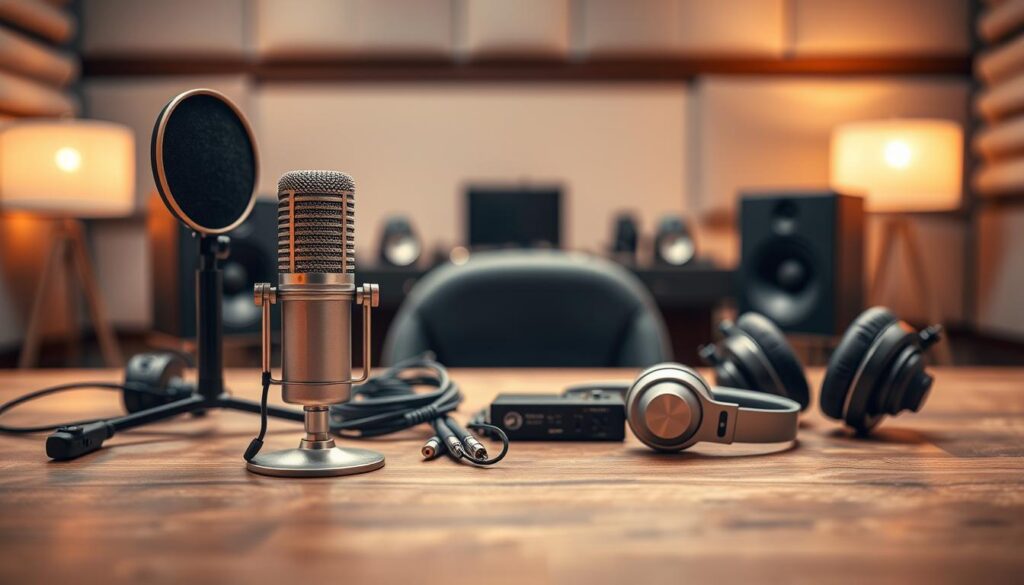
To maximize ribbon mic benefits, choose accessories that support these delicate instruments. The internal ribbon element reacts strongly to air pressure and movement, so proper tools protect sound quality and lifespan.
Pop Filters and Windscreens
A high-quality pop filter is perhaps the most important accessory for any ribbon mic. These filters stop sudden air bursts, called plosives, from striking the fragile ribbon. They diffuse air before it reaches the microphone, protecting the internal structure from stretching or tearing.
- Metal mesh filters offer excellent durability and are easy to clean.
- Nylon screens provide a softer, more natural sound for vocal recordings.
- Foam windscreens are essential if you plan to use your microphone outdoors or in drafty rooms.
Microphone Stands and Mounts
Stability is essential when working with this gear. We recommend a heavy-duty microphone stand to prevent tipping, which could severely damage the internal motor. A high-quality shock mount is also a key ribbon mic benefit because it blocks floor vibrations and handling noise.
Always ensure your stand is properly balanced. For a heavy ribbon microphone, add a counterweight to the boom arm for stability during long recording sessions.
Cables and Connectors
The signal path is only as strong as its weakest link. High-quality, shielded XLR cables maintain signal integrity and prevent unwanted interference. Ribbon microphones often have lower output levels, so use a clean, low-capacitance cable to prevent signal loss.
Check connectors regularly so they fit snugly into the ribbon mic chassis. A loose connection can cause intermittent signal drops or loud pops that may damage your speakers or microphone. Premium cables help capture every performance nuance without added noise.
Where to Buy the Best Ribbon Mics
People often ask where to find reliable audio gear in today’s crowded market. A trusted vendor can help you buy a ribbon microphone built for years of professional use. Whether you are buying your first unit or upgrading your studio, compare retail channels carefully.
Online Retailers
Major online retailers offer broad selections and helpful ribbon mic reviews. These sites often include specifications, user feedback, and clear return policies. Before buying, confirm the seller is authorized for full manufacturer warranty support.
Choose stores with clear descriptions and high-resolution images. For more advice, read our ribbon microphone buying guide for clear studio sound. Also check for technical support or post-purchase help for your model.
Local Music Stores
Local music stores let you test gear by hand. You can inspect build quality and sometimes audition the microphone in a controlled setting. Local staff may also provide quick repairs or advice about your signal chain.
“The best gear is the gear you have tested and trust; never underestimate the value of a local expert who can guide your purchase.”
Secondhand Options and Marketplaces
Used equipment can save money, but it requires extra caution. When buying a vintage ribbon microphone, ask whether it faced phantom power. Phantom power can damage its delicate ribbon element, so choose established models with documented service support instead of obscure or unverified vintage listings.
Inspect the ribbon if possible, or request a recent audio sample. Confirm the sale includes original accessories, such as the shock mount and storage case. If its condition is unclear, choose modern, well-maintained units from reputable sellers.
| Buying Channel | Selection | Testing | Warranty |
|---|---|---|---|
| Online Retailer | Excellent | None | Full |
| Local Store | Limited | Available | Full |
| Secondhand | Variable | Depends | None |
Conclusion: Finding Your Perfect Ribbon Mic
Choosing the right studio tool means balancing technical details with your creative goals. Look beyond the spec sheet, and hear how each model works with your instruments and room acoustics.
Key Factors for Your Selection
Consider how the transducer handles sound pressure levels and its natural frequency response. Match your preamp’s impedance to the microphone for the best performance. Explore detailed ribbon mic reviews to compare the Royer R121 and Beyerdynamic M160 in different recording settings.
Making the Best Choice
The best ribbon mic for your collection depends on your desired sound: modern and forward, or dark and vintage. Test different placement methods to hear the ribbon mic benefits, including natural roll-off and smooth transient response. Small distance changes can reveal hidden textures in your recordings.
Start Your Sonic Journey
Experiment with your gear on brass, strings, and acoustic guitars. Each session can teach you how a Ribbon mic captures air and detail. Trust your ears as you build your professional toolkit, and enjoy each piece’s distinct personality.