
 Zoe Nora
Did you know over 80% of legendary vocal tracks from the golden age of radio were captured with a single piece of aluminum foil? This fact shows why many engineers still use this professional microphone. It gives a warm, natural tone that digital gear often can’t match.
Choosing the right audio equipment can be tough with so many options. Our guide shows how these tools can improve your production quality.
By understanding this high-quality microphone, you can make better choices for your collection. We want to help you get clear studio sound with the best recording microphone technology.
Key Takeaways
- Understand the unique sonic characteristics of vintage-style transducers.
- Learn how to pair your gear with the right preamps for optimal gain.
- Discover why these tools are essential for capturing smooth, natural high frequencies.
- Identify the best maintenance practices to protect your sensitive gear.
- Gain confidence in selecting the perfect model for your specific vocal or instrument needs.
What is a Ribbon Microphone?
Understanding a ribbon microphone is key for producers aiming to improve their studio sound. These devices, though technically dynamic, work uniquely compared to standard models.
The vintage microphone look is often seen as a sign of high-end production. Moving away from common designs can bring a depth of sound hard to get with other tools.
Understanding Ribbon Technology
Every ribbon mic has a thin strip of conductive material, usually aluminum. It’s suspended in a strong magnetic field. This ribbon acts as both the diaphragm and the voice coil, making it very responsive to sound waves.
The ribbon’s low mass lets it capture high-frequency details smoothly. This is why studio microphones of this type are valued for their ability to soften harsh sounds while keeping things clear.
How Ribbon Microphones Work
When sound waves hit the ribbon, it vibrates in the magnetic poles. This creates a small electrical current. This process makes the signal path clean and free from phase distortion, unlike more complex vintage microphone designs.
Unlike standard dynamic ribbon mics, which have heavy coils, the ribbon’s lightness allows for a bidirectional or “figure-eight” polar pattern. This makes the ribbon microphone great for capturing room ambiance or recording two sources at once.
Advantages of Using a Ribbon Microphone
Looking for the best studio microphone? Ribbon models are often the top choice. They’re loved for their warm sound and smooth character. This is because they mimic human hearing, making them perfect for capturing real performances.
Warm Sound Profile
Ribbon microphones are known for their natural sound reproduction. They offer a warm, organic feel that’s missing in many modern condensers. This makes them ideal for music recording projects that need a vintage touch.
They’re also great at taming harsh sounds. They smooth out the edges, making your tracks sound cohesive and professional. Using a high-quality microphone like this can add depth and richness to your mix.
High-Frequency Replication
Some think ribbon microphones are dark, but they actually capture exceptional high-frequency detail. They pick up the air and nuance of a performance without adding harsh brightness. This results in a non-harsh sound that’s very pleasing.
These microphones are excellent at capturing the subtleties of acoustic instruments and vocals. They handle high frequencies beautifully, making them essential for any music recording setup. Choosing a ribbon mic can be the key to achieving a professional, timeless sound.
Popular Ribbon Microphone Brands
Some manufacturers have set the standard for ribbon technology for decades. Choosing a professional microphone from a trusted brand means you get a tool made for precision and lasting use. These brands have greatly influenced how we record sound today.
Royer Labs
Royer Labs is known for making the ribbon microphone popular again. Their top model, the Royer R-121, is found in top studios worldwide. They mixed the sensitivity of traditional ribbons with the durability needed for today’s music.
“The R-121 changed the way we think about recording electric guitars, offering a smooth top end that digital systems often lack.”
AEA
AEA, or Audio Engineering Associates, stays true to classic designs. Their R84 model is praised for its natural, vintage microphone sound and detail. We often choose AEA for a ribbon mic that captures the subtleties of acoustic instruments and vocals.
- Exceptional transient response
- Hand-built craftsmanship
- High-fidelity output
Shure
Shure is famous for their dynamic mics, but they’ve also made big contributions to studio microphone technology. Their ribbon mics are known for their reliability, which is what pros need. Adding these mics to your collection opens up a wide range of sound options.
When looking at these brands, think about what you want to achieve with your recordings. Whether you prefer Royer’s modern durability or AEA’s classic warmth, each brand has its own way to help you get professional results. Investing in a good ribbon mic will improve your recordings for years.
Different Types of Ribbon Microphones
Choosing the right studio microphone means knowing how different designs work with your equipment. There are many models out there, but knowing the main types makes picking one easier. By knowing what you need to record, you can find the perfect microphone for your setup.
Active vs. Passive Ribbon Microphones
The main difference is how they handle power. A passive ribbon microphone doesn’t need any power. It works well with good preamp quality for quiet sounds.
An active ribbon mic needs 48V phantom power. It has built-in electronics for a stronger signal and works better with many audio interfaces. If your interface has limited gain, an active mic is a better choice.
Classic vs. Modern Designs
There’s also a difference between old-style and new designs. Classic mics have thin ribbons for a smooth sound but need careful handling. They’re loved for their authentic sound and warm feel.
Modern ribbon mic designs are tougher and louder. They use new materials and protection to last longer. This lets engineers enjoy the classic sound without worrying about breaking the mic.
| Feature | Passive Ribbon | Active Ribbon |
|---|---|---|
| Power Requirement | None | 48V Phantom Power |
| Output Level | Low | High |
| Preamp Sensitivity | High Demand | Low Demand |
| Best Use Case | Loud Sources | Quiet Sources |
Key Features to Consider When Buying
Before buying a new studio microphone, check some key performance factors. Knowing these specs helps ensure your microphone fits your recording needs. This way, you get the best sound quality and protect your investment.
Frequency Response
The frequency response of a ribbon microphone shows how well it captures sound. Most are known for their natural sound without harsh high frequencies. Choosing a mic with a flat response lets you record instruments and vocals accurately.
Sensitivity and Impedance
Sensitivity shows how well a microphone turns sound into an electrical signal. Passive mics often need a good preamp for clean sound. Remember, passive ribbon mics can get damaged by phantom power. Always check your settings before connecting to avoid damage.
Build Quality
The build of a high-quality microphone is as crucial as its parts. A strong body guards the ribbon from shock and dirt. Look for durable housing and high-grade wiring for a long-lasting ribbon mic.
Best Uses for Ribbon Microphones
Exploring the best uses for a ribbon microphone shows why it’s a key tool in top studios. Some think they’re only for special tasks, but they’re really versatile for many music recording needs. Their natural sound capture makes them essential for today’s productions.
Vocals
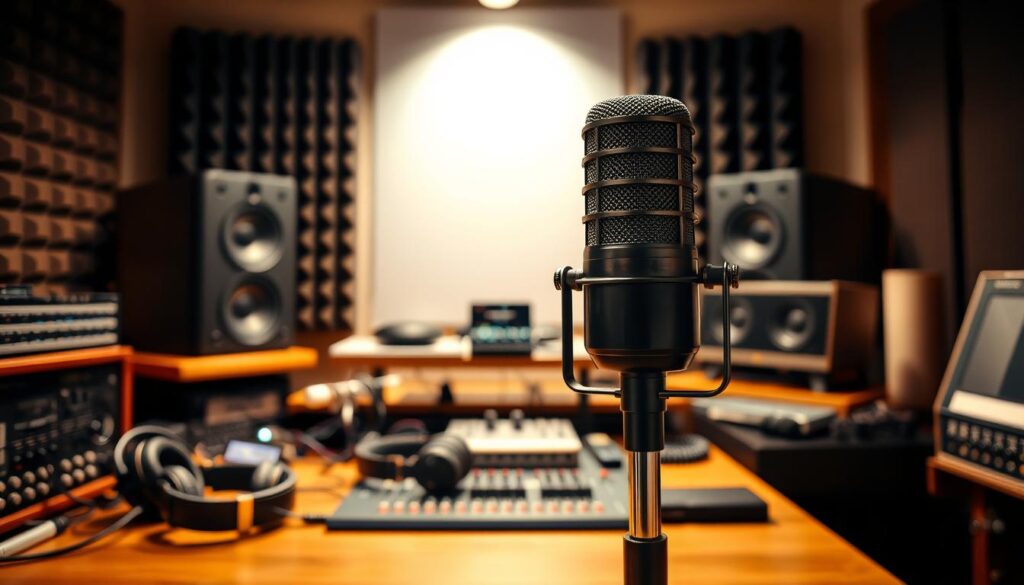
A ribbon mic adds a smooth, vintage touch to vocals. It softens harsh high sounds. This is great for singers with sibilance or thin voices. It creates a warm, close sound that blends well in mixes.
Acoustic Instruments
Ribbon mics are great for acoustic guitars, strings, and woodwinds. They pick up the fine details of these instruments. For clear sound, a high-quality recording microphone is key. Check out four places you never thought of using a ribbon mic to explore more.
“The ribbon microphone is the closest thing we have to the human ear, capturing the air and space of a performance with unmatched realism.”
Amplified Sounds
Many think ribbon mics are too delicate for loud sounds. But modern designs handle high levels well. They capture the unique texture of electric guitars without harshness. This makes them ideal for professional music recording where tone matters most.
| Source Type | Ribbon Benefit | Best Application |
|---|---|---|
| Vocals | Smooth Highs | Intimate Ballads |
| Acoustic Guitar | Natural Detail | Folk and Jazz |
| Electric Guitar | Warm Texture | Rock and Blues |
| Brass Sections | Tames Harshness | Big Band Jazz |
Choosing the right recording microphone is all about the sound you want. A ribbon mic adds depth to every performance. It’s a powerful studio microphone for any recording.
Setting Up a Ribbon Microphone
Getting a great recording starts with setting up your gear right. Making sure your studio microphone is ready captures every detail of your performance. Follow a few key steps to get your equipment working together for the best sound.
Placement Tips
When setting up your ribbon microphone, remember it’s a figure-eight pattern. This means it picks up sound from both sides and rejects it from the sides. Keep these tips in mind for your music recording sessions:
- Distance: Place the mic 12 to 18 inches away to manage the proximity effect.
- Angle: Try off-axis placement to soften harsh high frequencies on bright instruments.
- Room Acoustics: Since these mics are sensitive, make sure your room is treated to avoid unwanted reflections.
Connection to Audio Interfaces
A common challenge with a ribbon mic is needing a lot of gain. Many passive models need a lot of clean power to reach professional levels without noise. If your interface lacks high-gain pre-amps, getting a strong signal for your music recording can be tough.
To fix this, use an inline gain booster or a high-quality external pre-amp. This audio equipment gives the extra boost needed to bring your recording microphone to life. Always turn off phantom power unless you’re using an active model, as it protects the delicate internal components of your recording microphone.
By managing your gain staging well, you protect your audio equipment and get a clean, warm sound. Taking the time to calibrate your setup correctly will make a big difference in the quality of your final tracks.
Common Misconceptions About Ribbon Microphones
Many think ribbon mics are too delicate for today’s recording needs. But, this fear is mostly based on old myths. Modern mics are much more durable than you might think.
With proper care, these microphones prove to be reliable and strong. They are just as good as any studio microphone out there.
Durability Concerns
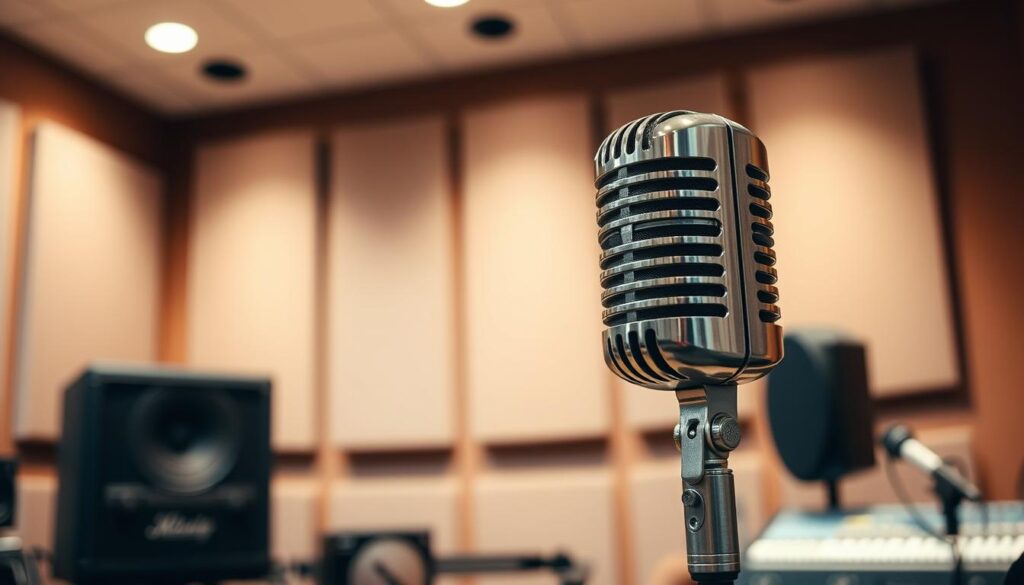
Some worry that ribbon microphones will break easily. But, thanks to new manufacturing methods, they’re much tougher than before.
Even older vintage microphones need some care. But, today’s models can handle the demands of a busy studio. Just avoid strong air blasts and store them right, and they’ll last a long time.
Performance in Live Settings
Another myth is that ribbon mics are only for quiet studio work. But, they’re also great for live performances. They work well on guitar amps, brass, and even drum overheads.
They’re known for their natural sound and ability to soften harsh tones. So, don’t think of them as just vintage microphones. They’re versatile for any professional setting.
| Common Myth | The Reality | Best Practice |
|---|---|---|
| Extremely fragile | Robust modern builds | Use a shock mount |
| Studio use only | Great for live sound | Protect from wind |
| Easily damaged | Handles high SPL | Professional handling |
Maintenance and Care for Ribbon Microphones
Understanding your audio equipment is key to success in the studio. Ribbon microphones have a thin metallic strip. They are very sensitive to air and physical touch.
Most makers include shock mounts with their products. These mounts protect the ribbon from vibrations. They are crucial for keeping the microphone safe.
Cleaning Guidelines
It’s important to keep your ribbon microphone clean. Never open the casing or touch the ribbon. Even a small breeze or finger can harm it.
Here are some easy steps to maintain your microphone:
- Use a pop filter during recording to stop moisture and air from hitting the ribbon.
- Put a protective bag on the studio microphone when not in use.
- Wipe the outside with a soft, dry cloth to keep dust out.
Storage Recommendations
Storing your ribbon mic right can make it last longer. Store it standing up to avoid the ribbon sagging.
Consistency is key in studio care. Here are some storage tips:
- Keep your ribbon mic in a place with controlled humidity to avoid damage.
- Unplug the cable before moving the microphone to avoid damage.
- Use the original hard case or a padded box to protect it from magnets and shocks.
By caring for your audio equipment well, your studio microphone will be reliable. A bit of extra care now can save you from expensive repairs later.
The Price Range of Ribbon Microphones
Finding the right balance between price and performance is key when setting up your studio. Investing in audio equipment is a big decision for engineers and musicians. Luckily, there’s a wide range of tools for both home and commercial setups.
Affordable Options
You don’t have to spend a lot to get a warm, vintage sound. Many brands now offer reliable ribbon microphones at lower prices. These are great for beginners who want to try ribbon technology without breaking the bank.
These entry-level models are perfect for acoustic guitars, drum overheads, and vocals. They give you a high-quality microphone experience without costing too much. They’re a great way to start exploring ribbon recording.
Premium Models
Premium options come with precision engineering and special parts. These professional microphones have hand-tuned ribbons and custom transformers for unmatched clarity. For example, the Royer R-10 is a great value, offering top-notch performance at a lower price than the R-121.
Investing in a premium ribbon mic means getting a tool that will last for decades. While it costs more upfront, the sound quality and durability make it essential in top recording studios.
| Category | Typical Use | Price Tier |
|---|---|---|
| Entry-Level | Home Studio | Budget-Friendly |
| Mid-Range | Project Studio | Balanced Value |
| Professional | Commercial Studio | Premium Investment |
The best ribbon mic for you depends on your recording goals. Whether you pick an affordable option or a high-end model, you’re adding a versatile tool to your collection. Take your time to choose the right professional microphone that fits your creative vision.
Conclusion: Choosing the Right Ribbon Microphone for You
Choosing the right gear changes how you create. A top-notch ribbon microphone adds a unique, warm touch to your music. This is something digital tools can’t match. Think about where and how you’ll use it before buying.
Every microphone has its own special qualities. They fit different voices and instruments in unique ways. Brands like Royer Labs and AEA offer professional-grade options. Shure is known for its classic sound.
Finding the right microphone is key to your music recording journey. Think about your budget and where you’ll record. A good ribbon mic is a long-term investment in your sound.
Try out different placements and gain settings to get the most from your mic. Share your experiences with others in your music community. Your feedback helps others find the perfect gear for their sound.