
 Zoe Nora
Best home sound systems can transform your everyday audio experience into something extraordinary. Whether you’re watching a movie or enjoying your favorite music, the quality of sound plays a crucial role in how you perceive and enjoy those moments. The right setup can elevate your home entertainment, making it feel like you’re part of the action or enveloped in a beautiful melody.
Factors such as speaker placement, room acoustics, and the type of sound system you choose are key to achieving optimal sound quality. From understanding the importance of these elements to exploring varying types of sound systems, this discussion will equip you with everything you need to know for creating a superior home audio experience.
{Understanding the Importance of Home Sound Quality}
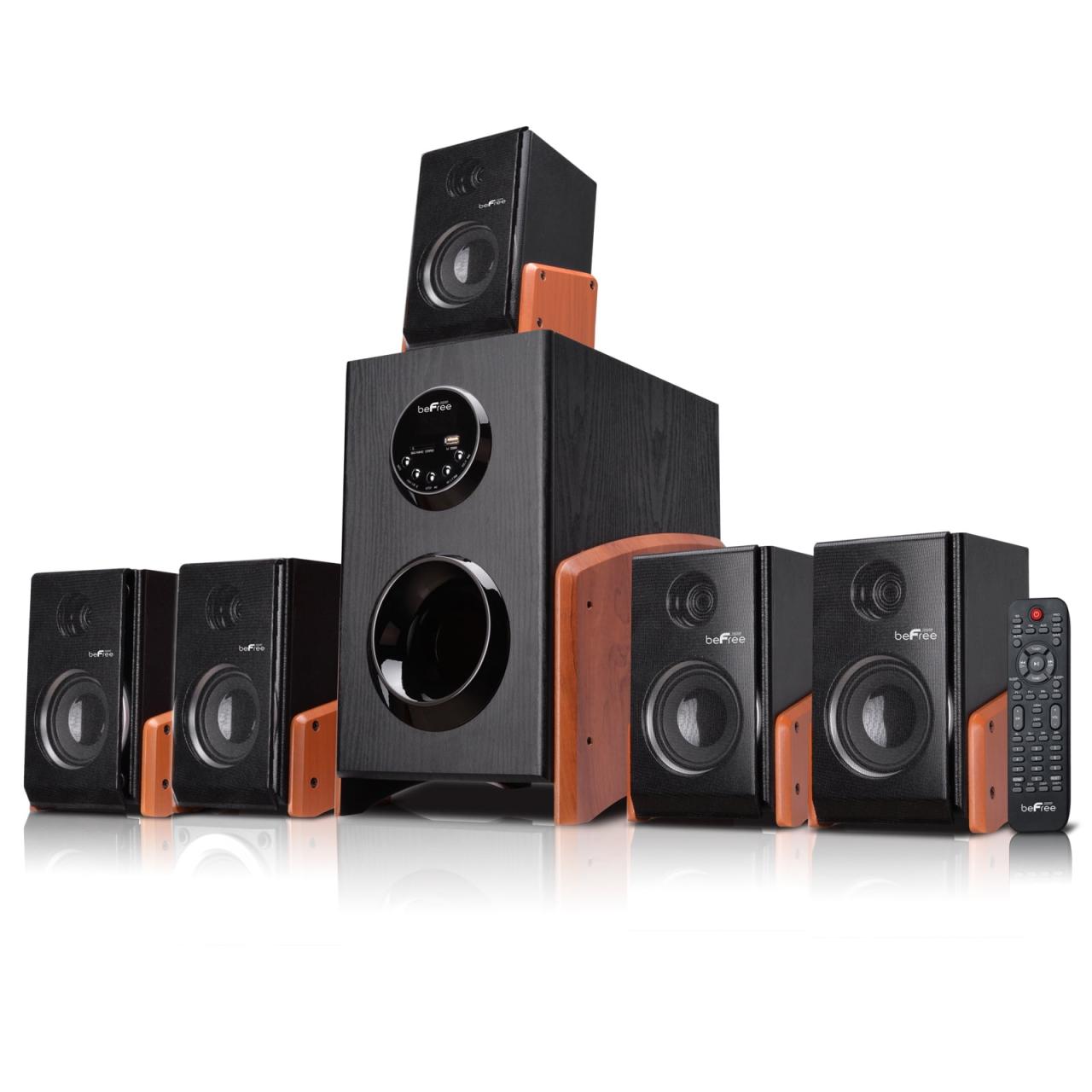
Creating an optimal home sound environment is essential for enhancing the enjoyment of music and films. The sound quality in a home setting plays a pivotal role in how audio is experienced, significantly impacting the overall entertainment value. Several factors contribute to the perception of sound quality, including the equipment used, room acoustics, and the positioning of speakers. Understanding these elements allows homeowners to create a more immersive listening experience.
The quality of sound in a home is influenced by various factors. Firstly, the type of audio equipment employed, such as speakers, receivers, and subwoofers, greatly affects sound output. High-fidelity components are designed to reproduce sound with clarity and accuracy, allowing users to experience music and movies as intended by the creator. Additionally, the placement of these components can drastically alter sound perception; for instance, speakers positioned at ear level and appropriately spaced can ensure a more balanced sound stage.
Room acoustics also play a crucial role in determining sound quality. Hard surfaces, such as tile or glass, can create echoes and reverberations that distort sound, while soft furnishings like carpets, curtains, and cushions help absorb excess sound waves, resulting in a clearer audio experience. In more complex setups, acoustic panels or bass traps may be employed to further refine sound quality by controlling specific frequencies. The size and shape of the room can also affect how sound waves travel, making it essential to consider these factors when designing a home sound system.
{Elements for an Optimal Sound Setup}
To achieve the best sound quality in a home environment, several key elements should be taken into consideration. These elements together help create a cohesive and enjoyable audio experience. Here are the essential components to focus on:
- Audio Equipment: Quality matters. Invest in high-performance speakers, amplifiers, and receivers to ensure optimal sound reproduction.
- Speaker Positioning: Proper placement of speakers, including distance from walls and angles, can significantly enhance sound clarity and depth.
- Room Acoustics: Use rugs, curtains, and soft furnishings to absorb sound. Consider adding acoustic panels to minimize reflections.
- Cable Quality: Utilizing high-quality cables can help minimize signal loss and ensure a clear audio transmission.
- Calibration: Regularly calibrate your sound system settings to adapt to changes in the room or equipment.
In summary, sound quality at home is not merely about having the latest technology; it involves a comprehensive understanding of various contributing factors that create an unparalleled audio experience. By focusing on equipment quality, speaker positioning, and room acoustics, homeowners can significantly enhance their enjoyment of movies and music alike.
Evaluating Different Types of Home Sound Systems
When it comes to enhancing the auditory experience in your home, selecting the right sound system is crucial. With a variety of options available, understanding the strengths and weaknesses of each type can help you make an informed decision that suits your space, preferences, and budget.
Sound systems can be categorized into several types, each offering unique features that cater to different needs. The main types include soundbars, surround sound systems, and multi-room audio setups. Each of these systems delivers audio in distinctive ways and can significantly impact your overall listening experience.
Comparison of Wireless and Wired Sound Systems
When deciding between wireless and wired sound systems, it’s important to consider installation convenience and performance quality.
– Wired Sound Systems:
– Installation typically requires running cables, which can be cumbersome but delivers a stable connection.
– Often provides superior sound quality, as it eliminates potential interference from other wireless devices.
– Usually more cost-effective in terms of audio fidelity, especially in high-end models.
– Wireless Sound Systems:
– Installation is straightforward with no cables required, allowing for flexibility in speaker placement.
– Offers the convenience of streaming music from various devices without physical connections.
– May experience latency issues or signal loss in certain environments, potentially affecting sound quality.
Both options have their merits, and the choice depends largely on the specific needs and layout of your home.
Overview of Soundbars
Soundbars are an increasingly popular choice for home audio enthusiasts looking for simplicity and space-saving designs.
– Soundbars are sleek, long speakers designed to simulate a surround sound experience without the need for multiple speakers.
– They often come with built-in subwoofers, enhancing bass without occupying extra space.
– Ideal for small to medium-sized rooms, soundbars deliver improved sound quality compared to built-in TV speakers.
However, they may not match the immersive experience of full surround sound systems.
Surround Sound Systems
Surround sound systems provide a dynamic audio experience that envelops the listener, creating an immersive environment.
– Typically consist of multiple speakers placed around the room, including a subwoofer for deep bass.
– Ideal for movie-watching and gaming, as they provide directional sound effects, enhancing the overall experience.
– Installation can be complex and may require professional setup to achieve optimal sound distribution.
While they offer superior audio performance, they require more space and can be more expensive due to the number of components involved.
Multi-Room Audio Setups
Multi-room audio setups enable users to enjoy music throughout different areas of their home simultaneously.
– These systems consist of several speakers strategically placed in different rooms, all controlled through a central hub or app.
– Users can play the same music across all speakers or different tracks in various rooms, offering flexibility for entertaining or personal use.
– They can integrate with smart home devices, adding convenience and modern functionality.
The drawback is that they can be more expensive and may require a reliable Wi-Fi network for seamless operation.
“Choosing the right sound system is about balancing your needs for space, sound quality, and ease of use.”
Key Features to Look for in the Best Home Sound Equipment
When investing in home sound equipment, understanding the core features is essential for a satisfying audio experience. Various specifications play a pivotal role in determining sound quality, performance, and suitability for your specific needs. This guide delves into those key specifications that will help you make informed purchasing decisions.
Essential Specifications in Sound Equipment
Several key specifications can significantly affect the performance of sound equipment. These include wattage, frequency response, and sensitivity. Each of these factors contributes to how your sound system operates and how well it can reproduce audio.
- Wattage: This indicates the power output of your sound system. Higher wattage generally means a louder sound and better performance in larger spaces. For example, a 100-watt speaker can produce sound levels suitable for a small to medium-sized room, while a 200-watt speaker may be necessary for larger areas.
- Frequency Response: This specification defines the range of frequencies a speaker can reproduce, measured in hertz (Hz). Typically, a wider frequency range allows for a more accurate representation of sound. A frequency response of 20 Hz to 20 kHz is standard for most audio equipment, covering the range of human hearing.
- Sensitivity: Sensitivity measures how efficiently a speaker converts power into sound. It is expressed in decibels (dB). A speaker with a sensitivity of 90 dB will produce louder sound at the same power level compared to a speaker rated at 85 dB. This factor is crucial for achieving optimal sound levels, especially in larger rooms.
Choosing Speakers Based on Room Size and Acoustic Properties
Selecting the right speakers involves more than just looking at specifications; understanding the room’s size and its acoustic properties is equally important.
In smaller rooms, speakers with lower wattage and sensitivity ratings may suffice. For instance, compact bookshelf speakers can effectively fill a small space without overwhelming it. Conversely, larger rooms often require floor-standing speakers with higher wattage to ensure sound reaches every corner without distortion.
Moreover, the room’s acoustic properties, such as wall materials and furniture placement, influence sound projection and clarity. Rooms with soft furnishings tend to absorb sound, while hard surfaces may reflect it. For best results, consider the following:
- Room Size: Measure the dimensions of your space to determine the appropriate speaker size and power. Larger rooms demand higher wattage and bigger speakers.
- Acoustic Treatment: Implementing acoustic panels or sound-dampening materials can enhance sound quality by reducing echoes and improving clarity.
- Speaker Placement: Positioning speakers away from walls and corners can minimize distortion and create a more balanced sound stage.
Setting Up Your Home Sound System for Optimal Performance
Setting up a home sound system can be an exciting project that significantly enhances your audio experience. Whether you’re a movie buff, a music lover, or a gamer, having the right setup can make a world of difference. This guide will help you achieve optimal performance from your home sound system by focusing on the installation process, speaker placement, room acoustics, and common troubleshooting tips.
Step-by-Step Installation Process
To ensure your home sound system functions at its best, follow these steps for a proper installation:
1. Gather Your Equipment: Before you begin, make sure you have all necessary components, including speakers, a receiver, audio cables, and any additional equipment like subwoofers or amplifiers.
2. Choose the Right Location: Select a central location in your room for the receiver. Make sure it has adequate ventilation and is easily accessible.
3. Run the Cables: Carefully run audio cables from the receiver to each speaker location. Use cable management solutions to keep everything organized and avoid clutter.
4. Connect the Speakers: Connect each speaker to the receiver using the appropriate cables. Ensure you’re matching the positive and negative terminals correctly to avoid phase issues.
5. Power Up: Once everything is connected, plug in the receiver and turn it on. Test each speaker to confirm they are functioning properly.
6. Configure Settings: Access the receiver’s settings menu to calibrate the audio output based on your room’s acoustics. Use provided tools or a calibration microphone if available.
Speaker Placement and Room Acoustics
The arrangement of speakers and consideration of room acoustics play crucial roles in sound quality. Proper speaker placement can enhance sound clarity and depth.
– Front Speakers: Place the left and right speakers equidistant from the primary listening position, at ear level when seated. The ideal angle between them should be about 60 degrees.
– Center Speaker: Position the center speaker directly above or below your display, aligned with the front speakers. This placement ensures dialogue sounds clear and anchored to the screen.
– Surround Speakers: Place surround speakers to the side or slightly behind the listening position, about 1-2 feet above ear level. This arrangement creates an immersive experience.
– Subwoofer: The subwoofer can be placed in various locations, but experimentation is key. Often, corner placement enhances bass response, but try different positions to find the best sound.
Room acoustics also significantly impact audio performance. Hard surfaces can cause echoes, while soft furnishings can absorb sound. To optimize your room:
– Use rugs, curtains, and upholstered furniture to minimize reflections.
– Consider acoustic panels or bass traps for problematic areas.
– Avoid cluttering the room, which can interfere with sound waves.
Troubleshooting Common Sound Issues
Even with careful installation, you may encounter sound issues. Here are some common problems and how to address them:
– No Sound from Speakers: Check all connections to ensure they are secure. Verify that the receiver is set to the correct input source.
– Distorted Sound: Ensure that the volume is not set too high, which can cause clipping. Additionally, check the speaker connections for any loose wires.
– Uneven Sound Levels: Use the receiver’s calibration feature to adjust speaker levels. You may need to manually adjust individual speaker levels based on your listening position.
– Echo or Reverberation: If you experience echoes, consider adding acoustic treatments to the room, such as carpets or wall panels, to absorb excess sound waves.
– Subwoofer Issues: If the subwoofer doesn’t seem to produce adequate bass, try relocating it. Positioning it in different corners can affect the bass response significantly.
“The right setup and placement of your sound system can transform your audio experience from just good to truly exceptional.”
The Role of Smart Technology in Home Sound Solutions
Smart technology has transformed the way we experience sound in our homes, making audio systems more versatile, accessible, and integrated. With the rise of smart home devices, homeowners are now able to enjoy a seamless audio experience that caters to their lifestyle and preferences. By utilizing smart technology, sound systems can enhance not only the quality of audio but also the overall user experience.
Integrating smart technology into home sound systems allows for a higher level of customization and control. Through the use of voice assistants and smart devices, users can easily manage their audio environments from the comfort of their couches or while on the go. This level of connectivity simplifies the user experience, making it more intuitive and enjoyable.
Integration of Voice Assistants and Smart Devices with Audio Systems
The combination of voice assistants, such as Amazon Alexa, Google Assistant, and Apple Siri, with home audio systems has revolutionized the way users interact with their sound environments. These voice-controlled systems enable users to play music, adjust volume, and even switch between different audio sources through simple voice commands.
The benefits of integrating these smart devices with audio systems include:
- Hands-Free Control: Users can control their sound systems without needing to physically interact with devices, making it more convenient, especially when multitasking.
- Personalized Experiences: Voice assistants can learn user preferences over time, curating playlists and suggesting music according to individual tastes.
- Multi-Room Audio: Smart technology enables synchronized music playback across different rooms, allowing for a cohesive listening experience throughout the home.
- Smart Home Integration: Audio systems can be integrated with other smart home devices, such as lights and thermostats, creating personalized scenes for activities like movie nights or parties.
The ongoing evolution in smart sound technology indicates promising trends for future residential settings. Expected advancements include more sophisticated AI algorithms that will allow sound systems to better understand user habits and preferences.
For example, emerging technologies may feature:
- Spatial Audio Technology: Enhanced sound systems that deliver immersive audio experiences tailored to the specific layout of a room.
- Adaptive Sound Control: Systems that automatically adjust audio settings based on environmental factors, such as room acoustics or background noise.
- Integration with Wearable Tech: Future sound solutions could interface with wearable devices, allowing users to customize their audio experience based on health data or activity levels.
In summary, smart technology has significantly impacted home sound solutions, enhancing user experience while paving the way for innovative developments in the audio space.
Budget-Friendly Options for High-Quality Home Sound
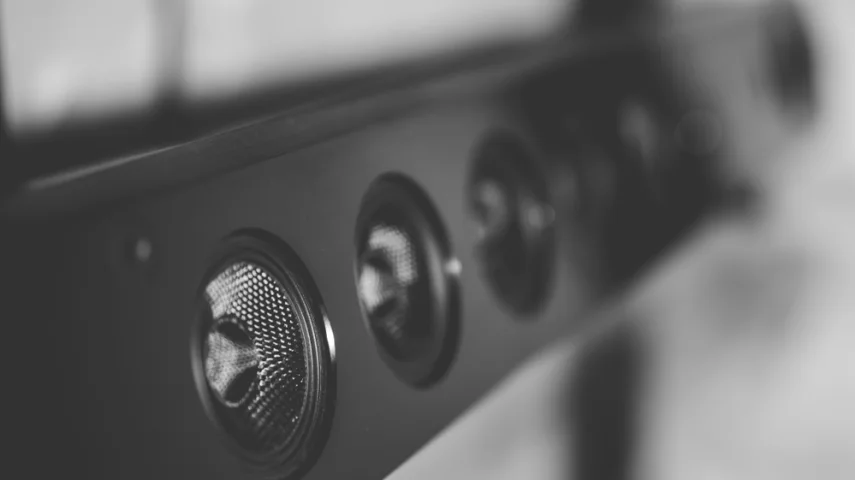
Finding an excellent home sound system on a budget is possible without sacrificing quality. With a plethora of affordable options available, consumers can enjoy an immersive audio experience that rivals high-end systems. This guide explores cost-effective sound systems and creative solutions to enhance sound quality in your home without overspending.
Cost-Effective Sound Systems
Several impressive sound systems deliver exceptional audio without the hefty price tag. These options provide a balance between affordability and performance, making them ideal for budget-conscious consumers.
- Sonos One SL: This versatile wireless speaker offers superb sound quality and integrates easily with existing Sonos systems. Priced at around $179, it provides multi-room audio and voice control capabilities.
- Yamaha YAS-209: A compact soundbar priced around $349, it delivers clear dialogue and rich bass with built-in Alexa voice control, making it a perfect choice for enhancing TV sound.
- JBL Flip 5: A portable Bluetooth speaker that costs about $119, the Flip 5 is waterproof and delivers powerful sound, making it great for both home use and outdoor gatherings.
These systems prove that you can achieve high-quality sound without breaking the bank. Many of these products also offer wireless connectivity and modern features, enhancing their value.
Comparison of Budget and High-End Options
When considering sound systems, comparing budget options with high-end counterparts helps consumers make informed decisions. High-end systems often provide additional features, but budget-friendly options can still deliver impressive quality.
- Budget Systems: Devices like the Amazon Echo Studio, priced around $199, offer robust sound and smart features, making them affordable alternatives to premium options.
- High-End Systems: Brands such as Bose or Bang & Olufsen typically range from $499 and above. These systems provide unparalleled sound quality, but the investment may not be necessary for casual listeners.
Consumers should consider their audio needs and usage frequency when deciding between budget and high-end options. For those who just enjoy music casually, budget systems often provide sufficient quality without the premium price.
DIY Solutions for Enhanced Sound
Do-it-yourself approaches can significantly enhance your home audio experience without the expense of purchasing new equipment. These creative solutions are perfect for those willing to dive into some hands-on projects.
- Speaker Stands: Building your own speaker stands using materials like wood or PVC can improve sound projection and reduce vibrations. Elevating speakers to ear level enhances audio clarity.
- Acoustic Panels: Creating DIY acoustic panels with fabric-wrapped foam or mineral wool can absorb sound reflections, improving room acoustics. Placing these panels strategically around your listening area can prevent echo and enhance audio clarity.
- Subwoofer Isolation Pads: Using isolation pads made from foam can minimize unwanted vibrations from subwoofers, resulting in a cleaner bass response. These can be easily made from materials found in hardware stores.
By implementing these DIY solutions, you can significantly enhance your home sound without incurring hefty costs. These projects promote a more tailored audio experience according to personal preferences and room characteristics.
Maintaining and Caring for Your Home Sound System
Proper maintenance and care of your home sound system is essential for ensuring longevity and preserving audio quality. Regular upkeep not only enhances performance but also helps to prevent costly repairs. Let’s explore the best practices for cleaning and maintaining your audio equipment, protecting it from potential damage, and addressing common issues that may arise.
Best Practices for Cleaning and Maintaining Audio Equipment
Keeping your audio equipment clean is vital for optimal performance. Dust, dirt, and debris can accumulate and affect sound quality. Here are some best practices for cleaning:
- Use a soft, dry microfiber cloth to gently wipe down surfaces. Avoid using abrasive materials that can scratch the finish.
- For stubborn spots, slightly dampen the cloth with water or a mild cleaning solution, ensuring no liquid seeps into openings.
- Regularly clean speaker grills and vents to prevent dust buildup, which can hinder sound output.
- Make it a habit to check and clean cables and connectors. Dirty connections can lead to poor audio quality and interference.
Tips for Protecting Sound Systems from Damage
Protecting your sound system from physical and environmental damage is crucial. Here are effective strategies to consider:
- Position equipment away from direct sunlight, moisture, and heat sources to prevent overheating and degradation.
- Use surge protectors to guard against power surges and electrical spikes that can damage sensitive electronic components.
- Invest in quality racks or shelves that can support the weight of your audio gear and keep it stable during use.
- Consider using dust covers when the equipment is not in use, which can shield against dust and accidental spills.
Common Issues with Sound Equipment and Prevention Strategies
Understanding common issues with sound equipment can significantly reduce maintenance woes. Here are some frequent problems and how to prevent them:
-
Intermittent sound issues are often caused by loose or damaged cables. Regularly inspect and securely connect all cables to ensure reliable performance.
-
Speaker distortion can result from overdriving the system. Avoid pushing equipment beyond its limits to maintain sound clarity.
-
Overheating can lead to shutdowns or damage. Ensure adequate ventilation around equipment and avoid stacking components directly on top of each other.
Maintaining and caring for your home sound system is not just about keeping it clean; it involves a comprehensive approach to protect and extend its lifespan. Treat your audio equipment with care, and it will reward you with superior sound for years to come.
The Future of Home Audio Experiences
As technology continues to evolve, the home audio landscape is experiencing a transformation like never before. Emerging innovations are not only enhancing sound quality but are also creating immersive audio experiences that were once considered the realm of professional theaters. With advancements in artificial intelligence, spatial audio, and connectivity, consumers are poised for an exciting future in home sound systems.
Emerging technologies and trends are shaping the future of home audio systems in significant ways. One of the most notable trends is the rise of smart speakers and voice-activated systems, which have become central to many households. These devices are equipped with advanced voice recognition and AI capabilities, allowing users to control their audio environments effortlessly. Furthermore, the integration of streaming services with high-resolution audio formats is setting new standards for sound quality, ensuring that consumers can enjoy their favorite music as it was intended to be heard.
Technological Innovations
Several innovations are leading the charge in the home audio experience. The following points highlight key developments:
- Spatial Audio Technology: This technology mimics a three-dimensional sound environment, allowing users to experience audio from various directions, enhancing immersion.
- Wireless Connectivity: Bluetooth and Wi-Fi technologies are paving the way for seamless audio streaming across multiple devices, creating a more flexible listening experience without the clutter of wires.
- Artificial Intelligence: AI is revolutionizing audio personalization, understanding user preferences to offer tailored sound profiles and playlists.
- High-Resolution Audio: Formats like FLAC and DSD are gaining popularity, appealing to audiophiles and enhancing the listening experience with richer sound quality.
- Home Theater Systems: Advances in surround sound technologies, such as Dolby Atmos, are redefining home entertainment, providing cinematic experiences in personal spaces.
Consumer preferences regarding home audio systems are evolving significantly as well. There is a growing demand for multi-room audio systems that allow users to enjoy consistent sound throughout their homes. Additionally, sustainability is becoming a priority for many consumers; they are looking for eco-friendly products and brands that align with their values. This shift is encouraging manufacturers to innovate not just in sound quality but also in the production and disposal of audio devices.
“The future of home audio lies in creating personalized, immersive experiences that resonate with individual lifestyles.”
The potential impact of advancements in sound technology on home entertainment is substantial. As sound systems become more integrated with smart home technologies, users can expect a level of convenience and customization previously unseen. For instance, systems that automatically adjust sound profiles based on room acoustics can provide optimal audio experiences without the need for manual calibration. Moreover, the blending of visual and audio elements through augmented reality (AR) and virtual reality (VR) technologies is set to enhance storytelling in entertainment, making users feel fully part of the narrative.
As these advancements continue to roll out, the home audio experience will not only cater to the traditional needs of music and media consumption but will also redefine how we interact with sound in our everyday lives.
Closure
In conclusion, investing in the best home sound system is not just about having high-quality audio; it’s about enhancing your entire home entertainment experience. With smart technology integration, thoughtful setup, and careful maintenance, you can enjoy consistent, high-fidelity sound that brings movies and music to life. As technology continues to evolve, staying informed will help you make the best choices for your audio needs and ensure your system remains top-notch for years to come.
FAQ Compilation
What factors most influence home sound quality?
The size and shape of your room, speaker placement, and the type of sound system you choose all play crucial roles in determining sound quality.
Are soundbars worth the investment?
Yes, soundbars offer a convenient and compact solution for improved audio, particularly in smaller spaces, without the complexity of a full surround sound system.
How can I enhance my existing sound system on a budget?
Consider upgrading components like speakers or adding acoustic panels to improve sound quality without the need for a complete system overhaul.
What is the ideal speaker placement for optimal sound?
Speakers should generally be positioned at ear level, angled towards the listening area, and spaced appropriately to avoid sound distortion.
How often should I maintain my home sound system?
Regular maintenance, such as cleaning and checking connections, should be done every few months to ensure optimal performance.