
 Zoe Nora
Audio system upgrade is not just about elevating your car’s sound quality; it’s about enriching your overall driving experience. As modern vehicles evolve, the demand for superior audio systems rises, enhancing every journey with vibrant soundscapes. Today’s drivers are not only looking for better sound but also for ways to increase their vehicle’s resale value, which an upgraded audio system can significantly influence.
Understanding the components that make up an audio system is essential in making informed decisions. From the head unit to speakers and amplifiers, each element plays a unique role in delivering an exceptional auditory experience. With the right upgrades, you can transform your vehicle into a mobile concert hall tailored to your musical preferences.
The Importance of Upgrading an Audio System in Modern Vehicles
Upgrading the audio system in modern vehicles has become increasingly essential as technology and consumer expectations evolve. A high-quality audio experience can significantly enhance the overall driving experience, elevating the joy and comfort of every trip. With the latest advancements in sound technology, upgrading your audio system isn’t just about better sound quality; it’s about connecting more deeply with your vehicle and its capabilities.
A modern audio system provides numerous benefits that contribute to an enriched driving experience. One of the primary advantages is the superior sound quality that contemporary systems deliver. This improvement transforms how music, podcasts, and navigation instructions are experienced while driving. Enhanced sound clarity ensures that audio is crisp and immersive, making it easier to enjoy your favorite tracks or catch important details during navigation. Additionally, many upgraded systems include connectivity features, allowing seamless integration with smartphones and other devices. This means drivers can access their playlists, make hands-free calls, and use voice commands, all while keeping their focus on the road.
Impact on Resale Value
Investing in an upgraded audio system can positively influence the resale value of a vehicle. Potential buyers often view a high-quality audio system as a desirable feature, making the vehicle more attractive in a competitive market. Quality upgrades symbolize care for the vehicle’s maintenance and an emphasis on the overall driving experience.
Here are some key points illustrating the impact of an upgraded audio system on resale value:
- Enhanced appeal: A premium sound system can differentiate a vehicle, making it stand out among similar models.
- Higher buyer interest: Vehicles equipped with modern audio systems often attract more inquiries and viewings, increasing the chances of a quick sale.
- Perceived value: Buyers may be willing to pay a premium for vehicles with superior audio systems, recognizing the added enjoyment they provide.
Common Reasons for Upgrading Audio Systems
Many individuals choose to upgrade their vehicle’s audio system for various reasons, driven by personal preferences and lifestyle needs. Understanding these motivations can provide insights into the growing trend of audio enhancements in vehicles.
Some common reasons for upgrading include:
- Desire for better sound quality: Enthusiasts often seek systems that deliver richer bass and clearer highs, enhancing music enjoyment.
- Increased functionality: Many opt for systems that support Bluetooth and smartphone integration, facilitating a more integrated driving experience.
- Customization options: Upgrades allow for personalized sound settings and features tailored to individual listening preferences.
- Technology upgrades: Newer systems often come equipped with advanced technology such as touchscreen interfaces, satellite radio, and built-in navigation systems.
“The right audio system can transform a simple commute into a delightful experience, making every drive memorable.”
Overall, upgrading an audio system stands as a testament to individual preferences and the modern standards of vehicle enhancements, reflecting a broader trend towards quality and functionality in automotive interiors.
Understanding Different Components of an Audio System
When upgrading your car’s audio system, it’s essential to grasp the various components that contribute to sound quality and overall performance. Each component plays a specific role in delivering an enhanced listening experience, from the initial sound source to the speakers that project the sound. Familiarizing yourself with these elements will help you make informed decisions about upgrades and improvements to your audio setup.
Various components come together to form a car audio system, and their functions are crucial to achieving optimal sound quality. The main components include the head unit, amplifiers, speakers, subwoofers, and wiring. The head unit, often regarded as the control center, plays music from various sources, such as Bluetooth, USB, or CDs. Amplifiers boost the audio signal, making it powerful enough for speakers, while speakers convert the electrical signals into sound. Subwoofers specifically handle low frequencies, creating the deep bass sound that enhances music genres like hip-hop and EDM. Quality wiring connects these components, ensuring efficient signal transfer and minimal interference.
Differences Between Standard and Premium Audio Components
Standard and premium audio components differ significantly in performance, build quality, and features. Standard components often provide basic functionality and acceptable sound quality, suitable for casual listeners. In contrast, premium components are designed for audiophiles, featuring superior materials, advanced technology, and enhanced sound quality. For instance, premium speakers typically have better sensitivity ratings, which means they can produce clearer sound with less power, while standard speakers may struggle with distortion at higher volumes. Furthermore, premium components often come with additional features, such as customizable equalizers and connectivity options, providing users with a richer listening experience.
Some essential components are necessary for a basic audio upgrade. Each piece plays a role in enhancing sound quality and overall performance.
- Head Unit: Upgrading to a high-quality head unit can significantly improve connectivity and audio control.
- Speakers: Replacing factory speakers with aftermarket options ensures better sound quality and clarity.
- Amplifier: Adding an amplifier boosts the audio signal, allowing for more power and improved sound dynamics.
- Subwoofer: Including a subwoofer enhances the bass response, adding depth to your music.
- Wiring: High-quality wiring is essential to prevent signal loss and ensure optimal performance across all components.
Upgrading these key components can lead to a noticeable improvement in the audio experience within your vehicle, resulting in a more enjoyable driving atmosphere.
Factors to Consider Before Upgrading Your Audio System
Upgrading your vehicle’s audio system can significantly enhance your driving experience, but it’s crucial to approach the process with careful consideration. The right choice can transform your journeys into immersive sound experiences, while the wrong decision may lead to dissatisfaction and wasted resources. Understanding the key factors involved in this upgrade will help ensure you make informed choices that align with your needs and preferences.
One of the primary considerations when upgrading your audio system is compatibility with your existing car features. New audio systems come with varying functionalities, and it is essential to ensure that the system you choose can integrate seamlessly with your vehicle’s existing components. This includes factors such as your car’s dashboard layout, steering wheel controls, and any factory-installed features that you wish to retain. A mismatched system can lead to installation issues, reduced functionality, or even damage to your vehicle’s electrical system.
Compatibility with Existing Car Features
Integrating a new audio system with your vehicle’s existing features is critical to maintaining a cohesive driving experience. It’s necessary to assess several factors:
- Factory System Integration: Determine if the new audio system can connect with the factory wiring harness. Systems designed for plug-and-play installation can save time and hassle during setup.
- Retaining Factory Features: If your vehicle has features like Bluetooth connectivity or steering wheel controls, ensure the new system supports these functionalities to avoid losing convenience.
- Physical Dimensions: Measure the space available in your car’s dashboard. Some systems may require additional modifications to fit correctly, which can complicate the installation process.
Budget Considerations During the Upgrade Process
Budgeting for your audio upgrade is an essential step that will influence your choices significantly. It’s important to have a clear understanding of your financial limits and how they relate to the features you want.
When planning your budget, consider the following aspects:
- Cost of Components: Account for the cost of the head unit, speakers, subwoofers, and amplifiers. Prices can vary widely depending on brand and specifications.
- Installation Fees: Professional installation may be advisable for complex systems. Be sure to factor this into your overall budget, as DIY installations can lead to unforeseen costs if issues arise.
- Future Upgrades: Consider investing in a system that allows for future upgrades, which can spread the expense over time and enable you to enhance your audio experience as your budget allows.
“Setting a clear budget not only helps in narrowing down your choices but also provides a framework for making informed decisions during the upgrade process.”
By carefully considering these factors and planning accordingly, you can ensure that your audio system upgrade meets your needs, enhances your driving experience, and provides lasting satisfaction.
DIY vs. Professional Installation of Audio Systems
When it comes to upgrading your audio system, the decision between a DIY installation and hiring a professional can significantly impact both the experience and the outcome. Understanding the advantages and disadvantages of each option is crucial for making an informed choice tailored to your needs.
Choosing to install an audio system by yourself can be both rewarding and challenging. On one hand, it allows for flexibility, cost savings, and a hands-on experience. On the other hand, it requires a level of technical skill and knowledge about audio equipment that may not be readily available to everyone. Conversely, hiring a professional ensures a high level of expertise and often guarantees a seamless installation, but it comes at a higher cost. Here’s a breakdown of the pros and cons.
Comparison of DIY and Professional Installation
Before deciding, it’s important to weigh the benefits and drawbacks of each method. Here’s a closer look:
- DIY Installation Pros:
- Cost-effective: Save money by avoiding labor costs.
- Personalized Experience: Customize the setup to your specific preferences.
- Learning Opportunity: Gain valuable skills and knowledge in audio systems.
- DIY Installation Cons:
- Time-consuming: May take longer than expected, especially for beginners.
- Potential for Mistakes: Risk of improper setup that can lead to poor performance.
- Limited Warranty: Many manufacturers’ warranties might not cover DIY installations.
- Professional Installation Pros:
- Expertise: Professionals have the experience and skills to ensure optimal performance.
- Time-efficient: Installation is typically quicker than a DIY attempt.
- Comprehensive Service: Many professionals offer ongoing support and maintenance.
- Professional Installation Cons:
- Higher Costs: Professional services can be expensive depending on the complexity of the installation.
- Less Control: You may have less say in the installation process and design choices.
- Scheduling Conflicts: Availability of professionals can delay the installation process.
Step-by-Step DIY Audio System Installation
For those who decide to go the DIY route, following a structured approach can make the process smoother. Here’s a basic guide to installing an audio system:
1. Gather Equipment: Ensure you have all necessary components, including speakers, amplifier, receiver, and cables.
2. Plan the Layout: Decide on the optimal speaker placement for your room. Consider acoustics and room size.
3. Install Speakers: Mount or place the speakers according to your layout. Ensure they are secure and positioned for best sound quality.
4. Connect Components: Use appropriate cables to connect the receiver to the amplifier and speakers. Follow manufacturer guidelines for wiring.
5. Power Up: Turn on the system and check for proper connections. Adjust settings as necessary for sound quality.
6. Test Audio Quality: Play various audio tracks to ensure the system performs well. Adjust speaker placement if needed.
Risks of Improper Installation
Improper installation can lead to a variety of risks that may affect both the performance and longevity of your audio system. Understanding these pitfalls is essential for a successful setup.
- Potential Risks:
-
Damage to Equipment: Incorrect wiring can cause shorts or damage components.
-
Poor Sound Quality: Misplacement of speakers can result in suboptimal acoustics.
-
Safety Hazards: Improper installation may lead to electrical hazards, such as fires.
-
Investing time in understanding the nuances of audio system installation can enhance your listening experience, whether you choose to tackle the project yourself or hire a professional.
Popular Brands and Models for Audio System Upgrades
Audio system upgrades can significantly enhance your listening experience, bringing music and sound to life like never before. With various brands and models to consider, it’s essential to know which ones stand out in terms of performance, reliability, and customer satisfaction. Here are some top-rated audio system brands and their standout features, along with customer feedback on specific models to help you make an informed decision.
Top-Rated Audio System Brands and Their Features
Numerous brands dominate the audio upgrade market, each with its unique selling points and innovations. Understanding these can guide your purchase. Below is a list of some of the most reputable brands and what they are known for:
- Bose: Renowned for its premium sound quality, Bose products often feature noise-canceling technology and sleek designs, making them ideal for both home and automotive use.
- JBL: Known for its powerful bass and durability, JBL speakers are popular among audiophiles and casual listeners alike, often used in both indoor and outdoor settings.
- Kenwood: A favorite for car audio systems, Kenwood provides a range of features, including Bluetooth connectivity, smartphone integration, and customizable sound profiles.
- Pioneer: This brand offers high-quality amplifiers and receivers with advanced features like multi-zone audio, great connectivity options, and user-friendly interfaces.
- Sonos: Known for its wireless multi-room audio systems, Sonos combines technology with design, allowing users to stream music from various sources seamlessly.
Customer Reviews and Feedback on Popular Models
Reviews from customers provide insight into the reliability and performance of specific audio models. Below are some widely appreciated models along with notable customer feedback:
- Bose SoundLink Revolve+: Users praise its 360-degree sound and portability, claiming it’s the best companion for outdoor gatherings.
- JBL Charge 4: Customers highlight its exceptional battery life and water resistance, making it a go-to option for beach trips and camping.
- Kenwood KDC-BT778HD: This car stereo is often lauded for its sound quality and Bluetooth connectivity, allowing seamless integration with smartphones.
- Pioneer VSX-LX504: Users appreciate its multi-channel audio capabilities and immersive surround sound, perfect for home theaters.
- Sonos One: Customers enjoy the smart features and quality sound, with many appreciating its compatibility with voice assistants.
Comparison of Feature Sets Across Different Brands and Models
To facilitate a better understanding of how these brands and models stack up against each other, the following comparison table Artikels key features:
| Brand | Model | Sound Quality | Connectivity | Portability | Smart Features |
|---|---|---|---|---|---|
| Bose | SoundLink Revolve+ | Excellent | Bluetooth | High | No |
| JBL | Charge 4 | Very Good | Bluetooth | High | No |
| Kenwood | KDC-BT778HD | Good | Bluetooth, USB | Medium | No |
| Pioneer | VSX-LX504 | Excellent | HDMI, Bluetooth | Low | Yes |
| Sonos | One | Very Good | Wi-Fi, Ethernet | Medium | Yes |
Investing in a quality audio system can drastically improve your entertainment experience, whether at home or on the go.
How to Optimize Your New Audio System for Maximum Performance

Properly optimizing your new audio system is essential to achieving the best sound experience possible. After installation, tuning and calibrating your system to suit your specific environment and preferences can make a significant difference. Moreover, maintaining your system will ensure long-lasting audio quality, allowing you to enjoy your favorite music genres to their fullest.
Importance of Proper Tuning and Calibration
After installing your audio system, it’s crucial to fine-tune and calibrate it for optimal performance. This process involves adjusting various settings such as speaker placement, equalization, and room acoustics to create the best sound quality tailored to your space.
An effective way to achieve this is by using a sound level meter to measure audio output at different listening positions. Aim for a balanced sound across all frequencies, which can be adjusted through your receiver’s equalizer settings. Additionally, consider utilizing automatic calibration tools available in many modern audio receivers that analyze your room’s acoustics and adjust settings accordingly.
Proper calibration can enhance audio clarity, reduce distortion, and create a more immersive listening experience.
Tips for Routine Maintenance
Routine maintenance is key to ensuring your audio system continues to deliver exceptional sound quality over time. Here are essential maintenance tips to consider:
- Regularly check and clean speaker connections to prevent corrosion and signal loss.
- Dust off components and speakers to avoid buildup that could affect sound clarity.
- Inspect cables for wear and tear, replacing any damaged ones to maintain signal integrity.
- Update software and firmware for your audio devices to benefit from the latest features and fixes.
- Consider periodic professional inspections for more complex systems to ensure everything is functioning optimally.
Establishing a routine maintenance schedule can help protect your investment and prolong the life of your audio system while maintaining sound performance.
Adjusting Settings for Different Music Genres
Adjusting the audio settings on your system according to the music genre can greatly enhance your listening experience. Different genres have unique sound profiles that can be better represented through specific adjustments. Here are the recommended settings for various genres:
- Rock: Increase bass levels to enhance the rhythm and impact of drums and guitars. A slight boost in mid-range frequencies can help vocals stand out.
- Classical: Emphasize higher frequencies to capture the nuances of strings and woodwinds, while ensuring that the bass remains balanced and not overpowering.
- Jazz: Focus on clarity in the midrange to highlight vocals and instruments. Adjust the treble for brightness without causing harshness.
- Hip-Hop: Pump up the bass levels for a powerful low-end presence, while maintaining clarity in the mid and high frequencies to ensure lyrical delivery is sharp.
- Pop: Keep a balanced EQ setting, with slight boosts in bass and treble to enhance the overall brightness and punch of the music.
Understanding these genre-specific adjustments allows you to tailor your audio experience, ensuring that each song is enjoyed as the artist intended.
The Future of Car Audio Systems and Emerging Technologies
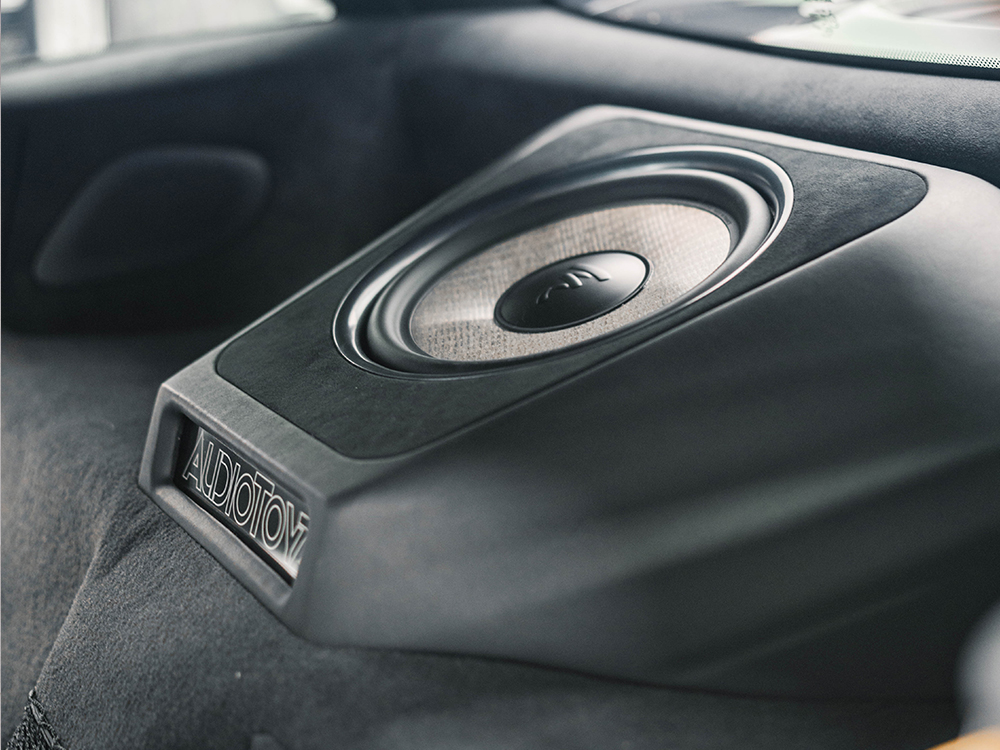
The evolution of car audio systems is on an impressive trajectory, driven by rapid technological advancements. As vehicles become more integrated with smart technology, the future of in-car audio systems is set to enhance user experiences beyond traditional listening. This discussion delves into the latest innovations and potential trends that will shape the landscape of car audio in the coming years.
Latest Technological Advancements in Audio Systems
Recent developments in car audio systems have introduced features that significantly elevate sound quality and user engagement. High-resolution audio formats, digital signal processing (DSP), and immersive sound technologies like Dolby Atmos are at the forefront. These innovations allow for a more dynamic listening experience, creating a surround-sound environment that was once reserved for home theaters.
Key advancements include:
- Wireless Audio Streaming: The integration of Bluetooth 5.0 and Wi-Fi technologies has made it possible to stream high-fidelity audio without the clutter of wires, enhancing convenience for users.
- Active Noise Cancellation: Advanced algorithms are being employed in car audio systems to reduce external noise, allowing for clearer sound and improved audio fidelity even in noisy environments.
- Adaptive Sound Systems: Some car audio systems are now equipped with sensors to adjust sound settings based on the environment, optimizing audio quality whether driving on highways or in urban settings.
Potential Trends Shaping the Future of Audio Systems
As consumer demands evolve, several trends are emerging that could significantly influence the direction of car audio systems. The demand for personalized experiences and seamless integration with mobile devices is on the rise.
Trends to watch in the coming years include:
- Integration with Smart Assistants: With the growing popularity of virtual assistants like Amazon Alexa and Google Assistant, car audio systems will increasingly feature voice control capabilities, allowing users to access music, navigation, and other functions hands-free.
- Enhanced Connectivity Features: The adoption of vehicle-to-everything (V2X) communication is expected to create new opportunities for audio systems, where cars can communicate with each other and external infrastructures for a smarter driving experience.
- Customized Audio Profiles: As artificial intelligence becomes more prevalent, audio systems may offer tailored sound profiles based on individual preferences and listening habits, ensuring each driver enjoys a unique audio experience.
Smart Technology Integration for Enhanced Audio Performance
Integrating smart technology into car audio systems enhances not just the sound quality but also the overall user experience. By leveraging machine learning and IoT capabilities, manufacturers can create systems that adapt to the user’s preferences and environmental conditions.
The benefits of smart technology integration include:
- Personalized Equalization: Smart audio systems can automatically adjust equalizer settings based on the genre of music being played and the acoustic properties of the car interior.
- Seamless Software Updates: With internet connectivity, car audio systems can receive regular software updates that improve performance and introduce new features without needing physical upgrades.
- Multi-Room Audio Experience: Future systems might allow for synchronized audio playback throughout the vehicle and even outside, seamlessly blending the sound experience with various environments.
“The future of car audio systems lies not just in better sound, but in creating a holistic audio experience that adapts to the user’s lifestyle.”
Cost Breakdown of Upgrading an Audio System
Upgrading an audio system can significantly enhance your listening experience, but it’s essential to understand the costs involved. This breakdown will provide insights into the various components required for a comprehensive upgrade, helping you establish a reasonable budget while considering both DIY and professional installation options.
Detailed Cost Analysis of Audio System Components
A comprehensive audio system upgrade typically involves several key components, each with its associated costs. Here’s a breakdown of the primary elements you might consider:
- Speakers: High-quality speakers can range from $100 for entry-level models to over $1,500 for premium options. Brands like Bose and Klipsch offer various models catering to different budgets.
- Amplifiers: Depending on the power output and features, amplifiers can cost anywhere from $200 to $2,000. A good starting point can be found in brands like Yamaha and Denon.
- Head Units: Modern head units with Bluetooth and touchscreen capabilities typically range from $100 to $600. Pioneer and Alpine are popular choices in this segment.
- Subwoofers: If you enjoy deep bass, consider investing in a subwoofer, which can cost between $150 to $1,000 depending on size and quality.
- Cables and Accessories: Don’t forget the cost of quality cables, connectors, and other accessories, which can add an extra $50 to $300 to your total.
“Understanding the breakdown of audio system components helps pinpoint where to allocate your budget effectively.”
Determining a Reasonable Budget for a Comprehensive Upgrade
To establish a realistic budget for your audio system upgrade, it’s crucial to consider your personal preferences, the existing setup, and the extent of enhancement you desire. Here’s a concise framework to guide your budgeting process:
- Assess Current Equipment: Evaluate what you already have and what needs upgrading. This can help you avoid unnecessary purchases.
- Set Priorities: Decide which components are most important to you. For instance, if sound quality is your priority, investing more in speakers and amplifiers may be wise.
- Research and Compare: Investigate various brands and models, comparing their features and prices to ensure you find the best value.
- Plan for Installation Costs: Factor in installation costs, whether you choose to do it yourself or hire a professional.
Cost Comparison of DIY Installations Versus Professional Services
When it comes to installation, you have the option of tackling it yourself or hiring a professional. Each option carries its own benefits and costs, which can significantly affect your overall budget.
- DIY Installations: Doing it yourself can save you a considerable amount of money, often ranging from $100 to $500, depending on the complexity of the installation. However, ensure you have the necessary skills and tools to avoid costly mistakes.
- Professional Installations: Hiring a professional can cost between $150 to $1,000 based on the scope of work. Professionals can guarantee a seamless installation, but this convenience comes at an additional price.
“Choosing between DIY and professional installation can impact your total investment, so weigh the pros and cons carefully.”
Ultimate Conclusion
In conclusion, upgrading your car’s audio system is a worthwhile investment that enhances both enjoyment and resale value. With a plethora of options available, it’s crucial to choose components that match your needs and budget. Whether you opt for a professional installation or decide to tackle it as a DIY project, the right approach will lead to an enriched driving experience that resonates long after the engine stops.
Commonly Asked Questions
What are the benefits of upgrading my audio system?
Upgrading your audio system improves sound quality, increases resale value, and can elevate your overall driving experience.
How do I know which components to upgrade first?
Start with the head unit for better functionality, followed by speakers for improved sound quality.
Can a DIY installation be as good as professional installation?
While a DIY installation can save costs, professional installation often ensures better performance and minimizes risks of mistakes.
How much should I budget for an audio upgrade?
Budget varies widely, but a reasonable estimate for a complete upgrade can range from $300 to $1500, depending on components and installation.
Are there any risks associated with upgrading my audio system?
Yes, improper installation can lead to electrical issues or damage to your vehicle’s existing systems.