
 Zoe Nora
Hifi audio systems are more than just a collection of speakers and amplifiers; they’re gateways to an unparalleled listening experience. When you delve into the world of Hifi audio, you discover a realm where every note, every instrument, and every subtle nuance is brought to life with stunning clarity. Whether you’re a seasoned audiophile or a curious newcomer, understanding the components and technology behind Hifi audio is essential for appreciating the artistry of sound.
This journey begins with the basic components that make up a Hifi audio system—amplifiers, speakers, and sound sources—each playing a crucial role in delivering high-fidelity sound. With various brands renowned for their craftsmanship, such as Bose, Yamaha, and Sonos, one can explore a diverse range of products tailored to enhance audio performance. As we navigate through the intricacies of sound quality and the technology that drives it, the significance of Hifi audio becomes increasingly evident.
Understanding the Basics of Hifi Audio Systems
A HiFi audio system, short for high fidelity, is designed to reproduce sound as accurately as possible, closely resembling the original performance. It is composed of several fundamental components that work together to deliver an exceptional listening experience. Understanding each part’s role is essential for audio enthusiasts who want to appreciate the nuances of sound quality.
The main components of a HiFi audio system include the source, amplifier, and speakers. Each of these parts plays a vital role in how audio signals are processed and ultimately delivered to the listener.
Fundamental Components of HiFi Audio Systems
The source is where the audio is initially housed, be it a vinyl record player, CD player, or digital streaming device. It serves as the origin of the sound signal, influencing the audio quality from the get-go. High-quality sources ensure that the sound captured is as true to the original recording as possible. For instance, brands like Rega are renowned for their turntables, which offer exceptional performance in vinyl playback.
Next, the amplifier takes the weak audio signal from the source and boosts it to a level that can drive the speakers. Amplifiers can vary greatly in design and quality, affecting the overall sound output. A high-quality amplifier ensures that the integrity of the sound is maintained, preventing distortion and noise. Brands like Marantz and Denon are notable for their reliable amplifiers that cater to audiophiles seeking optimal sound clarity.
The speakers are the final link in the audio chain, converting electrical signals back into sound waves. The type and quality of speakers can heavily influence the listening experience. Dynamic speakers, electrostatic speakers, and planar magnetic speakers each offer distinct sound characteristics. For example, Bowers & Wilkins is famous for its high-end speakers that deliver exceptional clarity and detail, appealing to discerning listeners.
To summarize, understanding the interaction between these components is essential for anyone looking to build or upgrade their HiFi audio system. The source, amplifier, and speakers synergistically contribute to the overall audio experience, with brands like Rega, Marantz, and Bowers & Wilkins leading the market in quality and performance. By investing in quality components, audiophiles can enjoy a richer, more dynamic listening experience that brings their favorite music to life.
The Importance of Sound Quality in Hifi Audio
Sound quality plays a crucial role in the realm of HiFi audio, as it fundamentally influences the overall listening experience. Audiophiles and casual listeners alike seek music that not only sounds good but also resonates with the emotional and artistic expression of the original recordings. The distinction between HiFi audio and standard audio systems lies in the fidelity with which sound is reproduced. This quality of audio can make a significant difference in how we perceive and enjoy music, movies, and other audio content.
When discussing sound fidelity, it is essential to recognize that it encompasses various elements, including frequency response, dynamic range, distortion, and imaging. Each of these aspects contributes to creating a rich and immersive sound experience. For instance, a HiFi audio system can reproduce the subtle nuances and harmonics of instruments that lower-quality systems may overlook. This fidelity to the original sound can transport listeners to the recording environment, making them feel as though they are experiencing the performance live.
Sound Fidelity and Listening Experience
The relationship between sound fidelity and the listening experience is profound. High-fidelity systems can deliver audio with remarkable clarity and depth, which significantly enhances how music is perceived.
– Clarity of Sound: HiFi audio systems excel in reproducing clear and detailed sound. For example, when listening to a classical orchestra, the individual instruments can be heard distinctly, allowing the listener to appreciate the composition’s intricacies. In contrast, standard audio systems might produce a muddled sound, making it challenging to differentiate between instruments.
– Dynamic Range: HiFi systems provide a broader dynamic range, capturing both the softest whispers and the loudest crescendos without distortion. This capability allows the listener to experience the full emotional impact of a piece of music, enhancing enjoyment.
– Distortion Minimization: Distortion can significantly dampen the listening experience. High-fidelity audio systems are designed to minimize unwanted distortion, ensuring that the music remains true to its original form. This contrasts with standard systems, where distortion can alter the sound and detract from the enjoyment.
– Imaging and Soundstage: HiFi audio excels in creating a realistic soundstage, allowing listeners to perceive where each sound is coming from in relation to their position. This aspect can make a listener feel as if they are in the center of a live performance, whereas standard systems often present sound from a more compressed and artificial perspective.
HiFi audio systems allow for a more engaging and emotionally resonant experience, often resulting in listeners spending longer periods enjoying music or other audio content. In contrast, standard audio systems may suffice for casual listening but typically lack the immersive quality that high-fidelity sound provides. Overall, the investment in sound quality is not merely about better equipment; it enhances the connection to the music, making every note and nuance matter.
“The difference between HiFi and standard audio can be likened to viewing a high-resolution image compared to a pixelated one—the details matter.”
The Role of Technology in Advancing Hifi Audio
The evolution of HiFi audio systems has been profoundly influenced by technological innovations that have redefined how we experience sound. From the early days of vinyl records to modern digital streaming, technology has played a critical role in enhancing audio quality and user convenience. As we delve into the advancements that have shaped the HiFi landscape, we see how these technologies not only improve sound reproduction but also elevate the overall user experience.
Key Technological Advancements
Technological innovations such as digital signal processing (DSP) and wireless connectivity have significantly impacted HiFi audio systems. These advancements enable users to enjoy higher-quality audio with greater convenience and flexibility.
Digital signal processing allows for the manipulation and enhancement of audio signals, resulting in clearer and more detailed sound reproduction. This technology facilitates various functions, including equalization, noise reduction, and dynamic range compression, which ensures that listeners can enjoy their music in the most optimal way possible. For instance, high-end audio systems equipped with DSP can automatically adjust the audio output based on the acoustics of the room, providing a tailored listening experience.
Wireless connectivity has revolutionized how we consume audio. With the introduction of technologies like Bluetooth and Wi-Fi, users can stream music from their devices without the constraints of physical cables. This flexibility not only makes it easier to connect various audio sources but also contributes to a cleaner and more organized setup. Wireless audio streaming also allows for multi-room configurations, where users can play music throughout their home with synchronized sound, enhancing the overall listening experience.
The impact of these technologies on sound reproduction is substantial. For example, the use of high-resolution audio formats, made possible by advancements in digital compression and streaming, offers a level of detail and clarity that was previously unattainable. Users can now enjoy studio-quality sound directly from their favorite music apps, thanks to codecs like FLAC and ALAC that preserve audio fidelity.
In addition to improving audio quality, these technological innovations have simplified user interactions with HiFi systems. Intuitive interfaces, voice control, and smartphone integration allow users to access their music effortlessly, creating a seamless audio experience that caters to modern lifestyles. As technology continues to evolve, we can expect even more enhancements that will refine and enhance our auditory experiences.
Evaluating Hifi Audio Equipment for Beginners
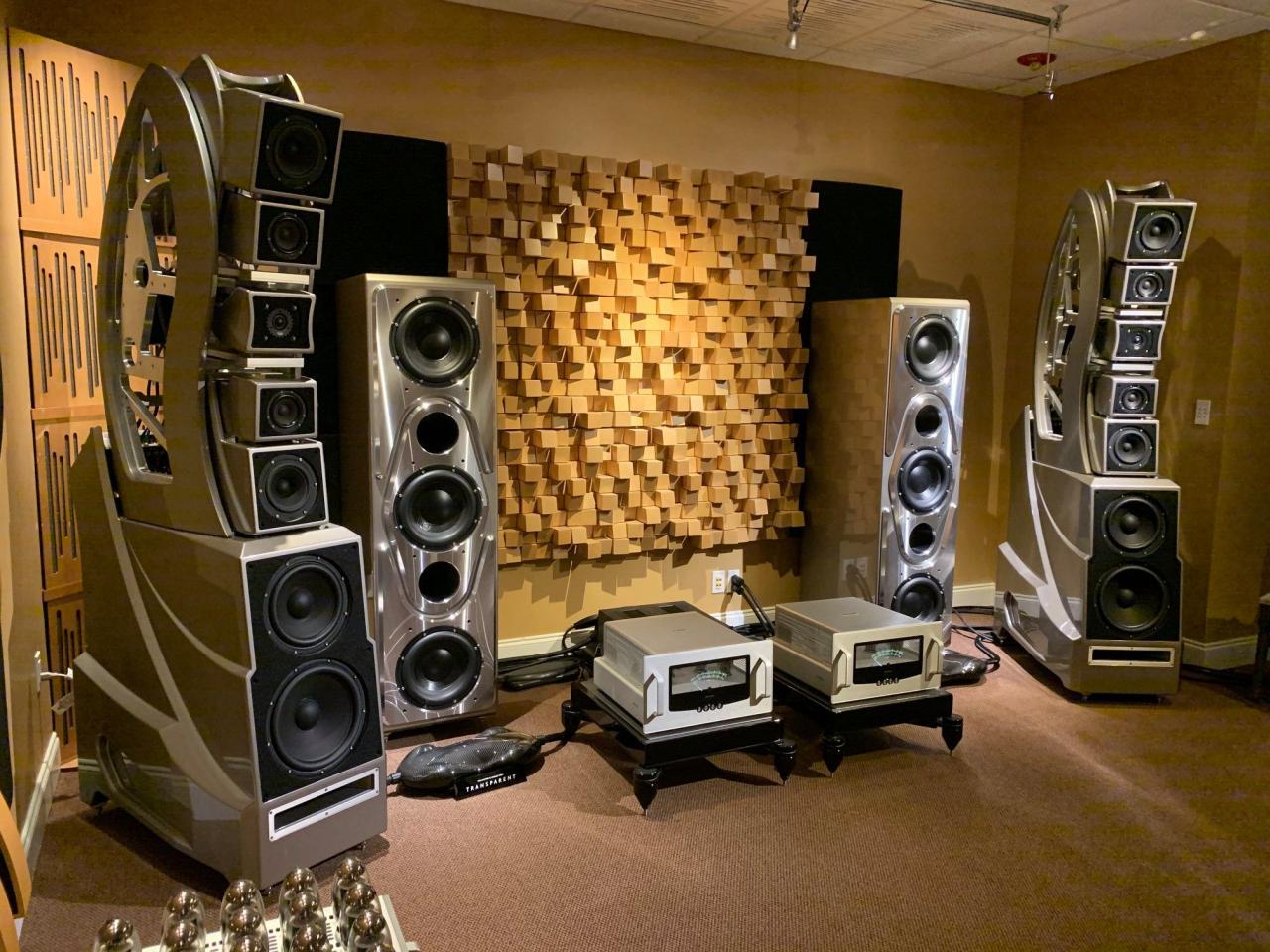
When starting your journey into the world of HiFi audio, it’s essential to equip yourself with the right knowledge to make informed decisions. Choosing the appropriate audio equipment can significantly enhance your listening experience, transforming how you enjoy music, movies, and gaming. This guide highlights the essential criteria for selecting HiFi audio equipment tailored for beginners, alongside a practical checklist and a comparison between entry-level and advanced systems.
Selecting HiFi audio equipment involves understanding various components and features that contribute to sound quality. Beginners should focus on a few key aspects: the type of equipment, compatibility, sound quality, budget, and usability. Researching each category ensures you invest in a system that meets your expectations without overwhelming you with unnecessary complexity. The following points provide a clear framework to help guide beginners through the process.
Essential Criteria for Selecting HiFi Audio Equipment
The selection of HiFi audio equipment should be based on several critical criteria. Below are the primary factors to consider when evaluating potential purchases:
- Type of System: Decide whether you want a standalone system, a separate amplifier and speakers, or integrated solutions. Each choice offers a different acoustic experience.
- Sound Quality: Listen to demo units if possible. Focus on clarity, depth, and range of sound to determine what you prefer.
- Budget: Establish a clear budget. Entry-level HiFi systems can start around $500, while advanced setups may exceed several thousand dollars.
- Room Size: The size of your space influences the type of speakers and amplifier you need. Larger rooms may require more powerful systems.
- Compatibility: Ensure all components work seamlessly together, especially if mixing brands. Check connections for compatibility with your existing devices.
- Usability: Look for user-friendly interfaces and controls. Consider how often you’ll be using the system and choose accordingly.
To assist newcomers in the purchasing process, a practical checklist is beneficial. This checklist aids in ensuring no crucial aspects are overlooked when evaluating and selecting audio equipment.
New Audiophile Purchasing Checklist
Here’s a straightforward checklist that first-time buyers can utilize:
- Define budget range.
- Determine the type of audio system desired (stereo, home theater, etc.).
- Research brands and models that fit your criteria.
- Inspect sound quality through demos where possible.
- Check connection options for compatibility.
- Confirm warranty and support services available.
- Read user reviews and expert recommendations.
- Consider future expandability for potential upgrades.
Comparing entry-level HiFi audio systems with more advanced options reveals distinct differences, each with its respective pros and cons.
Comparison of Entry-Level and Advanced HiFi Audio Systems
Entry-level systems often present excellent value for newcomers. They provide sufficient sound quality for casual listeners and are typically easier to set up and use. However, they may lack the depth and detail that more advanced systems offer.
Advanced HiFi systems, on the other hand, deliver exceptional sound quality with a broader range of sound capabilities, often employing higher-quality components and materials. However, they come at a significantly higher price point and may require more intricate setup and calibration.
“Entry-level systems are great for starting your audiophile journey, while advanced systems offer a deeper connection to your music.”
Ultimately, the right choice depends on individual preferences and listening environments. By considering these factors, beginners can confidently navigate the HiFi audio world and select equipment that aligns with their needs and expectations.
The Impact of Room Acoustics on Hifi Audio Performance
Room acoustics play a critical role in the performance of Hifi audio systems, influencing how sound is perceived in a listening environment. The interaction between sound waves and the surfaces within a room can either enhance or degrade audio quality. Factors such as wall material, furniture placement, and room shape all contribute to the overall acoustic experience. Understanding these dynamics can lead to significant improvements in sound reproduction, allowing listeners to enjoy their music as it was intended.
The quality of sound produced in a space is not solely dependent on the Hifi components used; instead, the room’s characteristics can amplify certain frequencies while diminishing others, resulting in an imbalanced listening experience. For instance, hard surfaces like tile or glass can lead to excessive reflections, causing echoes and muddiness, while soft furnishings can absorb sound, reducing clarity. The dimensions of a room can also affect sound wave behavior. Rooms that are too small may cause bass notes to overpower higher frequencies, while oddly shaped rooms can create standing waves, muddying the overall audio quality.
Methods to Optimize Room Acoustics
To create an optimal listening environment, several methods can be employed to address common acoustic issues. These techniques are essential for enhancing the audio experience and ensuring that listeners receive the full benefit of their Hifi systems.
- Add Acoustic Panels: Installing acoustic panels can significantly reduce unwanted reflections and reverberations. These panels are designed to absorb specific frequencies and can be placed at first reflection points on the walls.
- Use Bass Traps: Bass traps are specialized acoustic treatments that manage low-frequency sounds. Placing them in corners helps to control bass buildup, ensuring a more balanced sound.
- Furniture Placement: The arrangement of furniture can impact sound quality. Positioning furniture away from walls and avoiding clutter can help in reducing sound interference.
- Rugs and Curtains: Adding rugs and heavy curtains can absorb sound waves, diminishing reflections and improving overall acoustics. These soft materials create a more controlled environment for listening.
- Room Layout Considerations: Optimal speaker placement is crucial. Following the “equilateral triangle” setup, where speakers and the listener form an equilateral triangle, can enhance stereo imaging and soundstage.
An example of a common acoustic problem is a room with bare walls and hard flooring, which can lead to an excessively bright sound profile with exaggerated highs and indistinct mids. To remedy this, a combination of acoustic panels, rugs, and soft furnishings can be employed to achieve a more balanced sound. Another situation involves a small room where bass frequencies dominate the sound; in this case, incorporating bass traps and careful speaker placement can help manage the overpowering bass, leading to a cleaner and more enjoyable listening experience.
Building a Customized Hifi Audio Setup
Creating a customized HiFi audio setup allows audio enthusiasts to tailor their listening experiences according to personal preferences, room acoustics, and musical tastes. Rather than settling for generic systems, a bespoke audio configuration enables one to achieve optimal sound quality, enhancing the enjoyment of music and films alike. Customization not only amplifies performance but also provides a unique aesthetic appeal that can complement any space.
When embarking on the journey to design a customized audio system, several key factors merit consideration. Personal preferences play a significant role in determining the components that best suit an individual’s listening habits. Additionally, the physical characteristics of the room, such as size, shape, and existing furniture, will influence the selection and placement of audio equipment. Understanding the nuances of your favorite genres also helps in making informed choices about components that will deliver the most satisfying sound signature.
Key Factors in Designing a Customized Audio System
To achieve a balanced audio experience, one must evaluate several critical elements when crafting a personalized sound setup. Below are essential factors to keep in mind:
- Room Acoustics: The layout and materials of your room can significantly impact sound quality. Hard surfaces reflect sound, while soft materials absorb it. Testing different placements and adding acoustic panels can help optimize performance.
- Component Compatibility: It’s vital to ensure that all components—from speakers to amplifiers—work well together. Mismatched components can lead to subpar sound quality.
- Listening Position: The location where you primarily listen matters. Position your speakers at ear level and ensure they are equidistant from your primary seating area for the best stereo imaging.
- Sound Signature Preferences: Different speakers and headphones produce varying sound profiles. Identify whether you prefer a warmer sound with enhanced bass or a more neutral, analytical tone.
- Budget Considerations: Customization can range from economical to extravagant. Establishing a budget early on helps narrow down choices without compromising quality.
Selecting complementary components is crucial for a harmonious audio experience. A mismatched system can create imbalances, making it essential to select each piece with care. Here are tips for choosing compatible components:
- Speaker and Amplifier Match: Ensure that the amplifier’s power output aligns with the speakers’ power handling capabilities. This prevents distortion and potential damage.
- Source Quality: Start with high-quality audio sources. Lossless formats and good streaming services can elevate sound quality significantly.
- Cables and Accessories: While often overlooked, the right cables can enhance signal integrity. Invest in good-quality interconnects and speaker wires to ensure optimal performance.
- Trial and Error: Don’t hesitate to experiment with different combinations. Listening tests can reveal personal preferences that specifications alone cannot convey.
“Customizing your HiFi audio system is not just about sound; it’s about creating an experience that resonates with you personally.”
Building a customized HiFi audio setup is a rewarding process that combines technical knowledge and personal flair. By focusing on individual needs, room characteristics, and component compatibility, one can create a truly unique audio experience tailored to their tastes.
The Future of Hifi Audio and Emerging Trends
The future of HiFi audio technology is poised for exciting developments, driven by advancements in digital technology and evolving listener preferences. As the landscape continues to shift, both challenges and opportunities emerge, shaping how audio experiences are delivered and consumed.
Streaming services have rapidly transformed the music industry, allowing listeners to access vast libraries of songs on demand. Platforms such as Spotify, Tidal, and Apple Music are not only enhancing their offerings but also placing an increasing emphasis on high-resolution audio formats. This shift caters to audiophiles seeking superior sound quality and elevates the overall listening experience. Many streaming services are now incorporating lossless audio options, enabling users to enjoy studio-quality sound without physical media.
Role of High-Resolution Audio Formats
The proliferation of high-resolution audio formats presents significant opportunities for the HiFi audio sector. As consumers become more aware of audio quality discrepancies, the demand for formats such as FLAC, ALAC, and DSD is on the rise. The following points highlight how these formats are shaping future trends:
- Enhanced Listening Experience: High-resolution formats deliver greater detail and fidelity, allowing listeners to experience music as intended by the artists.
- Compatibility with Modern Devices: As more audio equipment supports high-resolution playback, consumers are more inclined to invest in higher quality audio solutions.
- Increased Availability of Content: More artists and labels are releasing albums in high-resolution formats, making quality listening more accessible.
- Integration with Streaming Services: The rise of high-resolution streaming services directly correlates with consumer expectations for superior sound quality.
Amid these trends, the HiFi audio industry also faces challenges. The shift toward streaming might threaten traditional hardware sales, as consumers increasingly opt for digital solutions over physical media. However, this also opens avenues for innovative products, such as high-quality DACs (Digital-to-Analog Converters) and wireless audio systems that enhance the streaming experience.
“Innovation in HiFi audio technology is crucial for meeting the evolving demands of consumers and ensuring a vibrant future for the industry.”
Another challenge lies in the need for user education. Not all consumers understand the benefits of high-resolution audio or the differences between various formats. Industry players must focus on educating consumers about the value of investing in higher quality systems, thus fostering an appreciation for superior audio experiences.
As technology continues to evolve, the convergence of artificial intelligence and audio production offers exciting possibilities. AI-driven audio processing and mastering could streamline production and contribute to the creation of immersive listening experiences that captivate enthusiasts and casual listeners alike. The road ahead for HiFi audio is filled with potential, as it adapts to modern demands while preserving the essence of high-quality sound.
The Community and Culture Surrounding Hifi Audio
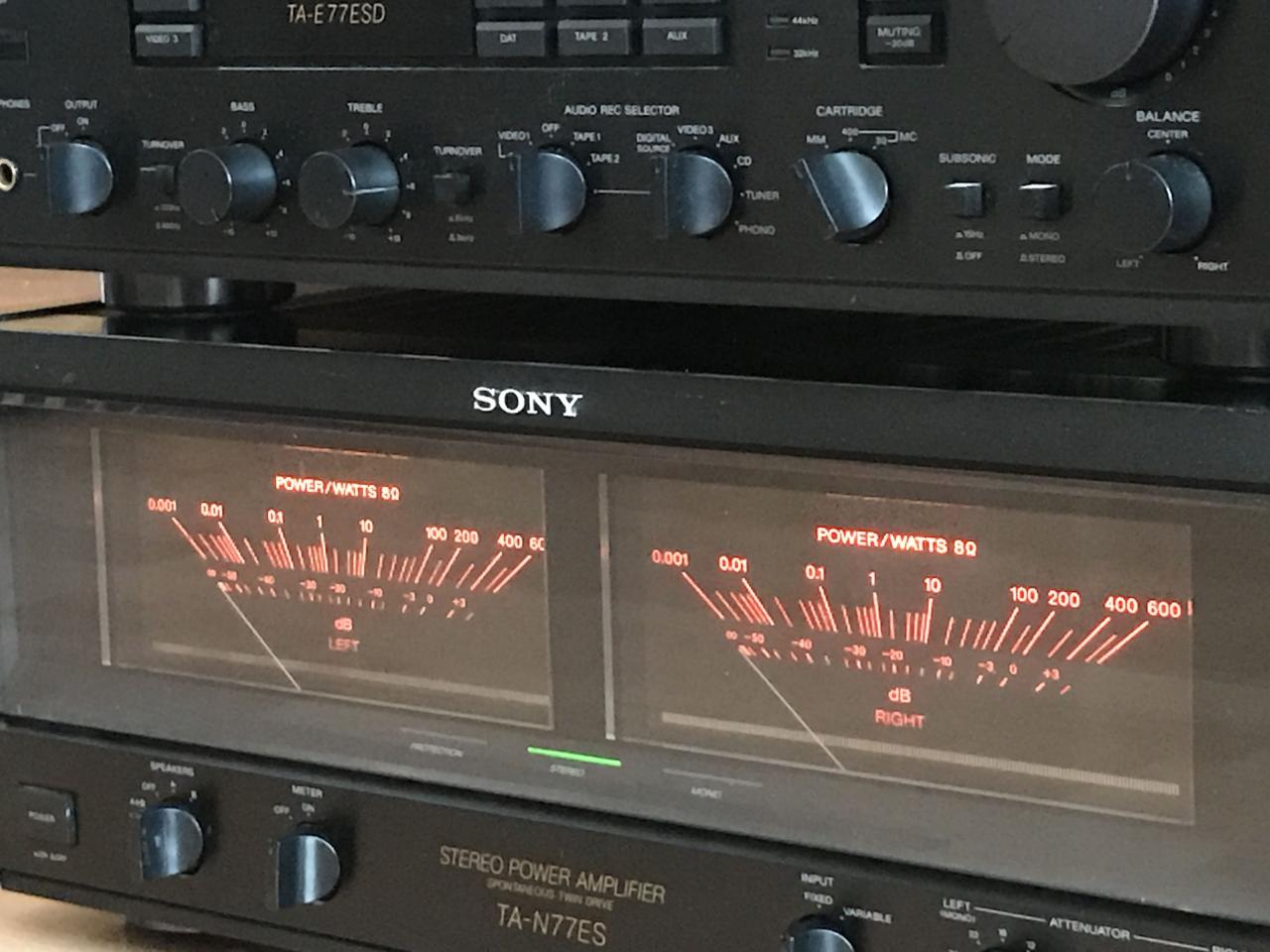
The world of HiFi audio is not just about the equipment or the sound quality; it’s a vibrant community filled with passionate enthusiasts who share a love for music and technology. This culture stimulates continuous learning, fosters friendships, and creates lasting connections among individuals who may have otherwise never crossed paths. From audio engineers to casual listeners, the community embraces diversity, uniting people based on their shared interest in high-fidelity sound.
The HiFi audio community thrives through various platforms and events where members can engage, share insights, and celebrate their passion. Audio shows, for instance, provide a fantastic opportunity for enthusiasts to experience the latest gear first-hand while networking with industry experts and fellow audiophiles. These events often feature demonstrations, panel discussions, and workshops focused on the latest trends and technologies in audio. Participating in these gatherings not only allows individuals to explore new products but also to form friendships with others who share similar interests.
Engaging with HiFi Audio Communities
There are multiple avenues through which audiophiles can connect and engage with the HiFi audio community. These platforms are crucial for knowledge sharing and enhancing the overall experience:
- Online Forums: Platforms like Head-Fi and Audiogon are hubs for discussions where users can post questions, share experiences, and offer recommendations on equipment.
- Social Media Groups: Facebook, Reddit, and other social media platforms host various groups dedicated to HiFi audio where members share tips, reviews, and personal setups.
- Audio Shows and Meetups: Attending local or national audio shows allows enthusiasts to listen to high-end systems, discover new brands, and participate in engaging lectures or workshops.
- Local Clubs: Joining a HiFi club in your area can lead to regular meetups, gear sharing, and even collaborative listening sessions, enhancing the sense of community.
The sharing of experiences and expertise within the HiFi audio community significantly enriches the audiophile journey. Members often exchange insights about various components, such as speakers, amplifiers, and cables, detailing what works best in different settings or with specific types of music. This collaborative knowledge fosters a culture of learning where beginners can quickly gain insights from seasoned veterans.
“The value of community lies not only in the knowledge shared but in the friendships forged through a mutual love for sound.”
Through these interactions, audiophiles build their understanding of audio reproduction, leading to more informed purchasing decisions and an overall improved listening experience. By engaging with others in the community, individuals can explore new genres, equipment, and techniques to enhance their HiFi journey, making it a truly rewarding endeavor.
Closure
In conclusion, Hifi audio is not just about hearing music; it’s about experiencing it in its purest form. The layers of sound, the richness of tone, and the precision of detail offered by Hifi systems elevate the mundane to the extraordinary. As technology continues to advance and the community around Hifi audio grows, the future promises even more exciting developments. Embrace this journey into sound and discover how Hifi audio can transform your listening experience forever.
Clarifying Questions
What does Hifi audio mean?
Hifi audio refers to high-fidelity sound reproduction, aiming to deliver audio that is true to the original recording.
Do I need expensive equipment for Hifi audio?
While high-end equipment can enhance the experience, quality sound can also be achieved with entry-level Hifi gear.
How can I improve my Hifi audio setup?
Improving your setup can involve optimizing room acoustics, upgrading components, or experimenting with speaker placement.
What are the best brands for beginners in Hifi audio?
Brands like Audioengine, Klipsch, and Cambridge Audio offer excellent options for beginners looking to start their Hifi journey.
Is streaming quality sufficient for Hifi audio?
Yes, many high-resolution streaming services now provide audio quality that meets Hifi standards, making it accessible without physical media.