
 Zoe Nora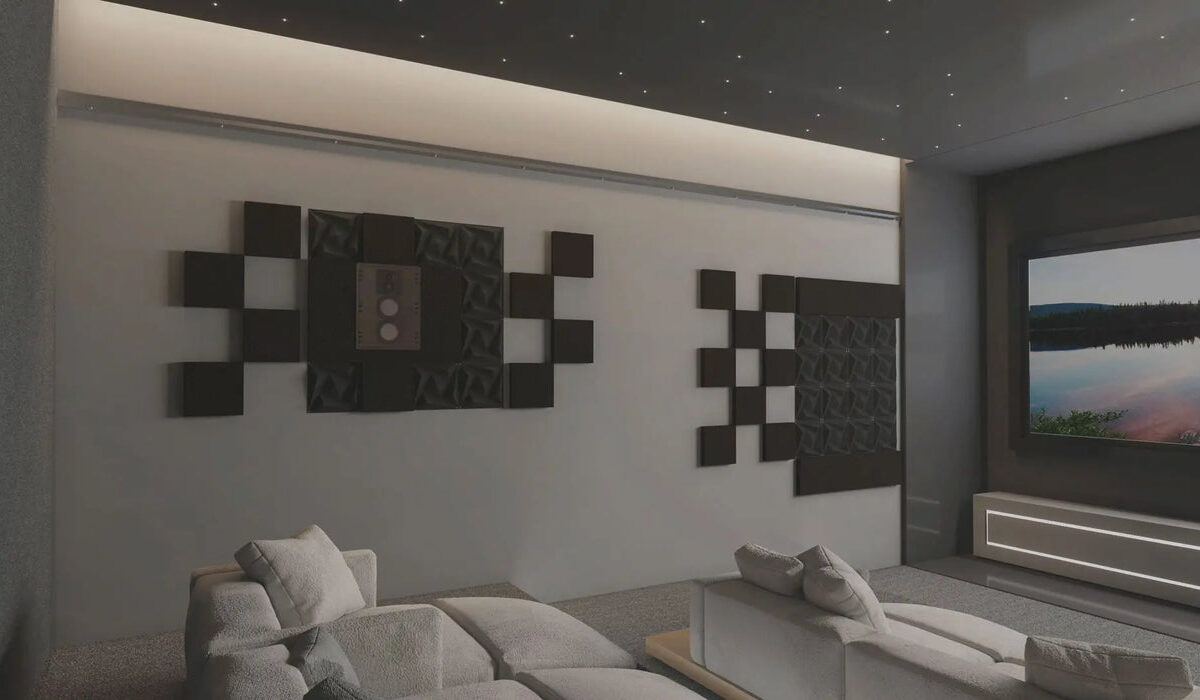
Acoustic treatment is essential for transforming any environment into a space where sound quality reigns supreme. Often overlooked, the importance of acoustics plays a critical role in settings like recording studios, home theaters, and public venues, where the auditory experience can significantly influence user satisfaction and performance. By tailoring solutions to specific environments, acoustic treatment ensures that every note resonates beautifully, while minimizing excess noise and echoes.
In recording studios, for instance, precise acoustic treatment can mean the difference between a professional recording and an amateur one. Similarly, in home theaters, the clarity of dialogue and richness of sound effects can drastically enhance movie-watching experiences. Public spaces—be it theaters or concert halls—benefit immensely from careful acoustic design, ensuring that the audience enjoys crisp, clear sound no matter where they sit. Understanding these nuances allows us to appreciate the diverse applications of acoustic treatment across various settings.
Understanding the Importance of Acoustic Treatment in Various Environments
Acoustic treatment plays a crucial role in optimizing sound quality across different environments, such as recording studios, home theaters, and public venues. The essence of sound lies not just in its production but also in how it is perceived and experienced by the audience. In any space where sound matters, appropriate acoustic treatment can significantly enhance the overall atmosphere and functionality.
In recording studios, the clarity of sound is paramount. Unwanted reflections and echoes can distort audio quality, making it difficult to achieve a polished final product. Acoustic panels, bass traps, and diffusers are strategically implemented to control sound waves, ensuring that recordings are crisp and clear. This not only aids musicians and sound engineers in producing high-quality tracks but also benefits vocalists and instrumentalists by providing a conducive environment where every note can be accurately represented.
Impact of Sound Quality on User Experience
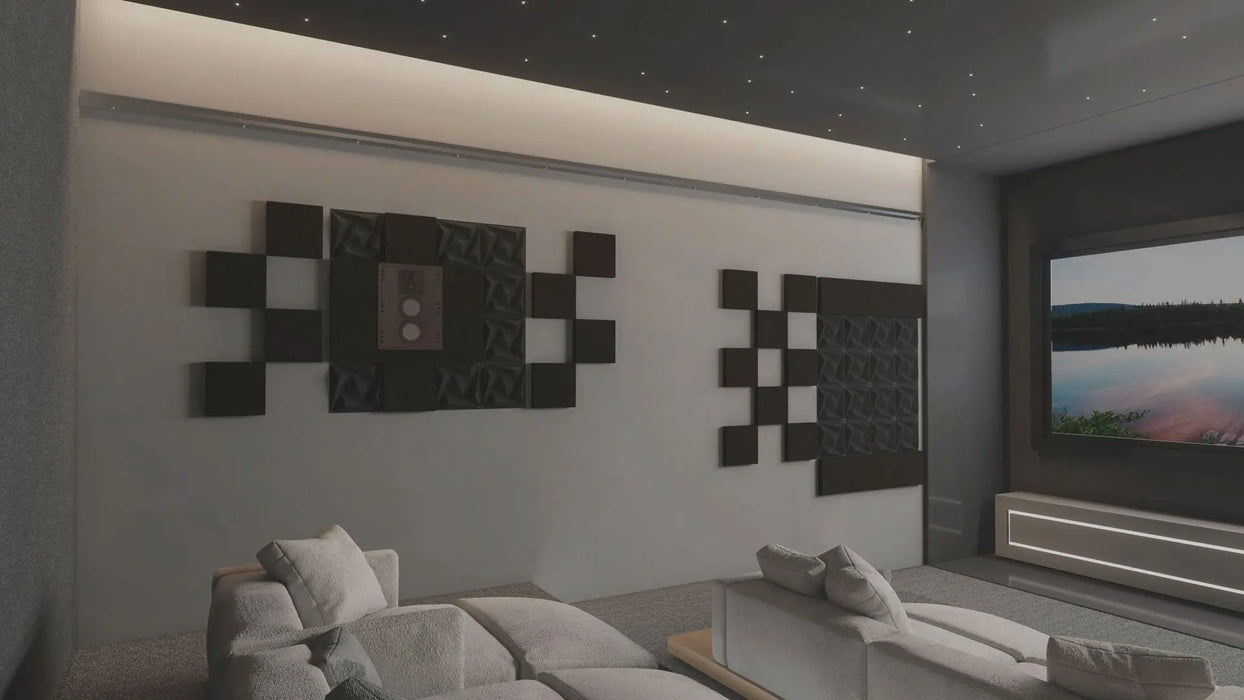
The sound quality experienced in various environments directly influences user satisfaction and performance. In home theaters, for instance, acoustic treatment enhances the viewing experience by reducing reverberation and improving clarity. The viewer can fully immerse themselves in the film’s audio design, from subtle dialogue to explosive sound effects, creating a more engaging experience. The difference is palpable: a well-treated theater can transport an audience, while a poorly designed space can lead to distractions and a diminished experience.
In public venues like concert halls and auditoriums, the acoustics significantly impact the audience’s enjoyment of performances. A well-tuned space allows for even sound distribution, ensuring that every seat in the house experiences the same sound quality. This is particularly important in live settings where the nuances of a performance can be lost in a poorly designed environment. The right acoustic treatment can involve a combination of absorption, diffusion, and reflection adjustments tailored to the venue’s purpose.
Different environments necessitate tailored acoustic solutions, as the requirements of a high-energy concert hall differ vastly from those of a serene yoga studio. Factors such as room size, shape, and intended use all dictate the specific acoustic treatment needed. For instance, a recording studio may prioritize sound isolation to prevent outside noise from interfering with recordings, while a public venue might focus on delivering balanced sound throughout a larger space. Thus, understanding the unique acoustic needs of each environment is essential for creating optimal sound experiences.
Identifying Common Types of Acoustic Treatment Materials
Acoustic treatment is essential in controlling sound within a space, impacting both clarity and ambiance. Various materials are available, each designed to address specific acoustic challenges. Understanding these materials can greatly enhance the listening experience in environments such as recording studios, home theaters, and rehearsal spaces.
Different types of acoustic treatment materials serve various functions, including absorption, diffusion, and reflection control. Foam panels, bass traps, and diffusers are among the most common options available. Each material type possesses unique characteristics that cater to different acoustic needs. Below is a detailed comparison of these materials, highlighting their effectiveness, cost, and ease of installation.
Comparison of Acoustic Treatment Materials
The following table summarizes the key characteristics of foam panels, bass traps, and diffusers, allowing for a straightforward comparison to determine the best fit for specific acoustic requirements.
| Material Type | Effectiveness | Cost | Installation Ease |
|---|---|---|---|
| Foam Panels | Great for high-frequency absorption; reduces echo and reverberation. | Typically low-cost; affordable options available. | Easy to install with adhesive or mounting hardware. |
| Bass Traps | Specifically targets low frequencies; essential for controlling bass buildup. | Moderate to high-cost; depends on size and material quality. | Installation can be straightforward but may require professional advice for optimal placement. |
| Diffusers | Even sound distribution; prevents flutter echoes and preserves liveliness. | Moderate to high-cost; complexity affects pricing. | Installation may be more complex depending on design; some may require professional installation. |
The choice of acoustic treatment material is crucial in achieving the desired sound quality in any space. Foam panels are widely recognized for their affordability and effectiveness in absorbing higher frequencies, making them ideal for smaller rooms. Bass traps are essential for larger spaces where low-frequency issues are pronounced, effectively managing sound waves that can lead to muddiness. Diffusers add a layer of sophistication by scattering sound waves, maintaining an energetic atmosphere without overly dampening the sound. Each material plays a vital role in acoustic treatment, ensuring an optimal auditory experience tailored to individual needs.
The Role of Acoustic Design in Home and Office Spaces
Acoustic design plays a crucial role in enhancing the overall comfort and functionality of both residential and commercial spaces. The importance of sound management has gained recognition, as it can significantly influence productivity in work environments and relaxation at home. By focusing on acoustic treatment, property owners can create spaces that not only look appealing but also provide an auditory experience that supports daily activities and well-being.
Effective acoustic design minimizes unwanted noise and enhances sound quality, leading to a more pleasant atmosphere. In residential properties, excessive noise can disrupt family life, hinder relaxation, and affect communication. Acoustic treatments, such as sound-absorbing panels, carpets, and heavy curtains, can drastically reduce echo and background noise, leading to a serene environment. In workplaces, sound management is equally vital, as distractions can diminish concentration and productivity. Open-plan offices often suffer from noise problems, and integrating acoustic solutions can create designated quiet zones while still maintaining an open feel.
Integration of Acoustic Treatment with Interior Design Aesthetics
The integration of acoustic treatment with interior design is essential for achieving a harmonious environment. By considering sound absorption materials that complement the overall design theme, property owners can enhance both aesthetic appeal and functionality. For instance, acoustic panels come in various colors, shapes, and textures, enabling designers to incorporate them seamlessly into the decor.
Consider the example of a modern office space designed with a minimalist aesthetic. Incorporating geometric acoustic panels in vibrant colors can serve both a practical purpose and add visual interest without compromising the clean lines of the design. Similarly, in homes, decorative acoustic solutions can be blended into artwork or furniture designs, ensuring that they contribute positively to the overall ambiance.
Successful acoustic design projects, such as the Highline Hotel in New York City, showcase the beauty of integrating sound management with design. The hotel’s use of vintage furniture and bold acoustic treatments creates a unique atmosphere while ensuring guest comfort. Another notable example is the Google office in Zurich, where innovative soundproofing solutions harmonize with playful interior elements, fostering an inspiring and productive work environment.
In conclusion, the role of acoustic design is essential in enhancing comfort and aesthetics in both home and office spaces. By thoughtfully integrating acoustic treatments, property owners can create environments that cater to both visual and auditory needs, leading to greater satisfaction and productivity.
Methods for Implementing Acoustic Treatment in Your Space
Creating an acoustically treated space can significantly enhance sound quality, whether for music production, home theaters, or simply enjoying a quieter home environment. The implementation of acoustic treatment requires careful planning and execution, ensuring that the desired acoustic characteristics are achieved. This guide Artikels a step-by-step approach to applying acoustic treatment effectively, along with essential tools and best practices for measuring sound absorption and reflection.
Step-by-Step Procedures for Applying Acoustic Treatment
To implement acoustic treatment effectively, follow these systematic steps:
1. Assess the Space: Begin by evaluating the room to identify the primary sources of sound reflection and absorption. Take note of hard surfaces, such as walls, ceilings, and floors, as well as furniture placements and existing materials.
2. Determine Treatment Needs: Based on your assessment, establish your goals for the acoustic treatment. Are you looking to minimize echo, enhance sound quality, or reduce noise from outside? Different objectives may require varying treatment approaches.
3. Choose Acoustic Materials: Select appropriate materials based on your treatment goals. Common options include foam panels, bass traps, diffusers, and fabric-wrapped panels. Make sure the materials are suitable for the specific frequencies you wish to control.
4. Plan the Layout: Before installation, sketch a layout of where each acoustic treatment element will be placed. Focus on the first reflection points on walls and ceilings, as well as corners for bass traps. This planning stage is crucial for maximizing effectiveness.
5. Prepare the Installation Surface: Clean the areas where acoustic panels will be adhered or mounted. This ensures a strong bond between the materials and the surfaces.
6. Install Acoustic Treatments: Begin the installation process, starting with the largest pieces, such as bass traps, in the corners of the room. Use adhesive, mounting hardware, or a combination to secure the materials effectively.
7. Evaluate the Results: After installation, test the room’s acoustics by playing a variety of sounds. Listen for changes in clarity and echo. Make any adjustments, such as repositioning panels or adding more treatment, as necessary.
8. Fine-Tune and Monitor: After initial adjustments, continue to monitor the room’s acoustic performance over time. Be open to making further enhancements based on ongoing observations.
To effectively carry out a DIY acoustic treatment project, it’s essential to have the right tools and materials. Here’s a list of items you’ll need:
- Acoustic panels (foam or fabric-wrapped)
- Bass traps (pre-made or DIY)
- Diffusers (optional)
- Adhesive (spray or glue)
- Mounting hardware (screws, anchors)
- Measuring tape
- Level
- Utility knife or scissors
- Stud finder (for wall-mounted treatments)
- Acoustic measurement app or sound level meter
- Safety goggles and gloves (if necessary)
Measuring sound absorption and reflection is key to achieving optimal acoustic treatment. Employ the following best practices:
– Utilize an acoustic measurement app or sound level meter to assess sound levels before and after treatment.
– Measure the initial reverberation time (RT60) by generating a loud sound and recording how long it takes for the sound to decay.
– Focus on specific frequency ranges that are most relevant to your space, as different materials will perform differently across the frequency spectrum.
– Conduct listening tests with various audio sources to evaluate subjective changes in sound quality.
– Document changes and maintain a log of adjustments made during the treatment process to track improvements over time.
Implementing these methods will help create an acoustically balanced space tailored to your needs, enhancing both functionality and enjoyment.
Comparing DIY Acoustic Solutions to Professional Installations
When it comes to improving the sound quality in a space, acoustic treatment is essential. Homeowners and studio managers often face the decision between DIY acoustic solutions and hiring professionals for the installation. Both methods have their own sets of advantages and disadvantages that can significantly affect the outcome and cost-effectiveness of the project.
DIY acoustic treatment often appeals to those looking to save money and embrace creativity. Individuals can explore various materials like foam panels, curtains, and carpets, which can be customized to fit their specific needs. However, the main drawbacks include a lack of expertise and potential mismatches in design or effectiveness. On the other hand, professional installations come with the assurance of specialized knowledge and experience, which can lead to more reliable, optimized results. Yet, this comes at a higher cost.
The cost implications of DIY projects are generally lower, with many basic materials available at local hardware stores or online. For instance, foam panels can start from $1 to $5 each, while professional installations can range from $500 to several thousand dollars, depending on the size and complexity of the project. Although DIYers may save money upfront, the risk of errors could lead to additional costs if professional correction is needed later.
The potential outcomes also differ markedly between DIY and professional approaches. A well-executed DIY project could provide satisfactory results, especially for those who invest time in research and planning. However, without the right experience, the final product might fall short of expectations. Conversely, professional installations typically ensure high-quality results that not only enhance the acoustics but also add aesthetic appeal to the space.
The following table summarizes key differences between DIY acoustic solutions and professional installations, focusing on flexibility, expertise, and materials used:
| Aspect | DIY Acoustic Solutions | Professional Installations |
|---|---|---|
| Flexibility | High; allows for customization and experimentation. | Moderate; typically follows a set plan with limited changes. |
| Expertise | Limited; relies on personal research and trial and error. | High; provided by trained professionals with experience. |
| Materials Used | Varied; often uses readily available or budget-friendly materials. | Specialized; utilizes high-quality materials suited for optimal performance. |
Ultimately, the choice between DIY and professional acoustic treatment boils down to individual preferences, budget constraints, and desired outcomes.
The Future of Acoustic Treatment Technology
As we move further into the 21st century, the landscape of acoustic treatment technology is undergoing significant transformation. Innovations in materials, methods, and applications are paving the way for more effective solutions in sound management across various industries. With the rise of urbanization and the increasing awareness of the effects of noise pollution, the demand for advanced acoustic treatment is higher than ever. In this evolving context, it’s essential to explore emerging technologies and trends that are shaping the future of this field.
Emerging technologies are introducing new possibilities for improved acoustic performance. One notable trend is the development of smart materials that respond dynamically to sound. These materials can actively absorb or diffuse sound waves, adjusting their properties based on surrounding noise levels. This adaptability offers significant advantages in environments where sound conditions fluctuate, such as in concert halls or multipurpose venues.
Innovative Materials and Methods in Acoustic Treatment
Recent advancements in acoustic treatment involve a variety of innovative materials and methods that enhance sound management capabilities. These include:
- Membrane-based Absorbers: Utilizing flexible membranes that vibrate in response to sound waves, these absorbers can significantly reduce low-frequency noise, which is often challenging to manage with traditional materials.
- Biodegradable Acoustic Panels: As sustainability becomes a priority, eco-friendly materials like mycelium and recycled plastics are being explored for acoustic panels that don’t compromise on performance.
- 3D-Printed Acoustic Panels: The use of 3D printing technology allows for intricate designs that optimize sound diffusion and absorption, tailored to specific acoustic needs of a space.
- Active Noise Control Systems: These systems employ microphones and speakers to counteract unwanted noise in real-time, providing a high level of noise reduction in critical settings like airports and busy offices.
As we look ahead, the integration of artificial intelligence in acoustic treatment design and deployment is expected to revolutionize the field. AI can analyze acoustic data to optimize treatment layouts and predict the effectiveness of different materials in various environments. For instance, the entertainment industry may see theaters using AI-driven simulations to design acoustically perfect spaces, enhancing audience experiences significantly. Similarly, in urban planning, predictive models could guide the strategic placement of sound barriers and other acoustic solutions in residential areas.
Furthermore, the push towards creating healthier living and working environments will drive innovation. Enhanced acoustic treatment solutions are increasingly recognized as vital for reducing stress and improving productivity. For example, open office designs are likely to see a surge in the use of advanced acoustic treatments to mitigate distractions caused by ambient noise.
In summary, the future of acoustic treatment technology is bright and full of potential. With advancements in materials and methods, we can expect to see significant changes that enhance sound environments across industries, ultimately contributing to improved quality of life and work.
Real-World Applications of Acoustic Treatment in Popular Venues
![ADAM Audio [Blog] - Acoustic Treatment for your Home Studio - yes or no?](https://audiolifeinc.com/wp-content/uploads/2026/03/cropped-acoustic-treatment-false-ceiling-baffle-ceiling-wood-wool-board-acoustic-panel-board-suppliers-dealers-installation-bangalore-electronic-city-jayswal-agencies-1.jpg "ADAM Audio [Blog] - Acoustic Treatment for your Home Studio - yes or no?")
Acoustic treatment plays a crucial role in optimizing sound quality in various venues, including concert halls, theaters, and sports arenas. These spaces often have unique acoustic challenges that necessitate careful planning and design to enhance sound clarity, reduce unwanted noise, and create an immersive auditory experience for the audience. By employing specialized materials and architectural techniques, venues can ensure that sound is distributed evenly and effectively.
In concert halls, the design typically focuses on creating an environment that supports both orchestral music and vocal performances. The placement of acoustic panels, diffusers, and absorptive materials helps manage reverberation time, which is essential for achieving a balanced sound. For example, the Walt Disney Concert Hall in Los Angeles features a complex system of curved surfaces and wooden panels that enhance the acoustics of the space, allowing for exceptional sound quality during performances. The hall has been praised for its clarity and richness, illustrating the importance of thoughtful acoustic design.
Application in Theaters and Sports Arenas
Theaters require precise acoustic treatment to ensure that actors’ voices are heard clearly throughout the space. This often involves the strategic placement of sound-absorbing materials on walls and ceilings to minimize echoes and improve speech intelligibility. The Royal National Theatre in London has successfully embraced acoustic treatment by utilizing a combination of sound-absorbing panels and advanced sound reinforcement systems. This allows for a cohesive auditory experience, regardless of where an audience member is seated.
Sports arenas also face unique acoustic challenges due to their large size and varying crowd noise levels. The implementation of acoustic treatment in these venues helps manage sound reflections and echoes that can disrupt the experience during events. The AT&T Stadium in Arlington, Texas, is a prime example where acoustic considerations have been integrated into its design. The arena employs extensive sound-absorbing materials in its construction, leading to more controlled acoustics that enhance the overall experience for spectators.
“Proper acoustic treatment is vital for ensuring that sound is not only heard, but felt, creating an immersive experience that resonates with the audience.” – Expert in Architectural Acoustics
Real-life case studies further illustrate the success of acoustic treatment in enhancing venue performance. The Sydney Opera House, renowned for its iconic architecture, has undergone ongoing acoustic enhancements since its opening. The use of advanced sound-reflecting panels has enabled a richer acoustic experience for both performers and audiences, allowing the venue to host a wide variety of performances.
Another noteworthy case is the Kauffman Center for the Performing Arts in Kansas City, which features a unique acoustic design that incorporates a combination of hard and soft surfaces. The design allows for flexibility in hosting diverse performances ranging from symphonies to rock concerts. This versatility showcases how innovative acoustic treatment can cater to various artistic needs while maintaining high sound quality.
Overall, the application of acoustic treatment in these prominent venues demonstrates the significance of sound design in creating memorable experiences. By investing in effective acoustic solutions, venues not only enhance sound quality but also contribute to the overall enjoyment and satisfaction of their audiences.
Conclusion
In summary, acoustic treatment is not just a luxury; it’s a necessity that impacts our experiences in both personal and public spaces. As we’ve explored, the thoughtful application of various materials and designs can vastly improve sound quality, leading to enhanced enjoyment and performance. Whether you’re considering DIY solutions or opting for professional installation, recognizing the importance of acoustics can lead to truly remarkable transformations in your environment.
Quick FAQs
What is acoustic treatment?
Acoustic treatment involves using specific materials and designs to control sound within a space, enhancing sound quality and reducing unwanted noise.
How do I know if my room needs acoustic treatment?
If you notice echoes, excessive background noise, or unclear sound quality in your space, it likely needs acoustic treatment.
Can I do acoustic treatment myself, or should I hire a professional?
Both options are viable; DIY treatments can save money and be fun, but professionals ensure optimal results tailored to your space.
How much does acoustic treatment cost?
Costs vary widely based on materials and installation complexity, but basic DIY solutions can start at a low price, while professional services can range higher.
What are some common materials used in acoustic treatment?
Common materials include foam panels, bass traps, and diffusers, each serving different purposes in sound control.