
 Zoe Nora
High-res audio (Hi-Res) is more than just a buzzword; it’s a revolution in how we experience sound. Born from advancements in technology, Hi-Res audio offers listeners a richer, more detailed auditory experience that standard formats simply can’t match. The difference lies in its capacity to reproduce sound quality that is closer to the original recording, making it a favorite among audiophiles and casual listeners alike.
This format boasts higher sample rates and bit depths, translating to a more nuanced listening experience that captures every element of a track. As the music industry continues to evolve, understanding the significance of Hi-Res audio becomes essential for anyone who appreciates high-quality sound.
High-resolution audio and its significance in the music industry
High-resolution audio, or Hi-Res audio, represents a leap in sound quality that has captivated audiophiles and casual listeners alike. Its significance in the music industry can be traced back to the growing desire for more authentic and immersive listening experiences. As technology has evolved, so too has our capacity to deliver music in finer detail, allowing artists and producers to present their work as it was intended to be heard.
High-resolution audio refers to digital audio files that have a higher sampling rate and bit depth compared to standard audio formats. While standard CD-quality audio operates at 44.1 kHz/16-bit, Hi-Res audio typically starts at 96 kHz/24-bit and can go as high as 192 kHz/24-bit or even higher. This higher resolution allows for greater detail and dynamic range in the sound, capturing nuances that standard formats might overlook.
Differences between standard audio formats and Hi-Res audio
The distinction between standard audio formats and Hi-Res audio is critical for understanding its significance. The following points Artikel these differences:
- Sampling Rate: Hi-Res audio has a sampling rate that can reach up to 192 kHz, while standard CDs are limited to 44.1 kHz. This means Hi-Res audio can capture higher frequencies, making the sound more accurate and lifelike.
- Bit Depth: The bit depth in Hi-Res audio files can go up to 24 bits, allowing for a wider dynamic range. In contrast, standard formats use 16 bits, which can lead to a loss of detail in quieter sounds.
- File Formats: Hi-Res audio often comes in formats like FLAC, ALAC, and DSD, which support higher data rates, while standard audio is typically found in MP3 or AAC formats that compress audio, resulting in quality loss.
- Listening Environment: Hi-Res audio is best experienced in a controlled listening environment with quality playback equipment, which highlights its superior audio fidelity compared to standard formats.
The impact of Hi-Res audio on the listening experience is profound. It enhances the sound quality, allowing listeners to perceive layers and instruments in much greater detail. For instance, in a Hi-Res recording of a symphony, one can distinguish between various sections of the orchestra, appreciating the subtleties of each instrument.
“Hi-Res audio brings music to life, allowing listeners to hear the true intent of the artist.”
This clarity can transform how music is enjoyed, making it more engaging and enriching for both casual listeners and dedicated audiophiles. By providing a more accurate representation of the original recording, Hi-Res audio not only elevates the listening experience but also expands the possibilities for music production and artistic expression in the industry.
The technical specifications of high-resolution audio formats
High-resolution audio (Hi-Res) represents a significant leap in sound quality, surpassing the limitations of standard audio formats. With a variety of high-resolution formats available, it is essential to understand their technical specifications and advantages to appreciate the improvements they bring to the listening experience.
Available high-resolution audio formats
Numerous high-resolution audio formats are prevalent in the market today, catering to audiophiles seeking superior sound fidelity. The most common formats include:
- FLAC (Free Lossless Audio Codec): This format compresses audio without sacrificing quality, allowing for efficient storage while maintaining original sound fidelity.
- ALAC (Apple Lossless Audio Codec): Similar to FLAC but optimized for the Apple ecosystem, ALAC also preserves audio quality while providing compatibility with iOS devices.
- DSD (Direct Stream Digital): Utilizing a 1-bit signal, DSD provides an alternative to PCM (Pulse Code Modulation), often used in SACD (Super Audio CD) formats, capturing audio in a unique way that appeals to many audiophiles.
- PCM (Pulse Code Modulation): A method of digitally representing analog signals, PCM is the basis for many Hi-Res formats, typically offering higher bit depths and sampling rates than standard CD audio.
Bit depth and sampling rates comparison
The bit depth and sampling rates of high-resolution audio formats play a crucial role in defining audio quality. Understanding these parameters helps in recognizing the technical superiority of Hi-Res audio compared to standard formats.
– Bit Depth: High-resolution audio formats typically feature bit depths of 24 bits or greater, compared to the standard CD audio bit depth of 16 bits. This increased bit depth allows for a greater dynamic range, capturing quieter sounds and avoiding distortion at higher volumes.
– Sampling Rates: Sampling rates for Hi-Res audio generally start at 48 kHz and can go up to 192 kHz or even higher, whereas standard CD audio is limited to 44.1 kHz. Higher sampling rates enable a more accurate representation of the audio waveform, resulting in clearer and more precise sound reproduction.
The combination of higher bit depth and sampling rates in Hi-Res audio results in a more nuanced listening experience, showcasing details that might otherwise be lost in standard formats.
Technical advantages of high-resolution audio
High-resolution audio offers several technical advantages over conventional formats, primarily due to improved audio fidelity and enhanced listening experiences. Key benefits include:
- Enhanced Dynamic Range: The greater bit depth allows for a wider dynamic range, meaning listeners can hear the most subtle nuances in a recording, providing a more immersive experience.
- Improved Frequency Response: With higher sampling rates, Hi-Res audio captures frequencies beyond the limits of normal hearing, allowing for a fuller and richer sound.
- Less Compression Artifacts: Hi-Res formats, particularly lossless ones like FLAC and ALAC, minimize compression artifacts, preserving original sound quality and details that would be lost in standard lossy formats.
Understanding these technical specifications and advantages highlights why high-resolution audio is becoming increasingly popular among music enthusiasts and professionals alike. The detailed capturing of sound through various formats showcases the potential for audio experiences that were previously unattainable with conventional formats.
The role of equipment in enhancing the high-resolution audio experience
High-resolution audio (Hi-Res) delivers superior sound quality compared to standard audio formats, and the equipment used plays a crucial role in maximizing this experience. The right devices can significantly influence how music is reproduced, ensuring that listeners enjoy every detail of their favorite tracks. This section explores the various types of equipment that enhance Hi-Res audio, helping enthusiasts make informed choices for their listening setups.
Devices that support high-resolution audio playback
To truly experience Hi-Res audio, it’s essential to select devices specifically designed for this purpose. The following categories of equipment are pivotal in facilitating high-resolution playback:
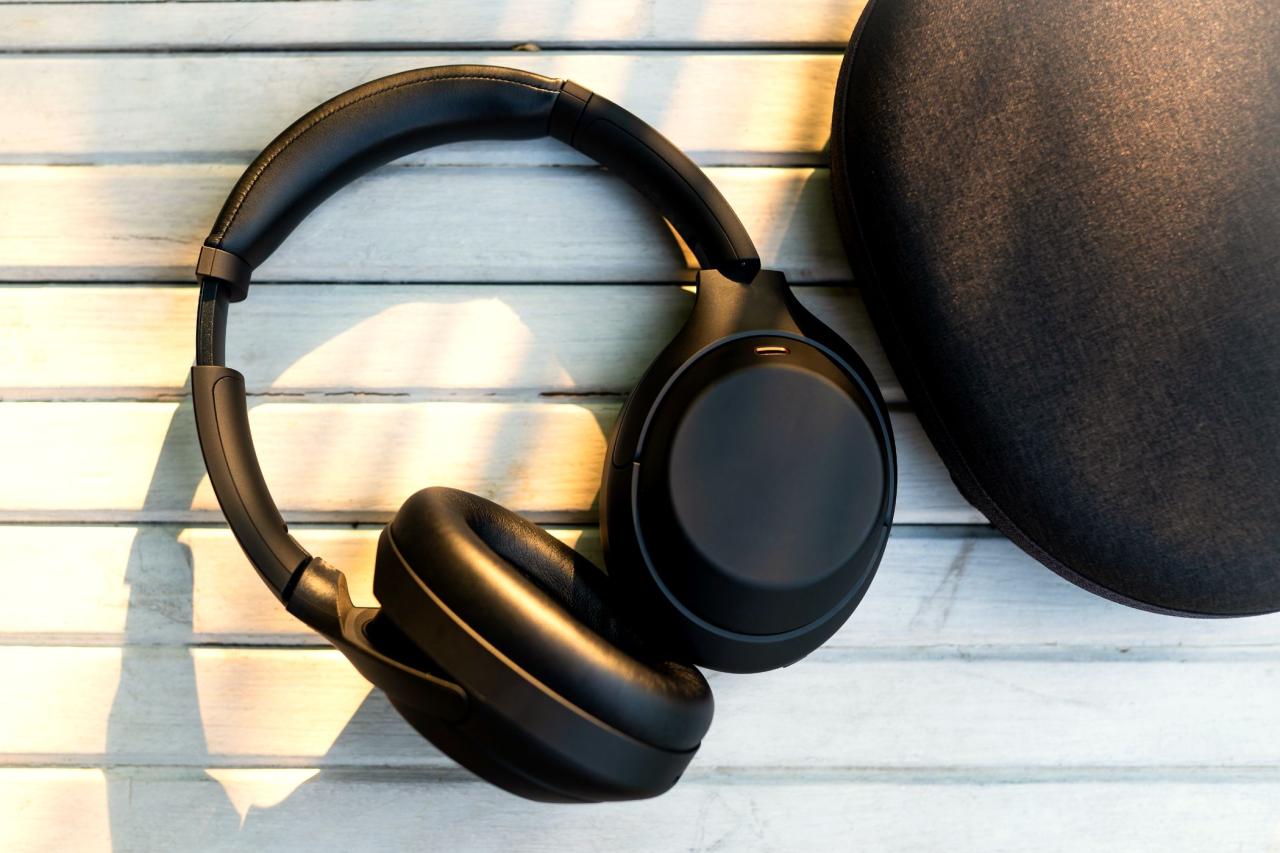
- Headphones: Look for models labeled as Hi-Res audio certified. These headphones accurately reproduce frequencies up to 40 kHz, allowing you to experience the nuances in music.
- Speakers: High-quality speakers designed for Hi-Res audio provide a more immersive listening environment. Ensure they support a wide frequency range and have excellent transient response for detailed sound.
- Digital Music Players: Devices like dedicated DAC-enabled music players or smartphones with Hi-Res capabilities offer a portable option for enjoying high-resolution tracks on the go.
- Streaming Devices: Select streaming services that support Hi-Res audio formats, along with compatible streaming devices that can decode and output these formats effectively.
Guidance on selecting the best headphones or speakers for Hi-Res audio
Choosing the right headphones or speakers for Hi-Res audio involves considering several factors that affect performance. Here’s a guide to help you make the best selection:
- Frequency Response: Opt for headphones or speakers with a frequency response extending beyond the standard 20 Hz to 20 kHz range; the wider the range, the better the detail reproduction.
- Impedance: Higher impedance headphones (above 32 Ohms) typically provide better sound quality when paired with suitable amplifiers. Ensure your audio source can drive them properly.
- Driver Size: Larger driver sizes can produce better bass response and overall sound fidelity. Look for drivers that balance size with sensitivity.
- Build Quality: Durable materials enhance sound isolation and comfort during long listening sessions, important for fully enjoying Hi-Res audio.
Importance of digital-to-analog converters (DACs) in high-resolution audio systems
Digital-to-analog converters (DACs) are integral components of high-resolution audio systems, converting digital audio signals into analog signals that speakers and headphones can reproduce. The quality of a DAC can significantly influence sound clarity and detail.
The precision of a DAC directly affects the listening experience; higher-quality DACs minimize distortion, ensuring that the music sounds as close to the original recording as possible.
When selecting a DAC for Hi-Res audio, consider the following factors:
- Sampling Rate and Bit Depth: Choose a DAC that supports high sampling rates (like 192 kHz or higher) and bit depths (24-bit or more) to capture the full detail of Hi-Res audio files.
- Type of DAC: There are various types, including integrated DACs found in many audio devices and standalone DACs that often offer superior performance.
- Connectivity Options: Ensure the DAC has the required inputs and outputs to connect seamlessly with your audio sources and playback devices.
Investing in quality equipment, from headphones and speakers to DACs, is essential for fully enjoying the benefits of high-resolution audio. The right gear not only enhances sound quality but also elevates the entire listening experience.
The streaming landscape for high-resolution audio content
The landscape of music consumption has dramatically shifted with the rise of streaming services, enabling users to access vast libraries of high-resolution audio (Hi-Res) content. These platforms not only provide an array of standard-quality tracks but are increasingly offering high-resolution formats that satisfy audiophiles seeking superior sound quality. As the demand for richer sound experiences grows, understanding the nuances of streaming Hi-Res audio becomes essential for both providers and consumers.
The increasing popularity of streaming services offering Hi-Res audio options reflects a pivotal change in how music is consumed. Services such as Tidal, Qobuz, and Amazon Music HD have taken the lead in this space, providing lossless audio formats that can enhance the listening experience significantly. The rise of these platforms is linked to advancements in digital audio technology and consumer awareness regarding audio quality. As more users become aware of the benefits of Hi-Res audio, they are willing to invest in better streaming options that provide a more immersive experience.
Impact of bandwidth and internet speed on streaming Hi-Res audio
Bandwidth and internet speed play critical roles in successfully streaming high-resolution audio. Hi-Res audio files are typically larger than standard audio files, requiring a robust internet connection to prevent buffering and ensure a seamless listening experience. The quality of the audio stream can be compromised if the bandwidth is insufficient, leading to interruptions or reduced audio fidelity.
Factors influencing the effective streaming of Hi-Res audio include:
- Recommended Internet Speed: To enjoy Hi-Res audio streaming without interruptions, a minimum internet speed of 5 Mbps is often recommended. However, higher speeds may be necessary for optimal performance, particularly in households with multiple devices connected to the internet.
- Network Congestion: During peak times, network congestion can impact streaming quality. Users should consider the usage patterns in their households to identify the best times for streaming Hi-Res content.
- Router Quality: High-quality routers with better range and performance can significantly enhance streaming capabilities, reducing latency and improving signal stability.
Optimizing bandwidth ensures users can fully experience the benefits of high-resolution audio, allowing them to appreciate the subtle nuances in music that standard resolutions might miss.
Optimizing home networks for Hi-Res audio streaming
To achieve the best possible conditions for streaming Hi-Res audio at home, several strategies can be implemented to optimize network performance. A well-structured home network can significantly improve the listening experience and minimize issues related to buffering.
Key optimization strategies include:
- Wired Connections: Utilizing Ethernet connections where possible can help avoid the interference and latency often associated with Wi-Fi networks. Wired connections typically provide more stable and reliable speeds necessary for Hi-Res audio.
- Quality of Service (QoS) Settings: Many modern routers come equipped with QoS settings that prioritize bandwidth for specific applications or devices. Adjusting these settings to prioritize audio streaming can enhance performance.
- Regular Firmware Updates: Keeping the router’s firmware updated ensures that the device operates efficiently, benefiting from the latest features and security improvements that can impact performance.
- Network Extenders: In larger homes, using range extenders or mesh networks can help eliminate dead zones and ensure robust connectivity throughout the space.
Implementing these strategies can create an optimized home network that supports the requirements for streaming high-resolution audio, allowing users to enjoy rich and detailed soundscapes without interruption.
High-resolution audio streaming offers an immersive musical experience, but it requires careful consideration of bandwidth and network optimization to fully appreciate its potential.
The future trends of high-resolution audio in consumer technology
As consumer technology evolves, high-resolution audio (Hi-Res) is poised for significant growth in the coming years. The increasing demand for superior sound quality, coupled with advancements in technology, is shaping the landscape of audio consumption. This discussion focuses on emerging technologies, shifting consumer preferences, and potential collaborations that will drive the Hi-Res audio market.
Emerging Technologies Influencing Hi-Res Audio Adoption
Several innovative technologies are paving the way for the wider acceptance of Hi-Res audio among consumers. The rise of streaming services offering Hi-Res audio formats signifies a shift in accessibility. Services like Tidal, Amazon Music HD, and Qobuz are providing users with seamless access to high-quality soundtracks, facilitating a growing market.
Additionally, advancements in hardware, such as smartphones and portable audio devices capable of supporting Hi-Res formats, are becoming more commonplace. The integration of digital-to-analog converters (DACs) in smartphones enhances sound quality, allowing users to experience Hi-Res audio without the need for specialized equipment. Wireless audio technology, including Bluetooth codecs like LDAC and aptX HD, is also improving, making it easier for consumers to enjoy high-quality audio on the go.
Consumer Preferences Shaping the Hi-Res Audio Market
Shifts in consumer preferences are critical in shaping the future of Hi-Res audio. As consumers become more educated about audio quality, they increasingly demand better sound experiences. The trend towards personalized audio experiences, such as adaptive sound technologies that tailor the listening experience to individual preferences, is expected to grow.
Moreover, younger generations, especially millennials and Gen Z, are showing a greater willingness to invest in high-quality audio equipment. According to a recent study, approximately 30% of younger consumers prioritize sound quality over brand loyalty, indicating a shift in purchasing behaviors. This generational preference is likely to drive more companies to invest in Hi-Res audio offerings.
Collaborations Between Artists and Technology Companies
The potential for collaborations between artists and technology companies presents exciting opportunities for promoting Hi-Res audio. Many artists are now focusing on delivering their music in Hi-Res formats, providing listeners with an authentic experience reflective of their artistic vision. This trend not only enhances the listening experience but also creates new revenue streams for artists.
Technology companies are recognizing the benefits of partnering with musicians to create exclusive content. For example, collaborations can result in unique Hi-Res audio releases or immersive listening experiences that utilize spatial audio technology. Such partnerships not only elevate the artist’s profile but also enhance the technology company’s brand by associating it with high-quality sound and innovative experiences.
In summary, the intersection of emerging technologies, evolving consumer preferences, and strategic collaborations is set to transform the high-resolution audio landscape, making it a significant focus in consumer technology.
The cultural implications of embracing high-resolution audio
The rise of high-resolution audio (Hi-Res) has significant cultural implications that reshape how we experience and appreciate music. As technology advances, listeners are increasingly looking for richer, more immersive auditory experiences, prompting a shift in consumption habits across diverse demographics. This transition toward Hi-Res audio is not just a technical upgrade; it represents a deeper appreciation for the artistry and intent behind music production.
The adoption of Hi-Res audio is gradually altering the landscape of music consumption. As listeners become accustomed to higher fidelity, they may develop a more discerning ear, leading to deeper engagement with the music. This newfound attention to audio quality encourages consumers to explore a wider range of genres and artists, moving beyond mainstream offerings. Furthermore, streaming services are beginning to offer Hi-Res options, making it easier for users to access superior sound quality.
The resurgence of vinyl culture
The relationship between high-resolution audio and the resurgence of vinyl culture illustrates a broader cultural shift toward valuing tangible experiences over purely digital consumption. Despite the convenience of digital streaming, many audiophiles are turning back to vinyl records, seeking not only superior sound quality but also the tactile interaction and aesthetic pleasure of physical media. Vinyl records, with their larger album art and analog warmth, provide an experience that digital formats often lack.
This revival of vinyl culture complements the interest in Hi-Res audio as both represent a desire for authenticity and depth in music listening. Many consumers report that they appreciate the ritual of playing a record, which involves a more intentional engagement with the music. Collectors often invest in high-quality turntables and speakers that can effectively reproduce the warmth and nuances of vinyl recordings, paralleling the investment in high-resolution audio equipment.
To illustrate this phenomenon, consider the following points regarding the interplay between Hi-Res audio and vinyl culture:
- Sales of vinyl records have seen a notable increase, with millions sold annually, showcasing a growing market demand.
- Hi-Res audio formats, such as DSD and FLAC, are being utilized in remastering classic albums, enhancing the listening experience for vinyl enthusiasts.
- Record labels are increasingly releasing exclusive Hi-Res audio versions of vinyl albums, creating a niche market for audiophiles seeking authenticity.
“The resurgence of vinyl is not just about the music; it’s about the experience, the nostalgia, and the art of listening.”
Accessibility of high-resolution audio
The accessibility of high-resolution audio varies across different demographics, influenced by factors such as technology adoption, income levels, and cultural attitudes toward music consumption. While younger generations are more inclined to embrace digital formats, older audiences may find traditional methods more comfortable, leading to disparities in Hi-Res audio adoption.
Accessibility concerns also arise due to the cost associated with Hi-Res audio equipment and subscriptions. High-quality headphones, speakers, and DACs (digital-to-analog converters) can be expensive, potentially alienating lower-income consumers from fully enjoying Hi-Res audio experiences.
Here are some key considerations regarding accessibility:
- Streaming platforms are beginning to offer Hi-Res audio at varying price points, but not all services provide equal access.
- Efforts are underway to educate consumers about the benefits of Hi-Res audio, which may encourage broader interest and adoption.
- Community initiatives, such as listening events and workshops, can help demystify Hi-Res audio and make it more approachable for diverse groups.
“Accessibility should not be an obstacle but a bridge to a richer musical landscape.”
The environmental impact of high-resolution audio production and consumption
The evolution of high-resolution audio (Hi-Res) formats has transformed the listening experience, providing exceptional clarity and detail. However, the production and consumption of these audio formats also pose significant environmental challenges. As the demand for superior sound quality increases, it is essential to examine the environmental footprint associated with Hi-Res audio, along with sustainable practices that can be adopted by both producers and consumers.
One of the primary environmental challenges associated with Hi-Res audio is the increased energy consumption during the production and distribution processes. Manufacturing high-quality audio equipment, storage devices, and physical media requires substantial energy, often derived from non-renewable sources. Additionally, the digital storage of Hi-Res audio files demands greater data transfer capacity, resulting in higher energy usage by data centers and internet infrastructures. These factors contribute to increased carbon emissions, exacerbating climate change.
Environmental challenges of Hi-Res audio formats
The production and consumption of high-resolution audio formats can lead to various environmental issues, necessitating a thoughtful approach to mitigate their impact. Important challenges include:
- Resource-intensive manufacturing: The creation of high-quality audio equipment often relies on rare minerals and metals, which are extracted through environmentally damaging mining processes.
- Increased electronic waste: As technology evolves, older audio devices risk becoming obsolete. This contributes to a growing amount of electronic waste that is often poorly recycled or disposed of.
- Carbon footprint of data centers: The storage and streaming of Hi-Res audio require significant data processing power, increasing the carbon footprint of digital music consumption as more energy is consumed by data centers.
Sustainable practices in high-resolution audio production
Adopting sustainable practices in the production of Hi-Res audio content can significantly mitigate its environmental impact. Key strategies include:
- Eco-friendly materials: Utilizing sustainably sourced and recyclable materials for packaging and components in audio equipment reduces the need for resource extraction and minimizes waste.
- Energy-efficient manufacturing: Employing renewable energy sources in the manufacturing process lowers carbon emissions and promotes sustainability within the industry.
- Digital distribution: Focusing on digital downloads and streaming instead of physical media diminishes waste and reduces the environmental footprint associated with manufacturing and transportation.
Minimizing consumer environmental footprint
Consumers can play a vital role in minimizing the environmental impact of their Hi-Res audio consumption. Practical strategies include:
- Supporting sustainable brands: Choose to purchase audio equipment and music from companies that prioritize environmentally friendly practices, such as those utilizing recyclable packaging and green manufacturing processes.
- Digital over physical: Opt for digital downloads and streaming services rather than purchasing physical media, which contributes to less waste and fewer carbon emissions from manufacturing and shipping.
- Proper electronic waste disposal: Dispose of old audio equipment responsibly by recycling or donating it, in order to reduce electronic waste and promote a circular economy.
“Making informed choices in both production and consumption can lead to a more sustainable approach to high-resolution audio.”
Closing Notes
In summary, the advent of high-resolution audio (Hi-Res) represents a significant milestone in music consumption, allowing both casual listeners and dedicated audiophiles to enjoy their favorite tracks with unmatched clarity and detail. As technology progresses and streaming becomes more accessible, the future of Hi-Res audio looks bright, promising an even wider reach and a deeper appreciation for music in its purest form. Embracing Hi-Res audio not only elevates our listening experience but also encourages a cultural shift towards valuing sound quality in an increasingly digital world.
FAQ Corner
What is high-resolution audio?
High-resolution audio refers to audio files with higher sampling rates and bit depths than standard CDs, resulting in superior sound quality.
Do I need special equipment to hear Hi-Res audio?
Yes, to fully experience Hi-Res audio, you need compatible devices like high-quality headphones, speakers, and digital-to-analog converters (DACs).
Can I stream high-resolution audio?
Yes, many streaming services now offer Hi-Res audio options, but ensure your internet connection can handle the increased bandwidth.
Is Hi-Res audio worth the investment?
For serious music lovers, the investment in Hi-Res audio can lead to a more immersive and enjoyable listening experience.
Are there different Hi-Res audio formats?
Yes, popular Hi-Res audio formats include FLAC, ALAC, DSD, and WAV, each offering unique advantages in quality and compatibility.