
 Zoe Nora
Frequency response plays a crucial role in various fields, influencing how we understand and interact with signals across different systems. It serves as a bridge between theoretical concepts and practical applications, demonstrating how signals behave in response to different frequencies. Whether in audio engineering, telecommunications, or biomedical applications, grasping the concept of frequency response is essential for optimizing system performance and ensuring quality outputs.
This multifaceted topic encompasses a variety of areas, including the mathematical foundations that govern frequency response, such as amplitude and phase components. By delving into real-world examples, we can see how frequency response shapes the design and functionality of numerous systems, emphasizing its importance in both analysis and application. From audio devices that impact sound quality to control systems that enhance stability, frequency response is central to achieving desired results in any engineering discipline.
Understanding the Concept of Frequency Response
Frequency response is a fundamental concept in the field of signal processing that describes how a system responds to different frequencies of input signals. This characteristic is crucial for engineers and designers as it helps in predicting how systems will behave when subjected to various signal frequencies. In essence, frequency response provides insight into a system’s stability, performance, and efficiency across a spectrum of frequencies. Understanding this concept enables the optimization of designs and the improvement of system performance in practical applications such as audio engineering, telecommunications, and control systems.
The mathematical representation of frequency response is typically expressed as a complex function of frequency. This function can be defined as \( H(f) = |H(f)| e^{j\phi(f)} \), where \( |H(f)| \) denotes the amplitude response and \( \phi(f) \) represents the phase response. The amplitude response indicates how much the output signal’s amplitude is amplified or attenuated at each frequency, while the phase response shows the time delay introduced by the system at those frequencies. The significance of these components cannot be understated, as they collectively influence how signals are shaped and modified as they pass through a system.
In practical applications, frequency response is critical for designing various systems. For instance, in audio engineering, equalizers rely on adjusting frequency responses to enhance sound quality by amplifying or attenuating specific frequencies. Similarly, in telecommunications, filters are designed using frequency response principles to allow certain frequency ranges to pass while blocking others, ensuring clearer signals in data transmission. Control systems also utilize frequency response to analyze system stability and performance, helping engineers design systems that can effectively manage dynamic changes in inputs while maintaining desired outputs.
The importance of frequency response is illustrated in systems such as:
- Audio Equalizers: These devices manipulate sound signals by adjusting the amplitude of specific frequency bands to enhance audio quality.
- Digital Filters: Employed in communication systems to remove unwanted frequencies, improving signal clarity and integrity.
- Control Systems: Used in feedback systems to determine stability and response times, ensuring optimal performance in varying conditions.
Overall, frequency response is an indispensable tool in the design and analysis of systems that process signals, providing the insights necessary to achieve efficient and effective performance across various applications.
The Role of Frequency Response in Audio Engineering
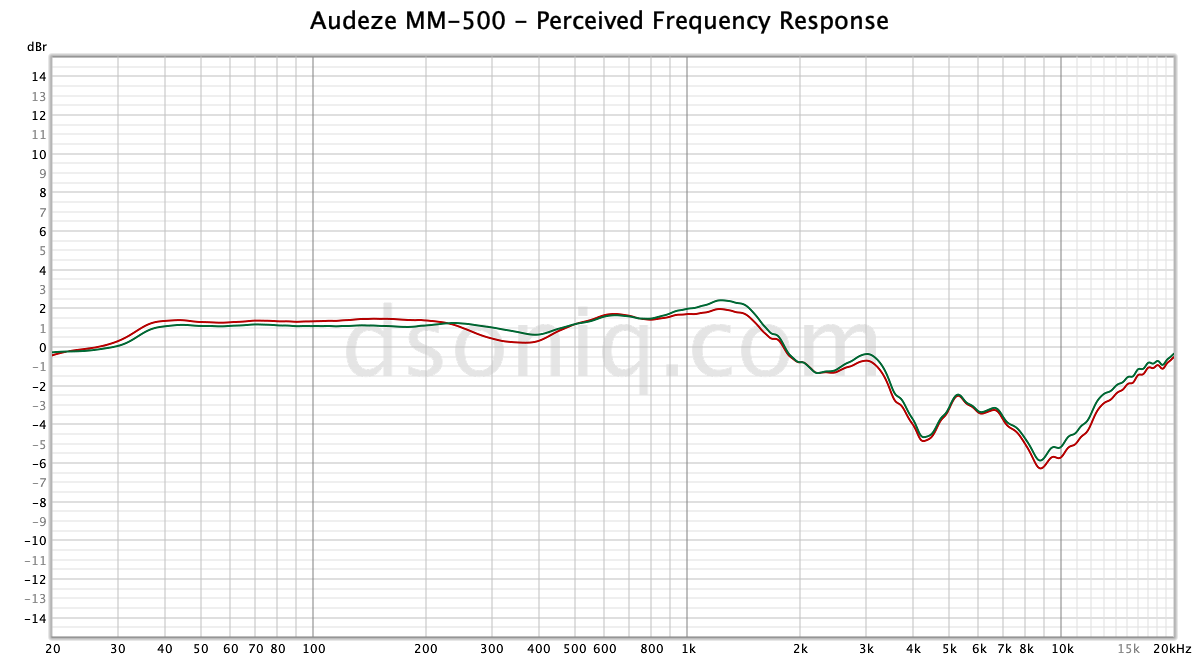
Frequency response is a critical aspect in audio engineering that directly influences the quality and perception of sound. It refers to the range of frequencies that an audio device, such as a microphone or speaker, can reproduce or capture. A well-balanced frequency response allows for the faithful reproduction of sound, which is essential in various environments—be it a recording studio, a concert hall, or even at home. Understanding how frequency response affects audio quality enables audio engineers to create more immersive experiences for listeners.
Frequency response plays a pivotal role in defining sound quality as it affects how we perceive audio signals in different acoustic environments. For instance, in a studio, flat frequency response is desirable, ensuring that the mix translates well to various playback systems. Conversely, in a concert setting, the natural acoustics of the venue may emphasize certain frequencies, which can lead to coloration of the sound. This coloration can enhance or detract from the intended audio experience depending on how well the frequency response aligns with the acoustic characteristics of the environment. Therefore, engineers must consider these factors carefully to achieve the best sound quality.
Measurement of Frequency Response
The assessment of frequency response in audio equipment is vital for ensuring accurate sound reproduction. Various methods exist to measure the frequency response of microphones and speakers, with each method having its advantages and limitations. Commonly employed techniques include:
1. Measurement Microphones: Utilizing precision microphones with a known frequency response allows for the capture of audio signals in specific environments. Engineers can analyze these signals against reference standards to ascertain how well the equipment performs across the frequency spectrum.
2. Software Analysis: Programs like FFT (Fast Fourier Transform) analyze the frequency components of an audio signal. This software provides visual representations of the frequency response, enabling engineers to identify peaks and dips in response.
3. Sine Wave Testing: By generating pure tone sine waves across a range of frequencies and measuring the output level, engineers can plot the frequency response curve of the audio equipment. This helps identify any discrepancies and informs adjustments needed to achieve a balanced response.
Interpreting frequency response curves is essential for audio mixing and mastering. These curves reveal how different frequencies are emphasized or attenuated by the audio equipment, influencing the final mix. A flat response indicates that all frequencies are treated equally, resulting in a transparent sound. Conversely, a curve with significant peaks or drops may signal potential issues, such as muddiness or harshness in the sound. Understanding these implications enables audio engineers to make informed decisions during the mixing process, ultimately enhancing the listening experience across various platforms and environments.
Frequency Response in Control Systems
Frequency response is a crucial concept in control systems, allowing engineers to analyze and design systems based on how they respond to various input frequencies. By understanding the frequency response, one can predict the behavior of a system under different operating conditions, which is essential for achieving stability and desired performance. This approach integrates the principles of linear systems theory with practical applications in designing controllers that meet specific performance criteria, such as speed and accuracy.
Bode Plots and System Behavior
Bode plots serve as a vital tool in the analysis of frequency response, providing a graphical representation of a system’s gain and phase shift as a function of frequency. The plot consists of two separate graphs: one for magnitude (gain) and another for phase, both plotted against a logarithmic frequency scale. This format facilitates easy interpretation of how the system behaves across various frequencies and aids in identifying critical aspects such as the bandwidth and resonance peaks.
The importance of Bode plots lies in their ability to simplify complex calculations and convey system characteristics clearly. For instance, it allows engineers to quickly assess the stability margins of a system and identify potential issues that may arise at specific frequencies. A Bode plot can reveal how gain changes with frequency, which is crucial for determining how much feedback a system requires to maintain stability without oscillation.
Tuning Controllers for Desired Performance
Frequency response techniques are instrumental in tuning controllers to meet desired performance characteristics. When designing controllers, engineers often rely on specific performance metrics, including settling time, overshoot, and steady-state error. By utilizing frequency response data, they can adjust controller parameters—such as proportional gain, integral time, and derivative time—to achieve optimal performance.
One common approach is to employ techniques such as loop shaping, where the desired open-loop frequency response is shaped to ensure that the closed-loop system meets performance specifications. For example, if a system exhibits excessive overshoot, frequency response analysis can guide adjustments to decrease the bandwidth, effectively controlling the speed of response while improving stability.
Additionally, the Nyquist stability criterion can also be applied, where the phase margin and gain margin obtained from frequency response analysis provide critical insights into stability. By understanding these margins, engineers can iterate on controller designs, ensuring that the system responds effectively to changes in input while remaining stable over the intended frequency range.
Applications of Frequency Response in Telecommunications
In the field of telecommunications, frequency response plays a crucial role in the design and optimization of communication systems. It refers to the way an electronic device responds to different frequencies of input signals, fundamentally influencing how data is transmitted and received over various media. A thorough understanding of frequency response allows engineers to enhance signal integrity, minimize distortion, and ultimately improve the overall performance of communication networks. By analyzing the frequency response, designers can tailor communication systems to meet specific requirements, ensuring reliable and high-quality transmissions across diverse applications.
Impact of Frequency Response Challenges on Signal Integrity
Frequency response challenges can severely affect signal integrity and transmission quality, leading to detrimental effects on communication systems. Several scenarios highlight the critical nature of addressing these challenges to maintain optimal performance:
– Cable Transmission: In long-distance communication, cables often exhibit frequency-dependent attenuation. This means that higher frequencies may be significantly attenuated compared to lower frequencies, resulting in signal distortion. Engineers must account for these variations during the design phase to ensure effective signal transmission.
– Wireless Communication: In wireless networks, multipath propagation can lead to frequency selective fading, where certain frequencies experience more attenuation than others. This phenomenon can cause significant fluctuations in signal quality, impacting data rates and reliability.
– Interference: Frequency response issues can also arise from interference, such as crosstalk in twisted-pair cables or electromagnetic interference from nearby equipment. These factors can distort the intended signal and degrade performance metrics like bit error rates.
Testing methods are critical in addressing these challenges and ensuring compliance with telecommunications standards. Various frequency response testing techniques are employed to validate the performance of communication systems:
– Network Analyzers: These instruments measure the frequency response of a system by assessing the amplitude and phase of signals at different frequencies. They help identify issues in component design or network configuration.
– Time Domain Reflectometry (TDR): TDR is used to detect faults and discontinuities along cables. By analyzing the reflections of a pulse signal, technicians can determine the frequency response characteristics of the transmission medium.
– Spectrum Analyzers: These devices allow engineers to visualize frequency components of a signal in real-time, helping to identify unwanted signals or noise that could compromise transmission quality.
Through these methods, telecommunications professionals can effectively mitigate frequency response challenges, ensuring robust and reliable communication systems that adhere to industry standards.
Exploring the Frequency Response of Mechanical Systems
Frequency response analysis is a critical tool in mechanical engineering, particularly for understanding vibrations and the dynamic behavior of systems. In many applications, mechanical components are subjected to oscillatory forces that can lead to resonance, fatigue, and failure if not properly managed. By analyzing the frequency response, engineers can assess how a system reacts to various frequency inputs, allowing them to predict potential issues and improve designs. This analysis involves measuring the output of a system in response to a known input signal across a range of frequencies, thus creating a frequency response function (FRF) that illustrates the relationship between input and output.
The relationship between natural frequency and frequency response plays a significant role in the design of mechanical systems. The natural frequency is the frequency at which a system tends to oscillate in the absence of any driving force. When the system is subjected to external forces at or near this frequency, resonance can occur, leading to large amplitude oscillations. Understanding this relationship is crucial for engineers, as it informs design choices and material selection to avoid resonance conditions. The implications for design include selecting appropriate damping materials, adjusting system stiffness, and optimizing mass distribution.
Case studies illustrate the application of frequency response analysis in improving mechanical system performance. For instance, in the aerospace industry, vibration analysis was performed on an aircraft wing to identify critical frequencies that could lead to structural failure. By adjusting the wing’s design and using advanced materials, engineers successfully shifted the natural frequency away from the operational range of vibrations encountered during flight, thus enhancing safety and performance. Similarly, in automotive engineering, frequency response testing was used to diagnose and resolve issues related to engine vibration, resulting in a smoother ride and improved vehicle longevity. These examples underscore the importance of frequency response analysis in ensuring the reliability and functionality of mechanical systems.
Frequency Response in Biomedical Applications
Frequency response plays a significant role in various biomedical applications, particularly in medical imaging techniques like ultrasound and magnetic resonance imaging (MRI). The core of these technologies lies in their ability to accurately interpret frequency signals, which can lead to improved diagnostics and patient outcomes. Understanding how frequency response operates in these contexts can enhance the efficacy of these imaging modalities and contribute to advancements in healthcare technology.
The relevance of frequency response is particularly evident in ultrasound and MRI. In ultrasound imaging, sound waves are transmitted into the body, and the returning echoes are analyzed to create images of internal structures. The frequency of these sound waves determines the resolution and penetration depth of the images. Higher frequencies yield better resolution but have less penetration, while lower frequencies penetrate deeper but provide lower resolution. This frequency-response relationship is crucial for optimizing image quality based on the specific diagnostic needs.
In MRI, frequency response is essential for signal acquisition and processing. The resonance frequency of hydrogen protons, which are abundant in body tissues, is utilized. Adjusting the magnetic field strength and radiofrequency pulses allows for different tissue types to resonate at varying frequencies, providing detailed images based on tissue contrast. The frequency response characteristics of the MRI system directly impact factors such as image contrast and signal-to-noise ratio, which are vital for accurate diagnosis.
Significance of Frequency Response in Biomedical Sensor Design
In addition to imaging techniques, frequency response is vital in the design of biomedical sensors and devices intended for diagnostic purposes. Various sensors, such as electrocardiograms (ECGs) and biosensors, rely on accurate frequency response to detect physiological signals and biomarkers.
The effectiveness of these devices often hinges on their ability to operate within specific frequency ranges that correspond to the physiological signals being measured. For instance, in ECGs, the frequency response must accurately capture heart rhythms and electrical activity. A poor frequency response can lead to misinterpretation of data, affecting patient care.
Recent research findings highlight the impact of frequency response on the efficacy of biomedical applications. For example, studies have shown that enhancing the frequency response of wearable biosensors can significantly improve their sensitivity and specificity. In one study, modifications to the frequency response characteristics of a glucose monitoring device led to a more accurate assessment of blood glucose levels in diabetic patients, resulting in better management of their condition. These findings illustrate the critical importance of frequency response not only in imaging but also in the broader scope of medical diagnostics and patient monitoring technologies.
Advanced Techniques in Frequency Response Analysis
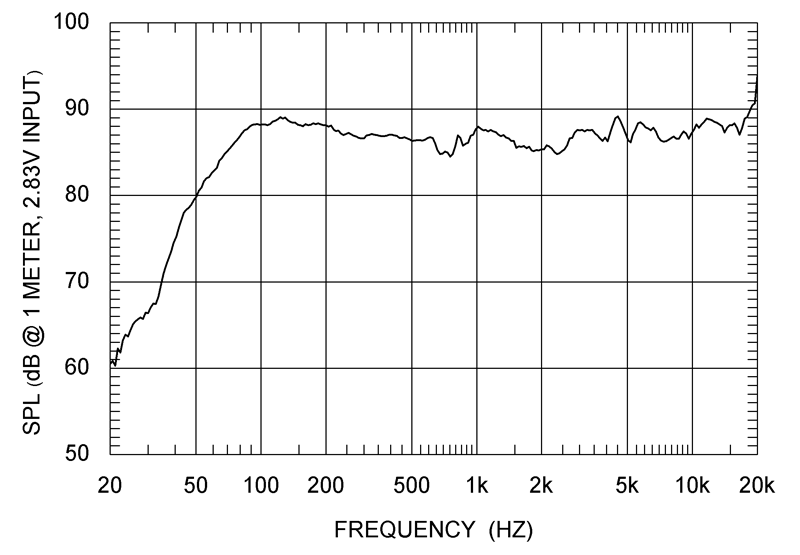
As technology progresses, frequency response analysis has evolved with innovative techniques and tools that enhance measurement accuracy and efficiency across diverse fields, including audio engineering, telecommunications, and biomedical applications. These advances allow for a deeper understanding of system behavior in response to various input frequencies, facilitating improvements in design and functionality.
Innovative Techniques and Tools
The landscape of frequency response analysis has been significantly enriched by several advanced techniques that leverage modern technology and computational methods. Key innovations include:
1. Digital Signal Processing (DSP): DSP techniques have revolutionized how frequency response is measured. By converting analog signals into digital format, complex algorithms can analyze and manipulate the frequency components with high precision. This is particularly useful in audio applications where fidelity is paramount.
2. Real-Time Analysis: Tools such as Fast Fourier Transform (FFT) and other spectral analysis algorithms enable real-time frequency response measurement. This capability allows engineers to make immediate adjustments and optimizations during system design and testing.
3. Adaptive Filtering: This technique dynamically adjusts filter parameters in real-time based on incoming signal characteristics. It plays a crucial role in enhancing frequency response by minimizing noise and interference while maintaining signal integrity. In applications such as telecommunications, adaptive filtering ensures clearer signal transmission over varying conditions.
4. Vector Network Analyzers (VNAs): VNAs provide comprehensive frequency response data for RF and microwave systems. They measure both the magnitude and phase of a signal, allowing engineers to evaluate how components interact within a network, providing insights for improvements.
5. Machine Learning Algorithms: Emerging applications of machine learning in frequency response analysis enable predictive modeling of system behavior under different conditions. By analyzing large datasets, these algorithms can identify patterns that inform design choices and optimize performance.
“Adaptive filtering enhances frequency response by dynamically adjusting to real-time signal conditions, improving clarity and reducing noise.”
Comparison of Traditional and Modern Approaches
Traditional frequency response analysis often relied on manual methods and analog equipment, which, while effective, had inherent limitations in speed, accuracy, and data handling. Engineers typically used sweep signals and oscilloscopes to visualize frequency response, a process that could be time-consuming and prone to human error.
In contrast, modern approaches utilize advanced software tools and automated systems that significantly reduce analysis time while increasing precision. The advantages of modern methods include:
– Higher Accuracy: Digital measurements eliminate many of the inaccuracies found in analog systems.
– Faster Processing: Automated tools can process data within seconds, allowing for quicker iterations in the design phase.
– Comprehensive Data Analysis: Modern tools can provide detailed insights, including phase shifts and group delay, which are crucial for advanced applications.
Nonetheless, traditional methods bring certain advantages, such as:
– Simplicity: The straightforward nature of analog measurements can be beneficial in educational settings or for initial assessments.
– Lower Cost: Basic analog systems can be less expensive than advanced digital setups.
In summary, while traditional methods have their place, the advancements in tools and techniques available today provide a more robust framework for frequency response analysis across various fields.
Concluding Remarks
In summary, frequency response is not just a technical concept; it is a vital element that influences the performance and reliability of many systems across multiple domains. Understanding its intricacies allows engineers and practitioners to make informed decisions that optimize functionality and enhance user experiences. As we continue to explore innovative techniques and applications, the relevance of frequency response will only grow, highlighting its significance in the evolving landscape of technology and engineering.
Q&A
What is frequency response?
Frequency response is the measure of a system’s output spectrum in response to an input signal, showcasing how different frequencies are handled by that system.
Why is frequency response important?
It is essential for understanding how systems behave in real-world applications, impacting design choices and performance outcomes.
How is frequency response measured?
Measurements can be taken using various techniques, such as Bode plots or frequency response analyzers, to obtain amplitude and phase information.
What are some common applications of frequency response?
Frequency response is widely applied in audio engineering, telecommunications, control systems, mechanical engineering, and biomedical fields.
Can frequency response vary between different systems?
Yes, each system has its unique frequency response characteristics, influenced by design parameters and operating conditions.