
 Zoe Nora
Did you know over 80% of movie dialogue goes through one audio component? Like Erik Weihenmayer, who used clear communication to reach Mount Everest, your home theater needs clear audio for an immersive experience.
A top-notch center channel speaker is key for your soundstage. It keeps voices clear and easy to understand, even in loud scenes. Without it, your sound might feel unclear or disconnected from the movie.
We’ll show you how to pick the right center channel speaker for your space. We look at driver configuration, frequency response, and size to find the best fit. A good center channel speaker turns your living room into a top-notch cinema.
Key Takeaways
- The primary role of this device is to anchor dialogue to the screen.
- Proper placement is essential for achieving a balanced soundstage.
- Consider room size and compatibility when selecting your hardware.
- Frequency response impacts how natural voices sound during playback.
- Budget and build quality are key factors in long-term performance.
What is a Center Channel Speaker?
When you watch a movie, the center channel speaker is the unsung hero of your audio setup. It sits in front of you, above or below the TV. This home theater speaker makes sure most of the dialogue and voices sound clear.
Overview of Center Channel Speakers
A center channel speaker connects your left and right front speakers. It focuses on voices, keeping them tied to the action on screen. Without it, voices might sound unclear or far away.
Imagine a classroom. Just as Erik Weihenmayer taught with clear communication, your audio system needs a center channel for clear dialogue. This ensures you catch every detail of the story.
Importance in Home Theater Systems
Adding a good home theater speaker to your setup makes the sound better. It works with surround speakers and a subwoofer to create a 3D sound space. When everything is balanced, the sound feels real and immersive.
The table below shows how each part of your system adds to your listening experience:
| Speaker Channel | Primary Responsibility | Audio Focus |
|---|---|---|
| Center Channel | Dialogue and Vocals | Clarity and Presence |
| Left/Right Front | Music and Effects | Stereo Imaging |
| Surround Channels | Ambient Sounds | Spatial Depth |
| Subwoofer | Low-Frequency Effects | Impact and Bass |
By focusing on the home theater speaker, you get every word clear. This turns your living room into a top-notch sound environment, matching the visuals perfectly.
How to Choose the Right Center Channel Speaker
Finding the right audio speaker for your home theater is key. It’s about balancing technical specs with real-world sound. Numbers on a box are just a start. They don’t tell the whole story of how it sounds in your living room.
We suggest focusing on how the device fits into your setup. This ensures clear, crisp dialogue for you and your family.
Key Features to Consider
When checking out an audio speaker, look at sensitivity and impedance. High sensitivity means it needs less power to get loud, which is good for smaller amps. Tonal matching is also crucial. You want your center channel to sound the same as your front speakers for a smooth sound transition.
Also, think about the driver configuration. A three-way design often gives better sound off to the sides. This means everyone on the couch gets the same quality sound. Power handling should match your receiver’s output to avoid distortion during loud scenes.
Size and Compatibility
Size is important, more than many people think. Make sure the audio speaker fits your media console without blocking your TV. A speaker that’s too big can take over your space. One that’s too small might lack the depth for movie sound.
Always check if your receiver can handle the audio speaker before buying. Make sure the speaker’s impedance matches your amplifier to avoid problems. Where you place the speaker, whether on a shelf or stand, greatly affects dialogue clarity.
Budget and Pricing Options
You don’t need to spend a lot to get a good audio speaker. Look for value over brand name to save money. Mid-range models often offer great quality and sound for most home theaters.
Just because a speaker is expensive doesn’t mean it’s better for your room. Look for one that meets your needs and fits your budget. With the right research, you can find an audio speaker that enhances your listening experience for years.
Top Brands for Center Channel Speakers
Building a high-quality audio system means knowing the top manufacturers. Each brand has its own way of engineering, affecting your surround sound speaker performance. Understanding these differences helps you choose the right one for your home theater.
Klipsch: A Pioneer in Audio Quality
Klipsch is known for its horn-loaded technology. This design leads to high sensitivity and dynamic range. It’s perfect for those seeking a cinematic feel at home.
- Efficiency: Needs less power for loud volumes.
- Clarity: Great for clear dialogue in surround sound setups.
- Build: Cabinets are built to reduce resonance.
Polk Audio: Affordable Excellence
Polk Audio offers sound quality at various price points. They aim to provide equipment that’s both affordable and accurate in sound.
Polk’s speakers use Dynamic Balance to cut down on distortion. This makes them a solid choice for a surround sound speaker system that excels in music and movies.
JBL: Power and Performance
JBL brings professional cinema tech to the consumer market. Their products are made for high-output settings, focusing on power and impact.
Adding a JBL unit to your surround sound speaker setup brings a sense of scale. They’re ideal for large rooms, filling the space with clear sound.
| Brand | Primary Strength | Best Use Case |
|---|---|---|
| Klipsch | High Sensitivity | Dynamic Home Theater |
| Polk Audio | Value & Balance | Versatile Living Rooms |
| JBL | Power Handling | Large Dedicated Theaters |
The right surround sound speaker depends on your room and taste. Matching equipment to your space ensures a lasting, superior listening experience.
Benefits of Using a Center Channel Speaker
The secret to great home theater sound often lies in the center. While big subwoofers get attention, the best center channel speaker is key. It makes sure important sounds reach you clearly and evenly.
Enhanced Dialogue Clarity
A center speaker is made for human speech. It keeps voices clear by separating them from background noise. True clarity means every word is heard clearly, not just loud.
“Erik held players’ attention for 70 minutes and his message continued motivating them.”
Just like a strong message needs focus, your audio needs a dedicated center speaker. The best center channel speaker keeps movies and shows engaging, even in action scenes.
Improved Soundstage
Without a center channel, voices seem to come from the sides. This makes the experience feel disjointed. A good center speaker keeps voices on the screen, making it feel like actors are talking to you.
The best center channel speaker is not just about loud bass or volume. It provides balanced sound that keeps everything centered, no matter where you sit.
Seamless Multi-channel Audio
The center channel connects your left and right speakers. It blends dialogue with sound effects for a seamless transition. This creates a true-to-life cinema experience at home.
Common Features of Quality Center Channel Speakers
When looking for a top rated center channel speaker, certain parts are key. Knowing about these parts helps you choose wisely for your home theater. This ensures clear sound for your movie nights.
Drivers and Tweeters
The core of a speaker is its driver setup. Good speakers have special midrange drivers for clear voices. This is crucial, as Erik, an expert in documentaries, knows.
Tweeters are also key, handling high sounds for sharp audio. A top rated center channel speaker uses materials like silk domes to cut down on distortion. This creates a smooth soundstage that keeps voices clear.
Frequency Response and Sound Range
Frequency response shows how well a speaker handles sound. A wide range means better depth, from deep voices to sharp sounds. Look for a top rated center channel speaker with a flat response.
Crossover networks are vital for directing sounds to the right driver. Good crossovers prevent muddy audio. Think about these points when buying:
- Frequency Range: A wide range is best for all sounds.
- Crossover Quality: High-quality parts reduce signal loss.
- Driver Integration: Smooth transitions between drivers improve sound.
Design and Build Quality
The speaker’s design affects its sound. Makers choose between sealed or ported designs for bass. A top rated center channel speaker uses heavy materials to stop rattling.
Build quality is more than looks; it’s about strength. A solid cabinet keeps sound clean, even at loud volumes. Match technical specs with your listening preferences for the best fit.
Best Center Channel Speakers for Different Budgets
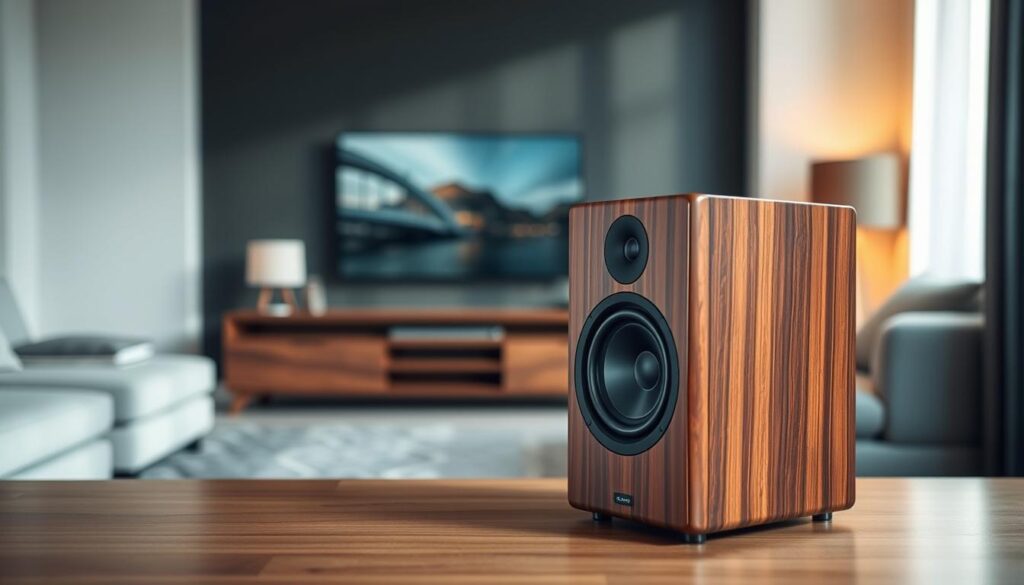
Choosing audio gear is like climbing a mountain. Each step up improves your experience. You need to think about your room size and listening habits when picking a premium center channel speaker.
High-End Options
Investing in a top-tier model means you’re getting top-notch engineering and materials. These speakers have advanced cabinet rigidity to reduce vibrations. You’ll enjoy exceptional dialogue clarity and a wider soundstage.
High-end speakers use special drivers and tweeters for consistent sound. They’re perfect for home theaters where precision matters. Spending more ensures your system can handle complex soundtracks without distortion.
Mid-Range Favorites
The mid-range market offers great value. A premium center channel speaker in this range provides excellent sound dispersion and clear vocals. It’s ideal for those wanting a big upgrade without spending too much.
These speakers focus on reliable build quality and consistent sound. They’re scalable, working well with various amplifiers and subwoofers. You’ll get a professional sound that enhances your movie-watching experience.
Budget-Friendly Selections
Sometimes, a smaller or less expensive model is all you need. If you have a small space, you don’t need the biggest or most expensive speakers. These options offer clear dialogue and good frequency response for casual listeners.
Going for a budget-friendly option lets you save money for other parts of your home theater. It’s a smart way to start before deciding to invest more. Quality sound is still within reach, no matter your budget.
Top Recommendations for Home Theater Setup
Choosing the right high-quality center channel speaker is like picking gear for a tough outdoor trip. It depends on your room’s sound and layout. The best setups match the gear to the room’s needs. Whether you want clear dialogue or deep sound, pick based on your room and equipment.
Best Overall Center Channel Speaker
The best choice balances clarity and wide sound. It should handle quiet whispers and loud scenes well. Look for one that works well with your front speakers for a consistent sound.
Best Compact Option
For small spaces, a smaller speaker doesn’t mean less quality. A high-quality center channel speaker in a small size is great for tight spots. These speakers are made to bring out clear voices, even in small rooms.
Best for Larger Rooms
In big home theaters, you need a speaker that can project sound far. These speakers need more power to fill large spaces. They often have more drivers to send sound clearly to everyone.
| Category | Room Size | Primary Benefit | Power Needs |
|---|---|---|---|
| Best Overall | Medium | Balanced Audio | Moderate |
| Best Compact | Small | Space Efficiency | Low to Moderate |
| Best for Large Rooms | Large | High Output | High |
Choosing the right high-quality center channel speaker makes your home theater great. Think about your room and how you listen to make sure you’re happy with your choice.
Common Mistakes When Selecting Center Channel Speakers
Finding the perfect sound is like climbing a tough mountain. You need the right tools and knowledge to reach the top. When setting up home audio, every piece must work well together. Picking the wrong center speaker for TV can lead to disappointment, not the immersive sound you want.
Ignoring Compatibility
One big mistake is not matching your speaker with your receiver and TV. Your center speaker for TV must be at the right height for clear dialogue. If it doesn’t fit with your amplifier, you might damage your gear or get bad sound.
Overlooking Room Acoustics
Many forget that the room affects sound. Hard surfaces can make dialogue unclear. Test your room for echoes before placing your center speaker for TV to keep sound clear.
Focusing Solely on Price
Buying audio gear just for the cheapest price is a trap. Cheap speakers often can’t handle the power of better speakers. Spending more on quality means your system will sound better, making movies and music more enjoyable.
| Common Mistake | Primary Impact | Recommended Fix |
|---|---|---|
| Ignoring Compatibility | Poor sound integration | Check receiver specs |
| Ignoring Acoustics | Echo and distortion | Use acoustic panels |
| Price-only focus | Lack of power handling | Prioritize build quality |
Conclusion: Elevate Your Audio Experience
Creating a top-notch home theater means paying close attention to every part of your system. Choosing the right gear changes how you enjoy your favorite shows and movies every day.
Summary of Essential Factors
We looked at clear dialogue, matching sounds, and room size to help you pick the best. Remember, quality and budget are key for lasting happiness with your gear. A great center speaker makes voices clear and keeps the sound balanced during action scenes.
Refining Your Home Theater Setup
Your audio adventure doesn’t end with one buy. Think of this upgrade as a step towards making your listening space even better. Just like Erik’s journey on Everest, your home theater should grow and improve over time.
Putting your center speaker in the right spot makes the sound balanced and immersive for everyone. Try different setups to find the best sound spot. Enjoy making a system that brings movie sound right into your home.