
 Zoe Nora
Home audio installation is an essential step towards transforming your space into a vibrant sound oasis. Whether you’re a cinephile craving that cinematic experience or a music lover wanting to fill your home with rich, enveloping sound, the right audio setup can make all the difference. By opting for professional installation, you not only ensure optimal performance but also avoid the common pitfalls that come with DIY efforts.
In this guide, we’ll explore the critical components of a home audio system, offer planning tips for layout and acoustics, and delve into the latest trends and technology that elevate your listening experience. Understanding the nuances of speaker types, calibration, and smart home integration will empower you to create a tailored audio environment suited to your preferences.
The Importance of Professional Home Audio Installation
A professionally installed home audio system can transform your listening experience from ordinary to extraordinary. The intricate balance of sound quality, speaker placement, and system performance requires expertise that most homeowners simply don’t possess. Engaging a professional for audio installation not only ensures high-quality sound but also saves time and avoids the common pitfalls often encountered during DIY projects.
When it comes to home audio systems, the benefits of hiring professionals are manifold. They have the knowledge and tools to set up your system optimally, ensuring that every component functions at its best. This expertise leads to enhanced sound quality and overall system performance, which ultimately elevates your enjoyment of music, movies, and games.
Benefits of Professional Audio Installation
Investing in professional audio installation brings with it several key advantages that are often overlooked. Here are a few notable benefits:
- Expertise in Acoustics: Professionals understand the principles of sound waves and how they interact with different environments, allowing them to create an acoustically optimized space.
- Proper Equipment Matching: They know which components work best together, ensuring that your speakers, receivers, and other audio gear complement each other for peak performance.
- Efficient Setup and Configuration: Professionals can set up your equipment quickly and correctly, minimizing the risk of issues arising from improper installation.
- Time-Saving: Hiring experts means you can spend more time enjoying your audio system instead of struggling with installation challenges.
- Warranty and Support: Many professional installers offer warranties on their work, providing peace of mind and support should any issues arise after the installation.
Common Mistakes in DIY Installations
Many homeowners attempt to install their own audio systems, but this often leads to mistakes that can compromise sound quality and system performance. Recognizing these pitfalls can help underscore the value of professional installation.
- Poor Speaker Placement: Incorrect positioning can lead to sound imbalances and dead spots in the room, diminishing the listening experience.
- Inadequate Wiring: Using the wrong type or gauge of speaker wire can result in signal loss and degraded audio quality.
- Improper Calibration: Failing to calibrate audio equipment correctly can lead to unclear sound and an overall lack of depth in audio playback.
- Ignoring Room Acoustics: Many DIY installers overlook the impact of furniture and wall materials on sound, leading to echoes or muddied audio.
“A correctly installed audio system can make all the difference between a good and a great listening experience.”
By choosing to hire professionals, you mitigate these risks and ensure that your home audio system delivers the high-quality sound you deserve.
Essential Components for a Home Audio System
Creating an optimal home audio system requires a careful selection of components that work together harmoniously to deliver an immersive listening experience. This setup transforms your living space into a personal concert hall or cinema, making it essential to understand the core elements involved.
The main components of a home audio system include speakers, receivers, and amplifiers. Each plays a crucial role in shaping sound quality and overall performance. Selecting the right combination of these components ensures that your audio experience is tailored to your specific room dynamics and personal preferences.
Speakers
Speakers are the most visible and audible part of any audio system. They convert electrical signals into sound waves, and their quality directly impacts your listening experience. When choosing speakers, consider factors such as size, type, and placement within the room.
Key variables to assess include:
- Type of Speakers: Options range from bookshelf speakers to floor-standing models, each offering different sound profiles and aesthetics.
- Driver Configuration: The number and size of drivers in each speaker influence bass response and overall clarity.
- Placement: Positioning speakers at ear level and equidistant from the main listening area enhances soundstage and imaging.
Receivers
A receiver acts as the central hub for your home audio system, processing audio signals and distributing them to your speakers. It also serves as an interface for connecting multiple devices, such as streaming services, Blu-ray players, and gaming consoles.
Important considerations for selecting a receiver include:
- Power Output: Ensure the receiver can deliver adequate power to your speakers without distortion, generally measured in watts per channel.
- Audio Formats: Look for receivers compatible with various audio formats, such as Dolby Atmos or DTS:X, for an immersive surround sound experience.
- Connectivity: Prioritize models with sufficient HDMI inputs, Bluetooth, and Wi-Fi capabilities for versatility in connecting other devices.
Amplifiers
Amplifiers boost audio signals, ensuring they are strong enough to drive the speakers effectively. While many receivers include built-in amplification, standalone amplifiers can provide superior sound quality, especially in larger setups.
Key points to consider when choosing amplifiers are:
- Type: Options include integrated, power, or preamplifiers, each suited to different setups based on your speaker configuration.
- Impedance Matching: Ensure the amplifier’s impedance matches that of your speakers for optimal performance.
- Power Rating: Match the amplifier’s power rating with your speakers’ requirements to avoid underperformance or damage to the equipment.
Room Size and Acoustic Considerations
The size and acoustics of your room play a significant role in how sound is experienced. Larger rooms may require more powerful speakers and additional subwoofers for balanced sound, while smaller spaces can benefit from more compact systems.
When setting up your audio system, keep in mind:
- Room Dimensions: Measure the size of your room to appropriately scale your system; larger rooms may need additional speakers or more powerful amplifiers.
- Acoustic Treatment: Use curtains, rugs, and furniture to absorb sound reflections and improve overall sound quality.
- Speaker Placement: Experiment with speaker positioning and toe-in angles to find the sweet spot for your listening area.
Planning Your Home Audio Installation Layout
Creating a well-planned audio installation layout is crucial for achieving optimal sound distribution throughout your home. A thoughtful layout ensures that sound is evenly distributed in all areas, enhancing your overall listening experience. By considering room dimensions, acoustics, and speaker placement, you can create an environment that maximizes audio quality and minimizes interference.
Understanding how to measure your room dimensions and assess its acoustics is the first step in planning an effective audio layout. Accurate measurements allow for better speaker placement, ensuring that sound waves interact harmoniously within the space.
Measuring Room Dimensions and Assessing Acoustics
Taking the time to measure your room accurately is essential for setting up your audio system. Begin by using a tape measure to determine the length, width, and height of your space. Document these measurements, as they will guide your speaker placement and layout decisions. Additionally, consider the following factors when assessing acoustics:
- Room Shape: Irregularly shaped rooms can create uneven sound distribution, requiring careful placement of speakers.
- Material and Furnishings: Hard surfaces (like tile or glass) reflect sound, while soft surfaces (like carpets or curtains) absorb it. Balance is key.
- Windows and Doors: These features can create sound leaks, impacting audio quality. Take note of their positions when planning speaker placement.
“Understanding the acoustics of your room is just as important as the equipment you choose.”
Determining Speaker Placement and Wiring Routes
Once you have measured your room and assessed its acoustics, the next step involves determining speaker placement and wiring routes. Proper placement is vital for achieving optimal sound quality and reducing interference. Follow these guidelines to ensure effective installation:
- Front Speakers: Aim to place these at ear level when seated, forming an equilateral triangle with the listening position.
- Surround Speakers: Position these slightly above ear level and to the side or slightly behind the listening area.
- Subwoofers: These can be placed on the floor, ideally near a wall but away from corners to avoid overly boomy sound.
- Wiring Routes: Plan for discreet wiring paths along baseboards or within walls to avoid tripping hazards and maintain aesthetic appeal.
“Speaker placement is half the battle; the other half is ensuring clean wiring routes for optimal performance.”
By following these steps to measure your room, assess acoustics, and strategically place your speakers, you can create a home audio installation that delivers vibrant sound and enhances your overall listening experience.
Understanding Different Speaker Types and Their Uses
When setting up a home audio system, choosing the right speakers is crucial for achieving the desired sound quality and experience. Different types of speakers cater to various needs, preferences, and environments. This section will delve into the characteristics of bookshelf, floor-standing, and in-wall speakers, highlighting their advantages and disadvantages to help you make an informed decision.
Speaker Types and Their Characteristics
Various speaker types are available for home audio systems, each designed for specific applications. Understanding their features and functionality is essential for making the right choice.
- Bookshelf Speakers: These compact speakers are designed to fit on shelves or small stands. They deliver high-quality sound despite their size and are ideal for smaller rooms. Their versatility makes them suitable for both music listening and home theater setups.
- Floor-Standing Speakers: Larger and more powerful, floor-standing speakers can produce deeper bass and higher volumes. They are perfect for larger spaces and provide a more immersive audio experience, making them a popular choice for dedicated home theaters.
- In-Wall Speakers: These speakers are flush-mounted within walls, providing a clean aesthetic while saving floor space. They are often used for multi-room audio systems, allowing for seamless integration into home décor without sacrificing sound quality.
Advantages and Disadvantages of Each Speaker Type
Each speaker type comes with its own set of benefits and potential drawbacks. Understanding these can greatly influence your selection based on your living situation.
- Bookshelf Speakers:
- Advantages: Compact size, versatility, and ease of placement in various environments.
- Disadvantages: Limited bass response compared to larger speakers, may require a subwoofer for a full sound experience.
- Floor-Standing Speakers:
- Advantages: Superior sound quality, excellent bass response, and suited for larger rooms.
- Disadvantages: Require more space and can be more expensive than smaller options.
- In-Wall Speakers:
- Advantages: Space-saving design, minimal visual impact, and suitable for multi-room setups.
- Disadvantages: Installation can be more complex, sound quality may vary based on wall materials.
Choosing the Right Speaker Type Based on Preferences and Environment
Selecting the right speaker type involves considering personal preferences, room size, and listening habits. A few factors to keep in mind include:
- Room Size: Larger rooms benefit from floor-standing speakers for better sound distribution, while smaller areas may suit compact bookshelf models.
- Listening Habits: For audiophiles who prioritize sound quality, floor-standing speakers may be the best option. Casual listeners might find bookshelf speakers adequate for their needs.
- Design Preferences: If aesthetics are important, in-wall speakers provide a discreet solution while still delivering quality audio.
“Choosing the right speakers is not just about sound; it’s about creating an audio experience that complements your lifestyle and space.”
The Role of Audio Calibration in Home Systems
Audio calibration is a critical step in optimizing the sound quality of home audio systems. It ensures that the audio output matches the acoustics of the room and the specifications of the audio equipment, allowing listeners to experience the best possible sound. Without proper calibration, audio systems can produce imbalanced sound, leading to an unsatisfactory listening experience.
Audio calibration involves adjusting various settings in your audio system to enhance sound quality based on the room’s acoustics and the speakers’ characteristics. This process can significantly improve the clarity and balance of sound, making music and movies more enjoyable. The calibration process typically requires specific software and tools, including sound measurement microphones, audio calibration software, and equalizers.
Calibration Process and Required Tools
The calibration process comprises several steps aimed at tailoring the audio to your environment.
1. Room Analysis: Using a sound measurement microphone, analyze the acoustics of your room. This involves measuring the frequency response at different positions in the room to identify problematic areas.
2. Software Utilization: Employ audio calibration software that can interpret the data from the microphone. Popular options include Dirac Live, Audyssey MultEQ, and Room EQ Wizard. These programs provide recommendations for adjustments based on room characteristics.
3. Speaker Placement: Position your speakers correctly, considering distance from walls and the listening area. Experiment with different placements to find the optimal configuration.
4. Adjusting Equalization: Modify the equalization settings based on the software’s recommendations to achieve a balanced sound across all frequencies.
5. Listening Tests: Finally, conduct listening tests across various audio content to ensure the system sounds as intended. Make fine adjustments as necessary based on personal preferences.
These steps allow for a more refined listening experience, ensuring that every note and sound effect is delivered accurately.
Adjustments for Different Audio Genres
Different genres of music and movies can demand unique audio settings for an ideal listening experience. Adjusting your audio settings based on the content type can enhance the overall enjoyment.
For instance, when listening to classical music, focus on a more balanced frequency response with a slight emphasis on the mid-range frequencies to capture the subtleties of strings and woodwinds. For rock or pop music, you may want to enhance the bass frequencies for a more energetic sound, while maintaining clarity in the vocals.
In the case of movies, ensure that dialogue is crisp and clear; consider boosting the mid-range frequencies where dialogue typically resides. For action films, a punchy bass response can deliver the impactful sound effects that enhance the viewing experience.
To summarize, calibrating your audio system not only optimizes sound quality but also tailors the listening experience to fit different media types.
“The right calibration can transform your home audio experience from good to exceptional.” – Audio Expert
Integrating Smart Home Technology with Audio Systems
Integrating smart home technology with audio systems not only enhances your listening experience but also streamlines control and accessibility. With the rapid advancement of technology, homeowners now have the ability to create a seamless audio environment that complements their lifestyle. This integration allows for easy management of various audio sources throughout the home, elevating both convenience and enjoyment.
Smart home devices can significantly enhance audio system control. By connecting audio systems to smart home networks, users can manage their audio settings with greater flexibility. This includes adjusting volume, switching inputs, and selecting playlists from anywhere in the home, often using voice commands or mobile applications. Such integration leads to an increased level of personalization in how audio is consumed, making it easier to set the right ambiance for any occasion.
Popular Smart Home Audio Products and Features
Numerous smart home audio products are available, each equipped with unique features to enhance user experience. The following examples highlight some of the most popular options currently on the market:
- Sonos One: This smart speaker combines rich sound quality with built-in voice control capabilities. It is compatible with Amazon Alexa and Google Assistant, allowing for hands-free operation and multi-room audio control.
- Amazon Echo Studio: Known for its immersive sound quality, the Echo Studio features spatial audio technology and can integrate seamlessly with other Alexa-enabled devices for a cohesive smart home experience.
- Google Nest Audio: This speaker offers a balanced sound profile and is designed to work with Google Assistant. Users can link multiple Nest Audio devices to create a synchronized sound experience throughout the home.
- Apple HomePod Mini: With high-fidelity audio and the capability to function as a smart home hub, the HomePod Mini allows users to control their HomeKit-compatible devices using Siri, providing both audio quality and smart home integration.
The features of these devices enhance user experience by allowing seamless music streaming, voice activation, and the ability to create custom routines that integrate audio playback into daily life.
Setting Up Voice Control and Automation
Creating a voice-controlled and automated audio experience can be accomplished through a few simple steps. This setup not only simplifies daily routines but also enhances the overall audio experience in your smart home.
To initiate voice control, users need to ensure their audio devices are connected to the same smart home network as their preferred voice assistant. Once connected, the following actions can be taken:
- Enable voice assistant features on the audio device through its app or settings menu.
- Link the audio device to your preferred voice assistant (e.g., Amazon Alexa or Google Assistant) using the respective app.
- Customize voice commands for specific actions, such as playing a particular playlist, adjusting the volume, or switching audio sources.
Automation can further enhance the audio experience. Many smart home platforms allow users to create routines that automatically play music at specific times or when certain conditions are met, such as arriving home or waking up in the morning. By utilizing these features, users can enjoy a more integrated and enjoyable audio experience tailored to their preferences.
“Integrating audio systems with smart home technology transforms the listening experience into a personalized, hands-free environment.”
Troubleshooting Common Home Audio Issues
When it comes to home audio systems, even the best setups can encounter issues. Understanding common problems and their root causes is crucial for maintaining an optimal listening experience. This guide delves into frequent audio complications, offers a troubleshooting framework, and provides preventive measures to help you enjoy seamless sound quality in your space.
Identifying Common Audio Issues
Several issues can disrupt your audio experience at home. Recognizing these problems early can save you time and enhance your enjoyment of the audio system. Below are some typical audio issues along with their potential causes:
- Sound Distortion: Often caused by overdriving speakers or poor connections, resulting in unclear or jarring sound.
- Connectivity Problems: These can stem from faulty cables, incorrect settings on devices, or issues with network connectivity for wireless systems.
- Unbalanced Sound: This occurs when one speaker sounds significantly louder than the other, often due to incorrect speaker placement or issues with the audio source.
- Interference: In wireless systems, interference from other devices or networks can lead to dropouts or distortion.
- Volume Fluctuations: This may happen due to faulty equipment or issues with the source device’s output settings.
Troubleshooting Guide for Audio Issues
Addressing audio problems effectively requires a systematic approach. Here’s a troubleshooting guide to help you resolve common audio issues:
Start by isolating the problem—check each component of your audio system one at a time.
1. Sound Distortion:
– Check the input settings on your audio source for proper levels.
– Inspect connections and cables for damage or looseness.
– Reduce the volume on your receiver or amplifier to prevent clipping.
2. Connectivity Problems:
– Ensure all cables are securely connected and in good condition.
– Reset wireless devices and check for firmware updates.
– Verify that the correct input source is selected on your audio receiver.
3. Unbalanced Sound:
– Adjust the speaker placement to ensure they are equidistant from the listening area.
– Use the audio settings on your receiver to balance sound levels.
– Test with different audio sources to determine if the issue is with a specific device.
4. Interference:
– Move wireless devices away from other electronics that may cause interference.
– Switch to a less congested Wi-Fi channel or use wired connections when possible.
– Check for nearby devices that might disrupt signals, like microwaves or cordless phones.
5. Volume Fluctuations:
– Examine the output settings on the source device for any automatic adjustments.
– Test different audio outputs to determine if the issue lies with a specific device.
– Replace any cables that may be worn or damaged.
Preventative Measures for Audio System Complications
To keep your home audio system running smoothly, implementing preventative measures is essential. This can help avoid the pitfalls of common audio issues in the future. Consider the following strategies:
- Regularly check and clean connections to prevent corrosion and ensure a solid connection.
- Invest in high-quality cables that are less prone to damage and interference.
- Maintain proper volume levels to avoid overdriving your speakers.
- Keep firmware and software for all devices updated to enhance performance and stability.
- Optimize the layout of your audio system to minimize interference and maximize sound quality.
Future Trends in Home Audio Installation
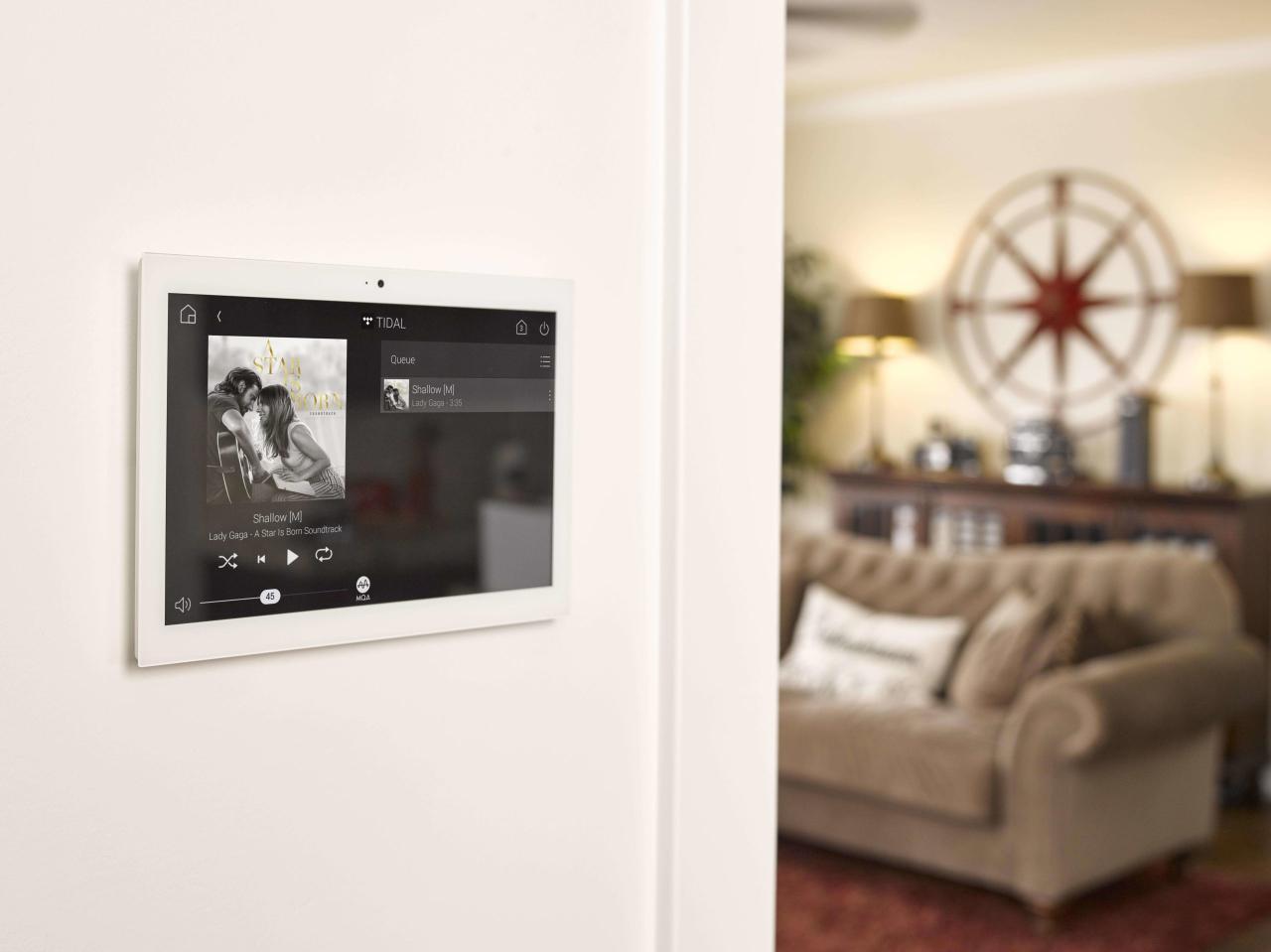
The home audio installation industry is on the brink of significant transformation, driven by technological advancements and changing consumer preferences. As we look ahead, it is crucial to understand emerging technologies and trends that are redefining how we experience sound in our homes. These innovations are not only enhancing sound quality but also making audio systems more accessible and user-friendly.
Advancements in wireless audio and streaming services are reshaping home audio experiences by allowing users to enjoy high-quality sound without the clutter of traditional wiring. The proliferation of smart devices and the Internet of Things (IoT) is enabling seamless integration of audio systems into daily life. Wireless technologies, such as Wi-Fi and Bluetooth, are becoming standard, providing flexibility in system placement and usage.
Emerging Technologies in Home Audio
The home audio installation landscape is evolving with several key technologies gaining traction. The significance of these innovations lies in their ability to deliver superior sound experiences while simplifying the installation process. Key trends include:
- Hi-Res Audio Streaming: Services like Tidal and Qobuz are popularizing high-resolution audio formats, which are increasingly supported by modern audio equipment, providing listeners with studio-quality sound that elevates their listening experience.
- Voice Control and Smart Assistants: Integration with platforms like Amazon Alexa, Google Assistant, and Apple’s Siri allows users to control their audio systems using voice commands, making audio management more accessible and convenient.
- Multi-Room Audio Systems: Technologies enabling multi-room setups, such as Sonos and HEOS, allow users to enjoy synchronized audio throughout their homes, enhancing social gatherings and personal listening experiences.
- Object-Based Audio Formats: Dolby Atmos and DTS:X are redefining sound design by allowing audio streams to be treated as individual objects, creating a more immersive surround sound experience that enhances films and music alike.
Impact of Streaming Services
The rise of streaming services is significantly influencing home audio design and installation. These services are not just changing how content is accessed but also setting new standards for audio quality and user experience. The importance of this trend can be seen in the following aspects:
- Accessibility of Diverse Content: With platforms offering vast libraries of music and podcasts, consumers expect audio systems that can easily connect to a variety of services, driving demand for adaptable and compatible systems.
- Customizable User Experiences: Many streaming platforms now offer personalized playlists and recommendations, prompting the need for audio systems that can effortlessly integrate and adapt to user preferences.
- Subscription-Based Models: The shift to subscription services is encouraging manufacturers to design systems that offer seamless updates and integration with the latest technologies, ensuring longevity and relevance in a rapidly evolving market.
Future Innovations in Audio System Design
Looking ahead, several innovations are poised to shape the design and installation of audio systems. These advancements are set to enhance not only functionality but also user engagement. Key predictions include:
- Advanced Acoustic Technologies: Innovations in speaker design, including the use of 3D printing to create customized acoustic components, may lead to better sound quality and aesthetic integration into home environments.
- Increased Personalization: Future audio systems may incorporate AI-driven algorithms that learn user preferences and ambient conditions, automatically adjusting sound output for optimal listening experiences.
- Sustainability in Design: As eco-consciousness rises, future audio installations may prioritize sustainable materials and energy-efficient technologies, appealing to a growing demographic concerned about environmental impact.
- Augmented Reality (AR) Integration: AR applications could allow users to visualize and simulate their audio setups in real-time, helping them make informed decisions about placement and configuration before installation.
Outcome Summary
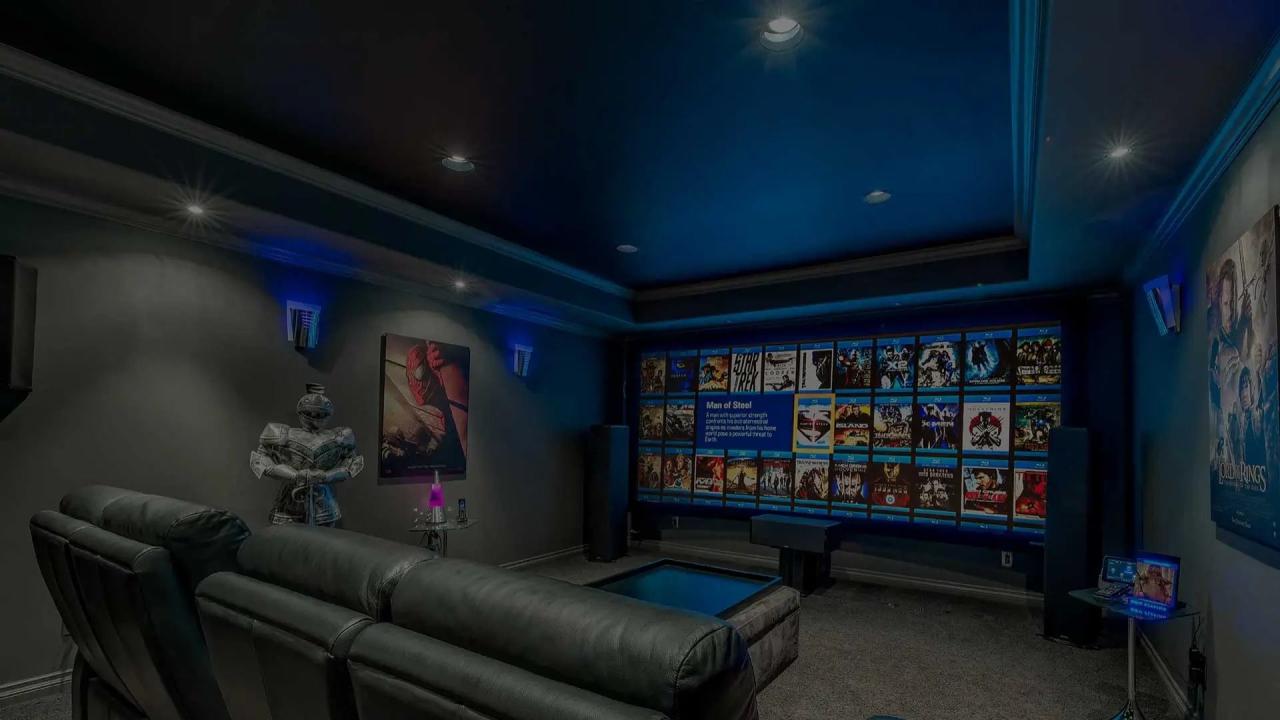
In conclusion, investing in professional home audio installation can significantly enhance your audio experience, ensuring that every note and sound effect resonates just as it was intended. With the insights provided, you are now better equipped to make informed decisions about your audio setup, from selecting the right components to troubleshooting any potential issues. Embrace the future of home audio and enjoy the symphony of sounds tailored to your personal taste.
Q&A
What is the typical cost of professional home audio installation?
Costs can vary widely based on system complexity but expect to pay between $500 to $2,000 for a quality installation.
Can I install a home audio system myself?
Yes, DIY installation is possible, but it often leads to mistakes that can affect sound quality. Professional guidance is recommended.
How do I choose the right speakers for my room?
Consider room size, speaker type, and your listening habits. Bookshelf speakers work well in smaller spaces, while floor-standing speakers suit larger areas.
Is audio calibration necessary?
Yes, calibration ensures that your audio system delivers the best sound quality tailored to your room’s acoustics.
What smart home devices can integrate with my audio system?
Devices like smart speakers, voice assistants, and home automation systems can enhance your audio experience with seamless control.