
 Zoe Nora
Cable management is more than just tidying up wires; it’s a crucial aspect of creating a functional and aesthetically pleasing workspace. Imagine stepping into an office where tangled cords are banished, allowing creativity and productivity to flow freely. In today’s fast-paced environment, where technology plays a pivotal role, effective cable management can enhance both safety and efficiency, making it an essential consideration for every workplace.
Proper cable management minimizes hazards like trips and falls while providing a professional appearance that reflects well on a business. Whether in bustling tech companies or quiet home offices, managing cables effectively can streamline operations and foster a sense of order, ultimately leading to better performance and satisfaction for employees and clients alike.
Understanding the Importance of Cable Management in Modern Workspaces
In today’s fast-paced and technology-driven work environments, effective cable management has become a crucial aspect of maintaining an organized and functional workspace. The proliferation of electronic devices and technology integration into daily operations can lead to a tangled mess of cables, which not only detracts from the aesthetic appeal of an office but can also hinder productivity and compromise safety. Implementing a strategic approach to cable management can transform a chaotic setup into a streamlined one, enhancing both efficiency and comfort for employees.
Effective cable management contributes significantly to a more organized and productive work environment. When cables are well-organized, employees can easily access their devices without the frustration of untangling wires. This accessibility not only saves time but also reduces stress, allowing workers to focus on their tasks rather than dealing with clutter. Furthermore, a tidy workplace fosters a sense of professionalism and order, which can have a positive impact on employee morale.
The potential hazards of poor cable management are numerous and can significantly impact safety within the workplace. Loose or tangled cables can become tripping hazards, leading to accidents that could result in injury. Additionally, improperly managed cables can interfere with airflow around electronic devices, increasing the risk of overheating and potential fire hazards. In environments where high-powered equipment is used, the consequences of poor cable management can be even more severe.
Several industries exemplify the critical role of cable management, showcasing the necessity for a systematic approach. In the healthcare sector, for example, medical facilities often rely on numerous devices that require precise cable organization to ensure proper functioning and safety. A tangled mess of cables in a hospital room could not only impede the swift response of medical staff but also pose risks to patients’ safety.
In the technology sector, data centers are another prime example where cable management is vital. The sheer volume of cables involved in networking and server installations necessitates meticulous organization to prevent connectivity issues and ensure efficient cooling. Without proper management, data centers can experience downtime, which can have significant financial implications for businesses relying on constant connectivity.
The importance of cable management extends also to educational institutions, where classroom technologies and computer labs require effective cable organization to facilitate learning. By ensuring that cables are neatly arranged and secured, institutions can create a conducive learning environment that minimizes distractions and hazards.
Effective cable management not only enhances aesthetics but also safeguards against safety hazards and inefficiencies.
In conclusion, with the increasing reliance on technology across various sectors, the need for effective cable management is paramount. Creating a structured approach to managing cables not only improves the overall appearance of a workspace but also enhances safety and productivity in diverse industries. Taking the time to invest in proper cable management is a small effort that can yield substantial benefits for organizations and their employees alike.
Exploring Different Types of Cable Management Solutions
Effective cable management solutions are essential for maintaining organized and efficient workspaces, especially in environments that rely heavily on technology. Whether in a home office or a corporate setting, the right cable management can enhance aesthetics, improve safety, and streamline operations. This section delves into various cable management solutions, outlining their benefits and suitable use cases.
Cable Ties and Velcro Straps
Cable ties and Velcro straps are among the simplest and most cost-effective cable management solutions. They are ideal for bundling multiple cables together, which can significantly reduce clutter and improve accessibility.
- Use Case: Suitable for home offices and small business setups where numerous cables are present.
- Advantages:
- Inexpensive and readily available.
- Easy to use and adjust as needed.
- Reusable options (like Velcro) help reduce waste.
Cable Management Boxes
Cable management boxes serve a dual purpose: they hide excess cables and provide a neat solution for power strips and adapters. These boxes keep the area looking clean while protecting cables from damage.
- Use Case: Particularly effective in home theaters and workspaces that require multiple devices.
- Advantages:
- Helps prevent dust accumulation on power strips and cables.
- Enhances safety by reducing tripping hazards.
- Available in various designs to match the decor.
Cable Raceways
Cable raceways are an elegant solution for concealing cables along walls or floors. These conduits can be painted to match the surroundings, providing a seamless appearance.
- Use Case: Ideal for offices and homes where aesthetics are a priority.
- Advantages:
- Protects cables from wear and tear.
- Prevents cables from tangling or becoming exposed.
- Available in various sizes to accommodate different cable volumes.
Under-Desk Cable Management Solutions
Under-desk cable management solutions, like cable trays or clips, are designed to keep cables off the floor and out of sight, promoting a tidy workspace.
- Use Case: Perfect for office environments with multiple workstations.
- Advantages:
- Maximizes floor space and reduces tripping hazards.
- Improves airflow around equipment, potentially prolonging device life.
- Facilitates easy access to cables for maintenance or adjustments.
Choosing the Right Cable Management Solution
Selecting the appropriate cable management solution entails analyzing specific organizational needs. Factors such as the volume of cables, aesthetic preferences, and safety considerations should guide the decision-making process.
| Solution Type | Use Cases | Advantages |
|---|---|---|
| Cable Ties and Velcro Straps | Home offices, small business setups | Cost-effective, reusable, easy to use |
| Cable Management Boxes | Home theaters, multi-device workspaces | Cleans clutter, enhances safety, decorative |
| Cable Raceways | Aesthetic-focused setups, offices | Protects cables, seamless appearance, variety |
| Under-Desk Cable Management | Office environments, multi-workstation setups | Maximizes space, improves airflow, easy access |
Designing an Effective Cable Management System for Home Offices
Creating an effective cable management system in a home office is essential for maintaining an organized and productive workspace. A well-designed system not only enhances aesthetics but also improves functionality, ensuring that your equipment remains accessible and safe. With the rise of remote work, it’s crucial to have a setup that minimizes clutter and maximizes efficiency.
When designing a cable management system tailored for home offices, several key factors must be taken into account. These include assessing the space, identifying equipment needs, and considering future expansion. A thoughtful layout can prevent tangling, damage, and even hazards associated with loose cables.
Key Factors for Cable Management System Design
Before diving into the layout, consider the following essential factors that can influence your cable management strategy:
- Space Assessment: Evaluate the layout of your home office, including furniture placement, wall outlets, and potential obstacles. Understanding your environment will help in planning the cable routes effectively.
- Equipment Identification: List all devices that require power or data connections, such as computers, monitors, printers, and routers. Knowing your equipment ensures that you plan for the right number of cables and connections.
- Future-Proofing: Anticipate future needs by allowing room for additional devices. This foresight can save time and effort in redoing your cable management later.
- Accessibility: Ensure that cables are easily accessible for maintenance and adjustments. This can be crucial for troubleshooting and upgrades without having to dismantle the entire setup.
Steps to Create a Customized Cable Management Layout
Developing a customized cable management layout involves a systematic approach to ensure efficiency and organization. Follow these steps for an effective design:
- Measure Your Space: Use a tape measure to accurately capture the dimensions of your workspace, noting locations of desks, outlets, and devices.
- Plan Cable Paths: Sketch a layout of your office, marking where each device will sit and drawing lines that represent the best routes for cables. Aim to keep cables as short as possible to reduce clutter.
- Select Cable Management Solutions: Choose from a variety of solutions, such as cable trays, raceways, or under-desk organizers. Pick options that fit your aesthetic and functional needs.
- Label Cables: Use cable labels to identify each cable’s purpose. This step will simplify troubleshooting and make it easier to make changes in the future.
- Install Cable Management Tools: Securely install your chosen management products, ensuring they are affixed to surfaces or walls as needed to keep cables tidy.
- Test Your Setup: Connect all cables and equipment to ensure everything works as intended. Check for any loose connections or potential tangles when moving equipment.
Essential Tools and Materials for Implementation
Having the right tools and materials on hand can make the process of implementing your cable management system more straightforward. Here’s a list of what you’ll need:
- Cable Ties: Useful for bundling cables together and keeping them organized.
- Adhesive Cable Clips: Help to attach cables to walls or desks and prevent them from hanging loosely.
- Cable Sleeves: Provide a neat appearance and protect cables from wear and tear.
- Label Maker: Ideal for creating custom labels for quick identification of cables.
- Scissors or Wire Cutters: Necessary for cutting ties or sleeves to the desired length.
- Raceways or Cable Trays: Essential for running cables along walls or under desks without creating a mess.
- Measuring Tape: Important for accurate measurements when planning cable routes.
“A well-organized cable management system not only enhances the look of your workspace but also improves overall efficiency and safety.”
The Role of Technology in Enhancing Cable Management
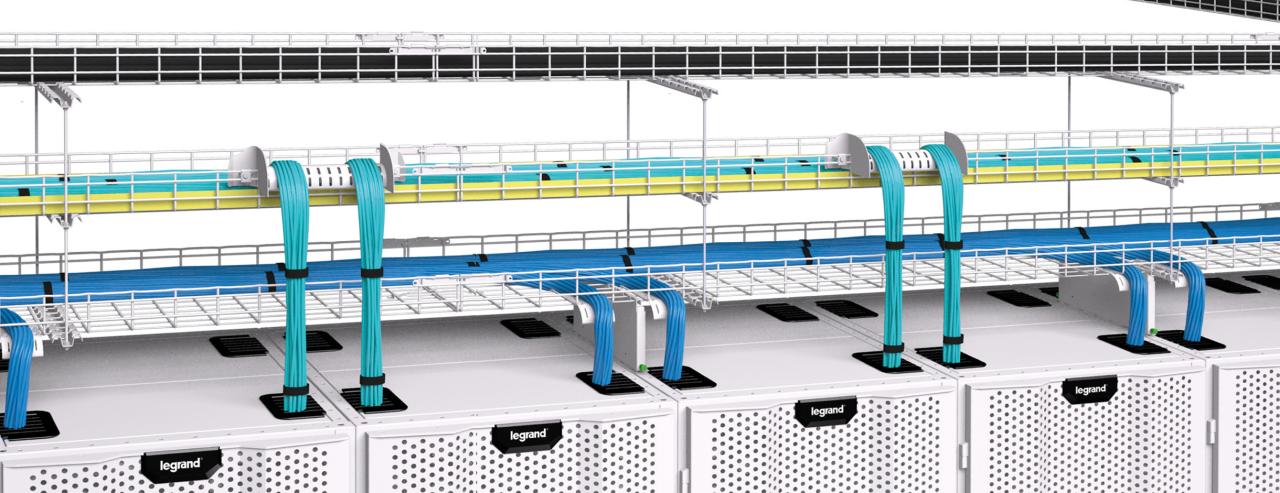
Advancements in technology have significantly transformed cable management solutions, making them more efficient, organized, and aesthetically pleasing. With the increasing complexity of modern technology, including home automation systems, work-from-home setups, and entertainment systems, managing cables has become imperative. Innovative products and smart solutions not only help in organizing cables but also enhance safety and usability within various environments, from offices to homes.
The evolution of cable management technology has introduced a variety of solutions that address the challenges of cluttered wires. Traditional methods such as zip ties and sleeve wraps are now complemented by advanced technologies that allow for more dynamic and functional management of cables. For instance, companies are creating solutions that adapt to the ever-changing tech landscape, providing flexibility and efficiency in managing both power and data cables. Moreover, the integration of smart technology into cable management tools has enabled users to streamline their setups in ways that were previously unimaginable.
Smart Cable Management Products
Smart cable management solutions have emerged as a game-changer in the industry. These products not only organize cables but also incorporate technology to monitor and control various aspects of cable usage. The benefits of these smart products are manifold, including improved safety, enhanced user experience, and better energy efficiency.
One notable example is the use of smart cable management boxes that come with built-in surge protectors and USB ports. These boxes allow users to store excess cable length while keeping devices powered and charged without the hassle of untangling wires. Another innovative product is the cable management raceway systems that offer a sleek design for running wires along walls. These systems often include adhesive backing or easy-install clips, making them user-friendly and practical for various installations, from home theaters to office desks.
Additionally, smart cable organizers that feature automated cable reels are gaining popularity. These devices can retract cables with the push of a button, effectively eliminating clutter and ensuring that cables are kept tidy when not in use. For instance, products like the “Cord Reel” provide a compact solution for managing multiple cables while allowing easy access when needed.
“Smart cable management is not just about organization; it’s about creating a seamless experience in a tech-driven world.”
In summary, the integration of technology into cable management has yielded products that significantly enhance user experience, from simple wire organization to advanced automated systems that promote a cleaner, safer environment. These innovations exemplify the transition from traditional manual solutions to smart, efficient designs, catering to the needs of modern technology users.
DIY Cable Management Techniques for Individuals and Businesses
Effective cable management is crucial in today’s tech-driven world, whether for home offices or corporate environments. A well-organized workspace not only enhances aesthetics but also improves productivity and safety. Implementing simple DIY cable management techniques can help keep your cords neatly arranged and accessible. Here are some practical methods anyone can try.
Simple Techniques for Cable Organization
There are several easy DIY cable management techniques that can be applied in both personal and professional spaces. Here are three effective methods:
1. Cable Ties and Velcro Straps: One of the simplest ways to manage cables is to use cable ties or Velcro straps. By grouping cables together and securing them with ties, you can eliminate tangles. Velcro straps are especially useful because they can be easily adjusted and reused.
– Tip: Color-code your ties to identify different cables quickly, such as using blue for power cords and red for data cables.
2. Drawer Organizers: Repurposing drawer organizers can help keep cables from cluttering your workspace. Place your chargers, USB cords, and other wires in divided sections within a drawer. This not only declutters your desk but also makes it easy to find what you need.
– Tip: Label each section according to the type of cable to make retrieval faster.
3. Cable Clips and Hooks: Use adhesive cable clips or hooks to guide cables along walls or desks, preventing them from hanging loosely. These clips can be attached to surfaces to create designated paths for your cables, keeping them off the floor and reducing trip hazards.
– Tip: Position the clips strategically so that they align with your devices, ensuring a clean and efficient look.
Repurposing Everyday Items for Cable Organization
You don’t need to spend a fortune on cable management solutions; often, everyday items can be creatively repurposed. Here are some ideas:
– Toilet Paper Rolls: Use empty rolls to hold and organize cords. Simply wrap your cables around the roll and label them for easy identification.
– Binder Clips: These are great for holding cables on your desk. Clip the binder to the edge of your desk and thread the cable through the metal arms to keep it secure and accessible.
– Mason Jars: Use mason jars to store various cables and chargers. You can even paint the jars for a decorative touch that enhances your workspace aesthetic.
– Old CD Cases: These can serve as cable organizers. Place cords in the case to keep them from tangling, and you can even label the spine to identify each cable easily.
Common Mistakes to Avoid During DIY Cable Management
When managing cables, it’s easy to make mistakes that can lead to an even bigger mess. Here are some common pitfalls to avoid:
– Overcrowding Cables: Grouping too many cables together can lead to confusion and increased wear on the cables.
– Ignoring Labeling: Failing to label cables can make troubleshooting and replacing them a hassle.
– Neglecting Accessibility: Ensure that cables are accessible for easy plugging and unplugging; don’t hide them away completely.
– Using Inappropriate Fasteners: Avoid using tight fasteners that can damage cables over time. Choose options that allow for some movement.
– Overlooking Safety: Always ensure that cables are kept away from heat sources or areas where they might get pinched or damaged.
Future Trends in Cable Management
As technology continues to advance at a rapid pace, cable management is evolving to meet the demands of modern work environments. Emerging trends focus on enhancing organization, efficiency, and sustainability in managing cables, which are crucial for maintaining a clutter-free workspace. This segment delves into three key trends shaping the future of cable management and their potential impacts on workplaces.
Smart Cable Management Solutions
The rise of smart technology is influencing cable management, with automated solutions becoming increasingly common. Smart cable management systems can adjust cable routes, monitor usage, and provide real-time data on cable performance. This evolution is designed to reduce human error and enhance workspace efficiency. For example, offices equipped with smart desks can automatically retract unnecessary cables when not in use, significantly minimizing clutter. Such systems not only streamline operations but also foster a more organized environment, which can lead to improved productivity.
Sustainability in Cable Management
Sustainability is increasingly becoming a core consideration in the development of cable management solutions. Innovative materials and practices are being adopted to ensure that cable management products are environmentally friendly. For example, manufacturers are exploring biodegradable plastics and recycled materials, which minimize the ecological footprint of their products. As organizations prioritize sustainability, using eco-friendly cable management systems can enhance corporate responsibility and appeal to environmentally conscious consumers. Adopting sustainable practices can also lead to potential cost savings in materials and waste management.
Comparison of Traditional and Future Trends in Cable Management
Understanding the differences between traditional and future trends in cable management is essential for businesses looking to optimize their workspaces. Below is a comparison table that highlights key distinctions:
| Feature | Traditional Cable Management | Future Cable Management Trends |
|---|---|---|
| Material Use | Standard plastics and metals | Biodegradable materials and recycled options |
| Organization | Static solutions like cable ties and trays | Dynamic and adaptable systems, including smart solutions |
| Monitoring | No real-time tracking | Integrated monitoring systems for performance analysis |
These emerging trends are set to revolutionize how we approach cable management, with implications for workspace organization, sustainability, and operational efficiency. By staying ahead of these trends, businesses can create more effective and environmentally conscious work environments.
Maintenance and Best Practices for Sustaining Cable Management Systems
To ensure an effective cable management system, regular maintenance and adherence to best practices are crucial. These practices not only extend the lifespan of the system but also enhance safety and functionality, thereby reducing the risk of accidents and operational downtime. Proper management of cables leads to improved aesthetics and efficiency in any workspace.
Maintaining a cable management system involves routine checks and organizational strategies to keep cables in optimal condition. This includes inspecting for wear and tear, ensuring that cables are not tangled or pinched, and making necessary adjustments to accommodate changes in the workspace. Regular assessments can prevent larger issues from developing, such as overheating or connectivity problems.
Essential Maintenance Practices
Routine maintenance practices are vital for preserving the integrity of your cable management system. Incorporating these strategies will help identify potential issues before they escalate.
- Conduct periodic inspections: Regularly check cables for physical damage, wear, or fraying. Look for loose connections and ensure that all cables are securely fastened.
- Organize cables: Group similar cables together using cable ties, sleeves, or labeling. This will help in identifying issues quickly and facilitate easier troubleshooting.
- Keep cables away from heat sources: Ensure that cables are not exposed to excessive heat, which can lead to insulation failure. Maintaining a safe distance from heat sources is crucial.
- Cable management systems should be adjusted as needed: As your workspace evolves, so should your cable management system. Regularly assess the layout to accommodate new equipment or changes in workflow.
Strategies for Regular Assessments and Improvements
Implementing systematic assessments can significantly improve cable organization and functionality over time. These strategies can help identify areas that need enhancement or modification.
- Schedule regular reviews: Establish a routine, such as quarterly audits, to evaluate the effectiveness of your cable management system.
- Utilize technology: Employ cable management software or tools that can help visualize and manage cable layouts digitally. This can simplify updates and modifications.
- Solicit team feedback: Engage with team members who interact with the cable management system daily. Their insights can be valuable in identifying pain points and areas for improvement.
Best Practices Checklist for Long-Term Success
A checklist can serve as a practical guide to ensure all aspects of cable management are covered. This will help maintain a systematic approach to cable organization.
- Inspect all cables for damage or wear at least once every six months.
- Label all cables clearly to streamline troubleshooting and maintenance.
- Use cable clips or ties to prevent tangling and promote organization.
- Keep cables out of high-traffic areas to minimize the risk of tripping hazards.
- Ensure that all cables are rated for their intended use and environment.
- Document any changes made to the cable management system for future reference.
- Stay informed about new cable management technologies and solutions.
Epilogue
In conclusion, embracing effective cable management not only enhances the aesthetic of any workspace but also significantly boosts productivity and safety. As technology evolves, so too do the solutions available, making it easier than ever to keep cables organized. By implementing best practices and staying informed about emerging trends, individuals and businesses can ensure that their cable management systems remain efficient and effective for years to come.
FAQs
What are the benefits of cable management?
Cable management enhances safety, improves aesthetics, reduces clutter, and increases productivity by creating an organized workspace.
How often should cable management systems be maintained?
It is advisable to assess and maintain cable management systems every few months to ensure effectiveness and address any issues promptly.
Can cable management solutions be customized?
Yes, many cable management solutions offer customizable options to fit specific needs and workspace layouts.
Are there eco-friendly cable management options?
Yes, there are sustainable cable management solutions made from recycled materials and designed to minimize waste.
What common mistakes should I avoid in cable management?
Avoid using excessive length of cables, neglecting to label connections, and failing to regularly check for wear and tear.